BARRIO NORTE
Barrio Norte occupies a residential pocket of Lomas de Chapultepec, one of Mexico City's more composed western neighbourhoods, sitting at a remove from the concentrated restaurant corridors of Polanco and Roma Norte. The address alone signals a deliberate kind of positioning, not the city's loudest table, but one that rewards those already paying attention to where Mexico City dining is heading next.
 Discover on Pearl
Pearl is the En Primeur Club membership app — saves, bookings, and concierge access live there. Same editors, same standards.
- Address
- Avenida Prado Norte 340, Lomas - Virreyes, Lomas de Chapultepec, Miguel Hidalgo, 11000 Ciudad de México, CDMX, Mexico
- Phone
- +525555200557
- Website
- barrionorte.com.mx
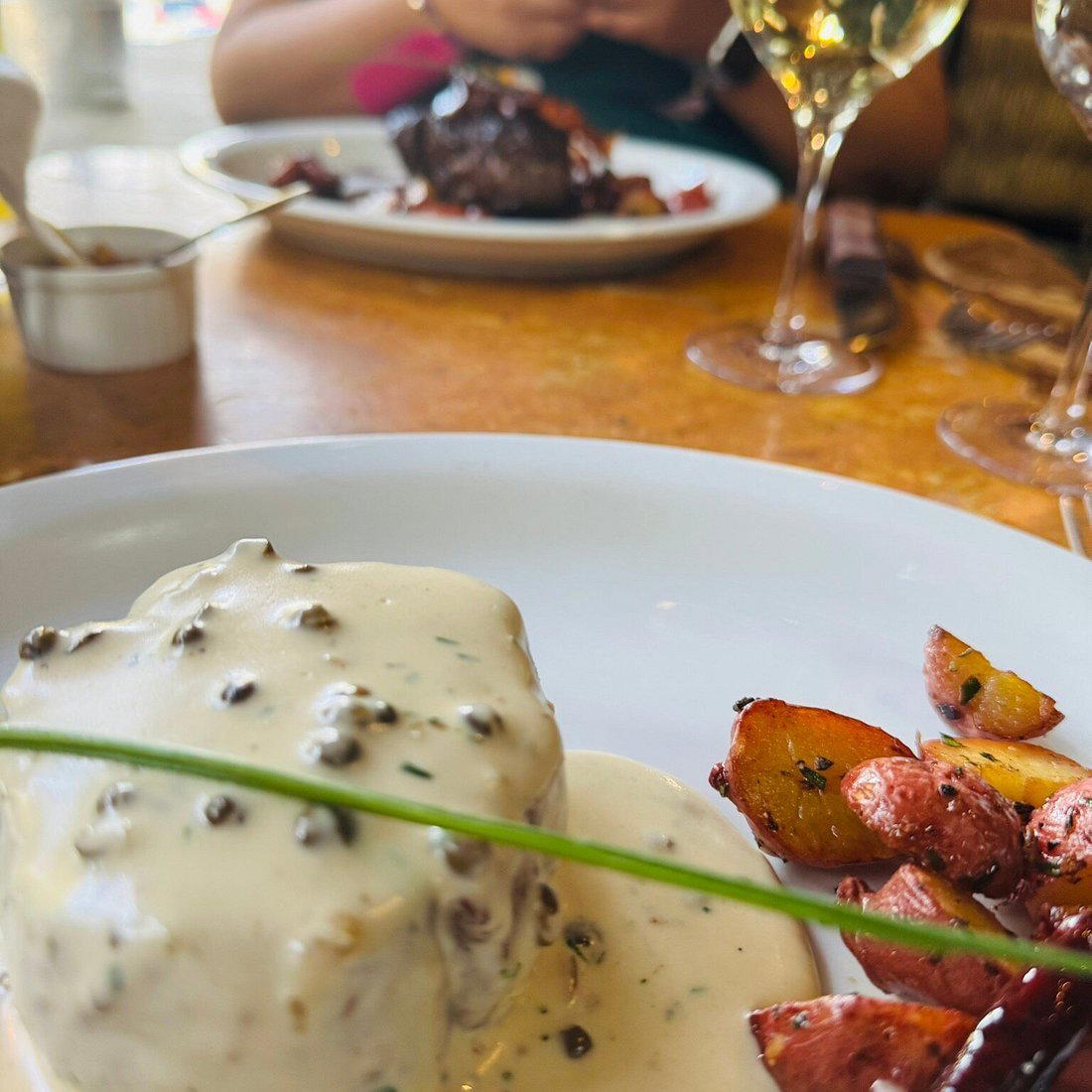
Lomas de Chapultepec and the Restaurants That Choose Quiet Over Traffic
Mexico City's dining map has long been dominated by a handful of postcode clusters: the chef-table corridor running through Polanco, the creative-casual density of Roma Norte and Condesa, and the fine-dining axis that includes addresses like Pujol and Quintonil. Against that geography, Lomas de Chapultepec, the residential plateau to the city's west, where Avenida Prado Norte runs through wide, tree-lined blocks, reads as a deliberate counter-positioning. Restaurants that open here are not chasing foot traffic. They are assuming their audience will travel for a reason.
That logic underpins the placement of Barrio Norte at Avenida Prado Norte 340. The Miguel Hidalgo borough has the infrastructure of old money and the restraint that tends to accompany it, quieter streets, lower signage density, and a dining culture that skews toward regulars rather than first-timers searching for a trending address. For Mexico City's broader restaurant evolution, this matters: as the Roma and Polanco corridors have grown more saturated and more expensive to operate in, a secondary tier of addresses in established residential districts has absorbed some of the city's serious dining energy.
What the Address Tells You Before You Sit Down
The Lomas-Virreyes sub-district, where Barrio Norte sits, has a different rhythm from the city's more visited dining neighbourhoods. Arriving here requires intention, there is no ambient walk-in culture, no cluster of competing terraces to duck in and out of. The neighbourhood's character is formed by mid-century residential architecture, established money, and a dining scene that has historically served that community rather than courting visitors. That context shapes what a restaurant here needs to be: reliable, considered, and worth the deliberate journey from Polanco or Condesa.
Mexico City's dining evolution over the past decade has moved in two simultaneous directions. The first is the global-facing track: multi-course tasting menus, international press recognition, and booking windows measured in months, represented by restaurants that now compete in the same conversation as Le Bernardin in New York City or Lazy Bear in San Francisco. The second is quieter: neighbourhood-anchored dining that serves the city's own population on a Tuesday evening, where the clientele are not tourists and the cooking does not need to justify itself to international critics. Barrio Norte's address places it closer to the second current.
The Wider Mexican Restaurant Scene It Operates Within
Understanding Barrio Norte's position requires some sense of where Mexico City sits in the country's broader dining geography. The capital holds the densest concentration of ambitious cooking in Mexico, but the national scene has decentralised meaningfully in recent years. Animalón in Valle de Guadalupe and Lunario in El Porvenir represent the wine-country format that has drawn serious attention to Baja. KOLI Cocina de Origen in Monterrey and Pangea in San Pedro Garza Garcia anchor the northern tier. In the south, Levadura de Olla Restaurante in Oaxaca operates from a deep-roots ingredient position, while the coastal belt runs from Le Chique in Puerto Morelos to HA' in Playa del Carmen and Arca in Tulum. Alcalde in Guadalajara and Olivea Farm to Table in Ensenada extend the national map further.
Within Mexico City itself, the competitive set is well-established. The city's price-tier spread runs from the $$ creative-Italian format of Rosetta through the $$$ territory of Em and into the $$$$ bracket where Pujol and Quintonil operate. Sud 777 represents the creative end of the market with a distinct south-city identity. Where Barrio Norte fits within that pricing and format range is part of what defines its audience.
Evolution and Positioning: A Neighbourhood Restaurant at a Turning Point
The trajectory of restaurants in Lomas de Chapultepec reflects a wider shift in how Mexico City's dining culture has evolved. Districts like this one, historically the preserve of private clubs and conservative clientele, have increasingly attracted operators who want to run serious kitchens without the overhead and spectacle of Polanco's main drag. That pivot represents one of the more interesting structural changes in the city's restaurant scene: the movement of culinary ambition into quieter real estate, where lower occupancy pressure allows for a different kind of hospitality.
That evolution is not unique to Mexico City. Similar patterns have played out in Paris's 11th arrondissement, in London's Hackney, and in São Paulo's Vila Madalena, where restaurants that would have been priced out of premium postcodes built loyal followings in overlooked residential zones. The question for any restaurant operating in this mode is whether the neighbourhood identity enhances the proposition or simply explains the address. At its finest, a Lomas de Chapultepec location signals discretion and permanence: the restaurant is not performing for the street, and the cooking does not need to be.
What to Expect From This Part of the City
Arriving at Avenida Prado Norte 340 by car remains the practical default, the Lomas-Virreyes area is accessible but not walkable from the city's main metro network, and ride-share remains the standard for most visitors coming from Polanco or Roma. The broader Miguel Hidalgo borough has several reference points: the Bosque de Chapultepec park system is to the south and east, Pedregal and the Periférico ring the area to the west. The neighbourhood's commercial life is quieter than the city's central dining zones, which means the restaurant carries more contextual weight, it is, for its immediate vicinity, the kind of address that defines the block rather than competing with a dozen alternatives on the same street.
The Reforma corridor to the south connects the area to the rest of the city, and the neighbourhood's general security reputation is solid relative to other Mexico City districts.
A Pricing-First Comparison
Comparable venues nearby, for context on price, style, and recognition.
| Venue | Cuisine | Price | Awards | Notes |
|---|---|---|---|---|
| BARRIO NORTEThis venue — the venue you are viewing | Del Bosque, Uruguayan Steakhouse | $$$ | , | |
| Limantour Polanco | Polanco Chapultepec, Cocktail Bar | $$$ | , | |
| Memorable Show Center | $$$ | , | Noche Buena, International Fine Cuts and Meat | |
| Kolobok Santa Maria 2 | Santa Maria la Ribera, Authentic Russian | $$ | , | |
| Lampuga | $$$ | , | Polanco Chapultepec, Modern Mediterranean Seafood | |
| Simonetta Bistró | Polanco Chapultepec, Modern Bistro | $$$ | , |
Continue exploring
More in Mexico City
Restaurants in Mexico City
Browse all →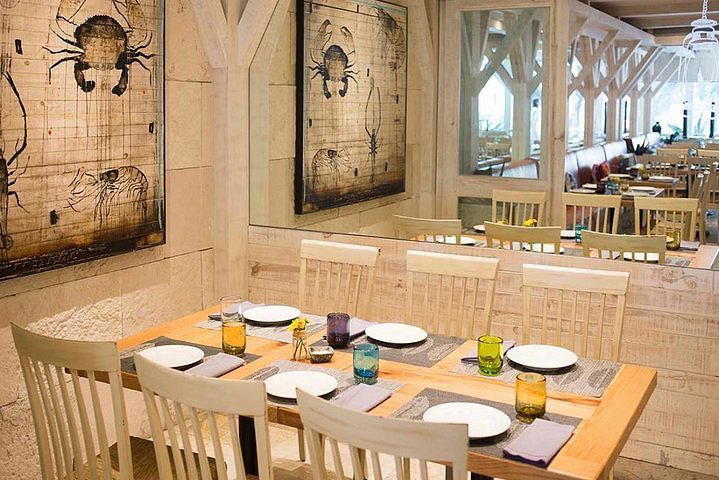
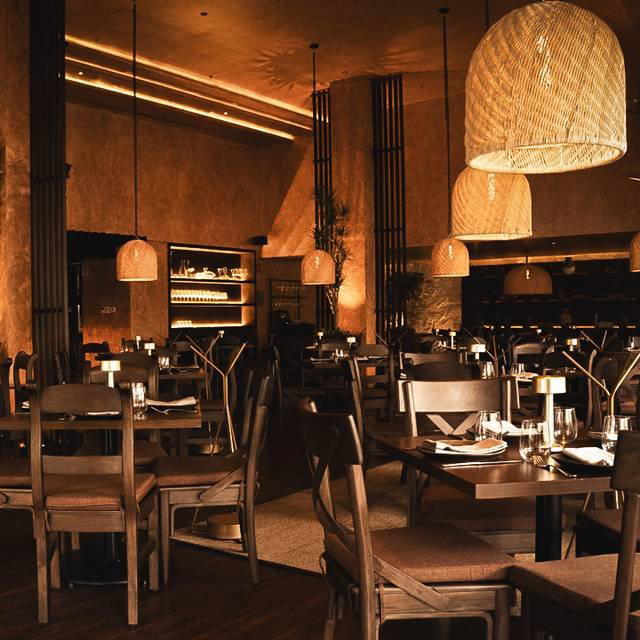
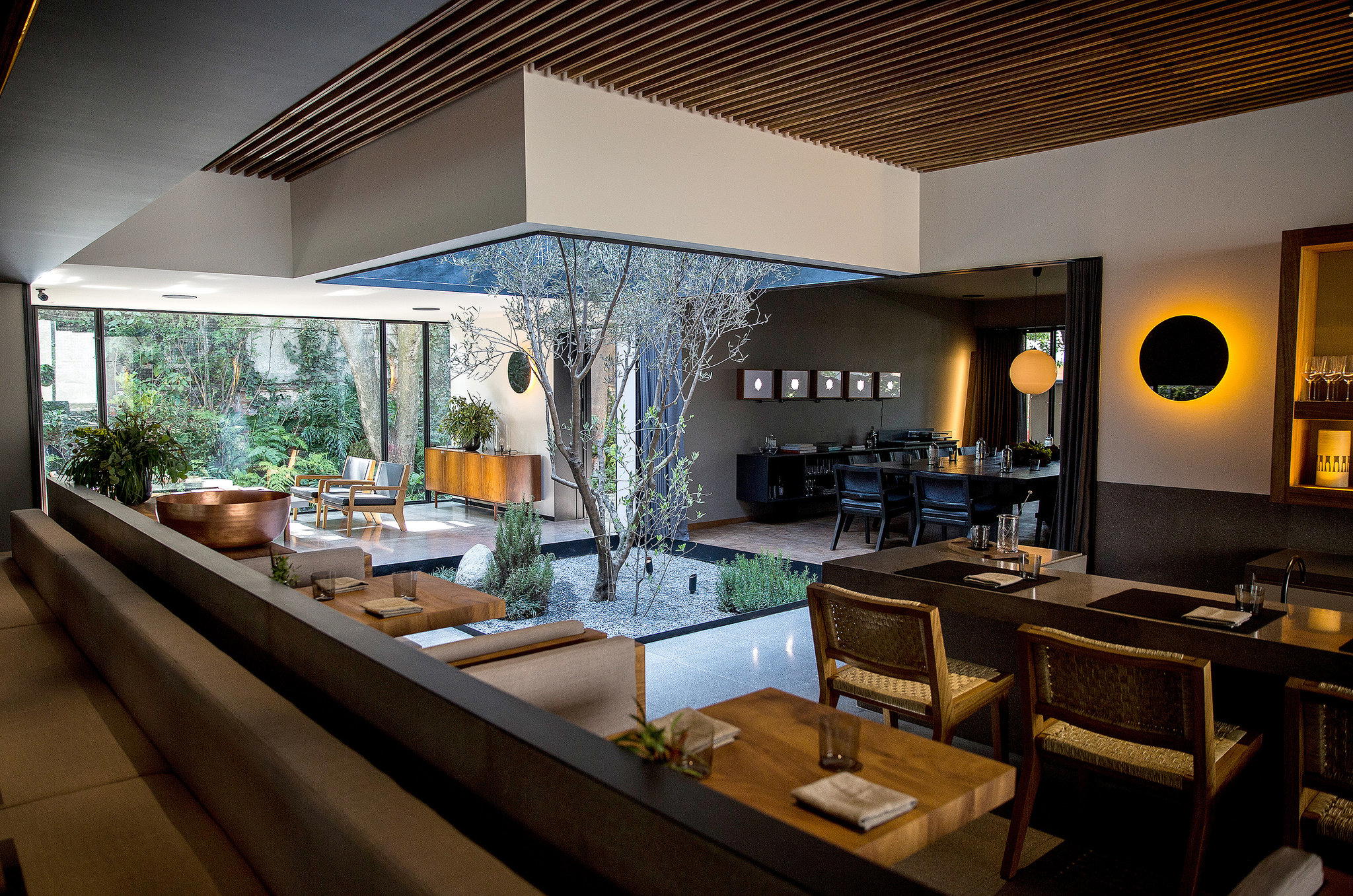
Bars in Mexico City
Browse all →
At a Glance
- Lively
- Group Dining
- Business Dinner
Attentive service with sufficiently noisy ambience conducive to conversation.