Kolobok
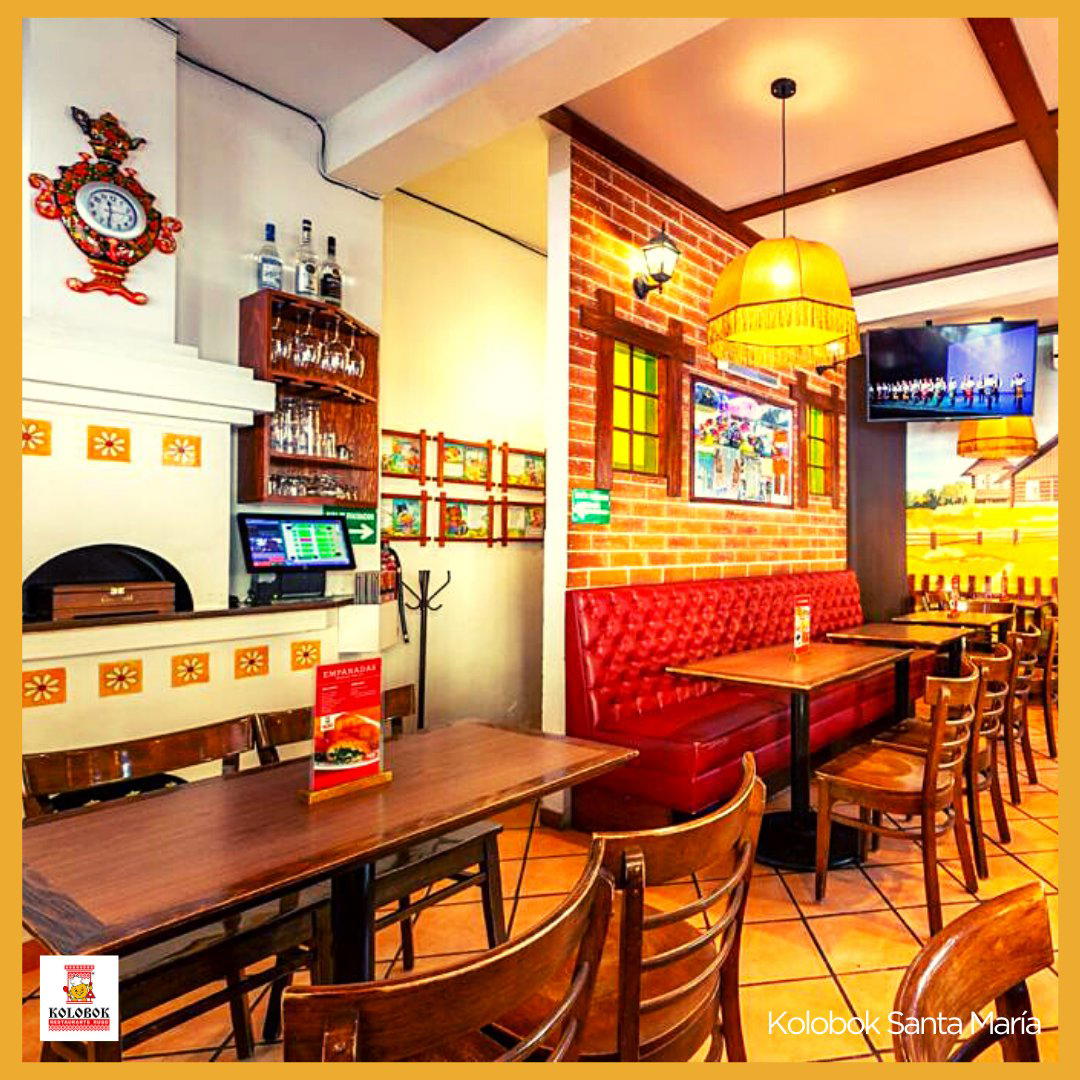
Kolobok occupies a quiet address in Santa María la Ribera, one of Mexico City's most underappreciated residential districts, at a remove from the high-profile restaurant corridors of Roma and Condesa. The name, Russian for a round, rolling bread, signals something worth pausing over in a city where dining references rarely stray this far from the obvious. Details on format and pricing remain sparse, which makes it a place to approach with curiosity rather than a checklist.
 Discover on Pearl
Pearl is the En Primeur Club membership app — saves, bookings, and concierge access live there. Same editors, same standards.
- Address
- Calle Salvador Díaz Mirón 87, Sta María la Ribera, Cuauhtémoc, 06400 Ciudad de México, CDMX, Mexico
- Phone
- +525555417085
- Website
- kolobok.com.mx
Santa María la Ribera and the Case for Eating Off the Main Track
Mexico City's restaurant conversation tends to orbit a familiar geography: the tree-lined streets of Roma Norte, the market-adjacent blocks of Condesa, the polished dining rooms of Polanco. Santa María la Ribera sits west of all that, a neighbourhood of 19th-century mansions turned family homes, the Moorish-tiled Kiosco Morisco at its centre, and a pace that hasn't caught up to the city's more photographed districts. Kolobok is an authentic Russian restaurant in Mexico City’s Santa María la Ribera, priced around $20 per person. That quieter register is precisely what makes an address like Calle Salvador Díaz Mirón 87 worth considering. Restaurants that set up in low-traffic residential zones rarely do so accidentally; the audience they attract tends to be local, returning, and self-selecting.
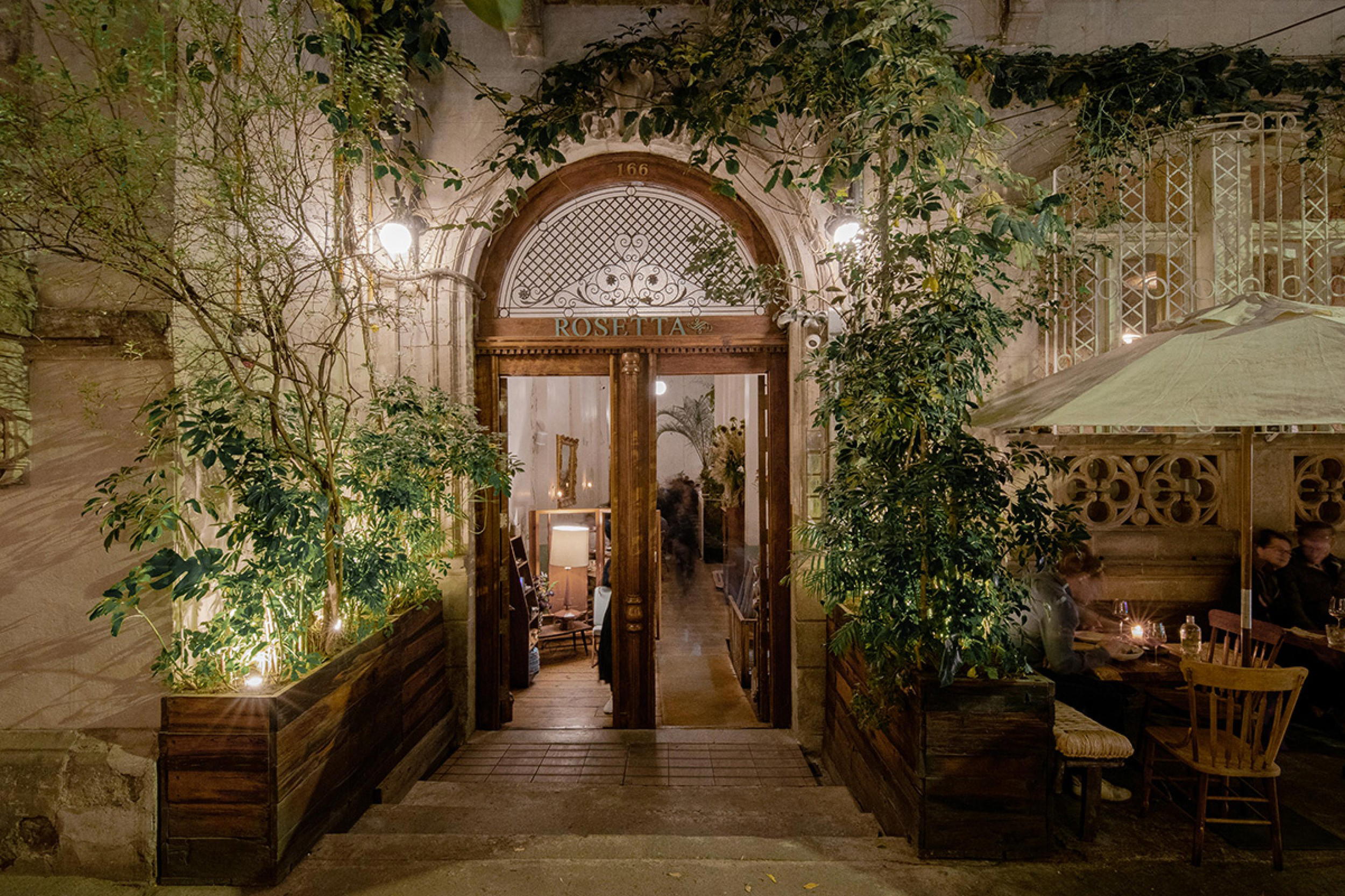
The broader Mexico City dining scene has sorted itself into tiers that roughly track with neighbourhood prestige. At the leading, venues like Pujol and Quintonil operate in Polanco at price points that reflect their international recognition. Further down, in Roma and Condesa, places like Em and Rosetta hold strong positions at mid-to-upper price ranges. Santa María la Ribera operates on different terms. The neighbourhood's dining identity is built around neighbourhood loyalty rather than destination traffic, and restaurants there tend to reflect that, smaller rooms, less formal structure, lower overhead translated into lower prices.
The Name as a Starting Point
Kolobok is the name of a round bread-roll character from Russian and broader Slavic folklore: a creature that rolls away from everyone who tries to catch it, only to be outwitted in the end. That the name appears on a restaurant in a Mexican residential colonia is not incidental. In cities where dining concepts are increasingly global in reference, consider the Korean-inflected omakase formats now operating across New York at venues like Atomix, or the French-trained precision that defines Le Bernardin's long legacy, a Slavic-named establishment in Mexico City places itself in a conversation about cross-cultural identity. Whether the menu follows that signal into Eastern European cooking, or uses the name as something more oblique, is left to the experience at the table. What is clear is that the naming choice itself communicates intent.
The Dining Ritual in a Neighbourhood Room
Santa María la Ribera's restaurant culture follows a rhythm distinct from Roma or Polanco. Without the pressure of a tourist-facing pedestrian corridor, meals here tend to extend. Tables turn less aggressively. The ritual of eating, arrival, settling, the slow negotiation of what to order, the pause between courses, is allowed to take its natural shape rather than being compressed by reservation management systems calibrated for maximum covers. This is closer to the European neighbourhood-bistro model than to the high-volume contemporary Mexican dining format that has made Mexico City one of the more discussed dining cities in the Americas over the past decade.
That pacing matters more than it might initially seem. Across Mexico's regional dining scenes, from the wood-fire formats at Animalón in Valle de Guadalupe to the technique-forward menus at Le Chique in Puerto Morelos, the most considered meals share a structural discipline: they have a beginning, a middle, and an end, and the room understands that. But its location in a low-footfall residential zone suggests the room is sized and staffed for a certain deliberateness rather than throughput.
How Kolobok Sits in a Broader Mexican Context
Mexico's non-capital restaurant scenes have grown considerably in ambition and recognition. KOLI Cocina de Origen in Monterrey, Alcalde in Guadalajara, Levadura de Olla in Oaxaca, Pangea in San Pedro Garza García, Huniik in Mérida, HA' in Playa del Carmen, and Lunario in El Porvenir all represent a national dining conversation that has moved well beyond Mexico City as its sole reference point. Within that context, a restaurant in a Mexico City neighbourhood operating under a name drawn from Slavic folklore occupies a genuinely distinct position. It is not trading on the city's well-worn culinary identity markers, which means its appeal depends on what it actually delivers in the room.
Meanwhile, Olivea in Ensenada and Sud 777 in Mexico City both demonstrate how farm-sourcing and creative cooking can coexist at mid-range price points without requiring a high-profile postcode. Kolobok's Santa María la Ribera address suggests a similar logic: the rent economics of a non-destination neighbourhood can support a more adventurous or intimate format than would be viable on a main drag in Roma Norte.
Planning Your Visit
Kolobok is open Monday to Saturday from 12 to 10 PM and Sunday from 12 to 9 PM, with a casual dress code and walk-in-friendly service.
| Venue | Neighbourhood | Price Range | Format Signal |
|---|---|---|---|
| Kolobok | Santa María la Ribera | Not confirmed | Residential, low-footfall |
| Rosetta | Roma Norte | $$ | Italian-leaning, creative |
| Comedor Jacinta | Mexico City | $$ | Neighbourhood Mexican |
| Em | Mexico City | $$$ | Contemporary Mexican |
| Pujol | Polanco | $$$$ | Destination tasting format |
Santa María la Ribera is accessible by metro (Buenavista and San Cosme stations are within reasonable walking range of the Calle Salvador Díaz Mirón address). Visiting during weekday evenings typically means a quieter room than the weekend, when the neighbourhood fills with families using the Alameda de Santa María park. Arriving without a reservation is usually straightforward.
Comparable Venues
Comparable venues nearby, for context on price, style, and recognition.
| Venue | Cuisine | Price | Awards | Notes |
|---|---|---|---|---|
| KolobokThis venue — the venue you are viewing | Authentic Russian | $$ | , | |
| Limantour Polanco | Cocktail Bar | $$$ | , | Polanco Chapultepec |
| Barrio Sur | Uruguayan Parrilla | $$$ | , | San Ángel Inn |
| Luzine | Armenian Seafood and Grill | $$$ | , | La Puntada |
| Kolobok Santa Maria 2 | Authentic Russian | $$ | , | Santa Maria la Ribera |
| Casa del Fuego | Specialty Coffee & Australian Brunch | $$ | , | Cuauhtemoc |
Continue exploring
More in Mexico City
Restaurants in Mexico City
Browse all →
Bars in Mexico City
Browse all →
At a Glance
- Cozy
- Family
- Casual Hangout
- Standalone
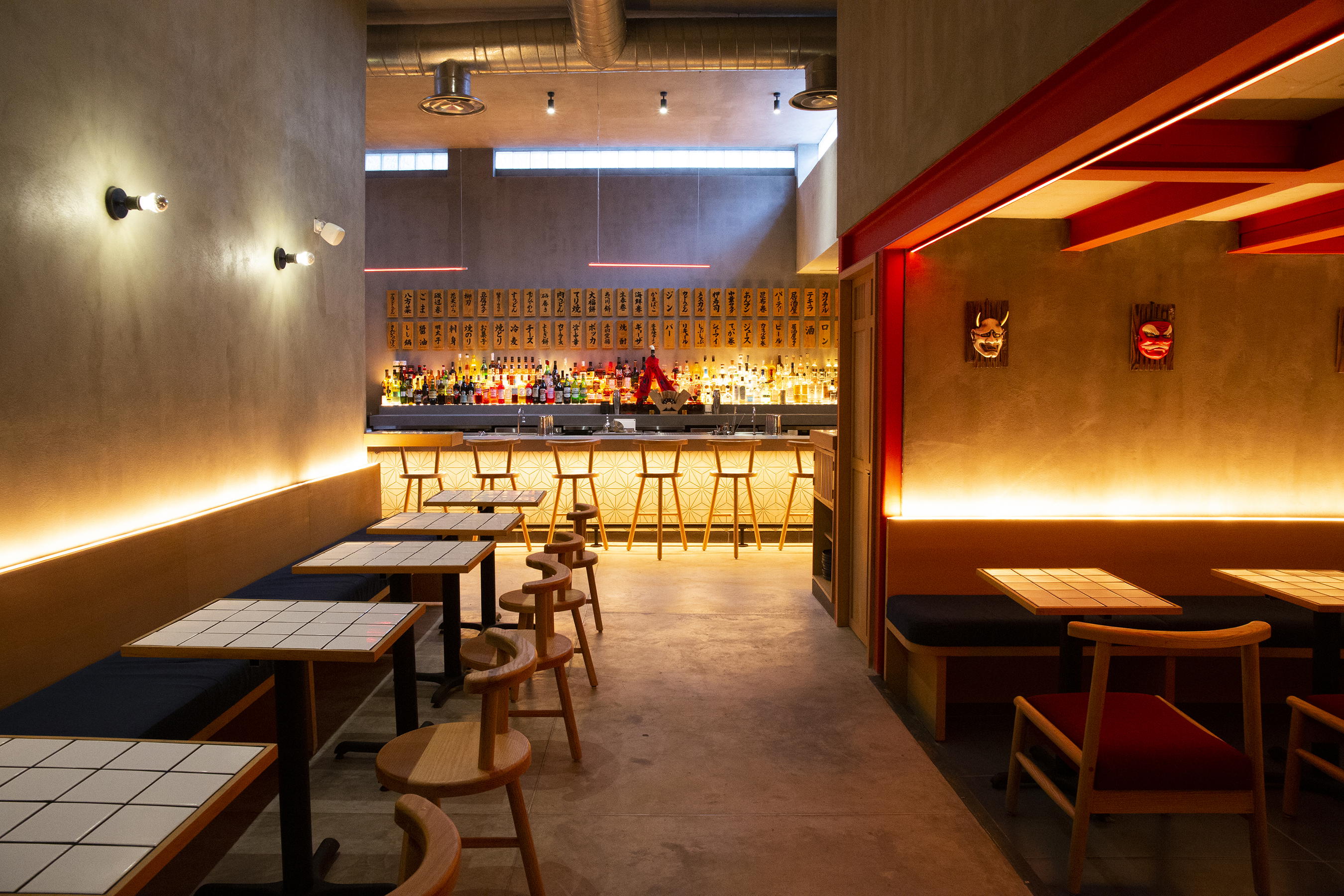
Cozy and friendly atmosphere with a homey feel, clean setting, and welcoming service.