SPARSH
SPARSH occupies a ground-floor address on London Road in Forest Hill, SE23, sitting at a remove from the capital's most-publicised dining corridors. Where London's ££££ tier, represented by the likes of CORE by Clare Smyth and The Ledbury, commands central postcodes and Michelin hardware, SPARSH operates in a different register, serving a south-east London neighbourhood that has developed its own dining identity quietly and without fanfare.
Pearl is the En Primeur Club membership app — saves, bookings, and concierge access live there. Same editors, same standards.
- Address
- 47 London Rd, London SE23 3TY, United Kingdom
- Phone
- +442033368139
- Website
- sparshrestro.co.uk
- Directions
- Get directions
 Saves & bookings on Pearl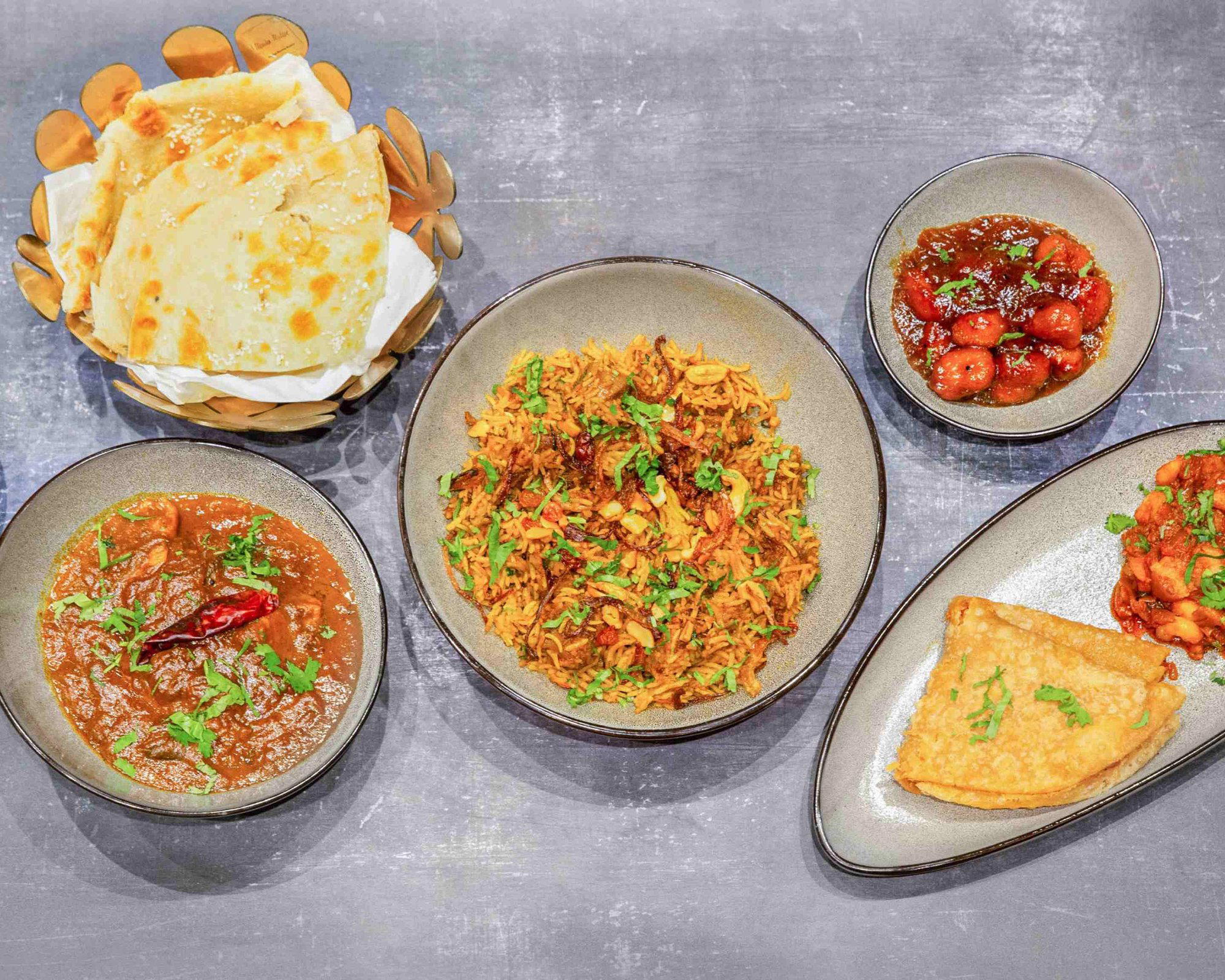
Forest Hill and the Quiet Shift in London's Dining Geography
The city's Michelin-holding rooms, CORE by Clare Smyth, The Ledbury, Sketch's Lecture Room and Library, cluster in the west and centre, pricing and positioning against each other at the ££££ bracket. But over the past decade, south-east London has been developing a parallel dining culture, quieter and less formally credentialled, that serves a different kind of regulars. Forest Hill, SE23, sits inside that shift. SPARSH, at 47 London Road, is part of a cohort of neighbourhood addresses that depend on local repeat business rather than destination diners arriving by Uber from W1.
That geographical distance from the capital's trophy dining circuit matters more than it might seem. Venues in SE23 price and operate against the needs of their immediate community, not against the tasting-menu arms race playing out in W1 or SW3. Understanding SPARSH requires understanding that context first.
What the Address Signals
London Road in Forest Hill runs through a stretch that contains independent cafés, takeaways, and a handful of sit-down restaurants serving the residential streets nearby. It is not a dining destination in the way that, say, Bray is a destination, where Waterside Inn draws visitors from across Europe specifically to eat. Nor does it operate in the register of Le Manoir aux Quat'Saisons in Oxford or L'Enclume in Cartmel, where the restaurant itself is the reason for the journey. Neighbourhood venues on London Road compete differently: on value, consistency, and the kind of familiarity that comes from being the place people return to twice a month rather than twice a year.
For the visitor arriving from outside SE23, that distinction carries practical weight. The area is accessible by Overground from London Bridge and Shoreditch, placing it within reach of central London without requiring a cross-city commitment. The surrounding streets have a residential density that supports a consistent midweek trade, which typically means kitchens here are calibrated for volume and regularity rather than occasion dining.
Ingredient Sourcing in the Neighbourhood Register
The ingredient-sourcing conversation in London has been shaped almost entirely by the fine-dining tier. Dinner by Heston Blumenthal at the Mandarin Oriental built a programme around documented historical British produce. Restaurant Gordon Ramsay on Royal Hospital Road has long emphasised classical French sourcing discipline. At the regional level, Moor Hall in Aughton and Gidleigh Park in Chagford anchor their menus in hyperlocal produce from named farms. That model, traceable, seasonal, geographically specific, has filtered downward through the price tiers over the past fifteen years, and it now shapes expectations even in neighbourhood dining rooms well outside the fine-dining bracket.
The sourcing story at a venue like SPARSH is legible primarily through the cuisine type it represents. South Asian cooking traditions in London, and in this part of south-east London specifically, carry their own sourcing logic: spice blends that connect to specific regional traditions, proteins handled according to halal or vegetarian requirements that structure the supply chain differently from a European kitchen, and fresh produce sourced through the same wholesale markets and local suppliers that serve the wider community. This is not a lesser form of sourcing rigour; it is a different one, shaped by different culinary priorities and different communities of supply.
Broader British dining scene has begun to recognise this. Opheem in Birmingham has brought Michelin recognition to refined South Asian cooking in the UK, signalling that the cuisine's sourcing traditions are now being read by award bodies alongside the classical European frameworks that dominated for decades. Midsummer House in Cambridge and Restaurant Andrew Fairlie in Auchterarder operate within a different tradition entirely, but the broadening of what counts as serious sourcing is a trend that cuts across the full spectrum.
Where SPARSH Sits in the London Picture
SPARSH occupies the neighbourhood independent tier rather than the destination or fine-dining tier. That comparable set is defined less by awards and more by local reputation, consistency of service, and the practical reliability that regulars require. In London's south-east, that reliability is not a consolation prize; it is the primary value proposition.
For diners arriving from elsewhere in London, the register here is categorically different. SPARSH does not operate in the tasting-menu format or the pre-booked omakase structure that characterises those rooms. It serves a community rather than a destination audience, and that shapes everything from the booking process to the pace of the meal. Venues like Hand and Flowers in Marlow or hide and fox in Saltwood occupy a middle tier, awarded but accessible. The distinction is not a criticism; it is a calibration for the reader deciding whether this address fits their specific purpose.
Planning a Visit: What to Know
SPARSH is at 47 London Road, Forest Hill, SE23 3TY. The nearest Overground station is Forest Hill, on the London Bridge to Crystal Palace line, making it direct to reach from the City or inner south London without changing lines. The address is on a main road with bus connections, which makes it accessible for local visitors who are not travelling specifically for the restaurant. This is standard practice for neighbourhood independents that do not maintain a dedicated booking platform or published website.
For visitors building a broader south-east London itinerary, Forest Hill sits within fifteen minutes of Dulwich and Peckham, both of which have developed more extensively documented dining scenes over the past five years. The neighbourhood rewards those willing to move beyond the city's most-mapped dining corridors, where the crowds are thinner and the kitchens are cooking for people who live nearby rather than people ticking destinations off a list.
The Minimal Set
Comparable venues nearby, for context on price, style, and recognition.
| Venue | Cuisine | Price | Notes |
|---|---|---|---|
| SPARSHThis venue — the venue you are viewing | Forest Hill, Indian and Nepalese Cuisine | $$ | Not listed |
| Masala Zone Soho | Not listed | $$ | Soho, Authentic Indian Street Food & Thalis |
| Tamila Kings Cross | King's Cross, Modern South Indian | $$ | Not listed |
| Postbox | Not listed | $$ | Castelnau, Modern Indian with Goan influences |
| Chapati Club | East Acton, Modern Indian Comfort Food | $$ | Not listed |
| African Queen | Whitton, Indian Bar & Restaurant | $$ | Not listed |


At a Glance
- Cozy
- Intimate
- Casual Hangout
- Date Night
- Group Dining
- Standalone
- Beer Program
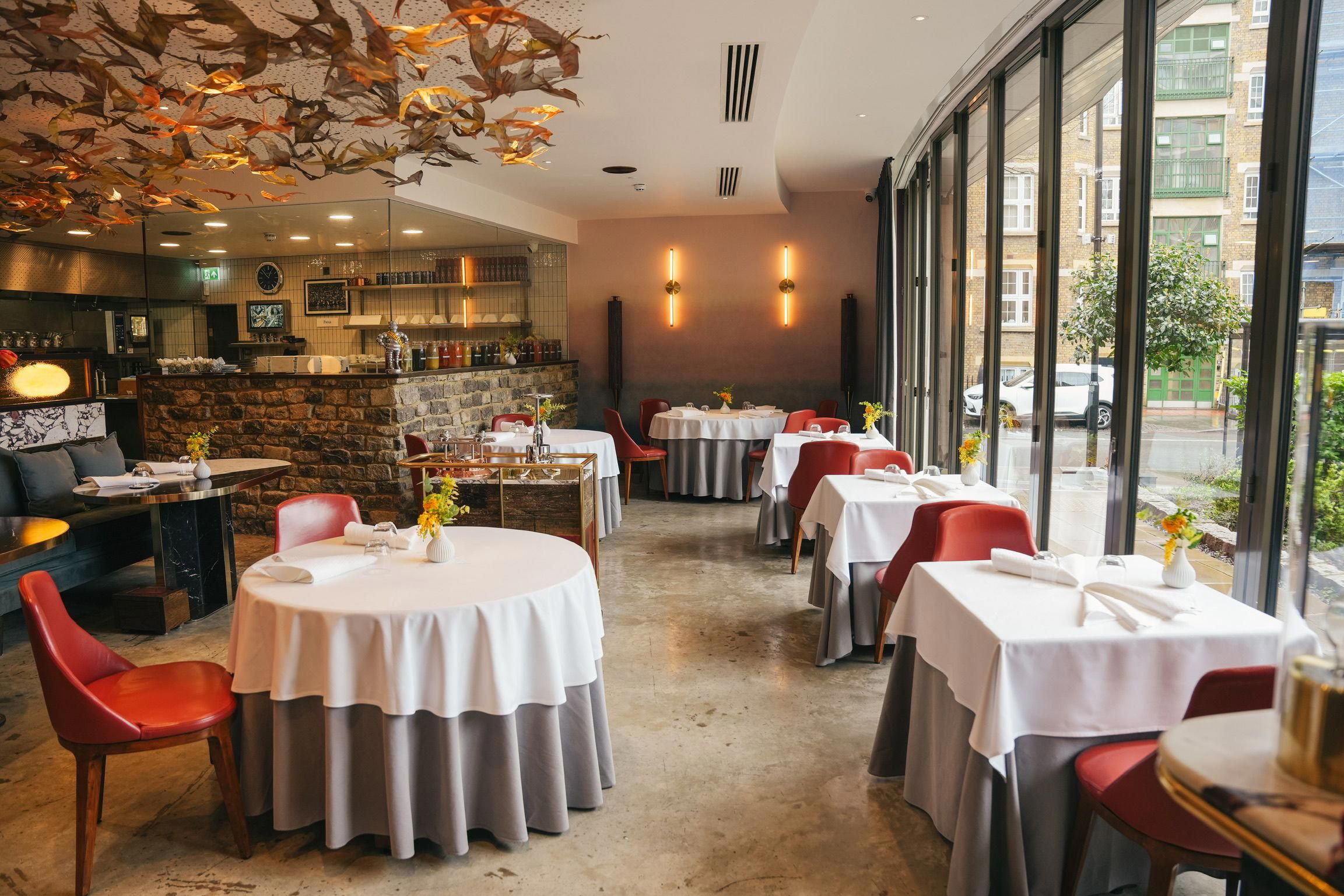
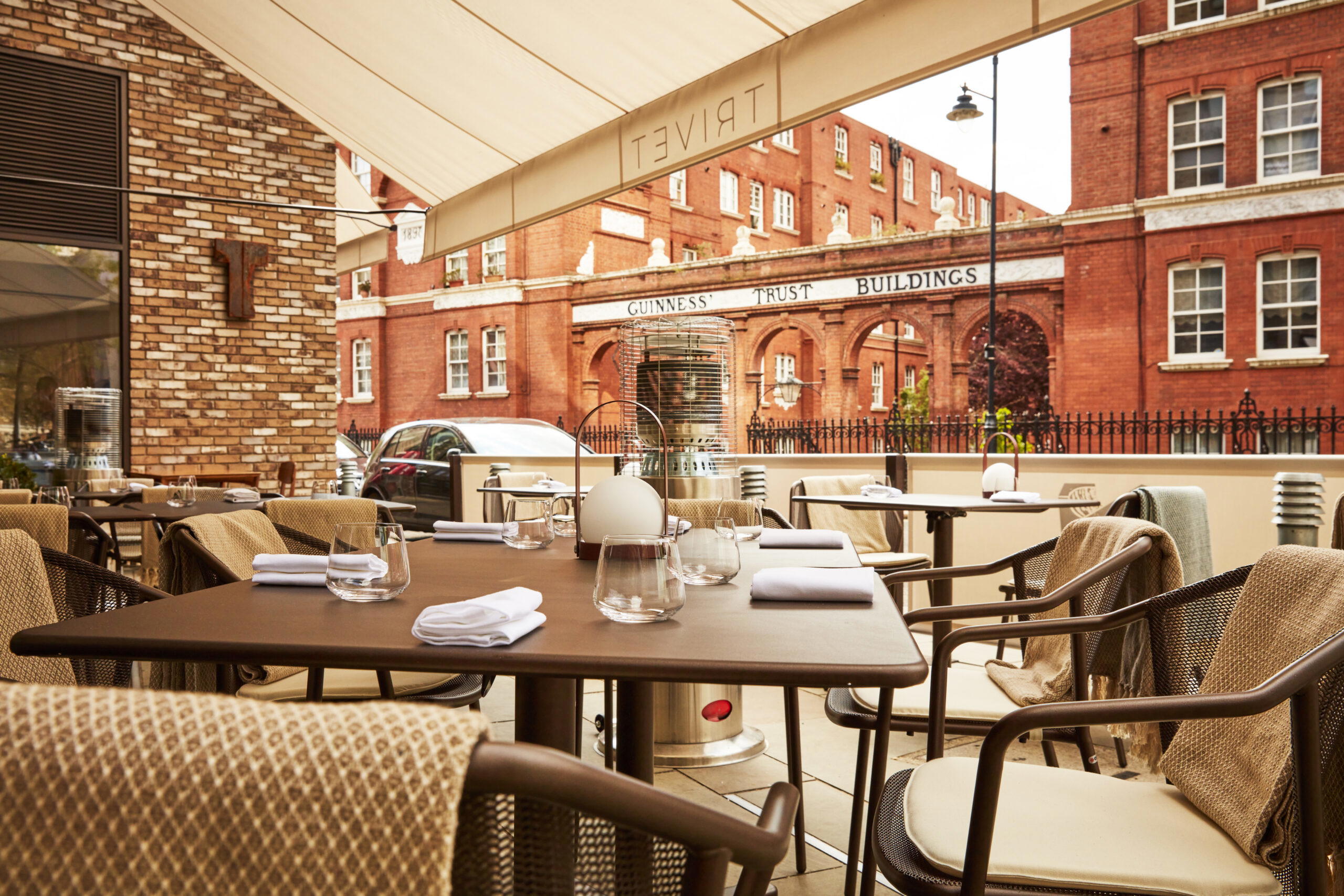
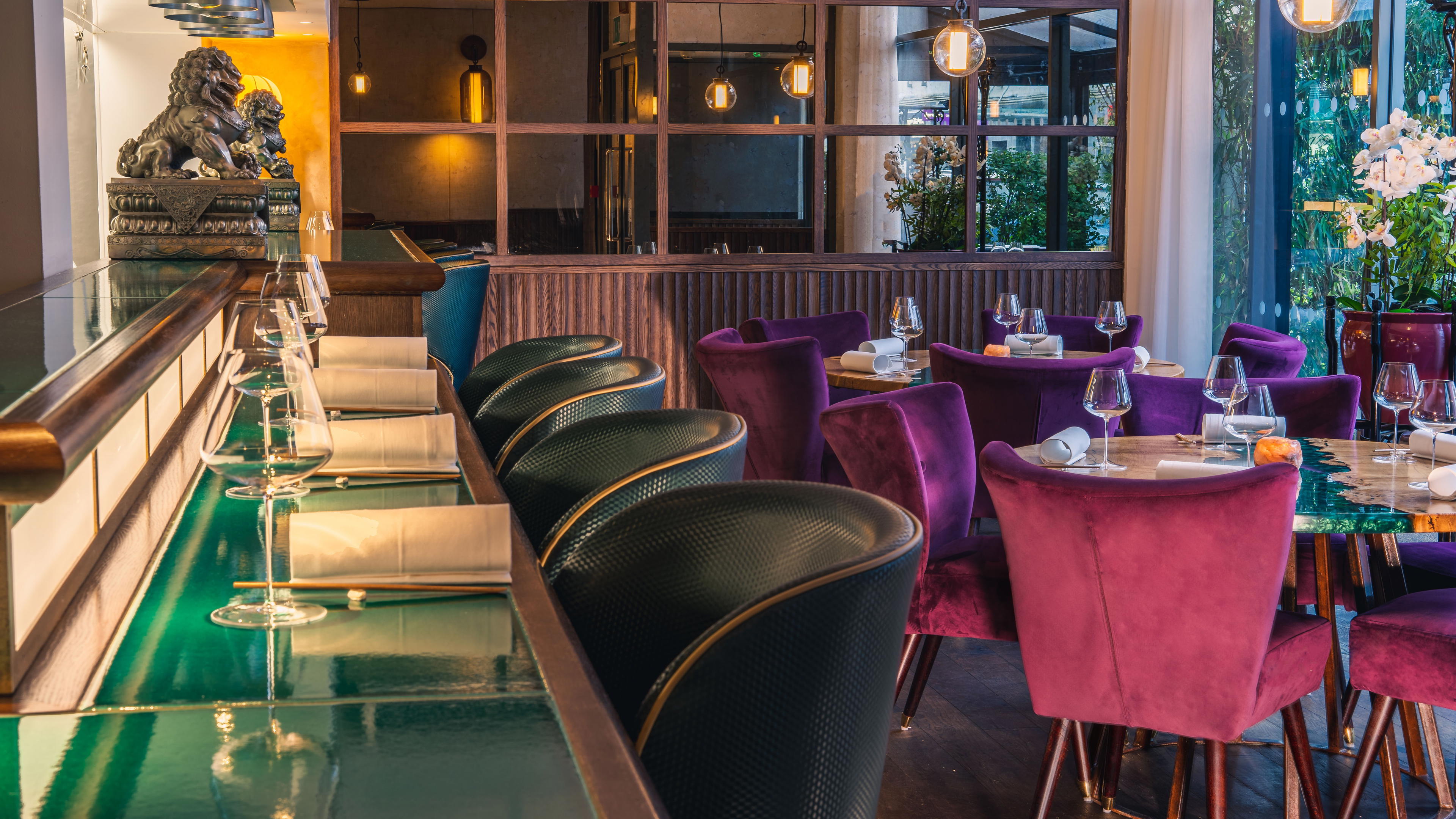
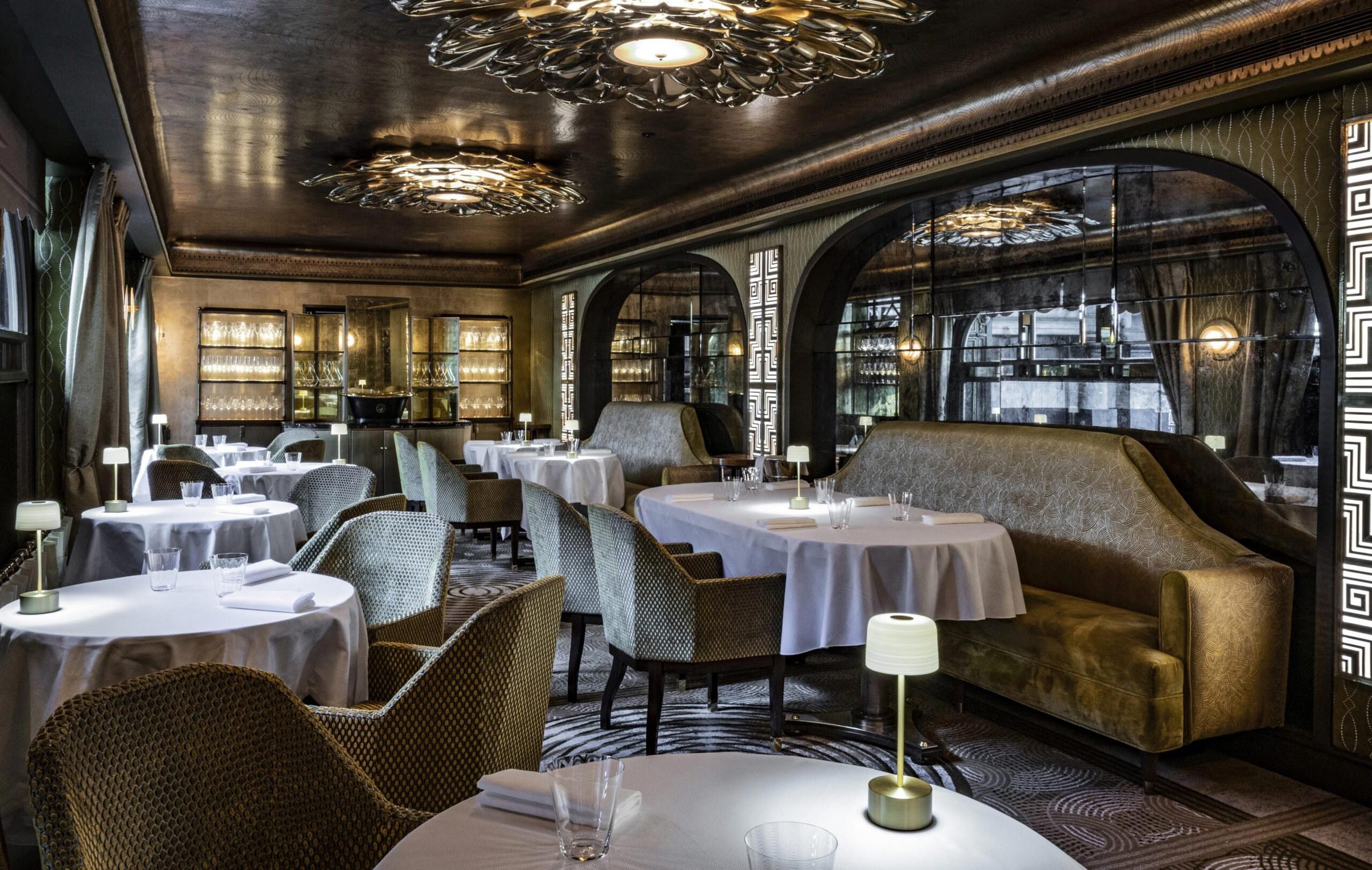
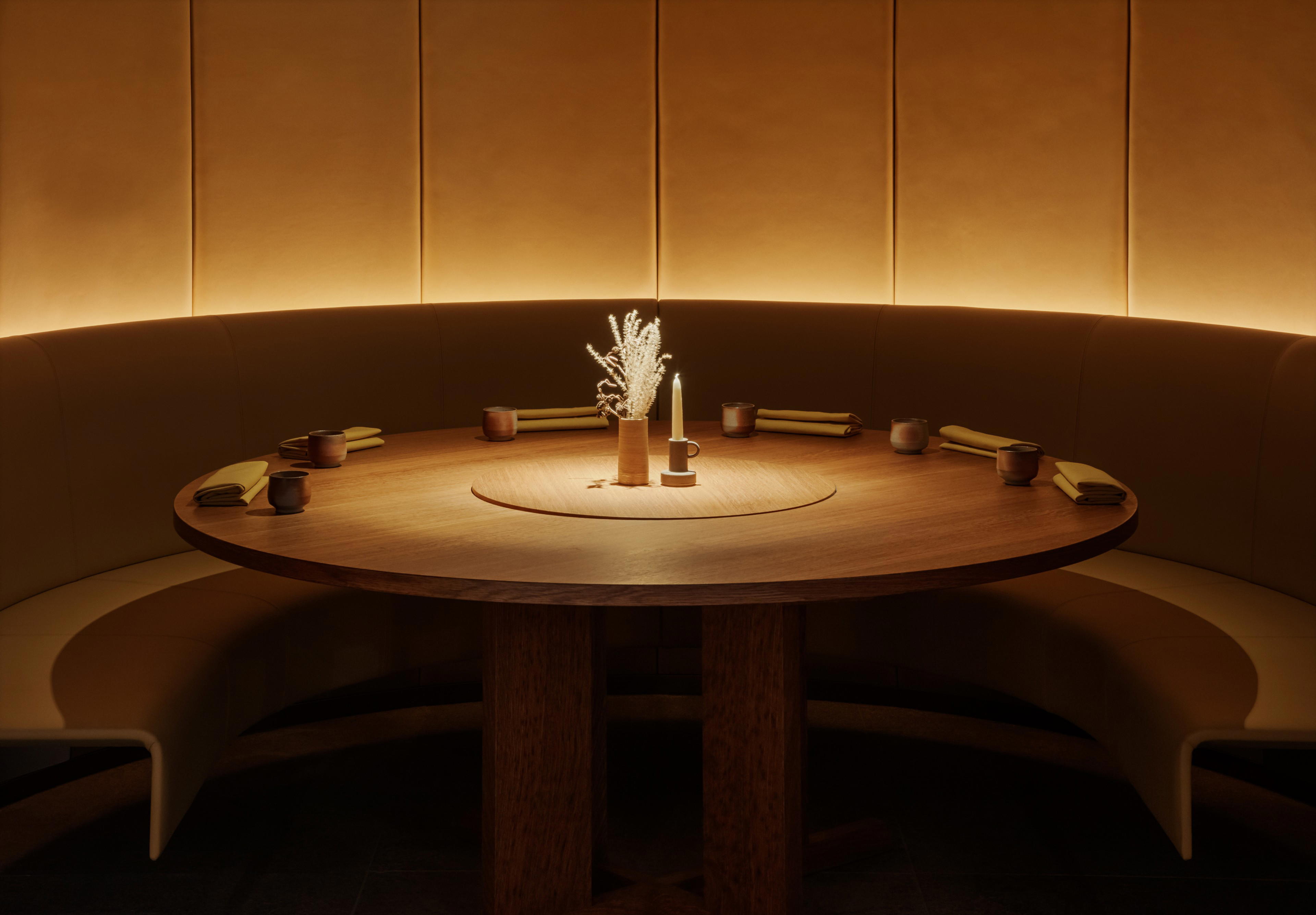
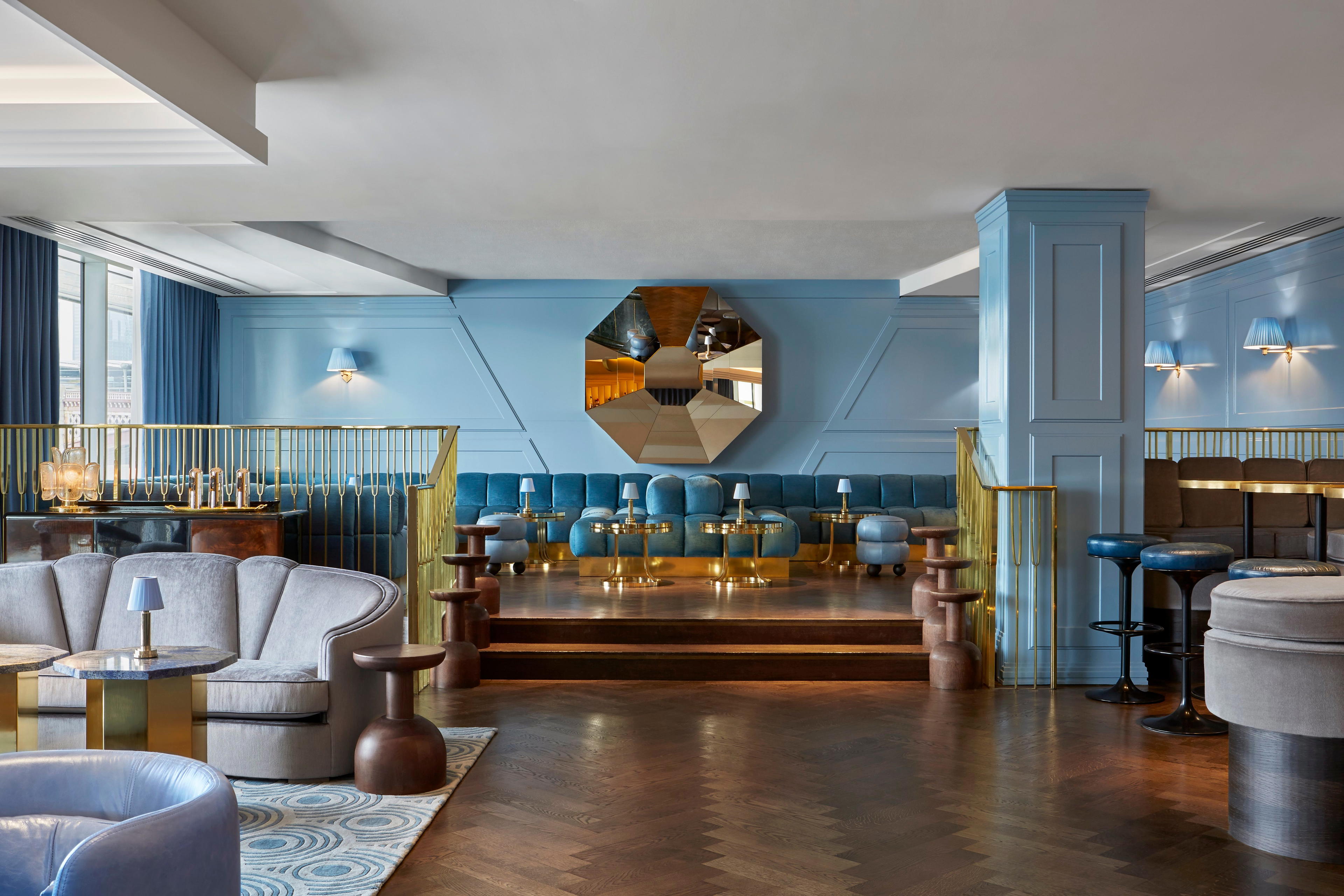
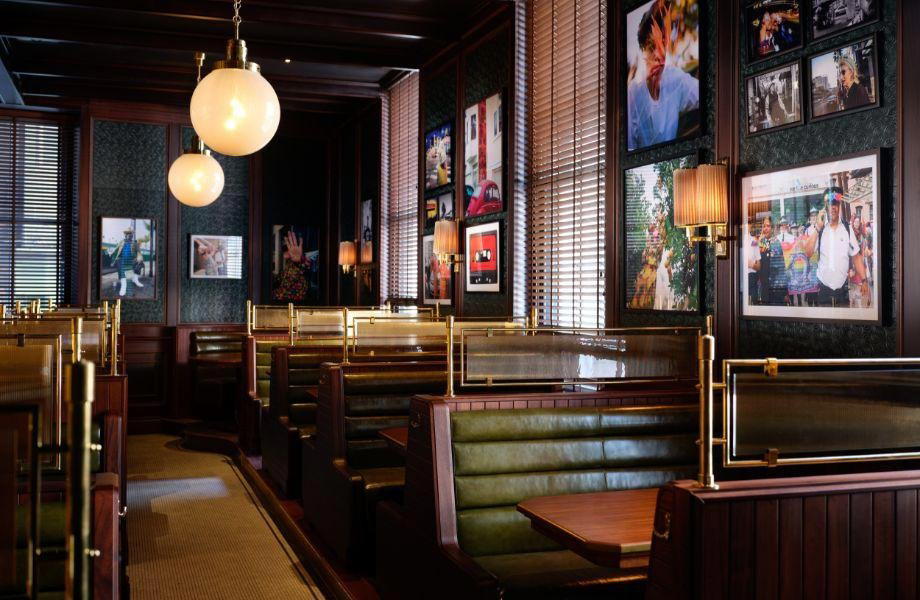
Casual and conversational, with a small, welcoming neighbourhood-restaurant atmosphere.