Masala Zone Soho
Our verdict
Masala Zone Soho on Marshall Street sits inside London's busiest pocket of casual Indian dining, where the question is less whether to go and more how to time it. The restaurant operates at a price point and format that makes it one of the more accessible entry points into the capital's Indian food scene, drawing a mix of shoppers, office workers, and deliberate diners from across the city.

Pearl is the En Primeur Club membership app, where members save venues, book tables and use the concierge.

The menu
What to order
- Paneer Makhanwalla
- Tandoori Chicken Chops
- Seafood Biryani
Marshall Street and the Logic of Casual Indian in Soho
Soho's dining map has always operated on compression: a few streets where the density of options creates genuine choice rather than mere proximity. Marshall Street, W1, sits just west of Carnaby Street and draws the kind of foot traffic that mixes deliberate diners with people who simply walked past and decided to stop. Masala Zone Soho positions itself inside that pattern, occupying a format that London's mid-tier Indian restaurant scene has refined over two decades: generous thali plates, street-food-adjacent dishes, and an all-day rhythm that suits the neighbourhood's pace.
The Indian casual dining category in London has split, broadly, into two directions. One side has moved toward fine-dining ambition, with places like Opheem in Birmingham signalling what happens when classical Indian technique meets tasting-menu format. The other side has held steady at accessible price points with breadth of menu, regional representation, and speed of service as its main selling points. Masala Zone belongs firmly to the second category, and the Soho location is the one most likely to encounter a visitor who hasn't planned the meal in advance.
Booking, Timing, and What to Know Before You Go
The editorial angle worth applying to Masala Zone Soho is not the food in isolation but the logistics of eating well in a neighbourhood where competition for seats at peak hours is real. Soho at lunch on a weekday and at dinner on a Friday or Saturday operates at a different pressure than most London postcodes. Restaurants that don't take reservations, or take them only partially, require a timing strategy rather than just an appetite.
Masala Zone Soho's format is built around accessible, walk-in-friendly dining, which means the experience shifts depending on when you arrive. The window between 12:00 and 13:30 on weekdays compresses into a queue at many Soho addresses. Coming at 11:45 or after 14:00 changes the equation significantly. The same logic applies in the evening: arriving before 19:00 or after 21:00 tends to reduce wait time at walk-in-oriented operations in this part of W1.
For visitors who are also considering London's higher-end Indian or broader fine-dining scene, the comparison is worth making explicit. The planning burden at CORE by Clare Smyth, Sketch, The Lecture Room and Library, or The Ledbury runs to months, not hours. Masala Zone Soho operates at the opposite end of that spectrum: the friction is low, but the timing judgement still matters. Outside London, venues like Le Manoir aux Quat'Saisons in Oxford or L'Enclume in Cartmel represent the full advance-planning end of UK dining, where booking windows stretch to six months or more.
What the Format Does Well
The thali format that anchors Masala Zone's menu is worth understanding in its own right. A thali is not a sampler or a tasting menu in disguise: it is a considered composition of complementary dishes served simultaneously, designed around the principle of balance across flavour registers, textures, and temperatures. The format is common across India but its regional expressions vary considerably, from the leaner, lentil-forward plates of South India to the richer, ghee-heavier compositions of the north and west.
In a London context, the thali plate offers something that à la carte ordering from a long menu doesn't always deliver: a structured meal with internal logic. The risk at casual Indian restaurants with broad menus is that ordering becomes haphazard. The thali sidesteps that by providing the structure for you. For a diner unfamiliar with the menu, or eating alone, it is often the most coherent choice.
Street-food dishes, which have been a growth category across London's Indian restaurants since roughly 2010, also feature prominently in the Masala Zone format. Chaat, the class of tangy, textured snacks built around chickpeas, yoghurt, tamarind, and fresh herbs, has become a reference point for how London engages with Indian street eating. The category has moved from novelty to expectation at casual venues in this tier.
The Soho Context
Placing Masala Zone Soho in its immediate neighbourhood context matters for any visitor making decisions about where to eat. Soho's restaurant density means that alternatives are always close, but that proximity can be misleading: many options in the immediate area serve different cuisine categories entirely, and within the Indian casual segment, Masala Zone's combination of price point, format, and central location is not as widely replicated as the street density might suggest.
The Marshall Street address sits within walking distance of the broader Soho dining cluster and within easy reach of Oxford Circus and Piccadilly Circus underground stations, which makes it a practical option for visitors staying in the West End. For those planning meals around London's Michelin-awarded restaurants, Masala Zone Soho occupies a different budget tier entirely: Restaurant Gordon Ramsay and Dinner by Heston Blumenthal represent the formal, high-spend end of the capital's dining calendar, while Masala Zone fits a different slot in a week's eating.
For those extending beyond London to the wider UK dining scene, the contrast in booking culture is sharp. Waterside Inn in Bray, Moor Hall in Aughton, and Gidleigh Park in Chagford all require planning weeks or months out. Hand and Flowers in Marlow, hide and fox in Saltwood, and Midsummer House in Cambridge sit in a similar advance-booking bracket. Restaurant Andrew Fairlie in Auchterarder rounds out the UK's most reservation-dependent dining. Internationally, Le Bernardin in New York City and Atomix in New York City represent the same high-friction end of the booking spectrum in a different market. See our full London restaurants guide for a broader map of the capital's dining options across all price tiers.
Planning Overview: Masala Zone Soho vs. London Peers
| Venue | Price Tier | Booking Lead Time | Format |
|---|---|---|---|
| Masala Zone Soho | £ | Walk-in (timing-dependent) | Casual, thali and street food |
| CORE by Clare Smyth | ££££ | Months ahead | Tasting menu |
| Restaurant Gordon Ramsay | ££££ | Weeks to months ahead | Formal, tasting and à la carte |
| Sketch, Lecture Room | ££££ | Weeks ahead | Formal, à la carte and tasting |
| Dinner by Heston Blumenthal | ££££ | Weeks ahead | À la carte |
Frequently asked questions
Can I bring kids to Masala Zone Soho?
Masala Zone Soho's format suits families making their way through London's West End. The thali structure gives younger diners a composed, portioned meal without requiring separate ordering decisions, and the casual pace at 9 Marshall Street keeps the visit low-pressure. Pricing positions it well below the neighbourhood's tasting-menu tier, which makes the cost of a full table manageable.
How would you describe the vibe at Masala Zone Soho?
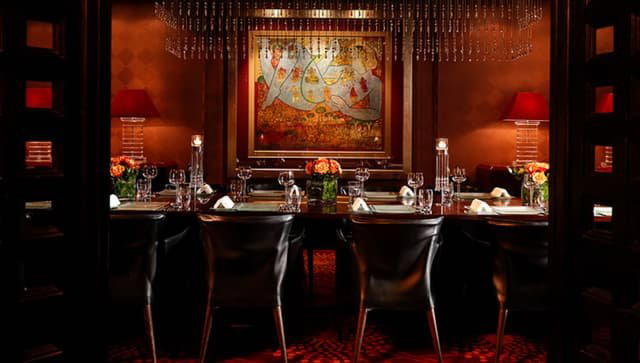
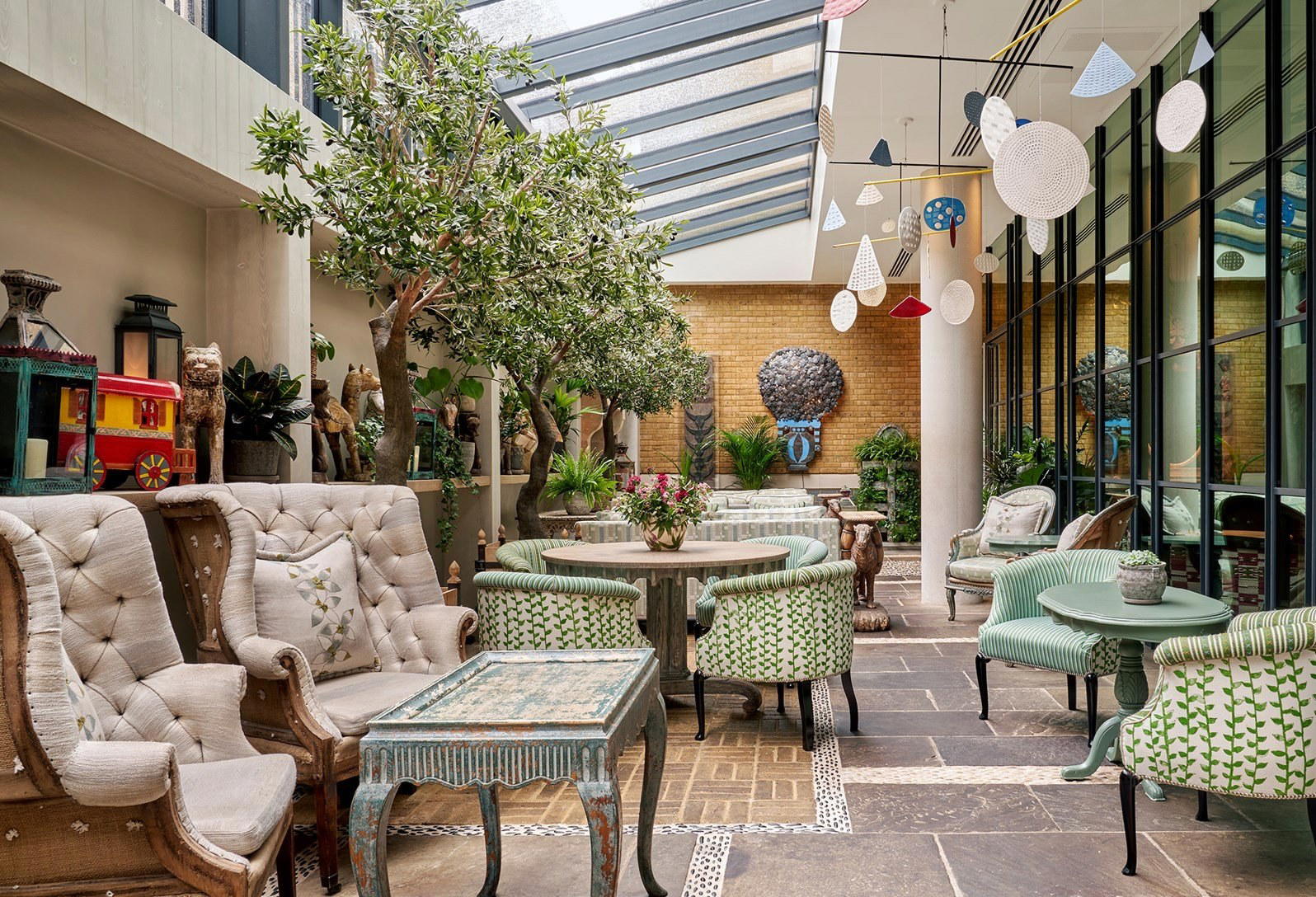
The register is casual-lively: table turns move at a clip, the room generates a steady background hum, and the service style is efficient rather than ceremonial. It occupies the mid-tier of Soho's Indian dining options, sitting closer to a neighbourhood canteen than a destination restaurant. Marshall Street's foot traffic means the room rarely feels empty, but it also rarely demands advance planning the way the block's more formal options do.
Is Masala Zone Soho part of a chain, and how does that compare to independent Indian restaurants in London?
Masala Zone operates as a multi-site group across London, placing it in branded casual dining rather than the independent neighbourhood category. That distinction matters: consistency across visits is higher, but the cooking reflects a standardised format rather than a single chef's point of view. For Soho specifically, at 9 Marshall Street W1F, that reliability has practical value in a neighbourhood where independent options can vary sharply by shift and season.
What's the best thing to order at Masala Zone Soho?
The thali is the format to order around. Unlike a tasting menu, it arrives as a single composed spread: a central protein or vegetable dish surrounded by dal, rice, bread, and accompaniments, calibrated to function as a complete meal. Ordering à la carte is possible, but the thali delivers the most coherent picture of what Masala Zone does as a format and why it has sustained the chain across multiple London sites.
How do I find Masala Zone Soho?
Masala Zone Soho is located at 9 Marshall St, London W1F 7ER, United Kingdom, London.
Comparable Venues
Comparable venues nearby, for context on price, style, and recognition.
| Venue | Cuisine | Price | Notes |
|---|---|---|---|
| Masala Zone SohoThis venue (the venue you are viewing) | Authentic Indian Street Food & Thalis | $20–30 | Not listed |
| The Mughal's Indian Restaurant | Traditional Indian Curry House | $20–30 | Paddington |
| Grand Cholan | Authentic South Indian Tamil Cuisine | $20–30 | Cubitt Town |
| Delhi Social | Authentic Delhi Indian | $50–100 | St. Margaret's |
| Breakspear Arms | North Indian Pub Curry | $20–30 | Ickenham |
| Indian Moment | Authentic Indian Curry House | $20–30 | Battersea |
Continue exploring
More in London
Restaurants in London
All restaurants in London →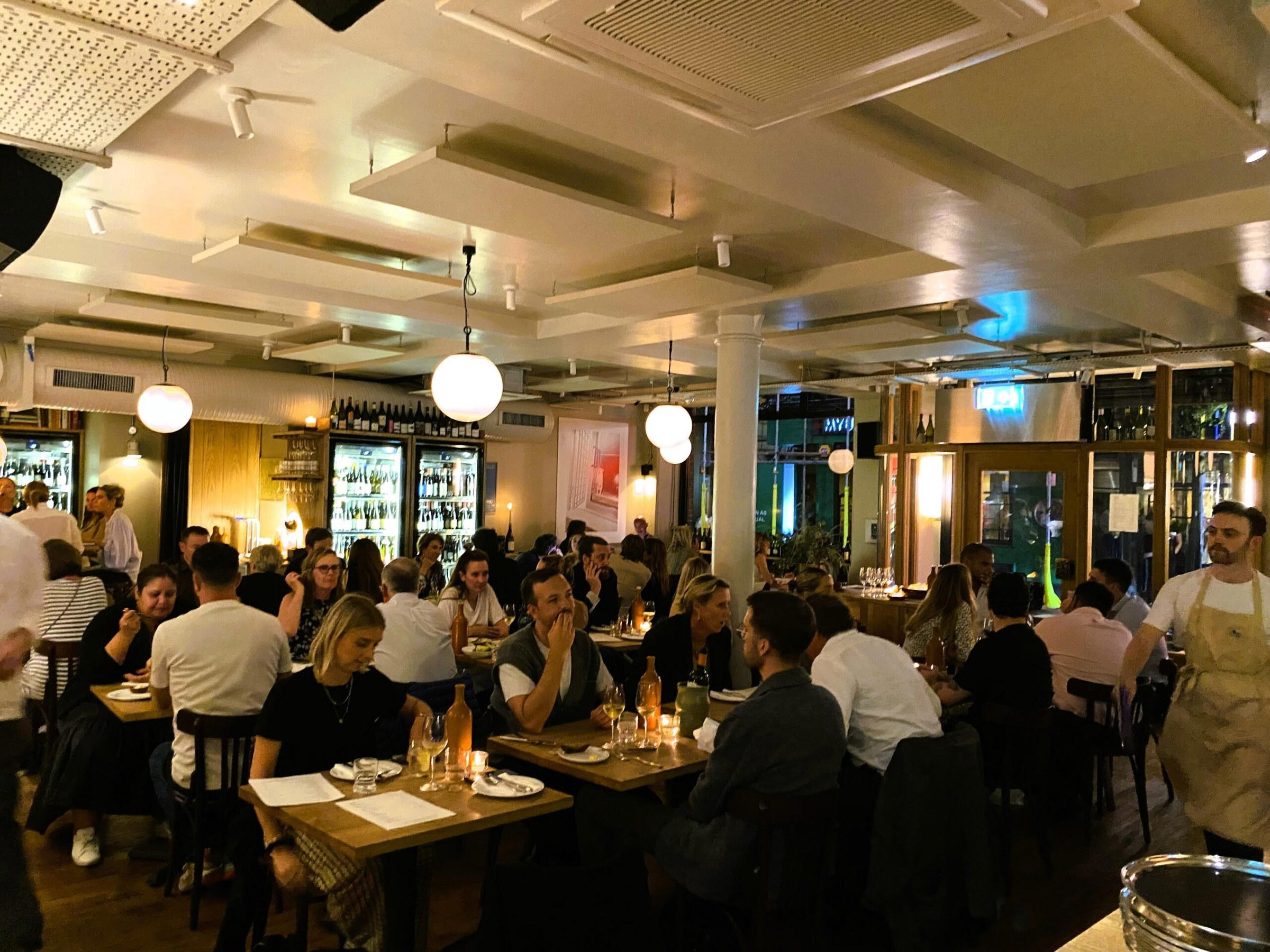
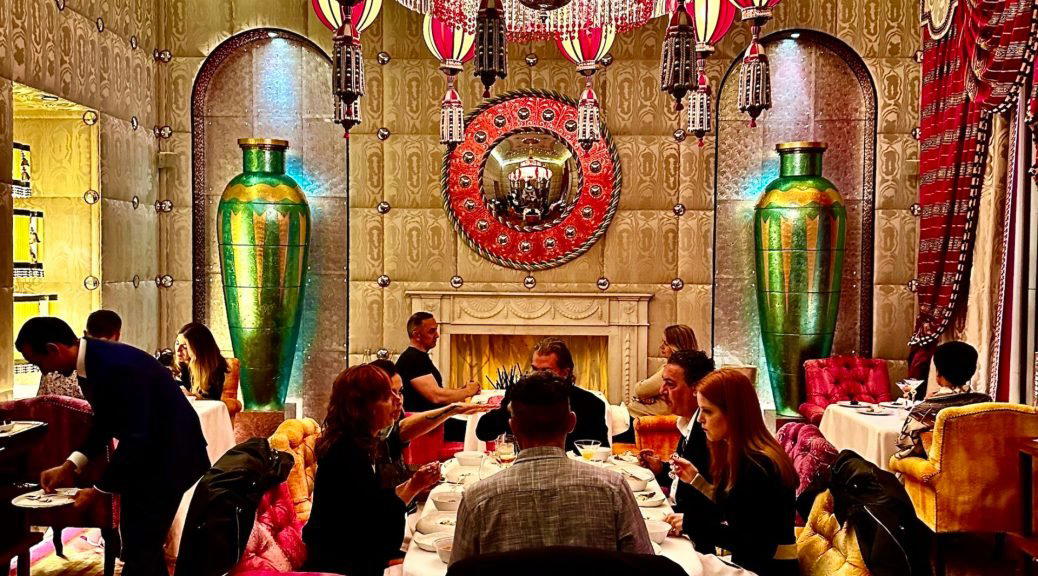
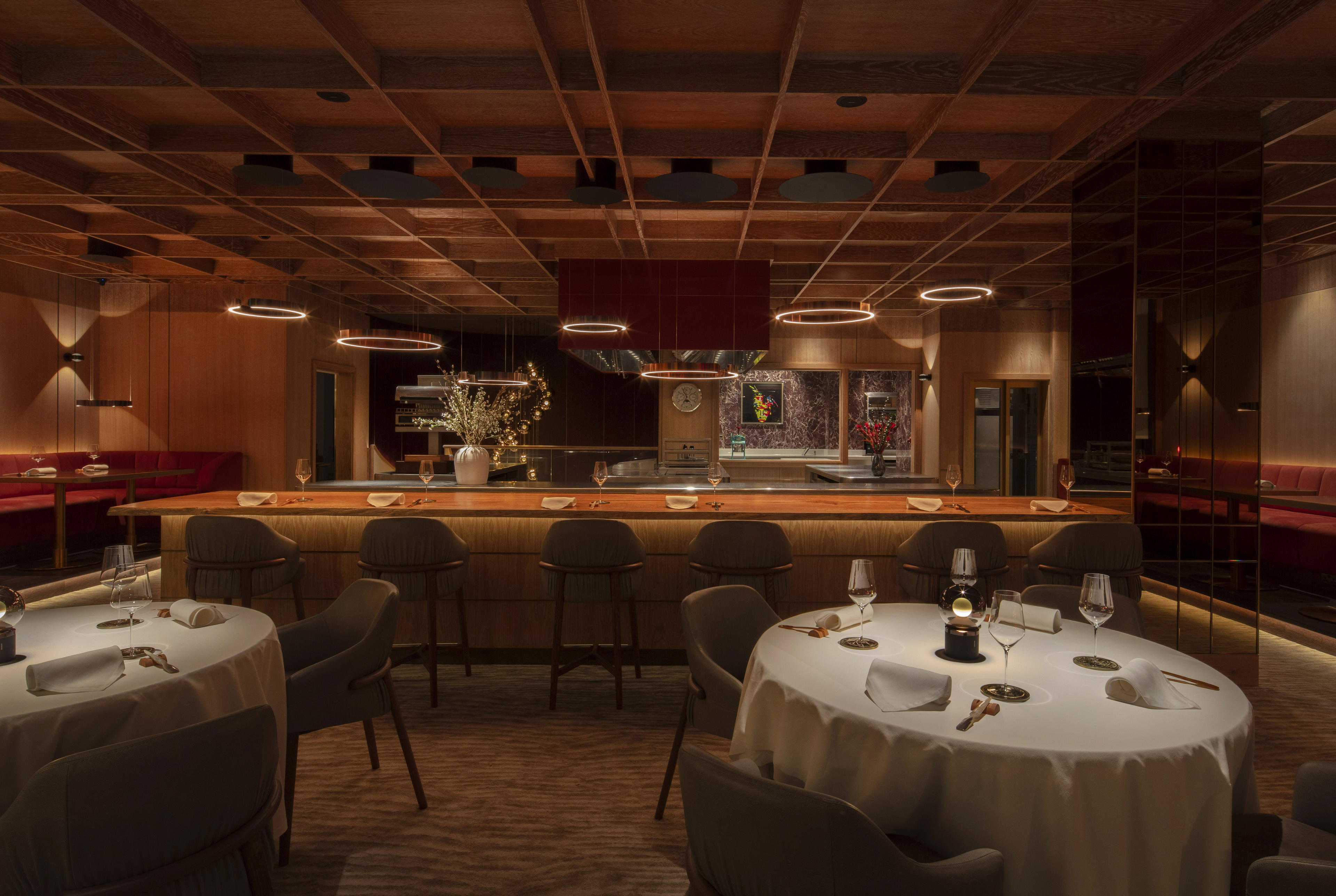
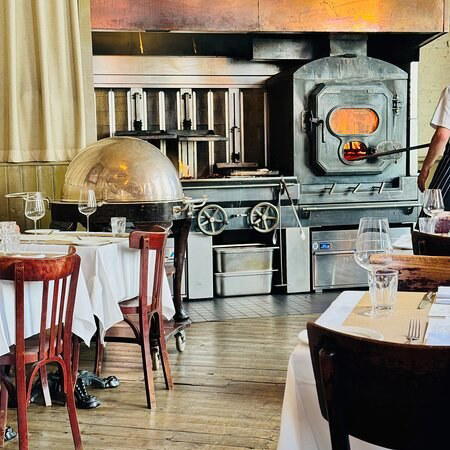
Bars in London
All bars in London →



Details
- Lively
- Trendy
- Group Dining
- Casual Hangout
- Family
- Open Kitchen
- Small Plates
- A La Carte
- Vegetarian Friendly
- Halal
Current opening hours
- Monday
- 12:30–2:30 PM, 5:30–10 PM
- Tuesday
- 12:30–2:30 PM, 5:30–10 PM
- Wednesday
- 12:30–2:30 PM, 5:30–10 PM
- Thursday
- 12:30–2:30 PM, 5:30–10:30 PM
- Friday
- 12:30–2:30 PM, 5:30–11 PM
- Saturday
- 12:30–11 PM
- Sunday
- 12:30–10 PM
Hours can change for holidays and private events. Hours as of .
Exciting interiors with theatrical puppets, colorful drapes, sumptuous chandeliers, and dimmed lighting creating a lively, heady atmosphere.