

A small restaurant in Chueca where the kitchen draws directly from the rural province of Ávila, bringing countryside produce into one of Madrid's most neighbourhood-driven dining rooms. Owner Alberto Zoilo Álvarez has built a format where product provenance shapes both the menu and the service approach, positioning Roostiq closer to the regional-specialist tier than to the city's tasting-menu circuit.
Pearl is the En Primeur Club membership app — saves, bookings, and concierge access live there. Same editors, same standards.
- Address
- C. de Augusto Figueroa, 47, Centro, 28004 Madrid, Spain
- Phone
- +34 918 53 24 34
- Website
- madrid.roostiq.com
- Directions
- Get directions
 Saves & bookings on Pearl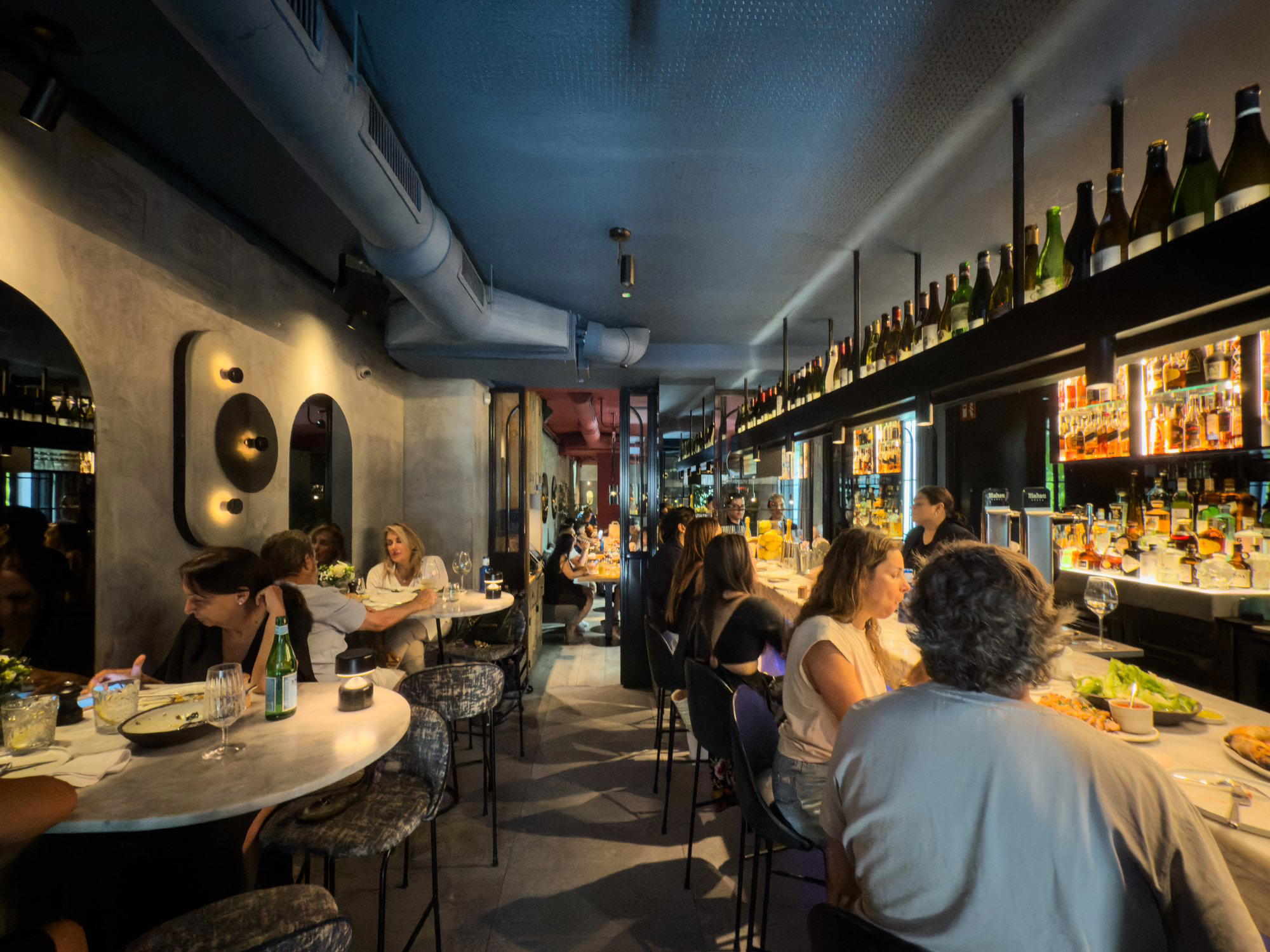
Chueca and the Case for Regional Honesty
Madrid's restaurant scene has two dominant registers at the leading end: the avant-garde tasting counter, represented by names like DiverXO and DSTAgE, and the grand Spanish creative format found at Coque or Deessa. Below that tier sits a quieter and arguably more grounded category: the neighbourhood specialist whose entire identity is built around a specific region's produce. Roostiq, on Calle de Augusto Figueroa in Chueca, operates in that second register, and it is the more instructive place to understand how Madrid actually eats when it is not performing for critics.
Chueca itself has evolved considerably over the past two decades. Once primarily known as a social and nightlife district, it now carries a density of independently operated restaurants that position it as one of the city's most consistent dining neighbourhoods. The street presence on Augusto Figueroa reflects this: compact dining rooms, proprietor-led operations, menus that rotate with some regularity. Roostiq fits the pattern. It is small, which means the kitchen and the front of house operate at a scale where the two functions cannot ignore each other, and where the owner's sourcing decisions are immediately visible in what arrives at the table.
Ávila on the Plate: What Regional Sourcing Actually Means
The connection between Madrid and the province of Ávila is older than most people think about at the table. Ávila sits roughly 110 kilometres west of the capital, at altitude, with a climate and livestock tradition that produces some of Castile's most recognisable ingredients: the Ávila beef breed, Castilian lamb, cured products, and legumes that read very differently from their lowland equivalents. For a Madrid kitchen to source consistently from this region is not a branding decision so much as a return to a pre-industrial supply line that the city's larger restaurants abandoned decades ago in favour of consolidated wholesale suppliers.
Alberto Zoilo Álvarez is from Ávila, and the sourcing at Roostiq reflects that origin directly. This matters beyond biography: it means the kitchen has access to producers and relationships that most Madrid restaurateurs would have to build from scratch. In practice, regional kitchens with genuine supply-side roots tend to present their ingredients with less intervention than restaurants sourcing from the same region at arm's length, because the point is the product rather than the transformation. Whether that holds at Roostiq's specific level of execution is something a visit will confirm, but the structural preconditions for that kind of cooking are in place.
For context on how Spain's broader restaurant scene treats regional product, it is worth noting that some of the country's most decorated addresses, from Arzak in San Sebastián to Azurmendi in Larrabetzu and El Celler de Can Roca in Girona, have built international reputations partly on the depth of their regional supply relationships. The difference at a place like Roostiq is scale and register: those are destination restaurants with significant resources; this is a small Chueca room where the regional commitment is the whole proposition, not one element within a larger creative framework.
The Team Dynamic in a Small Room
The editorial angle that explains Roostiq most accurately is not chef-driven in the standard sense. In a small restaurant where the owner is also from the producing region, the distinction between kitchen decisions, front-of-house communication, and product selection collapses almost entirely. The person who chose the supplier is, in this context, also directly or indirectly shaping what the server says about the dish. That kind of operational compression can produce either incoherence or unusual clarity depending on execution, and the Chueca neighbourhood, which selects for regulars rather than tourists, tends to punish the former quickly.
This is different from the team dynamic at the €€€€ end of Madrid's market, where Paco Roncero and comparable addresses operate with formally separated departments and sommelier programs designed to carry significant narrative weight alongside the kitchen. At Roostiq, the equivalent of that sommelier-kitchen conversation happens at a much closer range and is more likely expressed through the owner's presence on the floor than through a structured wine program. Whether that produces a more or less satisfying experience depends on what you are looking for: the technical layering of a large creative operation, or the directness of a room where the person who sourced the food is often the person explaining it.
Spain's mid-tier independent restaurant category has become an interesting comparison point internationally. Restaurants like Cocina Hermanos Torres in Barcelona demonstrate how far the sibling-proprietor or family-proprietor model can be taken with sufficient resource and ambition. Roostiq operates at a different scale, but the underlying logic, that ownership proximity to the supply chain produces a different kind of hospitality than the corporate-backed model, applies across the tier.
Planning Your Visit
Roostiq is located at C. de Augusto Figueroa, 47, in the Centro district of Madrid, postcode 28004, placing it squarely within walking distance of Chueca metro station on line 5. The neighbourhood runs dense at dinner from Thursday through Saturday, so arriving with a confirmed booking rather than attempting a walk-in during peak hours is the practical approach. Because the room is small, the gap between a table and no table tends to be absolute rather than a matter of waiting at the bar for twenty minutes. Contact details are not currently published through EP Club's database, so checking current booking channels directly is advisable before planning around a specific date.
For those building a wider Madrid itinerary, the full Madrid restaurants guide covers the city across all price points and formats. Supplementary planning resources include the Madrid hotels guide, the bars guide, the wineries guide, and the experiences guide for the broader city program. Internationally, those who find the regional-product model compelling might also consider Ángel León's Aponiente in El Puerto de Santa María, which applies the same supply-origin logic at a very different scale, or Martin Berasategui in Lasarte-Oria for a Basque Country reference point. Beyond Spain, Le Bernardin in New York and Emeril's in New Orleans illustrate how proprietor-identity restaurants operate across different market contexts.
How Roostiq Madrid compares with similar nearby venues.
| Venue | Cuisine | Price | Awards |
|---|---|---|---|
| Roostiq | Not listed | Not listed | Star Wine List (2026) |
| Per Sé Bistró | Contemporary | €€€ | Not listed |
Recognition history
Dated appearances from independent guides and award organizations, with the underlying list record or original source where available.
Macarfi 7.6 Food Rating
Macarfi
Star Wine List
Star Wine List
Continue exploring
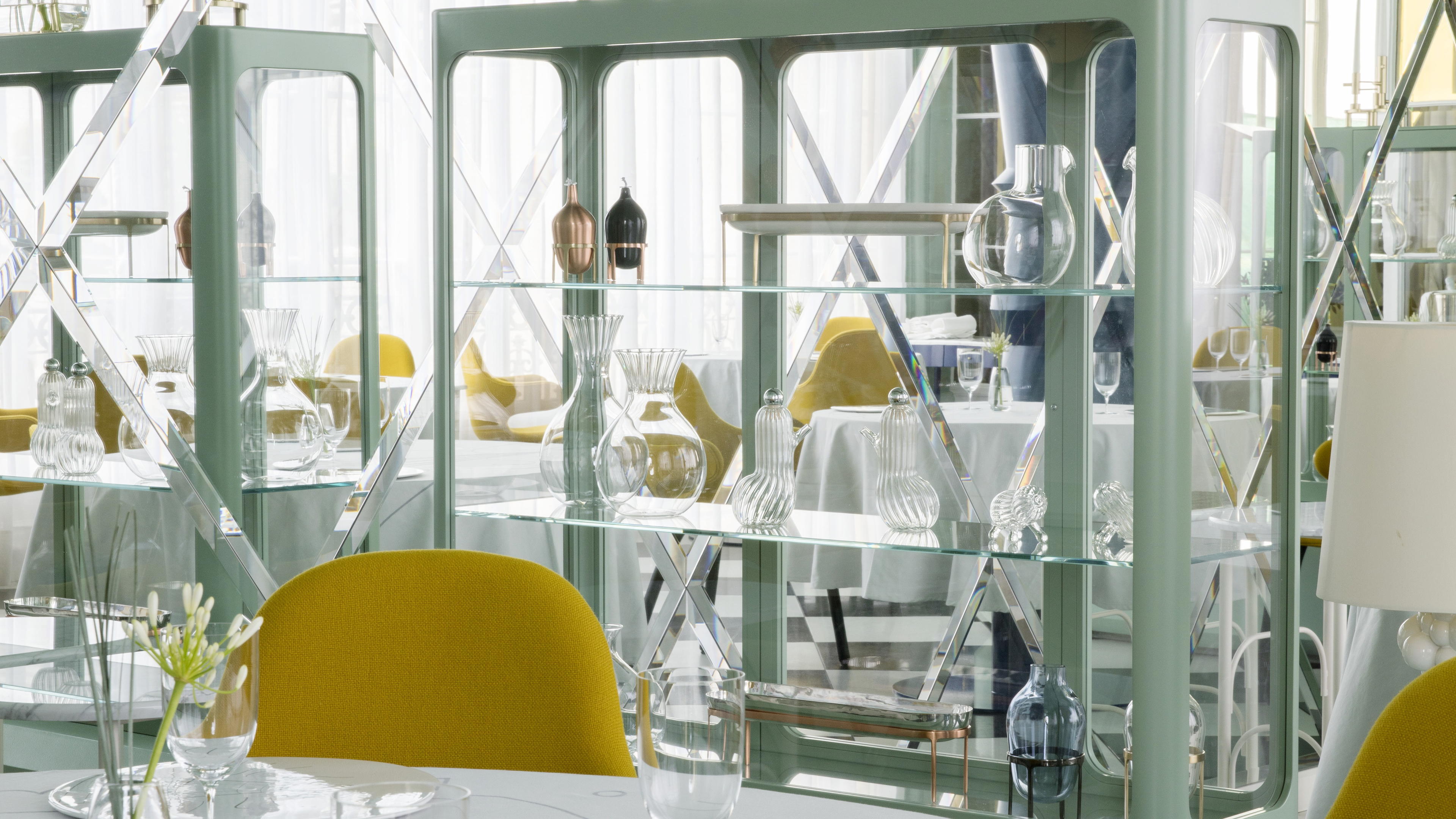
More in Madrid
Restaurants in Madrid
Browse all →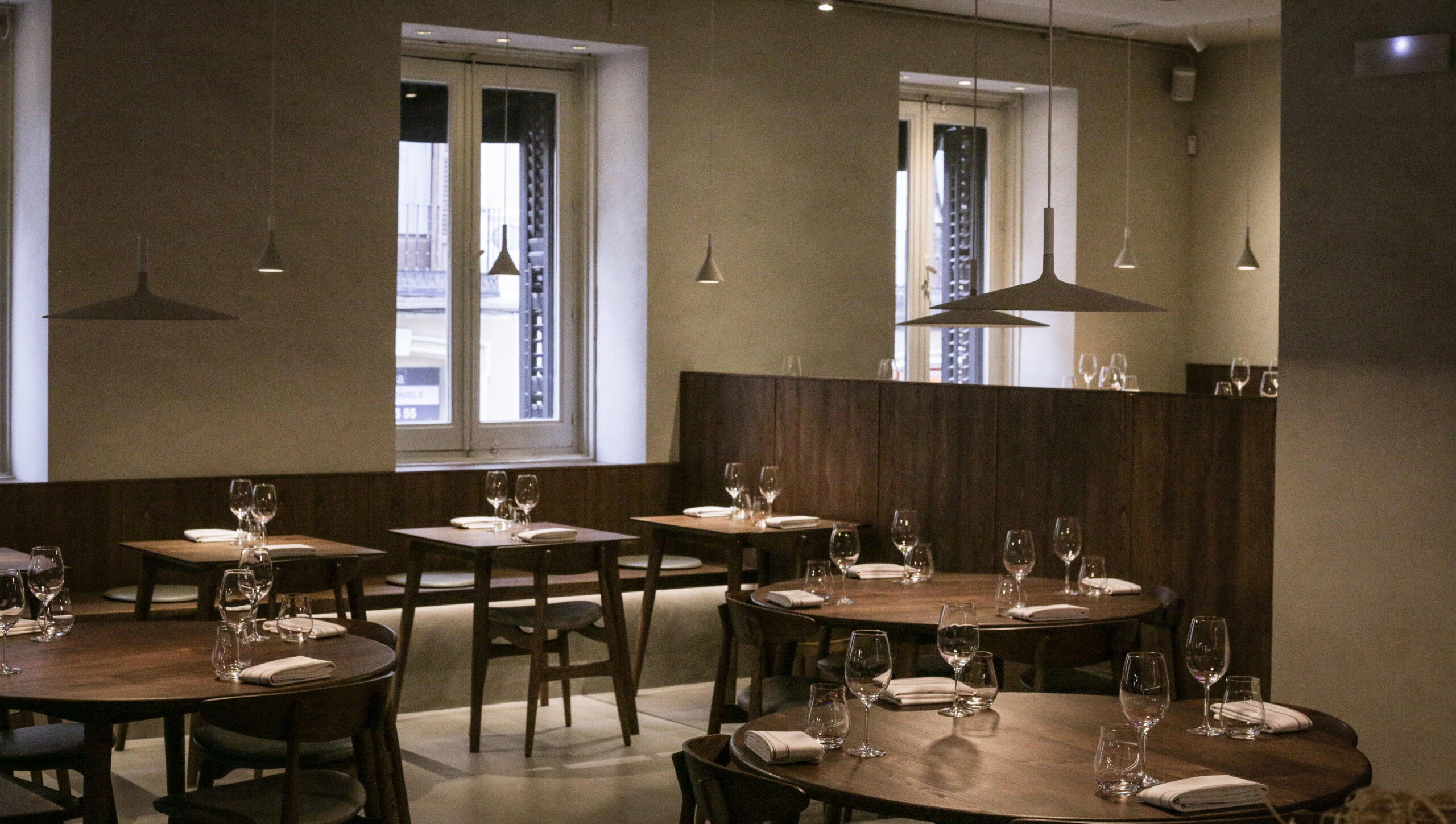
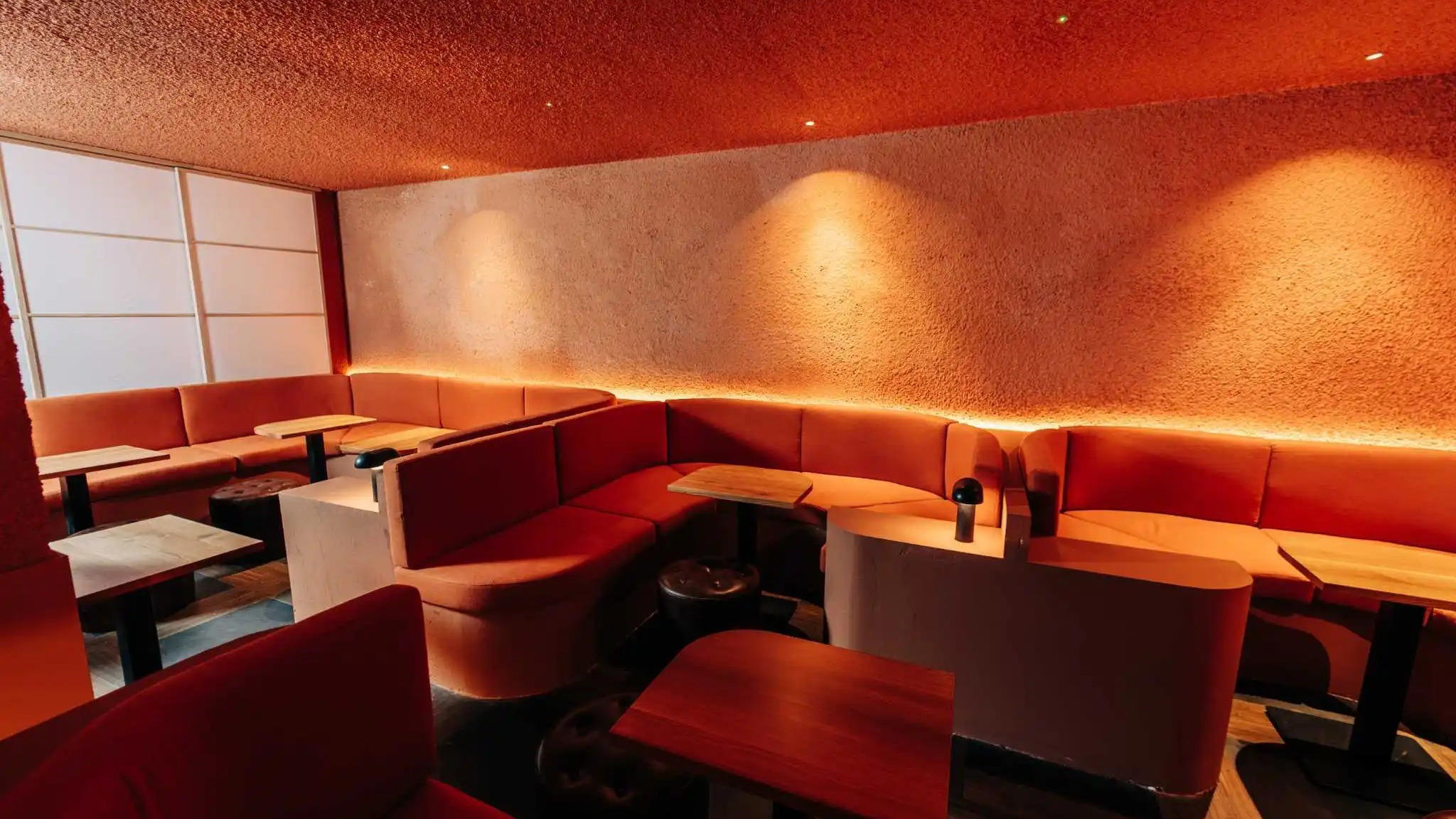
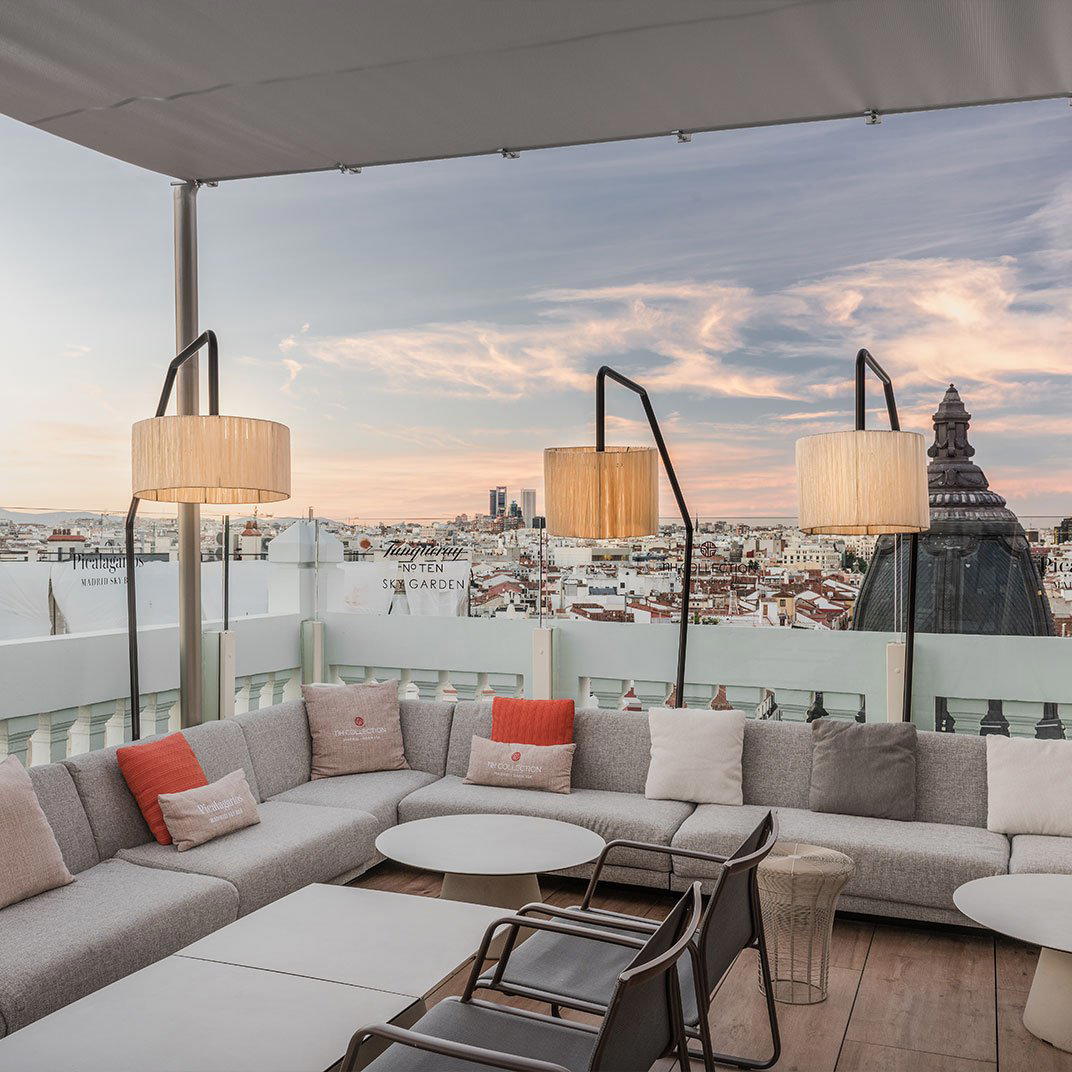
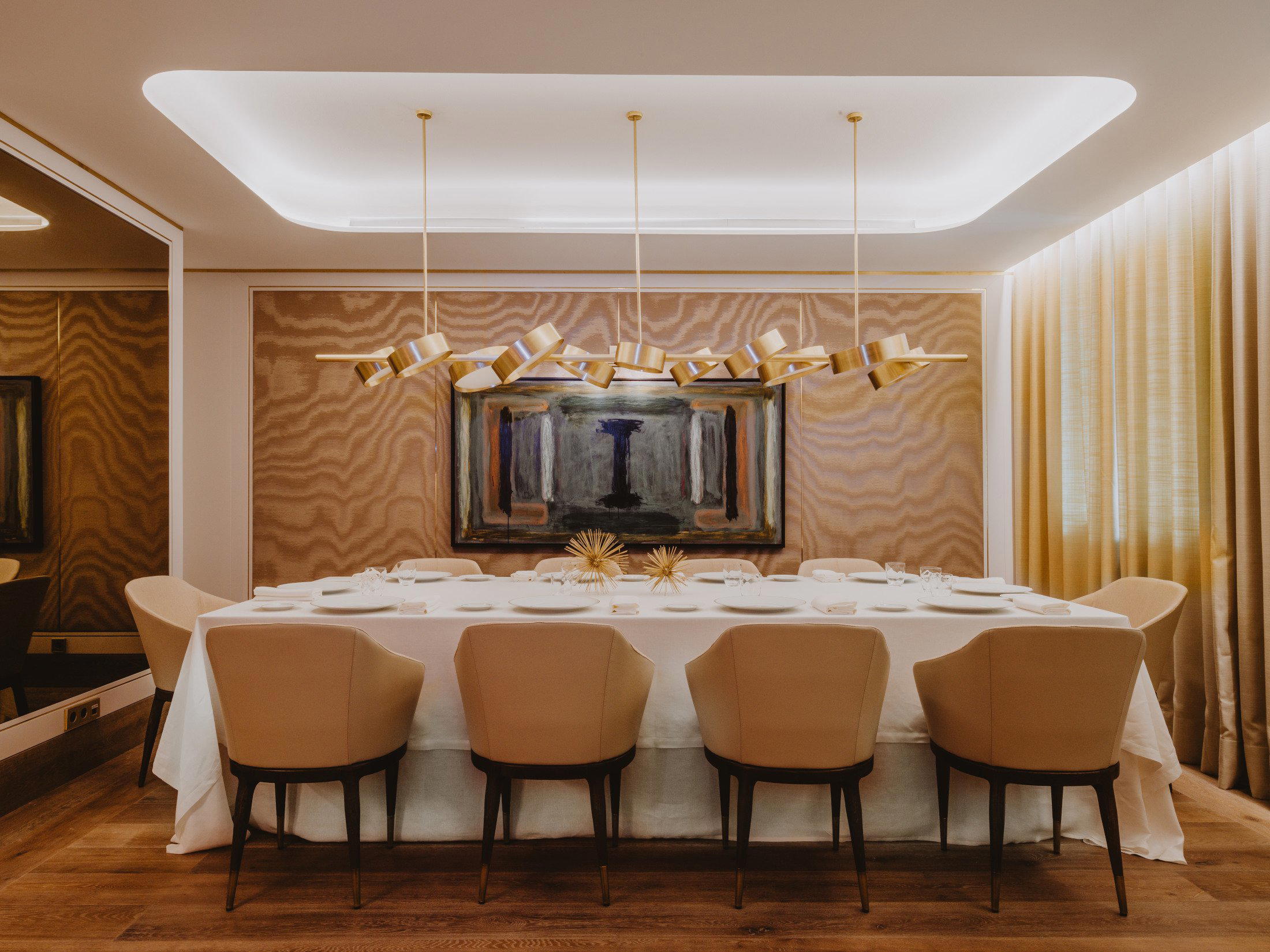
Bars in Madrid
Browse all →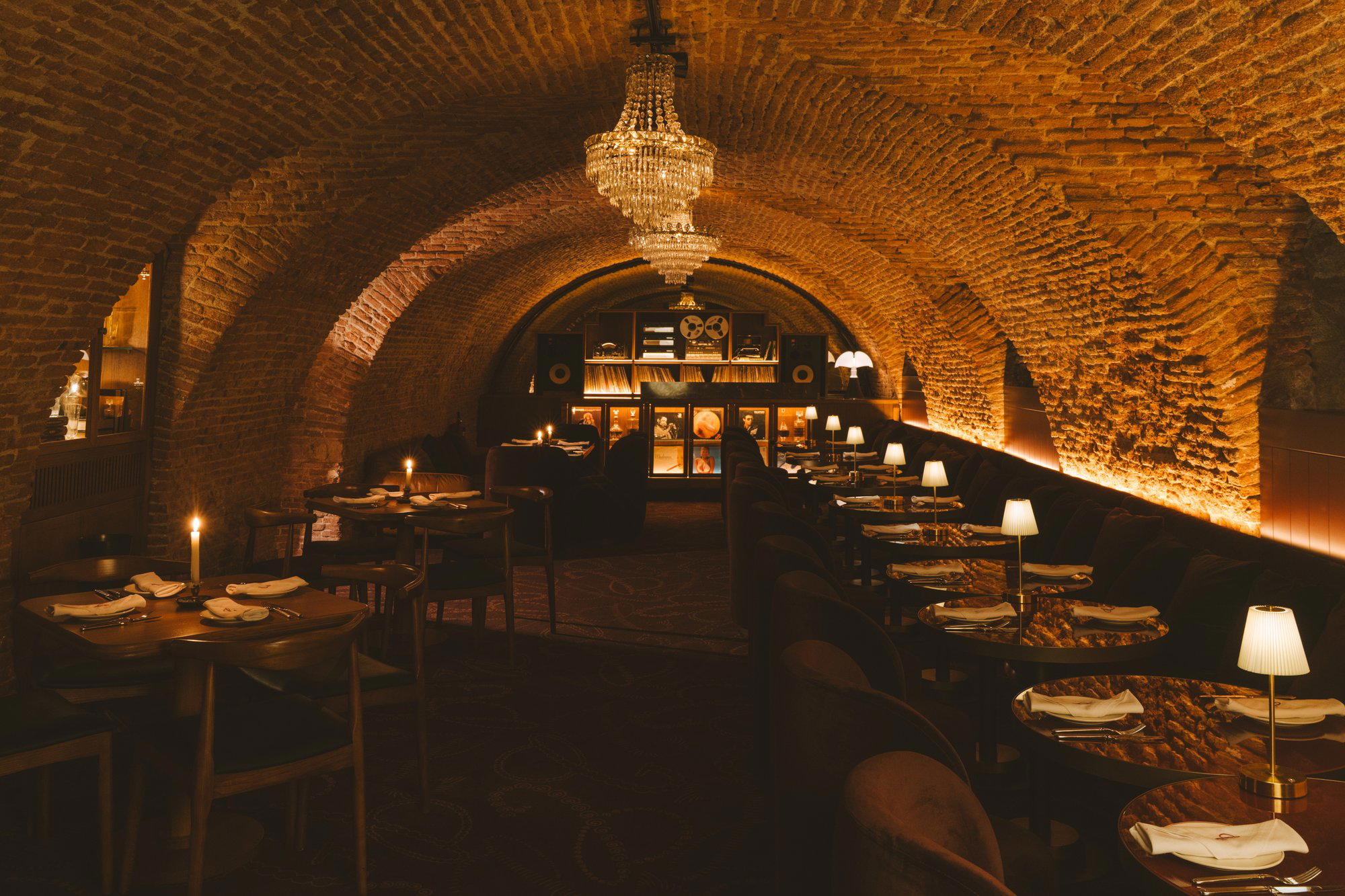
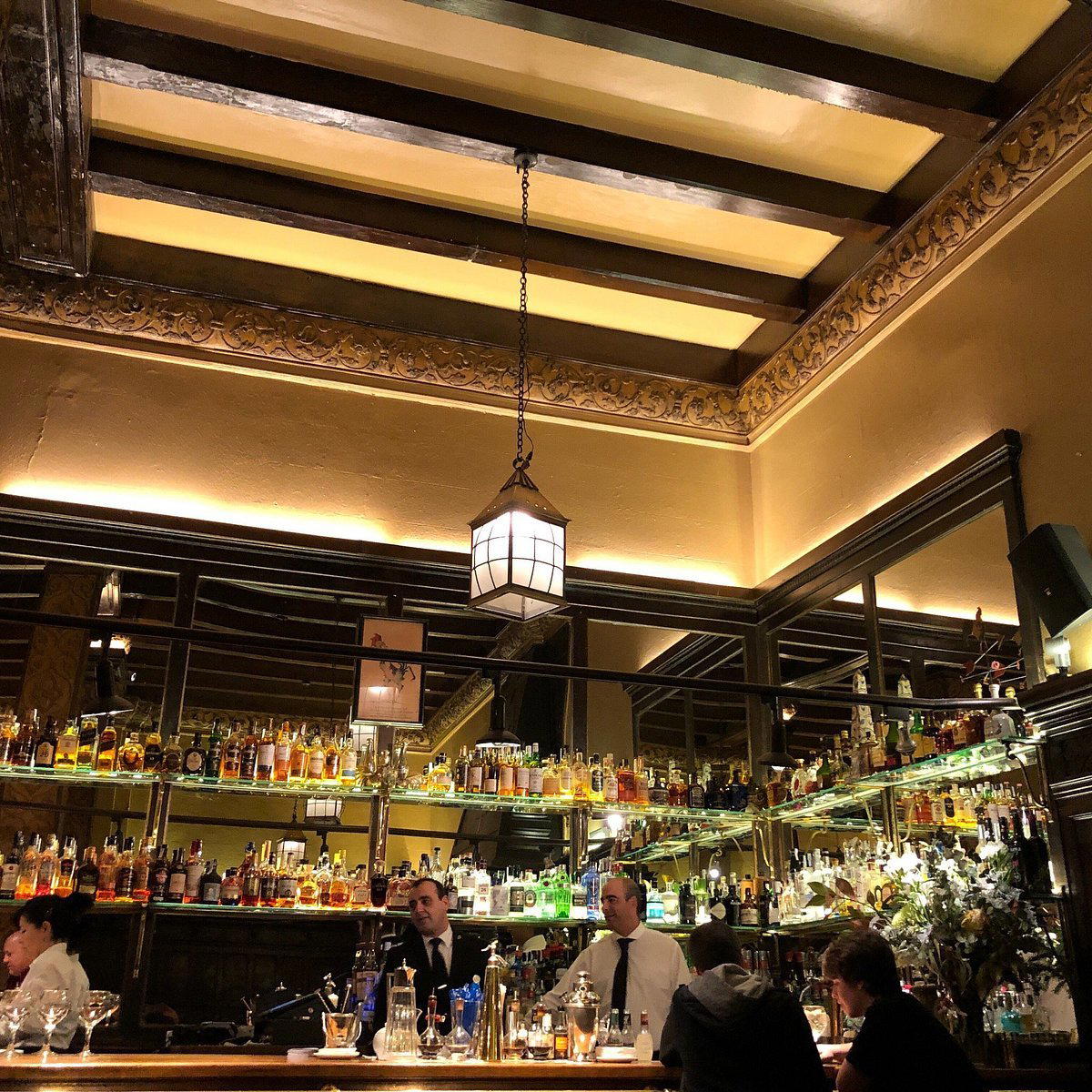
Hotels in Madrid
Browse all →

At a Glance
- Modern
- Trendy
- Elegant
- Date Night
- Business Dinner
- Group Dining
- Special Occasion
- Open Kitchen
- Wine Cellar
- Extensive Wine List
- Farm To Table
- Organic
- Local Sourcing
Current opening hours
- Monday
- 1:15 PM–12 AM
- Tuesday
- 1:15 PM–12 AM
- Wednesday
- 1:15 PM–12 AM
- Thursday
- 1:15 PM–12 AM
- Friday
- 1:15 PM–12 AM
- Saturday
- 1:15 PM–12 AM
- Sunday
- 1:15 PM–12 AM
Hours can change for holidays and private events. Last verified .
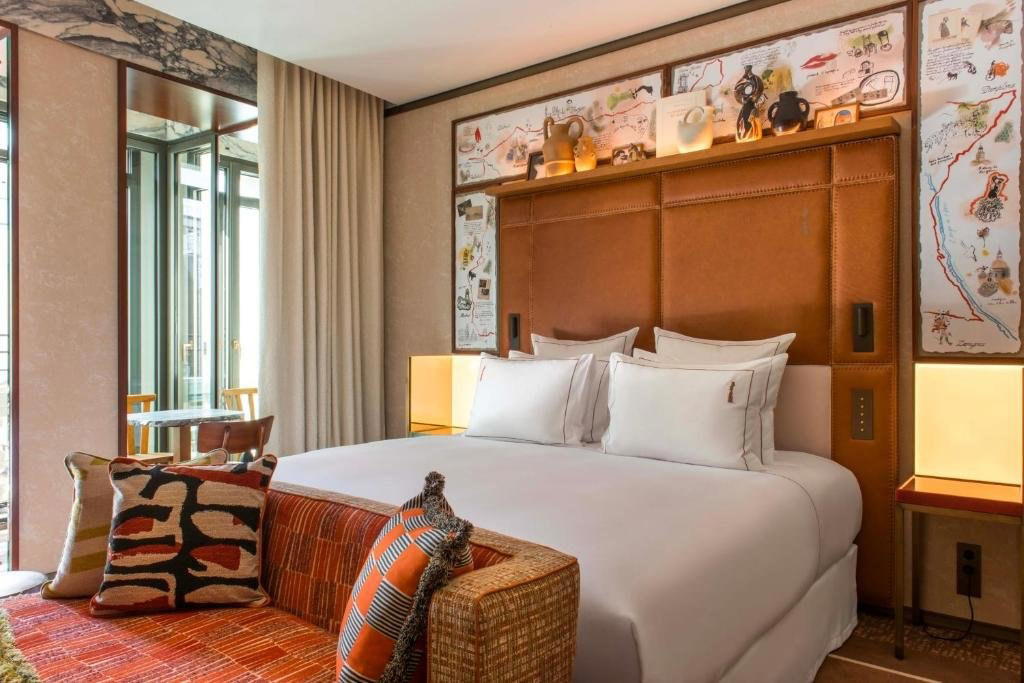
Trendy modern interior with dim lighting, energetic atmosphere, open kitchen, and a sense of exclusivity.
Know Before You Go
- Getting there
- C. de Augusto Figueroa, 47, Centro, 28004 Madrid, Spain