On Campbell Parade, a short walk from Bondi Beach, SOY Japanese Restaurant positions itself within Sydney's growing cohort of neighbourhood Japanese dining rooms that take their wine programs as seriously as their kitchen output. The address places it squarely in the casual-to-serious middle ground that Bondi does well, where proximity to the beach softens the formality without diluting the craft.
Pearl is the En Primeur Club membership app — saves, bookings, and concierge access live there. Same editors, same standards.
- Address
- 3/38 Campbell Parade, Bondi Beach NSW 2026, Australia
- Phone
- +61291302266
- Website
- soybondi.com
- Directions
- Get directions
 Saves & bookings on Pearl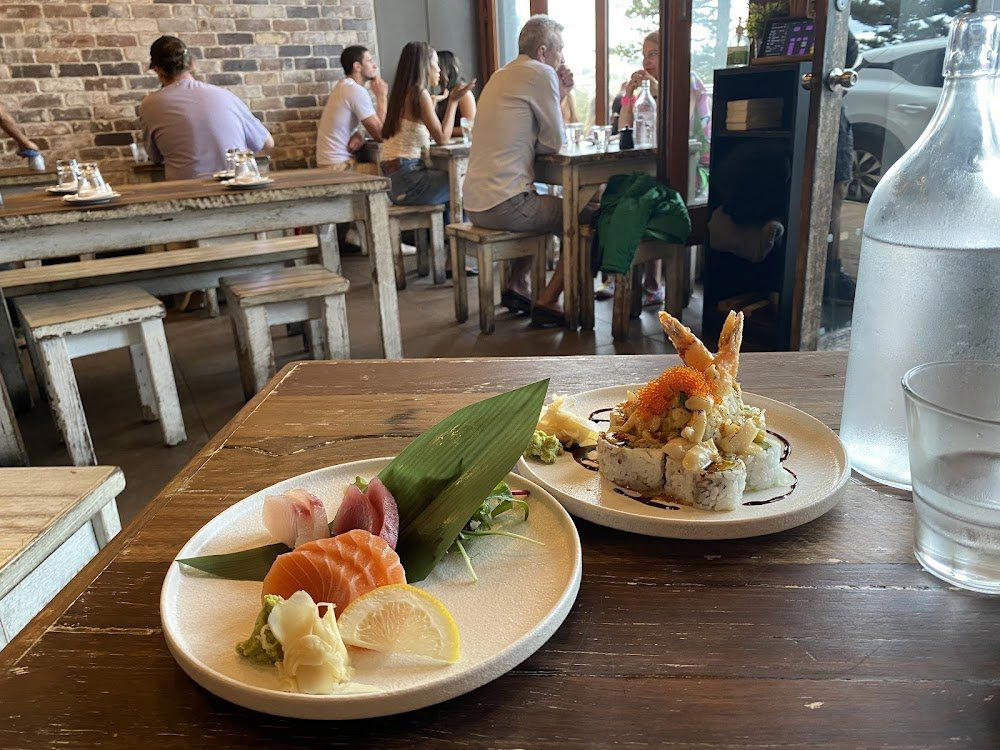
Bondi's Japanese Dining Scene and Where SOY Sits
Campbell Parade has long operated as a strip where serious food competes with serious real estate pressure. The restaurants that survive here tend to occupy a particular niche: good enough to draw regulars from across Sydney's eastern suburbs, relaxed enough not to alienate the walk-in beach crowd. Japanese dining fits that brief better than most cuisines. Its respect for ingredient quality and restraint in preparation translates naturally to a room where diners may arrive in linen shirts at one table and salt-dried boardshorts at another.
Sydney's Japanese restaurant tier has widened considerably over the past decade. At one end, you have the omakase counters concentrated in the CBD and inner suburbs, where covers are deliberately limited and bookings close weeks in advance. At the other, you have the sushi trains and lunch-special operations that anchor shopping centre food courts. SOY, at 3/38 Campbell Parade, occupies the more interesting middle ground: a neighbourhood Japanese room in one of the city's highest-foot-traffic coastal corridors, where the positioning question is always whether the kitchen targets the postcode or a city-wide audience.
For context on how Sydney's broader restaurant scene is structured across categories and price tiers, the EP Club Sydney restaurants guide maps the full picture, from seafood-led rooms like Saint Peter to Rockpool at the formal Australian cuisine end.
The Wine Dimension in Japanese Dining Rooms
The editorial angle worth pressing on at any serious Japanese restaurant in Australia is the wine list, and here the conversation is genuinely evolving. For years, the default pairing culture around Japanese food ran toward sake, shochu, and Japanese whisky, with wine treated as an afterthought or a concession to non-specialist guests. That has shifted. A growing number of Japanese dining rooms across Sydney and Melbourne now maintain wine programs that reflect the same care applied to the kitchen, with sommeliers or front-of-house teams who understand how to match lower-intervention whites and textured skin-contact styles to the umami register of Japanese cooking.
The argument for natural and minimal-intervention wine alongside Japanese food is not merely fashionable. Wines with lower residual sugar and higher acidity, particularly Alsatian-style Rieslings, aged white Burgundy, or the orange wines now appearing on lists across the country, share a saline, mineral quality that complements dashi-based broths and soy-seasoned proteins without overwhelming them. Sommeliers in this space tend to build lists that favour producers working with reduced sulphur additions and longer skin contact precisely because those wines have the structural presence to hold their own against fermented flavours without competing against them.
This is where Japanese restaurants in coastal Sydney neighbourhoods face a genuine curation challenge. The walk-in Bondi diner often wants a recognisable Marlborough Sauvignon Blanc or a crowd-friendly Pinot Noir. The engaged food traveller expects something more considered. The lists that resolve this tension well tend to be bifurcated: a short, accessible by-the-glass range for the former, and a deeper bottle selection for the latter, with a sommelier or informed floor staff capable of bridging both worlds. How any given room handles that split is one of the better indicators of its genuine ambition.
For a useful comparison of how wine programs operate at the serious end of Australian dining, both Attica in Melbourne and Brae in Birregurra have built reputations that rest partly on cellar depth and sommelier discipline — different cuisines, but the same underlying principle about wine as editorial statement rather than afterthought.
The Bondi Beach Address: What It Means in Practice
Sitting on Campbell Parade means operating in a neighbourhood with its own firmly established dining personality. Bondi's food scene has matured past the avocado-toast caricature, but the strip still rewards operators who read the room correctly. Bills in Bondi Beach is the long-established reference point for how a room can balance serious food credentials with genuine openness to the neighbourhood's tempo. Japanese dining rooms in similar positions tend to succeed when they resist the temptation to over-formalise: the cuisine's native precision is enough theatre on its own.
The surrounding area also offers useful counterpoints for planning a broader evening in the eastern suburbs. 10 William St in Paddington, a short drive inland, has built one of Sydney's more thoughtful natural wine lists, which gives a sense of the wine sensibility that now runs through much of the eastern suburbs dining corridor. 1021 Mediterranean and 10 Pounds represent other flavour registers in the broader neighbourhood mix.
Further afield, Sydney's dining map extends to rooms like Bayly's Bistro in Kirribilli and Johnny Bird in Crows Nest on the lower north shore, which gives a sense of how the city's neighbourhood dining culture distributes across different postcodes. For those travelling from interstate or internationally, the comparison with Japanese dining programs in New York — where Atomix and the broader Korean-Japanese omakase wave have redefined what a tight-focus tasting counter can achieve, illustrates how Sydney's Japanese dining rooms exist within a genuinely global conversation about format and ambition.
What the Japanese Restaurant Format Offers the Wine-Focused Diner
One structural advantage of Japanese dining rooms for wine programs is portion discipline. The tasting-driven progression of Japanese menus, whether omakase, kaiseki-adjacent, or even a well-structured à la carte, creates natural pause points for glass changes. A thoughtful list matched to a kitchen working in that register allows for a more granular pairing experience than most European-format tasting menus, where course transitions can be harder to predict in flavour terms.
This is particularly relevant in a Bondi context. The eastern suburbs diner increasingly arrives with genuine wine literacy, informed by the region's proximity to producers in the Hunter Valley to the north and the cool-climate Canberra District to the southwest. A Japanese room that acknowledges this and builds a cellar accordingly has a distinct advantage over competitors whose lists stop at the standard Australian commercial tier.
For those interested in how other regional Australian rooms have approached the wine-as-serious-program question, Bar Carolina in South Yarra, Barry Cafe in Northcote, and venues further afield like Hungry Wolfs in Newcastle, Jaani Street Food in Ballarat, and Kulcha in Wollongong each reflect different regional interpretations of the same underlying question: how seriously should a neighbourhood room take its cellar? The answer, increasingly, is more seriously than the postcode would traditionally demand. Le Bernardin in New York remains the global benchmark for how a seafood-focused kitchen can anchor a wine program of genuine depth, a useful reference point for any Japanese room working with fish-forward menus.
Planning Your Visit
SOY Japanese Restaurant is located at 3/38 Campbell Parade, Bondi Beach NSW 2026. The address puts it on the main beachfront parade, accessible by bus from Bondi Junction station. For reservations, current hours, and menu details, visiting directly is recommended as no website or phone contact is currently listed in public databases. Booking ahead is advisable for weekend evenings, when the Campbell Parade strip operates at capacity across most venues.
At a glance: 3/38 Campbell Parade, Bondi Beach NSW 2026. Japanese restaurant. Bondi beachfront strip. Advance booking recommended for weekends.
Continue exploring
More in Sydney
Restaurants in Sydney
Browse all →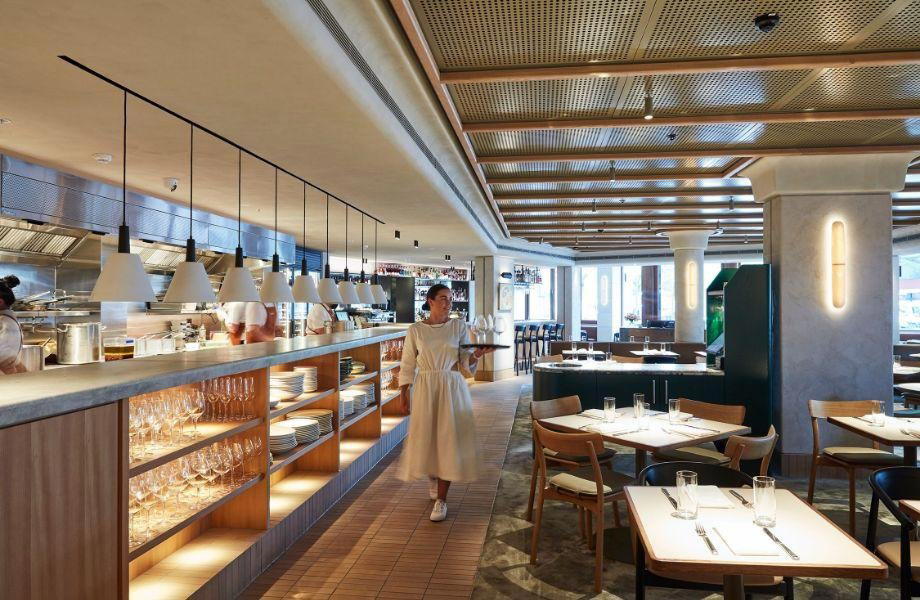
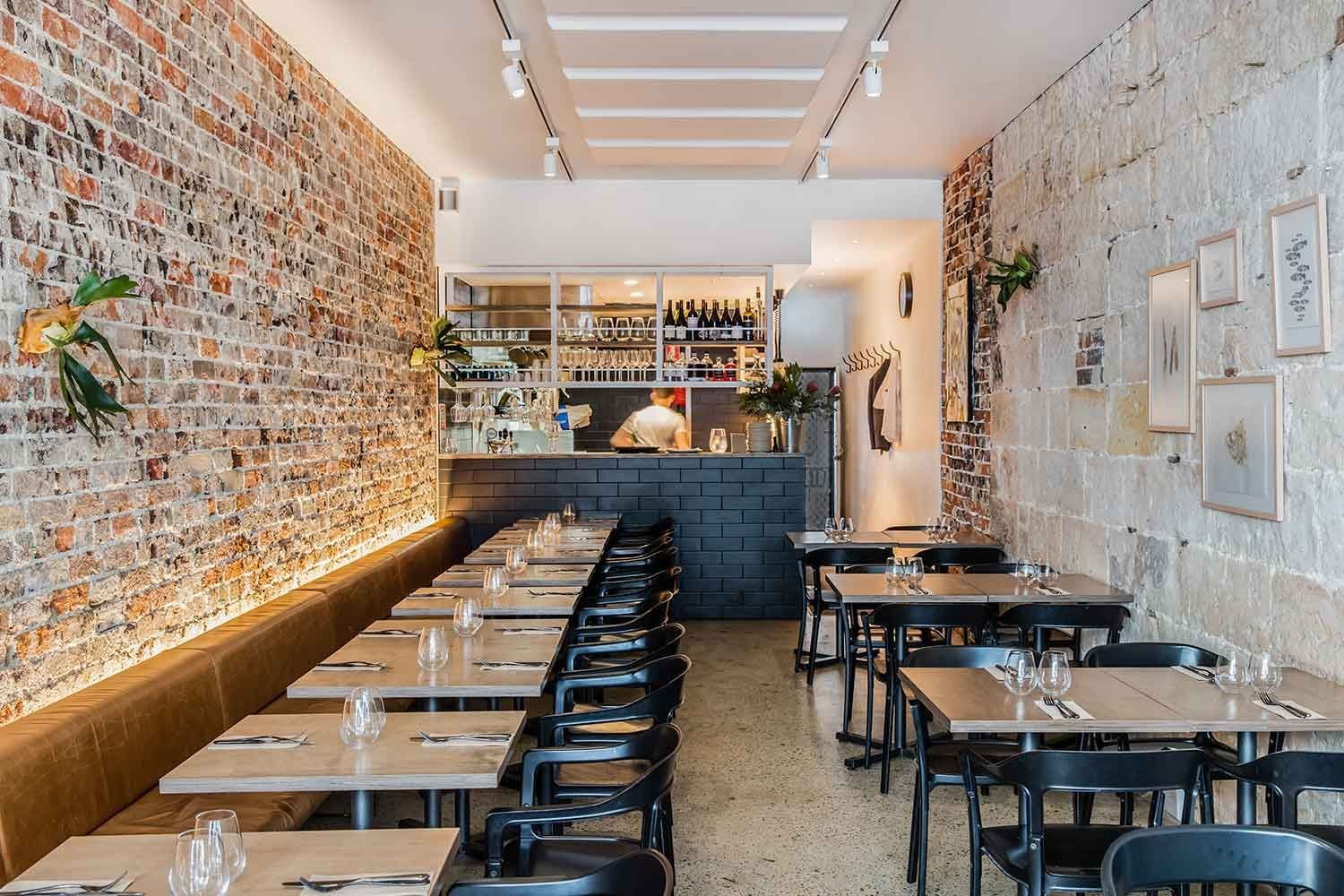
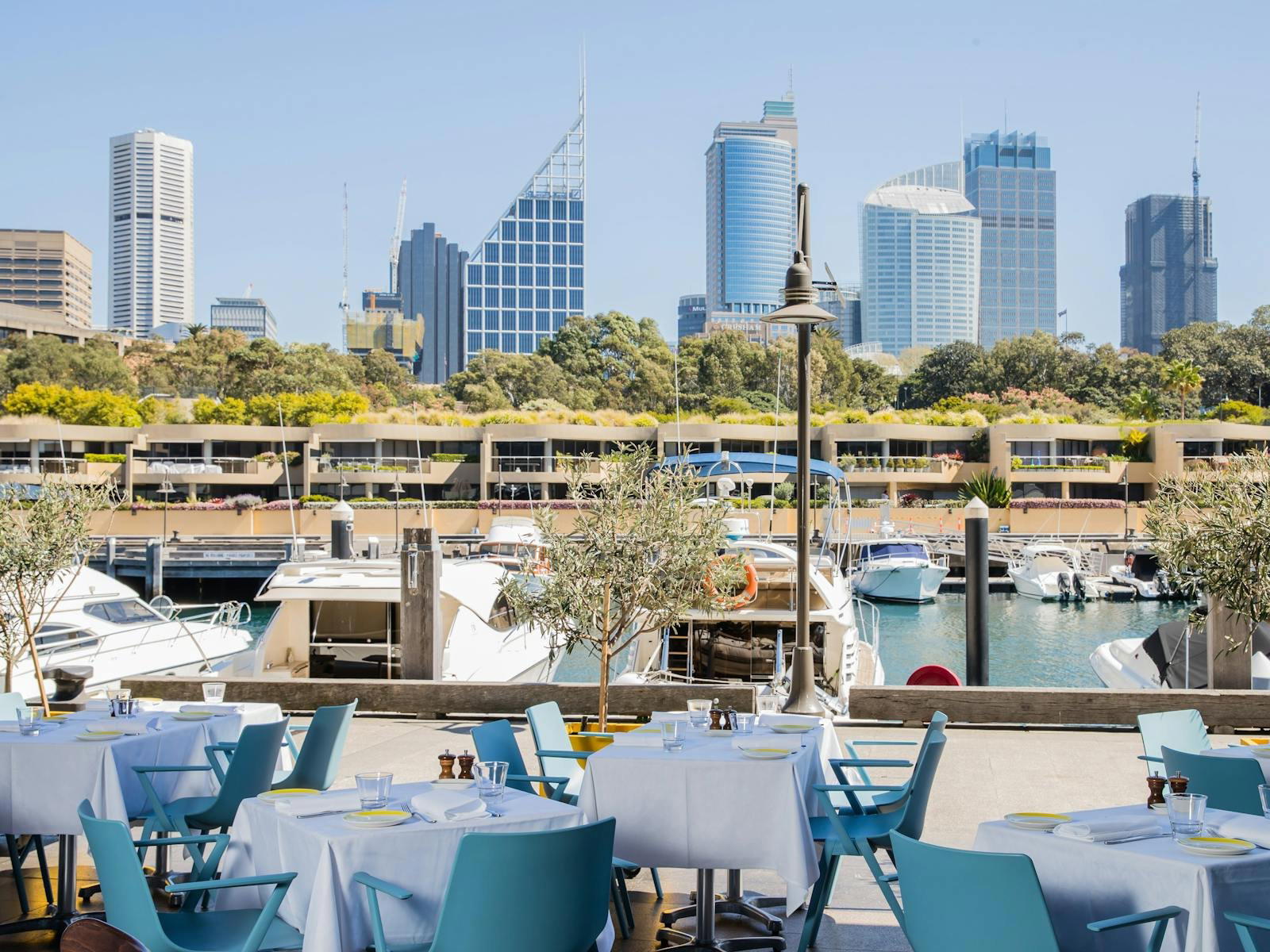
Bars in Sydney
Browse all →
Hotels in Sydney
Browse all →


At a Glance
- Trendy
- Modern
- Elegant
- Casual Hangout
- Group Dining
- Standalone
- Sake Program
- Street Scene
Current opening hours
- Monday
- Closed
- Tuesday
- 5–9 PM
- Wednesday
- 5–9 PM
- Thursday
- 5–9 PM
- Friday
- 5–9 PM
- Saturday
- 12–3 PM, 5–9 PM
- Sunday
- 12–3 PM, 5–9 PM
Hours can change for holidays and private events. Last verified .
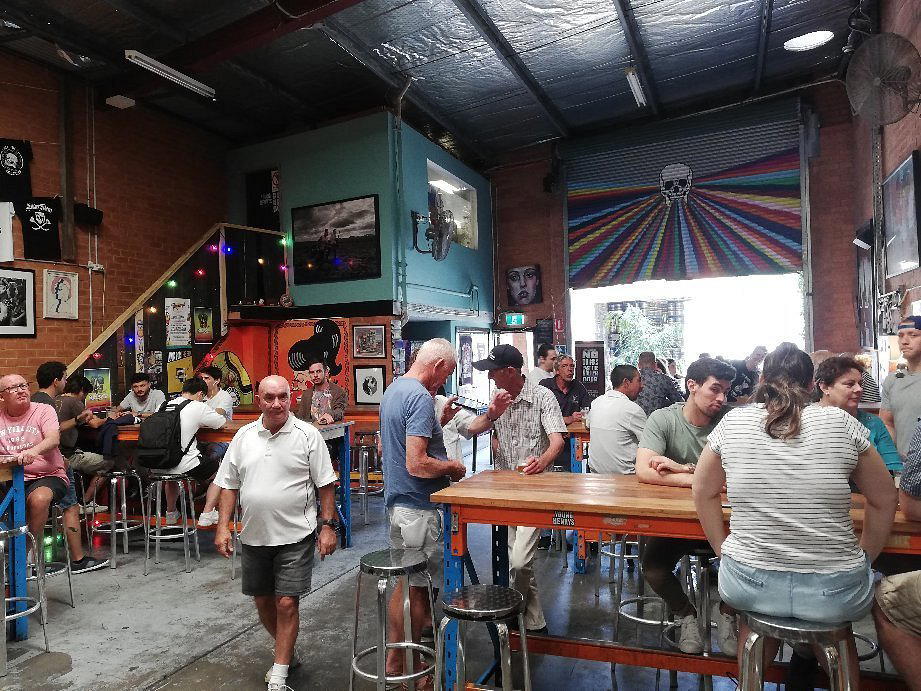
Stylish and chic atmosphere with energetic noise level, praised for its warm and friendly vibe.
Know Before You Go
- Getting there
- 3/38 Campbell Parade, Bondi Beach NSW 2026, Australia