Our verdict
IKI Dining sits on Llankelly Place in Potts Point, one of Sydney's most concentrated dining lanes, offering ramen and izakaya-style eating that fits the neighbourhood's appetite for informal but considered Japanese formats. The venue occupies the middle tier of Sydney's Japanese dining scene, where the focus shifts from ceremony to approachability without abandoning craft. It is a practical entry point into Sydney's broader East Asian dining conversation.

Pearl is the En Primeur Club membership app, where members save venues, book tables and use the concierge.

Llankelly Place and the Izakaya Tradition in Sydney
Llankelly Place in Potts Point functions as a compressed version of Sydney's dining ambitions. The narrow pedestrian lane concentrates a range of formats and price points within a few dozen metres, and the foot traffic reflects an after-work and late-evening crowd that treats the area as a reliable circuit rather than a destination requiring advance planning. IKI Dining at number 42 sits within this ecosystem, operating a ramen and izakaya format that aligns with one of the more durable trends in Sydney's Japanese dining scene: the move away from pure sushi-and-sashimi formality toward the drinking-house model, where small plates, grilled skewers, and substantial noodle bowls share equal billing.
The izakaya format itself has a long history as Japan's answer to the pub, a place where the food is serious but the context is social. In Sydney, that template has been adopted and adapted with varying degrees of fidelity. Some venues lean into the high-volume yakitori-bar energy; others produce a quieter, more restrained version oriented toward sake lists and seasonal small plates. IKI's positioning at the ramen-and-izakaya intersection places it in the more accessible register of that spectrum, where the bowl of noodles is as central to the proposition as any drinking-food plate. This dual format is common enough in Japan's regional cities, where the ramen shop and the izakaya blur at the edges, but it remains a distinct enough category in Sydney to give the venue a clear identity within Potts Point's competitive lane.
What Sydney's Japanese Dining Tier Looks Like in 2024
Sydney's Japanese restaurant market has stratified considerably over the past decade. At the formal end, omakase counters and kappo-style programs command prices that align them with the fine-dining tier occupied by venues like Rockpool and Saint Peter in terms of per-head spend and booking difficulty. Below that, a broad mid-market of ramen specialists, izakayas, and robatayaki houses operates with shorter booking windows, more walk-in tolerance, and menus priced for repeat visits rather than occasions. IKI functions within this mid-market tier, where the competitive pressure comes not from white-tablecloth peers but from the density of Japanese casual options in the inner-east suburbs.
Potts Point and neighbouring Darlinghurst have developed a particular concentration of East and Southeast Asian dining that gives the area a different character from the CBD's more formal restaurant strip. The lane format of Llankelly Place reinforces this: the physical environment encourages browsing and spontaneous decision-making rather than the pre-planned reservation that defines dining rooms further south. For visitors familiar with Melbourne's Japanese dining scene, which skews toward the refined end through venues like Attica and its peers, the Potts Point approach will read as more relaxed in format if not in culinary intent.
Reading the Drinks Program in an Izakaya Context
The editorial angle that matters most when assessing an izakaya is not the bowl of ramen, however well-executed, but the drinks list. Izakaya culture in Japan is fundamentally a drinking context: the food exists to extend the evening and complement the alcohol, not to anchor it. The quality signal in a serious izakaya is therefore visible in how the drinks program is curated. Does the sake list extend beyond the three standard grades that appear on most Sydney Japanese menus? Is there shochu range, and does it distinguish between imo (sweet potato) and mugi (barley) styles? Are Japanese whisky and highball programs treated with the same specificity that a wine bar would apply to its by-the-glass selection?
The broader shift in Sydney's bar culture toward transparent, ingredient-driven programs, a trend documented across venues from the inner-east to Newtown, has created a better-informed drinking public that asks more of Asian spirits and sake programs than it did five years ago. This is the context in which any serious izakaya now operates. 10 William St set a template for what a wine-led Italian casual can look like in Paddington; the equivalent question for Japanese casual dining is whether the sake and shochu program carries the same conviction. Venues that treat drinks as an afterthought to the ramen bowl are operating in an earlier era of Sydney dining.
For comparison across other casual dining contexts in the city, 1021 Mediterranean and 10 Pounds demonstrate how mid-market venues in Sydney have raised their beverage programs to become genuine draws rather than supplementary lists. The same expectation now applies across the East Asian casual tier.
Planning a Visit to Llankelly Place
Potts Point is accessible from the CBD by a short taxi or rideshare ride, and Kings Cross station sits within walking distance for those arriving by train. Llankelly Place itself is pedestrian, meaning the approach on foot from Victoria Street or Darlinghurst Road is the standard mode of arrival. The lane operates across lunch and dinner service windows typical of the inner-east, with the evening session drawing a denser crowd that reflects the area's pub-and-restaurant circuit. Walk-in availability at ramen and izakaya formats in this neighbourhood tends to be more reliable early in the week; Friday and Saturday evenings in Llankelly Place fill across multiple venues simultaneously, and IKI is not exempt from that pressure.
For those building a broader Sydney itinerary, the EP Club's full Sydney restaurants guide maps the city's dining by neighbourhood and format, which is more useful than category-only filtering given how much the character of an area shapes the experience. Visitors who have already worked through the Potts Point circuit might extend east to bills in Bondi Beach for morning eating, or north to Bayly's Bistro in Kirribilli for a different register of neighbourhood dining. For those exploring further afield, Johnny Bird in Crows Nest offers another data point on how Sydney's inner-north handles casual formats with considered beverage programs.
IKI's address at 42 Llankelly Place is precise enough to find without difficulty; the lane is short and the venue sequence is readable on foot.
Frequently asked questions
What should I eat at IKI Dining?
How hard is it to get a table at IKI Dining?
What has IKI Dining built its reputation on?
How does IKI Dining fit into Potts Point's broader Japanese dining scene?
Standing Among Peers
Comparable venues nearby, for context on price, style, and recognition.
| Venue | Cuisine | Price | Notes |
|---|---|---|---|
| IKI Dining - Ramen and IzakayaThis venue (the venue you are viewing) | Ramen and Izakaya | $30–50 | Not listed |
| Chaco Ramen Bondi | Contemporary Japanese Ramen & Yakitori | $20–30 | Bondi Beach |
| Yakitori Yurippi | Authentic Japanese Yakitori | $50–100 | Crows Nest |
| Zushi | Modern Japanese Izakaya | $50–100 | Barangaroo |
| Takumi Yakiniku | Japanese Yakiniku BBQ | $50–100 | Eastwood |
| Koromo by Jazushi | Modern Japanese Koromo & Izakaya | $20–30 | Pyrmont |
Continue exploring
More in Sydney
Restaurants in Sydney
All restaurants in Sydney →
Bars in Sydney
All bars in Sydney →

Details
- Trendy
- Lively
- Intimate
- Modern
- Casual Hangout
- After Work
- Group Dining
- Open Kitchen
- Sake Program
- A La Carte
- Small Plates
- Sake
Current opening hours
- Monday
- 5–10 PM
- Tuesday
- 5–10 PM
- Wednesday
- 5–10 PM
- Thursday
- 5–10 PM
- Friday
- 5–10 PM
- Saturday
- 5–10 PM
- Sunday
- 5–10 PM
Hours can change for holidays and private events. Hours as of .
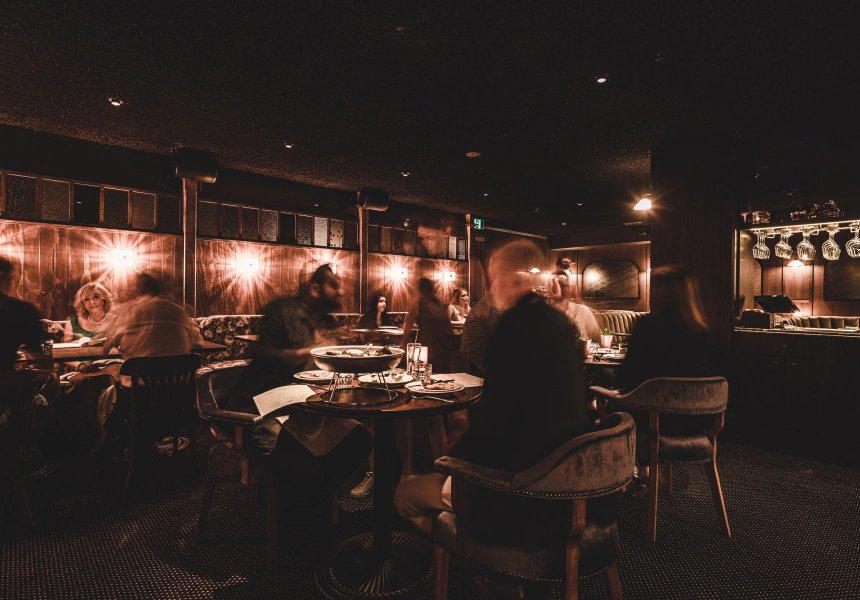
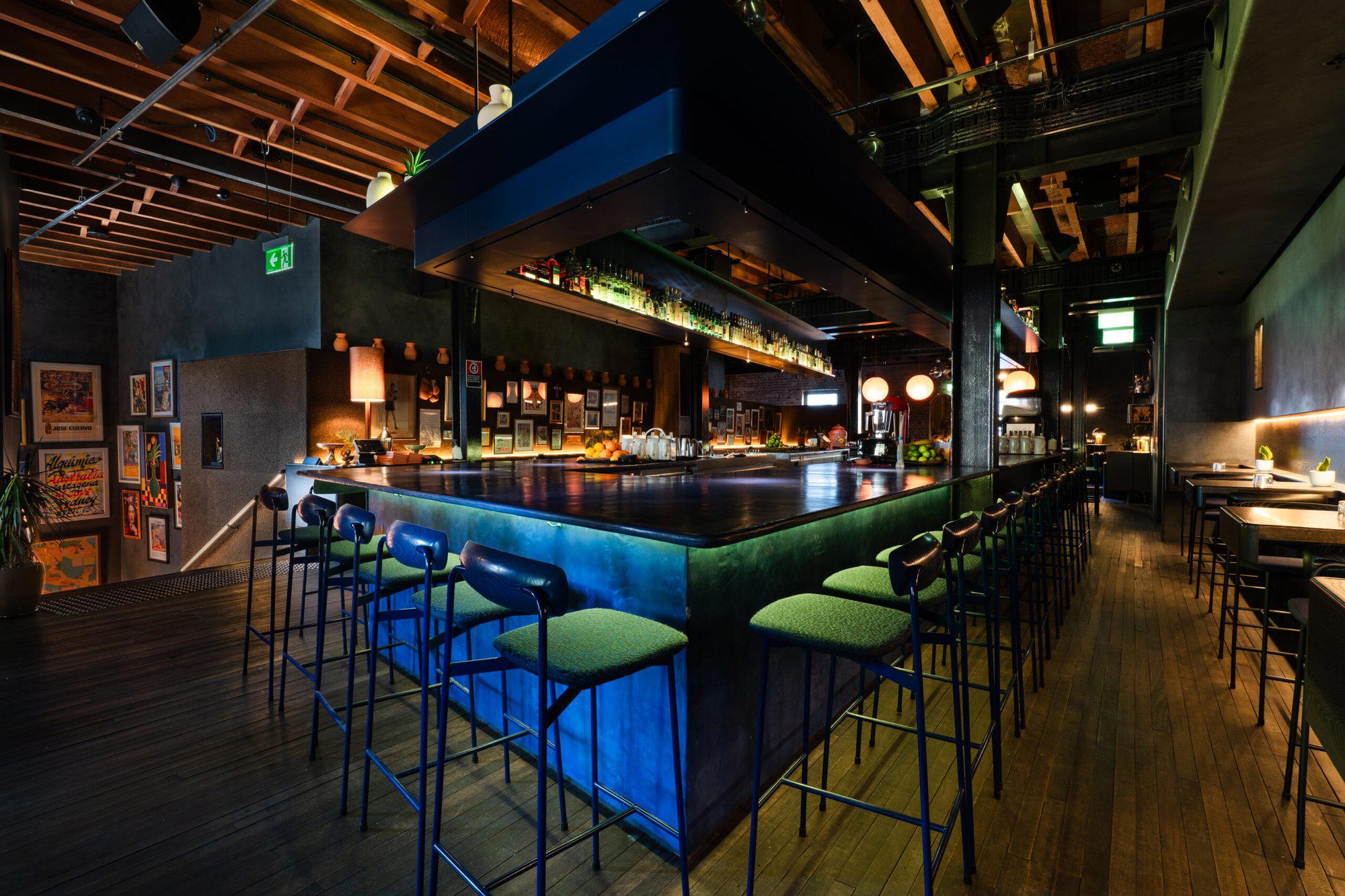
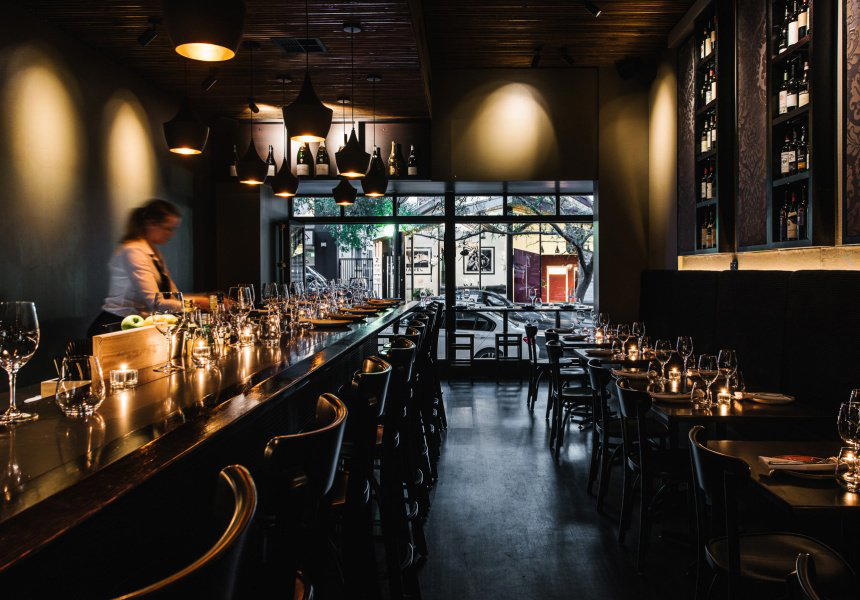
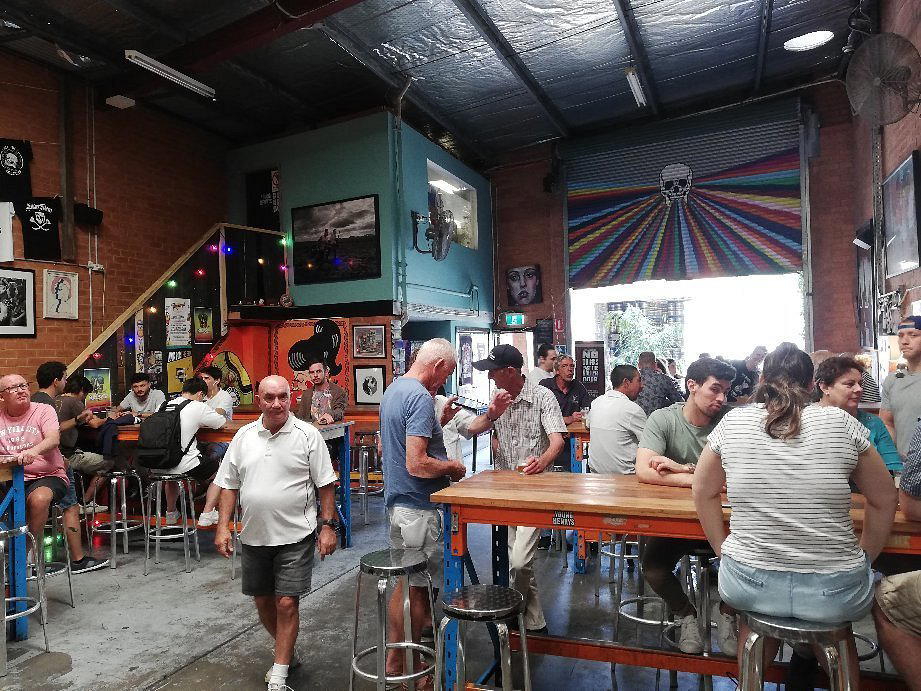
Warm and intimate setting inspired by Japan’s after-hours culture, blending refined simplicity with effortless charm and a social buzz for sharing plates.