Chaco Ramen Bondi occupies a specific position in Sydney's ramen scene: a Bondi Beach address that draws on the precision-led traditions of Japanese noodle craft while operating in one of Australia's most casual coastal neighbourhoods. The tension between those two registers — technical discipline and beachside informality — is exactly what defines the experience at 11 O'Brien Street.
Pearl is the En Primeur Club membership app — saves, bookings, and concierge access live there. Same editors, same standards.
- Address
- 11 O'Brien St, Bondi Beach NSW 2026, Australia
- Phone
- +61291304499
- Website
- chacoramen.com.au
- Directions
- Get directions
 Saves & bookings on Pearl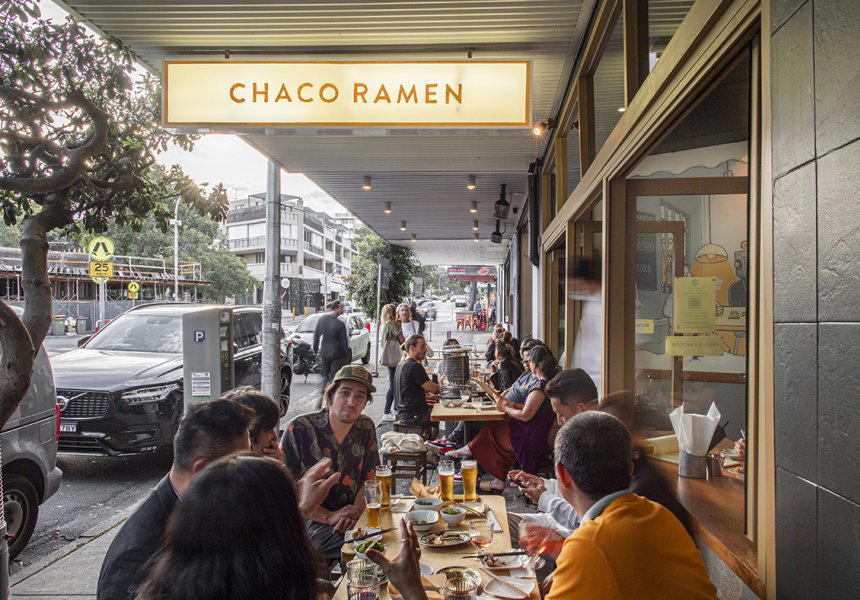
Where Coastal Informality Meets Japanese Noodle Discipline
Bondi Beach has never been Sydney's most obvious address for serious Japanese cooking. The neighbourhood runs on salt air, flat whites, and a studied nonchalance that makes it resistant to the kind of formal dining gravity that pulls food-focused visitors toward Surry Hills or the CBD. That resistance, paradoxically, is part of what makes Chaco Ramen Bondi work. A ramen counter at 11 O'Brien Street does not need to perform seriousness — it earns it through the bowl, not the room.
Ramen in Australia has matured considerably over the past decade. What began as a category defined by conveyor-belt chains and student-district staples has stratified into a more considered tier of operators who approach broth construction, noodle hydration, and topping composition with the same technical attention you would expect from a tasting-menu kitchen. Chaco Ramen sits in that upper tier of Sydney's ramen conversation, which is a different competitive set than the broader casual dining scene around it in Bondi.
The Bowl as a Collaborative Achievement
The editorial angle on Chaco Ramen Bondi is not really about a single chef or a single dish. It is about what happens when the kitchen, the floor, and the procurement decisions align around a shared standard. In Japanese noodle traditions, the bowl is a team product: the broth keeper, the noodle maker, the tare specialist, and the person who calls the timing on the egg are all contributors. When any one of those elements slips, the bowl reads as unfinished regardless of how strong the others are.
That collaborative discipline is the lens through which Chaco Ramen Bondi is most usefully understood. The front-of-house role in a ramen counter is often undervalued in Western critical writing, but it is consequential. Timing between kitchen output and table delivery matters in a way it does not for, say, a charcuterie board or a wood-fired main. A bowl that waits three minutes loses temperature, noodle texture, and fat distribution. The floor team at a well-run ramen counter is managing that window constantly, across every cover.
Sydney's broader dining scene has become increasingly attentive to this kind of operational precision. Look at how the conversation around restaurants like Saint Peter (Australian Seafood) or Rockpool (Australian Cuisine) tends to foreground the whole team rather than a single figurehead. That shift in critical framing reflects something real about how the better kitchens in this city actually function. Chaco Ramen participates in that broader professionalism, even at a price point and format that sits well below fine dining.
Bondi's Place in the Sydney Food Map
Bondi is not where Sydney's most technically demanding restaurants have historically concentrated. The restaurant density in the suburb skews toward all-day cafes, wood-fired pizza, and the kind of share-plate Mediterranean cooking that works with a post-swim crowd. Venues like 1021 Mediterranean represent that Bondi register well. A ramen specialist in this postcode is a category outlier, and that outlier status is worth noting because it shapes the audience.
The people walking into Chaco Ramen Bondi are often not the same cohort who book three months ahead for a degustation in the city. They are locals who want something precise and satisfying within walking distance, visitors who have done their research, and a cross-section of Sydney's Japanese food community who are willing to travel to Bondi for a bowl that meets their standard. That mix produces a room that feels neither exclusively neighbourhood nor exclusively destination, which is a difficult balance to strike.
For context on where Bondi's ramen scene sits relative to other Australian dining formats, it helps to look at the wider national picture. Technically demanding restaurants like Brae in Birregurra, Attica in Melbourne, and Botanic in Adelaide operate at the formal end of the Australian dining spectrum. Chaco Ramen is not in that conversation by format, but it shares something with those places: a refusal to treat the casual or accessible format as an excuse for imprecision.
Ramen as a Serious Category
The global ramen conversation has shifted dramatically since Tokyo counters began appearing on lists alongside fine-dining peers. In Fukuoka, a bowl of tonkotsu at a street-level counter with six seats can carry as much critical weight as a white-tablecloth meal in the same city. That democratisation of serious eating is one of the more interesting developments in food culture over the past fifteen years, and Australian cities have absorbed it unevenly. Sydney has absorbed it better than most.
What distinguishes the more serious ramen operators in Australia from the volume players is usually broth depth, noodle sourcing, and the quality of secondary components. A well-made ajitsuke tamago — the marinated soft-boiled egg that appears in most styles, requires precise timing and a marinade built from quality soy and mirin rather than a commercial shortcut. Chashu pork demands long, controlled cooking and a clean fat cap. These are not complex techniques, but they require consistency across hundreds of covers per week, which is where many operators lose ground.
Other Australian restaurants that share Chaco Ramen's commitment to ingredient-led precision at the accessible end of the market include Pipit in Pottsville and Provenance in Beechworth, both of which demonstrate that regional or suburban addresses do not preclude serious cooking. Further afield, venues like Hentley Farm in Seppeltsfield and Laura at Pt Leo Estate in Merricks show how destination dining can build outside metropolitan centres. Chaco Ramen's ambition is narrower in scope but comparable in its refusal to use location as an excuse.
For a broader view of where Sydney's dining scene sits globally, the comparison set includes restaurants like Le Bernardin in New York City and Lazy Bear in San Francisco, both of which operate with a similar team-first culture, even at very different price points. Sydney's leading end, represented by venues like Ormeggio at The Spit in Mosman and 10 William St, shows the same pattern. See our full Sydney restaurants guide for a wider map of the city's dining tiers.
Know Before You Go
| Address | 11 O'Brien St, Bondi Beach NSW 2026, Australia |
|---|---|
| Neighbourhood | Bondi Beach, Eastern Suburbs |
| Category | Ramen / Japanese noodle specialist |
| Price | |
| Hours | |
| Bookings | |
| Getting There | Bondi Beach is accessible by bus from Bondi Junction station (Eastern Suburbs Line). O'Brien Street is a short walk from the main beach strip. |
| Nearby | 10 Pounds and Lizard Island Resort in Lizard Island for contrast in format and price point |
Continue exploring
More in Sydney
Restaurants in Sydney
Browse all →
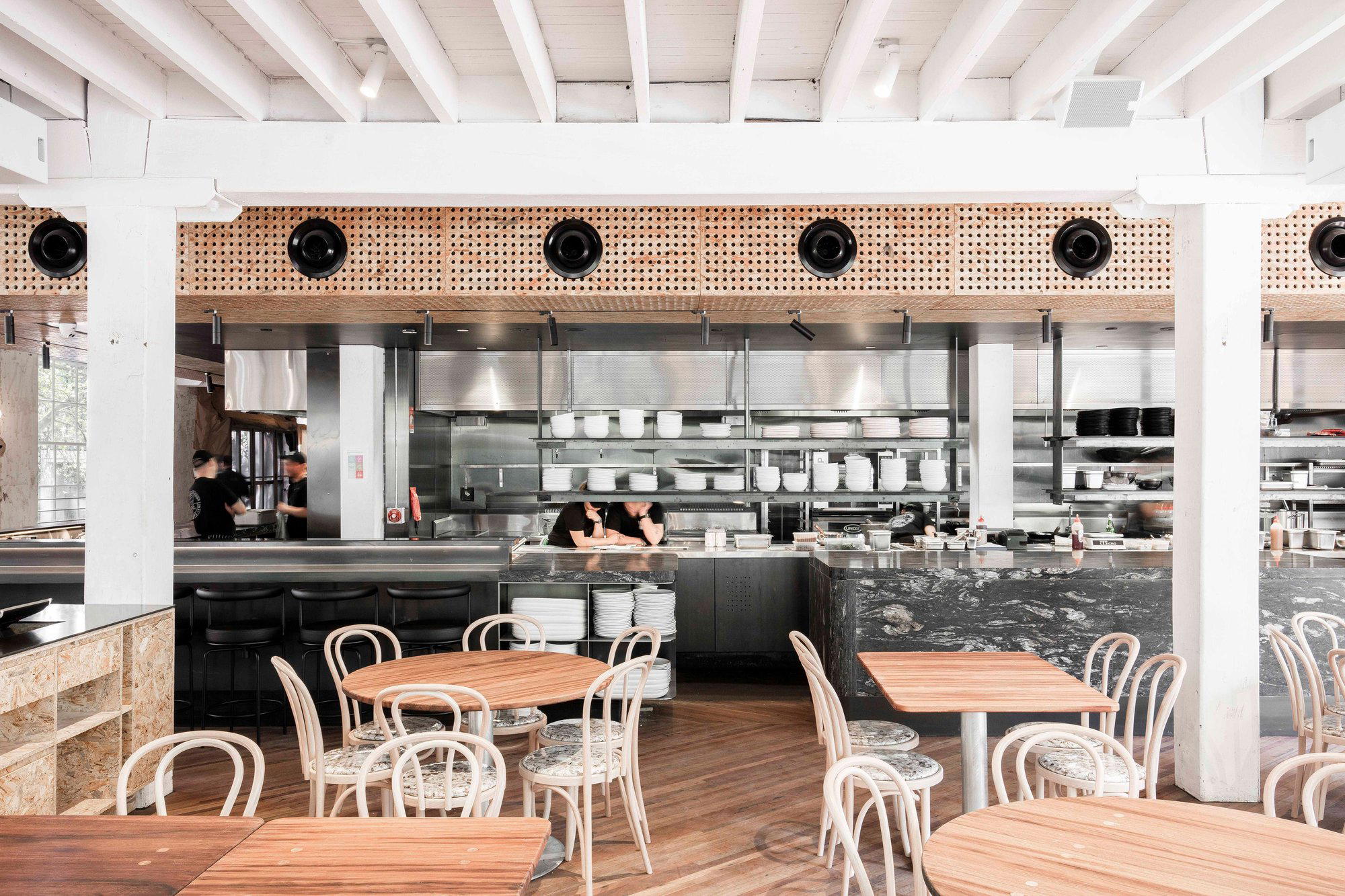
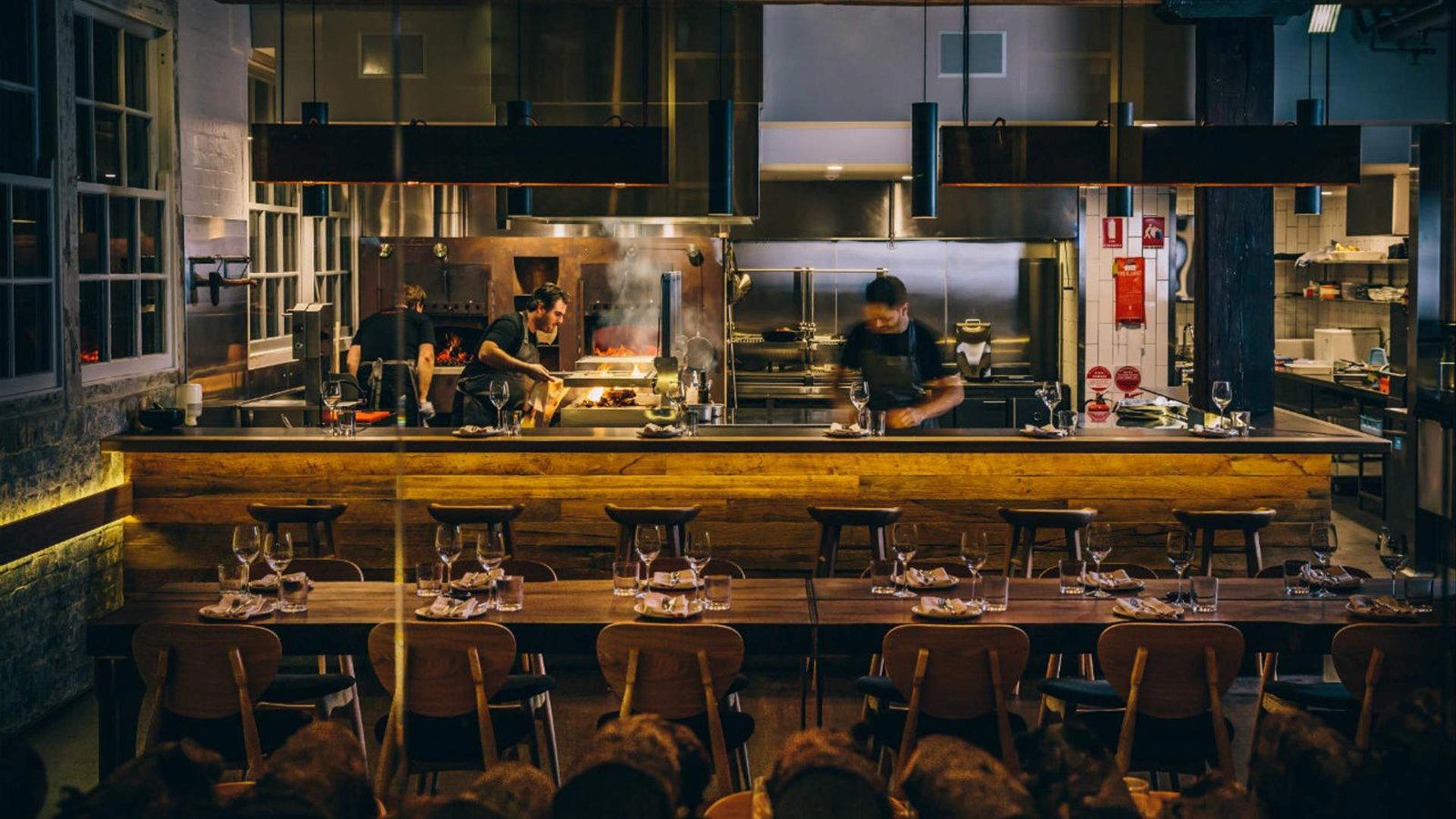
Bars in Sydney
Browse all →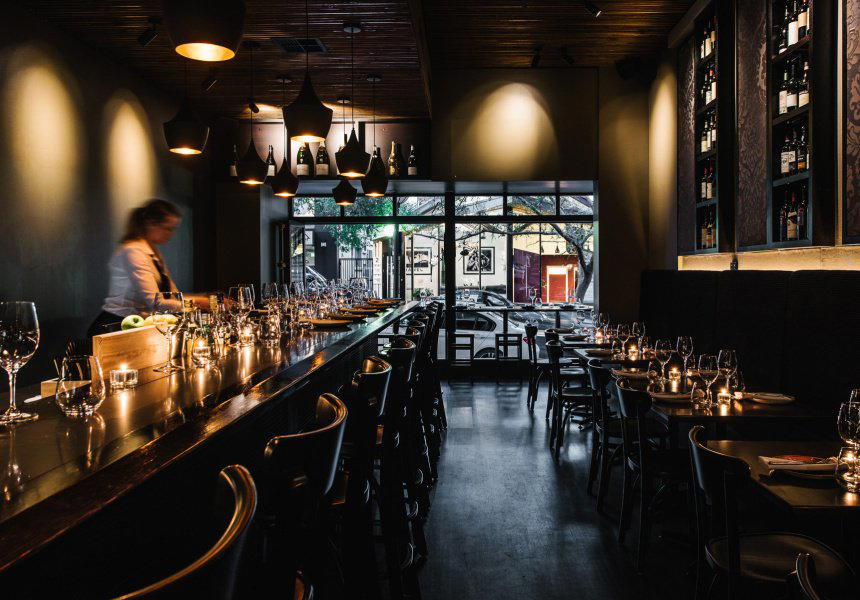
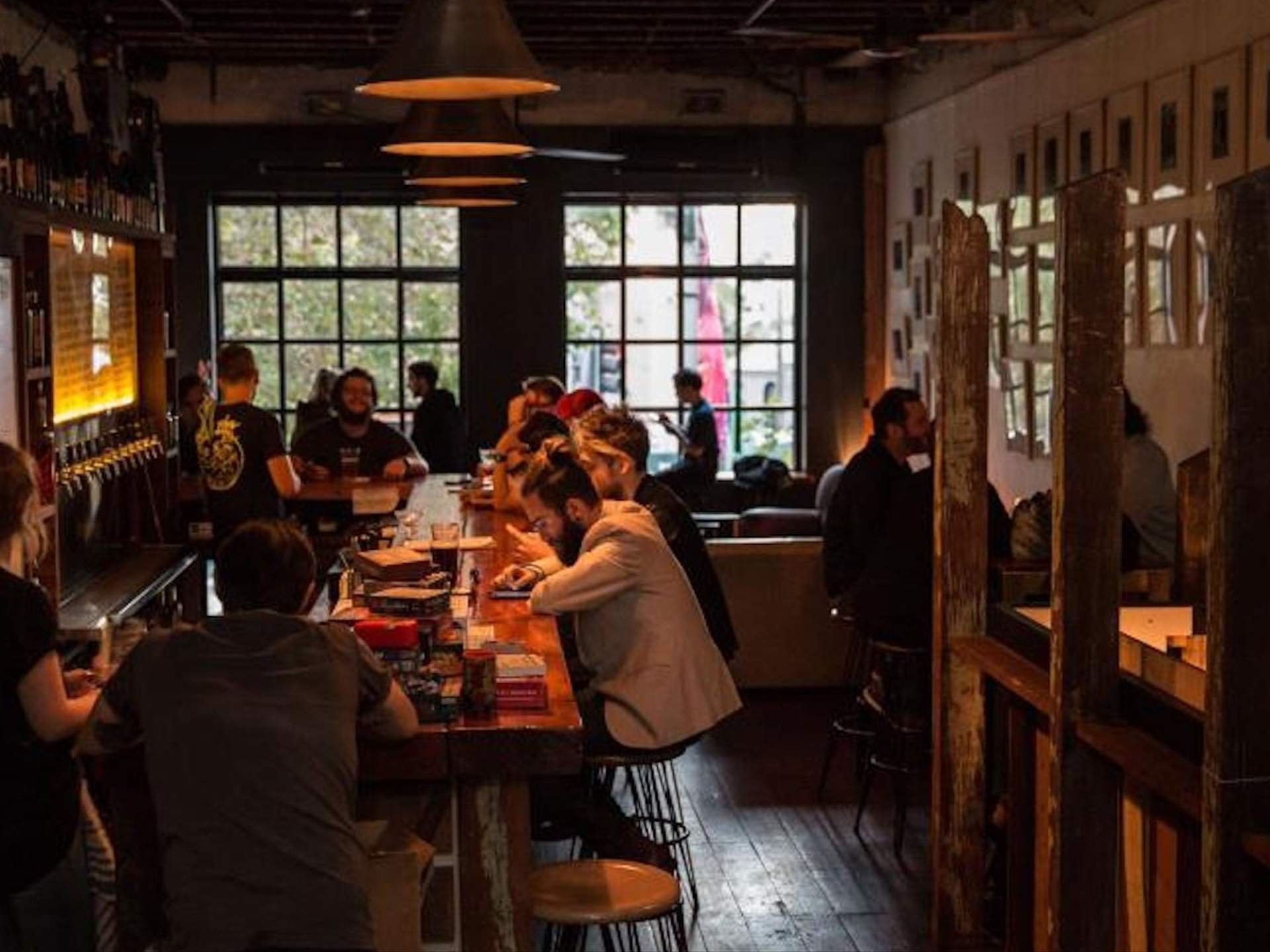
Hotels in Sydney
Browse all →



At a Glance
- Lively
- Modern
- Trendy
- Casual Hangout
- Group Dining
- Family
- Open Kitchen
- Beer Program
- Sake Program
Current opening hours
- Monday
- 5:30–8:30 PM
- Tuesday
- 5:30–8:30 PM
- Wednesday
- 5:30–8:30 PM
- Thursday
- 5:30–8:30 PM
- Friday
- 12–2:30 PM, 5–9:30 PM
- Saturday
- 12–2:30 PM, 5–9:30 PM
- Sunday
- 12–2:30 PM, 5–9 PM
Hours can change for holidays and private events. Last verified .
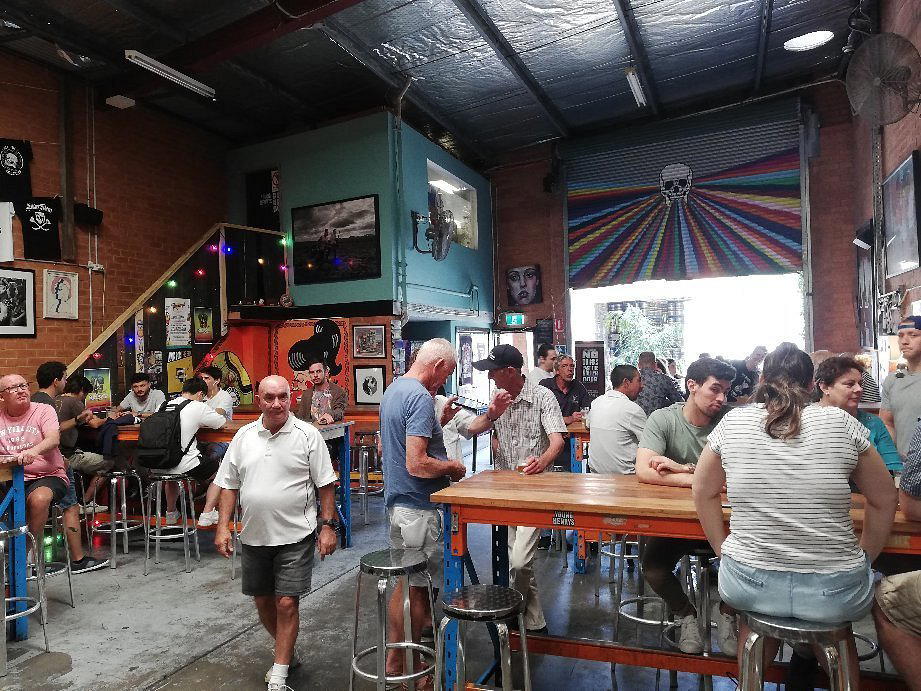
Good atmosphere with friendly wait staff; lively dining environment with a focus on authentic Japanese cuisine and contemporary ramen preparation.
Know Before You Go
- Getting there
- 11 O'Brien St, Bondi Beach NSW 2026, Australia