Sushi Jones occupies a shop-front address in Alexandria, Sydney's inner-south industrial-turned-residential corridor, placing it squarely in the neighbourhood tier of the city's sushi scene rather than the high-ceremony omakase bracket. The format and setting reward those who know where to look in a suburb not typically associated with destination dining. See how it fits Sydney's broader Japanese dining picture before you book.
Pearl is the En Primeur Club membership app — saves, bookings, and concierge access live there. Same editors, same standards.
- Address
- shop 8/2-10 Fountain St, Alexandria NSW 2015, Australia
- Phone
- +61295505166
- Website
- sushijones.com
- Directions
- Get directions
 Saves & bookings on Pearl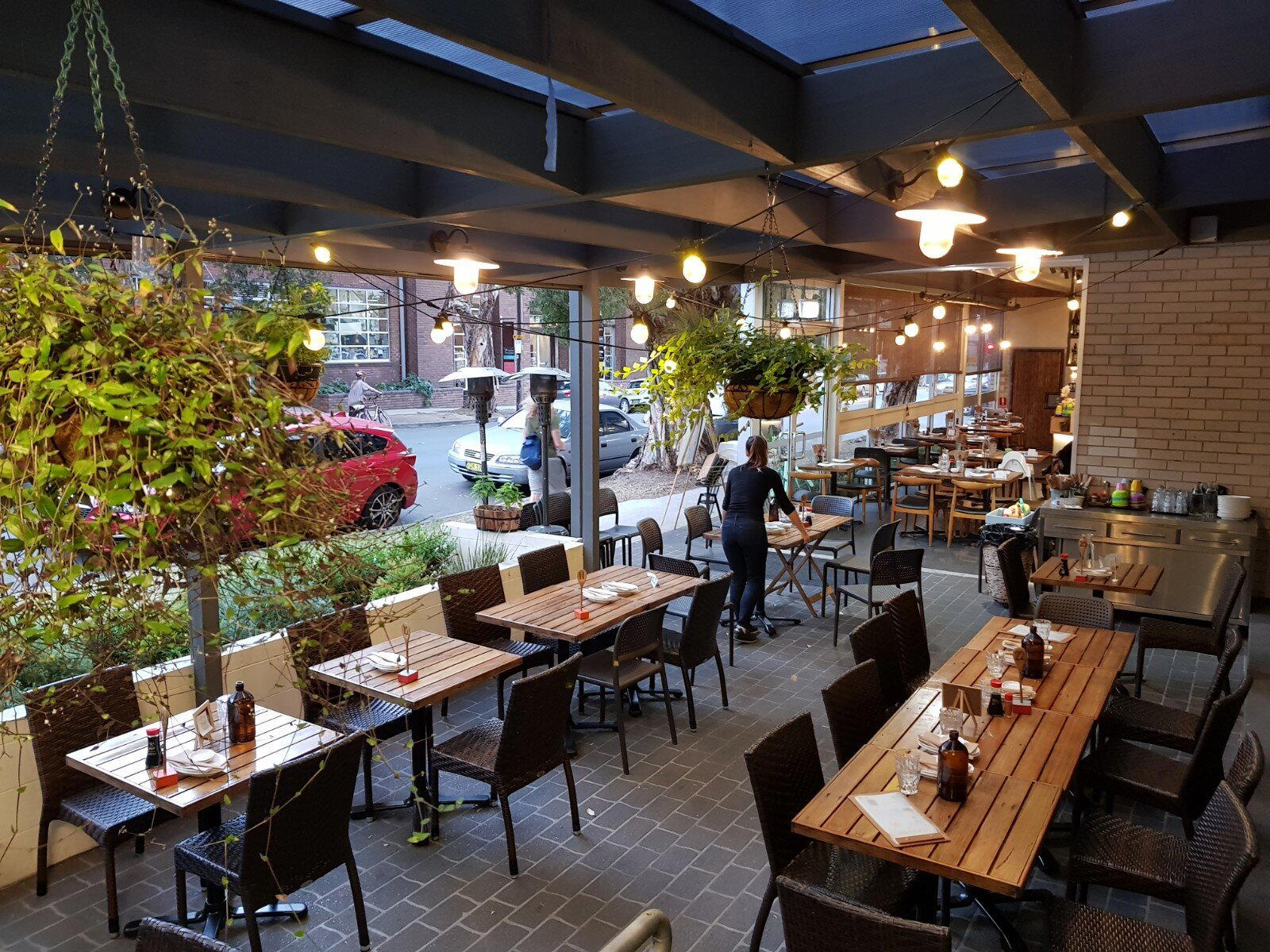
Alexandria's Quiet Corner of the Sushi Conversation
Sydney's sushi scene has fractured into recognisable tiers over the past decade. At the leading end, omakase counters in the CBD and eastern suburbs command three-figure per-head prices, chef-to-guest ratios that resemble a private audience, and booking windows measured in months. Below that sits a dense middle band of strip-mall and food-court operations running conveyor belts or standardised sets. What the city's inner-south suburbs have been slower to develop is a sushi address that sits between those poles: neighbourhood-scaled, with a defined sense of place, but without the ceremony tax of the high-end counter. Sushi Jones, occupying a shop front at 8/2-10 Fountain Street in Alexandria, positions itself in that quieter middle tier.
Alexandria itself has undergone a significant character shift. Once defined by warehouses, print houses, and light-industrial blocks, the suburb has absorbed a wave of residential conversions and small-format retail over the past fifteen years. The result is a neighbourhood that supports a different kind of dining than the inner-east or the CBD: less destination-driven, more regulars-and-neighbours, with a tangible preference for quality over theatre. That dining culture suits a venue like Sushi Jones, where the address is a Fountain Street shop rather than a harbourside room with a view.
The Feel of the Room
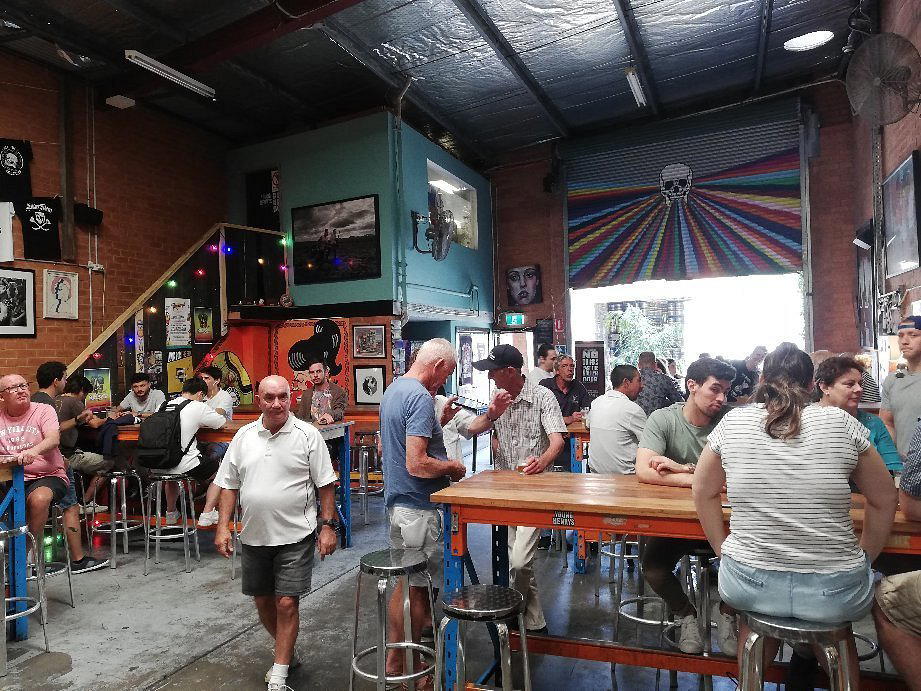
Shop-front sushi in Sydney tends to communicate its register before you sit down. The density of the space, the proximity of the prep counter, the ambient sound of rice being worked — these details are more telling than any signage. At Fountain Street, the format is compact, which in sushi terms is rarely a drawback. Counter dining compresses the distance between kitchen and guest, and in a neighbourhood setting that compression tends to feel informal rather than theatrical. There is no house music engineered to frame a tasting menu, no lighting design calculated to make you feel you are somewhere else. The physical environment says: the food is the reason you are here.
This kind of setting sits in contrast to the ceremony-forward rooms at Sydney's leading omakase addresses, where the spatial design itself becomes part of the offer. If you want the full ritual experience, the CBD or eastern suburbs are where Sydney's Michelin-tracking crowd currently concentrates. But for a different register of the same core craft — rice cooked to temperature, fish sourced and handled with care, the neighbourhood format has its own logic. For comparison points within Sydney's broader scene, Saint Peter and Rockpool represent the ceremony end of Sydney's fish and Australian dining continuum respectively, while Sushi Jones occupies a deliberately lower-key register.
Where Alexandria Sits in Sydney's Inner-South Dining Picture
Sydney's inner-south food corridor runs loosely through Surry Hills, Redfern, and Alexandria, with each suburb carrying a distinct dining character. Surry Hills has accumulated a density of wine-forward rooms and modern Australian operators. Redfern has shifted towards neighbourhood bistros and all-day cafes. Alexandria's food scene is thinner and more utilitarian at its edges, but pockets of specificity have emerged, particularly in the streets close to the Green Square development corridor and the older Fountain Street blocks. A venue running a specialist Japanese format in this postcode is positioning itself for a local audience that has outgrown purely functional dining without committing to destination-level spending.
That positioning has parallels in other Australian cities. In Melbourne, the inner suburbs have historically supported neighbourhood-scale Japanese operations that carry genuine craft without the cover charges of the CBD counter. Attica and Brae represent Melbourne's high-ceremony end; the neighbourhood tier operates largely without those profiles but serves a loyal and repeat audience. Sydney's equivalent geography is still developing, and Alexandria is one of the suburbs where that development is visible.
What Regulars Order and What That Tells You
In the absence of a published menu or confirmed signature dishes, the most useful signal about a neighbourhood sushi venue is the ordering behaviour of its regulars. At this tier of the Sydney market, repeat customers typically anchor on a small set of nigiri or maki that they know to be well-executed: tuna in its varying cuts, salmon handled correctly rather than over-refrigerated, egg that speaks to rice technique. The sensory test at this level is consistency rather than invention, whether the rice holds its temperature, whether the fish-to-rice ratio is disciplined, whether the knife work is precise enough to let the protein speak without masking it.
Broader Sydney comparison points in the Japanese register include the more formal end of venues like 10 William St and the all-day formats represented by bills in Bondi Beach, which anchor different ends of the casual-quality spectrum. Sushi Jones sits closer to the neighbourhood-functional end of that range, serving a local population that expects craft without ceremony. For international context, the distance between a neighbourhood sushi counter and the formal omakase room is wide: venues like Atomix in New York City or Le Bernardin represent the ceremony-and-credential tier that Sushi Jones does not claim to occupy.
Planning Your Visit
Alexandria is accessible from the CBD via the Green Square train station, roughly a ten-minute walk from Fountain Street depending on the block. The suburb does not have the foot-traffic density of Surry Hills or Newtown, so walk-in availability at Sushi Jones is likely higher than at comparable venues in busier postcodes, though confirming before travelling is advisable given the absence of published hours in current listings. For the broader inner-south dining picture on the same trip, 10 Pounds and 1021 Mediterranean cover different cuisine registers in the area. Further afield, Bayly's Bistro in Kirribilli, Johnny Bird in Crows Nest, and Bar Carolina in South Yarra illustrate how neighbourhood dining operates across Sydney and Melbourne at a similar register. For a full picture of where Sushi Jones sits in Sydney's dining geography, see our full Sydney restaurants guide.
Dietary accommodation questions are leading directed to the venue directly, as no published information on this is currently available. The same applies to confirmed hours and booking policy.
Quick reference: Sushi Jones, Shop 8/2-10 Fountain Street, Alexandria NSW 2015.
Continue exploring
More in Sydney
Restaurants in Sydney
Browse all →
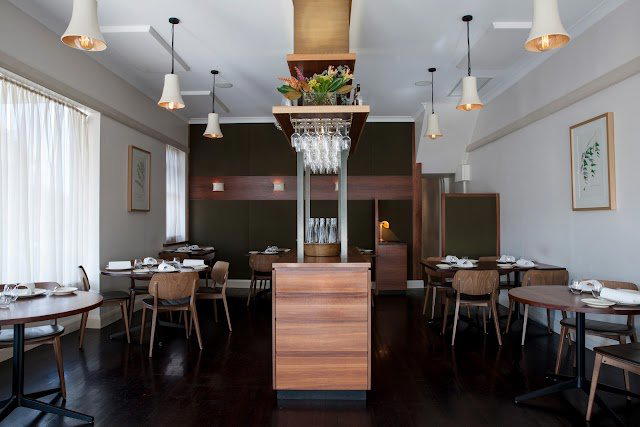
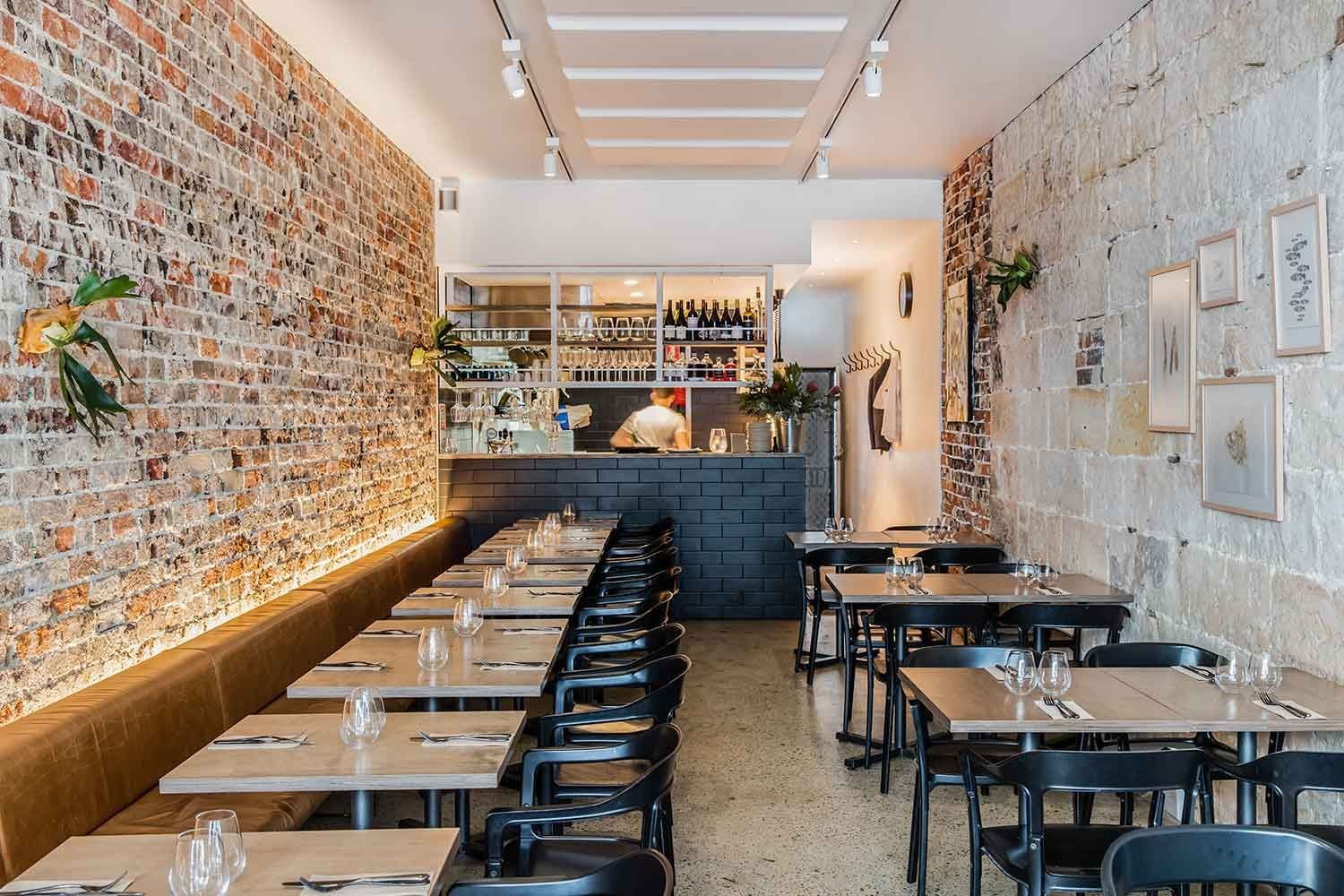
Bars in Sydney
Browse all →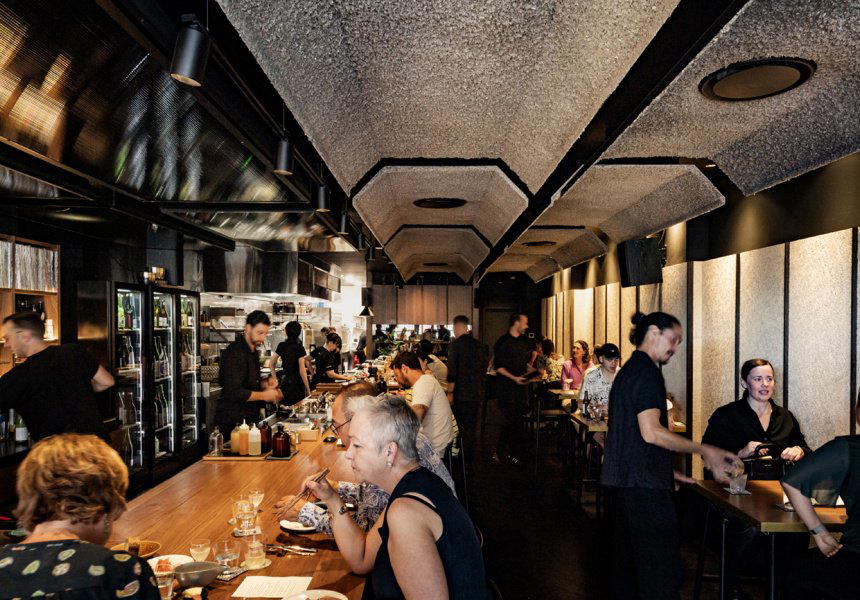
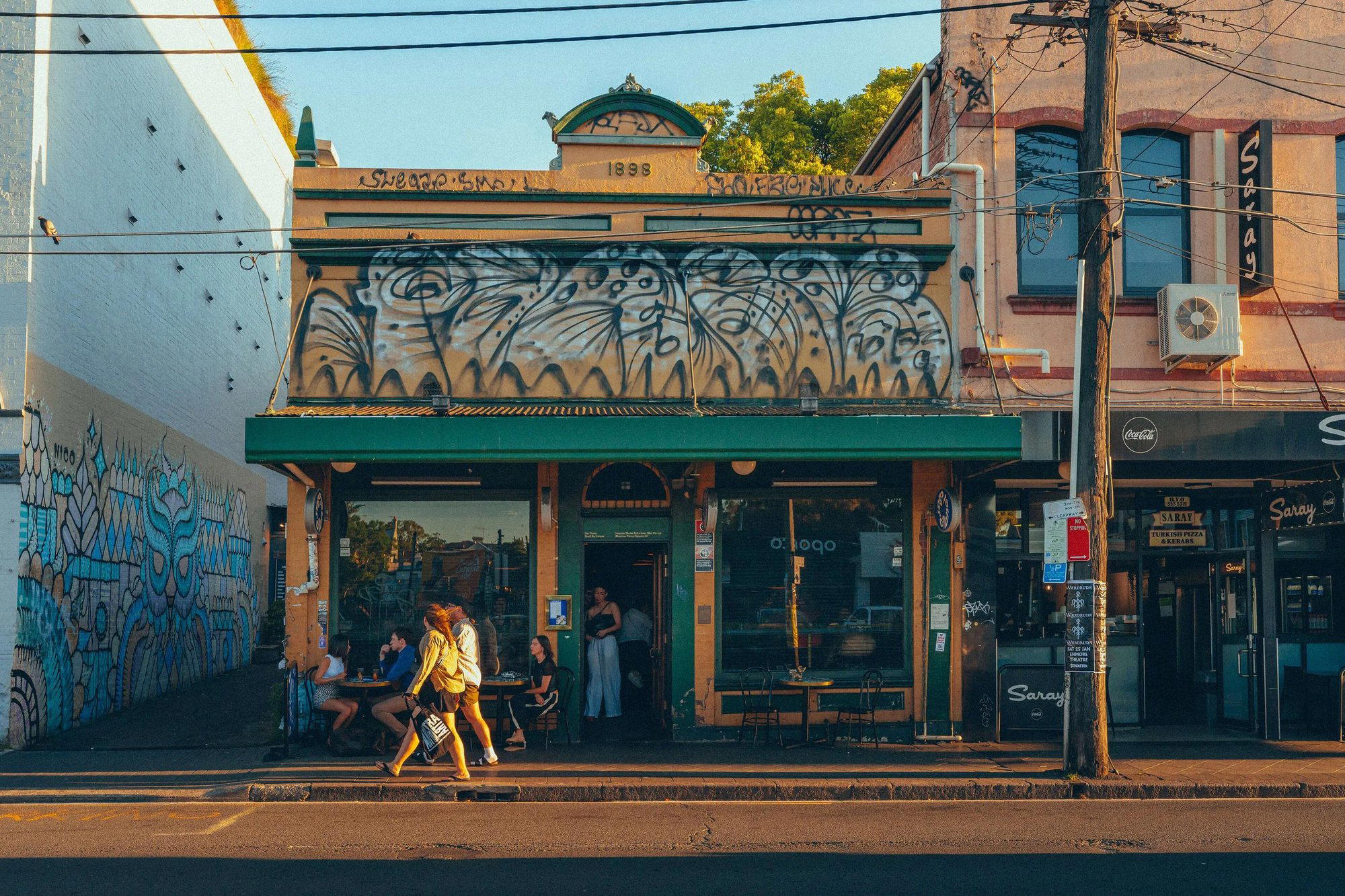
Hotels in Sydney
Browse all →

At a Glance
- Cozy
- Casual
- Casual Hangout
- Family
- Group Dining
- After Work
- Courtyard
- Standalone
- Byob
- Beer Program
- Sake Program
- Organic
Current opening hours
- Monday
- 11 AM–2 PM
- Tuesday
- 11 AM–2:30 PM, 4:30–8:30 PM
- Wednesday
- 11 AM–2:30 PM, 4:30–8:30 PM
- Thursday
- 11 AM–2:30 PM, 4:30–8:30 PM
- Friday
- 11 AM–2:30 PM, 4:30–8:45 PM
- Saturday
- 12–2:30 PM, 4:30–8:45 PM
- Sunday
- 12–2:30 PM, 4:30–8 PM
Hours can change for holidays and private events. Last verified .
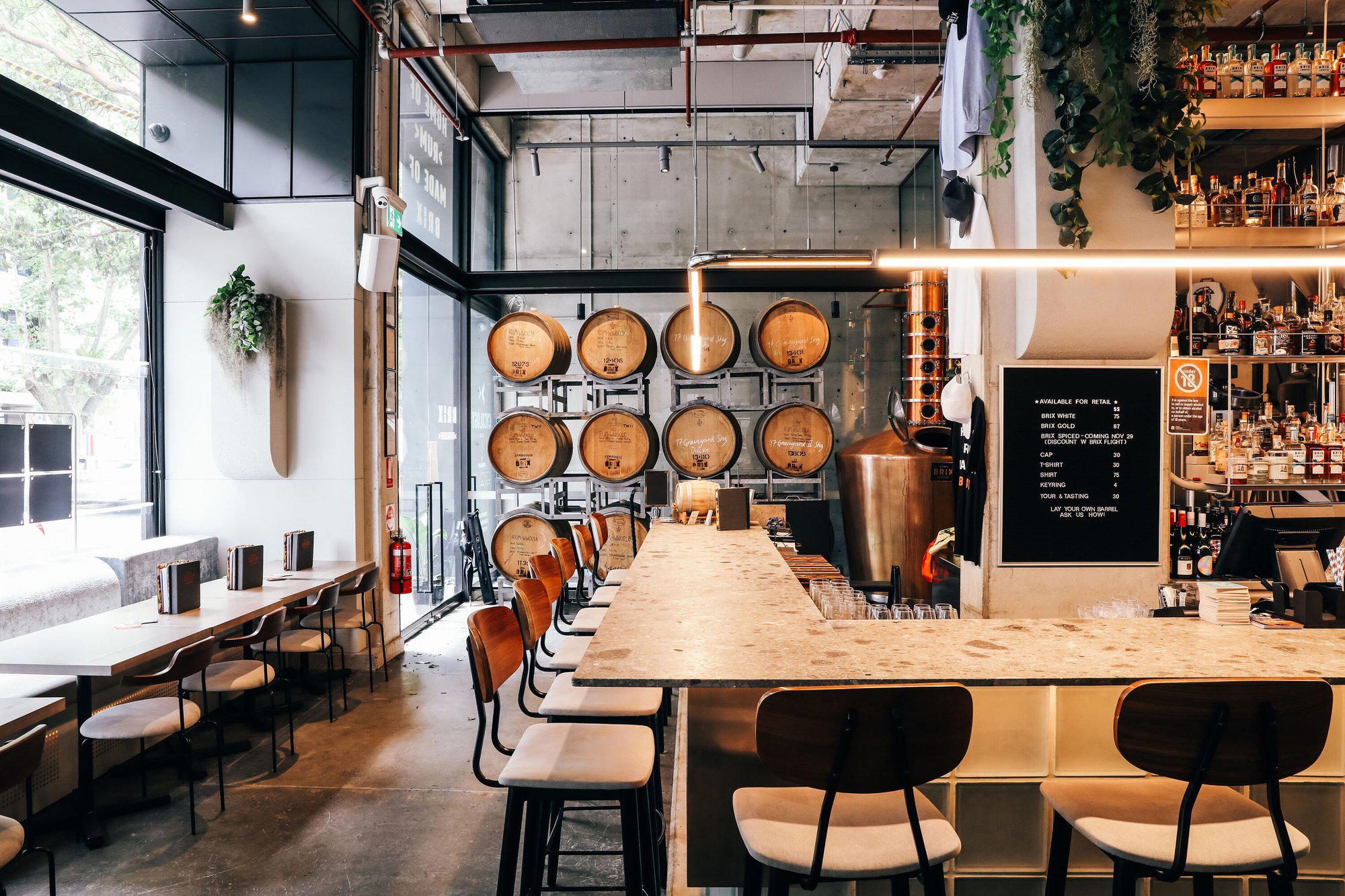
Relaxed and welcoming interior with fairy lights, cozy atmosphere, and a large outdoor courtyard space well-suited for casual dining with friends and pets.
Know Before You Go
- Getting there
- shop 8/2-10 Fountain St, Alexandria NSW 2015, Australia