
Star Wine List
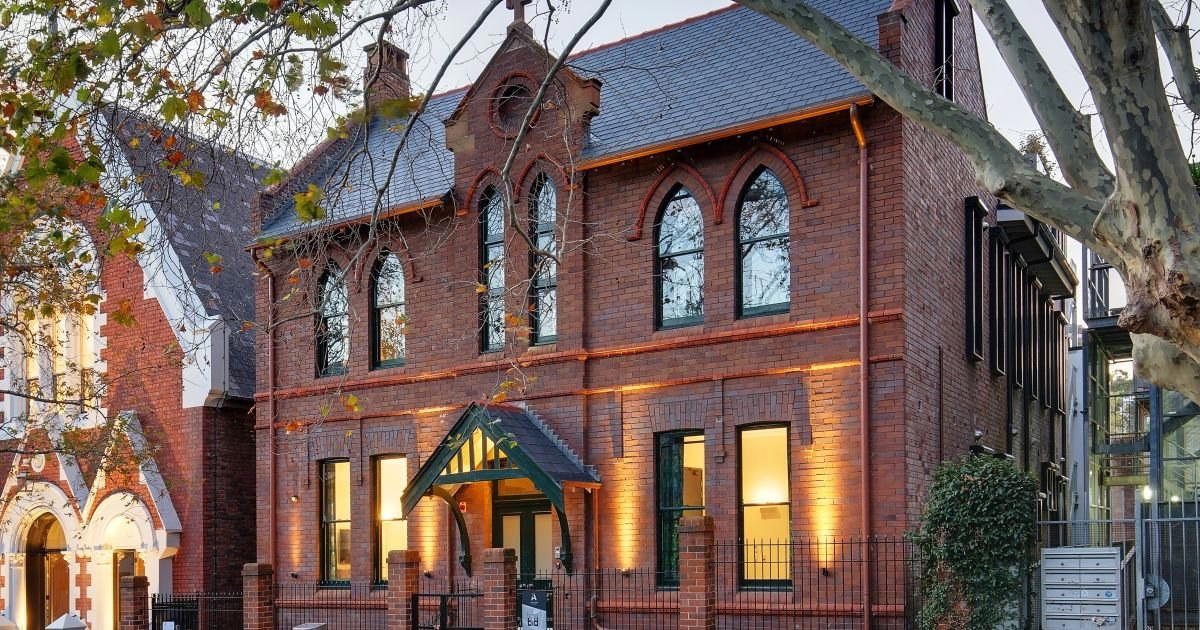
Bibo occupies a dark, atmospheric room on Bay Street in Double Bay, pairing Portuguese-inspired cooking with a wine list that moves deliberately across varieties and regions. It operates as both restaurant and wine bar, making it one of the more considered hybrid formats in Sydney's eastern suburbs. The room's mood and the breadth of the cellar give it a character distinct from the neighbourhood's more casual offerings.

Pearl is the En Primeur Club membership app — saves, bookings, and concierge access live there. Same editors, same standards.
- Address
- 7 Bay St, Double Bay NSW 2028, Australia
- Phone
- +61 2 9362 4680
- Hours
- Mon–Fri 4:30–11 PMSat 12 PM–12 AMSun Closed
- Website
- bibowinebar.com.au
- Directions
- Get directions
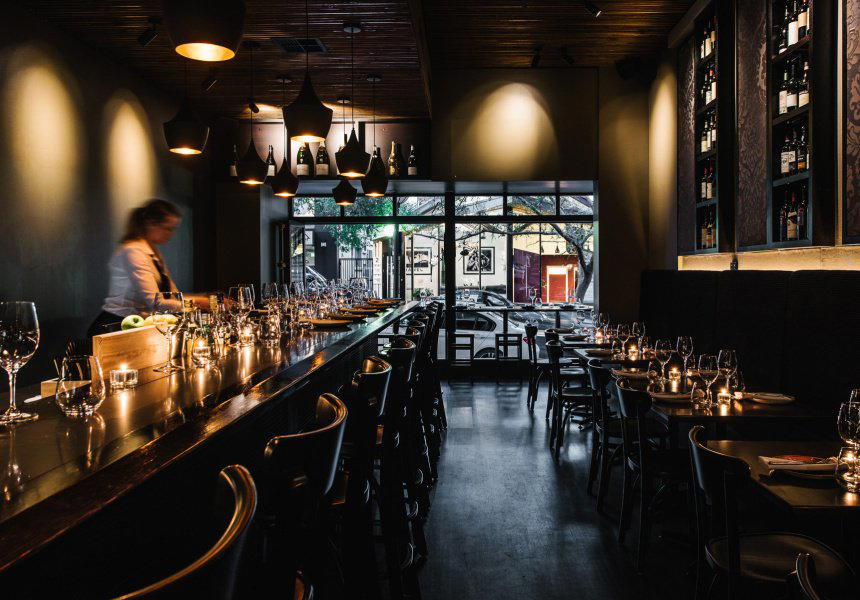
Dark Rooms and Iberian Instincts in Double Bay
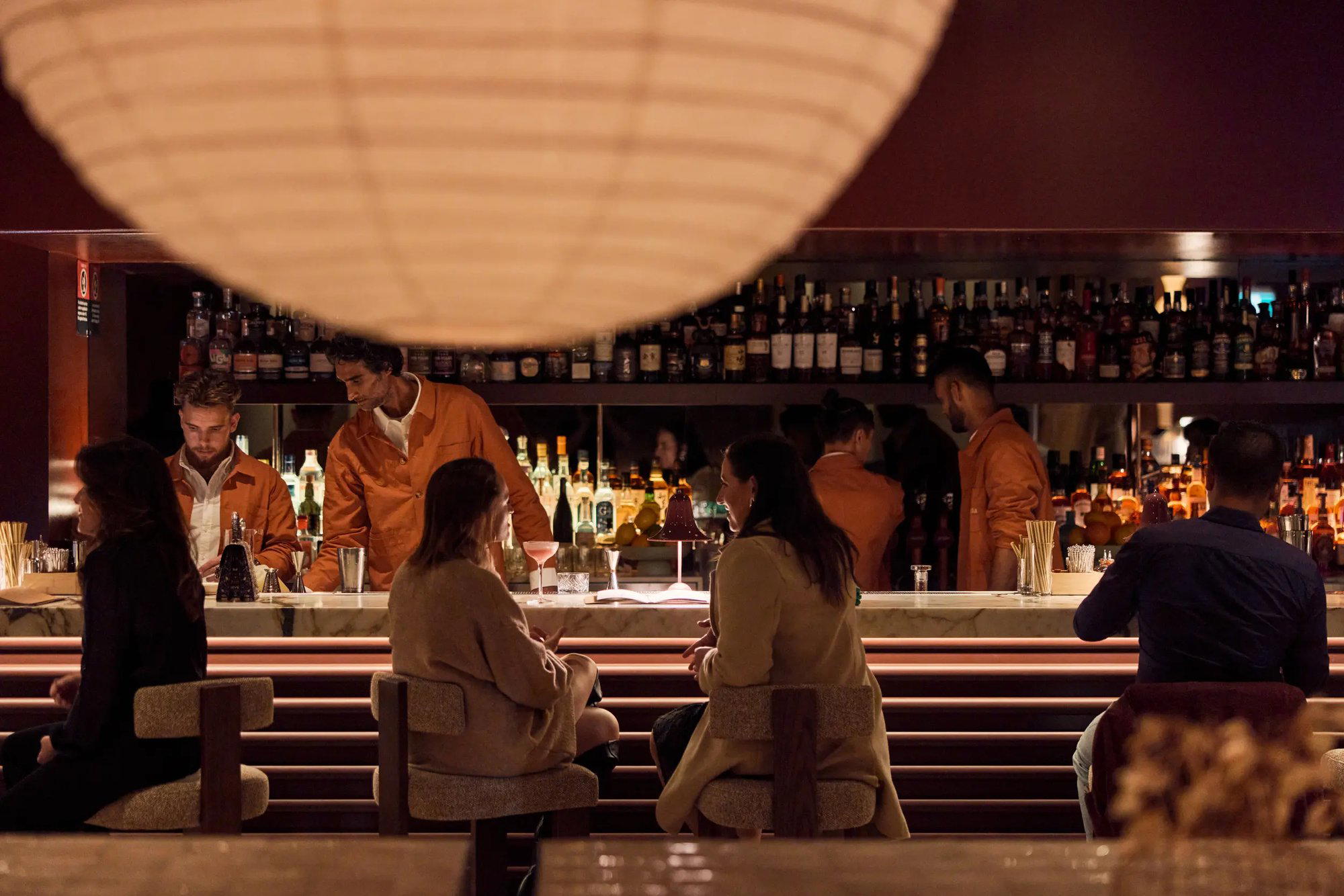
Double Bay has spent years repositioning itself. Once Sydney's most self-consciously wealthy postcode, it has gradually opened to a more considered dining culture, one where the room matters as much as the address and the wine list is a statement of editorial intent rather than a hotel trolley. Bibo, at 7 Bay Street, sits inside that shift. The atmosphere described consistently across coverage is dark and moody, which in this neighbourhood carries real meaning: it is a deliberate rejection of the bright, see-and-be-seen format that defined the area for decades. Walking into a room built around low light and a serious cellar in Double Bay is, in its way, a small act of position-taking.
Portuguese Cooking in an Australian Context
The Portuguese-inspired kitchen at Bibo connects to a broader pattern visible across Australian cities: European Atlantic cuisines, long underrepresented in a dining culture shaped by Italian, French, and increasingly East Asian influences, are finding serious traction. Portuguese food in particular travels well to Australian tables. Its reliance on quality preserved fish, restrained seasoning, and technique built around fire and fat aligns naturally with the Australian instinct for produce-led cooking. The intersection of Iberian method and southern hemisphere ingredients is where the most interesting work happens at venues like this one, and it is the frame through which Bibo's kitchen makes the most editorial sense.
That framing, local ingredients read through imported technique, is not a gimmick but a genuine structural choice. Portuguese cuisine is historically a cuisine of the coast and the smallholder, disciplined by scarcity and shaped by Atlantic trade routes. Applied to Australian produce, those same disciplines produce something that can feel simultaneously familiar and foreign to a Sydney diner, which is precisely the tension that sustains interest across a full meal.
The Wine Bar Logic
Bibo operates as a restaurant-cum-wine bar, a format that Sydney's drinking and dining culture has embraced with increasing seriousness over the past decade. The city's bar scene has matured considerably, with venues like Eau de Vie anchoring a technically precise cocktail tier and Maybe Sammy drawing international attention to the broader category. The hybrid wine bar and restaurant format occupies a different register from these cocktail-led rooms, prioritising the relationship between glass and plate over individual drink theatrics.
What distinguishes Bibo's approach within that format is its wine list philosophy: an all-rounder stance across varieties and regions rather than a narrow specialist position. This is a meaningful curatorial choice. A wine program that commits to depth across categories, rather than selecting one region or style to champion, places more interpretive demand on the team and more reward on the returning guest who wants to move through different registers across multiple visits. In the eastern suburbs, where wine lists can trend toward safe prestige labels, a genuinely range-minded cellar reads as a considered alternative.
For context on what serious bar and wine programming looks like across comparable Australian cities, 1806 in Melbourne represents the cocktail-heritage end of the spectrum, while La Cache à Vín in Spring Hill shows what a wine-bar-first format looks like in Brisbane. Bibo's hybrid positioning sits between those poles, anchored by food rather than drink alone.
The eastern suburbs dining scene has become more layered than its reputation suggests. Double Bay specifically now carries a small cluster of venues operating above the casual neighbourhood bracket without reaching the full formal-dining register of the CBD. Bibo belongs to that middle tier, where the expectation is a considered room, a staffed floor that knows the list, and food that gives the wine something to work against rather than simply filling the table between pours.
Across Sydney's broader bar and dining geography, the wine-bar model has proven durable. Venues running a serious floor alongside a focused kitchen have outperformed the either-or split between dedicated restaurants and pure drinking dens. Fratelli Paradiso in Potts Point has operated a version of this for years from the Italian side; Bibo approaches the same structural logic from an Iberian direction.
The comparison extends internationally. Bar Leather Apron in Honolulu and Blu Bar on 36 in The Rocks each represent the bar-anchored end of the hospitality hybrid, while venues like Bibo make food the primary draw and let the wine program extend the reason to stay.
Where Bibo Sits in the Sydney Cocktail and Bar Picture
Bibo is not primarily a cocktail venue, and understanding that distinction matters for how you plan an evening there. Sydney's cocktail rooms, from the long-standing underground-bar format of Palmer and Co. to the mezcal-focused precision of Cantina OK!, operate with a drinks-first logic where the food, if present, is secondary. Bibo inverts that hierarchy. The wine bar designation signals that the room is organised around the relationship between what is in the glass and what is on the plate, and the Portuguese kitchen gives that relationship a specific grammar: salted, preserved, fire-touched flavours that hold up against tannic reds and oxidative whites.
For a broader picture of where Bibo fits within Sydney's eating and drinking options across neighbourhoods, our full Sydney restaurants guide maps the scene across price tiers and cuisines. And if a pure cocktail evening is the objective, Whipper Snapper Distillery in East Perth and Bowery Bar in Brisbane represent the drinks-led alternative in other Australian cities.
Planning a Visit
Bibo is at 7 Bay Street, Double Bay, accessible by ferry from Circular Quay to Double Bay Wharf, which leaves you a short walk to the door and is the most direct route from the CBD without dealing with parking in a dense residential pocket. As a venue operating across both restaurant and wine bar functions, it suits evenings where the intent is to eat properly and drink alongside the food rather than stopping at one or the other. Given the wine list's range, arriving with a specific curiosity, a region you want to explore, a style you want to push against the kitchen's Iberian character, is a more productive approach than deferring entirely to the list. Phone and booking details should be confirmed directly, as contact and reservation information was not available at time of writing.
Comparison Snapshot
Comparable venues nearby, for context on price, style, and recognition.
| Venue | Cuisine | Price | Awards | Notes |
|---|---|---|---|---|
| BiboThis venue — the venue you are viewing | wine_bar | $50–100 | Star Wine List | Not listed |
| Ragazzi | wine_bar | $50–100 | Star Wine List | Sydney |
| Cantina OK | mezcaleria | $30–50 | World's 50 Best #96 · Tatler Listed in Best Bars Asia-Pacific | Sydney |
| Searock Grill | hotel_bar | Not listed | Not listed | Sydney |
| Bar Ferdinand | cocktail_bar | $50–100 | Not listed | Melbourne CBD |
Recognition history
Dated appearances from independent guides and award organizations, with the underlying list record or original source where available.
Star Wine List
Star Wine List
Continue exploring
More in Sydney
Bars in Sydney
Browse all →
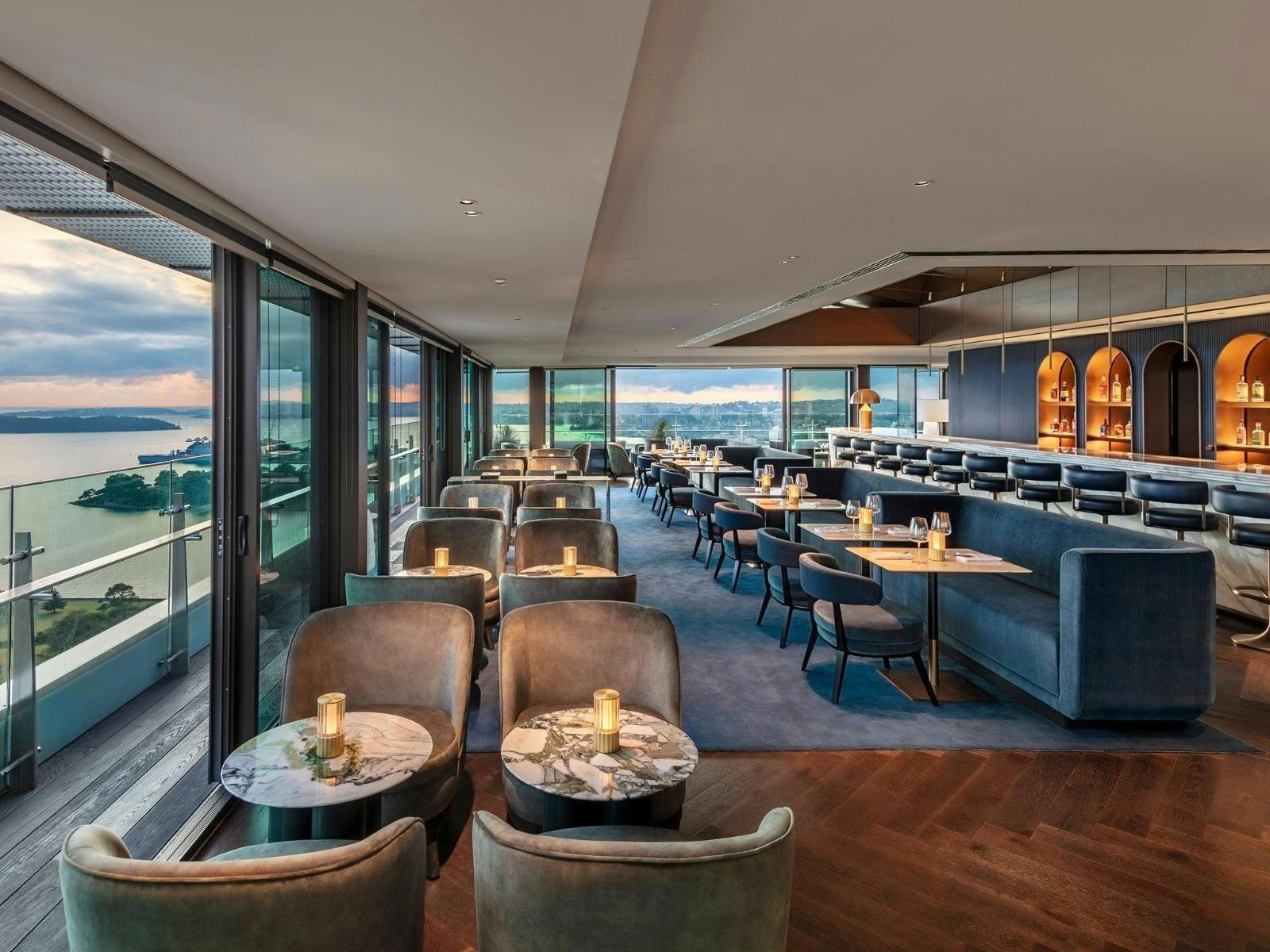
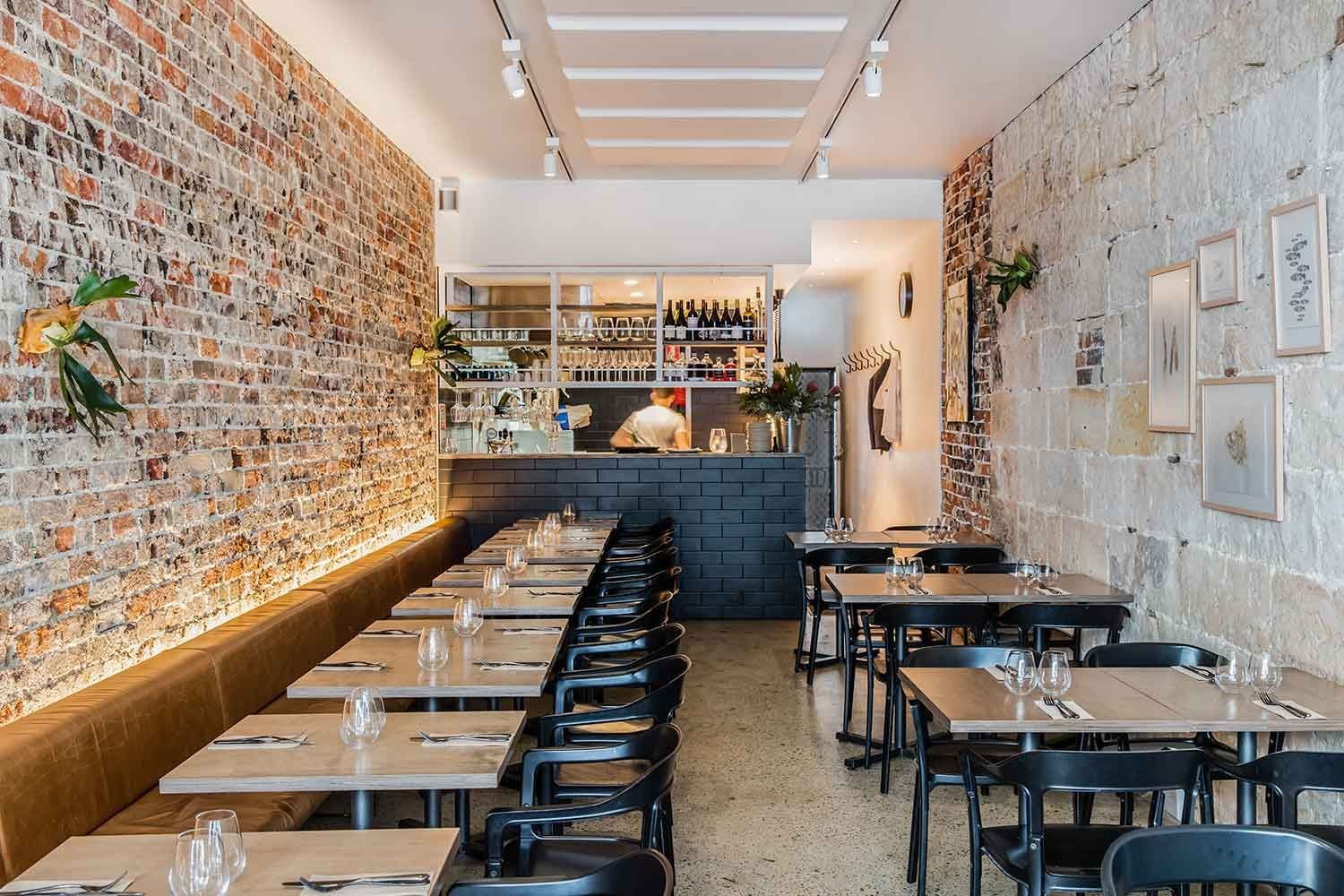
Restaurants in Sydney
Browse all →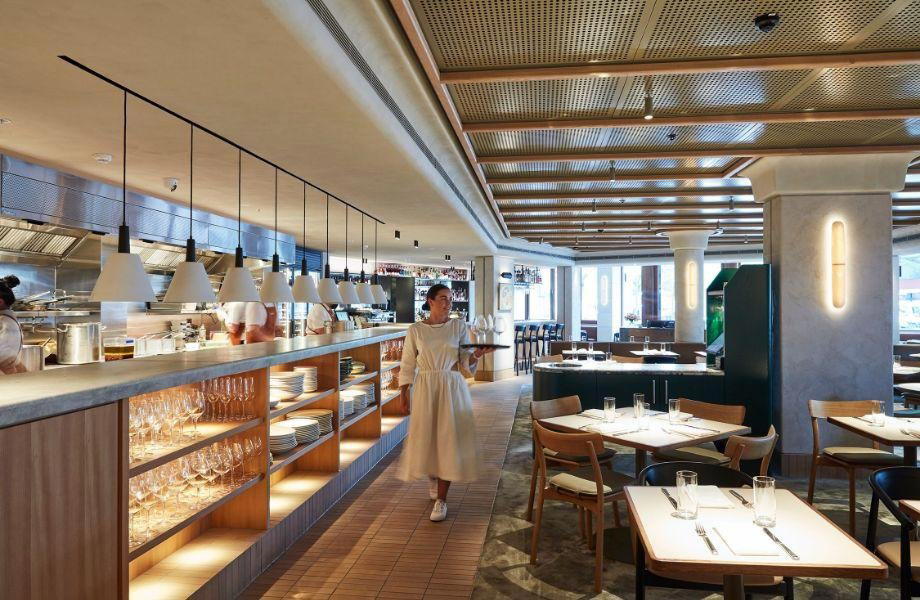
Hotels in Sydney
Browse all →

Details
- Cozy
- Elegant
- Intimate
- Sophisticated
- Date Night
- Casual Hangout
- Special Occasion
- Courtyard
- Seated Bar
- Lounge Seating
- Outdoor Terrace
- Conventional Wine
- Craft Cocktails
- Street Scene
Current opening hours
- Monday
- 4:30–11 PM
- Tuesday
- 4:30–11 PM
- Wednesday
- 4:30–11 PM
- Thursday
- 4:30–11 PM
- Friday
- 4:30–11 PM
- Saturday
- 12 PM–12 AM
- Sunday
- Closed
Hours can change for holidays and private events. Last verified .
Moody, romantically dark lighting with burnished black marble, polished wood, and a cosy neighbourhood feel.