
A Michelin Bib Gourmand recipient since 2025, Temple Street brings Hong Kong dai pai dong culture to Beijing Road in Guangzhou's Yuexiu District, specialising in over 20 varieties of clay pot rice alongside three styles of double-boiled soup. The tiny dining room runs communal-table style at peak hours, making it one of the few places in Guangzhou where the format itself is part of the offer.
Pearl is the En Primeur Club membership app — saves, bookings, and concierge access live there. Same editors, same standards.
- Address
- 10 Dongdi Second Road, Yuexiu, Guangzhou, Guangdong Province, CHN
- Phone
- +86 20 8370 5983
- Website
- guide.michelin.com
- Directions
- Get directions
 Saves & bookings on Pearl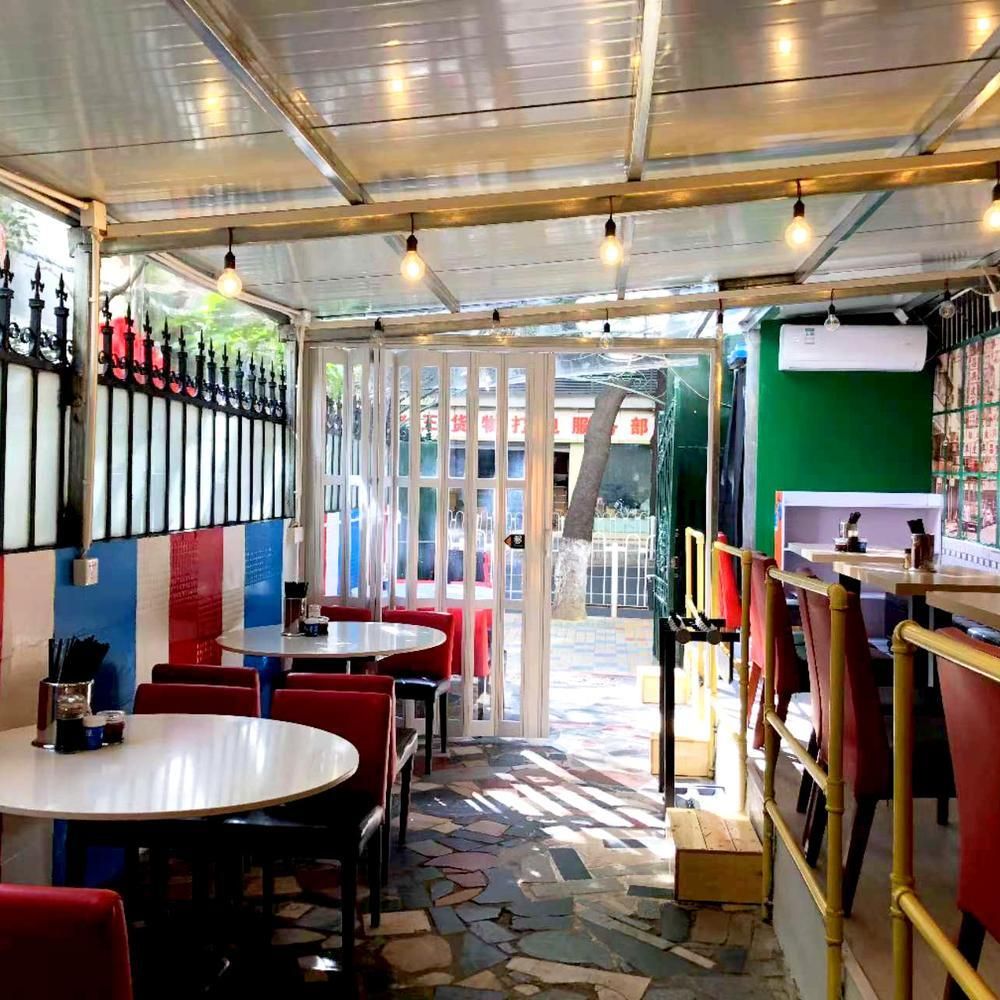
A Counter-Intuitive Space in a City of Grand Dining Rooms
Guangzhou's restaurant scene spans a considerable range. At one end sit the formal Cantonese rooms, the kind where trolleys move quietly between linen-covered tables and the wine list runs to serious length. Temple Street is a casual Cantonese clay-pot rice restaurant in Guangzhou's Yuexiu District, recognized with a Michelin Bib Gourmand in 2025 and priced at about US$15 per person. At the other end sits something altogether different: a handful of small, canteen-format spaces that carry Michelin recognition not despite their informality but because of it. Temple Street, on the seventh floor of a commercial building at 168 Beijing Road in Yuexiu District, is the clearest example of that second category in the city right now.
The physical container tells you everything before the food arrives. The room is compact. Seating is shared at peak hours, a deliberate carry-over from Hong Kong's dai pai dong tradition, where the assumption was always that strangers eat at the same table and nobody remarks on it. The format removes the private-dining architecture that most Guangzhou restaurants of comparable recognition maintain. There are no private rooms, no tableside ceremony, no spatial buffer between you and the next diner. What you get instead is a dining room that functions more like a working kitchen counter stretched out over a handful of tables: purposeful, direct, and completely uninterested in staging.
Dai Pai Dong as Architecture, Not Nostalgia
The dai pai dong format, which traces its origins to the licensed street-stall culture of postwar Hong Kong, has had a complicated trajectory. In Hong Kong itself, the original open-air stalls have been progressively displaced by real-estate pressure and hygiene regulation, leaving a relatively thin survivor population in areas like Temple Street market in Yau Ma Tei. What has grown in parallel is the indoor dai pai dong, a format that keeps the communal table, the clay pot, and the direct-service logic while operating from a fixed address. Across Guangdong Province and into cities like Guangzhou, this indoor version has become a distinct dining category of its own.
Temple Street the restaurant takes its name directly from the Hong Kong street market and is explicit about the connection: it was opened by an owner from Hong Kong and designed around that reference point. In spatial terms, this means the room reads as functional rather than decorative. The furniture is simple. The layout prioritises throughput. The walls carry the visual vocabulary of Hong Kong's working-class food culture without converting it into theme-park pastiche. For a room on the seventh floor of a commercial block in central Guangzhou, it maintains a notable fidelity to its source material.
Clay Pot Rice as the Main Event
The menu narrows the focus further. Twenty-plus types of clay pot rice form the core of the offer, supplemented by three varieties of double-boiled soup. That constraint is deliberate and, in a city where Cantonese restaurants routinely run to multi-page menus, it functions as a statement of intent. Clay pot rice as a format rewards specialisation: the crust that forms at the base of the pot, the timing of the sauce addition, the resting period before service all require sustained attention that generalist kitchens rarely give them.
The restaurant received a Michelin Bib Gourmand in 2025, and that recognition lands in that context. The Bib Gourmand category, which recognises value relative to quality rather than high-end dining achievement, is the appropriate benchmark here. The restaurant does not compete with [Jade River] or [BingSheng Mansion] on price or format. It belongs with the small group of canteen-style specialists across Guangdong that have earned recognition for doing one thing with consistency.
Three preparations stand out: clay pot rice topped with assorted traditional preserved meats, beef loin with perilla leaves, and satay beef with onion. All three sit within the preserved and cured-meat tradition that defines the Cantonese clay pot canon, where lap mei fan, the preserved meat rice, functions as a benchmark preparation in the same way that roast goose or char siu signal kitchen quality at other levels of the trade.
The Room Since 2018
The restaurant has operated since 2018, which means it has built its recognition across a seven-year run. That tenure matters in a district like Yuexiu, where Beijing Road functions as a commercial artery and dining turnover is high. The fact that the Michelin recognition arrived in 2025, several years after opening, suggests the kind of long-tail reputation-building that word-of-mouth formats tend to produce: gradual accumulation rather than launch-moment spike.
Communal seating at peak hours is both a practical consequence of the room's scale and a feature of the format. At a canteen-style restaurant at this price point, the instruction to expect to share a table with strangers is not a warning so much as a description of what the dining experience actually is. This is the same logic that governs the high-volume dim sum floors at [Forum in Hong Kong] or the communal-format specialists in Taipei like [Le Palais], though at a different price tier.
Where This Fits in the Broader Guangzhou Picture
Guangzhou's Cantonese dining scene is frequently described as the authoritative reference point for the cuisine, a claim with genuine historical grounding. What makes the scene interesting is its internal range: from formal hotel restaurants to specialist roast-meat shops to clay pot houses like Temple Street. The city supports this stratification because its dining culture is old enough and self-confident enough to give serious recognition to canteen formats alongside white-tablecloth rooms.
For readers covering the region more widely, the clay pot specialist category has close parallels in other cities. [Xin Rong Ji in Beijing] and [Xin Rong Ji in Chengdu] both operate in the register of specialists who have built recognition around depth in a single culinary tradition. [Chef Tam's Seasons in Macau] and [Dai Yuet Heen in Nanjing] represent Cantonese cooking at the formal end of the register in other cities, offering a useful frame for the distance between the restaurant's format and the upper tier of the same cuisine. [102 House in Shanghai] and [Ru Yuan in Hangzhou] operate in comparable informal specialist formats in different cities and culinary traditions.
Planning Your Visit
The restaurant sits at 168 Beijing Road, seventh floor, in Yuexiu District, placing it on one of the district's main commercial corridors. The price range is single-bracket (¥), with an estimated spend of about US$15 per person. Communal seating at peak times is the norm, not the exception.
What do regulars order at Temple Street?
The double-boiled soups, offered in three varieties, are a secondary draw and fit the same tradition of slow-cooked, deeply savoury preparations that runs through the clay pot rice menu. The preserved meat rice is the version most closely associated with the restaurant's Hong Kong dai pai dong framing and is the preparation most frequently cited in connection with its Bib Gourmand recognition.
Cost and Credentials
Comparable venues nearby, for context on price, style, and recognition.
| Venue | Cuisine | Price | Awards | Notes |
|---|---|---|---|---|
| Temple StreetThis venue — the venue you are viewing | Guangzhoushi, Cantonese Claypot Rice | $$ | Bib Gourmand | Not listed |
| Chuang Fa | Guangzhoushi, Traditional Cantonese | $$ | Bib Gourmand | Not listed |
| Xiguan Zhuyuan (Shiba Fu) | Not listed | $$ | Bib Gourmand | Guangzhoushi, Traditional Cantonese Noodle Shop |
| Enning Liu Fu Ji (Donghua East Road) | Not listed | $$ | Bib Gourmand | Guangzhoushi, Traditional Cantonese Noodles |
| Hai Men Yu Zi Dian (Yanling Road) | Guangzhoushi, Chaozhou Seafood | $$ | Bib Gourmand | Not listed |
| Xin Tai Le (Yuexiu) | Guangzhoushi, Cantonese Eel Specialist | $$ | Bib Gourmand | Not listed |
Recognition history
Dated appearances from independent guides and award organizations, with the underlying list record or original source where available.
Michelin Bib Gourmand
Michelin
Michelin Bib Gourmand
Michelin
Michelin Bib Gourmand
Michelin
Continue exploring
More in Guangzhou
Restaurants in Guangzhou
Browse all →
Bars in Guangzhou
Browse all →

At a Glance
- Lively
- Cozy
- Casual Hangout
- Open Kitchen
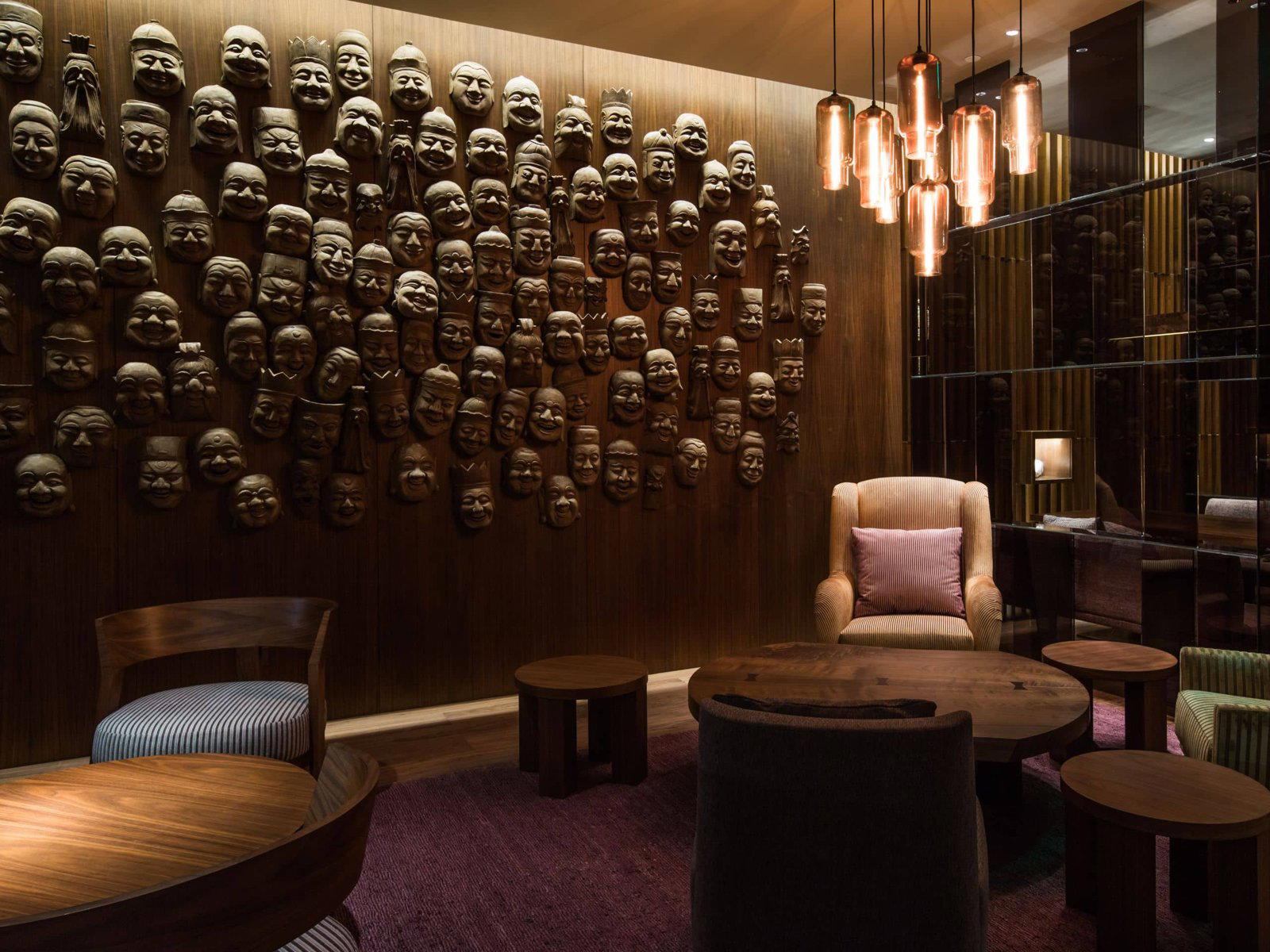
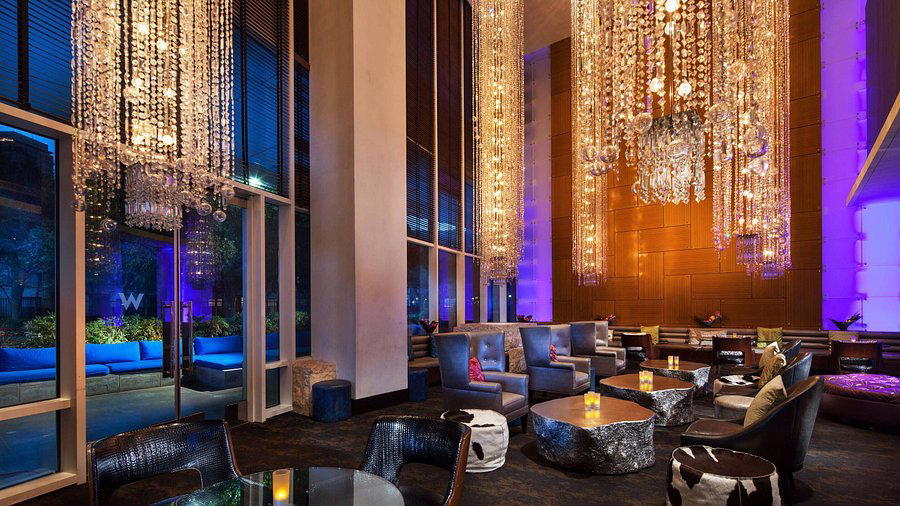
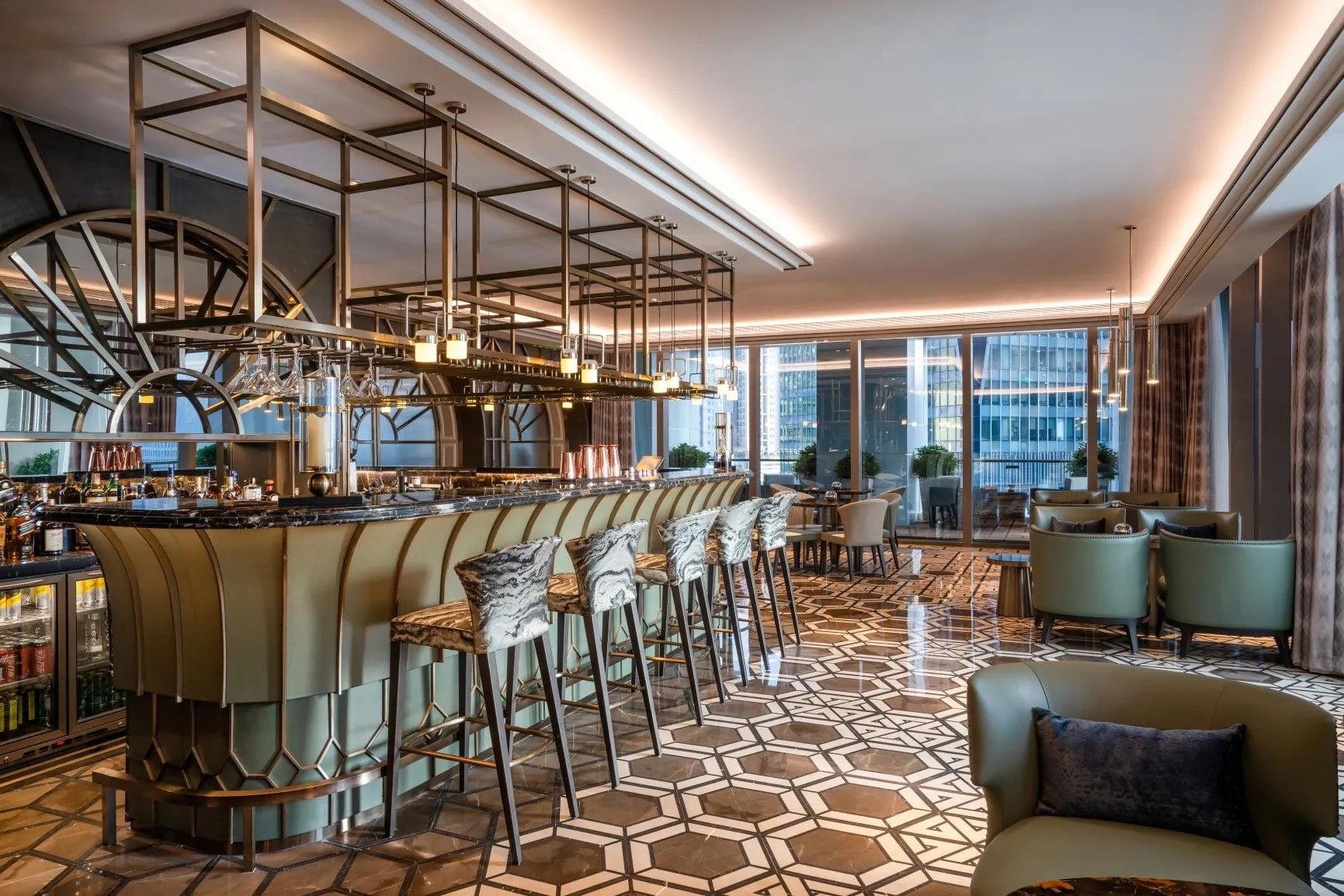
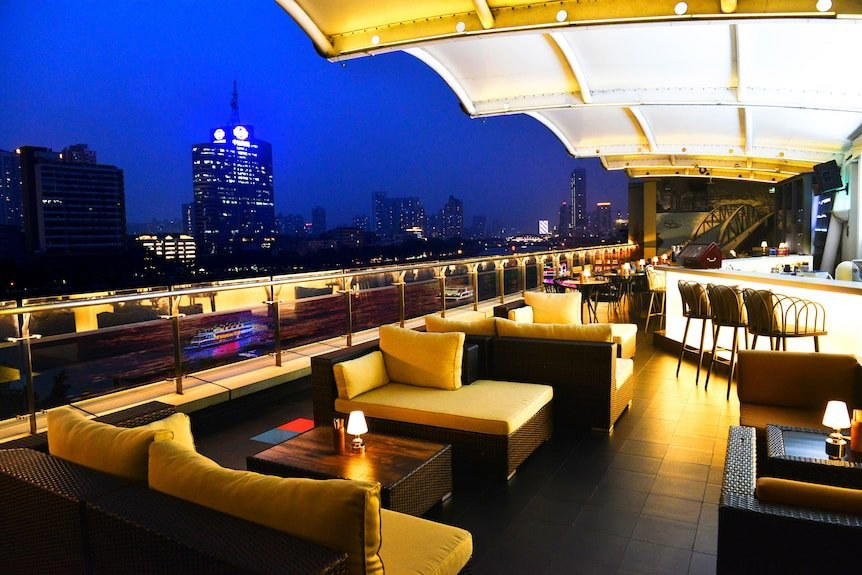
Functional tiny dining room with tiled floors, closely set communal tables, lively social energy reflecting dai pai dong culture, and focus on food.