Son and Garden
Son and Garden occupies a corner of Polk Street in San Francisco's Polk Gulch, a neighbourhood that has quietly developed one of the city's more interesting mid-range dining corridors. The restaurant draws attention for its wine program in a part of town where the beverage list is rarely the story. For those working through San Francisco's dining scene beyond the established fine-dining circuit, it warrants attention.
Pearl is the En Primeur Club membership app — saves, bookings, and concierge access live there. Same editors, same standards.
- Address
- 700 Polk St, San Francisco, CA 94109
- Phone
- +14159137404
- Website
- sonandgarden.com
- Directions
- Get directions
 Saves & bookings on Pearl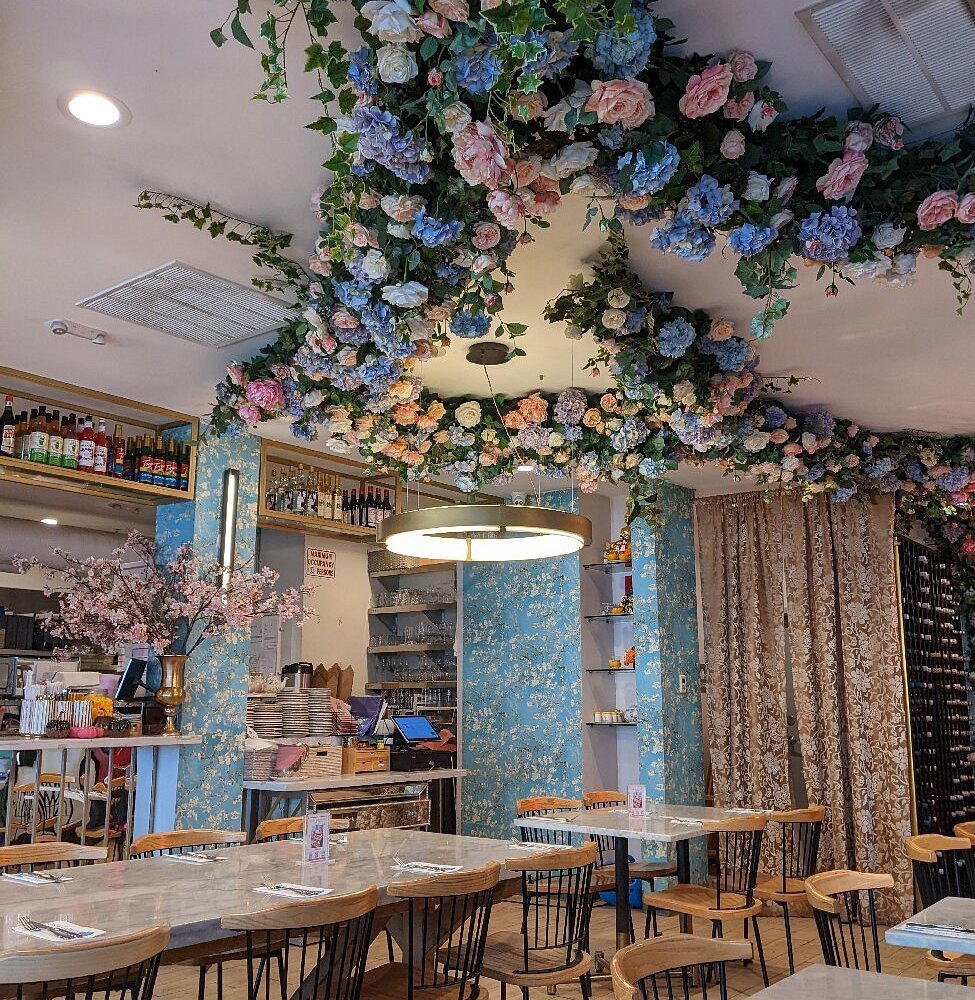
Polk Gulch and the Case for Neighbourhood Wine Bars
San Francisco's most-discussed restaurant addresses tend to cluster in the Financial District, SoMa, and the Mission. Polk Gulch, the residential corridor running north from Civic Center toward Russian Hill, has historically occupied a different register: local bars, casual Thai spots, a few reliable neighbourhood staples. What has shifted in the past several years is the arrival of a smaller category of operation that takes the beverage list seriously without pitching itself at the $200-a-head tasting menu crowd. Son and Garden, at 700 Polk Street, sits inside that shift.
In New York, the model produced a generation of wine-forward rooms in Brooklyn and the Lower East Side that outperformed their zip codes on cellar depth. In San Francisco, where the fine-dining tier remains dominated by operations like Lazy Bear, Atelier Crenn, Benu, and Quince, the more interesting development for regulars is what is happening at street level in residential neighbourhoods.The Wine List as Primary Argument
In the upper tier of San Francisco dining, wine programs are expected to be comprehensive. At Saison, for instance, the cellar depth and sommelier expertise are part of the formal proposition, priced accordingly. The more demanding editorial question is what happens when a neighbourhood room makes wine the primary argument rather than a supporting element. This is the frame through which Son and Garden is most usefully read.
Across the broader American fine-dining circuit, the wine list has evolved from a revenue tool into a credibility signal. Operations like The French Laundry in Napa and Le Bernardin in New York City have long maintained cellars that function as editorial statements about regional sourcing and aging philosophy. Polk Gulch is one of the San Francisco corridors where that migration is visible.
The relevant comparison set for Son and Garden is not the Michelin-tracked rooms of SoMa or the Embarcadero. It sits closer to a cohort of wine-forward neighbourhood restaurants that prioritise list curation and by-the-glass range over kitchen ambition at the high end. This is a legitimate and increasingly important category in cities where the cost of a tasting menu experience has pushed a segment of the drinking-and-eating public toward rooms that offer similar beverage seriousness without the full tasting menu commitment.
Approaching the Room
The OS-1 framing asks for the physical approach before the editorial argument. Polk Street in this stretch is a working residential block, not a destination corridor dressed for tourism. The address at 700 Polk places the restaurant within walking distance of the Civic Center BART station, which makes it one of the more transit-accessible options in the neighbourhood for visitors coming from elsewhere in the city. The surrounding blocks carry the ordinary texture of a San Francisco mid-neighbourhood: dry cleaners, corner markets, apartments above retail. A room that takes its wine list seriously in this context is communicating something about its intended audience: regulars who live nearby, people who know what they are looking for, and visitors who have done enough research to find it.
Interior reading of a room like this matters more than its street presence. Neighbourhood wine rooms in this tier tend to resolve into two types: those that perform intimacy through low lighting and close tables, and those that opt for a more open, less curated feel that lowers the barrier to entry. The broader pattern in Polk Gulch skews toward the latter: accessible rather than precious, with wine lists that reward knowledge without requiring it.
San Francisco's Broader Dining Geography
For visitors building a San Francisco itinerary, the standard references remain useful. The rooms that define the upper tier, from Benu to Atelier Crenn, carry the awards recognition and booking demand that places them in a different operational mode from a Polk Gulch neighbourhood room. That distinction is not a hierarchy so much as a map of different use cases.
The comparison extends nationally. Operations like Alinea in Chicago, Blue Hill at Stone Barns in Tarrytown, Single Thread Farm in Healdsburg, Providence in Los Angeles, and Addison in San Diego define one end of the American fine-dining spectrum, where wine programs are comprehensive and sommelier staff are full-time specialists. At the other end, neighbourhood rooms like Son and Garden occupy the position where a thoughtful, curated list does more to differentiate the room than the kitchen alone could. Rooms in this tier that get the wine program right tend to build loyal local followings faster than those that rely primarily on food quality.
The same dynamic appears in rooms like Bacchanalia in Atlanta and Emeril's in New Orleans, where wine has historically been part of the room's identity without the full tasting-menu price structure. Internationally, the model plays out differently: 8½ Otto e Mezzo Bombana in Hong Kong and Atomix in New York City represent the high end of wine-serious rooms where the list functions as a statement of intent. The Inn at Little Washington offers another reference point for how wine curation can become central to a room's identity at the destination level.
Seasonal Timing and Practical Notes
San Francisco's climate runs cooler than most visitors expect, with summer fog a consistent feature of June and July. The shoulder months of September and October, when the fog retreats and temperatures are more reliably warm, represent the period when neighbourhood rooms in areas like Polk Gulch tend to see their highest foot traffic from locals and visitors alike. A wine-forward room with outdoor seating or good natural light has more to offer in those months than in the grey of a San Francisco July.
For planning purposes, Polk Street is accessible from multiple BART and Muni lines, with the Civic Center station the closest major transit hub. Street parking is available but competitive in the evenings, as is typical across the city.
Quick reference: the restaurant, 700 Polk St, San Francisco, CA 94109.
Similar Picks
Comparable venues nearby, for context on price, style, and recognition.
| Venue | Cuisine | Price | Notes |
|---|---|---|---|
| Son and GardenThis venue — the venue you are viewing | Whimsical Contemporary American Brunch | $$ | Not listed |
| Boxing Room | New Orleans Cajun/Creole | $$ | Hayes Valley |
| Mel's Drive-In | Classic American Diner | $$ | Van Ness |
| Goldenette | Classic American Diner | $$ | Nob Hill |
| Brenda's Meat & Three | Southern Meat & Three | $$ | Western Addition |
| Fish & Farm | Farm-to-Table American Gastropub | $$ | Chinatown |
Continue exploring
More in San Francisco
Restaurants in San Francisco
Browse all →
Bars in San Francisco
Browse all →
Hotels in San Francisco
Browse all →
At a Glance
- Whimsical
- Trendy
- Elegant
- Brunch
- Special Occasion
- Design Destination
- Craft Cocktails
Current opening hours
- Monday
- 10 AM–2 PM
- Tuesday
- 10 AM–2 PM
- Wednesday
- 10 AM–2 PM
- Thursday
- 10 AM–2 PM, 5–9 PM
- Friday
- 10 AM–2 PM, 5–9 PM
- Saturday
- 9 AM–3 PM, 5–9 PM
- Sunday
- 9 AM–3 PM, 5–9 PM
Hours can change for holidays and private events. Last verified .
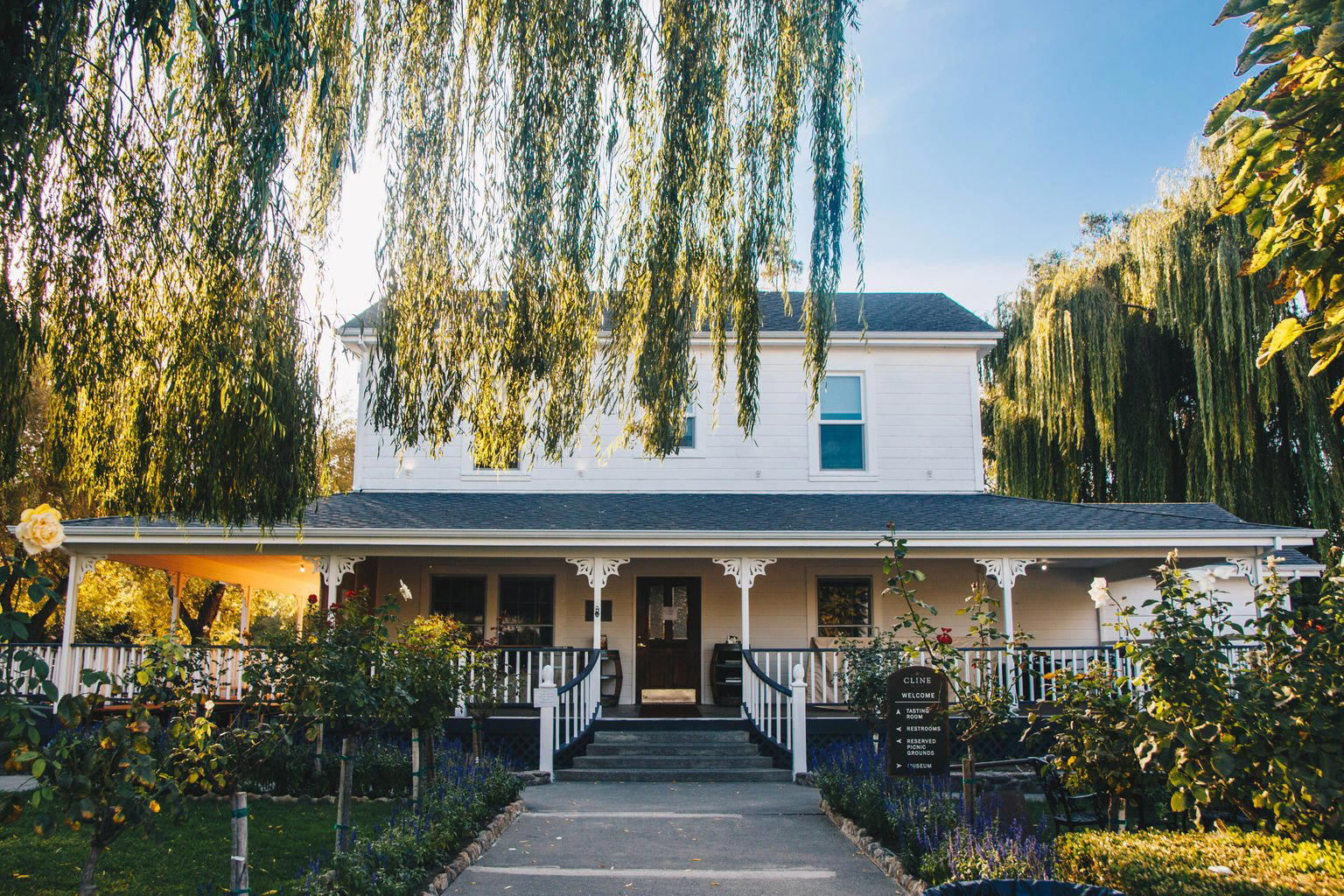
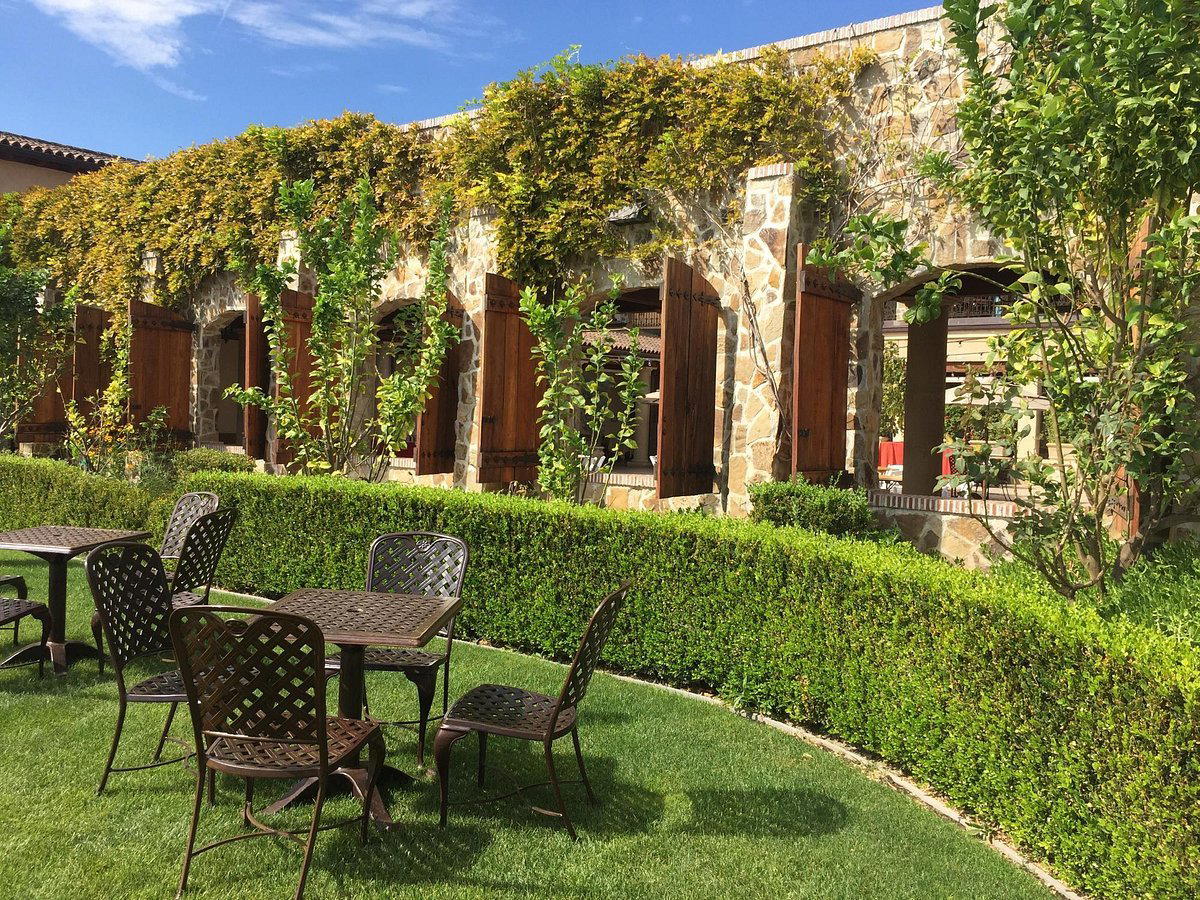
Warm, inviting atmosphere with lively flowers, blooming florals, and enchanting décor creating a garden-like wonderland.