Boxing Room
Boxing Room plants Louisiana cooking firmly in San Francisco's Hayes Valley, where a neighborhood built around the symphony and arts institutions supports a room that reads as festive without being loud. The kitchen draws on Cajun and Creole traditions at a price point that sits well below the city's tasting-menu tier, making it a practical counterpoint to the fine-dining concentration on the broader SF circuit.
Pearl is the En Primeur Club membership app — saves, bookings, and concierge access live there. Same editors, same standards.
- Address
- 399 Grove St (at Gough St), San Francisco, CA 94102
- Directions
- Get directions
 Saves & bookings on Pearl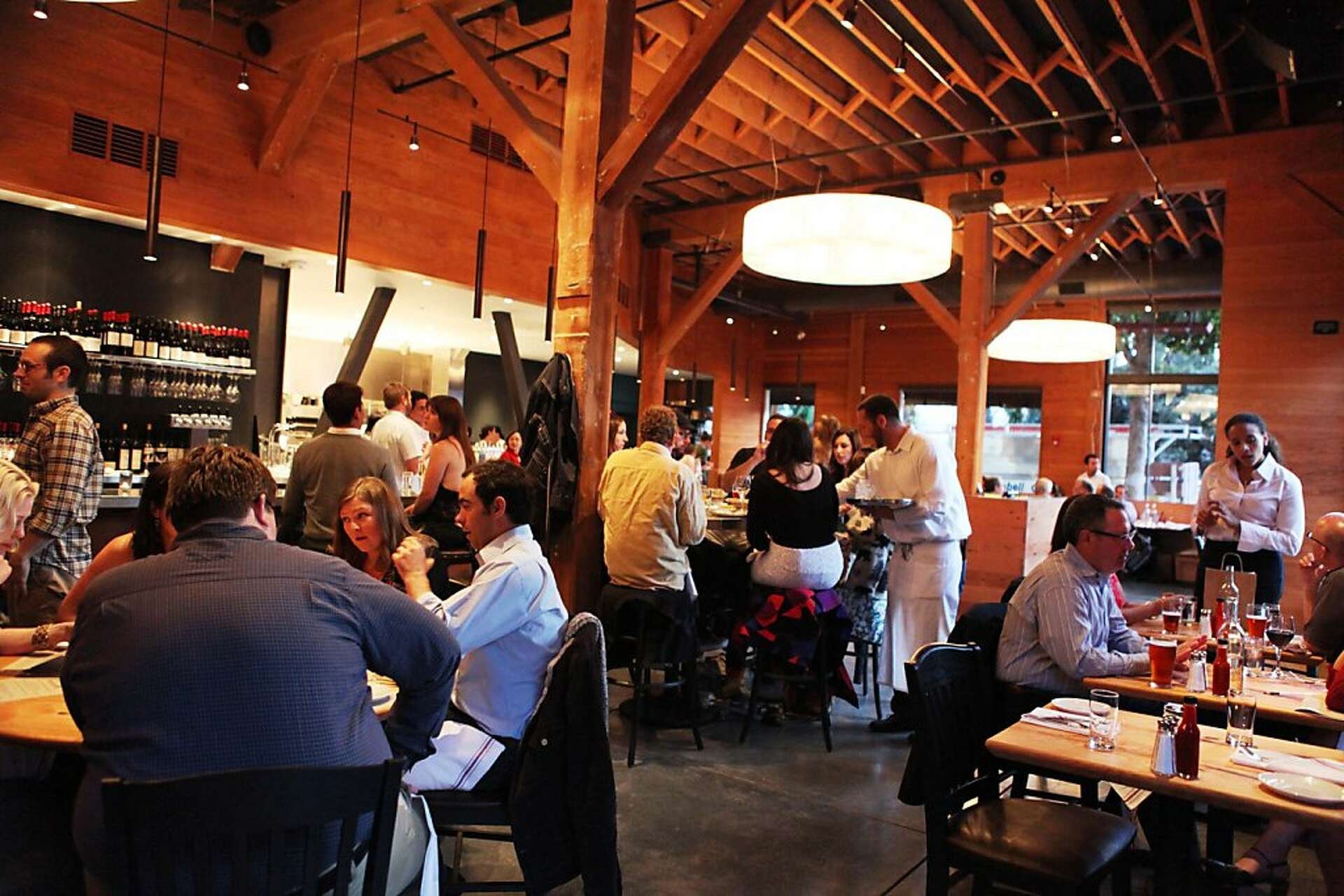
Where the Gulf Coast Meets Hayes Valley
Hayes Valley has a specific urban character that most San Francisco neighborhoods lack: it functions simultaneously as a pre-theater corridor, a design-store strip, and a genuine residential block. The mix produces a dining public that wants something more considered than a quick bite but doesn't necessarily want a three-hour tasting experience. Boxing Room, at the corner of Grove and Gough, reads the room correctly. The physical environment announces its allegiances before the menu arrives, a bar-forward layout, warm lighting calibrated closer to New Orleans than to the cool minimalism favored by the city's tasting-menu tier, and a noise level that suggests the kitchen is producing food meant to accompany conversation rather than frame it.
It is one of the few American regional cuisines with a codified canon, gumbo, étouffée, red beans, po'boys, that travels intact across geographies because its identity is rooted in technique and spice logic rather than hyperlocal sourcing. That makes it legible to San Francisco diners without requiring explanation, while still offering something genuinely distinct from the Californian farm-to-table model that dominates the city's better-regarded restaurants. Lazy Bear, Atelier Crenn, Benu, Quince, and Saison, all operating at the $$$$ tier with multi-course formats. Boxing Room sits deliberately outside that bracket, both in format and in cultural reference point.
Cajun and Creole: A Kitchen Built on Layered Tradition
The distinction between Cajun and Creole cooking is worth establishing because it shapes what a restaurant in this tradition is actually doing. Creole cooking is urban, rooted in New Orleans, and reflects the convergence of French, Spanish, African, and Caribbean influences that accumulated in a port city over several centuries. Cajun cooking is rural, tied to the Acadian settlers of southwestern Louisiana, and tends toward bolder spicing and one-pot constructions. Both traditions share a roux-based architecture, the holy trinity of onion, celery, and bell pepper, and a relationship to pork, shellfish, and rice that has no real parallel in American regional cooking outside the Deep South.
What that means in practice for a restaurant operating this tradition in San Francisco: the kitchen is working from a canon with real internal logic. A gumbo is not just a stew, it is a dish whose character shifts based on whether the roux is pushed dark or pulled back, whether okra or filé is used as thickener, and whether the protein is andouille, shellfish, or poultry. Getting those decisions right requires genuine familiarity with the tradition. Restaurants that treat Louisiana cooking as atmosphere rather than craft tend to produce food that reads as approximation. The better comparisons for what this tradition can achieve at a serious level sit elsewhere on the American map: Emeril's in New Orleans represents the celebrity-chef codification of Creole cooking; the tradition also surfaces in unexpected ways at places like Le Bernardin in New York City, where French technique applied to shellfish produces outcomes that rhyme with Creole sensibility without sharing its geography.
The Room in Context: What Hayes Valley Asks of a Restaurant
The neighborhood around Hayes Valley's main dining corridor has changed substantially over the past decade. The opening of the expanded San Francisco Symphony campus and the consolidation of design and retail on Hayes Street brought a clientele that is culturally engaged and financially stable but not necessarily seeking the kind of formality that Michelin-starred rooms deliver. The result is a zone where mid-register restaurants with genuine culinary identity perform well, not because the food is simplified, but because the format is accessible. Boxing Room fits that pattern.
Smyth in Chicago and Providence in Los Angeles represent how regional American cooking traditions can be executed at high formality; the restaurant is making a different argument, that a cuisine with this much internal complexity doesn't require a tasting-menu wrapper to be taken seriously. That argument has precedent: farm-to-table restaurants like Blue Hill at Stone Barns in Tarrytown and Single Thread Farm in Healdsburg have made the case that culinary seriousness and approachable formats are compatible, though their price points are considerably higher. Addison in San Diego, The French Laundry in Napa, The Inn at Little Washington, Frasca Food and Wine in Boulder, Atomix in New York City, and Atelier Moessmer Norbert Niederkofler in Brunico all occupy the formal end of the spectrum that restaurant consciously sidesteps.
Planning Your Visit
The restaurant sits on the corner of Grove and Gough in Hayes Valley, placing it within walking distance of Davies Symphony Hall and SFJAZZ Center. The location makes it a logical pre-performance dinner option.
| Venue | Cuisine | Price Tier | Format |
|---|---|---|---|
| The restaurant | Louisiana (Cajun/Creole) | $$–$$$ | À la carte, bar seating |
| Lazy Bear | Progressive American | $$$$ | Ticketed tasting menu |
| Atelier Crenn | Modern French | $$$$ | Tasting menu |
| Benu | French-Chinese | $$$$ | Tasting menu |
| Saison | Progressive American | $$$$ | Tasting menu |
Similar Picks
Comparable venues nearby, for context on price, style, and recognition.
| Venue | Cuisine | Price | Notes |
|---|---|---|---|
| Boxing RoomThis venue — the venue you are viewing | New Orleans Cajun/Creole | $$ | Not listed |
| Wilder | American Comfort Food | $$ | Marina |
| Starbelly | California Comfort | $$ | Castro/Upper Market |
| 21st Amendment Brewery & Restaurant | American Brewpub | $$ | South Beach |
| Son and Garden | Whimsical Contemporary American Brunch | $$ | Tenderloin |
| Wise Sons Jewish Deli | Jewish Deli | $$ | Hayes Valley |
Continue exploring
More in San Francisco
Restaurants in San Francisco
Browse all →
Bars in San Francisco
Browse all →
Hotels in San Francisco
Browse all →

At a Glance
- Rustic
- Lively
- Industrial
- Casual Hangout
- Group Dining
- Historic Building
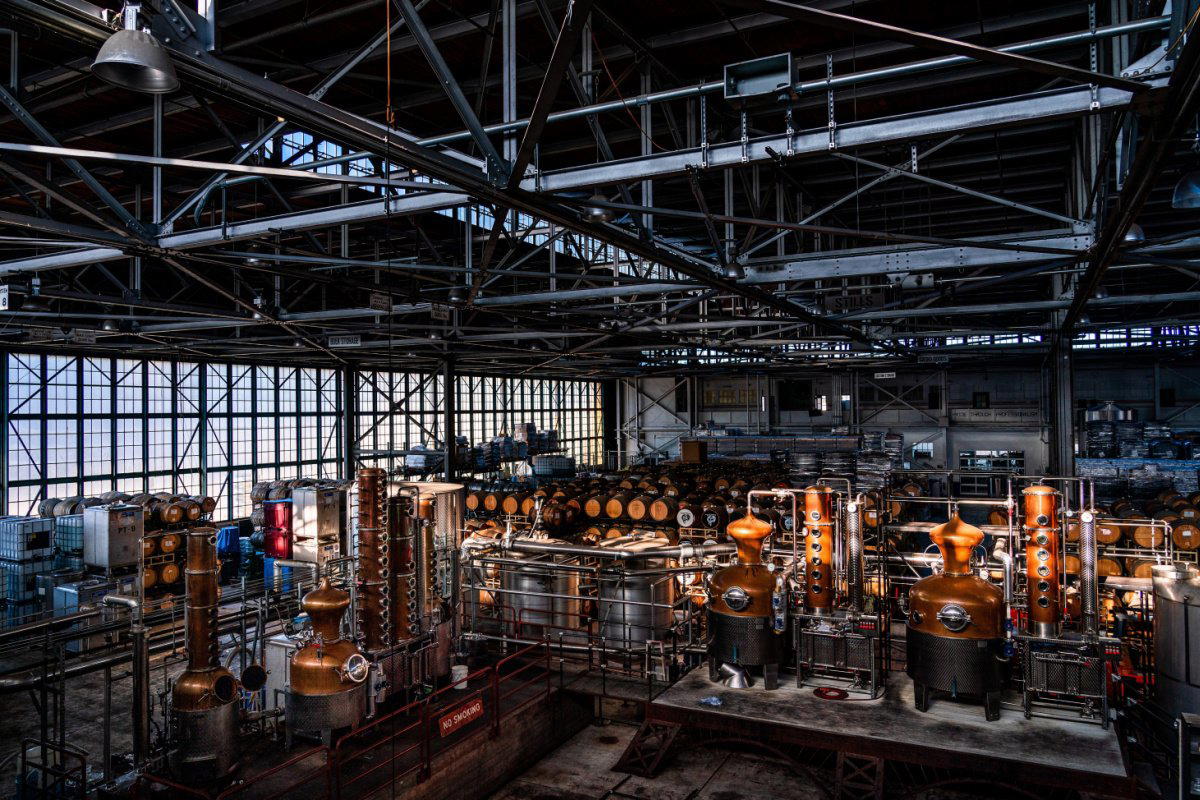
Rustic atmosphere featuring vintage fir siding, exposed beam ceilings, and zinc racetrack bar in a converted factory.