Sombrero
Sombrero sits on West 48th Street in Midtown Manhattan, a stretch that rewards those who look past the Theater District's more obvious dining options. The venue occupies a competitive block where menu architecture and format discipline tend to matter more than marquee names, placing it in a comparable set defined less by celebrity and more by what ends up on the plate.
Pearl is the En Primeur Club membership app — saves, bookings, and concierge access live there. Same editors, same standards.
- Address
- 303 W 48th St, New York, NY 10036
- Phone
- +18333804928
- Website
- sombrerorestaurant.com
- Directions
- Get directions
 Saves & bookings on Pearl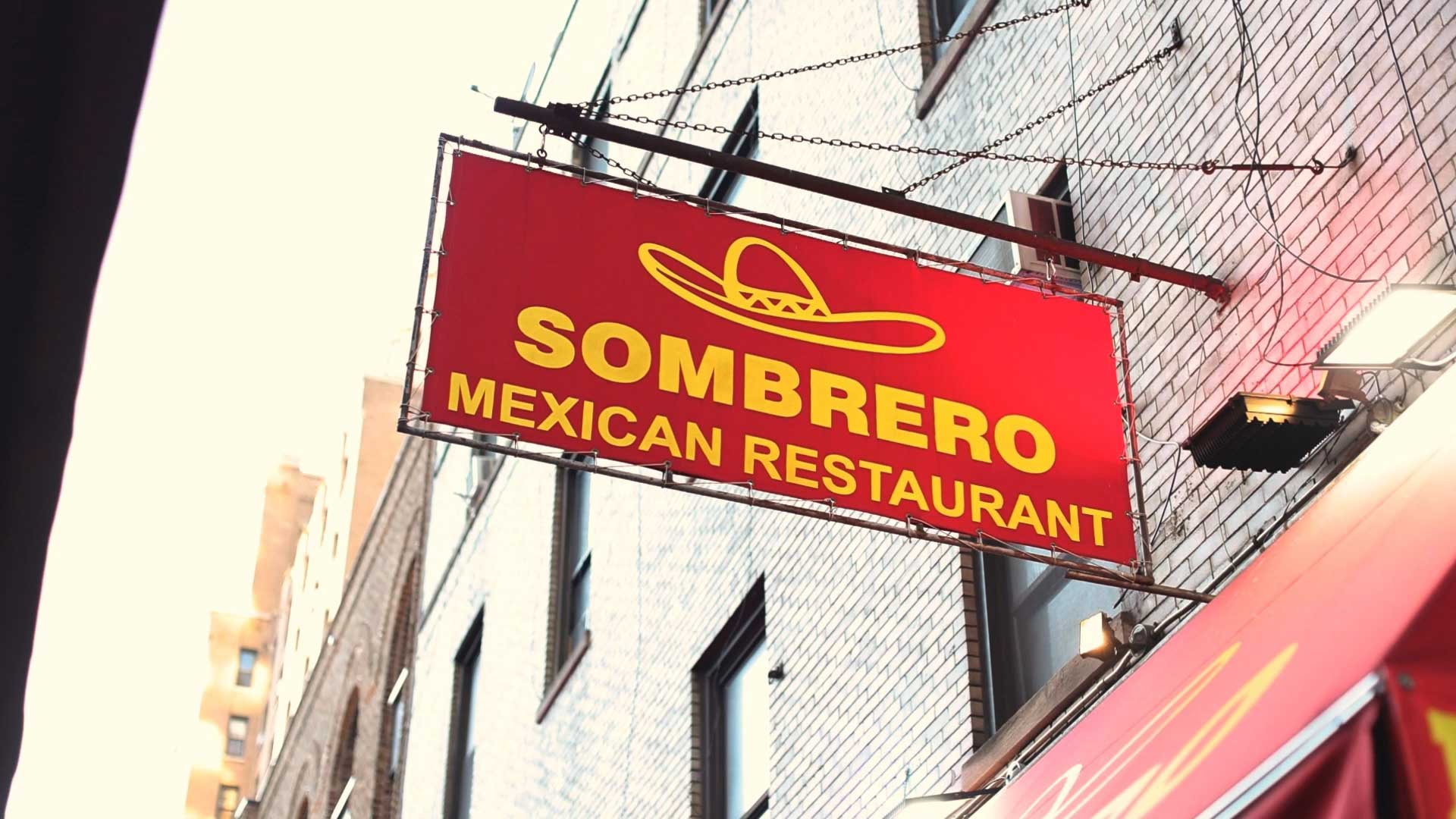
West 48th Street and the Question of Menu Intent
Midtown Manhattan's Theater District has long operated as a proving ground for a particular kind of restaurant: one that must satisfy pre-curtain timelines, walk-in traffic, and the expectations of visitors who may be eating here once and locals who return weekly. The restaurants that survive this friction longest are rarely the ones with the splashiest concepts. They are the ones with menus that know what they are doing and why. Sombrero, at 303 West 48th Street, is an Authentic Mexican restaurant in New York City, where a meal runs about $25 per person.
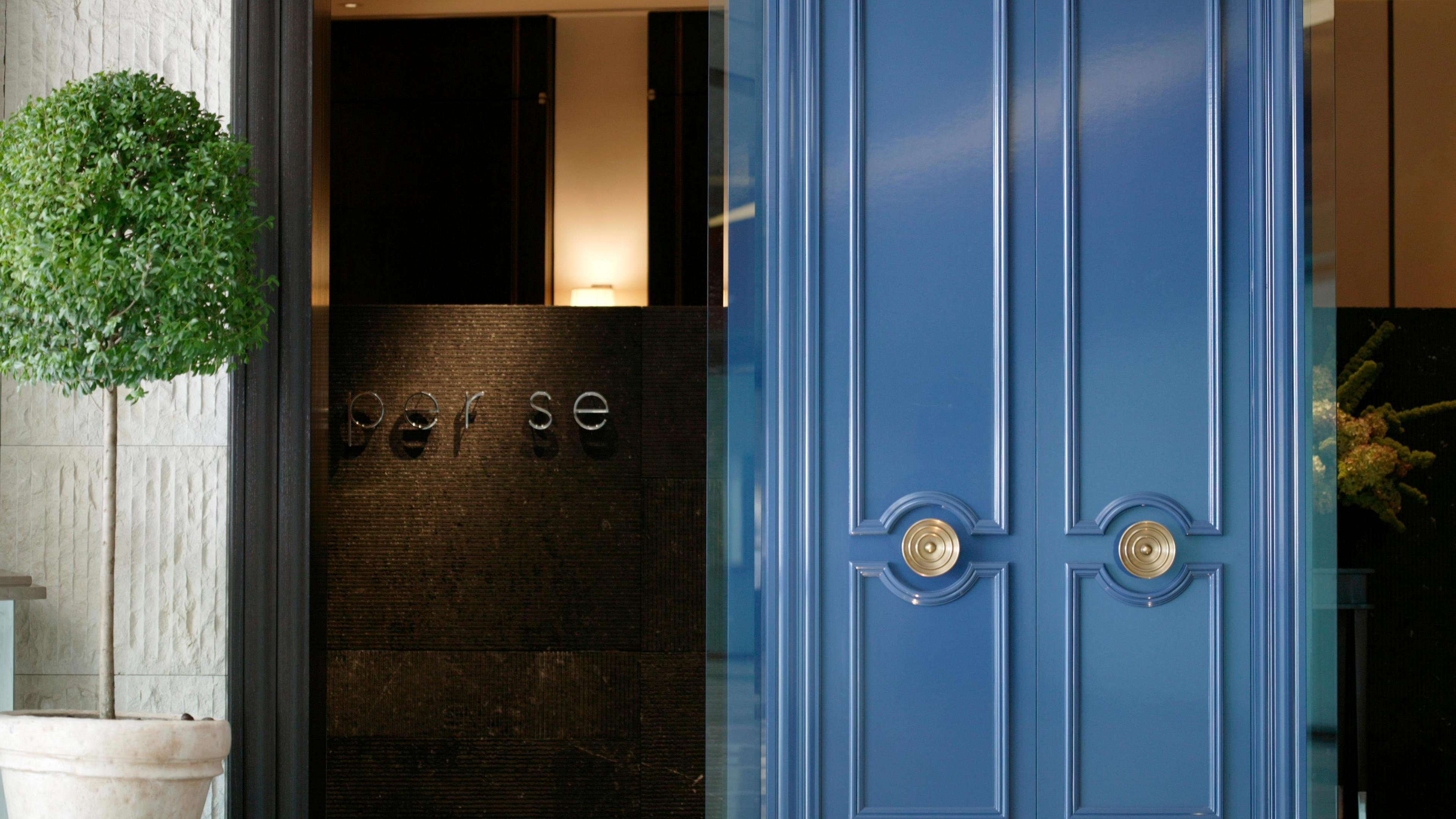
The immediate neighborhood context matters. West 48th sits a few blocks south of the Columbus Circle corridor and within walking distance of venues that have defined different price tiers in New York dining. Le Bernardin, a few blocks away on West 51st, has held three Michelin stars for decades and prices accordingly, with menus that demonstrate what French seafood technique looks like at its most disciplined. Per Se anchors the Time Warner Center with Thomas Keller's tasting format, which sits at the far end of the city's price spectrum. Sombrero occupies a different register on that map, one where the decision architecture is less about whether to commit to a tasting menu and more about how a kitchen organizes its a la carte logic.
How a Menu Reveals a Kitchen's Priorities
Menu architecture, the way dishes are grouped, sequenced, and priced relative to each other, communicates more about a restaurant's actual identity than almost any other signal. A kitchen that leads with shareable small plates is making a different argument about the dining experience than one that opens with composed appetizers designed for individual progression. The structure of what a restaurant offers is, in effect, its thesis statement.
New York's dining scene in Midtown has moved through several phases of that thesis. The early 2000s saw a consolidation around European fine dining formats. The 2010s brought a broader pluralism: Korean tasting menus at places like Atomix and Jungsik New York reframed what a multi-course experience could reference. Japanese omakase, represented at stronger examples from the market by Masa, established that the city's most expensive seat did not need to be European. What these formats share is a commitment to sequence: the menu is not a list of options but an argument made in courses.
For venues not operating in the tasting-menu tier, the challenge is different. A la carte menus in competitive neighborhoods succeed when their internal logic is visible to the diner, when the progression from lighter to more substantial dishes feels intentional rather than assembled from a list of items that happen to be available. The strongest a la carte menus in cities like New York, Chicago (where Alinea has long operated at the opposite extreme of format rigidity), or San Francisco (where Lazy Bear built its reputation on communal tasting) tend to have an internal grammar that makes choosing feel guided rather than arbitrary.
Midtown's Competitive comparable set
Positioning a restaurant in Midtown requires understanding which comparisons are actually operative for a given diner. The Theater District draws from a wide demographic range: tourists on a single New York trip, office workers on expense accounts, pre-show diners with hard time constraints, and neighborhood regulars who have developed specific loyalties. Few other dining corridors in the country ask a single restaurant to perform across that many guest profiles simultaneously.
For comparison, consider the range of formats that have found durable audiences in analogous high-traffic American dining markets. Emeril's in New Orleans built a long-running presence in a tourism-heavy market by committing to a clear culinary identity. Blue Hill at Stone Barns in Tarrytown operates just outside the city with a farm-driven format that removes itself entirely from Midtown's time pressures. Providence in Los Angeles and Addison in San Diego have found that markets with less dining density can sustain destination formats more easily than a corridor like West 48th, where alternatives are within two blocks in every direction.
Nationally, the restaurants that have built the strongest reputations in high-competition urban environments share a pattern: The French Laundry in Napa, Single Thread Farm in Healdsburg, The Inn at Little Washington in Virginia, and Bacchanalia in Atlanta have all defined themselves through format discipline and menu coherence rather than through category breadth. They know what they are, and the menu makes that argument on every page.
Internationally, venues like 8 1/2 Otto e Mezzo Bombana in Hong Kong and Alain Ducasse at Louis XV in Monte Carlo demonstrate that format discipline translates across markets: the clearest menus, in terms of internal logic, tend to produce particularly loyal return audiences regardless of cuisine category.
Planning a Visit
West 48th Street between Eighth and Ninth Avenues is accessible from multiple subway lines, with the C and E trains stopping at 50th Street and the N, Q, R, W, and 1 trains all within a few minutes on foot. Pre-theater timing, typically between 5:30 and 7:00 p.m. compresses demand across the block, so arriving earlier in that window or after 8:00 p.m. tends to produce a more relaxed experience at most venues in the area.
| Venue | Cuisine | Price Tier | Format | Booking Lead Time |
|---|---|---|---|---|
| Le Bernardin | French, Seafood | $$$$ | Prix fixe / a la carte | Several weeks |
| Per Se | French, Contemporary | $$$$ | Tasting menu | Several weeks |
| Atomix | Modern Korean | $$$$ | Tasting menu | Months ahead |
| Masa | Sushi, Japanese | $$$$ | Omakase | Months ahead |
The Essentials
Comparable venues nearby, for context on price, style, and recognition.
| Venue | Cuisine | Price | Notes |
|---|---|---|---|
| SombreroThis venue — the venue you are viewing | Hell's Kitchen, Authentic Mexican | $$ | Not listed |
| Mission Cantina | Lower East Side, Fusion Mexican | $$ | Not listed |
| Mamazul | Not listed | $$ | Midtown South-Flatiron-Union Square, Authentic Mexican Grill |
| El Zason | Not listed | $$ | Downtown Brooklyn-DUMBO-Boerum Hill, Modern Mexican Gastropub |
| Sa'tacos | Inwood, Authentic Sinaloan Mexican Tacos | $$ | Not listed |
| Santo Taco | Nolita, Modern Mexican Taqueria | $$ | Not listed |
Continue exploring
More in New York City
Restaurants in New York City
Browse all →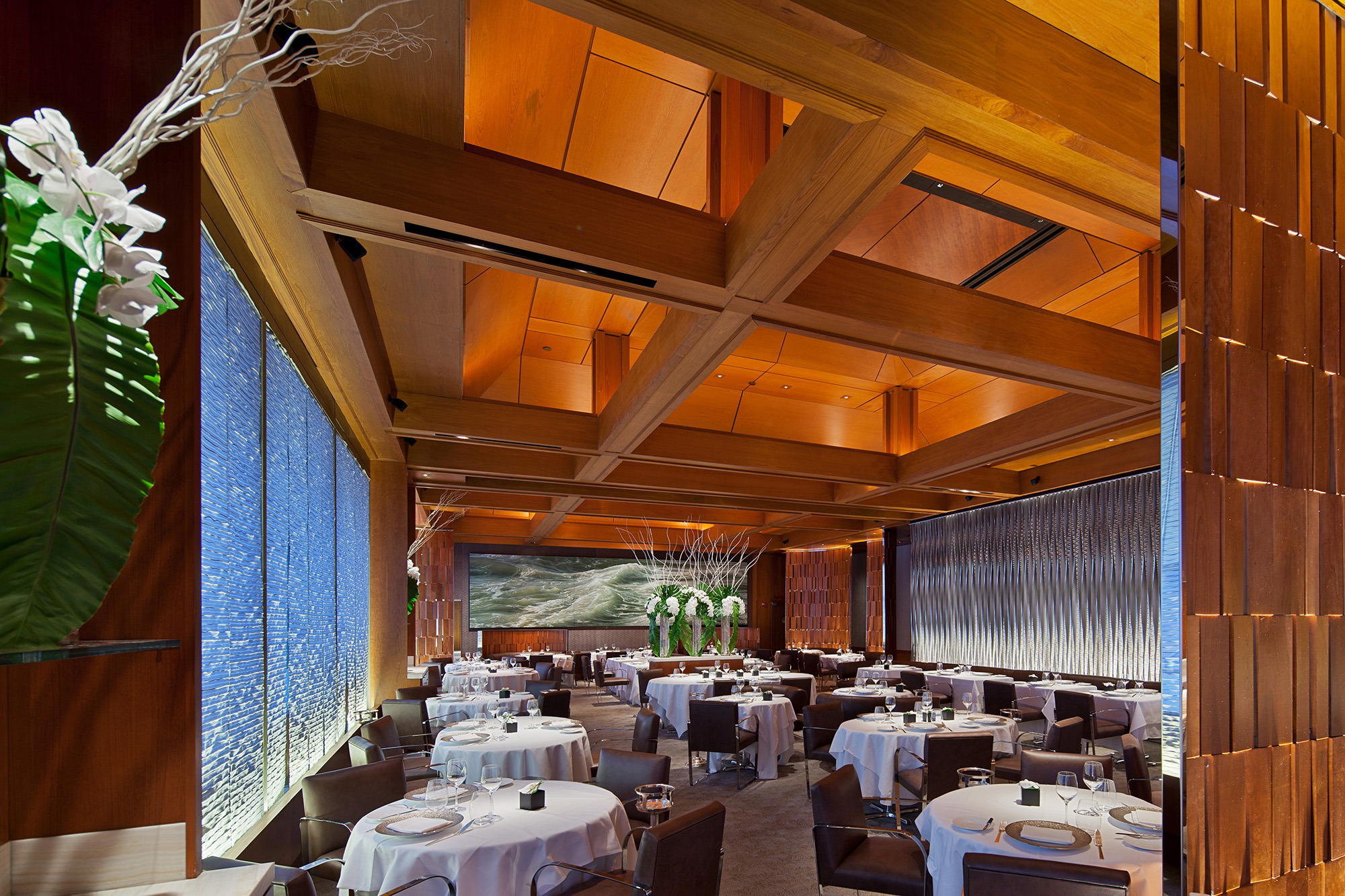
Bars in New York City
Browse all →
Hotels in New York City
Browse all →




At a Glance
- Classic
- Lively
- Casual
- Casual Hangout
- Group Dining
- Late Night
- After Work
- Standalone
- Craft Cocktails
Current opening hours
- Monday
- 4–11 PM
- Tuesday
- 4–11 PM
- Wednesday
- 4–11 PM
- Thursday
- 4–11 PM
- Friday
- 12 PM–12 AM
- Saturday
- 12 PM–12 AM
- Sunday
- 12–11 PM
Hours can change for holidays and private events. Last verified .
Lively and casual atmosphere with a full bar, popular for late-night dining and drinks.