El Zason
Our verdict
El Zason occupies a specific corner of Brooklyn's Atlantic Avenue dining strip, where the daytime crowd moves differently from the dinner hour and the kitchen operates on rhythms that reward returning visitors. Located at 491 Atlantic Ave in Boerum Hill, it sits in a neighbourhood where independent operators compete on personality rather than scale. For anyone cross-referencing New York's broader dining map, El Zason belongs to a tier defined by local specificity rather than trophy credentials.

Pearl is the En Primeur Club membership app, where members save venues, book tables and use the concierge.

Atlantic Avenue's Daytime-to-Dinner Shift, and Where El Zason Fits
Brooklyn's Atlantic Avenue corridor has developed into one of the borough's more genuinely mixed dining stretches, where Middle Eastern grocers, Caribbean canteens, and newer neighbourhood restaurants share a continuous block-by-block rhythm. The stretch around Boerum Hill, where El Zason sits at 491 Atlantic Ave, belongs to a particular tier of New York dining: independent, neighbourhood-anchored, and operating on a logic that has little to do with the tasting-menu circuit that drives the conversation at Atomix or Eleven Madison Park. The competitive pressure here is local, who serves the reliable lunch, who keeps the room through a weeknight dinner, rather than the award-cycle pressure that shapes operations at Le Bernardin or Per Se.
That distinction matters when reading any neighbourhood restaurant honestly. The daytime version of this block is utilitarian and fast: office workers, local residents, and delivery traffic. The evening version is slower, more deliberate, with a different expectation of hospitality and pacing. Restaurants that perform well across both shifts tend to have a clearer sense of their own identity than those that try to dress up for dinner without actually changing their operational posture. It is the kind of test that filters out operators who are running a concept from those running a place.
The Lunch-to-Dinner Divide in Brooklyn's Independent Dining
Across New York's outer borough dining culture, the lunch-versus-dinner gap tends to be wider at independently run spots than at hotel-adjacent or destination restaurants. Places like Blue Hill at Stone Barns in Tarrytown or The French Laundry in Napa operate on a single-service logic where the room, the pacing, and the menu are designed around one mode of engagement. A Brooklyn neighbourhood restaurant like El Zason has to be more elastic: the afternoon service may function almost as a diner, while the evening requires a shift in register without the infrastructure of a full front-of-house team. That elasticity is both the challenge and, when managed well, the asset.
The broader pattern across cities with strong neighbourhood-restaurant cultures, whether in Brooklyn, in Chicago's residential corridors where Smyth occupies a different tier, or in New Orleans where Emeril's established a different model of local-to-destination progression, is that the restaurants which earn sustained neighbourhood loyalty tend to be the ones where the lunch crowd and the dinner crowd feel like they belong to the same community rather than two different clienteles.
Boerum Hill as a Dining Neighbourhood
Boerum Hill's dining character has been shaped by its position between the more expensive Carroll Gardens restaurant scene to the south and the higher-traffic Cobble Hill strip closer to the waterfront. Atlantic Avenue itself has a longer history as a food corridor than most visitors realize: the Middle Eastern restaurant and grocery presence dates back decades, giving the street a layered identity that newer openings either work with or ignore. Restaurants that open here without engaging that context tend to feel slightly displaced. Those that find a way to fit the grain of the block, in terms of price point, mood, and the kinds of food the local population actually eats across the week, tend to build the kind of repeat traffic that keeps independent operators solvent in a high-rent borough.
For visitors arriving from Manhattan, the logistics are accessible: the Atlantic Avenue-Barclays Center transit hub connects multiple subway lines, making this one of the more reachable Brooklyn destinations without requiring a ride-share. That accessibility has shaped the neighbourhood's dining evolution, pulling in a wider audience than purely local foot traffic while keeping rents below the levels that force restaurants into a destination-only positioning.
How El Zason Sits in the New York Independent Tier
New York's restaurant tiers are more compressed than in most American cities. The gap between a neighbourhood spot on Atlantic Avenue and a destination restaurant like Masa is measurable in price, format, and expectation, but the city's density means that both can serve a committed audience within a few subway stops of each other. Independent operators in Brooklyn occupy a specific niche in this structure: they compete primarily on consistency, value relative to the neighbourhood price norm, and the quality of the repeat-visit experience rather than on tasting-menu prestige or chef-recognition cycles.
Across the country, the restaurants that translate neighbourhood credibility into something more durable, Frasca Food and Wine in Boulder, Providence in Los Angeles, Addison in San Diego, tend to do so by defining a clear service identity and holding it with consistency across years. The operators who struggle in this tier are usually those who try to compete on a register above their actual infrastructure, or who let the daytime and evening services drift too far apart in quality and care. See our full New York City restaurants guide for the broader competitive map.
Planning Your Visit
Quick Comparison
Comparable venues nearby, for context on price, style, and recognition.
| Venue | Cuisine | Price | Notes |
|---|---|---|---|
| El ZasonThis venue (the venue you are viewing) | Modern Mexican Gastropub | $20–30 | Not listed |
| Vida Verde | Modern Mexican with Tequila & Mezcal Focus | $30–50 | Midtown-Times Square |
| Mesa Coyoacan | Authentic Mexican | $30–50 | East Williamsburg |
| Sa'tacos | Authentic Sinaloan Mexican Tacos | Not listed | Inwood |
| Mamazul | Authentic Mexican Grill | $30–50 | Midtown South-Flatiron-Union Square |
| Casa Carmen Tribeca | Authentic Regional Mexican | $50–100 | Tribeca-Civic Center |
Continue exploring
More in New York City
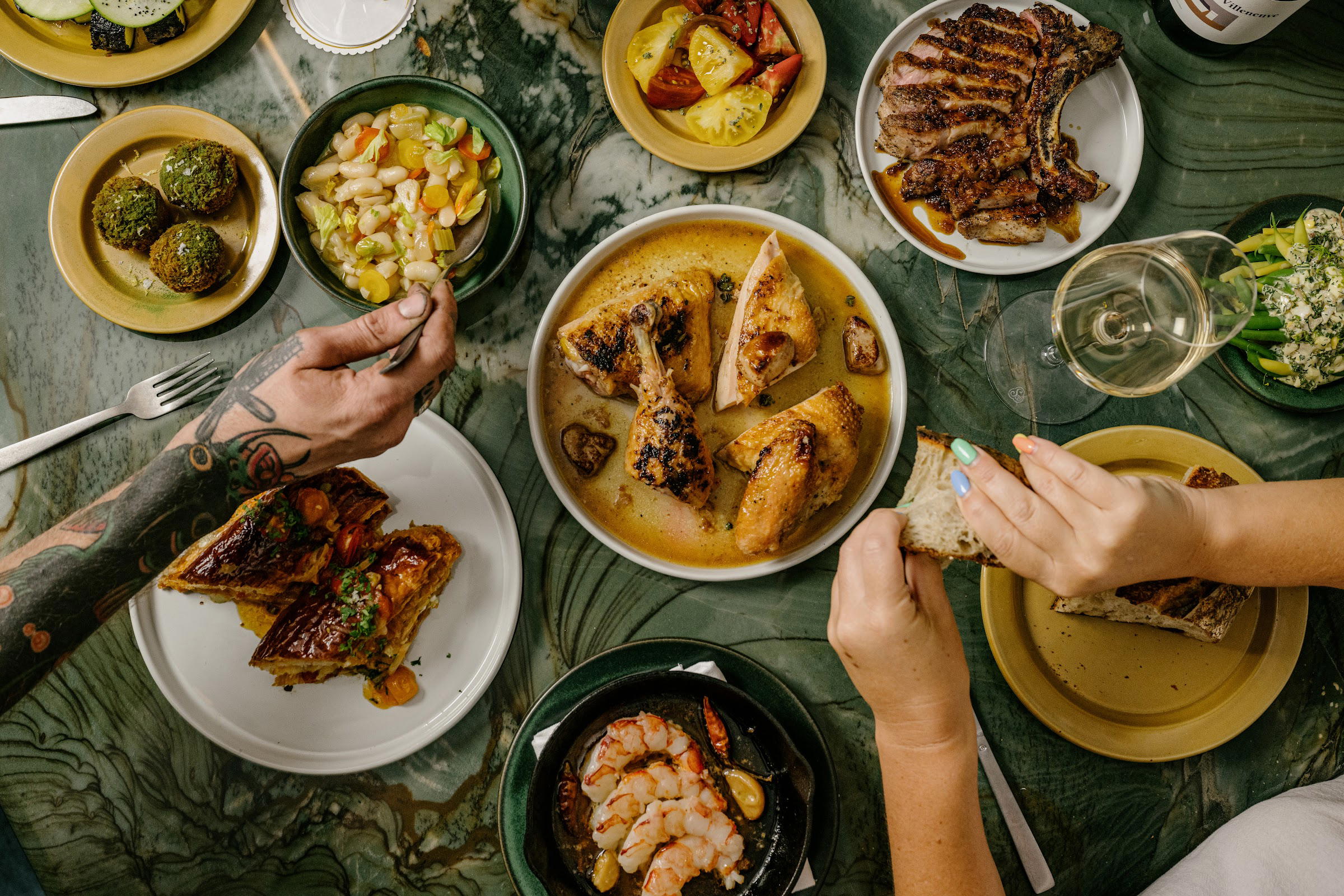
Restaurants in New York City
All restaurants in New York City →
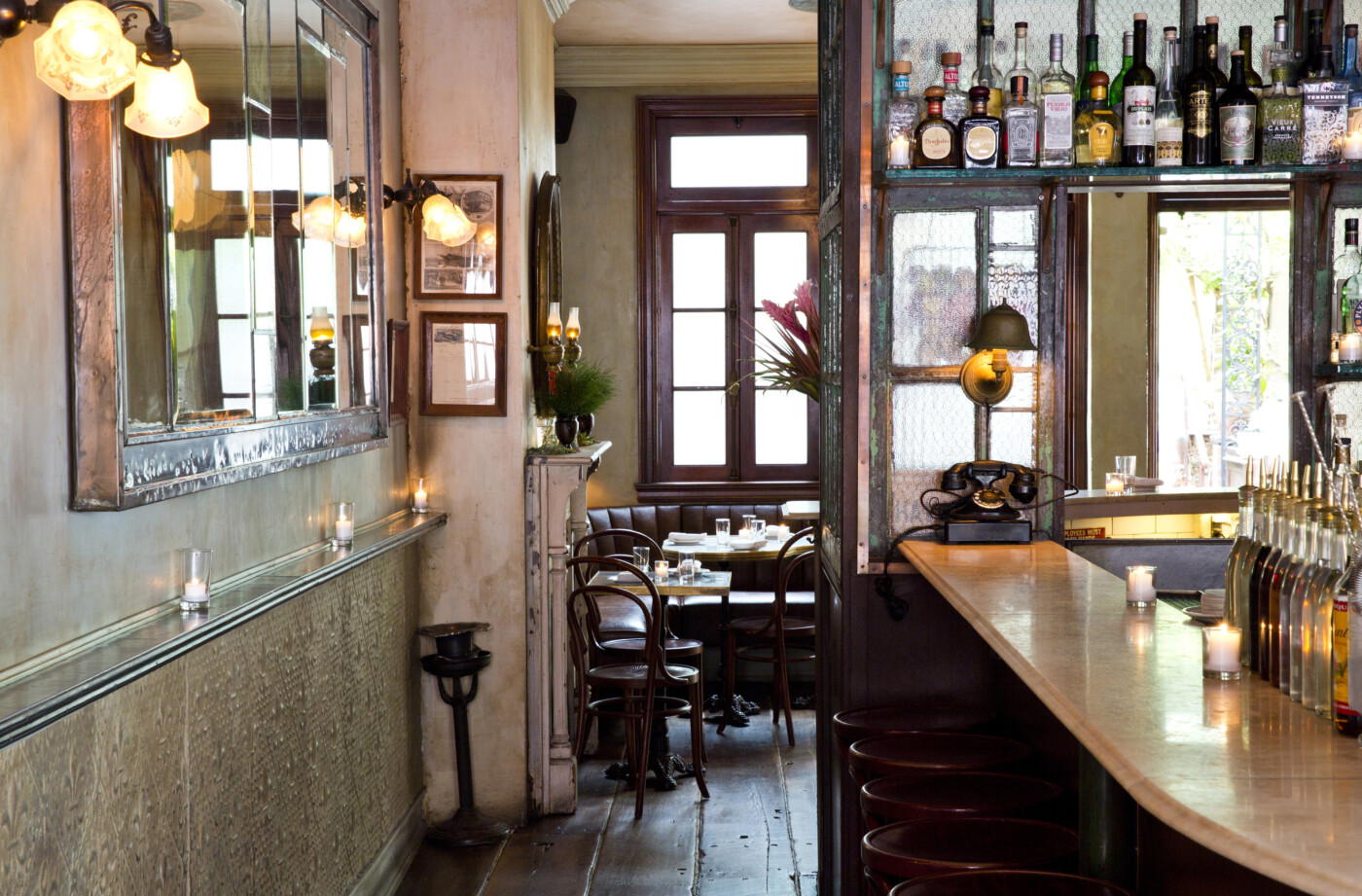
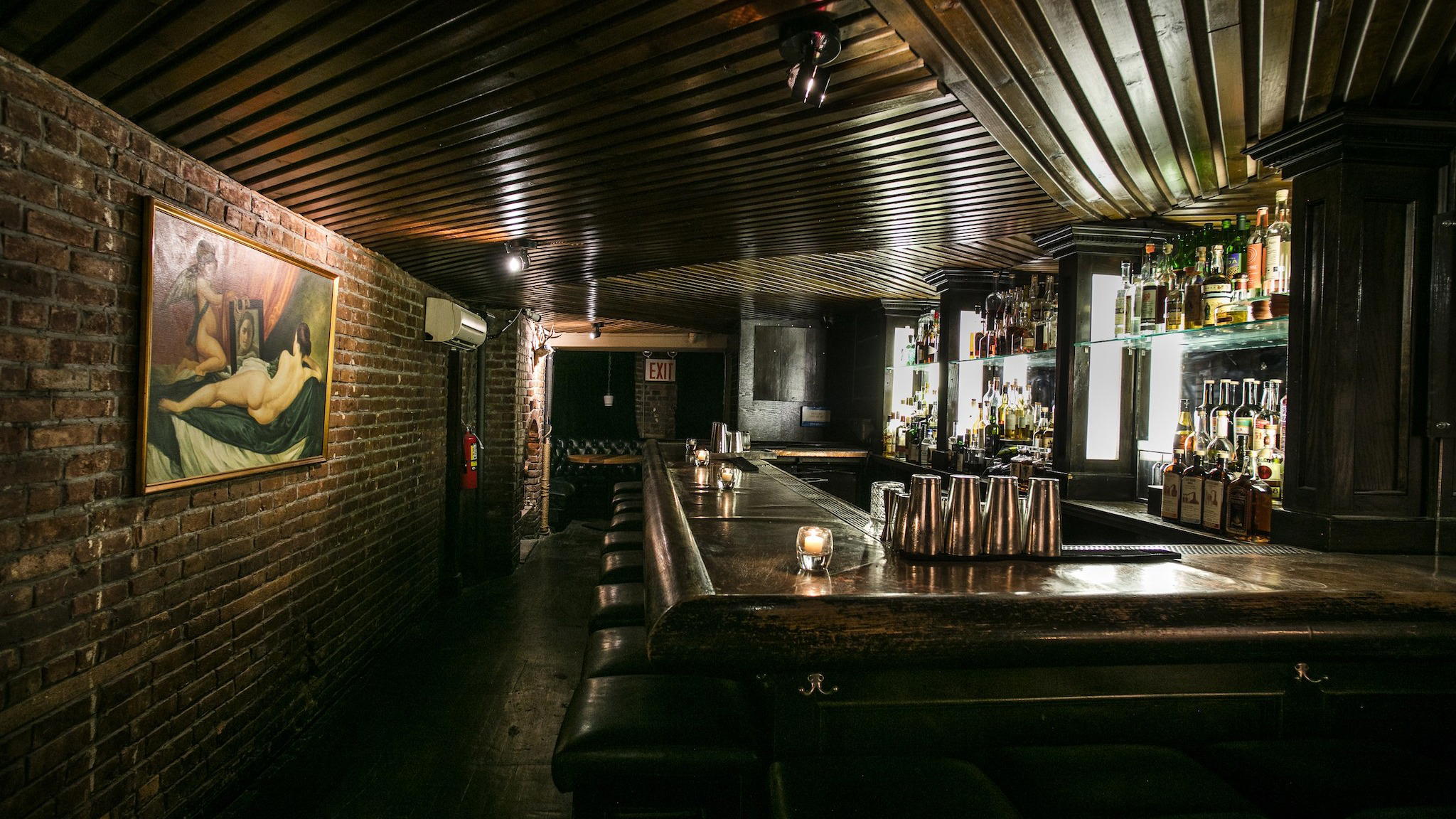
Bars in New York City
All bars in New York City →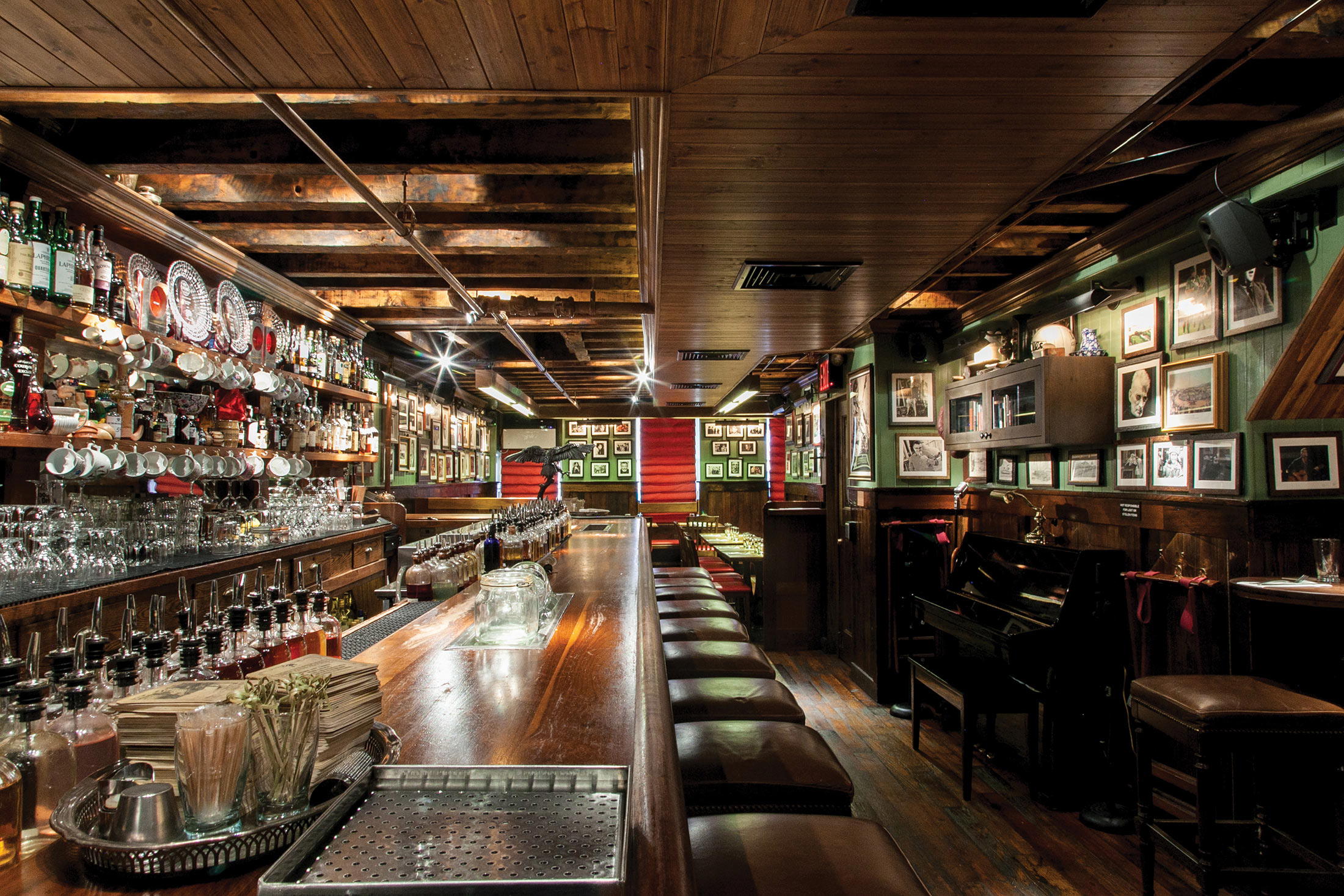
Details
- Cozy
- Rustic
- Casual Hangout
- Group Dining
- Craft Cocktails
- A La Carte
Current opening hours
- Monday
- 11 AM–11 PM
- Tuesday
- 11 AM–11 PM
- Wednesday
- 11 AM–11 PM
- Thursday
- 11 AM–11 PM
- Friday
- 11 AM–1 AM
- Saturday
- 11 AM–1 AM
- Sunday
- 11 AM–1 AM
Hours can change for holidays and private events. Hours as of .
Warm and inviting with friendly and attentive staff.