Santo Taco
Mexico City-style tacos occupy a specific and often misread niche in New York's taco scene, and Santo Taco plants its flag firmly in that tradition. The format prioritizes the small-corn-tortilla discipline and protein-forward simplicity that defines the capital's street registers, rather than the Tex-Mex or Baja variants more common across the city. For visitors who know the difference, that distinction is the entire point.

Pearl is the En Primeur Club membership app — saves, bookings, and concierge access live there. Same editors, same standards.
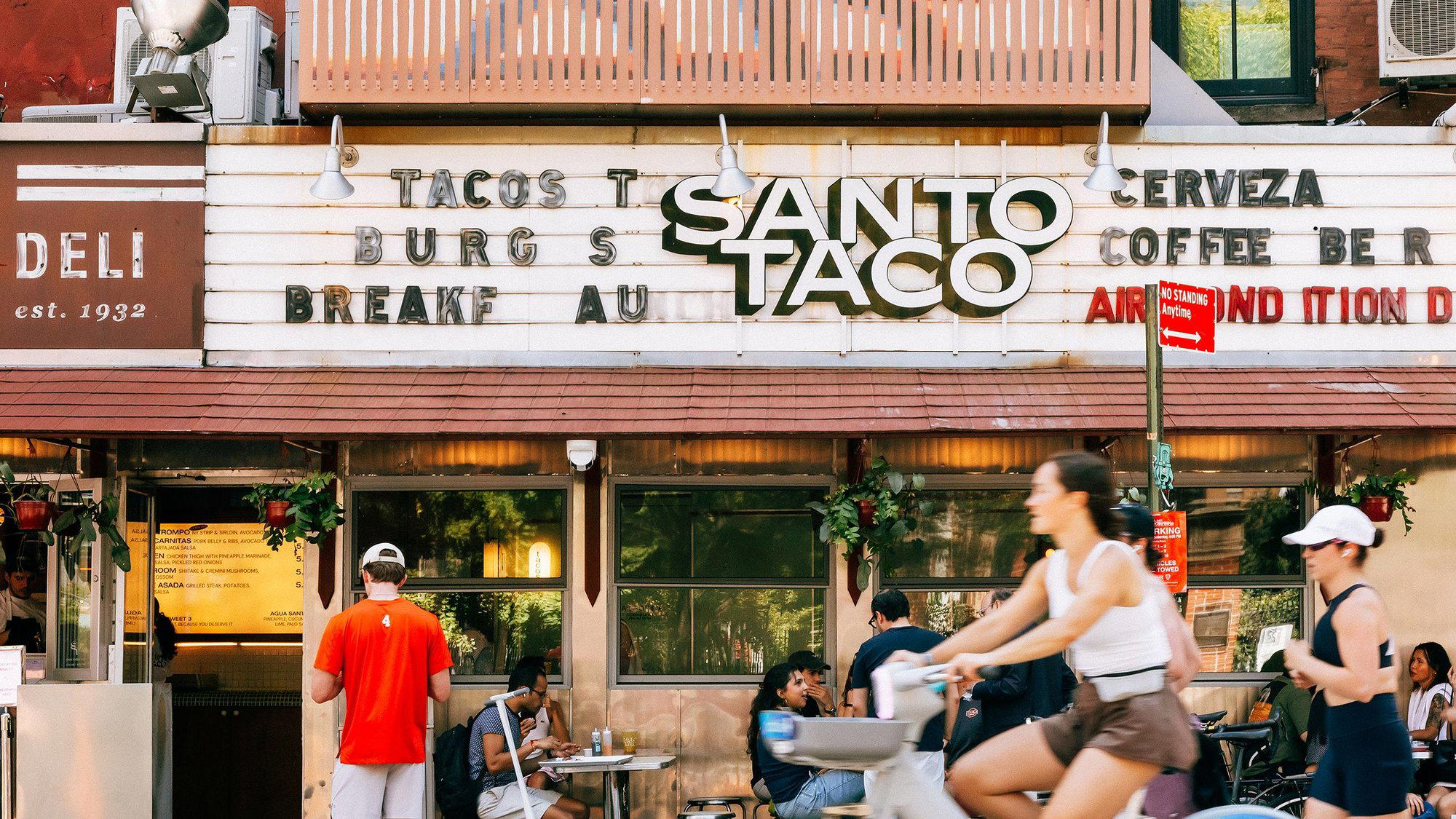
Mexico City's Taco Tradition, Translated for New York
The taco has traveled further from its origins than almost any other street food, accumulating regional mutations at every stop. Tex-Mex cheese-and-sour-cream constructions, Baja-style fish tacos with crema, and even upmarket "refined" tortilla formats have each claimed space in American dining rooms over the past four decades. What remained comparatively scarce, particularly in New York, was the direct Mexico City register: small corn tortillas, concentrated protein preparations, minimal garnish, and the assumption that quality lives in the masa and the meat rather than in the toppings stacked above them. Santo Taco works within that tradition, which in New York still occupies a smaller, more specific tier than the broader taco category might suggest.
Mexico City's taco culture is itself a structured hierarchy. The taquería de barrio serves working-neighborhood regulars from dawn through mid-afternoon. The taquero specializes, al pastor on the vertical spit, carnitas from the copper pot, suadero slow-rendered in its own fat, and the corn tortilla is pressed fresh or sourced locally, never an afterthought. Garnishes run to raw white onion, cilantro, and salsa verde or roja; lime is mandatory. The discipline is one of reduction, not addition. That model has been slower to arrive in New York than the city's appetite for Mexican food might predict, partly because the economics of Manhattan real estate push operators toward higher check averages and more elaborate formats.
New York's Taco Tier and Where Mexico City-Style Fits
New York's taco scene has matured considerably since the early 2000s, when the options were largely confined to the outer boroughs' authentic taquerias and midtown's fast-casual chains. The intervening years brought a wave of chef-driven Mexican concepts that priced and presented tacos as fine-dining adjacents, alongside the continued expansion of neighborhood spots in Jackson Heights, the Bronx, and Sunset Park that serve regional Mexican cooking with little fanfare and considerable skill. Mexico City-style specifically, meaning the CDMX street format rather than regional Mexican writ large, sits between those poles. It is neither the $6-per-taco chef-counter format nor the $1.50 street cart, and it requires a specific kind of operator confidence to pitch at the right price without drifting toward either extreme.
The comparison set for Santo Taco is not the Le Bernardin-tier tasting menus or the omakase counters at Masa that define New York's $$$$ dining ceiling. Nor does it sit alongside the prix-fixe formality of Per Se, the plant-forward ambition of Eleven Madison Park, or the Korean fine-dining precision of Atomix. Those venues occupy a different category entirely. Santo Taco's comparable set is the growing cohort of single-cuisine specialists that prioritize format fidelity over format fusion, places where the editorial point is not innovation but accuracy to a specific tradition.
The Cultural Argument for Staying in the Lane
The Mexico City taco tradition is worth understanding as a set of deliberate choices, not a default. The small double-stacked tortilla format exists because corn masa at the size and weight appropriate for hand-eating requires structural reinforcement once wet proteins are added. The white onion and cilantro combination provides sharpness and herbaceous cut without fat. The salsas, typically one cooked, one raw, offer heat calibration at the table, which keeps the base preparation consistent across service. These are engineering decisions that evolved over generations of high-volume street cooking, and they resist modification without consequence. Operators who substitute flour tortillas, add cheese, or over-garnish are not making creative choices so much as drifting from the format's internal logic.
That specificity is what Mexico City-style taco concepts sell, implicitly or explicitly. In a city where the dining public has become more traveled and more ingredient-literate, the ability to signal format accuracy, to be recognizably of a place rather than inspired by it, carries real commercial and critical value. It is the same logic that drives the popularity of Neapolitan-standard pizza shops over general Italian restaurants, or of soba specialists over pan-Asian noodle houses. Depth in a narrow lane outperforms breadth across several, provided the operator executes consistently.
For a wider read on where New York's dining scene sits across categories and price tiers, the full New York City restaurants guide maps the landscape in detail. Those interested in how single-cuisine discipline plays out at the fine-dining level elsewhere in the country will find useful reference points at Lazy Bear in San Francisco, Smyth in Chicago, Providence in Los Angeles, and Addison in San Diego, each of which has built its identity on specificity rather than range. The farm-to-table discipline at Blue Hill at Stone Barns in Tarrytown and the regional focus at Frasca Food & Wine in Boulder follow a related logic in their respective categories. Further afield, The French Laundry in Napa, Single Thread Farm in Healdsburg, Emeril's in New Orleans, The Inn at Little Washington, Atelier Moessmer Norbert Niederkofler in Brunico, and Dal Pescatore in Runate each demonstrate, in different cuisines and markets, how formal commitment to a tradition translates into critical recognition over time.
Planning Your Visit
The restaurant sits in a casual, walk-in-friendly bracket at about $20 per person.
| Venue | Cuisine Format | Price Tier | Booking Method |
|---|---|---|---|
| The restaurant | Mexico City-style tacos | $ | Walk-in friendly |
| Le Bernardin | French seafood tasting / à la carte | $$$$ | Online reservation |
| Atomix | Modern Korean tasting menu | $$$$ | Online reservation, advance booking required |
| Eleven Madison Park | French-vegan tasting menu | $$$$ | Online reservation |
Recognition, Side-by-Side
Comparable venues nearby, for context on price, style, and recognition.
| Venue | Cuisine | Price | Notes |
|---|---|---|---|
| Santo TacoThis venue — the venue you are viewing | Modern Mexican Taqueria | $$ | Not listed |
| B'KLYN BURRO | SF Mission-Style Burritos | $$ | Clinton Hill |
| Javelina | Authentic Tex-Mex | $$ | Gramercy |
| Mole West Village | Authentic Mexican Bar & Grill | $$ | West Village |
| Mole | Authentic Mexican Bar & Grill | $$ | Williamsburg |
| Beto's Carnitas & Guisados | Mexico City-Style Carnitas & Guisados | $$ | Lower East Side |
Continue exploring
More in New York City
Restaurants in New York City
Browse all →
Bars in New York City
Browse all →


At a Glance
- Trendy
- Lively
- Modern
- Casual Hangout
- After Work
- Late Night
- Open Kitchen
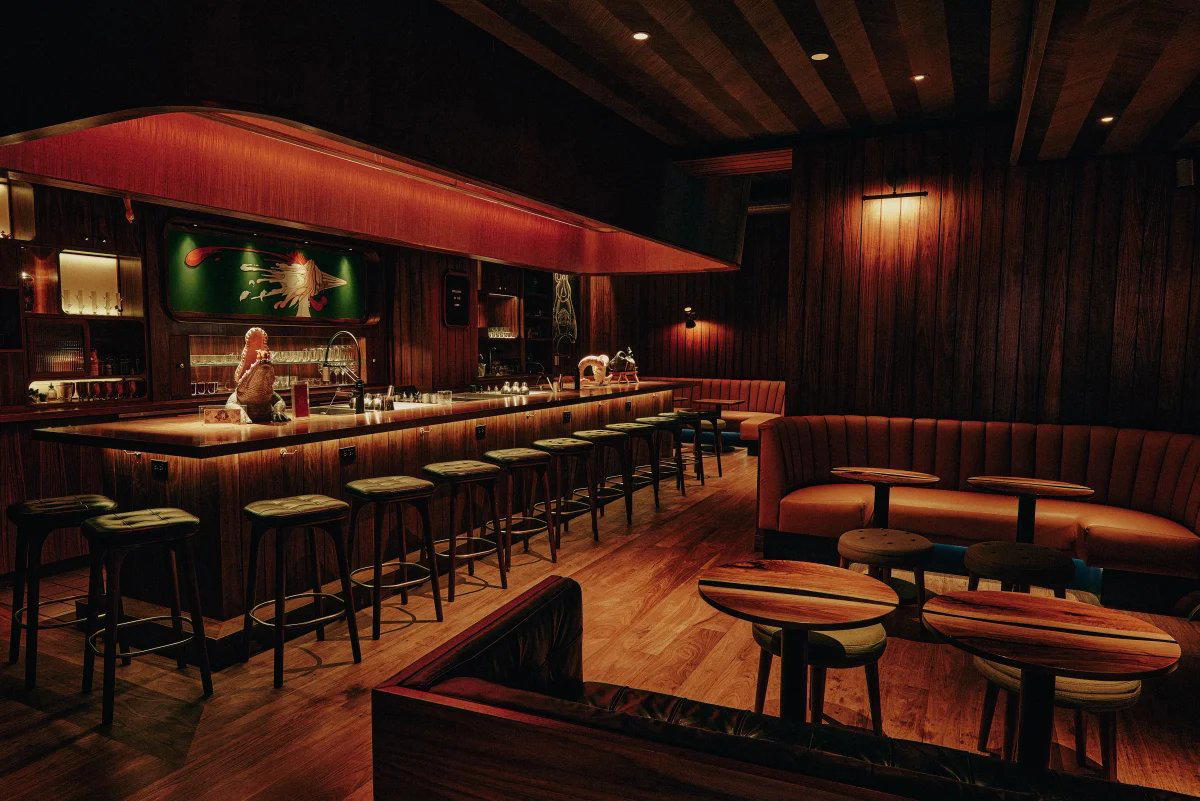
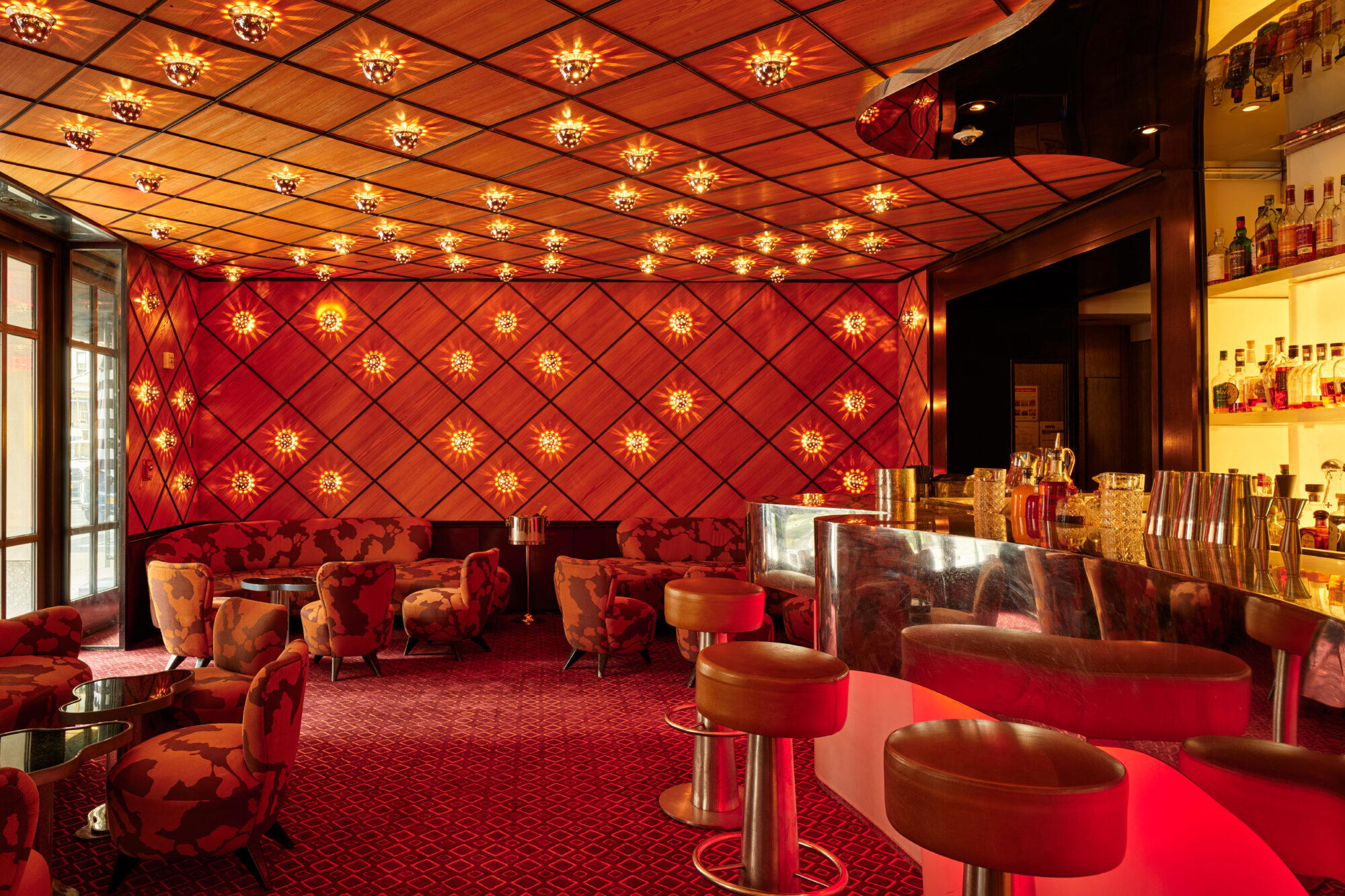
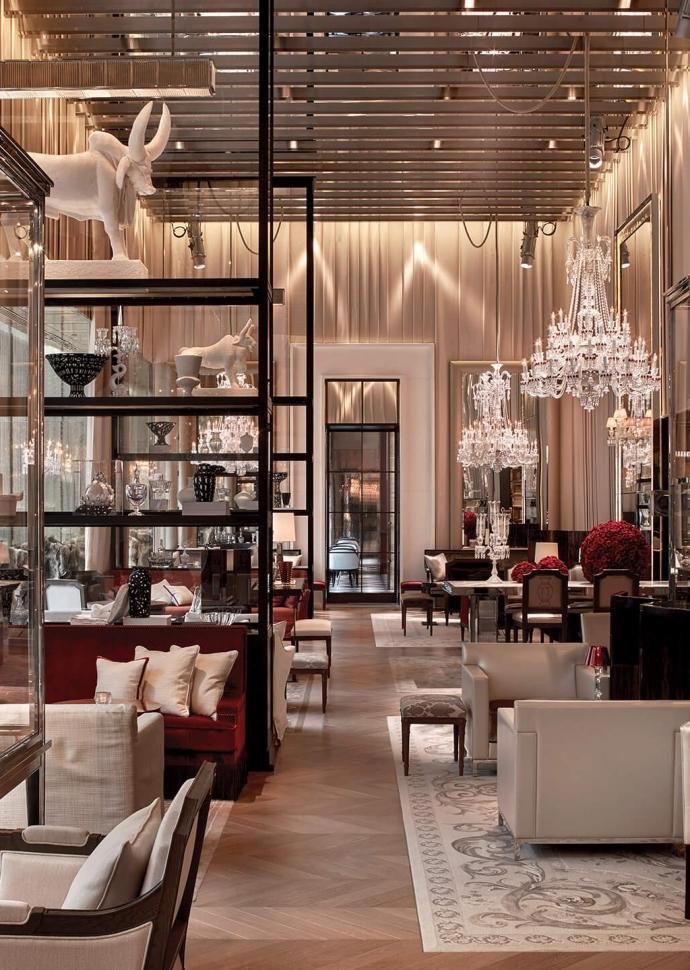
Clean, bright, and casual taqueria atmosphere with quick service.