
SOLEIL puts Tokyo’s European-style curry tradition into a compact Kojimachi dining-room format, with bistro and dining-bar edges rather than a pure quick-lunch model. Its Tabelog Curry TOKYO 100 selection in 2023 and 2024 gives it a clear credibility signal in a city where curry ranges from office-counter comfort to destination specialist cooking.
Pearl is the En Primeur Club membership app — saves, bookings, and concierge access live there. Same editors, same standards.
- Address
- 東京都千代田区二番町11-20 グンショウ二番町ビル 1F
- Phone
- +81362610184
- Website
- soleil-2013.jp
 Saves & bookings on Pearl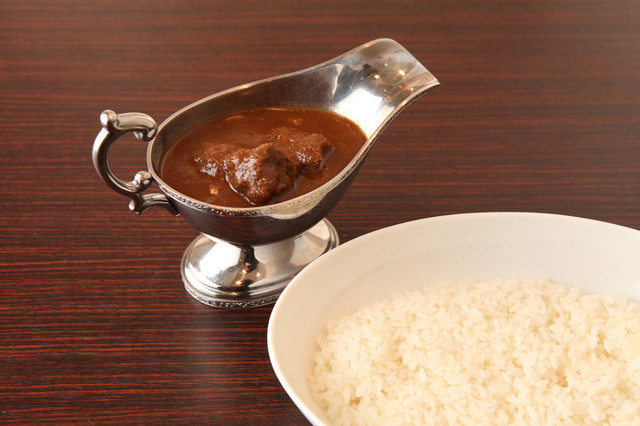
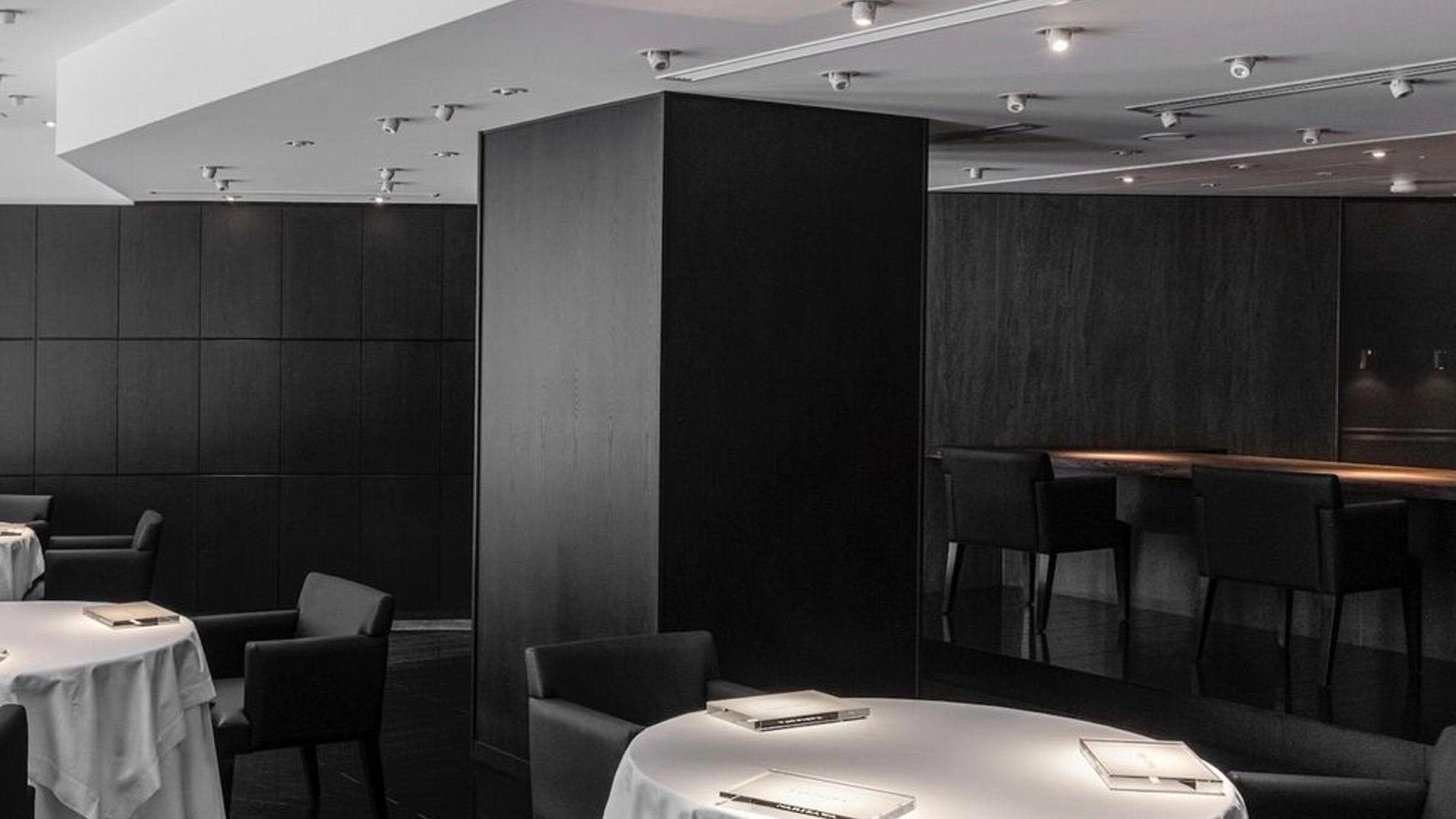
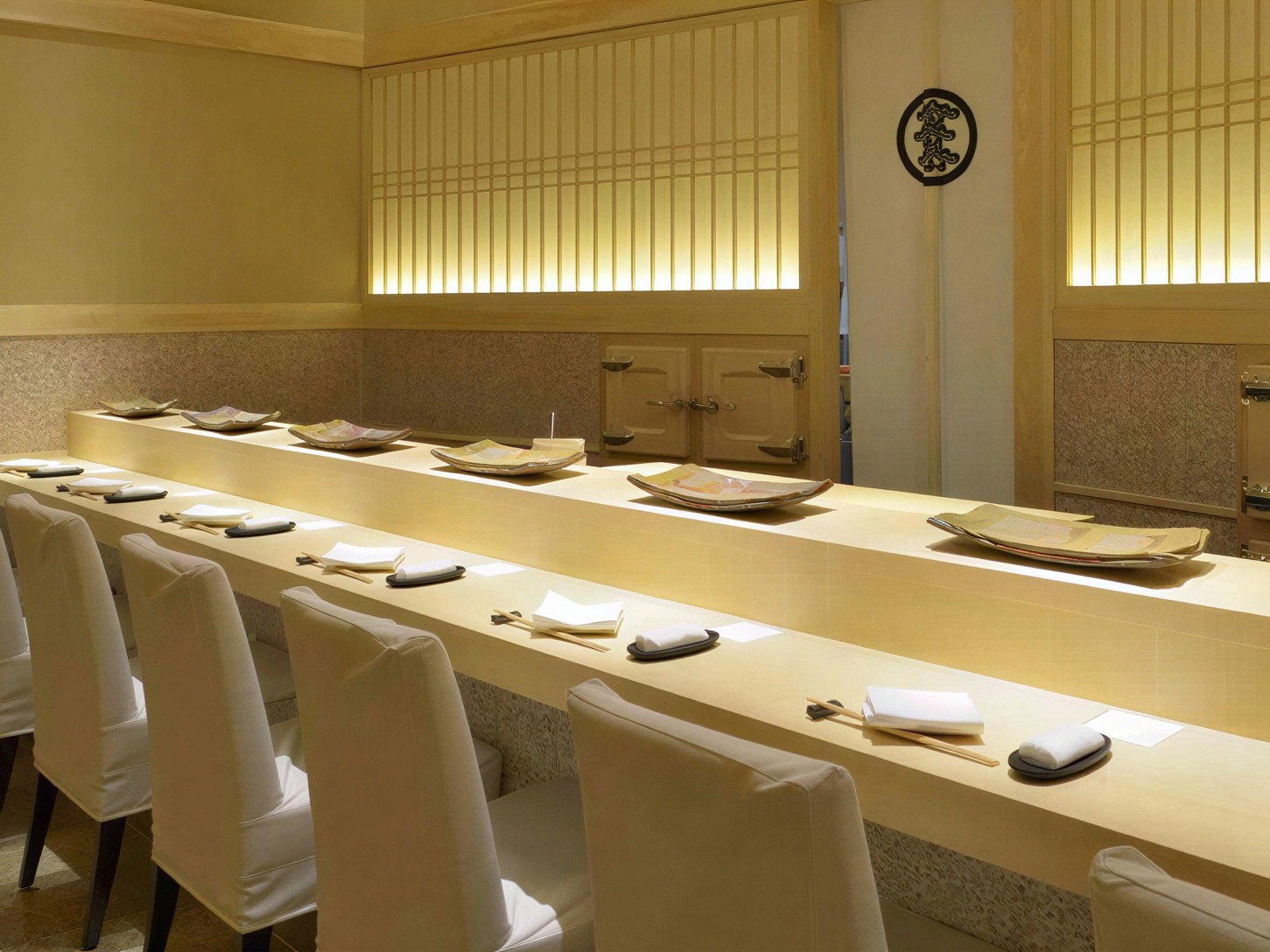
Approaching Kojimachi’s quieter blocks, the rhythm shifts from station-front lunch traffic to calmer Chiyoda side streets. SOLEIL belongs to a Tokyo curry category that avoids noise, queue theatre, and oversized portions as identity. Its small room has tables and a counter, and the format sits between European-style curry shop, bistro, and dining bar. That hybrid matters: Tokyo has many speed-built curry specialists, but fewer places that put curry inside a broader after-work dining vocabulary.
European-style curry in Japan has its own grammar: neither the spice-forward language of South Asian curry nor the school-cafeteria nostalgia of Japanese home curry. It prizes darker sauce, sweetness from long-cooked aromatics, and Western stock logic owing as much to yoshoku as to curry culture. SOLEIL’s public description cites onion sweetness and fond de veau as its base, placing it in the richer, sauce-led branch rather than Tokyo’s lighter soup-curry or dry keema lanes.
The credibility marker is clear: selection for Tabelog Curry TOKYO 100 in both 2023 and 2024. Tabelog’s Hyakumeiten lists are useful in curry because they surface specialist shops outside international fine-dining circuits. SOLEIL’s Tabelog score of 3.72 adds a second signal: not Michelin-style prestige, but sustained local approval in the city’s specialist curry conversation.
European curry with bistro instincts, not just lunch-counter speed
Tokyo’s curry scene splits into tribes: old yoshoku rooms, South Asian canteens, ramen-shop-like counters, soup-curry specialists, and compact neighborhood restaurants treating curry as part of a wider dining format. SOLEIL sits in the last group. The category listing, curry, bistro, dining bar, is not decorative taxonomy; it explains why the place reads differently from a single-purpose curry counter.
Peers clarify the position. AJANTA occupies another Tokyo curry lane, with a higher dinner bracket and different culinary reference point. Petit A La Campagne, closer in price, belongs to the European-style curry conversation where sauce depth and familiarity matter more than chef-table ceremony. SOLEIL’s appeal is the middle ground: accessible pricing, specialist recognition, and a room that can stretch beyond a quick solo meal.
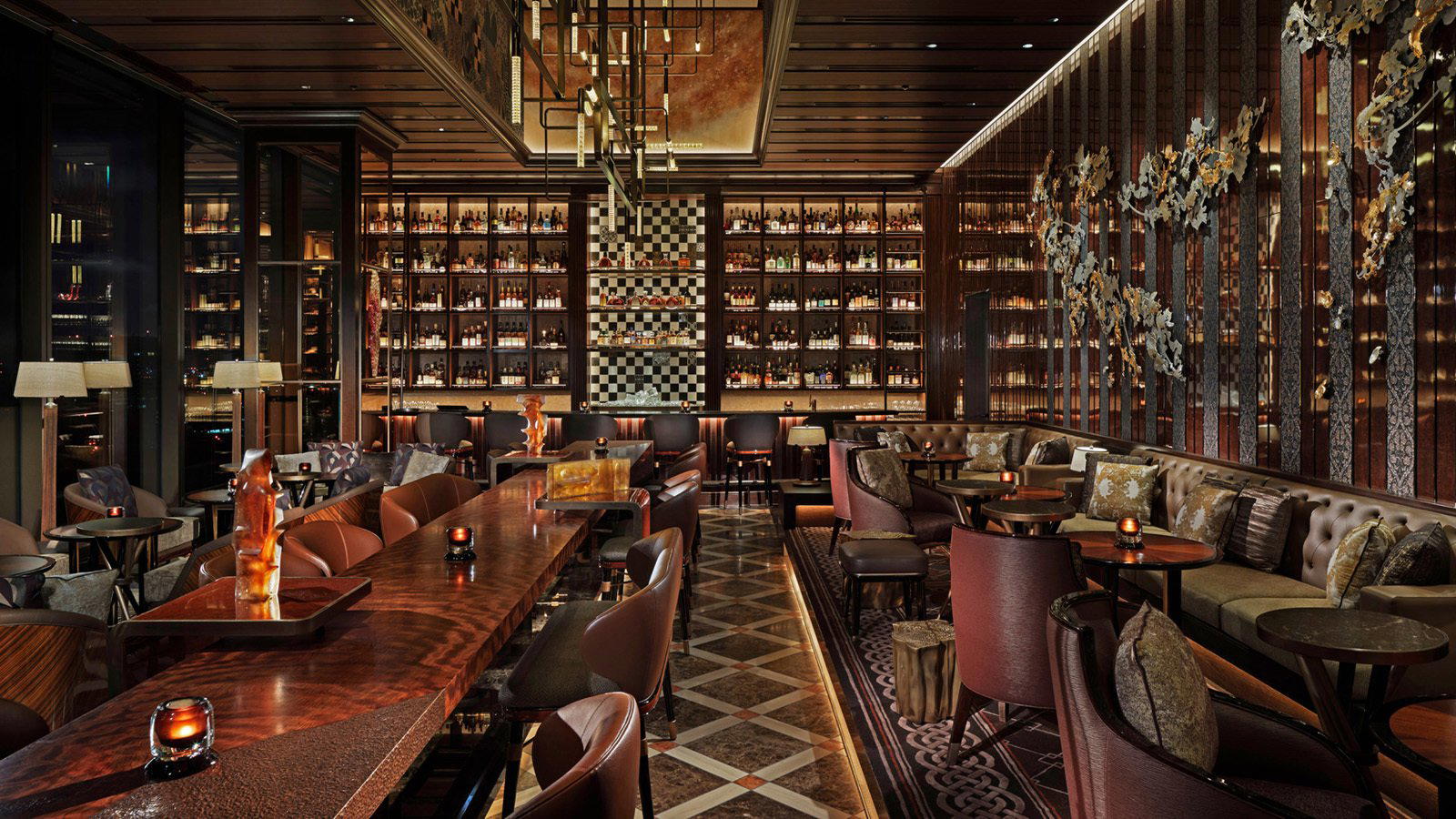
The wine angle needs restraint. This is not a grand-cellar restaurant, and no sommelier program is publicly signaled. The relevant detail is that wine and cocktails are available, pushing the experience toward bistro dining rather than a stricter curry-shop model. In Tokyo, that shift changes the use case: curry can be part of an evening meal with drinks, not just a midday refuel between meetings.
That separates it from parts of Tokyo’s high-end dining culture, where diners submit to format: tasting menu, counter sequence, timed seating, chef-led pacing. This is more democratic but still curated, with an award signal sorting it from the casual middle. For a broader city read, Our full Tokyo restaurants guide is the better map, while drink-led planning sits separately in Our full Tokyo bars guide.
Kojimachi gives the curry a different rhythm
Kojimachi and Hanzomon are not built around the dining mythology of Ginza, Shinjuku, or Ebisu. The area’s food culture is shaped by offices, embassies, schools, and residents who use restaurants regularly rather than ceremonially. A compact curry-bistro hybrid is legible here: it can serve weekday lunch without losing evening identity.
Chiyoda’s centrality affects the decision. This is not a restaurant to plan an entire Tokyo day around alone. It works better within a central Tokyo route, especially for travelers moving between Yotsuya, Ichigaya, Hanzomon, or the imperial-palace side. In that context, the value is strong: a recognized curry specialist with a bistro-adjacent drinks offering, not a long formal meal.
The family signal is practical for Tokyo. Children are welcomed, a kids’ menu is listed, and strollers are accepted with a weekday lunch limitation. That makes the restaurant more flexible than many small Tokyo counters, though the compact room requires realistic expectations. Private rooms are not part of the format, so it suits small groups better than occasions needing separation.
The venue also offers take-out, another clue to its neighborhood function. Tokyo restaurants with both sit-down and takeaway service often serve nearby regulars and diners seeking a category specialist. SOLEIL’s repeat Hyakumeiten selection suggests it has reached beyond the purely local audience without abandoning that practical base.
How to place it within a Tokyo itinerary
For food itineraries, SOLEIL belongs in the “specialist casual” tier: more purposeful than a random station lunch, less formal than Tokyo’s tasting-menu economy. It pairs naturally with an afternoon in central Tokyo rather than a late-night bar crawl. If the day is restaurant-heavy, this stop gives Tokyo’s curry culture its due without taking over the schedule.
Internal comparisons sharpen the choice. For another curry reference point in Tokyo, 3 Chome no Curry Ya San stays in the same broad category. For different Tokyo casual-specialist lanes, 124. KAGURAZAKA (Yakitori) moves toward grilled chicken craft, while . 鮪と炭火焼き うお炭 秋葉原店 points to tuna and charcoal cooking. 12/10 Shinjuku ten and 2D Cafe show how broad Tokyo’s casual dining spectrum becomes once the search moves beyond formal reservations.
Readers extending the trip outside Tokyo can use SOLEIL as a reminder that Japan’s everyday formats often carry serious craft. The same logic applies when comparing regional pages: [Curry Senmon Ten] Maruyama Kyoju. in Sapporo for another curry specialist, [ki:] in Kyoto.cafe in Osaka.know in Kumamoto, (Shoku) Vietnam in Kawasaki, and -Grilled beef Sukiyaki- KAMAKURA TANUKIAN 鎌倉 たぬき庵 in Kamakura. For travel planning beyond restaurants, keep the city guides separate: Our full Tokyo hotels guide, Our full Tokyo wineries guide, and Our full Tokyo experiences guide.
The verdict is practical rather than theatrical. SOLEIL is right when the brief is Tokyo curry with evidence behind it, a compact room, and enough drinks flexibility to make dinner feel less transactional. It is not for cellar worship or luxury ceremony; it is a strong example of how Tokyo’s specialist casual restaurants can carry awards-level credibility at a modest scale. For a broader Japanese-food lens outside Japan, Jōdo Saké Bar in Los Angeles and Onigiri Time in Pasadena show how everyday formats travel, adapt, and change meaning abroad.
Cuisine and Awards Snapshot
Comparable venues at similar price and category levels.
| Venue | Cuisine | Price | Notes |
|---|---|---|---|
| SOLEILThis venue — the venue you are viewing | Halal-friendly multicultural café & dining | $$ | Not listed |
| Restaurant Quinbell | French–Italian yoshoku with seasonal fish and a famous beef fillet cutlet sandwich | $$ | Sumida |
| SPICE Cafe | Creative spice-focused curry cafe | $$ | Sumida |
| ケトハレ | French-Japanese Izakaya | $$$ | Shinjuku |
| Hatsudai Spice Shokudo Wakon Insai Tandoru | Japanese-inspired Indian curry & spice canteen | $$ | Shinjuku |
| have more curry | Vegetable-forward spice curry (gluten-free, vegan-friendly) | $$ | Shibuya |
Recognition history
Dated appearances from independent guides and award organizations, with the underlying list record or original source where available.
Tabelog 100 #16 · No. 16
Tabelog · Tabelog 100 - Curry - TOKYO - 2024









At a Glance
- Cozy
- Modern
- Lively
- After Work
- Casual Hangout
- Group Dining
- Family
- Solo
- Standalone
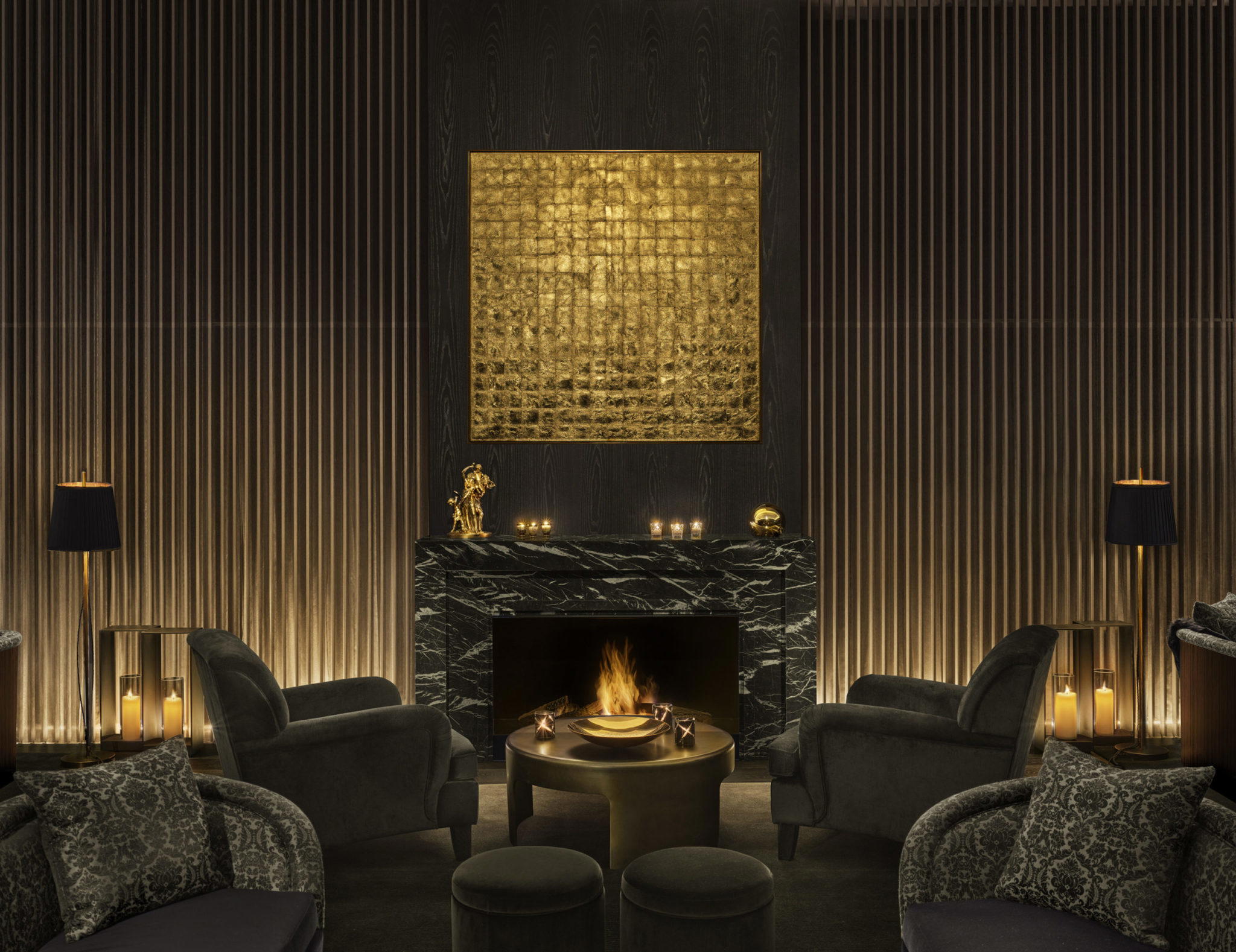
Described as a stylish yet cozy café and dining spot in Hibiya OKUROJI, with a relaxed atmosphere suited to casual meals, coffee breaks, and gatherings of guests with varied dietary preferences.