
SOI maruyama places Thai cooking inside Sapporo’s Maruyama dining culture, where spice, curry, hot pot and Hokkaido produce meet a neighbourhood that often rewards smaller, specialist rooms. Its Tabelog 100 Asian cuisine / Ethnic cuisine EAST 2024 selection gives it a clear signal in a city better known to visitors for sushi, ramen and soup curry.
Pearl is the En Primeur Club membership app — saves, bookings, and concierge access live there. Same editors, same standards.
- Address
- 北海道札幌市中央区南2条西24-2-1 裏参道24ビル 1F
- Phone
- +81112138889
- Website
- tabelog.com
 Saves & bookings on Pearl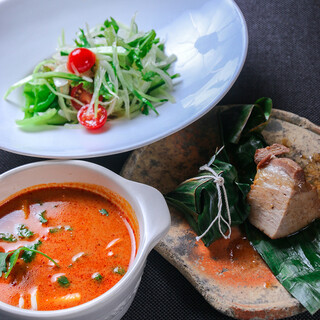
Approaching Maruyama from the park side, Sapporo feels less like the neon shorthand for northern Japan and more like a residential dining district with serious habits: bakery queues, curry regulars, sushi counters and small rooms where evening trade is local before touristic. SOI maruyama belongs to that quieter current. The setting matters because Thai food in Hokkaido is not competing only with other Thai rooms; it is negotiating with diners who already understand broth, spice, rice, seafood and winter appetite through their own food culture.
That makes the category more interesting than a simple ethnic-dining label. Thai cooking in Japan is often flattened into crowd-pleasers, while Sapporo adds another pressure: ingredients and seasonality carry unusual weight. Hokkaido produce has a strong identity, and the restaurant’s public positioning around Thai cooking with a Hokkaido angle gives the format a local grammar rather than a direct import model. The listed categories, Thai, nabe and curry, show how Japanese diners read the room: at the intersection of Southeast Asian seasoning, communal hot-pot logic and the curry culture that runs deep across the city.
Thai heat filtered through a Hokkaido pantry
The useful way to read SOI maruyama is not as a theme restaurant but as part of Sapporo’s broader appetite for spice. Visitors often think first of miso ramen or seafood, but the city has long made room for curry in several forms, from soup curry to specialist Indian-style shops and Japanese curry counters. In that context, Thai curry and herb-driven cooking do not feel like imported novelty; they join a local conversation about heat, aroma and comfort.
The menu identity is broad rather than temple-like: Thai cooking, nabe and curry share the billing, with fish and health-conscious options among the food signals. That range is useful in Sapporo, where dining groups often mix generations, spice tolerances and drinking habits. The drink list points the same way, spanning sake, shochu, wine and cocktails rather than forcing a narrow pairing script. For a city that values izakaya flexibility and serious produce sourcing, the hybrid vocabulary makes sense.
2024 Tabelog 100 Asian cuisine / Ethnic cuisine EAST selection gives the room its clearest external marker. Tabelog’s Hyakumeiten lists are not Michelin in structure, but in Japan they offer a useful read on category strength, especially outside the internationally over-covered fine-dining circuit. A 3.54 Tabelog score places the restaurant in a credible local-review bracket without implying a luxury tasting-menu posture. Its relevance comes from category discipline at neighbourhood scale, not imported fine-dining theatre.
Maruyama's smaller rooms reward specificity
Maruyama is one of Sapporo’s better districts for eating with intention. It has enough residential wealth to sustain polished dining, enough distance from the station core to avoid pure visitor traffic, and enough variety to make one meal feel consequential. At one end, sushi rooms such as Sushi Kai and Sushisai Wakichi signal the city’s high-spend seafood culture. At another, places like MATALE Maruyama ten sit closer to everyday pricing. SOI maruyama occupies a different lane: not the ceremonial sushi counter, not the quick curry stop, but a compact Thai-led room with enough range for lunch, dinner, groups and repeat local use.
That position matters because Sapporo planning can become too seafood-heavy. The cold climate and agricultural hinterland produce a wider table than crab, uni and ramen alone. Thai cooking, handled with local ingredients and a Japanese sense of format, offers a sharper lens on how Sapporo eats now: comfort still matters, but so do spice, vegetable freshness, shared dishes and drinking compatibility.
For a wider Sapporo itinerary, the comparison is useful. 175°DENO Tantanmen Sapporo kitaguchi ten speaks to the city’s appetite for chilli and sesame in a faster noodle register, while [Curry Senmon Ten] Maruyama Kyoju., Ajanta Indo Curry Ten and Ajanta Sohonke show how curry culture branches across the city. Aigues Vives belongs to another food mood, but reinforces the point: Sapporo rewards diners who look beyond the obvious winter postcard.
How to place it in a Sapporo eating plan
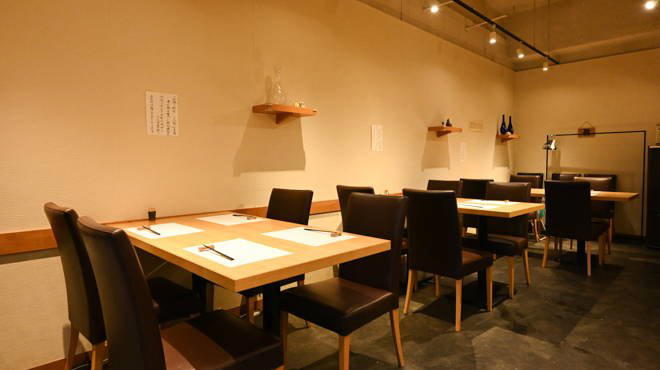
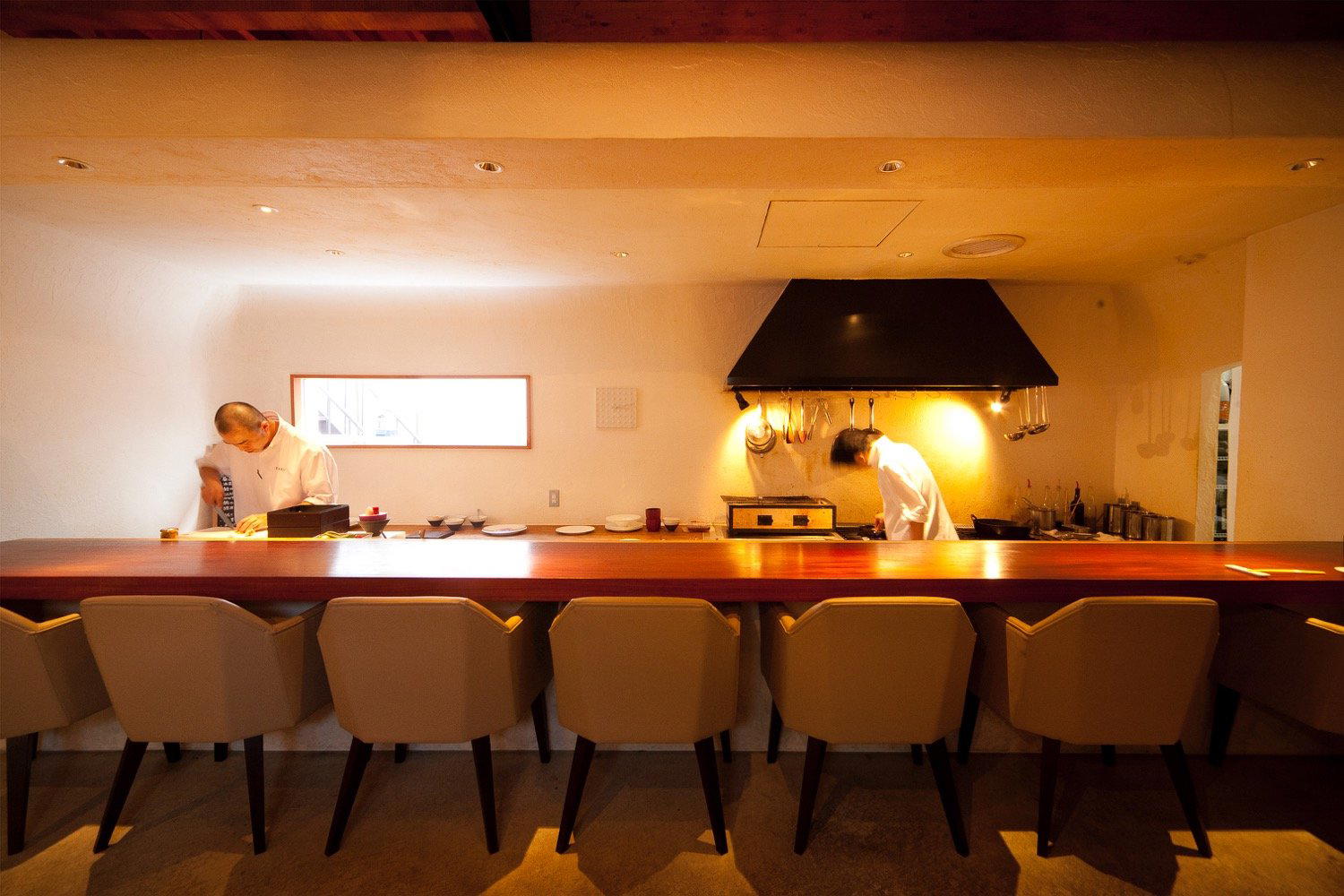
The strongest case for the restaurant is as a meal that breaks the expected sequence. After a sushi counter, ramen lunch or seafood-heavy evening, Thai cooking with curry and hot-pot adjacency gives the trip a different rhythm. The room’s scale, 25 seats, keeps it in the small-restaurant bracket rather than banquet-hall category, while private-room and private-use options point to local social dining as much as destination eating. The June 2024 reopening adds a temporal marker: this is not a static old address coasting on familiarity, but a current participant in the city’s post-pandemic dining reset.
Maruyama also works as a neighbourhood cluster. It pairs naturally with a slower afternoon around the park and side streets, then dinner without returning to the station grid. Travellers building a broader plan can use Our full Sapporo restaurants guide for sequencing, while Our full Sapporo hotels guide, Our full Sapporo bars guide, Our full Sapporo wineries guide and Our full Sapporo experiences guide keep the evening from becoming a single-address exercise.
Outside Sapporo, the comparison set is less about cuisine than how Japanese dining formats travel across cities. -Grilled beef Sukiyaki- KAMAKURA TANUKIAN 鎌倉 たぬき庵 in Kamakura shows another comfort-led Japanese format built around shared appetite, while. 鮪と炭火焼き うお炭 秋葉原店 in Tokyo sits closer to urban seafood-and-grill drinking culture..cafe in Osaka.know in Kumamoto, (Shoku) Vietnam in Kawasaki, [ki:] in Kyoto, Jōdo Saké Bar in Los Angeles and Onigiri Time in Pasadena widen the lens on how Japanese, Asian and Japanese-influenced casual formats are read across different cities.
The editorial call is clear: place this meal where it can do cultural work. It is not a replacement for Sapporo’s sushi or ramen traditions, and should not be treated as a detour from them. It is evidence that the city’s dining identity is broader, warmer and more spice-literate than the standard visitor itinerary admits.
A Pricing-First Comparison
Comparable options at the same price tier.
| Venue | Cuisine | Price | Notes |
|---|---|---|---|
| SOI maruyamaThis venue — the venue you are viewing | Chūō, Thai with Hokkaido Ingredients | $$ | Not listed |
| STEAK&HAMBURG HIGE Sapporo minami 5 jou honten | Chūō, Hamburg steak & steak teppanyaki | $$ | Not listed |
| Curry Kong | Chūō, Japanese Soup Curry | $$ | Not listed |
| Teishoku Meshiya | Not listed | $$ | Chūō, Casual Japanese seafood bowls & shio ramen |
| The Bar Nano Femto | Chūō, Cocktail Bar | $$ | Not listed |
| Soup Curry GARAKU Sapporo honten | Chūō, Sapporo soup curry | $$ | Not listed |
Recognition history
Dated appearances from independent guides and award organizations, with the underlying list record or original source where available.
Tabelog 100 #97 · No. 97
Tabelog · Tabelog 100 - Asian cuisine / Ethnic cuisine - EAST - 2024


At a Glance
- Trendy
- Cozy
- Modern
- Family
- Group Dining
- Casual Hangout
- Date Night
- Celebration
- Late Night
- Private Dining
- Terrace
- Standalone
- Beer Program
- Local Sourcing
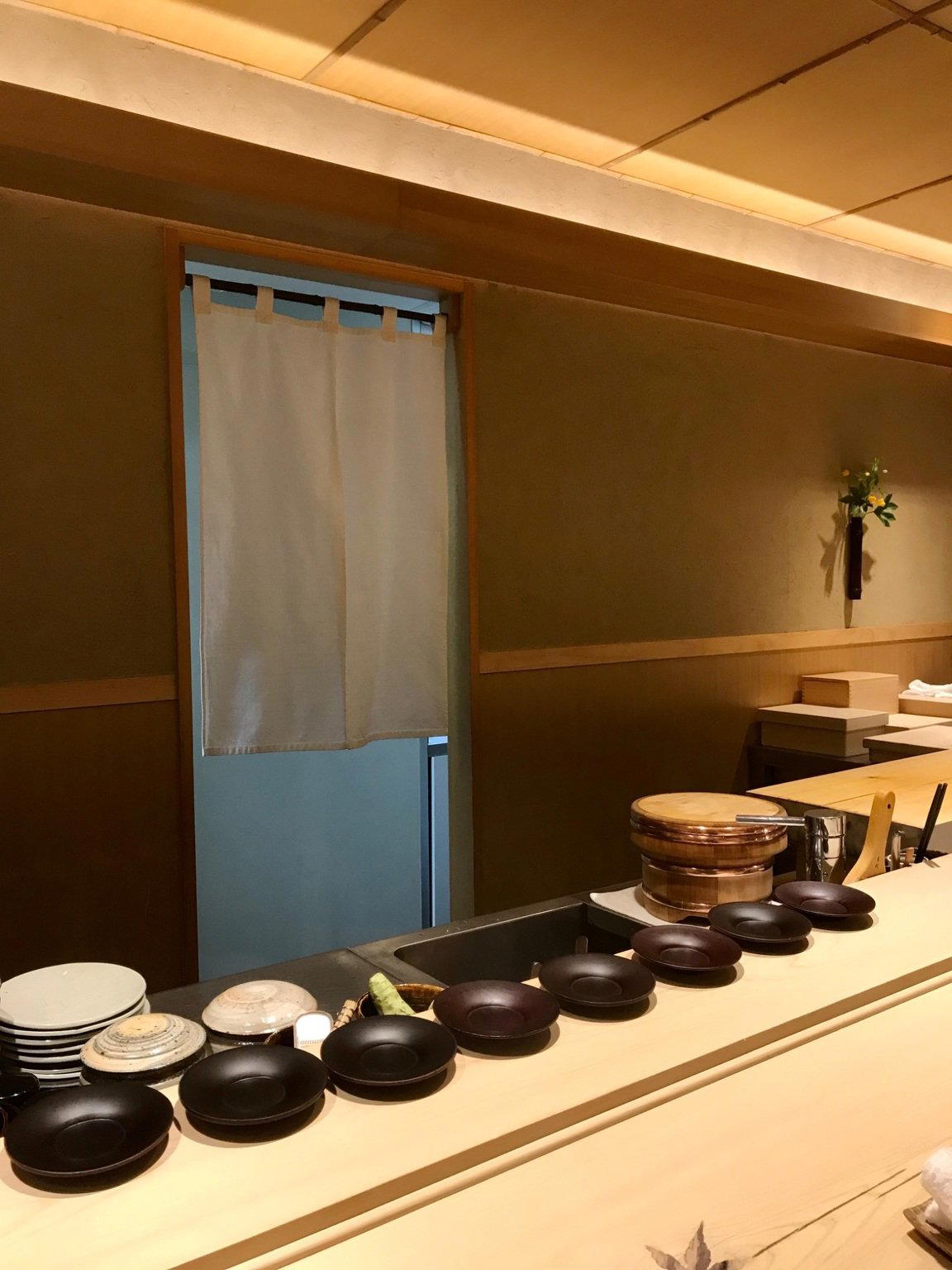
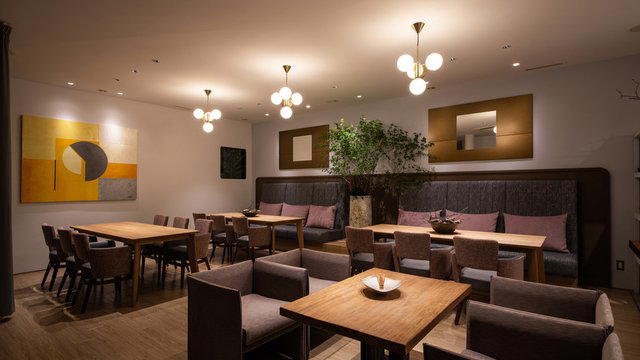
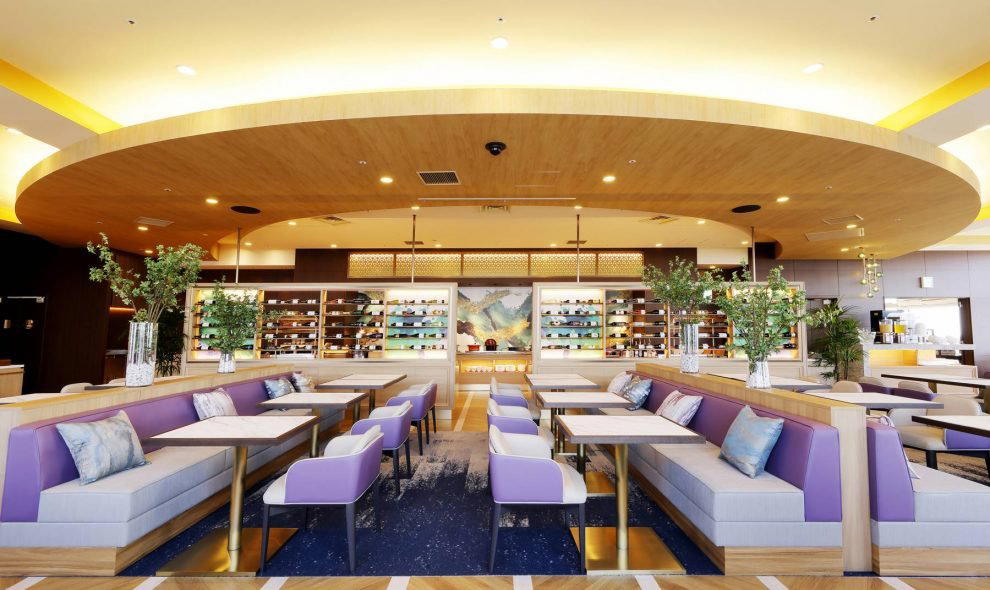
Stylish yet relaxed hideout atmosphere with spacious seating, counter and sofa seats, and an open terrace, suited to both casual family meals and cozy gatherings over drinks.