Sofra occupies a quiet address on Märzstraße in Vienna's 15th district, a neighbourhood where Middle Eastern and Balkan food cultures have shaped the local eating scene for decades. The restaurant sits at the intersection of those traditions, drawing a regular crowd that values substance over spectacle. It belongs to a stratum of Vienna dining where the surrounding community, not the award circuit, sets the standard.
Pearl is the En Primeur Club membership app — saves, bookings, and concierge access live there. Same editors, same standards.
- Address
- Märzstraße 48, 1150 Wien, Austria
- Phone
- +4366499624669
- Website
- sofra1150.at
- Directions
- Get directions
 Saves & bookings on Pearl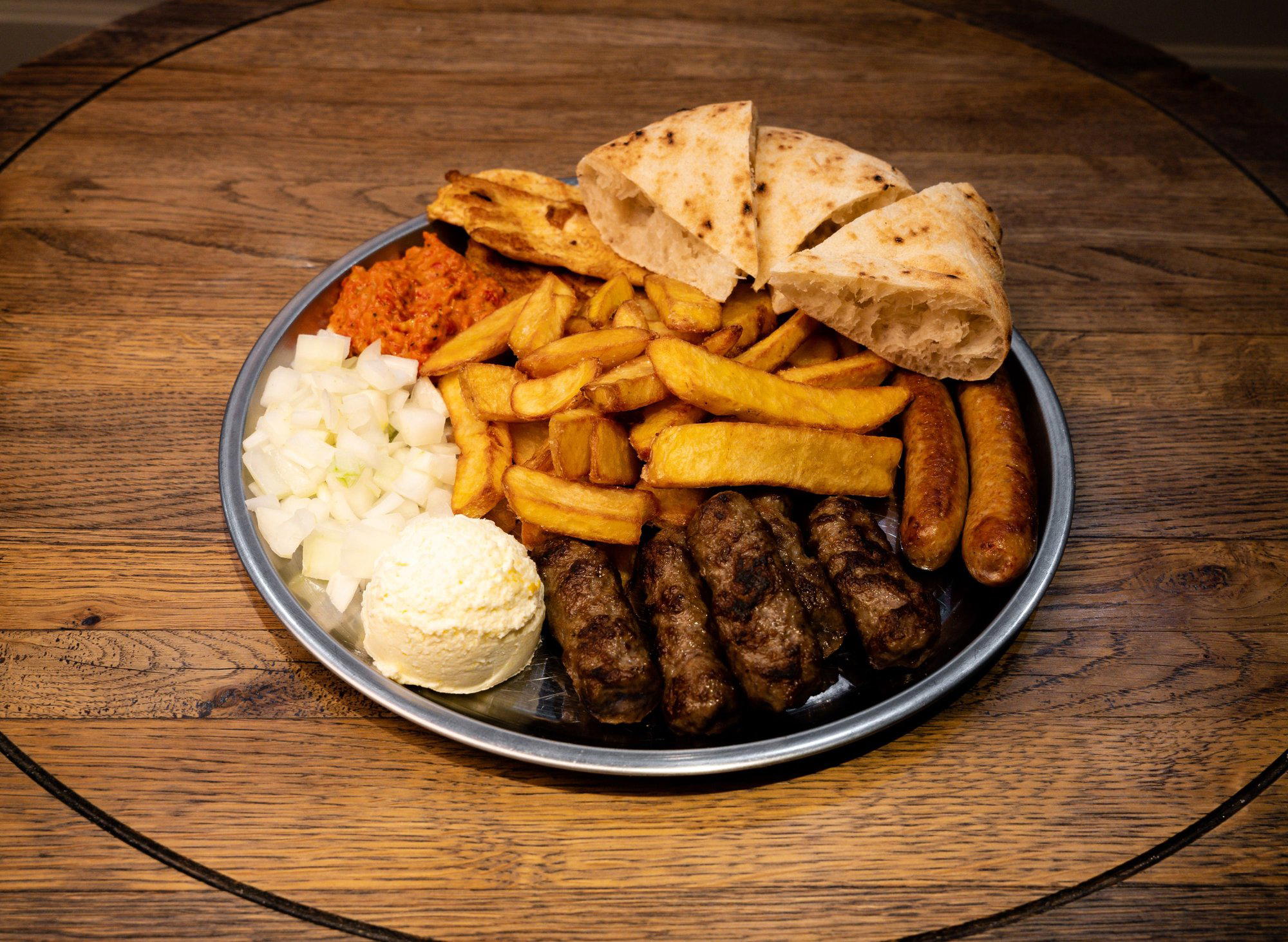
Vienna's 15th District and the Quiet Case for Neighbourhood Dining
Vienna's restaurant conversation defaults to the inner districts: the grand Ringstrasse institutions, the Michelin-tracked counters in the first and third bezirk, the tasting-menu rooms where a meal runs north of €150 per head. What that conversation tends to skip is the 15th district, Rudolfsheim-Fünfhaus, where Sofra serves authentic Turkish food at a casual, recommended, mid-priced address. Märzstraße, the street where Sofra sits at number 48, is the commercial spine of a neighbourhood shaped by successive waves of migration from Turkey, the Balkans, and the broader Middle East. The food culture that followed is less documented than the inner-city scene but, in its own way, more consistent: fewer chefs chasing trends, more cooks cooking what they know.
That context matters when placing Sofra. The restaurant does not position itself against Steirereck im Stadtpark or Amador. It competes on entirely different terms: neighbourhood trust, daily relevance, and the kind of repeat custom that accrues when a kitchen feeds the same families week after week. The comparable set here is not the €€€€ tier occupied by Konstantin Filippou or Mraz & Sohn. It is the much larger, much less photographed category of Vienna eating that the city's food media rarely covers with the same depth.
The Sustainability Logic Built Into Neighbourhood Kitchens
One of the more underappreciated arguments for neighbourhood restaurants in dense urban districts is the environmental one. Kitchens that serve a local catchment operate on short supply loops by necessity. Ingredients travel shorter distances from the wholesale markets on Brunnenmarkt and Naschmarkt to a Märzstraße address than they would to a destination restaurant in the first district drawing guests from across Europe. The carbon arithmetic is different when your customers walk rather than fly.
In Middle Eastern and Turkish cooking traditions, the structural approach to food waste is also worth noting. These are cuisines built on whole-animal and whole-plant thinking long before sustainability became a restaurant marketing category. Offal dishes, pulse-heavy mezze, slow-cooked cuts that Western fine dining once dismissed: these are not concessions to a low-waste philosophy but expressions of it, practiced for centuries out of economic necessity and cultural habit. A kitchen working in this tradition is not retrofitting sustainability onto a French brigade system. It is operating from a base that already minimises waste as a matter of form.
That distinction separates this tier of neighbourhood dining from the high-profile sustainability operations at, say, Doubek or the farm-to-table declarations now appearing on tasting menus across Austria. At Kräuterreich by Vitus Winkler or Landhaus Bacher, sustainability is a deliberate programme, announced and audited. In a neighbourhood kitchen on Märzstraße, it is structural and largely unremarked upon.
Where Sofra Sits in the Vienna Eating Map
Vienna has a well-established fine-dining tier: the Michelin two-star rooms, the creative Austrian kitchens, the tasting-menu formats that compete on a European scale. Ikarus in Salzburg and Döllerer in Golling an der Salzach represent the Austrian end of that ambition. Below that tier, and largely invisible to the international food press, sits a broad middle band of restaurants doing specific, culturally rooted cooking for local audiences. Sofra belongs to this band.
That placement is neither a criticism nor a consolation. Particularly instructive eating in any city happens in this register. The restaurant is not trying to enter the conversation occupied by Obauer in Werfen or Griggeler Stuba in Lech. It is doing something categorically different: feeding a neighbourhood with familiar food, at accessible prices, with the consistency that earns long-term loyalty. The guest who visits once from a hotel in the first district and the regular who comes twice a week are having different experiences of the same kitchen, and both are valid.
For visitors exploring Vienna's eating scene beyond the inner-city circuit, the 15th district offers a clear cross-section of how the city actually eats.
The Rudolfsheim-Fünfhaus Food Scene as a Model
The broader neighbourhood dynamic around Sofra's address is worth understanding for anyone interested in how cities develop eating cultures organically. Rudolfsheim-Fünfhaus has the kind of food density that forms when communities with strong culinary traditions settle in proximity: Turkish grills, Bosnian burek shops, Iranian grocers, Balkan bakeries. Märzstraße functions less like a curated dining street and more like an active food ecosystem, where the leading eating tends to come from places that have survived by merit rather than by positioning.
That survival logic produces a different kind of quality signal than a Michelin rosette. It is measured in repeat custom, in queues at lunch on a Tuesday, in the fact that people who live within walking distance choose this place over its immediate competitors. For a visitor accustomed to using award tiers as proxies for quality, this requires a different calibration, one that restaurants like Ois in Neufelden and Schwarzer Adler in Hall in Tirol have navigated in their own regional contexts.
The contrast with globally recognised rooms is instructive. Le Bernardin in New York City and Atomix operate in a register where every detail is documented, reviewed, and debated. Sofra operates in the register where documentation is thin and the signal-to-noise ratio is almost entirely local. Neither model is inherently superior. They serve different purposes and different audiences.
For those covering Austrian dining beyond the capital, the comparison set extends naturally to Restaurant 141 by Joachim Jaud in Mieming and Gourmetrestaurant Tannenhof in Sankt Anton am Arlberg, both of which serve locally embedded audiences with a similarly low appetite for external validation.
- Address: Märzstraße 48, 1150 Wien, Austria
- District: 15th Bezirk (Rudolfsheim-Fünfhaus)
- Price tier: Neighbourhood pricing, accessible relative to inner-district dining
Cuisine and Recognition
Comparable venues nearby, for context on price, style, and recognition.
| Venue | Cuisine | Price | Notes |
|---|---|---|---|
| SofraThis venue — the venue you are viewing | Authentic Turkish | $$ | Not listed |
| Diwan Holzkohlegrill | Turkish Charcoal Grill | $$ | Rudolfsheim |
| The Kent | Modern Turkish Mezze | $$ | Innere Stadt |
| Köfteci | Turkish Köfte Street Food | $$ | Favoriten |
| Sems Inegöl Köfte | Traditional Turkish Inegöl Köfte | $$ | Prater |
| Nalin KeepUp | Turkish Döner and Kebab | $ | Dornbach |
Continue exploring
More in Vienna
Restaurants in Vienna
Browse all →
![[aend] restaurant in Vienna](https://cdn.enprimeurclub.com/storage/v1/object/public/images/locations/recsVyRkMfzCxPmp0/hero2.jpg?width=3840&quality=75)
Bars in Vienna
Browse all →

Hotels in Vienna
Browse all →
At a Glance
- Cozy
- Rustic
- Intimate
- Date Night
- Casual Hangout
Current opening hours
- Monday
- 9 AM–9 PM
- Tuesday
- 9 AM–9 PM
- Wednesday
- 9 AM–9 PM
- Thursday
- 9 AM–9 PM
- Friday
- 9 AM–9 PM
- Saturday
- 9 AM–9 PM
- Sunday
- 9 AM–9 PM
Hours can change for holidays and private events. Last verified .
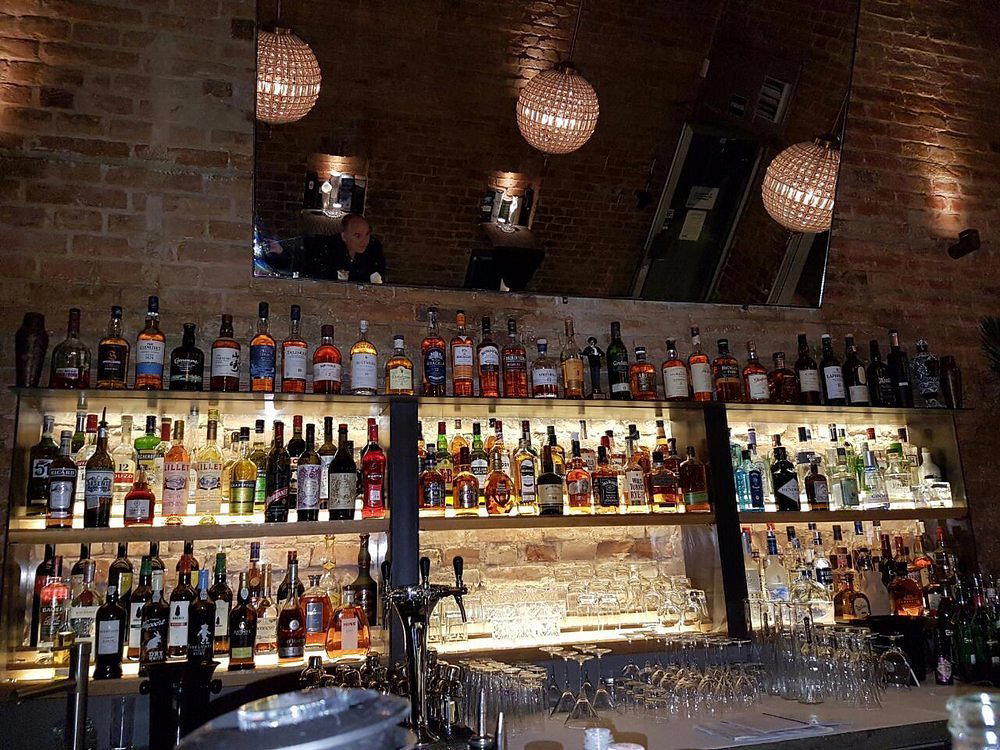
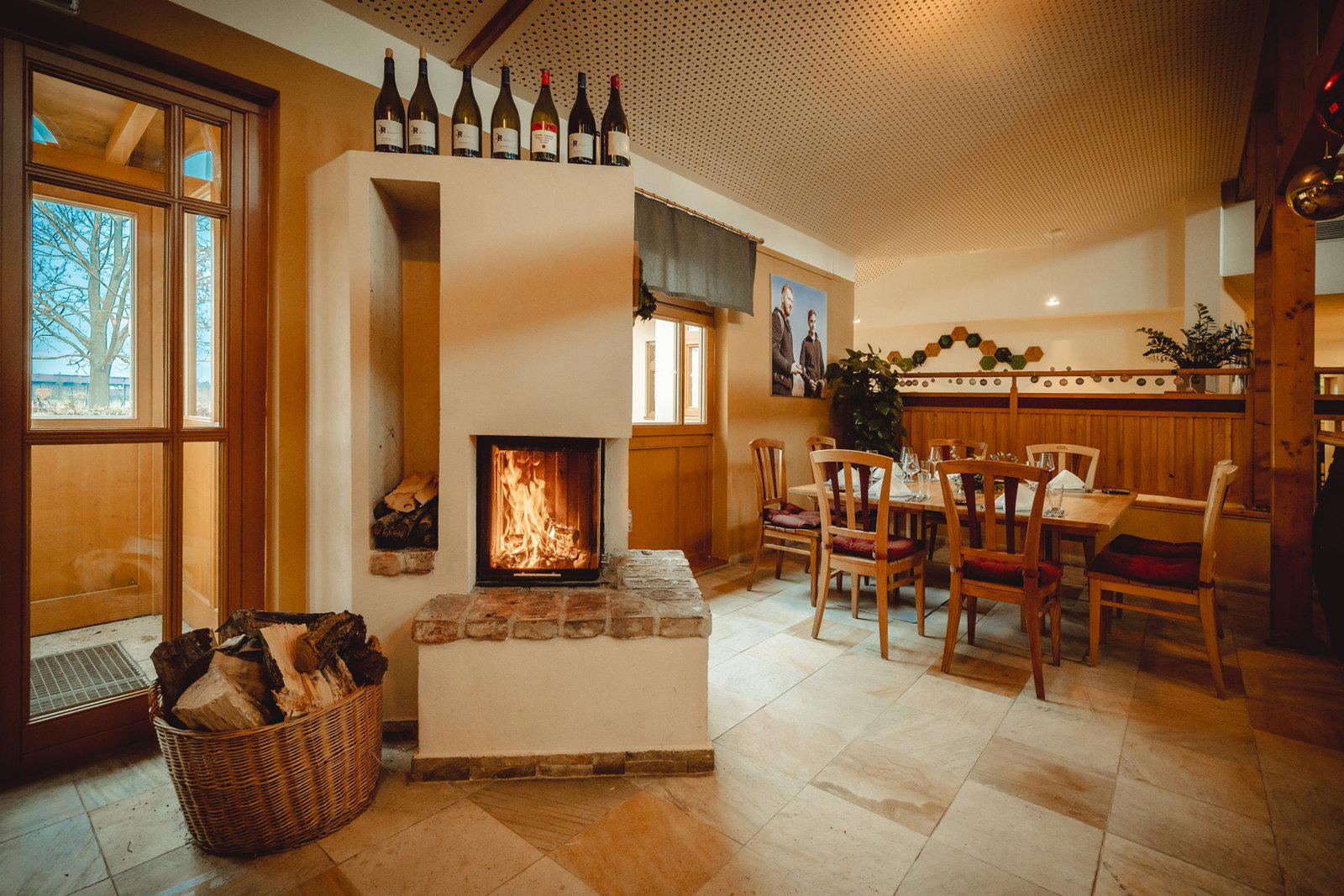
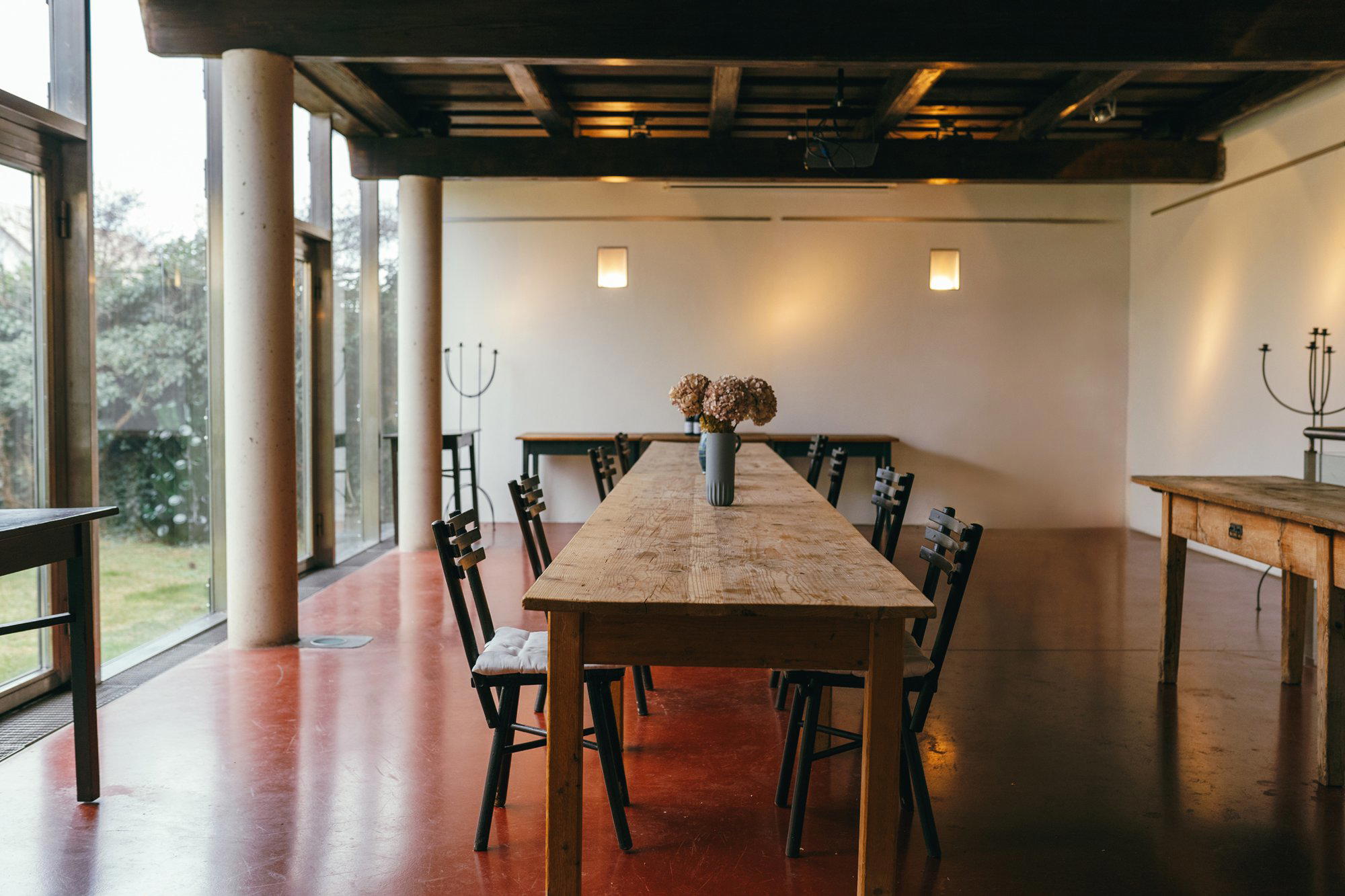
Rustic yet elegant decor with exposed brick walls, wooden tables, and dim lighting creating a cozy and intimate atmosphere.