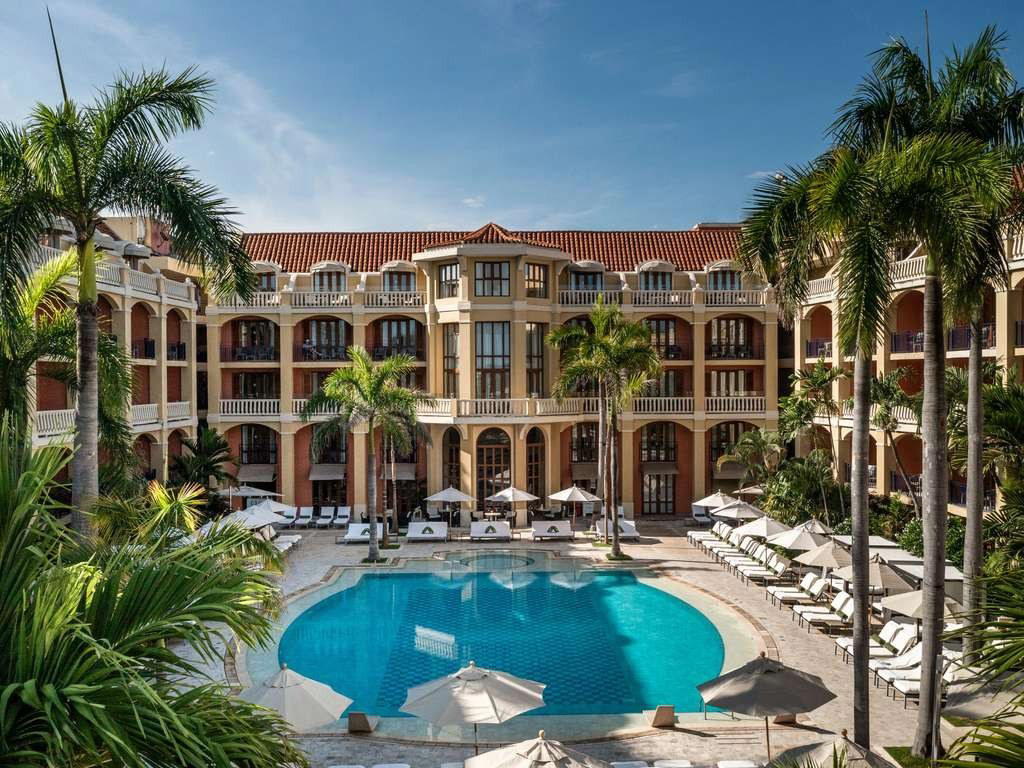
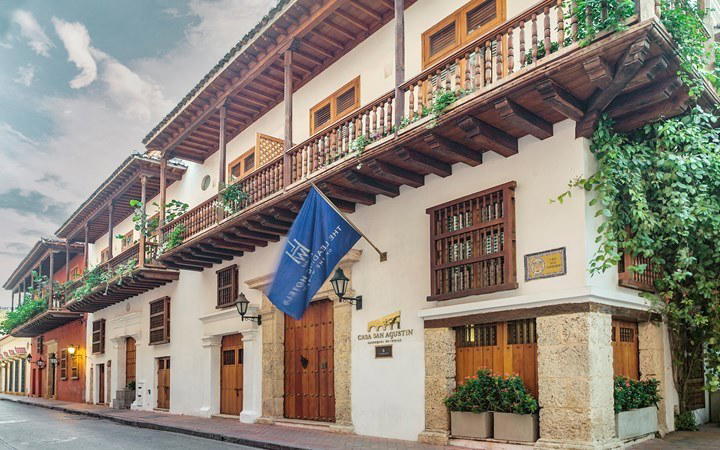
The Sofitel Santa Clara occupies a restored 17th-century convent in Cartagena's San Diego neighbourhood, placing it within walking distance of the walled city's most significant colonial architecture. The property sits in the upper tier of Cartagena's heritage hotel market, where converted historic buildings command a premium over new-build alternatives. Guests looking for context alongside comfort will find the address hard to argue with.
 Discover on Pearl
Pearl is the En Primeur Club membership app — saves, bookings, and concierge access live there. Same editors, same standards.
- Address
- Calle Del Torno #39-29, San Diego, Cartagena de Indias, Cartagena, Cartagena de Indias, Bolívar, Colombia
- Phone
- +57 605 6504700
- Website
- sofitel.accor.com
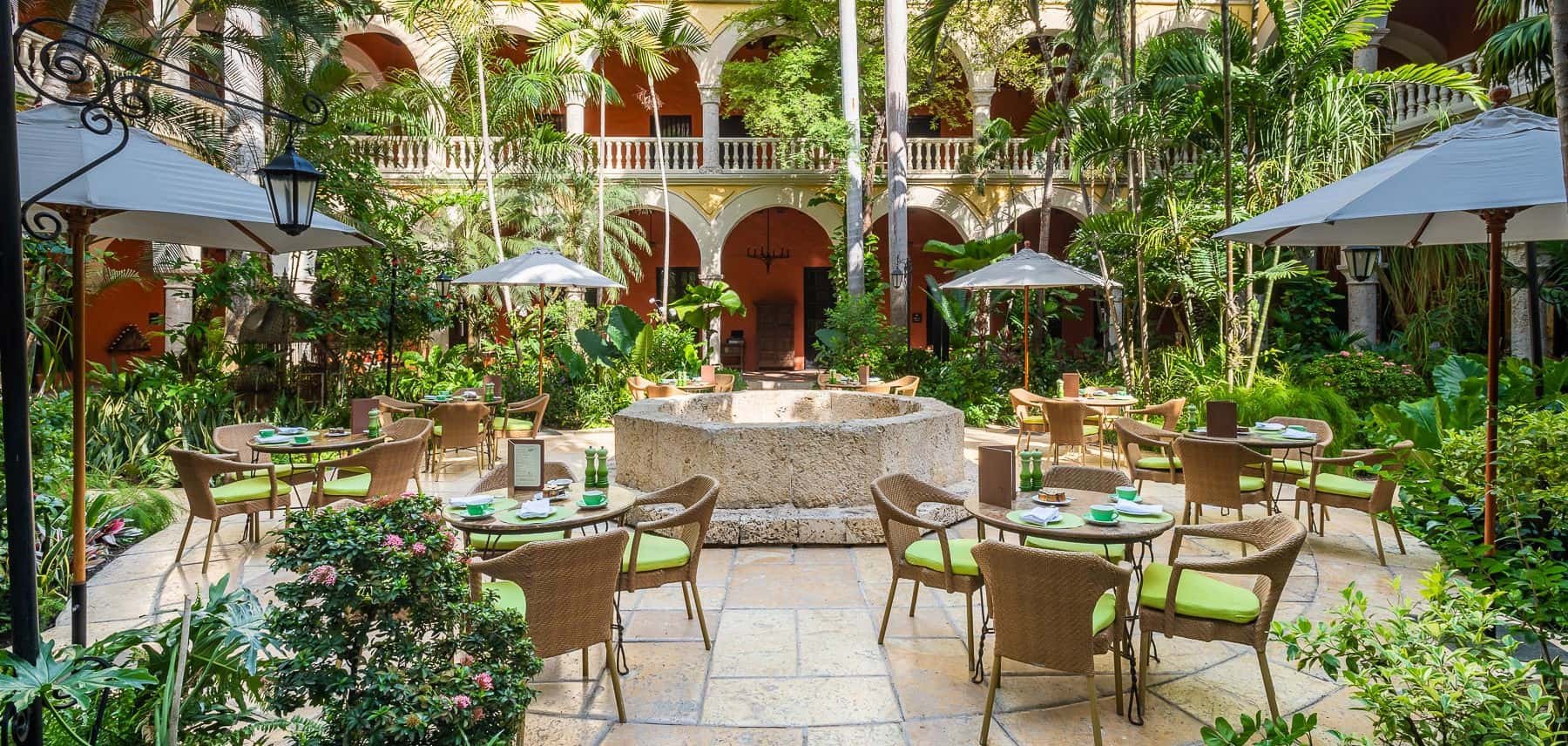
A Convent Converted: Heritage Hotels and the Cartagena Premium
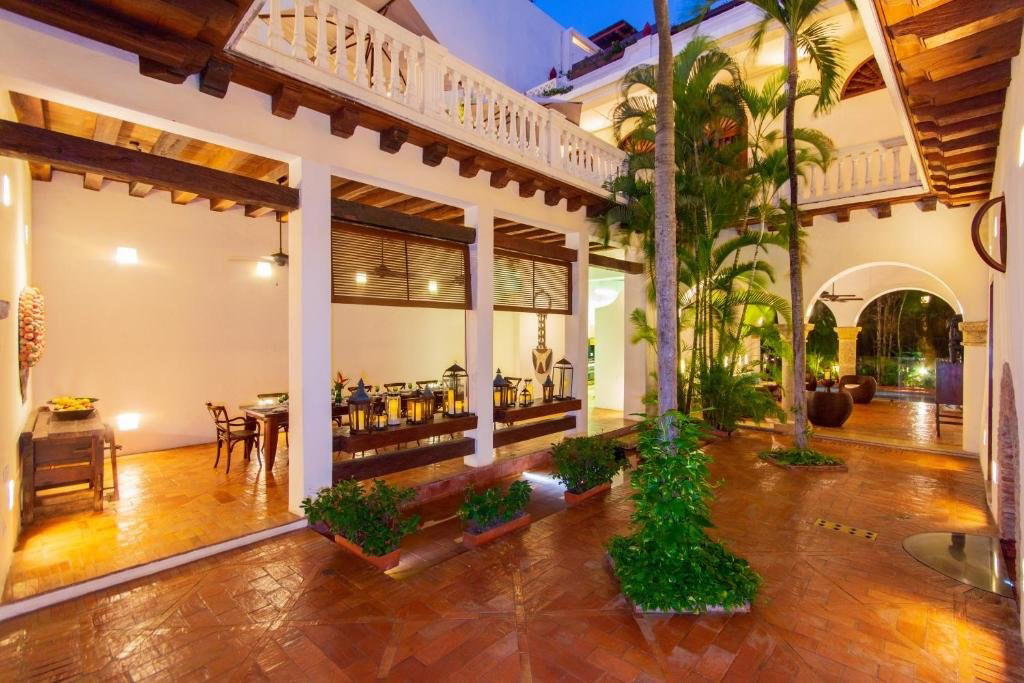
Cartagena's high-end accommodation market has organised itself around a clear fault line: new-build properties in Bocagrande trading on sea views and modern amenity packages, versus converted colonial structures inside and adjacent to the walled city trading on architectural weight. The Sofitel Santa Clara belongs firmly to the second category. The building was a functioning Franciscan convent from the 17th century, and the bones of that history are present at ground level in a way that no amount of decorative stonework can replicate in a purpose-built hotel. Wide stone corridors, interior garden courtyards, and ceiling heights drawn from ecclesiastical rather than hospitality logic give the property a physical character that sets the terms of the stay before any service element comes into play.
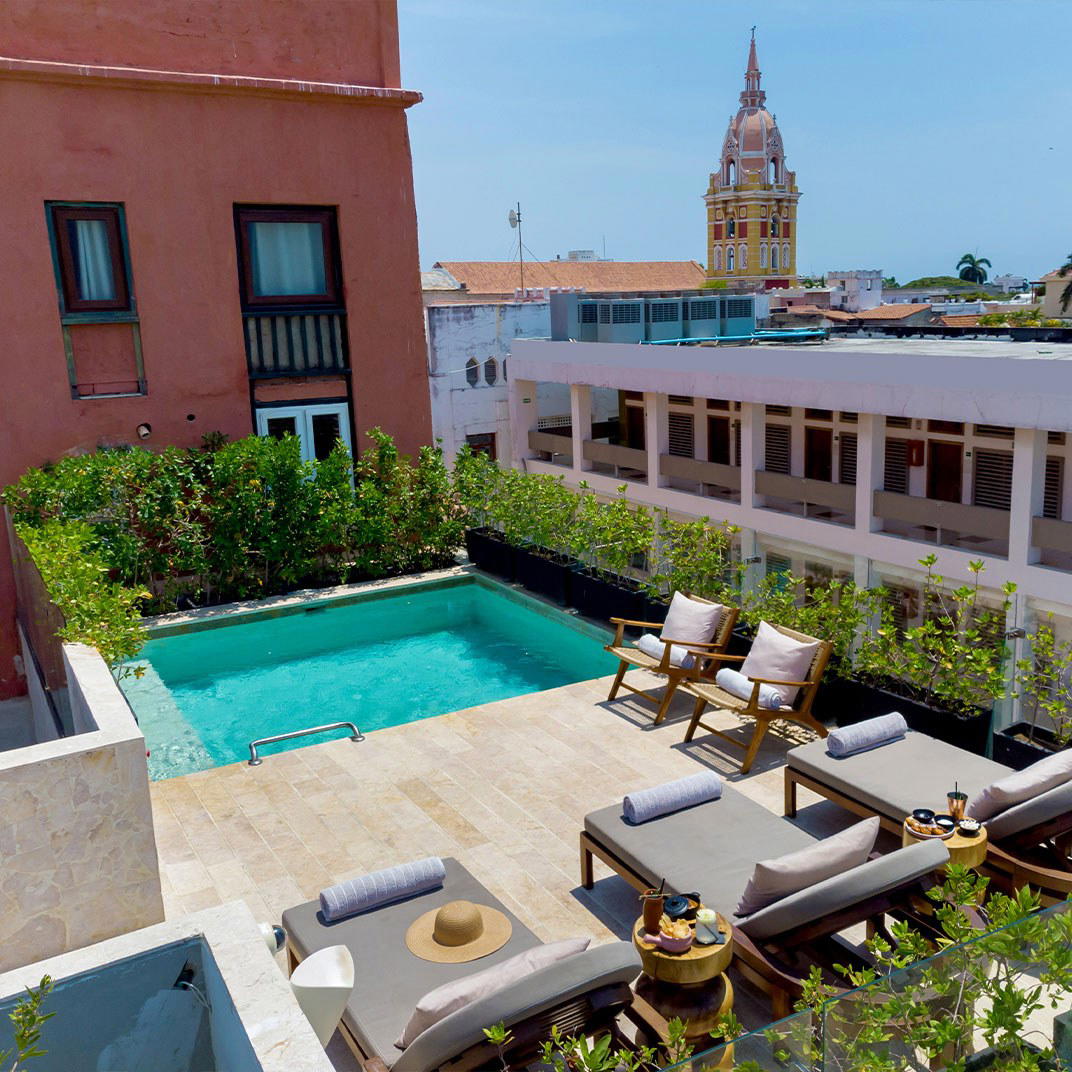
The address on Calle Del Torno places the hotel in the San Diego district, which sits inside the old city walls and functions as the quieter, more residential counterpart to the commercial bustle of the Centro neighbourhood. San Diego is walkable to the Clock Tower and the main plazas but insulated enough from them that the hotel's immediate surroundings read as neighbourhood rather than tourist corridor. For travellers orientating themselves in Cartagena for the first time, the location provides an entry point into the walled city's street logic in a way that staying outside the walls does not.
The Colonial Hotel Format and What It Demands of Its Staff
Operating a converted heritage property at the upper end of the market requires a specific kind of front-of-house intelligence. The physical plant does much of the heavy lifting in terms of first impressions, but a building that impressive also raises guest expectations for the service layer to match. In properties of this type across Latin America, the gap between architectural ambition and operational delivery is where reputations are made or quietly eroded. The Sofitel brand's integration into this particular building represents a bet that international service standards and a deeply local architectural identity can coexist without one flattening the other.
That tension is most visible in the dining and bar operations, where the question is whether the team's knowledge of Colombian ingredients, Caribbean drinking culture, and the city's culinary references is deep enough to hold a conversation with guests who have done serious research before arriving. Cartagena's dining scene has matured considerably over the past decade. The comparison venues operating in the modern Colombian and Colombian fusion categories, including AniMare and the 1621 The Restaurant, have raised the baseline expectation for what a serious plate of Colombian food looks like in this city. A hotel dining program that wants to remain relevant to that conversation needs front-of-house staff who can speak to the cuisine with the same fluency as the kitchen.
Cartagena's Dining Scene as Context
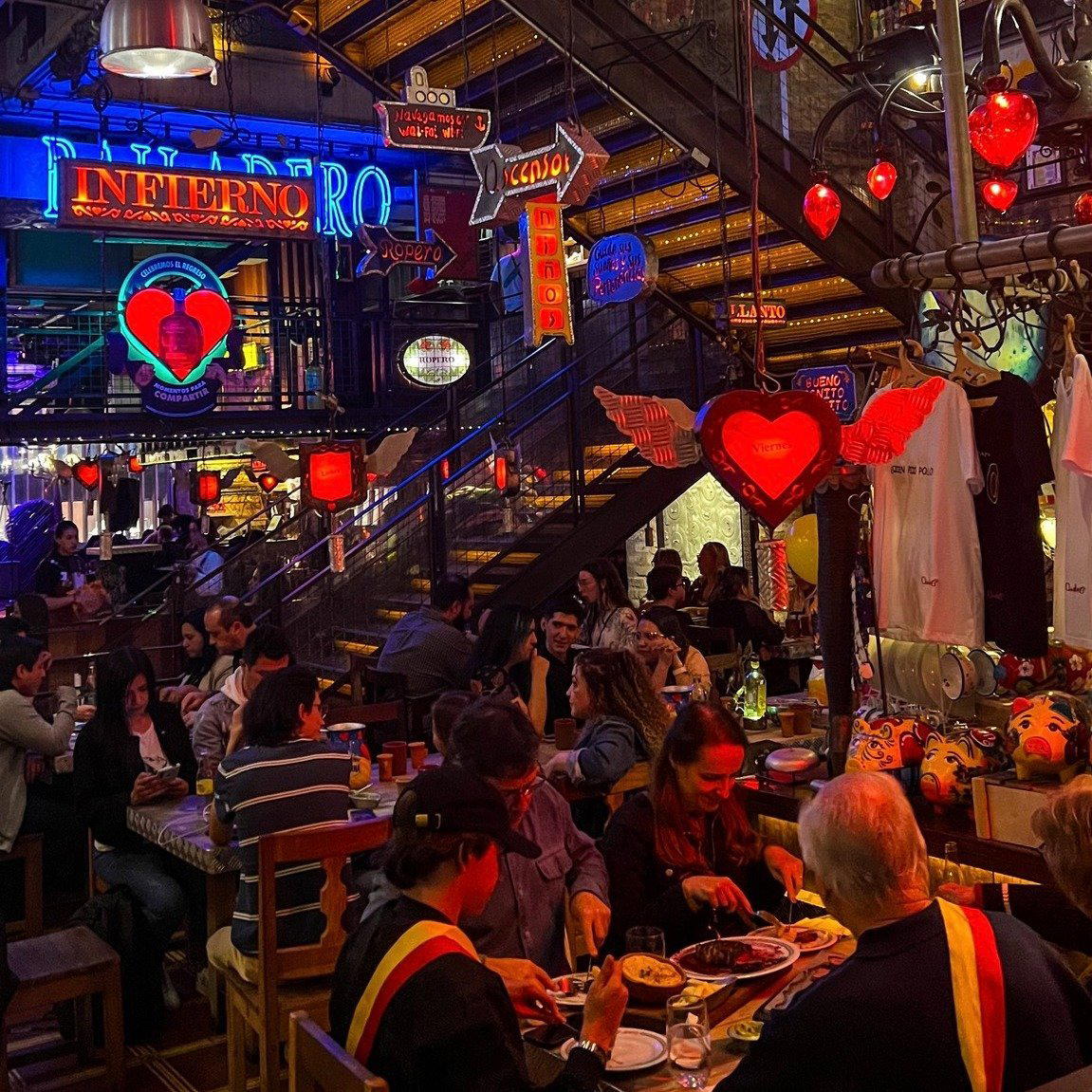
Understanding where a hotel restaurant sits in a city's broader dining picture matters more in Cartagena than in many comparable destinations, because the independent restaurant scene here has developed a genuine identity rather than simply serving visitor appetite. Andres Carne de Res operates with a scale and theatricality that places it in a category of its own, while Canales 5 Brasserie Moderne represents the French-influenced end of the city's more international options. For coffee and pastries, Café Rialto is a useful neighbourhood reference. Guests staying at the Santa Clara who want to eat beyond the hotel have a genuinely strong set of options within walking distance, and the quality of that local scene is relevant to how the hotel's own food and beverage offer needs to position itself.
Colombians travelling from Bogotá or Medellín bring their own reference points. Anyone who has eaten at Debora Restaurante in Bogota or 37 Park in Medellín arrives with expectations shaped by some of the strongest kitchens in the country. The Sofitel's dining program, whatever its current execution, operates against that backdrop. For international guests arriving with fewer domestic reference points, the hotel remains a reliable anchor, but it is not operating in isolation from a competitive field that has been developing in sophistication consistently.
The Collaboration Question in Heritage Hotel Operations
Heritage hotel dining at this level is fundamentally a team effort. The physical environment creates an initial advantage, but sustaining a reputation across multiple meal periods and guest types requires kitchen, floor, and sommelier functions to operate as an integrated unit rather than parallel departments. In properties where the architecture is the lead story, there is a recurring risk that the food and beverage team treats the setting as a reason to under-deliver rather than as a challenge to meet. The hotels that avoid this trap tend to be those where the sommelier's knowledge of Colombian wine alternatives and regional spirits, the front-of-house team's ability to read the room, and the kitchen's command of local ingredients are reinforced by each other rather than existing independently.
Travellers planning time in Colombia's Caribbean coast should also consider the broader regional picture. The BK - BURUKUKA Restaurante Bar in Santa Marta represents a different coastal dining sensibility, and the contrast between the two cities' approaches to seafood and Caribbean ingredients is worth understanding before building a regional itinerary.
Planning Your Stay
The San Diego address on Calle Del Torno #39-29 situates the hotel within the walled city, which means walking access to the main colonial plazas and the clock tower without requiring transport. The neighbourhood is quieter than the Centro at night, making it a reasonable choice for guests who want atmospheric surroundings without the noise levels of the more trafficked areas.
Budget Reality Check
Comparable venues nearby, for context on price, style, and recognition.
| Venue | Cuisine | Price | Awards | Notes |
|---|---|---|---|---|
| Sofitel Santa ClaraThis venue — the venue you are viewing | $$$$ | , | ||
| El Patio del Limonar | Getsemaní, Colombian Breakfast Buffet | $$$$ | , | |
| Restaurante Carmen | $$$$ | , | Walled City, Modern Colombian Caribbean Seafood Fusion | |
| Lobo de Mar | $$$ | , | Centro, Caribbean-Mediterranean Seafood Fusion | |
| Café Rialto | $$ | , | Getsemaní, Colombian Specialty Coffee & Pastries | |
| Pizzas Piccolo Cartagena | Claustro Santo Toribio, Neapolitan Pizza | $$ | , |
Continue exploring
More in Cartagena
Restaurants in Cartagena
Browse all →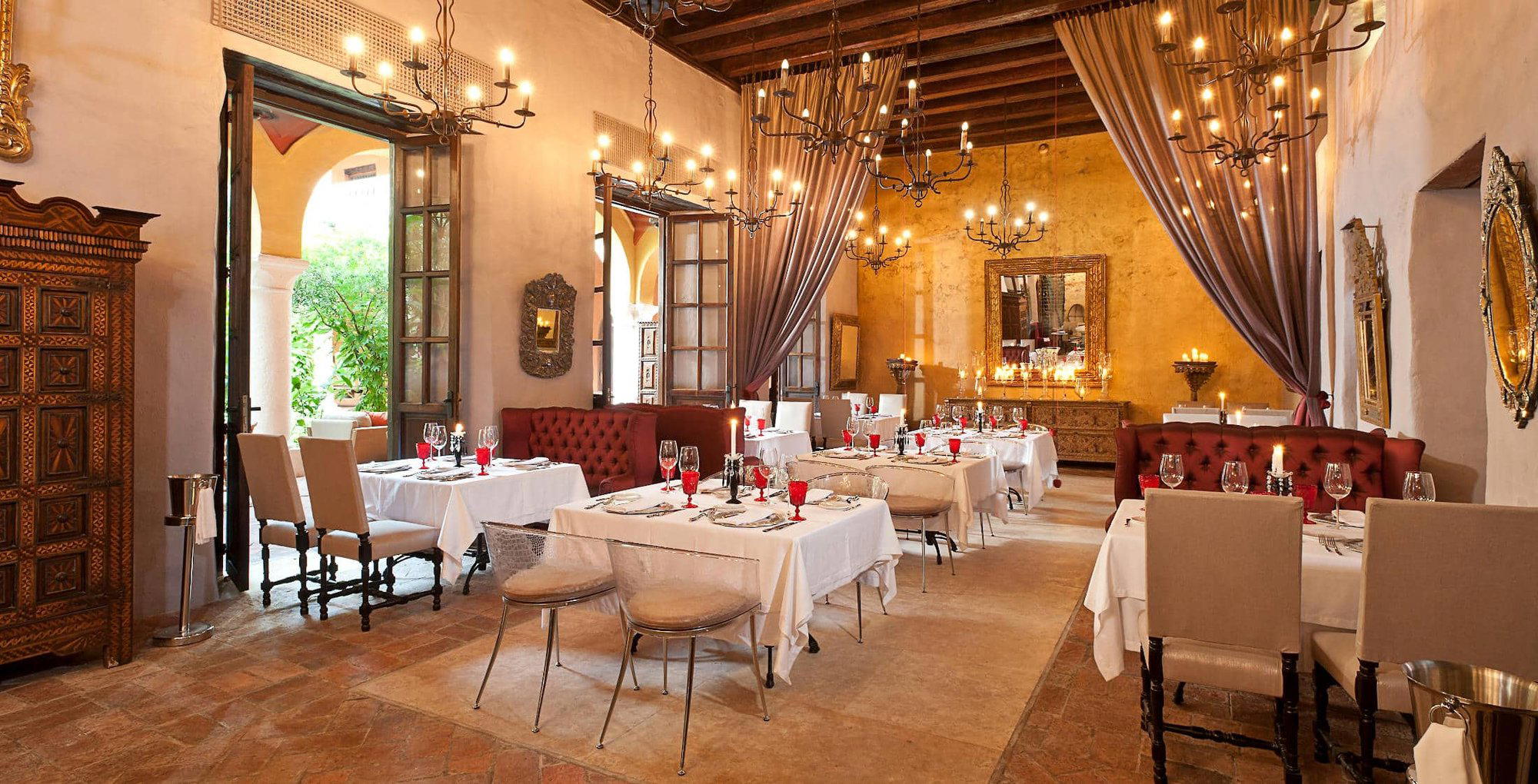
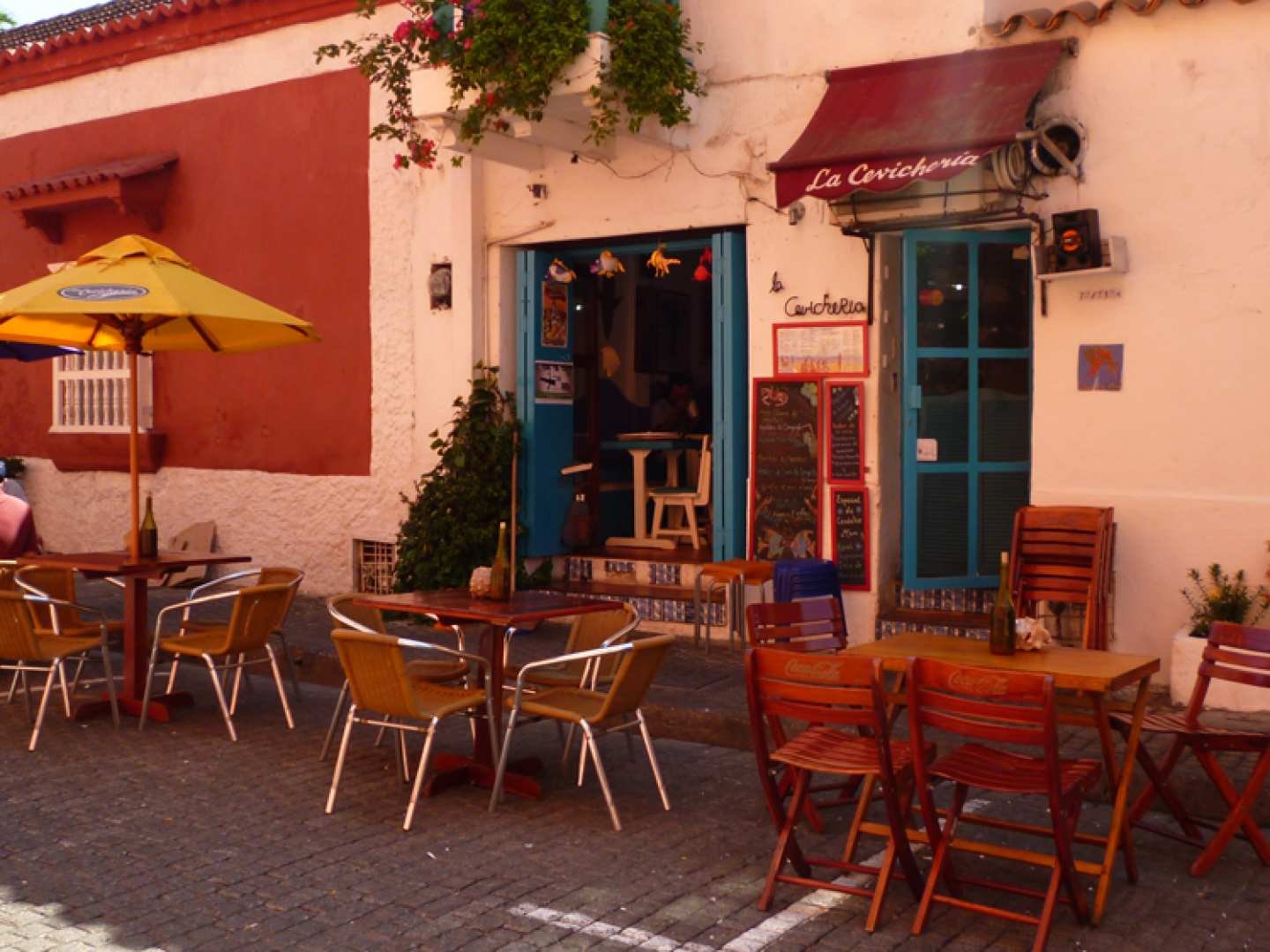
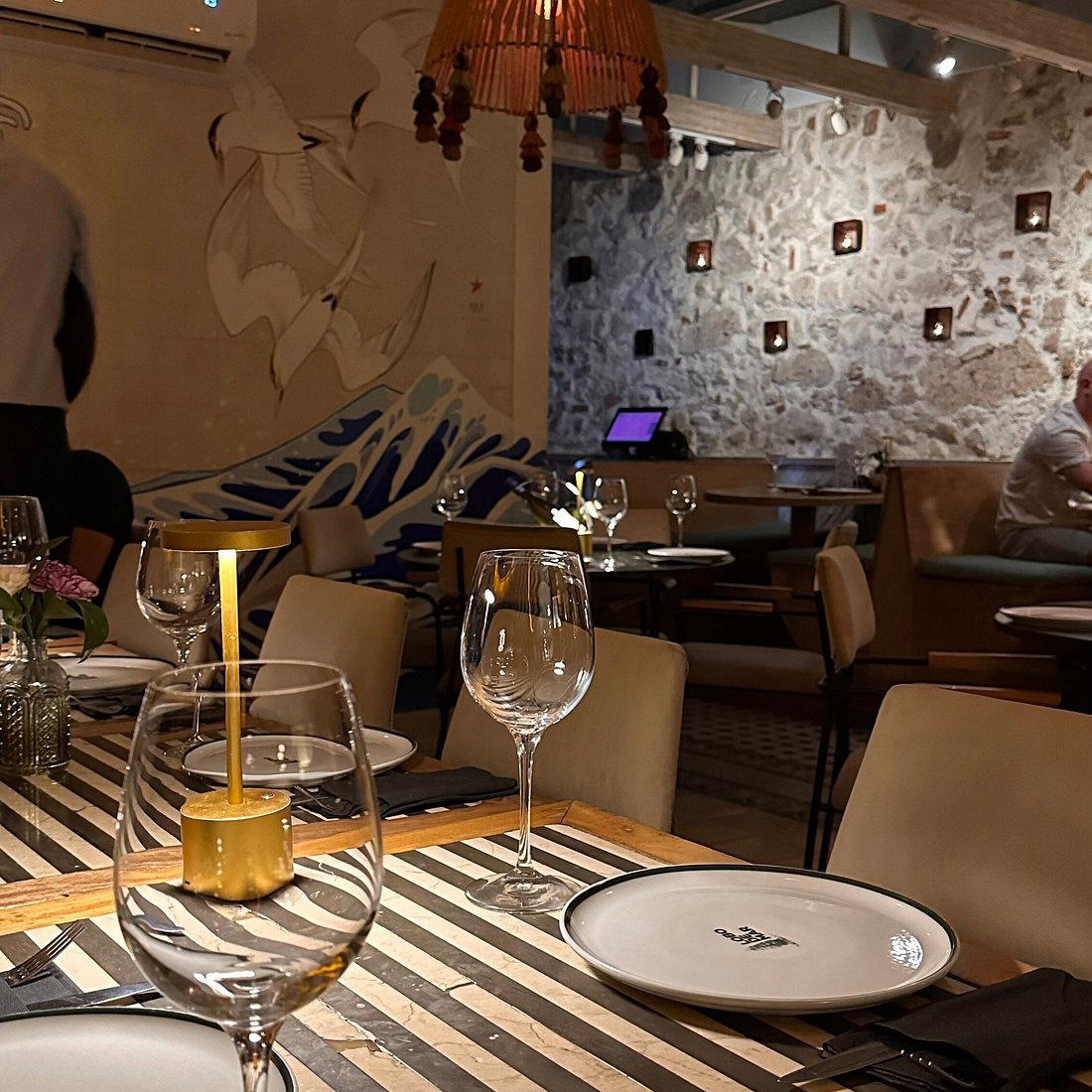
Bars in Cartagena
Browse all →

At a Glance
- Elegant
- Sophisticated
- Historic
- Romantic
- Intimate
- Date Night
- Special Occasion
- Historic Building
- Hotel Restaurant
- Extensive Wine List
- Sommelier Led
- Local Sourcing
- Garden
Charming historic cloister atmosphere with elegant colonial-style setting and personalized service.