SoBo Cafe
Our verdict
SoBo Cafe sits in Federal Hill at 6 W Cross St, a neighborhood cafe that draws on the Chesapeake's larder with cooking methods borrowed from further afield. In a Baltimore dining scene that ranges from Turkish newcomers like dede to the institution-grade refinement of Cindy Wolf's Charleston, SoBo occupies the approachable, ingredient-led middle ground that Federal Hill's residential character demands.

Pearl is the En Primeur Club membership app, where members save venues, book tables and use the concierge.

The menu
What to order
- Korean Chicken Fried Steak
- Dry Rubbed Bavette Steak
- SoBo Famous Crab Dip
- Biscuits and Chipped Beef Gravy
Federal Hill and the Neighborhood Cafe Format
Cross Street in Federal Hill operates as Baltimore's most self-contained dining corridor: a single block where residents walk rather than drive, loyalty is built over years rather than single visits, and the room is judged as much by familiarity as by ambition. SoBo Cafe, at 6 W Cross St, sits squarely inside that dynamic. The approach to a neighborhood cafe of this kind tends to involve a physical environment that signals permanence rather than trend: low ceilings, worn wood, the smell of coffee competing with whatever is coming off the stove. That register of space tells you something important before any dish arrives. Federal Hill has enough critical mass of local restaurants that any cafe on this corridor has to earn its repeat business rather than rely on destination traffic.
Local Ingredients, External Methods: Baltimore's Defining Culinary Intersection
The Chesapeake Bay watershed is one of the most ingredient-rich marine environments on the Eastern Seaboard, and Baltimore kitchens have long used it as a larder: blue crab, rockfish, oysters from the tributaries, and seasonal produce from the farms that ring the city's western edge. What has changed in the past decade is the technique layer applied to those materials. Cooking methods absorbed from European and Asian traditions, careful emulsification, fermentation, precise heat application, have filtered into Baltimore's neighborhood restaurants in ways that have little to do with fine dining ambition and everything to do with cooks who trained outside the region returning home. The result is a category of Baltimore restaurant where the sourcing is aggressively local and the method is imported, often quietly. SoBo Cafe operates in that register.
This intersection is not exclusive to Baltimore. Across the American mid-Atlantic, the most interesting neighborhood restaurants have moved away from either pure regionalism or transplanted culinary identity toward a more fluid model. Blue Hill at Stone Barns in Tarrytown made this approach famous at a high-end scale; the same logic, applied without the ceremony, defines what the better Federal Hill cafes are doing at a fraction of the price and none of the performance. The discipline required is different but the underlying instinct is the same: source from the region, cook with whatever method produces the leading result.
Where SoBo Fits in the Baltimore Dining Spread
Baltimore's restaurant spectrum in 2025 runs from the long-form tasting room format represented by Cindy Wolf's Charleston at one end to casual neighborhood spots at the other, with a growing mid-tier that draws on both. dede, the Turkish restaurant operating at the higher price bracket, and Angeli's Pizzeria and Akbar at the more accessible end, illustrate how diverse the city's neighborhood dining has become. SoBo sits in the accessible, daily-use tier. That positioning has its own competitive demands: consistency matters more than brilliance, and a kitchen that turns out the same reliable dish across 200 covers a week will outlast one that reaches for occasional excellence. 16 On The Park operates in a comparable neighborhood-anchor role in a different part of the city, which suggests that Baltimore's dining geography is producing these kinds of fixtures across multiple districts rather than concentrating them.
The comparison set that matters most for SoBo is not the Michelin-starred rooms of other American cities. The tasting-counter experience at Le Bernardin in New York City, the highly structured formats at Alinea in Chicago or Atomix in New York City, or the farm-direct precision of Single Thread Farm in Healdsburg and The French Laundry in Napa occupy a different conversation entirely. Closer in format and intent are the neighborhood-rooted, produce-led models at places like Lazy Bear in San Francisco or the regional-ingredient philosophy running through Emeril's in New Orleans, though even those operate at a scale and price point well above what Federal Hill's residential blocks support. Providence in Los Angeles, Addison in San Diego, The Inn at Little Washington, and 8 1/2 Otto e Mezzo Bombana in Hong Kong belong to a completely different category of restaurant, where the per-cover investment and the ceremonial structure are both incomparable to a Cross Street cafe. What SoBo shares with all of them is the underlying editorial question: what does it mean to cook seriously with what grows or swims nearby?
Planning Your Visit
Federal Hill is walkable from the Inner Harbor in under fifteen minutes, and the Cross Street corridor itself is compact enough that SoBo is easy to locate on foot. The neighborhood draws a local crowd rather than a tourist one, and the cafe format means the practical barriers to entry are low: this is not a reservation-essential room in the way that a tasting menu counter would be, and the pricing sits at the accessible end of Baltimore's mid-tier. For visitors using Baltimore as a day stop between Washington and Philadelphia, Federal Hill makes geographic sense as a lunch or early dinner destination before returning to the main corridors. For a broader picture of what Baltimore's dining scene offers across price points and cuisine types, our full Baltimore restaurants guide maps the city's neighborhoods and dining categories in detail.
Frequently asked questions
What do people recommend at SoBo Cafe?
SoBo Cafe draws its strongest reputation from the kind of cooking that fits the Federal Hill neighborhood model: ingredient-led, approachable, and consistent rather than experimental. Baltimore's broader dining culture, anchored in Chesapeake seafood and Mid-Atlantic produce, means that cafes in this corridor tend to highlight what is seasonal and local. Given that context, the items that generate the most positive word of mouth at neighborhood spots of this type are typically those that use bay-region ingredients with technique borrowed from outside the region, a model that aligns with what Federal Hill regulars expect from a kitchen that has been on Cross Street long enough to know its audience.
Can I walk in to SoBo Cafe?
SoBo Cafe operates in the neighborhood cafe format, which in Baltimore's Federal Hill generally means walk-in dining is viable, particularly outside peak weekend hours. Unlike reservation-only tasting rooms or the high-demand counters you find in other American cities, the Cross Street corridor is built around daily residential traffic rather than destination diners who plan weeks ahead. That said, weekend brunch and dinner periods on Cross Street can fill quickly, so arriving early in the service or going on a weekday reduces any wait.
Does SoBo Cafe reflect the local sourcing trend that has reshaped Baltimore's neighborhood dining?
Federal Hill cafes have increasingly positioned themselves within the Mid-Atlantic local-sourcing movement, using Chesapeake watershed seafood and regional farm produce as the foundation of otherwise globally inflected menus. SoBo Cafe's address on Cross Street places it inside a corridor where that approach has the most credibility with a residential audience that shops at local farmers markets and expects provenance awareness from its neighborhood restaurants. Baltimore's dining scene, as covered in depth in our full Baltimore restaurants guidedede to longer-established American formats.
At a Glance
Comparable venues nearby, for context on price, style, and recognition.
| Venue | Cuisine | Price | Awards | Notes |
|---|---|---|---|---|
| SoBo CafeThis venue (the venue you are viewing) | American Comfort Food with Global Influences | $30–50 | Not listed | Not listed |
| Blancos Kitchen & Kocktails | Elevated Southern Comfort with Caribbean Influences | $30–50 | Not listed | Downtown, Polished Southern Comfort with Caribbean Influences |
| Annabel Lee Tavern | American Gastropub | $20–30 | Not listed | Canton, American Gastropub |
| Woodberry Kitchen | New American Farm-to-Table | $50–100 | James Beard Award Best Chefs | Woodberry, New American Farm-to-Table |
| Topside | Contemporary American Seafood | $30–50 | Not listed | Mount Vernon, Contemporary American Seafood |
| Rocket To Venus | American Gastropub with Fusion Influences | $20–30 | Not listed | Hampden, American Gastropub with Fusion Influences |
Continue exploring
More in Baltimore
Restaurants in Baltimore
All restaurants in Baltimore →
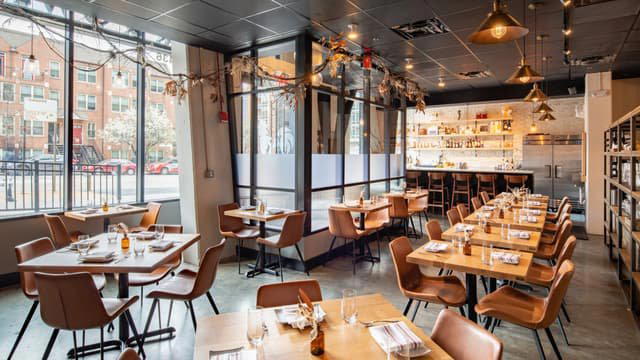
Bars in Baltimore
All bars in Baltimore →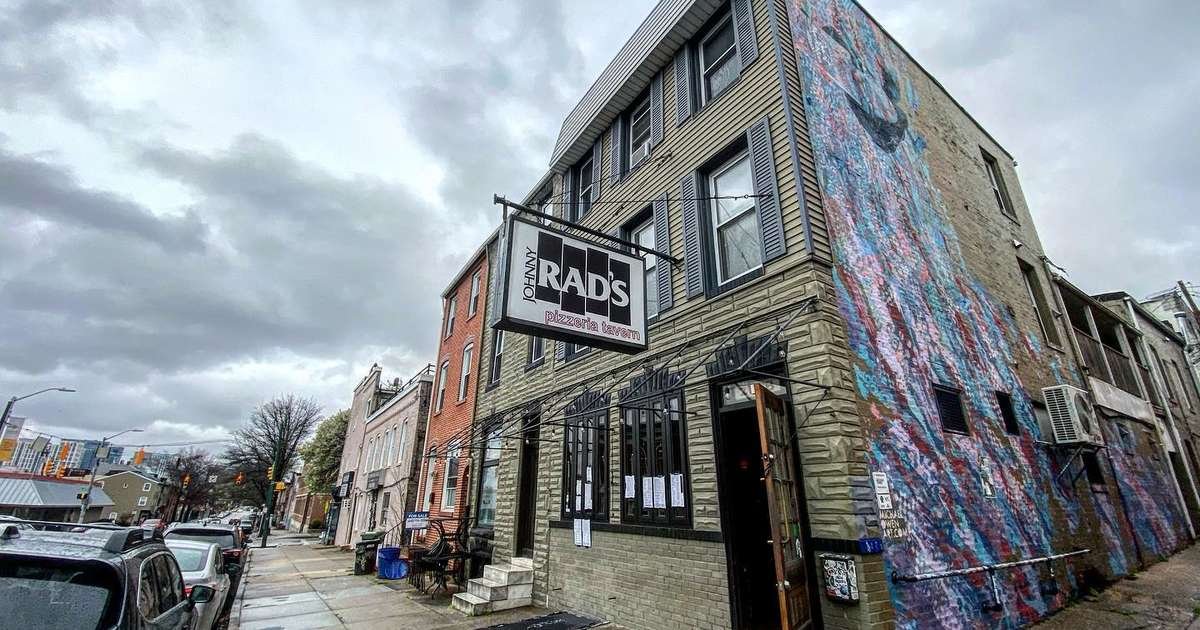
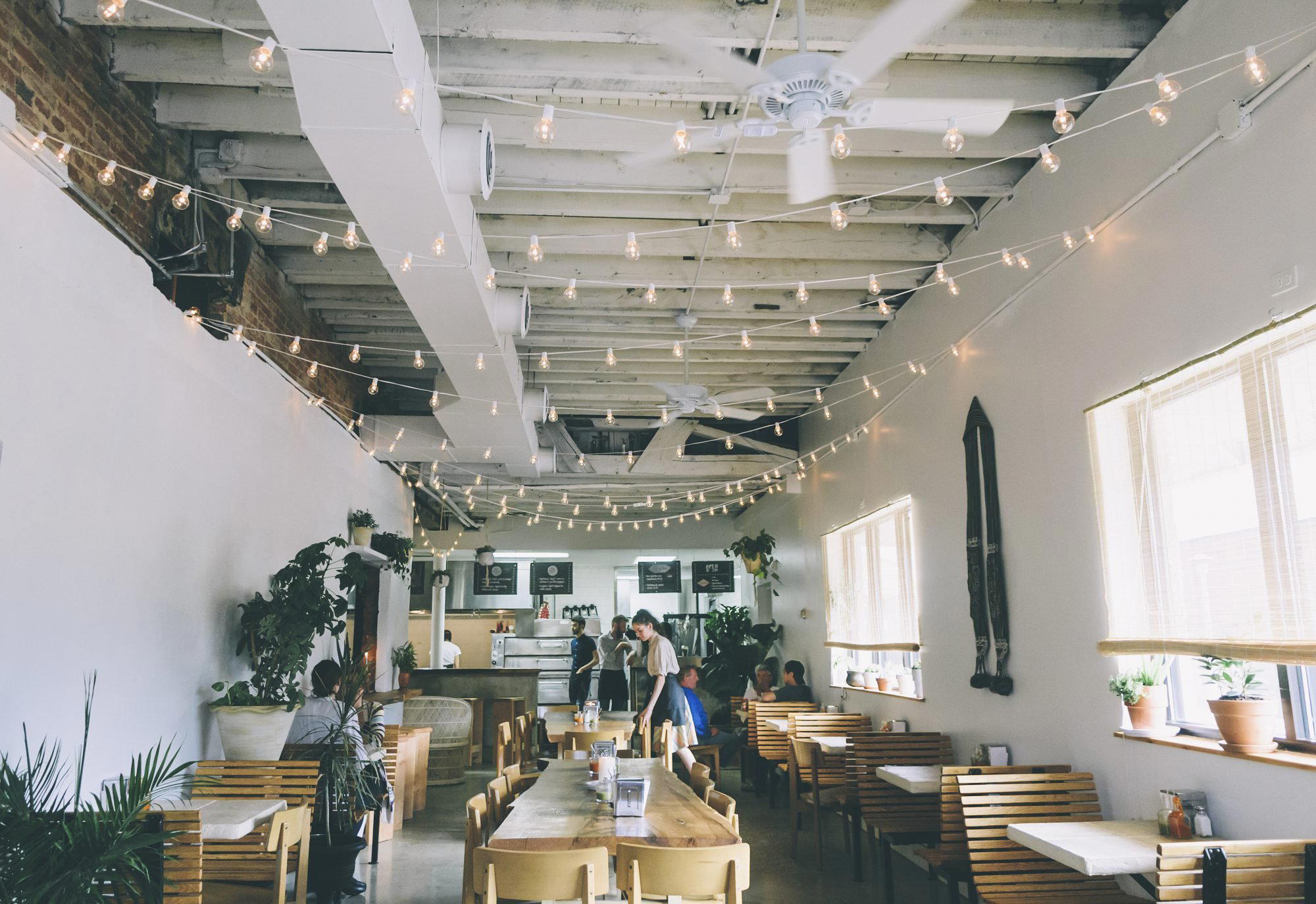
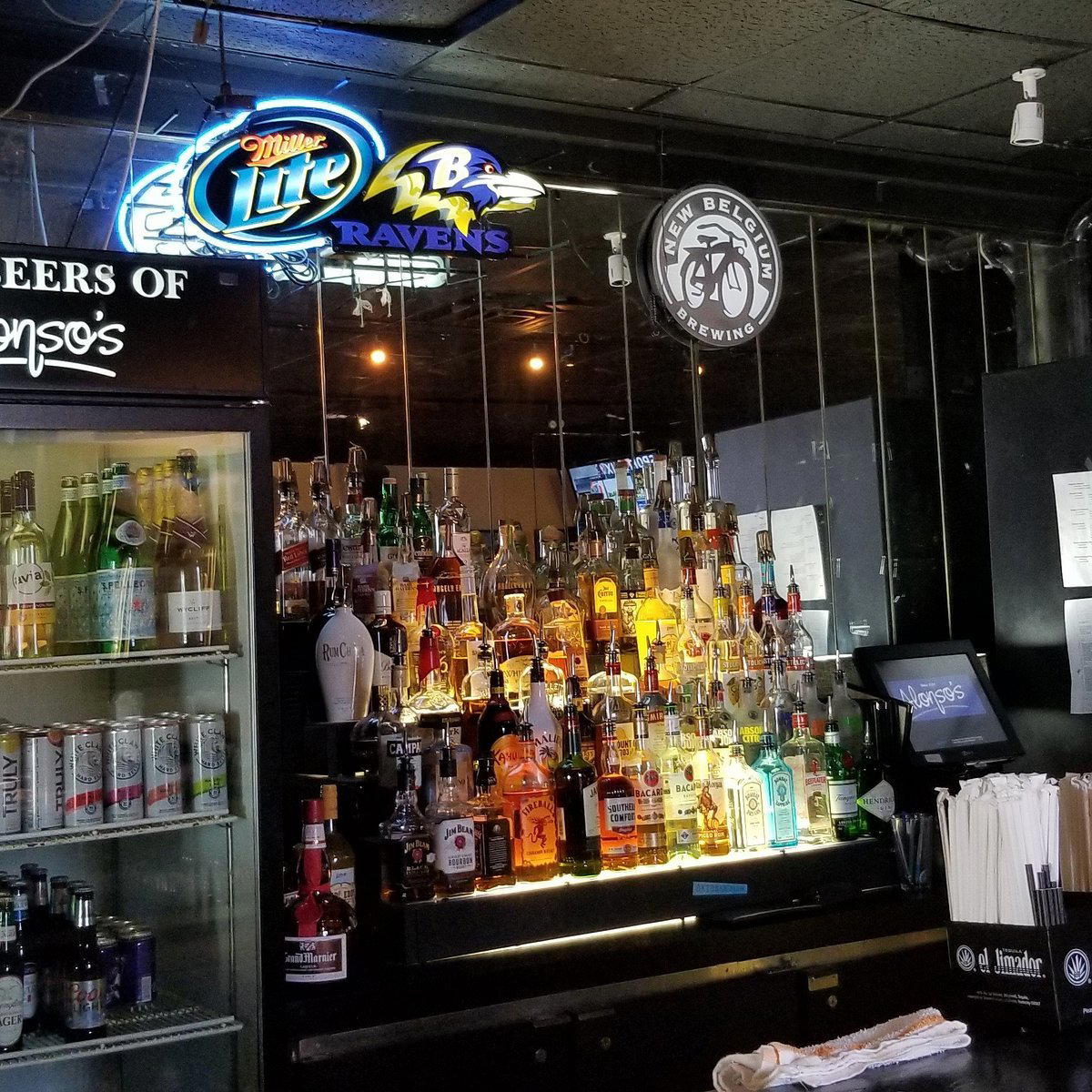
Details
- Cozy
- Casual
- Intimate
- Brunch
- Casual Hangout
- Group Dining
- After Work
- Standalone
- Terrace
- Craft Cocktails
- Beer Program
- Farm To Table
- Sustainable Seafood
- A La Carte
- Craft Beer
- Cocktails
- Wine
- Vegetarian Friendly
- Vegan Options
- Gluten Free Options
Current opening hours
- Monday
- 4–10 PM
- Tuesday
- 4–10 PM
- Wednesday
- 4–10 PM
- Thursday
- 4–10 PM
- Friday
- 4–10 PM
- Saturday
- 11 AM–10 PM
- Sunday
- 11 AM–4 PM
Hours can change for holidays and private events. Hours as of .
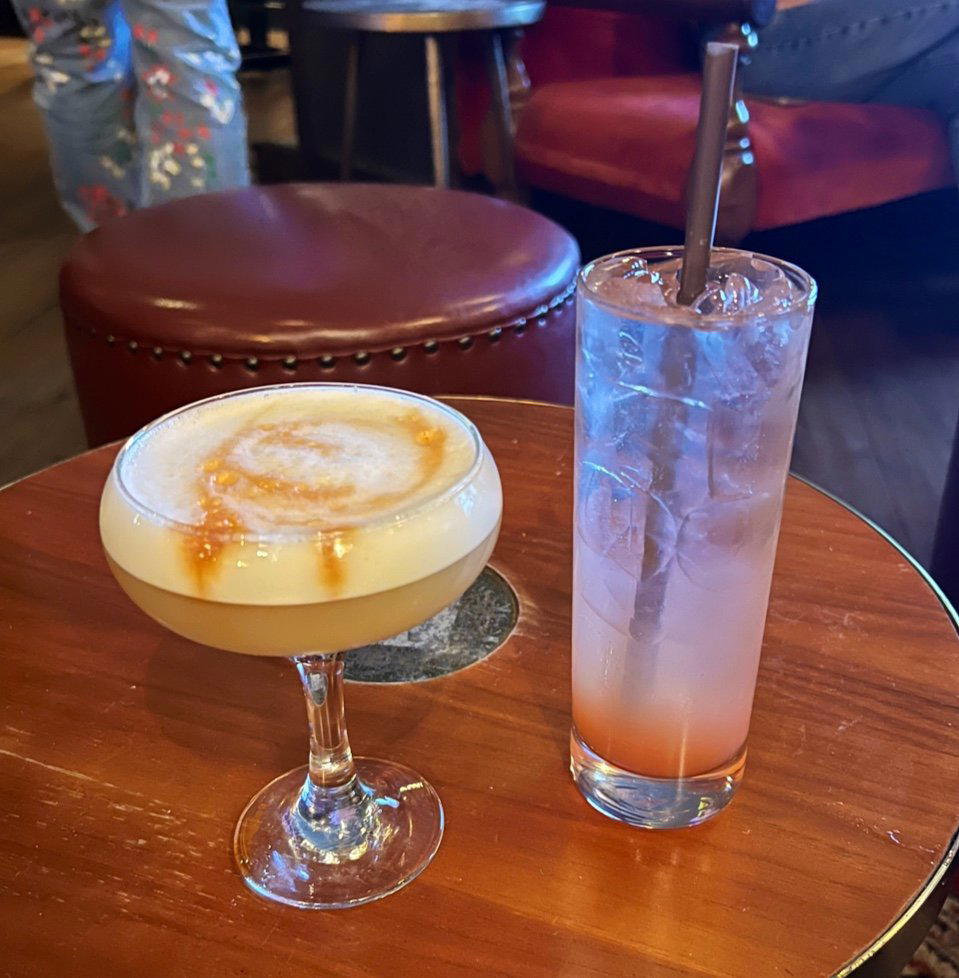
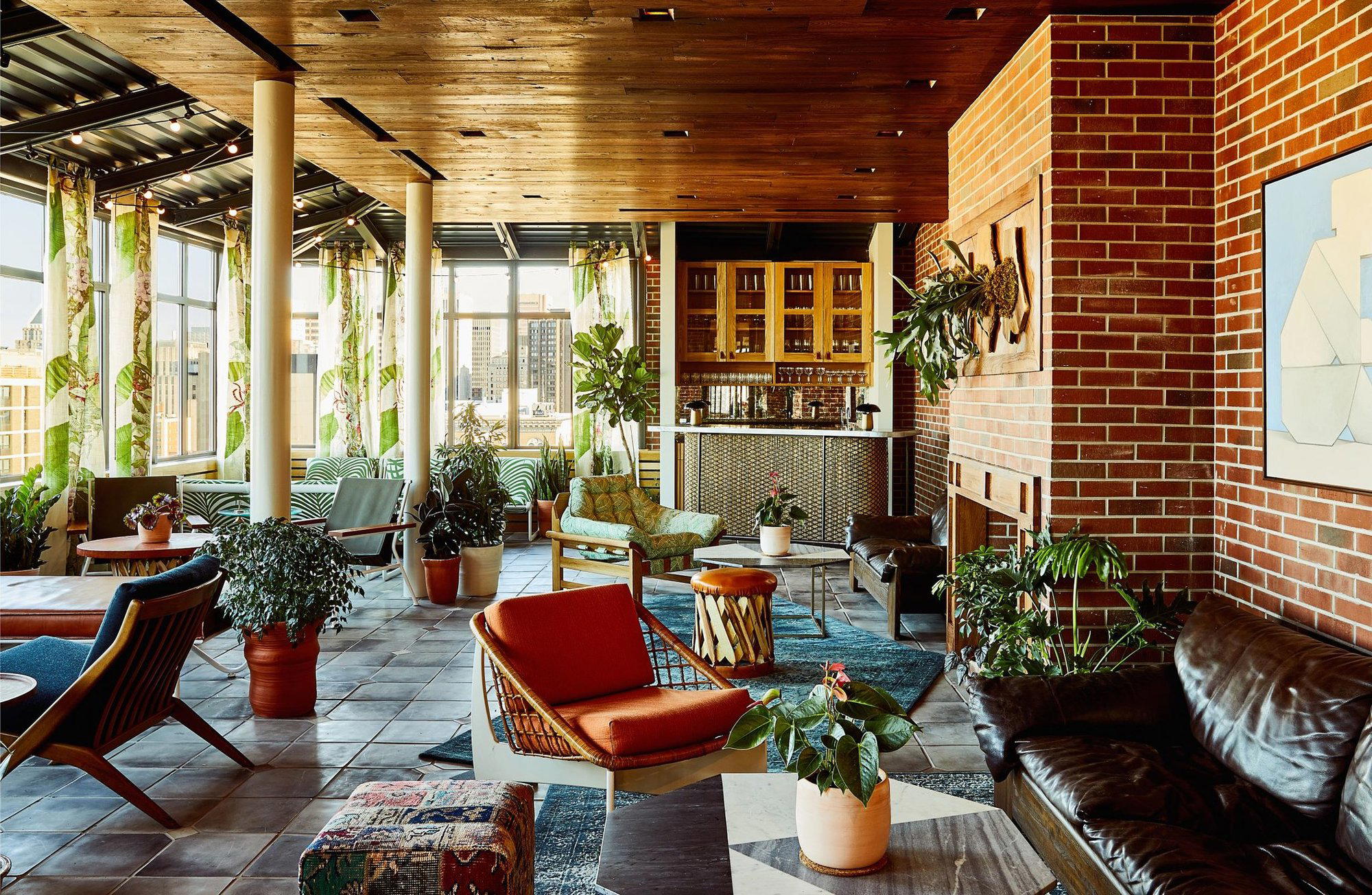
Colorful dining rooms lined with local artwork, casual and well-run atmosphere with warm lighting and intimate seating.