Woodberry Kitchen

Woodberry Kitchen occupies a converted industrial mill space in Baltimore's Clipper Mill complex, operating as one of the city's most consistent advocates for Chesapeake-region sourcing. The menu is structured around what Mid-Atlantic farms and waters produce seasonally, making it a useful reference point for understanding how serious farm-to-table dining works in a mid-sized American city.
Pearl is the En Primeur Club membership app — saves, bookings, and concierge access live there. Same editors, same standards.
- Address
- 2010 Clipper Park Rd Suite 126, Baltimore, MD 21211
- Phone
- +14435245097
- Website
- woodberrykitchen.com
- Directions
- Get directions
 Saves & bookings on Pearl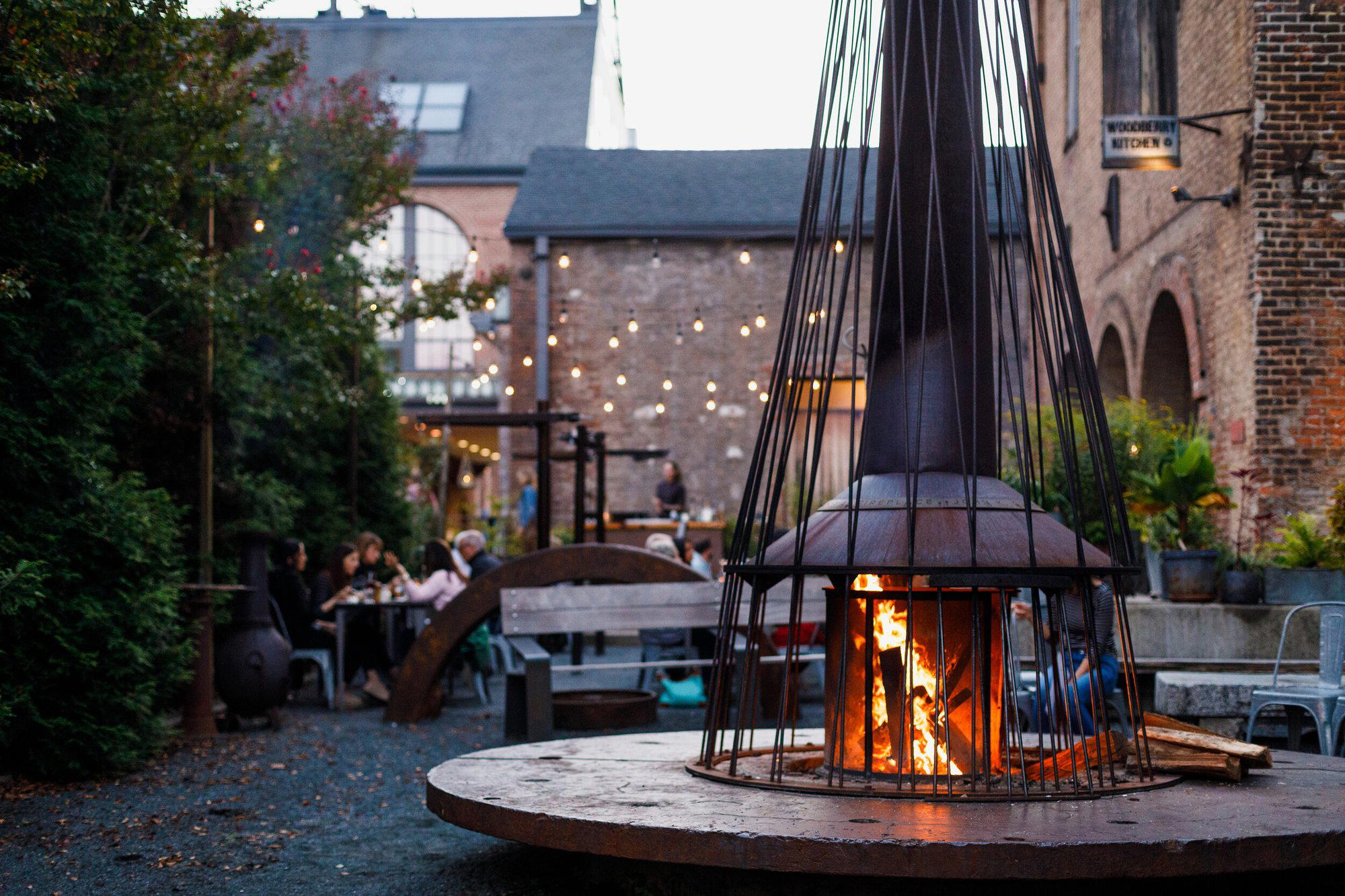
Mill Architecture, Working Kitchen
The approach to Woodberry Kitchen sets expectations before you reach the door. Clipper Mill — a 19th-century industrial complex along the Jones Falls corridor in North Baltimore — has been converted into a mixed-use creative campus, and the restaurant occupies one of its rougher-edged corners at 2010 Clipper Park Road. Exposed brick, raw timber framing, and the weight of the old mill's bones give the room a texture that most new-construction restaurants spend considerable budget trying to fake. The space reads industrial without affectation, which is a reasonable summary of what the kitchen aims for on the plate.
In American farm-to-table dining broadly, the gap between rhetoric and execution is wide. Plenty of restaurants describe sourcing relationships with local farms while pulling the bulk of their inventory from regional distributors. Woodberry Kitchen operates in a segment of the market where that gap is measurably narrower, where the menu structure itself functions as a sourcing document, changing with what the Chesapeake watershed produces rather than what a corporate purchasing calendar allows. That approach places it in a specific peer cohort among Baltimore restaurants, and it shapes every architectural decision the kitchen makes when building a menu.
How the Menu Is Built
The editorial angle on Woodberry Kitchen is most clearly visible in how the menu is structured rather than what any single dish contains. Menus organized around regional sourcing tend to fall into two patterns: the first lists farm names as decorative provenance, credentialing dishes that could have been designed without those relationships; the second treats sourcing as a constraint that forces creative decisions. Woodberry Kitchen belongs to the second category. The Chesapeake Bay and the Mid-Atlantic agricultural belt, Virginia's Shenandoah Valley, Pennsylvania's farming counties, Maryland's Eastern Shore, produce a specific seasonal rhythm, and the menu at Woodberry Kitchen follows it rather than softening it for year-round consistency.
This kind of menu architecture has implications for the diner's experience. The range of choice narrows in shoulder seasons when the watershed is between productive periods. What arrives in late spring, soft-shell crab season on the Bay, looks nothing like what arrives in deep winter, when root vegetables, cured meats, and preserved goods carry more of the menu's weight. Visitors expecting a static reference point from a prior visit will find the room familiar and the menu almost entirely rearranged. That is the intended outcome, not a logistical failure.
Compared to farm-to-table operations at the higher end of the national tier, operations like Blue Hill at Stone Barns in Tarrytown or Single Thread Farm in Healdsburg, where the farm is physically integrated into the restaurant's property, Woodberry Kitchen works from an external network of regional producers. That distinction matters: the kitchen is dependent on and responsive to independent farming operations rather than a captive agricultural system, which adds a layer of logistical complexity and, arguably, a more honest representation of how regional food systems actually function.
Baltimore's Farm-to-Table Tier
Baltimore's dining scene has developed along two reasonably distinct tracks over the past decade. One runs through the kind of chef-driven fine dining represented by venues like Cindy Wolf's Charleston, where French-inflected technique and a formal service structure position the restaurant in a national fine-dining conversation.
Within Baltimore, the city supports a range of dining formats that reflect different priorities: dede (Turkish) represents the kind of specialist cuisine with deep cultural specificity; Angeli's Pizzeria anchors the more casual end; and Akbar holds a long-established position in the city's subcontinental dining tier. Woodberry Kitchen occupies a different niche from all of them, it is neither a cuisine specialist nor a casual neighborhood anchor, but a regionally-defined American restaurant whose identity depends on geography rather than culinary tradition in the conventional sense.
Nationally, the farm-to-table category has produced restaurants across a wide price and formality spectrum. At the top tier, operations like The French Laundry in Napa and Alinea in Chicago work with sourcing as one element within a broader project of technical ambition. Woodberry Kitchen's positioning is closer to restaurants where sourcing is the primary creative constraint, a model that also appears in places like Lazy Bear in San Francisco and, at the more formal end, The Inn at Little Washington in Washington, which draws on the same Mid-Atlantic agricultural zone with a considerably different price point and service register.
For a fuller picture of where Woodberry Kitchen sits within the city's dining options, see our full Baltimore restaurants guide.
Planning a Visit
Clipper Mill is not in a neighborhood that rewards casual foot traffic. The complex sits north of Hampden along the Jones Falls, and most visitors arrive by car or rideshare, the address at Suite 126 within the industrial campus requires a moment of orientation on first approach. Reservations are advisable, particularly on weekends, given that the restaurant's reputation within the Baltimore dining community has sustained consistent demand over time. Visiting mid-week offers more flexibility and often a calmer room, which suits the kind of menu that rewards attention. Because the menu rotates with the season, checking current offerings before arrival is a practical step rather than optional homework, what was on the menu during a prior visit may not exist in its current form.
Venues operating at this price-and-format level in Baltimore, table-service American restaurants with serious sourcing programs, tend to run in the $60-to-$100 per-person range before beverages, though without current pricing data from the restaurant, that figure should be confirmed directly. The room accommodates a range of occasions without demanding formality, which is consistent with the mill-space aesthetic: the dress code, to the extent one exists, is calibrated to the industrial surroundings rather than a white-tablecloth register.
Broader Context: Regional Sourcing as Restaurant Identity
The Chesapeake Bay watershed is one of the more distinct regional food systems in the eastern United States. Blue crab, oysters from the Bay's tidal tributaries, rockfish, and the agricultural output of the Mid-Atlantic's farming counties give kitchens that commit to the region a genuinely differentiated pantry. The challenge is that seasonal variability and ecological pressures, blue crab populations have fluctuated significantly over the past decade due to harvest and water quality issues, mean that sourcing commitments can create menu instability that tests a regular diner's patience.
Restaurants that operate within this constraint rather than around it are, in effect, making an argument about what a restaurant's relationship to its geography should look like. That argument has been made at different scales and price points across American dining, from Providence in Los Angeles with its focus on sustainable seafood sourcing to Addison in San Diego drawing on California's agricultural depth, but the Mid-Atlantic version of that argument has a particular texture, shaped by the Bay's ecological specificity and the region's agricultural history. Woodberry Kitchen is one of the more durable local expressions of that argument in Baltimore.
Recognition history
Dated appearances from independent guides and award organizations, with the underlying list record or original source where available.
James Beard Award Best Chefs
James Beard Award
Continue exploring
More in Baltimore
Restaurants in Baltimore
Browse all →
Bars in Baltimore
Browse all →

At a Glance
- Rustic
- Cozy
- Elegant
- Date Night
- Special Occasion
- Open Kitchen
- Historic Building
- Farm To Table
- Local Sourcing
Current opening hours
- Monday
- Closed
- Tuesday
- Closed
- Wednesday
- 5–9:30 PM
- Thursday
- 5–9:30 PM
- Friday
- 5–9:30 PM
- Saturday
- 5–9:30 PM
- Sunday
- 10 AM–2:30 PM
Hours can change for holidays and private events. Last verified .
Warm rustic setting with open kitchen, historic industrial charm, and seasonal patio seating.
Know Before You Go
- Getting there
- 2010 Clipper Park Rd Suite 126, Baltimore, MD 21211