Sobajuu

A Michelin Plate-recognised Japanese restaurant in Mapo-gu, Sobajuu occupies a basement address on Keunumul-ro and operates at the mid-range price point where Seoul's Japanese dining scene is most competitive. Against a city full of premium omakase counters and high-ticket fusion formats, it represents a case where Michelin recognition lands at an accessible price tier, a combination that makes it worth tracking for visitors cross-referencing quality against spend.
Pearl is the En Primeur Club membership app — saves, bookings, and concierge access live there. Same editors, same standards.
- Address
- B1 #22, 75 Keunumul-ro, Mapo-gu, Seoul, 04158, South Korea
- Phone
- +82 70-8676-0218
- Directions
- Get directions
 Saves & bookings on Pearl
Basement Level, Mapo-gu: Where Michelin Recognition Meets a Mid-Range Price Point
Seoul's Japanese restaurant scene has stratified sharply over the past decade. At one end sit the high-commitment omakase counters in Gangnam and Jongno, where ₩₩₩₩ pricing and months-long waitlists signal positioning against Tokyo's upper-tier precedents. At the other end, a crowded mid-market of soba houses, izakayas, and ramen counters competes largely on convenience and neighbourhood familiarity. Sobajuu occupies that territory. Sobajuu occupies that territory.
The address, a basement unit on Keunumul-ro in Mapo-gu, places it in a district better known for its Hongdae energy and younger dining crowd than for the kind of quiet precision associated with Japanese culinary traditions. That contrast is part of what makes Sobajuu worth noting. Its 2025 Michelin Plate signals quality worth noting at a price point where the guide rarely pauses in Seoul's Japanese category.
What the ₩₩ Tier Actually Means Here
Seoul's Michelin-recognised restaurants cluster heavily toward the upper price bands. A quick scan of the 2025 Seoul Guide shows that most Japanese entries with any form of recognition sit at ₩₩₩ or above, where the economics of quality sourcing, skilled preparation, and small-format service are easier to justify. A ₩₩ Japanese restaurant earning a Plate suggests one of two things: either an unusually efficient kitchen model, or a format that concentrates quality in a narrower range of dishes rather than spreading across a broad tasting progression.
For the reader making a practical decision about where to allocate dining spend in Seoul, that distinction matters. The city's premium Japanese options, think counter omakase formats analogous to what you find at venues like Kirameki or Mitou, demand both financial and scheduling commitment. Sobajuu, sitting two price tiers below that bracket, offers a different kind of proposition: Michelin-acknowledged quality without the full overhead of the counter omakase model. Whether that translates to a more casual format, a soba-centred menu, or a focused à la carte approach is a question the venue's name and cuisine designation gesture toward.
Soba-specialist restaurants occupy a distinct niche within Japanese dining globally. Unlike kaiseki or sushi omakase, where the value proposition rests on sourcing rarity and chef technique across many courses, a soba-led format concentrates craft into buckwheat milling, dough hydration, and cutting precision. In Tokyo, addresses like Myojaku demonstrate how a single-discipline Japanese format can earn serious critical attention. The tradition that venues like Azabu Kadowaki and Isshisoden Nakamura in Kyoto represent, deep Japanese culinary craft expressed through restrained, ingredient-focused formats, provides the broader context in which Sobajuu asks to be read.
Mapo-gu as a Dining District
Mapo-gu has evolved from a student and nightlife district into one of Seoul's more interesting mixed dining neighbourhoods. The area around Hongdae and Hapjeong draws a younger, internationally aware crowd, which has created space for formats that sit outside the conventional fine-dining script. A Japanese restaurant earning Michelin attention in this neighbourhood sits differently than it would in Cheongdam-dong or Hannam-dong, where premium dining is the established expectation. Here, the Plate recognition carries a mild surprise factor that works in the venue's favour among diners who map quality by district rather than by address.
For visitors building a Seoul itinerary with range across neighbourhoods and price points, Mapo-gu makes practical sense as a counterweight to the heavier concentration of recognised dining in Gangnam. Sobajuu's Mapo address gives it a distinct geographic placement in that wider picture.
Positioning Against Seoul's Japanese and Fine-Casual comparable set
Placing Sobajuu inside Seoul's broader recognised dining map requires a brief look at what surrounds it. The city's Korean fine dining contingent, venues like Gaon and Kwon Sook Soo at the high end, operates at price points well above Sobajuu's bracket. Even within the Japanese category, the comparison set for a ₩₩ Plate holder differs from what you find at Sanro or the Korean-fusion entries clustered in the ₩₩₩₩ band.
What Sobajuu offers, at least on paper, is access to Michelin-acknowledged Japanese craft at a price point that most of Seoul's recognised dining scene has abandoned. That gap is real and worth naming. Diners who want the signal value of a Michelin-noted address without committing to a ₩₩₩ or ₩₩₩₩ spend have limited options in the city's Japanese category. Muni and GAGGEN by Choi Junho operate at different cuisine and price parameters; outside Seoul, venues like Mori in Busan show that Michelin attention in South Korea extends well beyond the capital, but within Seoul's Japanese category at this price tier, the field is thin.
That thinness is the editorial point. Michelin Plates at ₩₩ in Seoul's Japanese segment are rare enough that Sobajuu's recognition carries more weight than the same designation would in a category where mid-tier recognition is common. It also raises the practical question: how does a kitchen hold Michelin attention at this price level? One plausible answer, given the venue name and Japanese cuisine designation, is format discipline, a focused menu built around one or two techniques rather than the range-heavy approach that drives cost at premium counters.
Know Before You Go
- Address: B1 #22, 75 Keunumul-ro, Mapo-gu, Seoul, 04158, South Korea
- Price tier: ₩₩ (mid-range)
- Cuisine: Japanese
- Recognition: Michelin Plate, 2025 Seoul Guide
- Booking: Reservations are essential
The Quick Read
Comparable venues nearby, for context on price, style, and recognition.
| Venue | Cuisine | Price | Notes |
|---|---|---|---|
| SobajuuThis venue — the venue you are viewing | Japanese | $$$$ | Not listed |
| Tenjimon | Noyu-dong, Modern Japanese Kaiseki | $$$$ | Not listed |
| Kirameki | 압구정동, Seasonal Japanese Kaiseki | $$$$ | Not listed |
| Momoyama | Not listed | $$$$ | Sajik-dong, Luxury Japanese Kaiseki and Omakase |
| ê°ë¯¼ì² ë ì¤í ë | 압구정동, Modern Japanese Omakase | $$$$ | Not listed |
| Teppan | 이태원동, Teppanyaki | $$$ | Not listed |
Recognition history
Dated appearances from independent guides and award organizations, with the underlying list record or original source where available.
Michelin Plate
Michelin
Continue exploring
More in Seoul
Restaurants in Seoul
Browse all →
At a Glance
- Modern
- Intimate
- Elegant
- Minimalist
- Special Occasion
- Open Kitchen
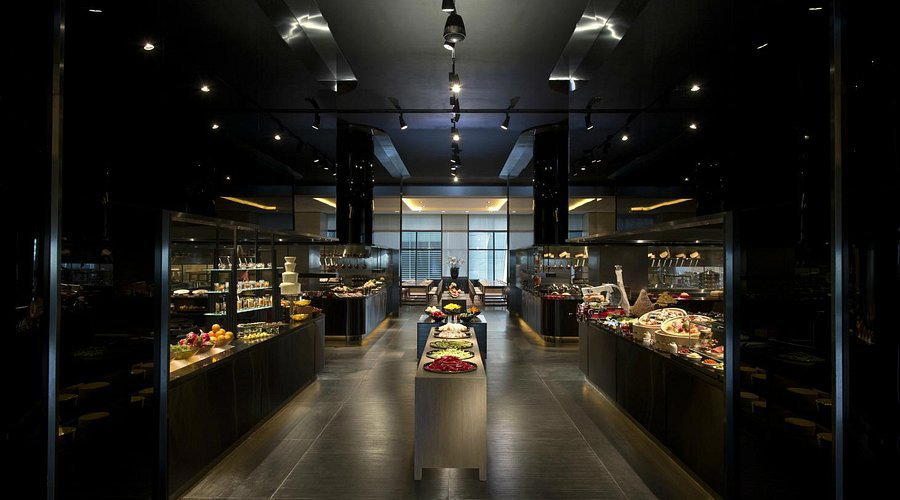
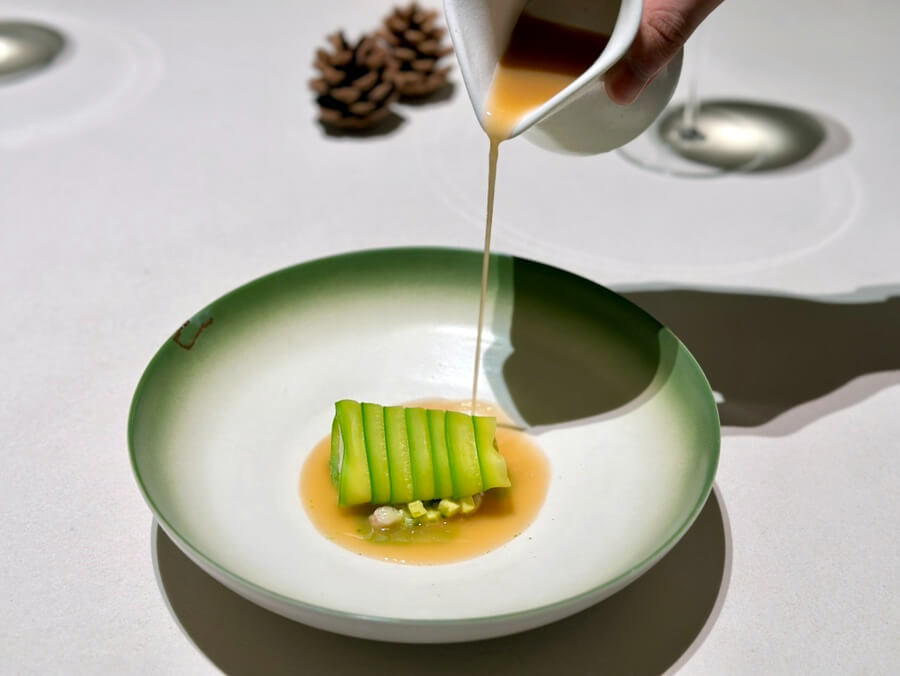
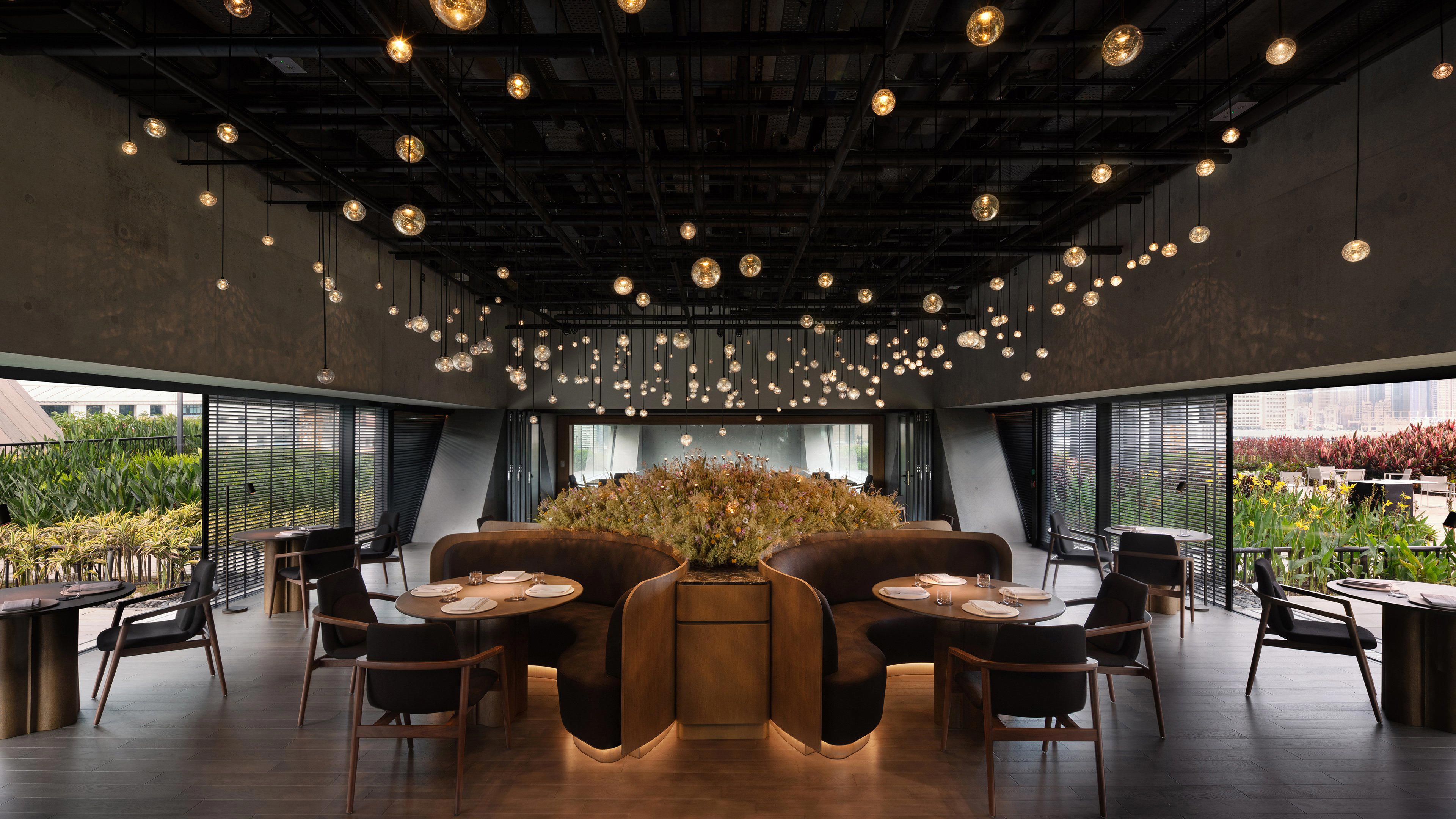
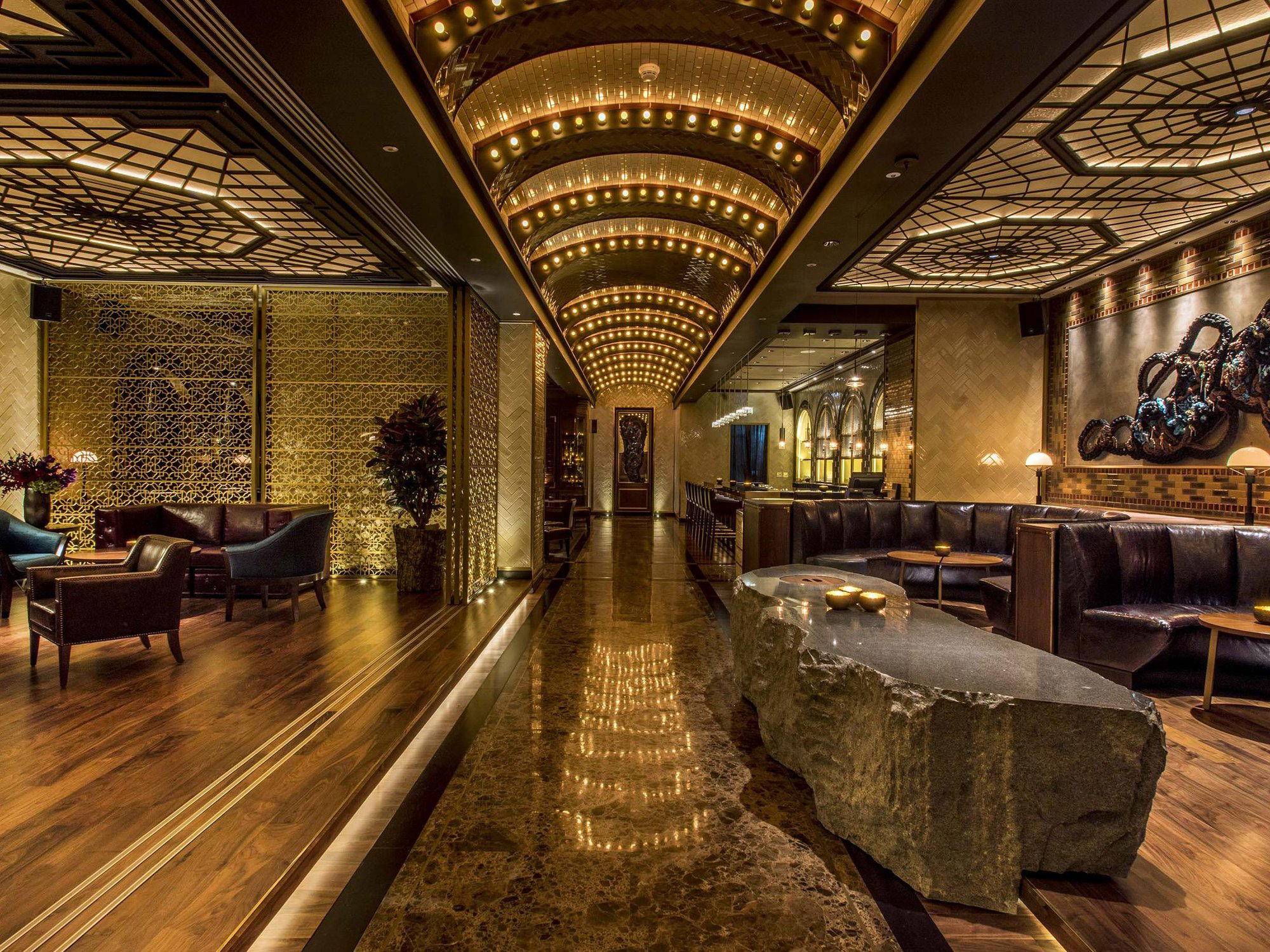
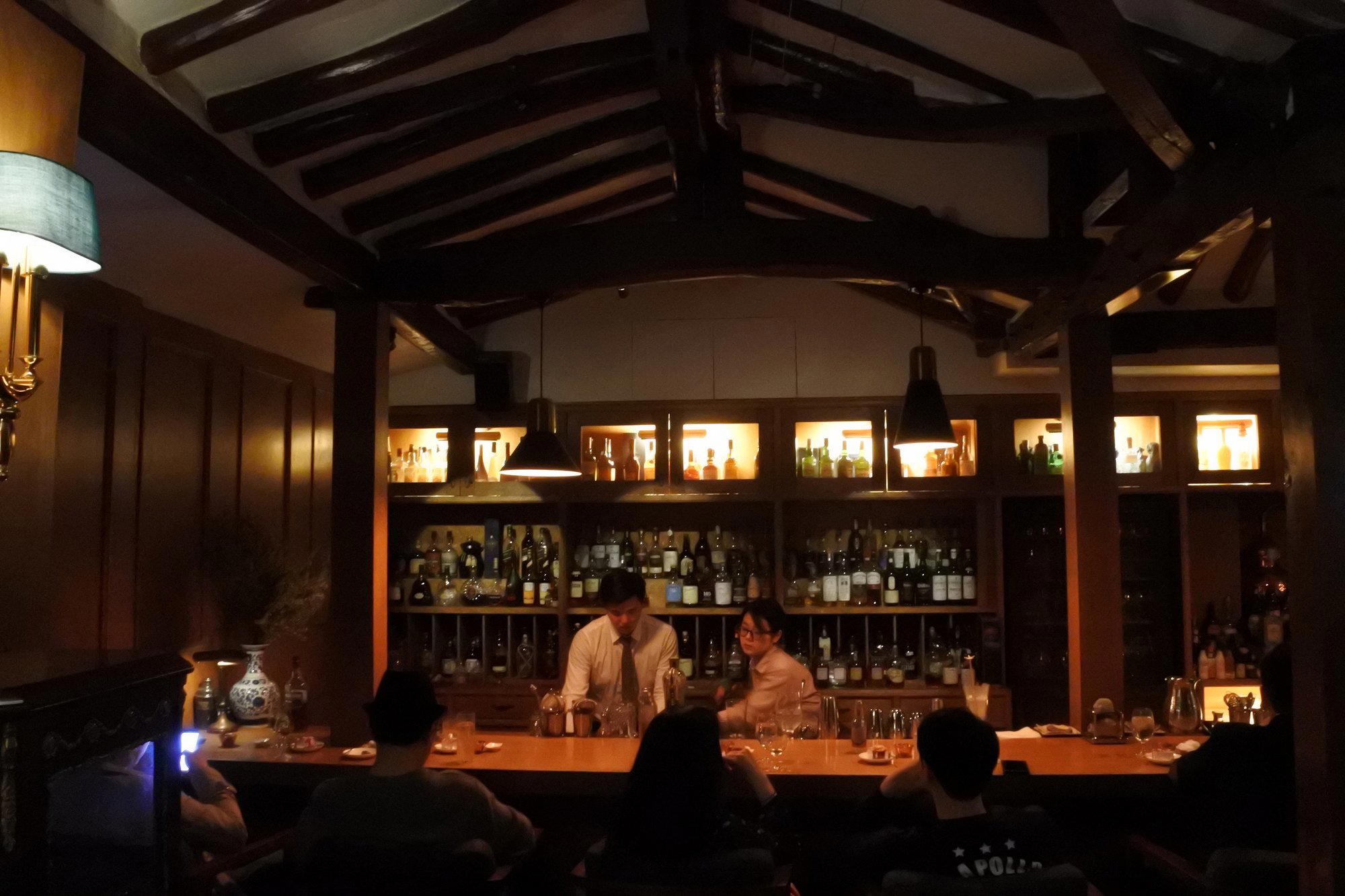
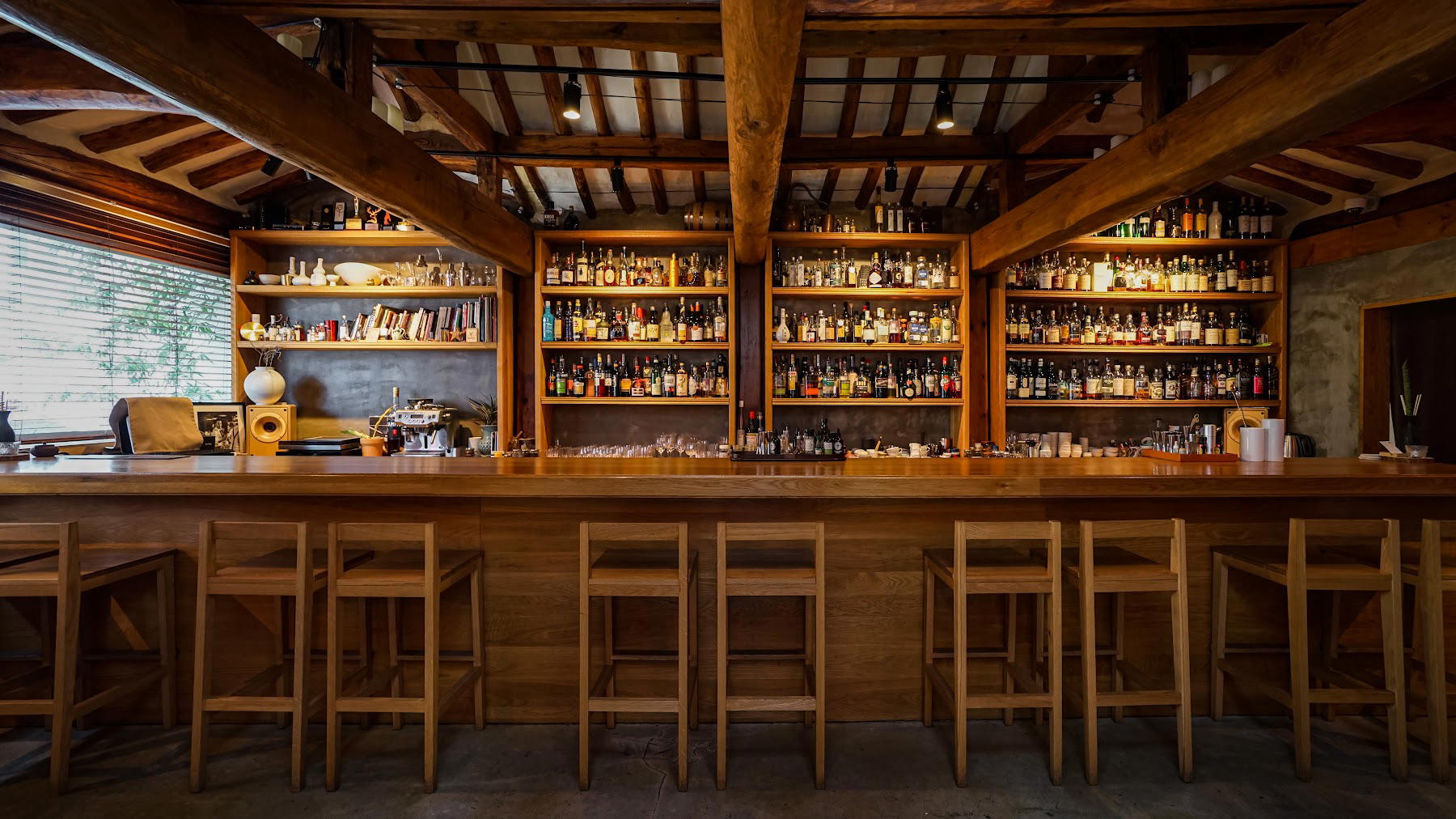
Modern yet warmly human space with soft lighting, natural textures, and thoughtful understatement.