
Soba Edo places Hayama’s coastal produce and buckwheat tradition inside a soba kaiseki format rather than a casual noodle-house rhythm. Its Tabelog 100 Soba EAST 2025 selection, 17-seat scale, reservation-only format, and fish-and-sake emphasis make it a serious choice for diners who want the quieter, ingredient-led side of Miura-gun dining.
Pearl is the En Primeur Club membership app — saves, bookings, and concierge access live there. Same editors, same standards.
- Address
- 神奈川県三浦郡葉山町堀内870-7
- Phone
- +81468763625
- Website
- soba-edo.com
- Directions
- Get directions
 Saves & bookings on Pearl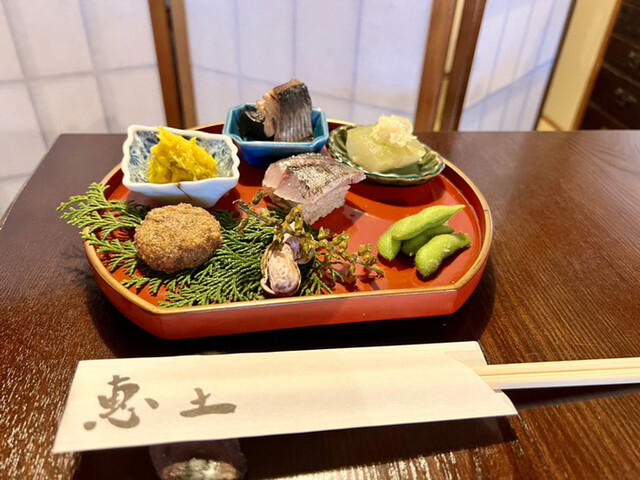
Hayama’s residential lanes change the tempo before the meal begins: lower roofs, quieter traffic, the coast close enough to shape the appetite without turning dinner into a seaside performance. In Miura-gun, where cafés, bakeries, and waterfront restaurants often define the casual circuit, the more interesting counterpoint is soba treated with the structure of kaiseki. Soba Edo belongs to that smaller category, where buckwheat is not a quick lunch solution but the spine of a composed Japanese meal.
The distinction matters because soba in Japan carries two identities at once. It can be fast, local, and democratic, eaten between trains or after work. It can also be technical, built around flour quality, water, grinding, cutting, boiling, broth, and seasonality. The Hayama version leans toward the second identity. The restaurant’s public positioning is soba kaiseki only, with fish, sake, shochu, and wine noted as part of the broader table culture. That puts the meal closer to a small-format Japanese restaurant than a noodle shop, even before awards enter the conversation.
Buckwheat as the main argument, not the closing course
Ingredient-led dining often gets reduced to produce lists, but soba makes sourcing more severe. Buckwheat has little room for disguise: milling, hydration, and timing show themselves quickly. In a kaiseki frame, that severity becomes useful. It lets vegetables, seafood, dashi, sake, and soba speak in sequence rather than competing for spectacle. The emphasis on fish is especially apt in Hayama, where coastal proximity is part of the region’s dining grammar, but the stronger editorial point is restraint. The format asks the diner to pay attention to grain, broth, and season rather than chase a single headline dish.
Recognition from Tabelog 100 Soba EAST 2025 gives the place a clear trust signal within Japan’s soba category. The selection is not a general fine-dining badge; it is category-specific, which is more useful here. A soba restaurant should be judged against other soba specialists, not against sushi counters or French tasting rooms. The repeated Tabelog 100 history listed across earlier years also suggests durability in a category where small changes in flour, service rhythm, and consistency matter.
Within Miura-gun, that makes the restaurant sit apart from lower-priced everyday stops such as Bledor Hayama honten, Fruhling, Hinode En, and KIRIHARA. It also occupies a different lane from Restaurant La Mare, where the Hayama dining conversation turns more visibly toward coastal restaurant culture. Soba Edo is the quieter proposition: fewer seats, a narrower format, and a meal built around how buckwheat can carry a full evening.
Hayama's quieter luxury is format discipline
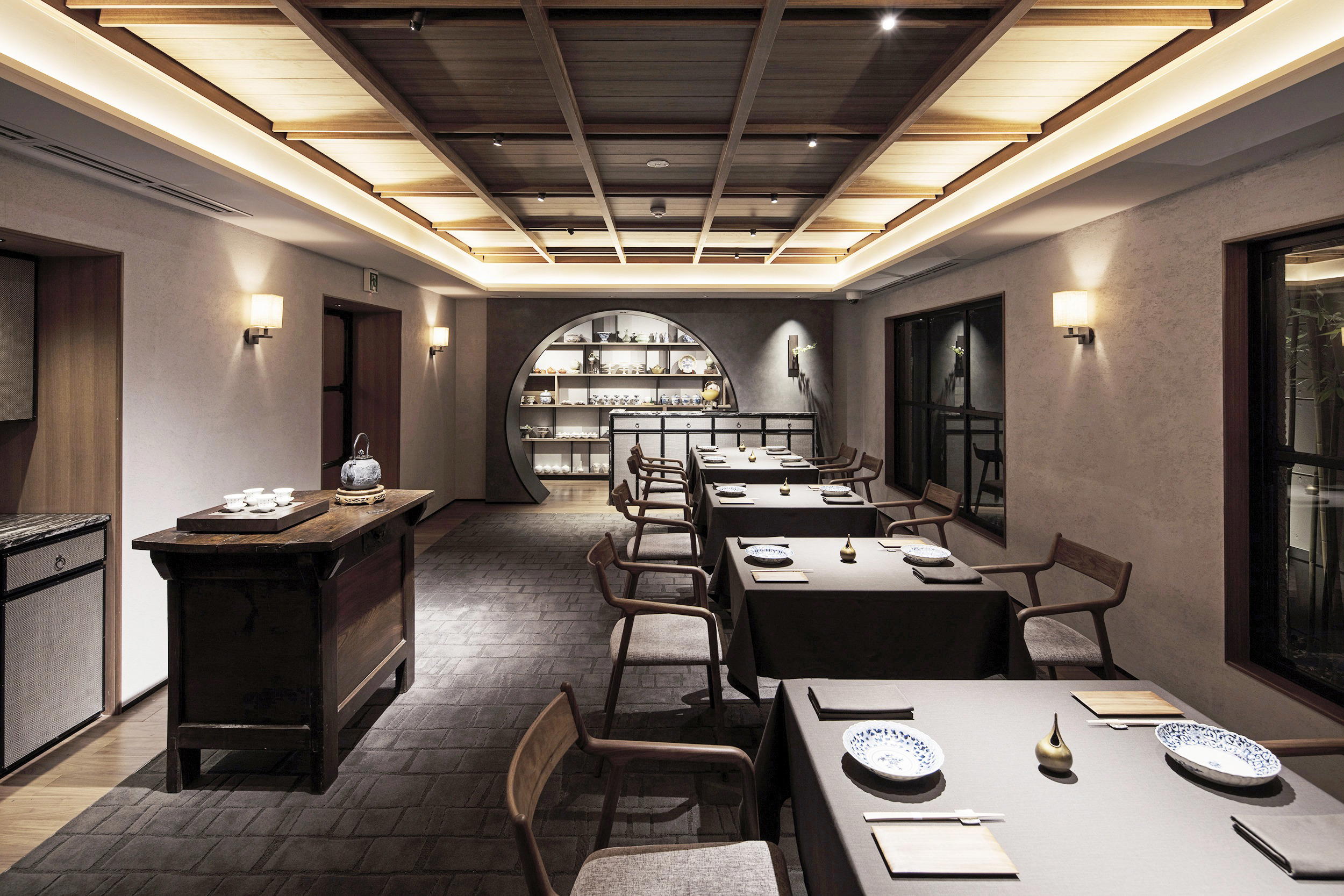
Luxury in this part of Kanagawa is not always loud. Hayama and the broader Zushi-Hayama area often reward restaurants that understand pace: meals that feel detached from Tokyo’s compression without losing technical seriousness. The 17-seat, four-table scale reinforces that mood. A small room changes how soba kaiseki lands; the meal depends on timing, heat, and sequence, not table turnover or menu breadth. Private rooms are not part of the setup, so the appeal is less about isolation and more about a controlled, subdued room.
That format also explains the restaurant’s reservation-only positioning. For travelers, it should be treated as a planned meal rather than an opportunistic stop while moving through the coast. The practical consequence is simple: build the day around the reservation, then use the surrounding area for slower Hayama pacing rather than trying to force it between multiple agenda items. Diners comparing regional options can use our full Miura-gun restaurants guide for the food map, while our full Miura-gun hotels guide, our full Miura-gun bars guide, our full Miura-gun wineries guide, and our full Miura-gun experiences guide help place the meal inside a longer coastal stay.
The drinks signal is worth reading carefully. Sake and shochu are natural companions to soba, but the presence of wine widens the meal’s range without changing its Japanese center of gravity. That mix fits contemporary regional dining in Japan: not fusion for its own sake, but a pragmatic cellar language around fish, vegetables, and grain. The more persuasive choice is to let the soba kaiseki format set the pace, then treat drinks as supporting structure rather than the main event.
How it fits a wider Japan itinerary
For visitors moving through Japan, Soba Edo works as a corrective to itinerary fatigue. Tokyo and Osaka can produce an arms race of counters, queues, and famous names; Hayama offers a smaller test of attention. The comparison is not about superiority. It is about what the diner wants from a meal: speed and variety, or a narrow format where one staple ingredient carries the argument. Travelers building a broader restaurant route might pair the regional calm here with more urban or category-specific stops such as -Grilled beef Sukiyaki- KAMAKURA TANUKIAN 鎌倉 たぬき庵 in Kamakura. 鮪と炭火焼き うお炭 秋葉原店 in Tokyo.cafe in Osaka.know in Kumamoto, (Shoku) Vietnam in Kawasaki, and [Curry Senmon Ten] Maruyama Kyoju. in Sapporo.
For readers outside Japan, the closest lesson may be found in specialist Japanese formats abroad: narrow menus, serious sourcing, and a room built around restraint rather than performance. Jōdo Saké Bar in Los Angeles and Onigiri Time in Pasadena sit in different categories, but they point to the same broader shift in how Japanese staples are being framed internationally. Rice, sake, fish, and noodles no longer need decorative excess to justify attention.
The editorial case for the restaurant is therefore specific. Choose it for a quiet, ingredient-driven soba kaiseki meal in Hayama, backed by category recognition and a small-room format. Do not choose it for a loud group dinner, a casual noodle stop, or a menu designed around maximum choice. Its strength is the opposite: a disciplined reading of buckwheat, fish, and Japanese sequencing in a coastal town that rewards patience.
How It Stacks Up
Comparable venues by cuisine and price in the same metro.
| Venue | Cuisine | Price | Notes |
|---|---|---|---|
| Soba Edo | Japanese Soba Noodles | $$ | Hayama-machi |
| Hinode En | Japanese tea cafe & wagashi | $ | Hayama |
| Bledor Hayama honten | Japanese Bakery Cafe | $$ | Hayama |
| KIRIHARA | Cafe / Kissaten | $$ | Hayama-machi |
| Fruhling | Patisserie / Cake Shop | $ | Miura-gun |
| Restaurant La Mare | French-inspired creative seaside cuisine | $$ | Hayama-machi Horiuchi |
Recognition history
Dated appearances from independent guides and award organizations, with the underlying list record or original source where available.
Tabelog 100 #25 · No. 25
Tabelog · Tabelog 100 - Soba - EAST - 2025
Continue exploring
More in Miura-gun
Restaurants in Miura-gun
Browse all →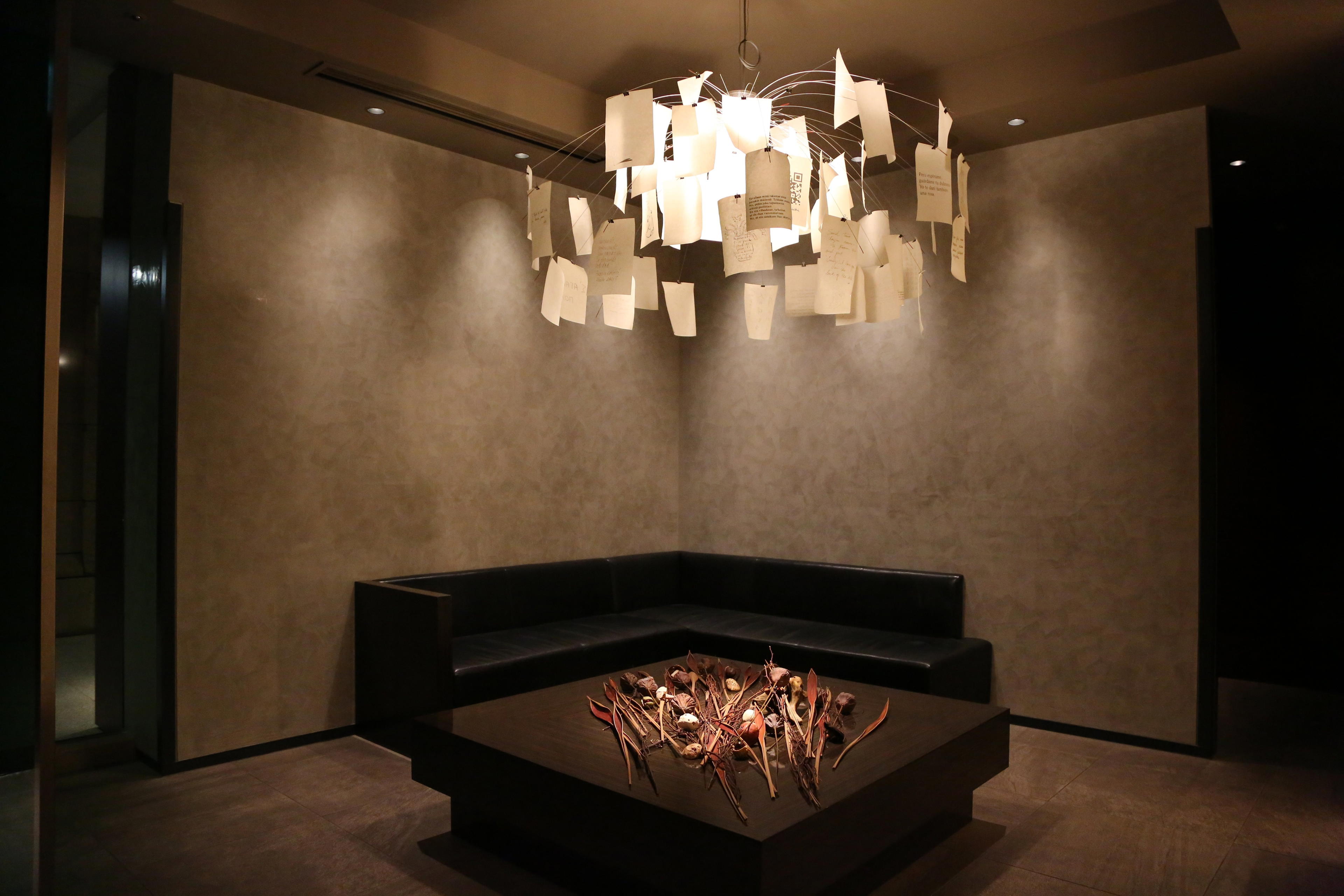



Bars in Miura-gun
Browse all →







At a Glance
- Quiet
- Classic
- Cozy
- Casual Hangout
- Solo
- Family
- Standalone
- Sake Program
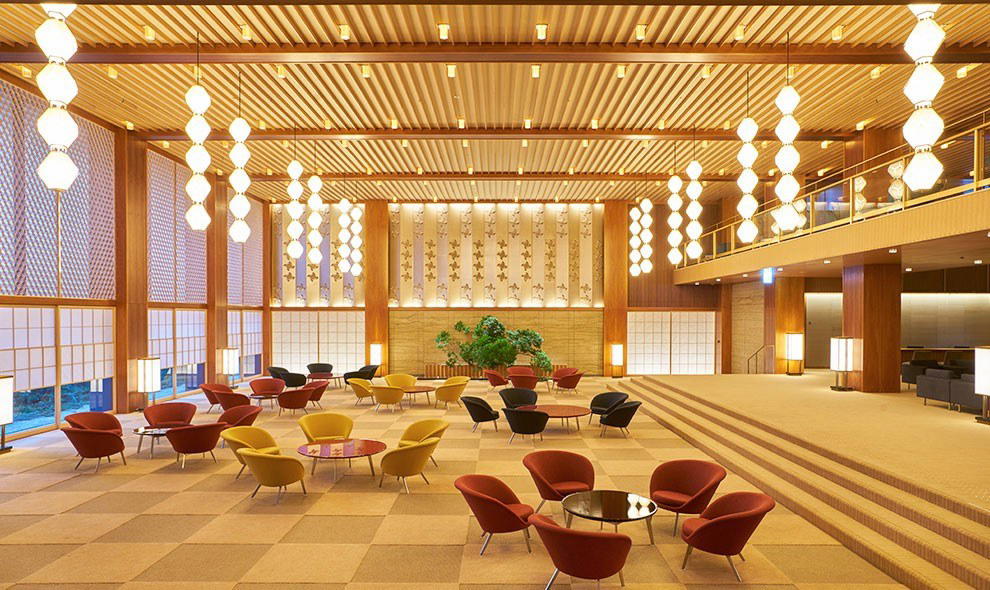
Traditional and understated, with a quiet, local-restaurant feel rather than a flashy destination atmosphere.