
Hinode En belongs to Hayama’s quieter sweets-cafe tradition rather than the reservation-chasing restaurant circuit. Its Tabelog 100 selection for Japanese traditional sweets and sweets cafes in East Japan in 2023 gives the address a clear credential, while the format stays modest: wagashi, kakigori and cafe service in a coastal Kanagawa town where provenance and restraint matter more than spectacle.
Pearl is the En Primeur Club membership app — saves, bookings, and concierge access live there. Same editors, same standards.
- Address
- 1413-212 Nagae, Hayama, Miura District, Kanagawa 240-0113, Japan
- Phone
- +81 46-875-5134
- Website
- hayama-hinodeen.com
- Directions
- Get directions
 Saves & bookings on Pearl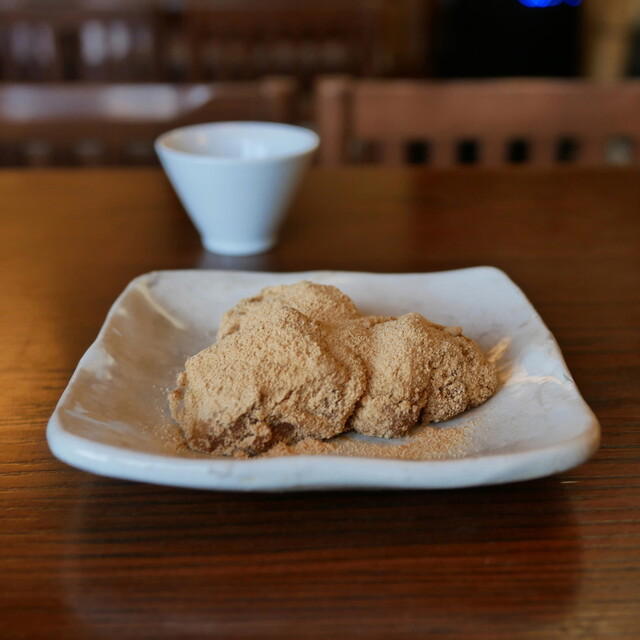
Hayama changes the tempo before the first order. The road up through Nagae is residential, green and unhurried, closer to coastal day-trip Japan than metropolitan dining theatre. Here, a sweets cafe reads differently from a Tokyo dessert counter: not excess, but the discipline of a short break, shaved ice, tea, and wagashi calibrated to season, texture and temperature.
That frames Hinode En. The cafe sits in the Japanese sweets and kakigori category, where small decisions matter: how finely the ice is shaved, how sweet the syrup runs, how azuki, mochi or tea elements are handled, and how much the room lets the sweets stay central. Its selection for the 2023 Tabelog 100 list for Japanese traditional sweets and sweets cafes in East Japan places it in a serious regional conversation, not because it acts like a luxury restaurant, but because the category rewards consistency, restraint and product clarity.
Hayama's sweets culture works at a different scale from Tokyo dessert dining
Japanese sweets cafes occupy a distinct lane in Japan’s dining culture. They are not French-style patisserie, nor simply coffee shops with dessert. Wagashi and kakigori draw from older tea-room habits, seasonal confectionery, shaved-ice craft and the everyday rhythm of local breaks. In Hayama, that tradition lands with less urban pressure. The pleasure is the pause: a smaller room, a focused order, and a setting where the town shapes the experience as much as the menu category.
Miura-gun’s dining character is unusually mixed for its size. Bread, soba, coastal restaurants and neighborhood cafes sit close together, so a sweets stop can fit into a broader day rather than stand as a destination meal. Readers planning around Hayama can place this address alongside Bledor Hayama honten for bakery culture, Soba Edo for a soba counterpoint, or Restaurant La Mare for the area’s more formal coastal dining mood. Fruhling and KIRIHARA broaden the map, showing Hayama’s appeal as a cluster of small-format places rather than one grand dining strip.
Ingredient sourcing matters because Japanese sweets are unforgiving. In savory restaurants, technique can hide behind heat, fat or sauce. In wagashi and kakigori, raw materials have fewer places to hide: bean paste, ice, tea, fruit syrups and dairy elements reveal balance quickly. The cafe’s public categorization as a Japanese sweets cafe and kakigori specialist is therefore meaningful. It signals a kitchen built around sugar, water, grain, beans and seasonality, not a broad cafe menu chasing every craving.
The award signal is about category discipline, not luxury theatre
Tabelog’s Hyakumeiten lists matter in Japan because they often recognize category specialists: ramen shops, curry counters, bakeries, sweets cafes and formats outside the usual international fine-dining hierarchy. A 2023 East Japan selection in Japanese traditional sweets and sweets cafes gives Hinode En a practical credential for travelers who care about local food systems but do not want every meal to become a tasting-menu event. The listed Tabelog score of 3.61 is also useful context in a market where scoring can be conservative and category-specific recognition can mean more than raw numerical comparison.
The competitive set is not sushi or kaiseki. Sushi Nara, from the broader comparison group, operates in a far higher spend bracket, while Celery and spice tree point to savory restaurant formats with different expectations around meal structure. moomoo’s and BOULANGERIE E.S. sit closer in price band, but the appeal differs by category. Hinode En’s relevance comes from its place in a sweets tradition, where a lower ticket does not imply casual execution. The evaluation shifts to clarity, timing, comfort and whether the format suits a Hayama afternoon.
There is also a capacity signal. With 26 seats, this is not a large cafe built for anonymous churn. Small rooms in popular sweets categories create their own etiquette: arrive with realistic timing, avoid treating the table as a remote office, and understand that sweets cafes in Japan often run on a quieter social contract than Western all-day cafes. The listed notes around busy periods reinforce that this is a place to use with consideration, especially when full.
How to fold it into a Miura-gun day
The strongest use case is not special-occasion dinner; it is a calibrated stop within a Hayama or Zushi day. A traveler can build a route around bread, soba, a coastal meal and sweets without forcing the schedule into one expensive booking. For wider planning, our full Miura-gun restaurants guide gives the restaurant layer, while our full Miura-gun hotels guide, our full Miura-gun bars guide, our full Miura-gun wineries guide and our full Miura-gun experiences guide shape the rest of the trip.
For readers comparing Japanese food formats across regions, the lesson is broader than one cafe. A sweets address in Kanagawa belongs to the same national appetite for specialization that supports sharply focused places elsewhere: -Grilled beef Sukiyaki- KAMAKURA TANUKIAN 鎌倉 たぬき庵 in Kamakura for sukiyaki. 鮪と炭火焼き うお炭 秋葉原店 in Tokyo for tuna and charcoal cooking.cafe in Osaka for cafe culture.know in Kumamoto, (Shoku) Vietnam in Kawasaki, and [Curry Senmon Ten] Maruyama Kyoju. in Sapporo for the way single-category dining becomes a serious pursuit in Japan. Even outside Japan, the same specialization logic appears at Jōdo Saké Bar in Los Angeles and Onigiri Time in Pasadena, where narrow formats communicate more clearly than sprawling menus.
The editorial call is simple: treat the restaurant as a category specialist, not a generic cafe. The draw is the meeting point between Hayama’s slower coastal rhythm and Japan’s exacting sweets culture, backed by a 2023 Tabelog 100 East Japan selection. For a traveler who understands that a low spend can still carry serious craft, it is a smart way to read Miura-gun through sugar, ice and restraint.
Snapshot
Comparable venues by cuisine and price in the same metro.
| Venue | Cuisine | Price | Notes |
|---|---|---|---|
| Hinode En | Japanese tea cafe & wagashi | $ | Hayama |
| Soba Edo | Japanese Soba Noodles | $$ | Hayama-machi |
| Bledor Hayama honten | Japanese Bakery Cafe | $$ | Hayama |
| Fruhling | Patisserie / Cake Shop | $ | Miura-gun |
| KIRIHARA | Cafe / Kissaten | $$ | Hayama-machi |
| Restaurant La Mare | French-inspired creative seaside cuisine | $$ | Hayama-machi Horiuchi |
Recognition history
Dated appearances from independent guides and award organizations, with the underlying list record or original source where available.
Tabelog 100 #75 · No. 75
Tabelog · Tabelog 100 - Japanese traditional sweets / Japanese sweets cafe - EAST - 2023
Continue exploring
More in Miura-gun
Restaurants in Miura-gun
Browse all →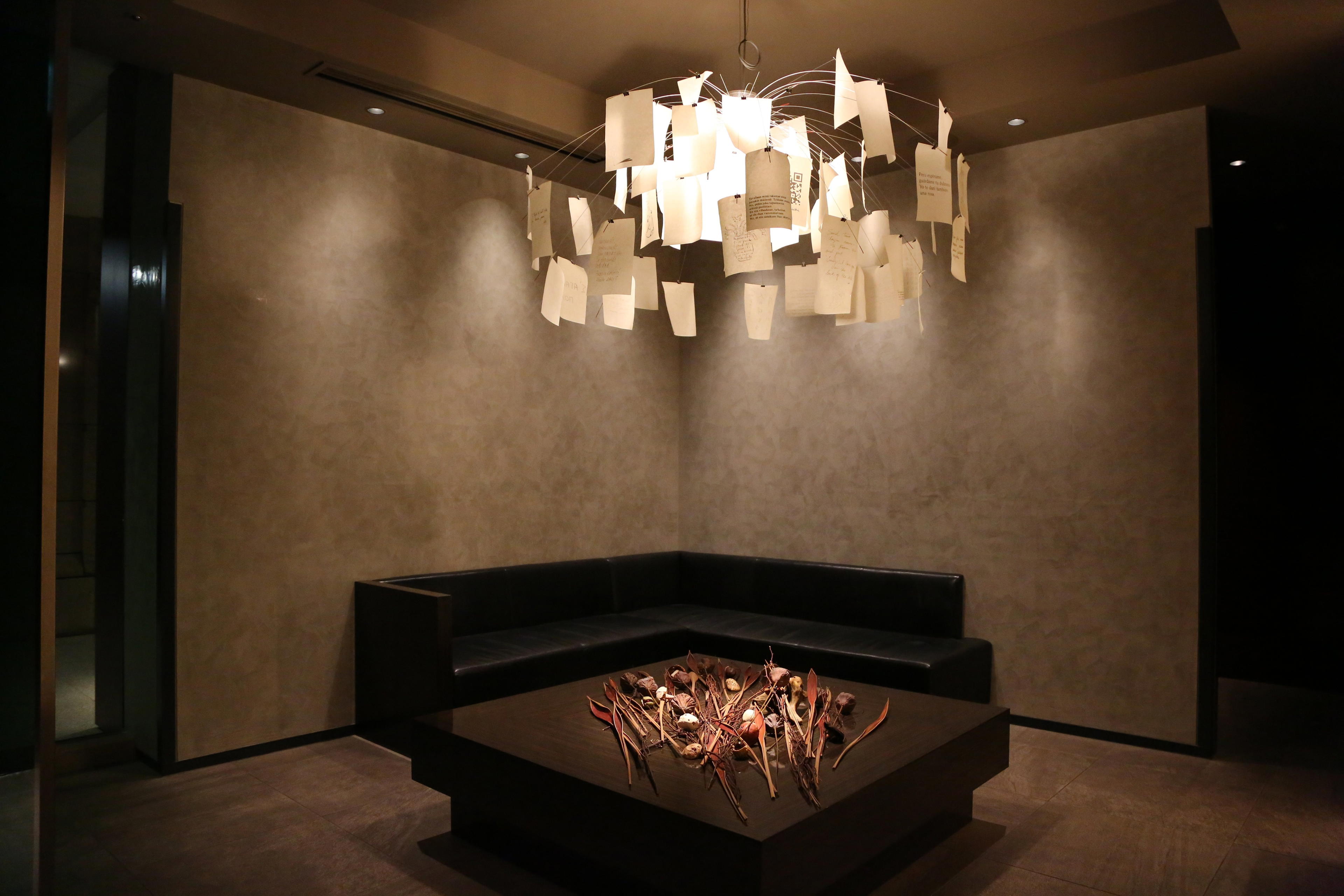




Bars in Miura-gun
Browse all →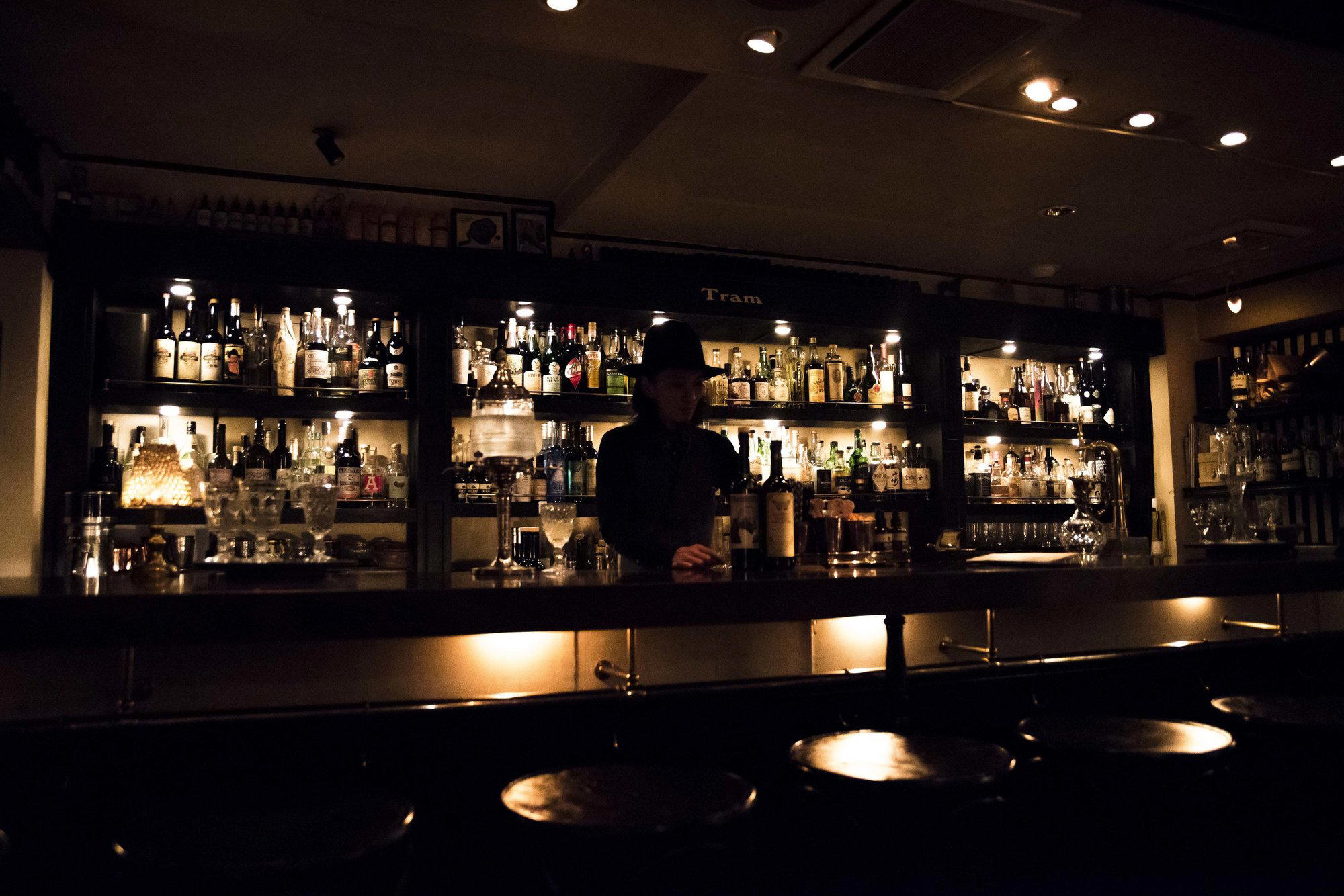







At a Glance
- Cozy
- Classic
- Scenic
- Solo
- Casual Hangout
- Family
- After Work
- Standalone
- Zero Proof
- Local Sourcing
- Street Scene
Current opening hours
- Monday
- 11 AM–5 PM
- Tuesday
- 11 AM–5 PM
- Wednesday
- Closed
- Thursday
- 11 AM–6 PM
- Friday
- 11 AM–6 PM
- Saturday
- 11 AM–6 PM
- Sunday
- 11 AM–6 PM
Hours can change for holidays and private events. Last verified .
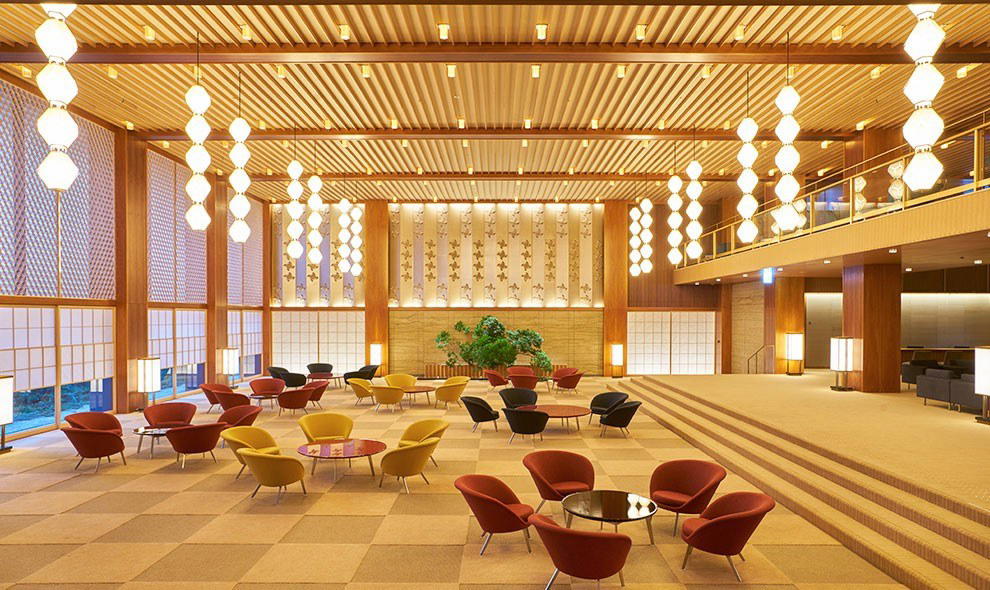
A small, traditional Japanese tea shop and kissaten-style cafe with a warm, nostalgic feel, shelves of carefully selected teas, and a calm, unhurried atmosphere suited to quietly enjoying wagashi and tea.