Smoke Jazz Club
At 2751 Broadway in the Upper West Side, Smoke Jazz Club has anchored New York's neighborhood jazz scene for decades, offering live music alongside food and drink in an intimate room that sits closer to community institution than tourist attraction. Where Midtown's jazz venues trend toward formality, Smoke runs on regulars, late-night sets, and a calendar that rewards repeat visits.
Pearl is the En Primeur Club membership app — saves, bookings, and concierge access live there. Same editors, same standards.
- Address
- 2751 Broadway, New York, NY 10025
- Phone
- +12128646662
- Website
- smokejazz.com
- Directions
- Get directions
 Saves & bookings on Pearl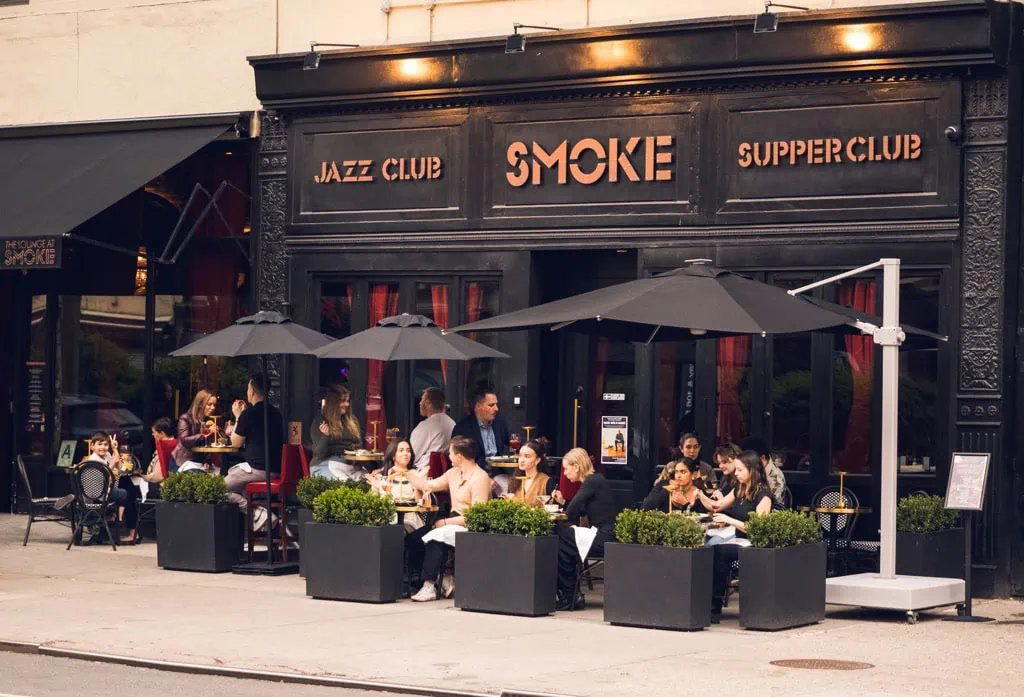
Upper West Side Jazz, Without the Midtown Markup
New York's jazz venues divide along a fault line that rarely gets mapped explicitly: the circuit of polished Midtown rooms where covers run high and tourists fill the front tables, versus the neighborhood clubs uptown where the music is just as serious and the crowd is mostly local. At 2751 Broadway, Smoke Jazz Club sits firmly in the second category. The Upper West Side address is not incidental, it places the room inside a residential corridor where jazz has coexisted with daily life since the bebop era, and where a club's survival depends on repeat visitors rather than one-time cultural tourists.
That distinction matters when you're trying to understand what the room actually is. Smoke does not compete with the tasting-menu ambition of Le Bernardin or the omakase pricing architecture of Masa. It competes with the question of where, in a city that has largely priced out its own creative class, you can still hear credible jazz in a room that feels like it belongs to the neighborhood rather than to hospitality investment.
How the Day Splits the Room
The lunch-versus-dinner divide at a jazz club operates differently than it does at a restaurant. At most serious dining rooms, including downtown flagships like Per Se or the Korean tasting counters that have redefined New York's upper tier, such as Atomix and Jungsik New York, lunch is a value entry point into a format that peaks at dinner. At a jazz club, the axis runs differently: the afternoon and early evening hours belong to the casual drop-in, while the late-night sets are the product.
Smoke's programming structure reflects this. The club is known for multiple sets per night, with the later performances drawing musicians and industry listeners who have already worked their day gigs. This is a pattern common to the more serious neighborhood rooms: the first set functions as an accessible on-ramp, shorter and often less demanding in its listening expectations, while the second and third sets, particularly on weekends, are where the musical risk-taking happens. If you're choosing between an early dinner at Smoke and arriving for the late set, you're making two different decisions about what kind of evening you want.
The food and drink operation exists to support that format, not the other way around. Unlike destination dining rooms where the kitchen is the primary product and the atmosphere is in service of it, the kitchen at a jazz club is correctly understood as hospitality infrastructure. It keeps people in their seats through the set breaks and gives the room a reason to open before the headline act. This is true across the American jazz club format, from legacy rooms in New Orleans, where Emeril's represents a parallel but distinct hospitality tradition, to Chicago venues that share a city with Alinea without competing with it in any meaningful sense.
The Upper West Side Context
Broadway in the 2700 block sits in the stretch of the Upper West Side that runs between the Columbia University corridor to the north and the more heavily trafficked blocks around 72nd Street to the south. It is a residential neighborhood with serious cultural infrastructure: Lincoln Center is within reasonable walking distance, and the surrounding blocks have sustained a community of working musicians for generations. That concentration matters. Smoke's location is not a branding choice; it reflects where the supply of musicians and the demand from musically literate locals actually overlap.
The neighborhood dynamic also affects booking behavior. Uptown jazz rooms tend to have a different rhythm than high-demand downtown restaurants where reservations open weeks or months ahead, like the farm-to-table precision of Blue Hill at Stone Barns outside the city or the long-lead planning required for The French Laundry in Napa. Walk-ins are more viable at neighborhood jazz clubs than at destination restaurants, though weekend sets with known headliners should be treated as reservable events rather than drop-in options.
Where Smoke Sits in the New York Jazz Hierarchy
New York supports several tiers of jazz venue. At the leading end, rooms like Jazz at Lincoln Center operate at institutional scale, with ticketed concerts in purpose-built halls and programming that skews toward major names and large ensembles. Below that sits a middle tier of established clubs, Village Vanguard being the canonical reference, with decades-long histories, consistent booking of serious musicians, and a reputation that reaches international audiences. Smoke operates in a tier that might be called the committed neighborhood room: smaller in profile than the Village Vanguard, more music-focused than a bar that happens to have a jazz calendar, and sustained by a combination of local loyalty and a programming depth that attracts players worth hearing.
For visitors building a broader New York dining and culture itinerary, Smoke functions as a counterweight to the high-investment dining experiences that dominate most premium travel planning. If your week already includes a meal at Per Se or a night at a room of that register, Smoke represents a different kind of premium: access to live music at a human scale, in a neighborhood that has been doing this longer than most of the city's celebrated restaurants have been open.
Planning Your Visit
| Venue | Category | Booking Lead Time | Price Tier | Evening Format |
|---|---|---|---|---|
| Smoke Jazz Club | Jazz Club / UWS | Flexible; walk-ins viable off-peak | Cover + food/drink | Multi-set live music |
| Le Bernardin | French Seafood | 2-4 weeks typical | $$$$ | Tasting or à la carte |
| Atomix | Modern Korean | 6-8 weeks typical | $$$$ | Fixed tasting counter |
| Masa | Omakase | Months in advance | $$$$ | Fixed omakase |
| Per Se | French Contemporary | 3-6 weeks typical | $$$$ | Tasting menu |
Smoke's address is 2751 Broadway, Manhattan. For weekend headline sets, booking ahead is advisable.
Cuisine and Recognition
Comparable venues nearby, for context on price, style, and recognition.
| Venue | Cuisine | Price | Notes |
|---|---|---|---|
| Smoke Jazz ClubThis venue — the venue you are viewing | New American with Jazz | $$$ | Not listed |
| Terravita | Modern American with Mediterranean & Asian Fusion | $$$ | Washington Heights (North) |
| Little Park | Seasonal American Farm-to-Table | $$$ | Tribeca-Civic Center |
| Urban Cove Society and Kitchen | Modern American with Global Fusion | $$$ | Financial District-Battery Park City |
| Dizzy's Club | Southern American Jazz Club Cuisine | $$$ | Upper West Side-Lincoln Square |
| The East Pole | Polished Farm-to-Table American | $$$ | Upper East Side-Carnegie Hill |
Continue exploring
More in New York City
Restaurants in New York City
Browse all →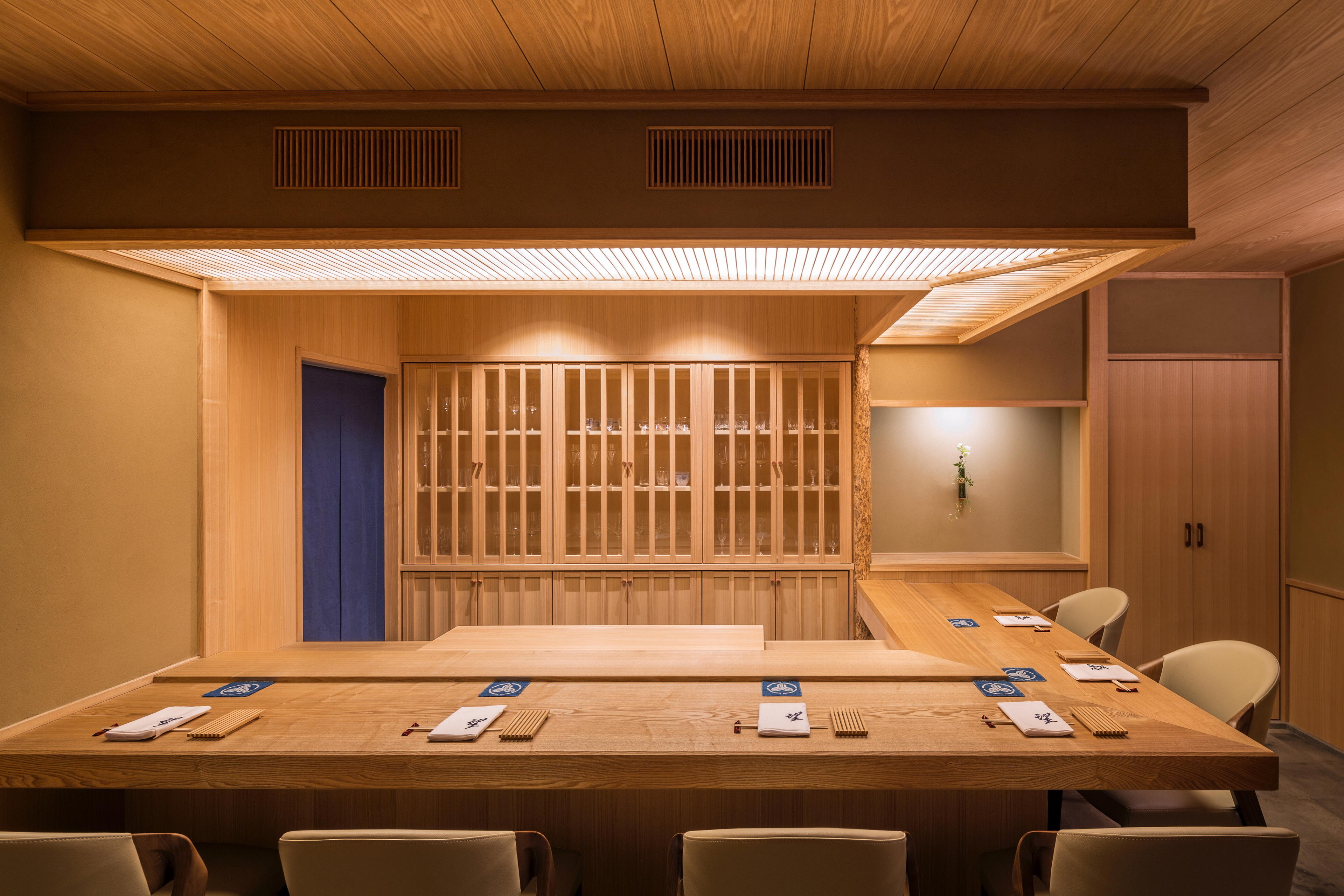
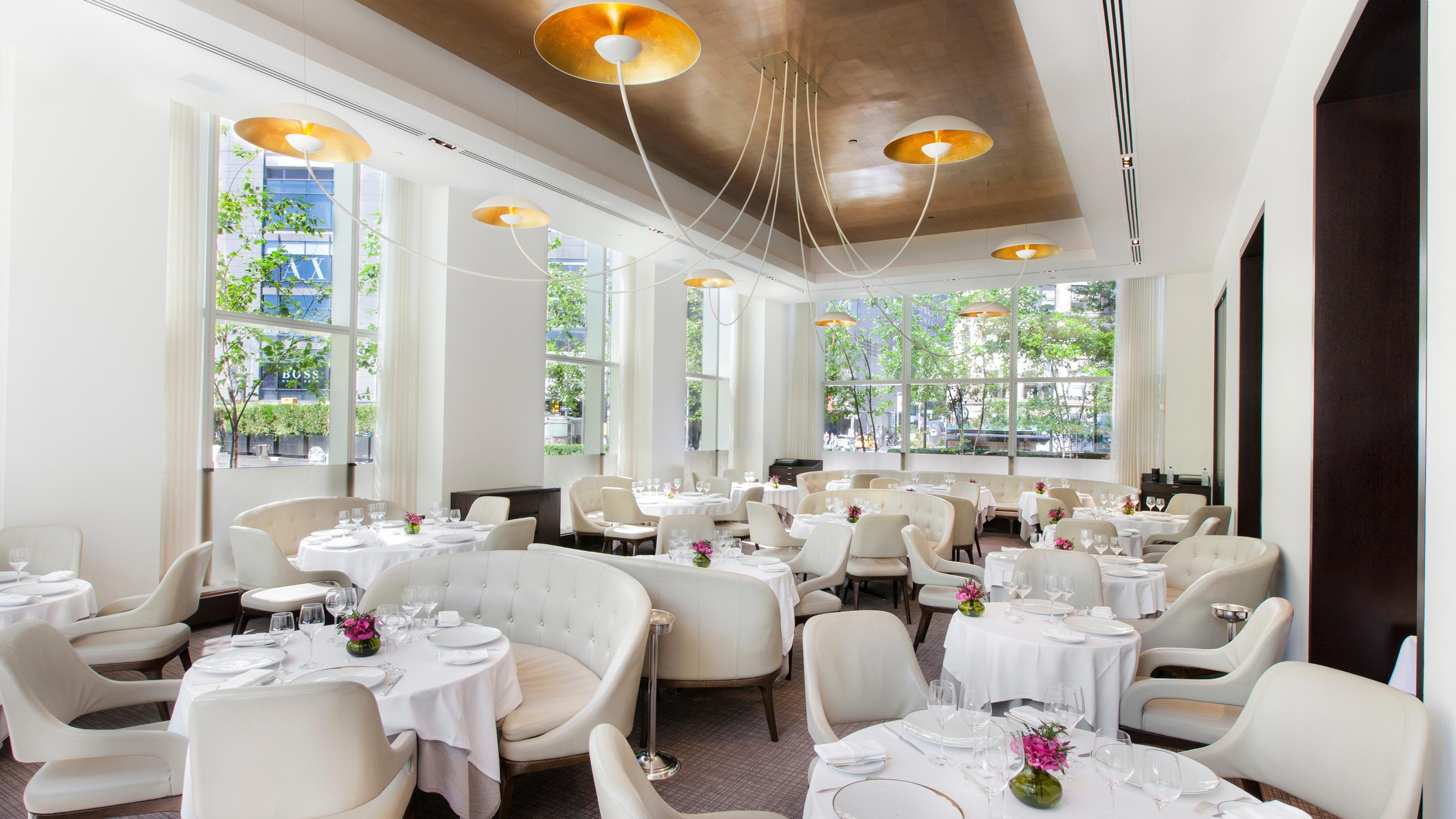
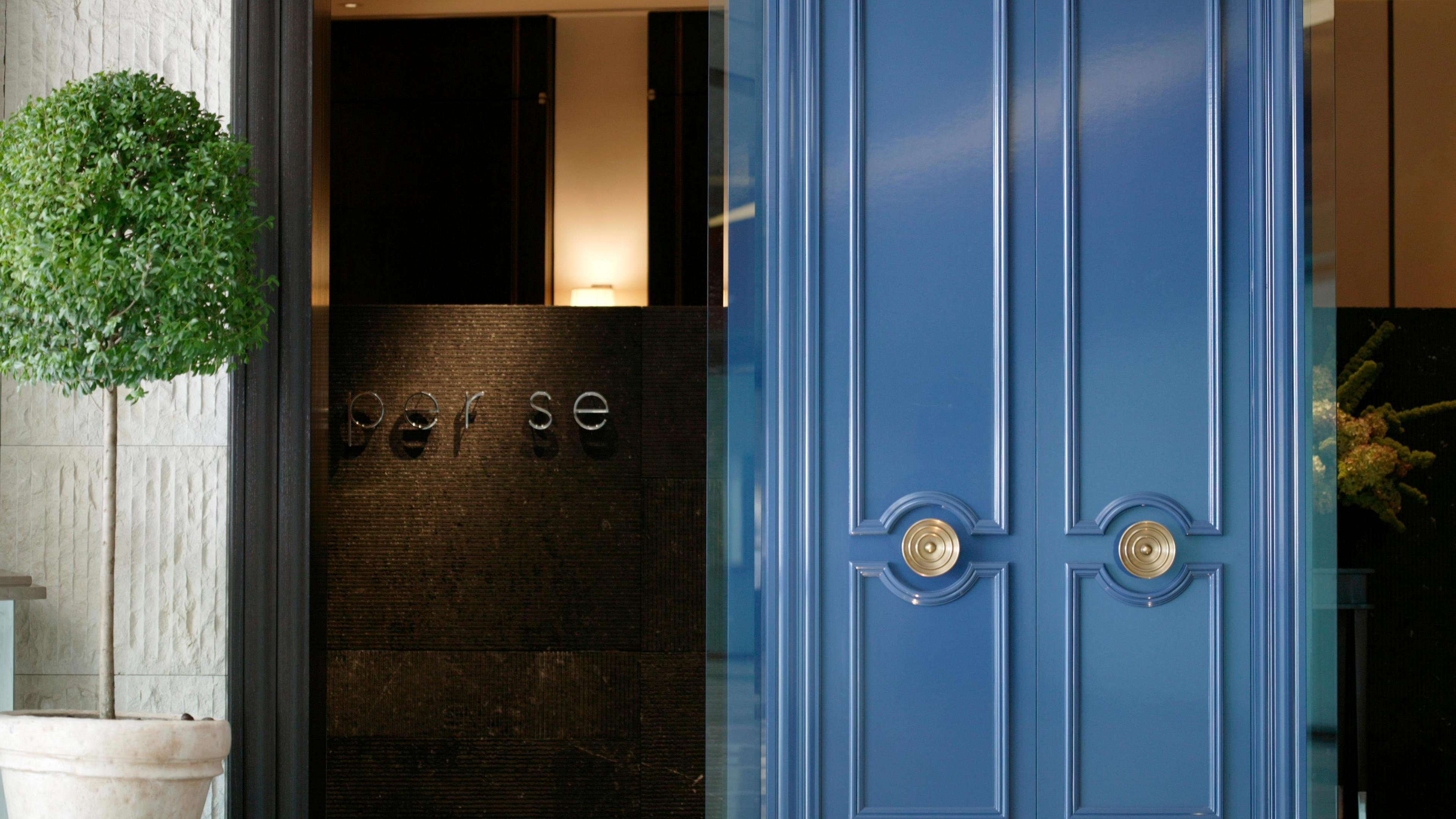
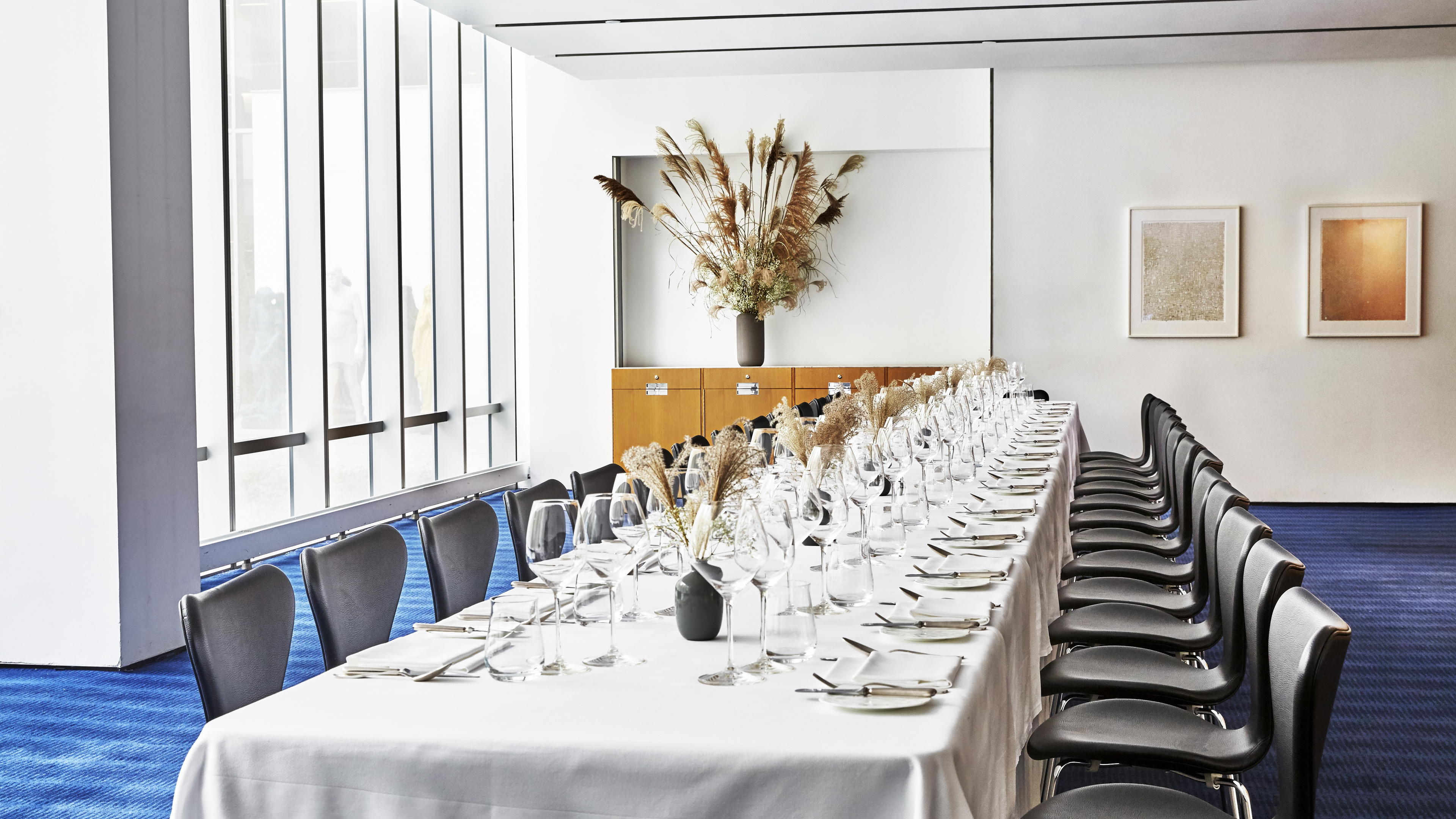
Bars in New York City
Browse all →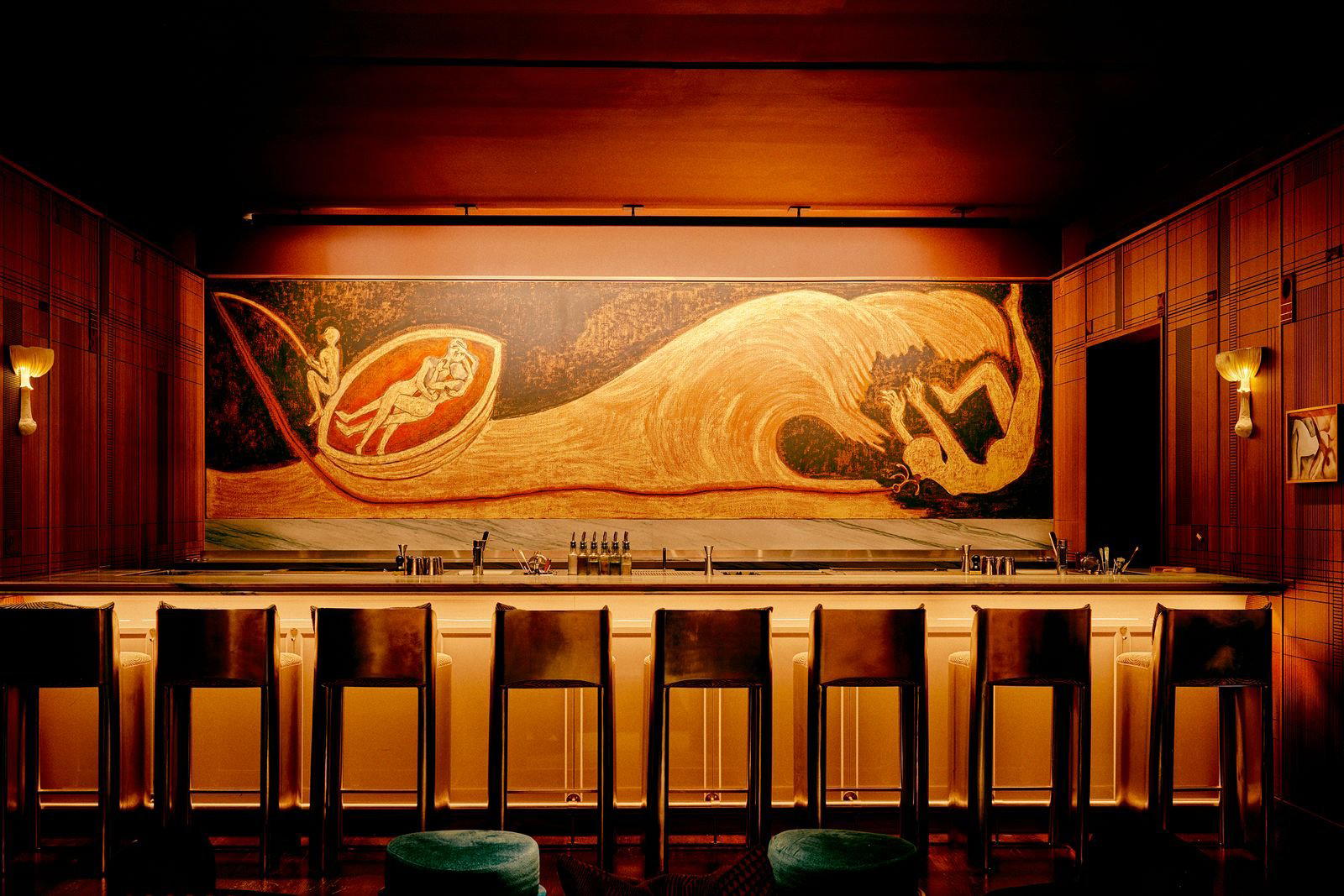
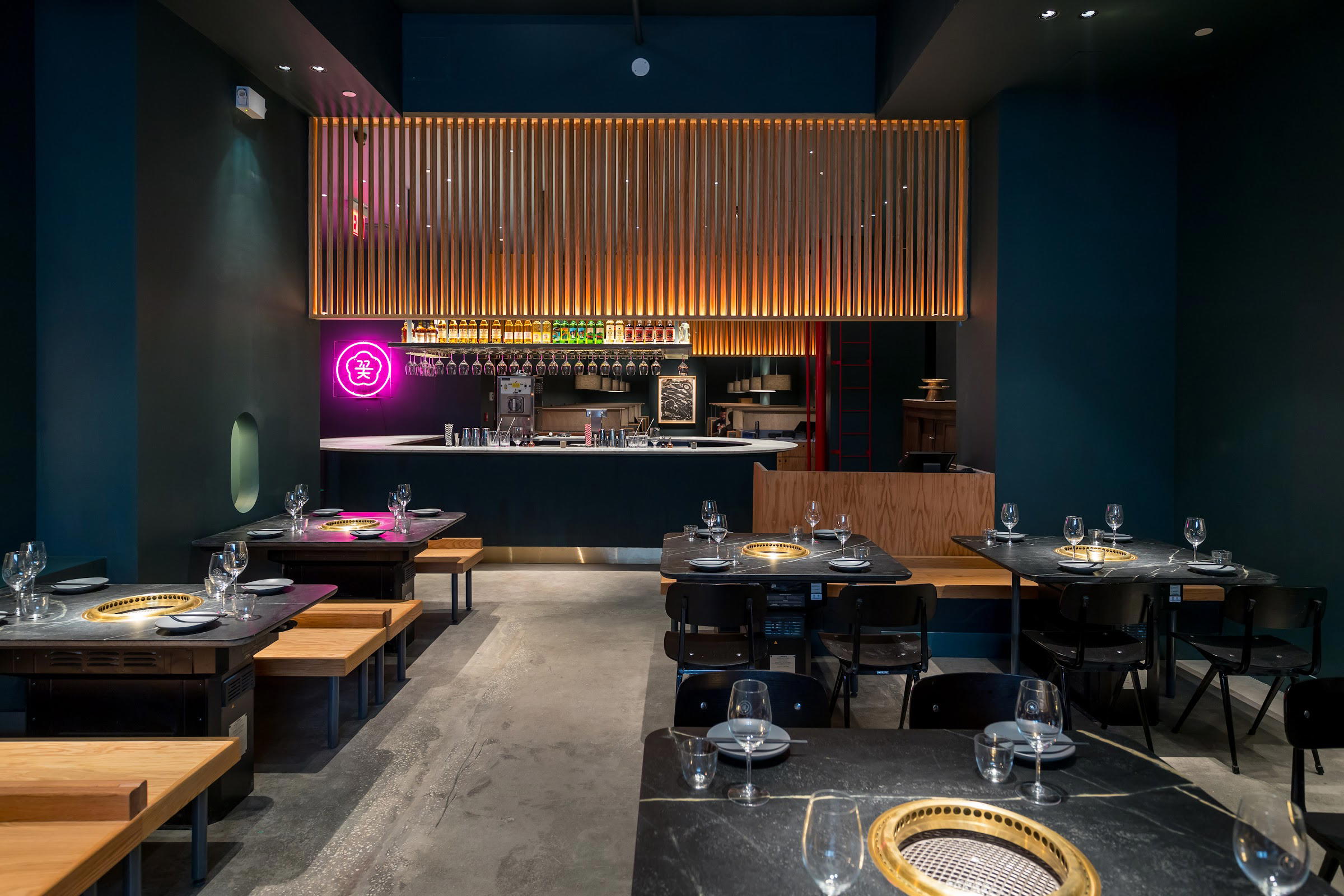

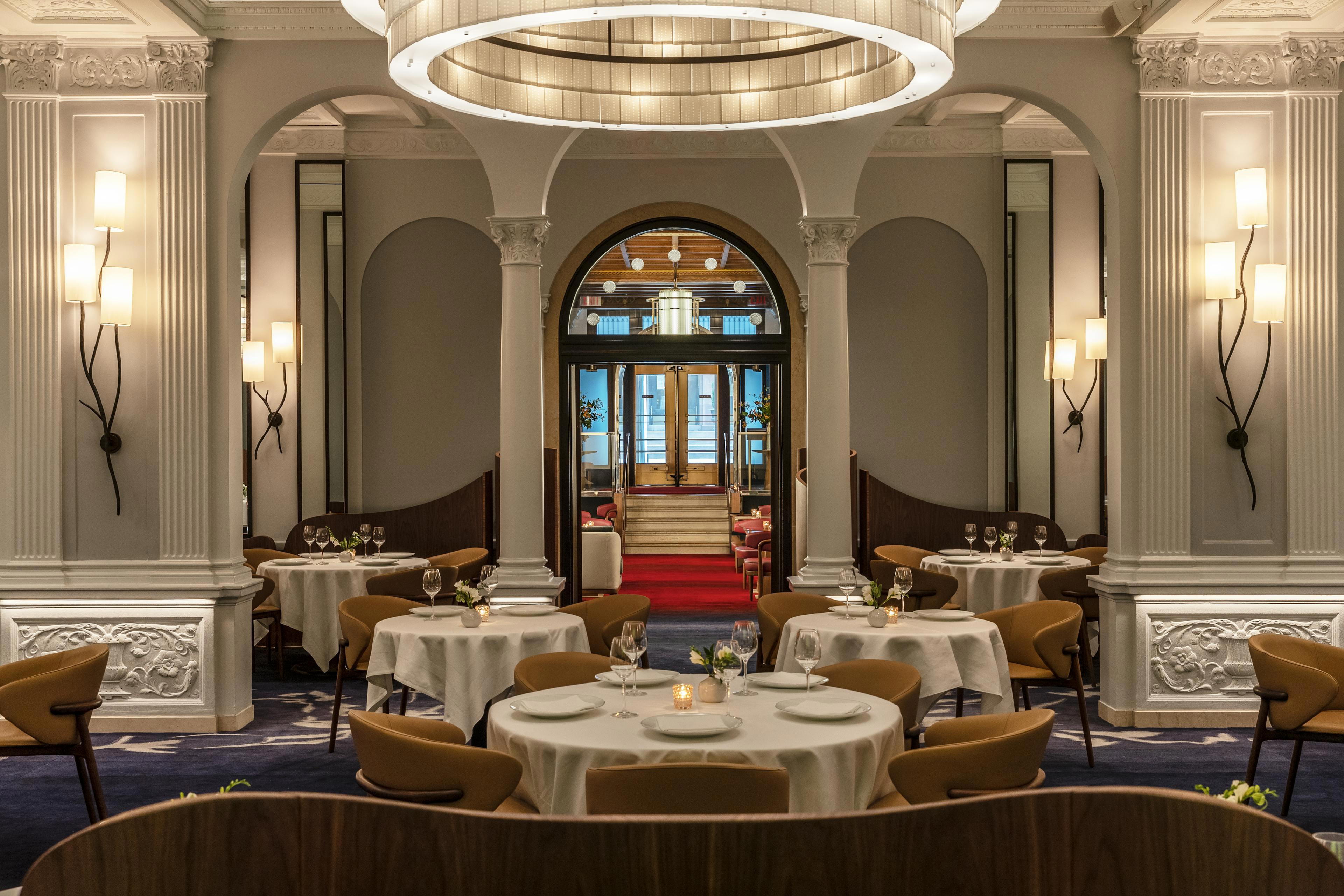
Hotels in New York City
Browse all →





At a Glance
- Romantic
- Classic
- Intimate
- Elegant
- Well Known
- Date Night
- Special Occasion
- Celebration
- After Work
- Live Music
- Private Dining
- Standalone
- Craft Cocktails
- Extensive Wine List
Current opening hours
- Monday
- Closed
- Tuesday
- Closed
- Wednesday
- 4–11 PM
- Thursday
- 4–11 PM
- Friday
- 4 PM–12 AM
- Saturday
- 4 PM–12 AM
- Sunday
- 4–11 PM
Hours can change for holidays and private events. Last verified .
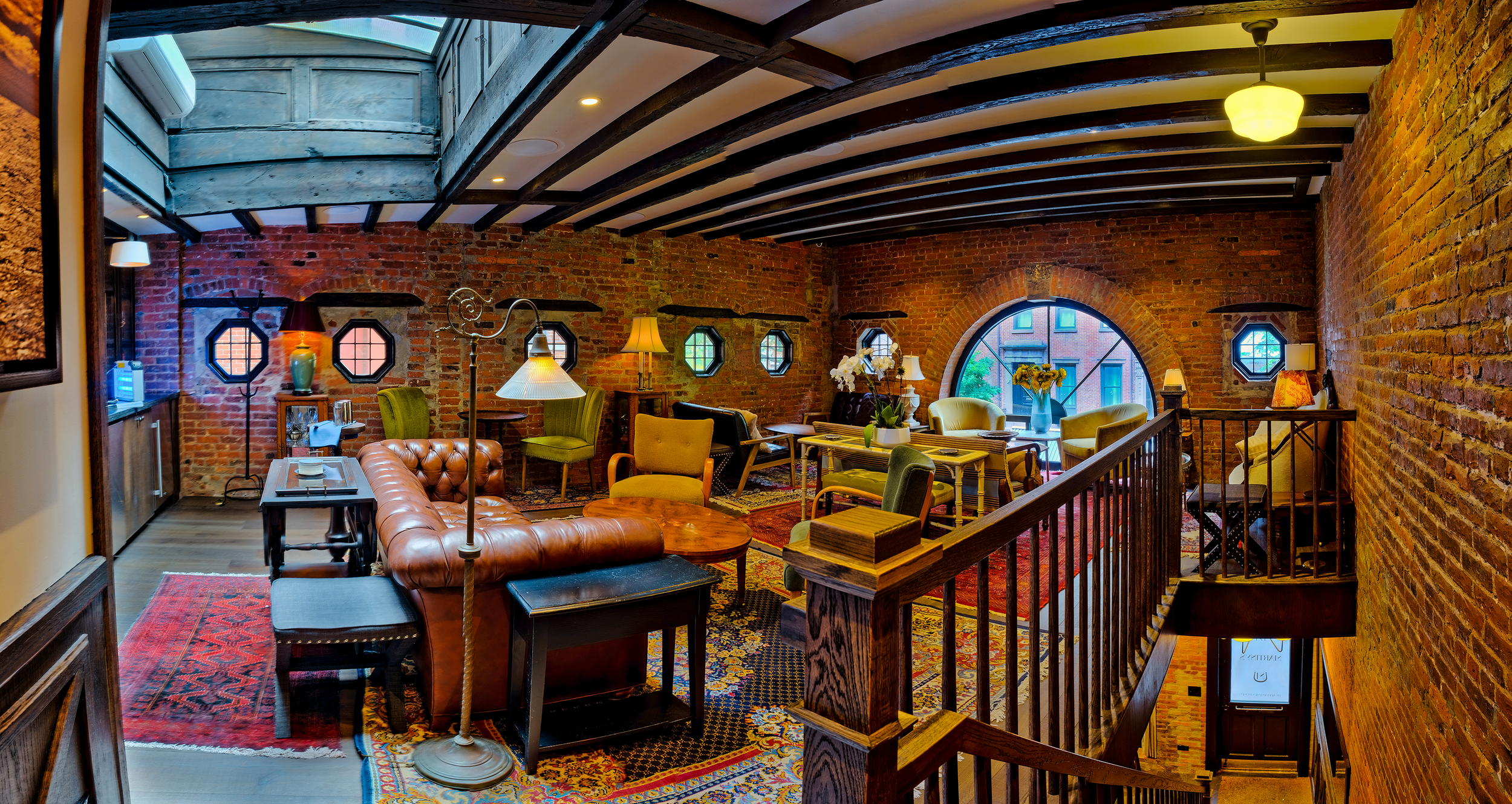
Intimate and elegant with candlelit tables, plush red velvet banquettes, exposed brick walls, antique chandeliers, and well-known jazz photography creating a classic New York nightclub atmosphere.