Melusine

At St Katharine Docks, Melusine brings a Greek-inflected seafood menu to an unexpected corner of East London. Chef Theodore Kyriakou applies classical technique to Hellenic tradition, producing dishes like avgolemono-dressed trout and chargrilled octopus with fava purée. The wine list leans heavily into Greek producers, with staff well-placed to guide the unfamiliar through it.
Pearl is the En Primeur Club membership app — saves, bookings, and concierge access live there. Same editors, same standards.
- Address
- Unit K, Ivory House, St Katharine Docks, E Smithfield, London E1W 1AT, United Kingdom
- Phone
- +44 20 7702 2976
- Website
- themelusine.co.uk
- Directions
- Get directions
 Saves & bookings on Pearl
Greek Technique in an East London Marina
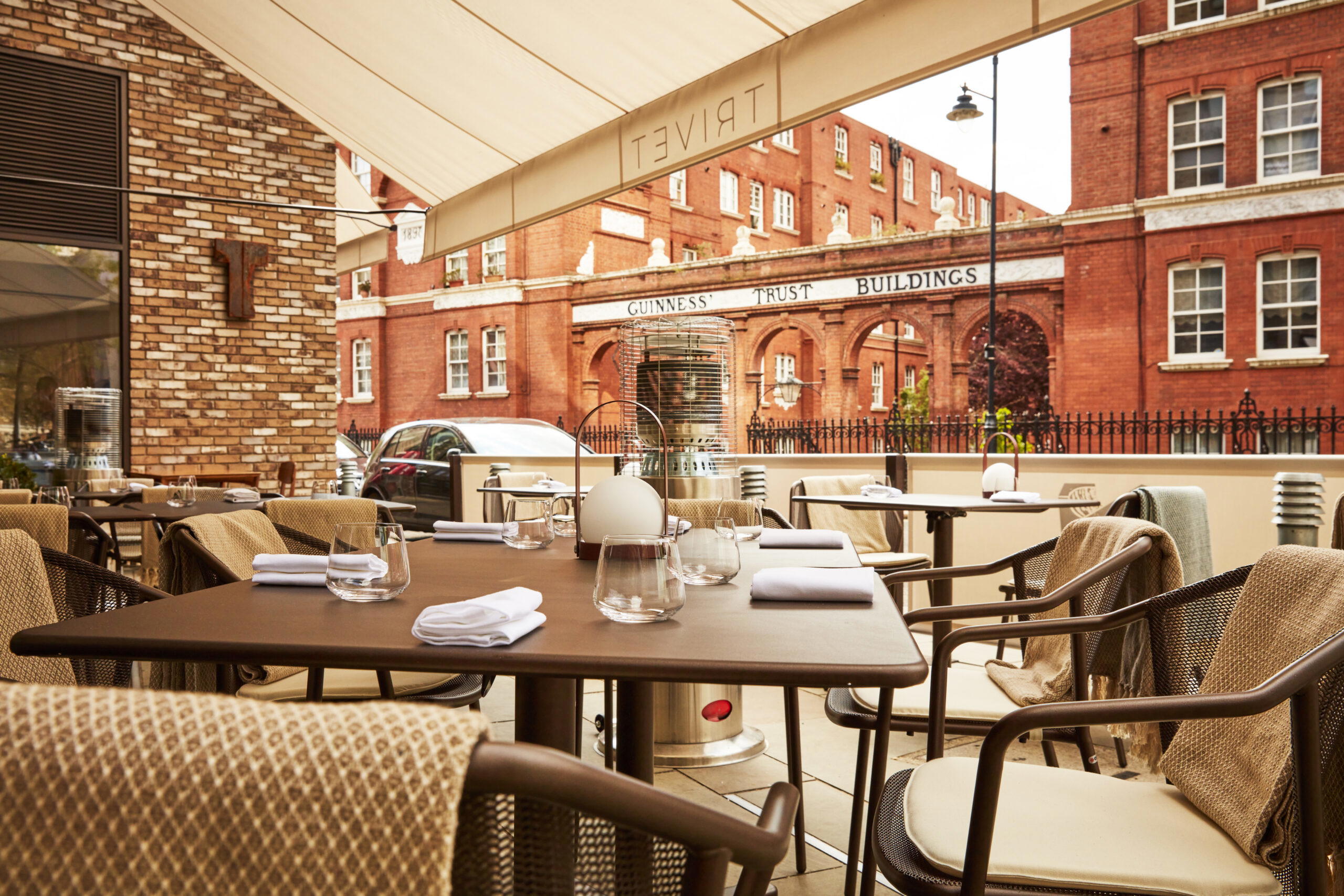
London's seafood restaurant scene has long divided between the grand, French-inflected rooms of the West End and the casual, neighbourhood fish cafés scattered across the inner boroughs. Melusine is a restaurant in London serving Modern Mediterranean Seafood, with a £95 average price per person. In summer, a pavement table facing the moored yachts carries a plausible Mediterranean charge. In winter, the proposition rests almost entirely on the food, which is where it should rest.
The wider culinary conversation around Greek cuisine in London has been slow to move beyond mezze formats and grilled whole fish. What makes Melusine worth attention is that it operates on different terms: the cooking here is as technically considered as anything in the contemporary European bracket, but the flavour logic remains rooted in the Aegean. That intersection of imported technique and indigenous product is precisely the zone where particularly interesting things tend to happen in modern restaurant kitchens, from Atomix in New York City to the tasting-menu operations that have defined British fine dining over the past decade.
What the Kitchen Is Actually Doing
The kitchen produces a menu that is more restrained than some earlier Greek-accented work but no less technically alert. The example that defines the house style most clearly is a steamed trout starter finished with avgolemono: the Greek egg-and-lemon sauce, reinterpreted at a near-custard consistency and split with a green herb oil for visual contrast. Pickled carrot and micro amaranth leaves supply a citric and aromatic counterpoint, while nori mayonnaise adds umami depth. The dish works because each element performs a structural function rather than acting as decoration.
Among main courses, a chargrilled octopus tentacle served with fava bean purée, watercress pesto, and mesclun is a study in restraint. The cooking is direct, the garnish supporting rather than competing. This approach, where the primary ingredient is the subject and technique exists to clarify rather than transform, connects Melusine to a broader tendency in serious seafood cooking, visible at different price points from Le Bernardin in New York City to high-attention British kitchens like Moor Hall in Aughton.
Desserts are where the kitchen tests its own logic most aggressively. Blue-cheese ice cream with olive oil and strawberry with sweetcorn ice cream are menu entries that read as provocation. The more measured option is a chocolate and tahini tart, where sesame paste does structural work, adding body to the filling without cloying weight. It is representative of what happens when a kitchen treats traditional pantry ingredients as technical tools rather than nostalgic gestures.
The Wine List as an Education
Greek wines remain underrepresented on most London lists, which means the wine program here functions partly as a curated introduction to producers most diners have not encountered. The list leans substantially toward Greek appellations, and without prior familiarity with the country's geography and grape varieties, it can read as opaque. The practical answer is to use the staff. A Smederevka from North Macedonia, available by the carafe, was cited as an affordable and well-suited option at a test meal. That kind of flexibility in format and price access matters in a room where the wine list could otherwise feel exclusionary.
The wine program takes a different approach, leaning substantially toward Greek appellations and inviting staff guidance. Melusine makes a different argument: that particularly interesting bottles in your price range might be the ones you have not yet learned to recognise.
Context and Competition
St Katharine Docks is not a neighbourhood that generates restaurant destinations by default. The marina draws tourists and office workers from the adjacent Tower Bridge corridor, and the local dining circuit has historically leaned toward crowd-volume operations rather than chef-driven rooms. That makes Melusine an outlier in its immediate environment, though not in the broader London picture, where chef-led small plates and tasting formats have proliferated steadily since the mid-2010s.
In the wider London seafood category, the competition for serious, technique-forward fish cooking is real. CORE by Clare Smyth and The Ledbury address seafood as part of broader modern European menus at considerably higher price points and with sustained awards recognition. Dinner by Heston Blumenthal approaches fish through a historical British lens. None of these is a direct peer to what Melusine is doing, which is more accurately positioned alongside the smaller, independent kitchens using a single culinary tradition as a serious structural commitment rather than a loose theme. For the broader geography of this kind of British restaurant cooking, destinations like L'Enclume in Cartmel, Gidleigh Park in Chagford, and Le Manoir aux Quat' Saisons in Great Milton represent the country-house end of serious technique, while Hand and Flowers in Marlow and The Fat Duck in Bray illustrate different applications of the same core premise: that a clearly defined culinary vision is particularly durable foundation for a serious restaurant.
Know Before You Go
Cuisine Lens
Comparable venues nearby, for context on price, style, and recognition.
| Venue | Cuisine | Price | Notes |
|---|---|---|---|
| MelusineThis venue — the venue you are viewing | Modern Mediterranean Seafood | $$$ | Not listed |
| Wright Brothers Borough Market | British Seafood & Oyster Bar | $$$ | Borough |
| fish | Classic British Seafood | $$$ | Borough |
| Seabird | Modern Seafood with Iberian Influences | $$$ | Bankside |
| Sweetings | Classic British Seafood & Oysters | $$$ | Cheapside |
| Burger and Lobster | Burgers and Lobster | $$$ | Mayfair |
Recognition history
Dated appearances from independent guides and award organizations, with the underlying list record or original source where available.
The Good Food Guide GFG Good
The Good Food Guide
Continue exploring
More in London
Restaurants in London
Browse all →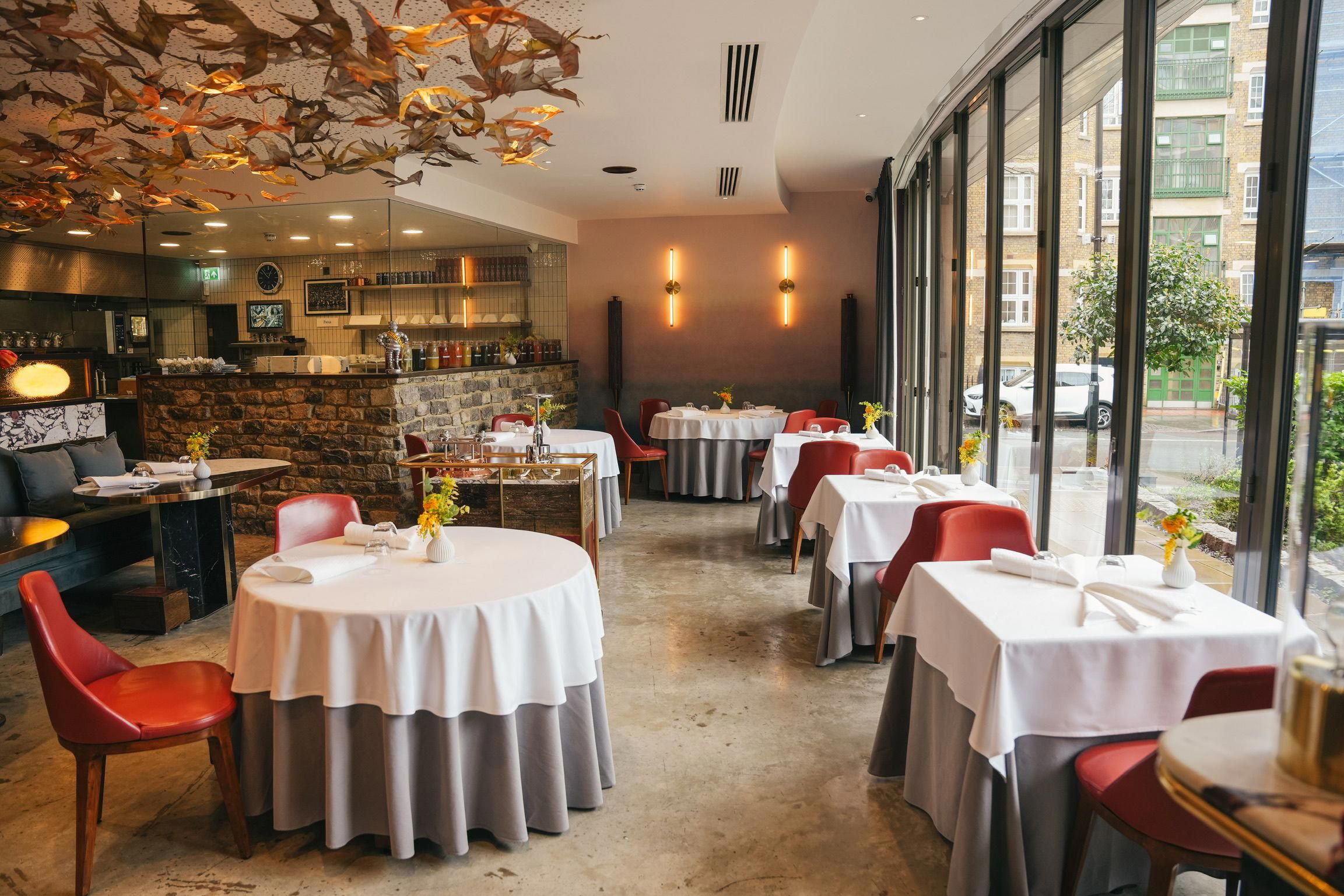
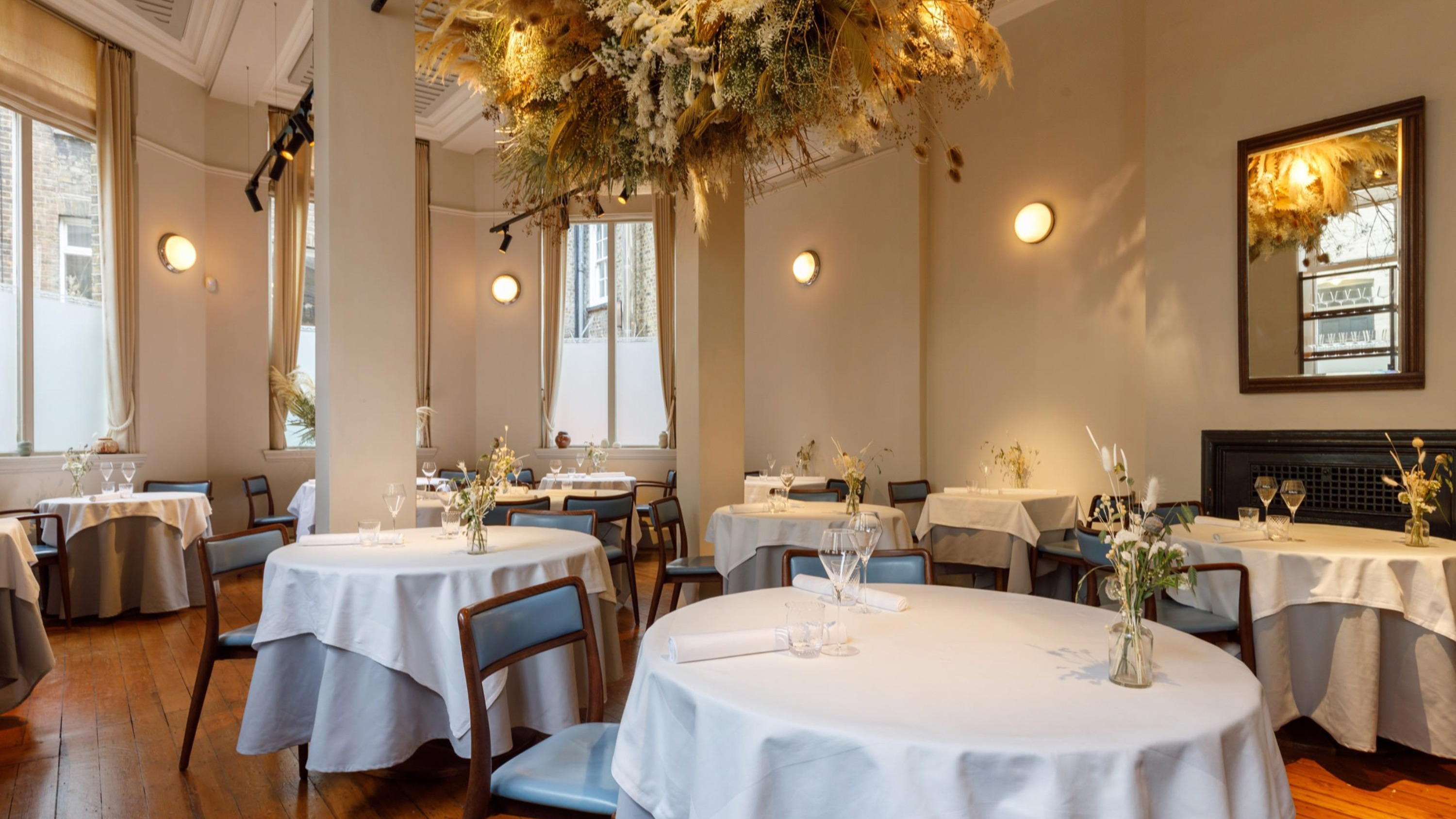
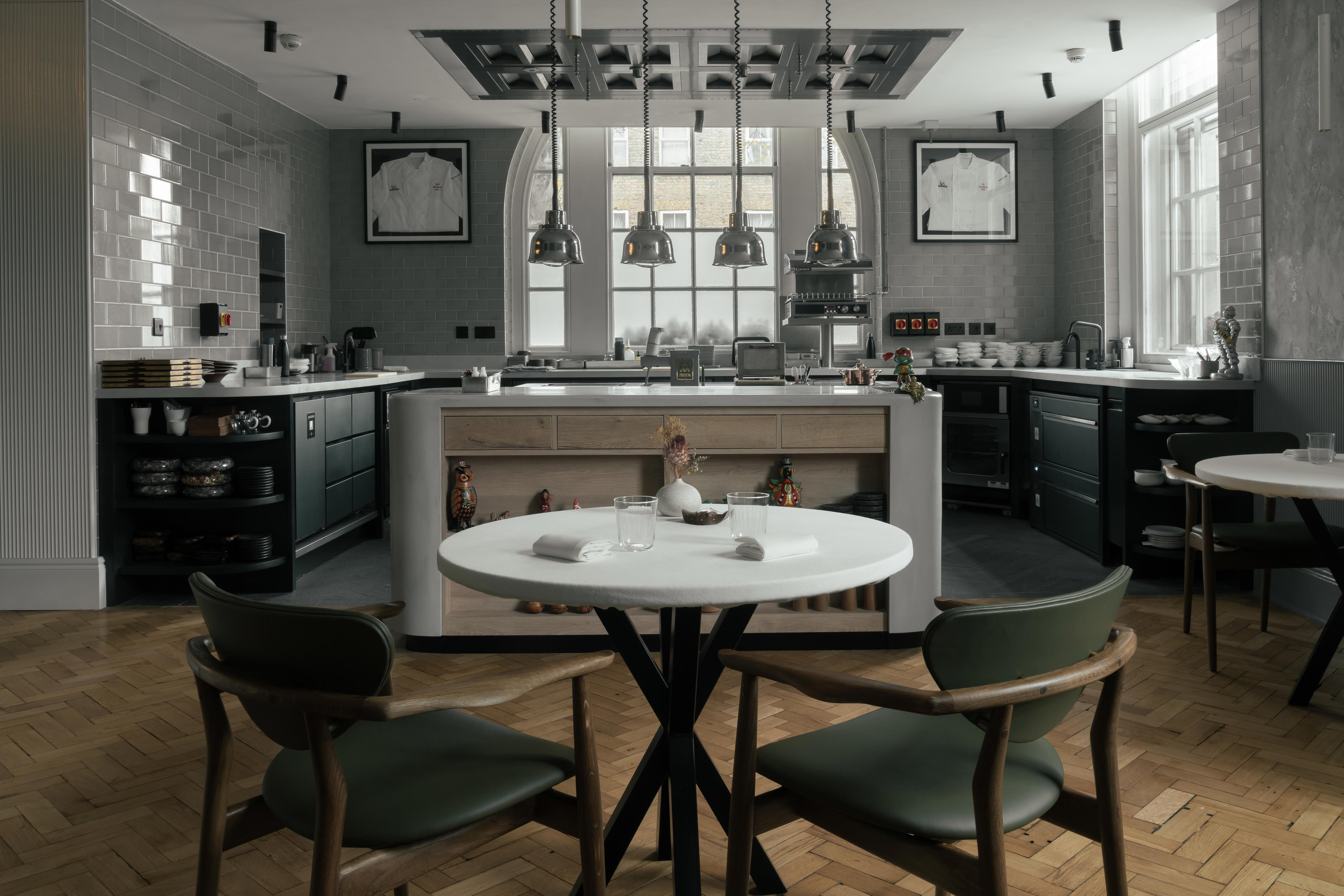
Bars in London
Browse all →
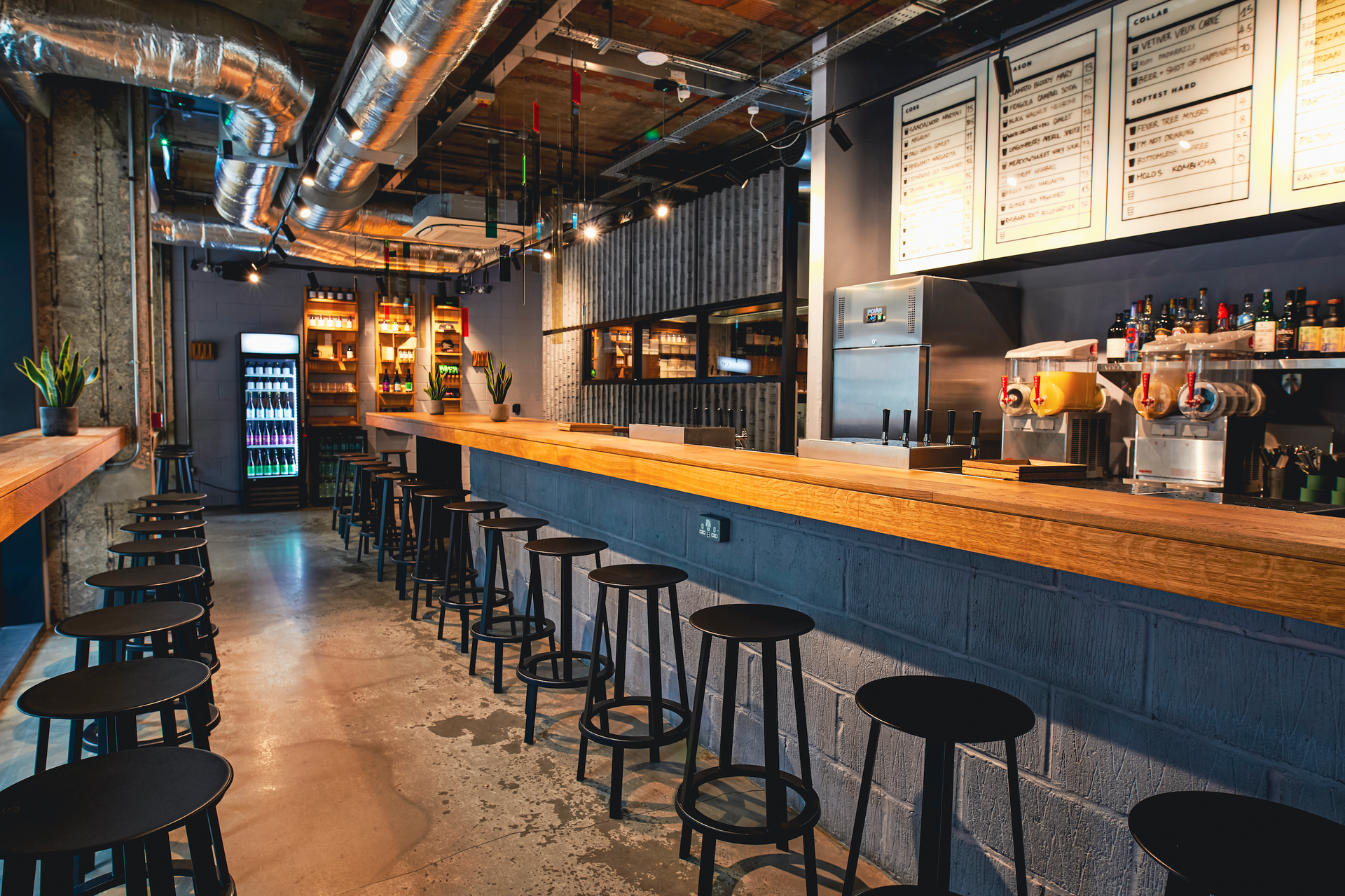
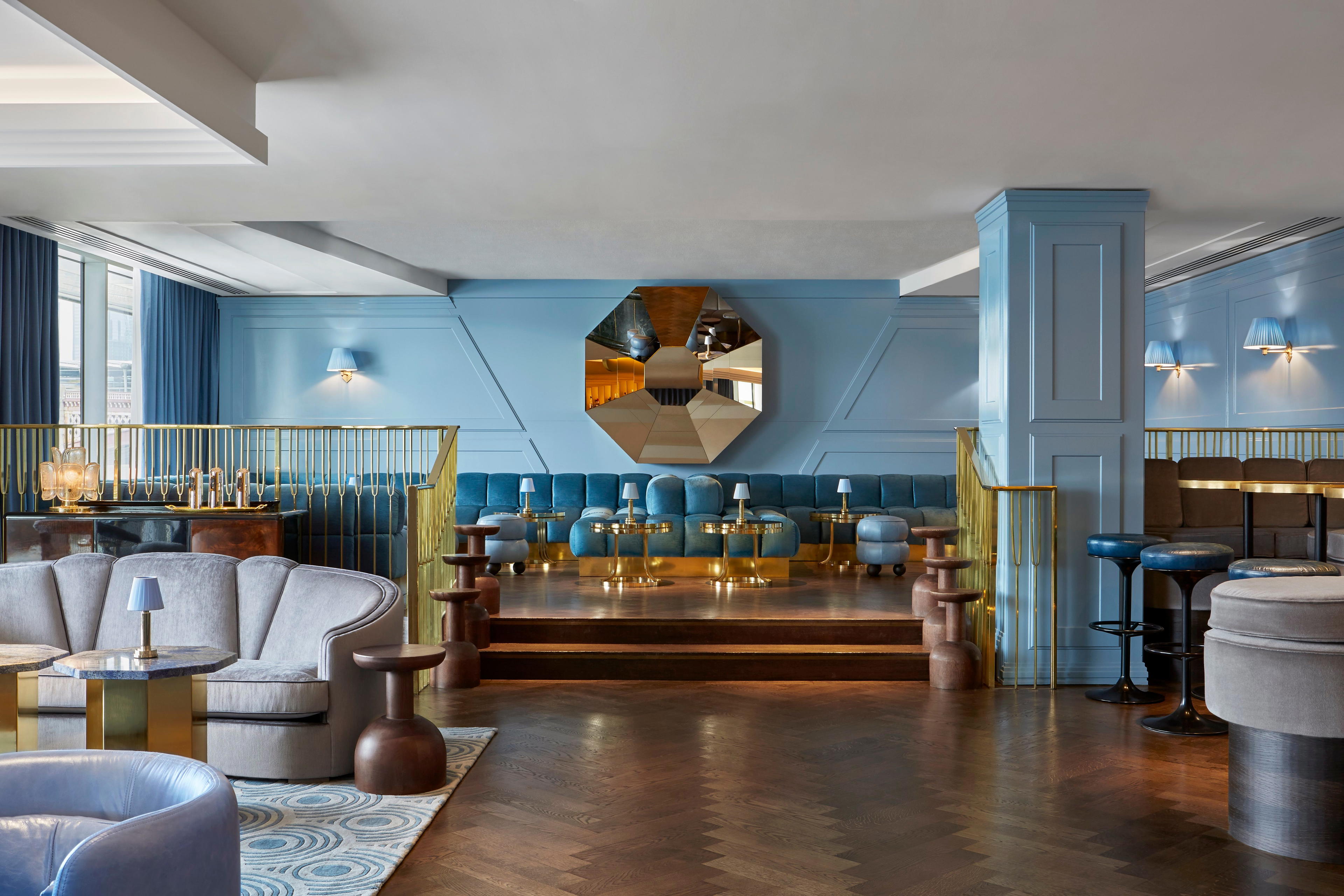
Hotels in London
Browse all →




At a Glance
- Intimate
- Scenic
- Elegant
- Cozy
- Date Night
- Special Occasion
- Celebration
- Waterfront
- Open Kitchen
- Standalone
- Extensive Wine List
- Craft Cocktails
- Beer Program
- Sustainable Seafood
- Local Sourcing
- Waterfront
Current opening hours
- Monday
- 12–10:30 p.m.
- Tuesday
- 12–10:30 p.m.
- Wednesday
- 12–10:30 p.m.
- Thursday
- 12–10:30 p.m.
- Friday
- 12–10:30 p.m.
- Saturday
- 12–10:30 p.m.
- Sunday
- 12–9:30 p.m.
Hours can change for holidays and private events. Last verified .
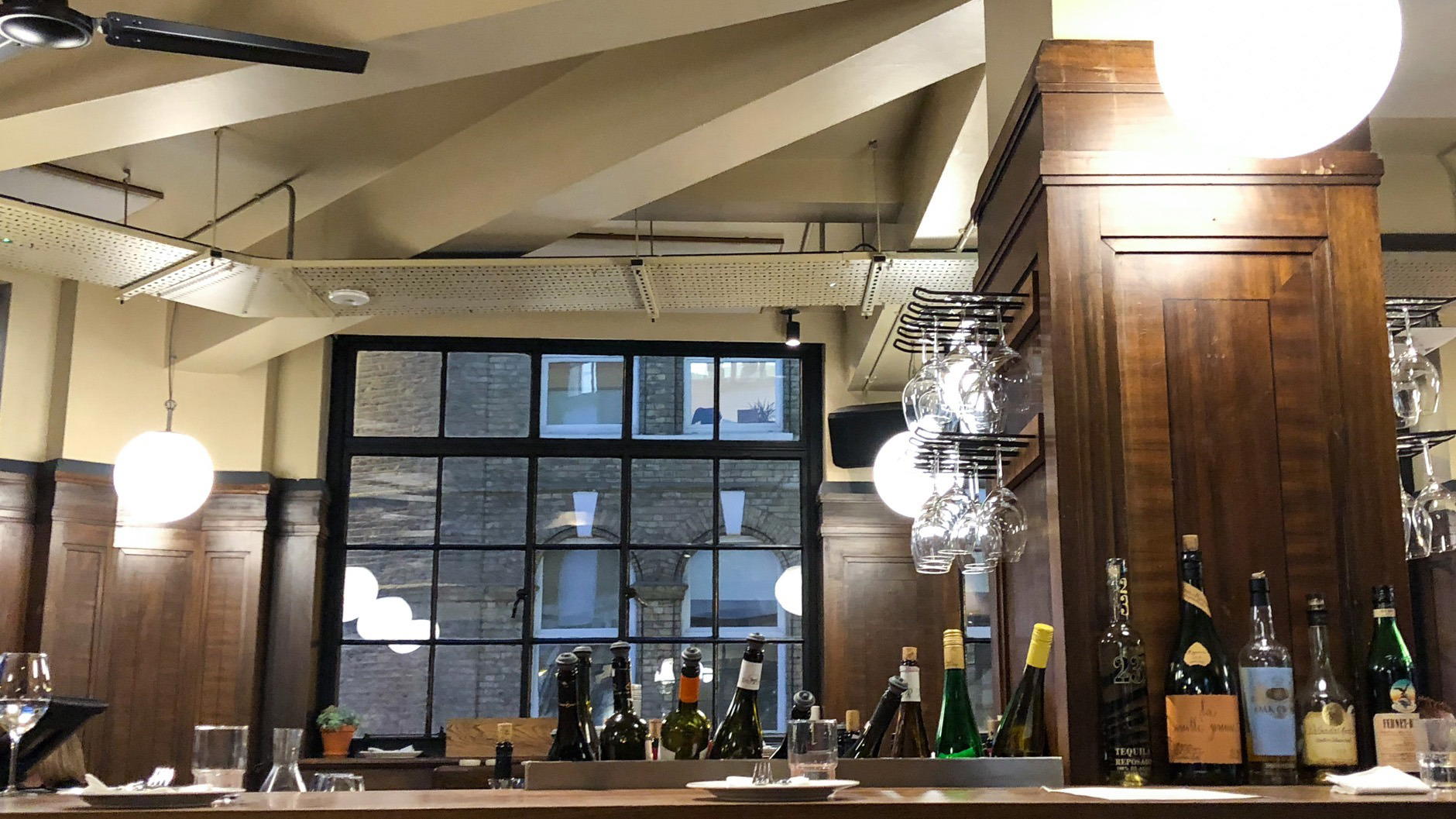
Cozy and refined with a lovely buzz; intimate setting with window tables overlooking the dock. Interior can feel gloomy in winter with brown furnishings, but the waterside location creates a pleasant al fresco dining atmosphere.