Our verdict
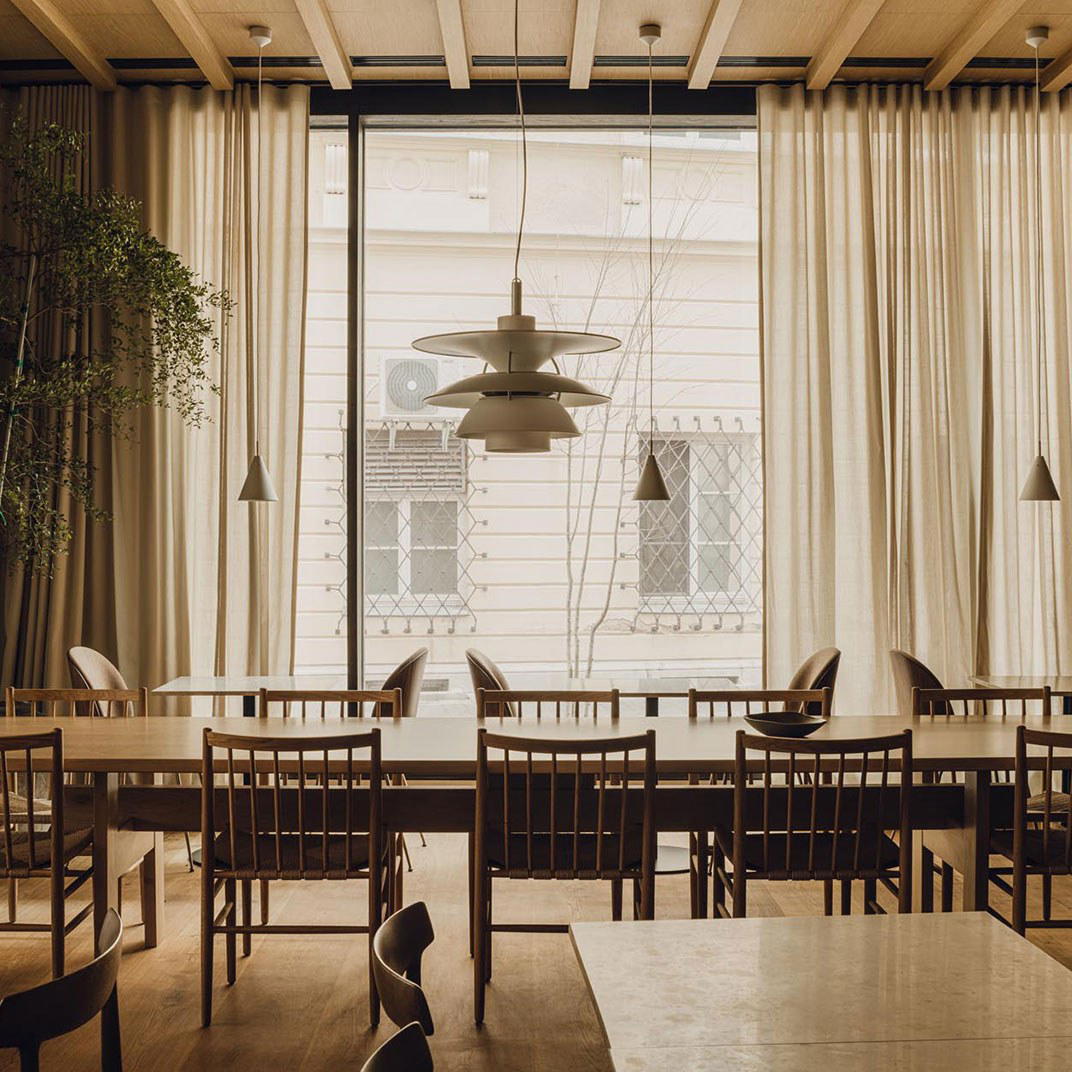
Ósma Kolonia occupies a residential address on Słowackiego in Warsaw's Żoliborz district, operating at the quieter end of the city's modern dining conversation. The venue draws a repeat clientele that values consistency over spectacle, placing it in the neighbourhood-rooted tier of Warsaw's broader restaurant scene. Visit for an evening that prioritises substance over showmanship.

Pearl is the En Primeur Club membership app — saves, bookings, and concierge access live there. Same editors, same standards.
- Address
- Słowackiego 15/19, 01-592 Warszawa, Poland
- Phone
- +48452730184
- Hours
- Mon–Tue 12–9 PMWed–Fri 12–9:30 PMSat 1–9:30 PMSun 1–9 PM
- Website
- facebook.com
- Directions
- Get directions
Żoliborz and the Case for Neighbourhood Dining
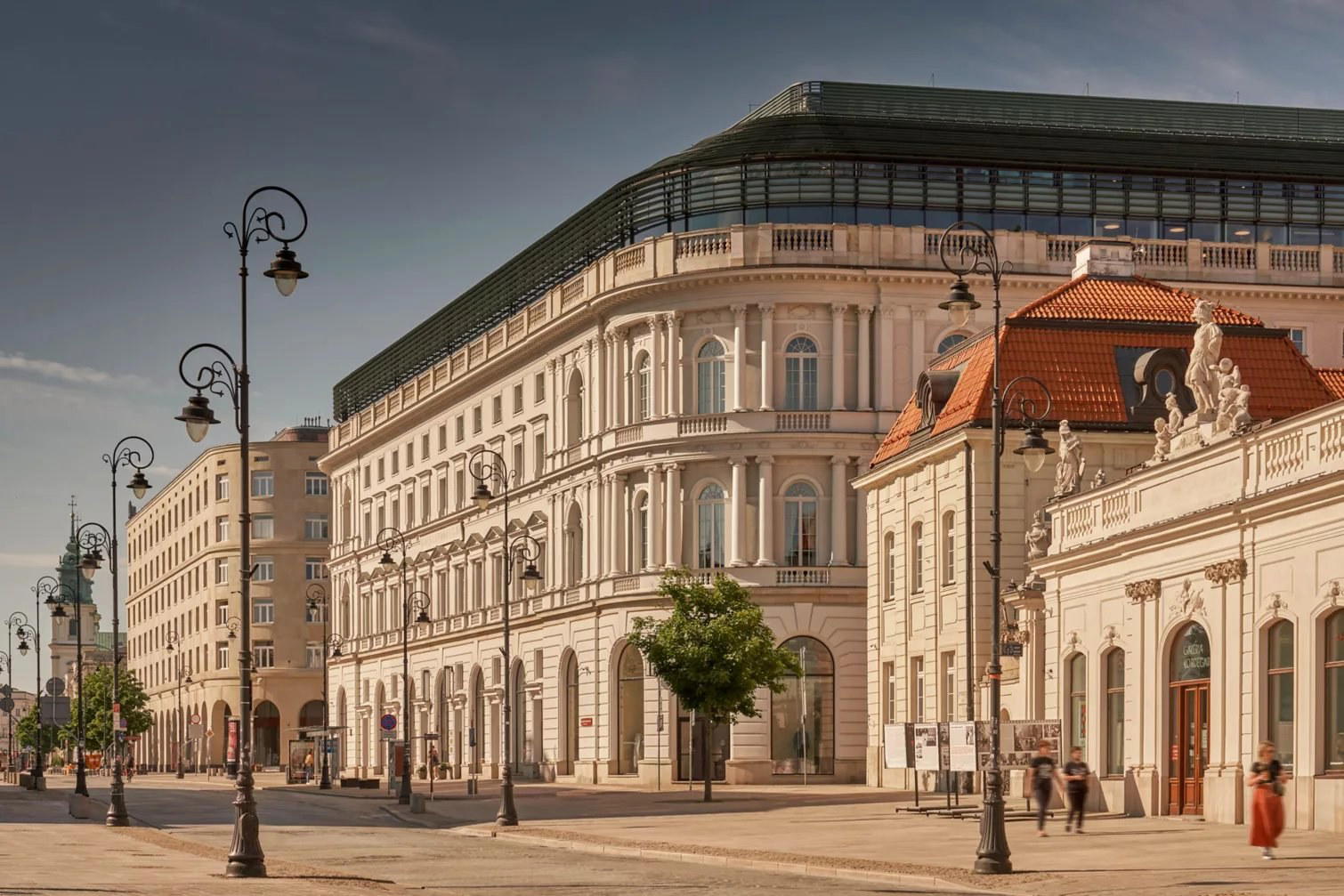
Warsaw's serious dining conversation tends to default to the centre: Śródmieście, the Old Town perimeter, the riverside developments pulling chefs and investors alike. Żoliborz operates on different terms. The district, running north along Słowackiego, has a residential density and an inter-war architectural character that resists the kind of high-turnover restaurant format that crowds into more central postcodes. It is the kind of neighbourhood where a restaurant earns its reputation through repeat visits rather than opening-week press, and where the clientele tends to know what they want before they arrive. Ósma Kolonia, at Słowackiego 15/19, sits inside that logic. The address alone signals something about the intended audience: this is not a restaurant angling for the tourist corridor or the corporate expense account.
That positioning matters in a city where the mid-to-upper dining tier has expanded considerably over the past decade. Warsaw now carries venues operating across a wide range of formats and price points, from the €€ Modern Polish territory occupied by places like alewino through to the €€€ modern European and creative registers represented by Rozbrat 20 and hub.praga. Within that expanded field, a neighbourhood address in Żoliborz is a deliberate choice rather than a concession.
What Keeps Regulars Returning
The most instructive way to read a restaurant with limited press exposure and a local-leaning address is through the behaviour of its returning clientele. In Warsaw's dining culture, that group tends to be specific in its preferences: Polish diners who have eaten broadly, who have reference points extending to Kraków's Bottiglieria 1881 and beyond, and who are not easily impressed by format novelty alone. When a restaurant in a non-central Żoliborz address holds that audience, it is because the kitchen delivers something reliable at a level that justifies the journey from other parts of the city.
For that audience, the draw is rarely the menu's headline dishes. It is the accumulated weight of visits: the knowledge that a particular preparation will arrive in a particular condition, that the pacing will be managed rather than rushed, that the room will feel coherent rather than theatrical. Warsaw has enough theatrical options. NUTA and Baken operate with more visible creative ambition; a venue like Ósma Kolonia positions itself in a different register, one that prioritises the dining experience as a whole rather than any single component of it.
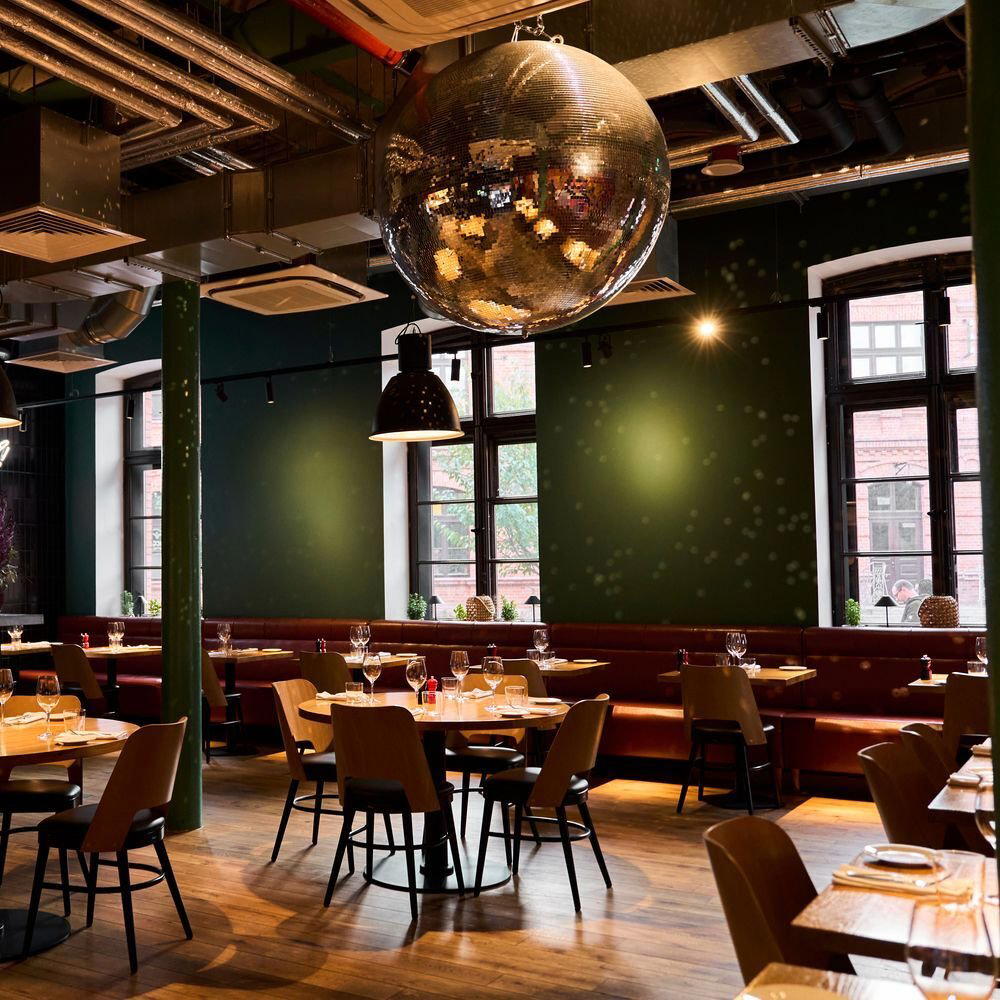
The Żoliborz regular also tends to have a different relationship with the room. In smaller, neighbourhood-facing restaurants across central and eastern European cities, the dining room itself functions as a kind of social geography: familiar tables, familiar rhythms, a staff interaction that shifts over time from transactional to recognitional. That dynamic, where the restaurant becomes a background condition for a certain kind of evening rather than the event itself, is harder to manufacture than any specific dish.
Warsaw's Wider Dining Frame
Understanding where Ósma Kolonia sits requires some sense of the broader Polish restaurant moment. The country's serious dining tier has developed unevenly across cities. Gdańsk carries Arco by Paco Pérez and a growing international reference set. Poznań has Muga. Kraków continues to attract attention. Warsaw, as the largest market, has the most stratified field: everything from rapid-cycle casual formats to venues with genuine fine dining credentials operating side by side. The city's Japanese dining conversation, for instance, now includes addresses like Hashi Sushi in Gdańsk and Hattori Hanzo in Częstochowa as reference points for how specialist cuisine formats travel across Polish cities.
In that context, neighbourhood-anchored restaurants in Warsaw occupy a specific function. They are not competing for the same bookings as the city's most awarded tables, nor are they positioned against the casual mid-market. They serve a repeat local audience that has opted out of the novelty cycle, and their longevity tends to depend on operational consistency more than culinary ambition. That is a harder thing to maintain than it sounds. The restaurants across Poland that have built durable local audiences, from Kwestia Czasu in Białystok to Cudne Manowce in Olsztyn, have done so through a consistency of offer that resists the pressure to reinvent seasonally.
For the international visitor approaching Warsaw's dining scene, the neighbourhood restaurant tier provides a different kind of access than the city's most prominent addresses. It is the layer where local food culture actually operates day to day, removed from the pressure of critical attention and the inflation that tends to accompany it. If you have worked through Warsaw's central dining options and want to understand how the city eats when it is not performing for an audience, Żoliborz is a reasonable place to spend an evening. Our full Warsaw restaurants guide maps the broader field, including venues across price tiers and neighbourhoods.
Warsaw's dining scene, considered alongside cities like New York's Le Bernardin or Atomix, operates in a different register of international visibility, but the underlying dynamics of neighbourhood loyalty and repeat clientele are consistent across contexts. The venues that sustain an audience over years, away from awards cycles and press attention, tend to be doing something structurally right even when the details are harder to read from the outside. Polish dining also rewards exploration beyond Warsaw: Giewont in Kościelisko, Górnik in Kraków, and Włoska Restauracja Bellanuna in Rzeszów each represent regional anchors worth factoring into any extended itinerary.
Planning a Visit
Ósma Kolonia is at Słowackiego 15/19 in Żoliborz, reachable by tram from central Warsaw via the Słowackiego corridor. As is common with neighbourhood restaurants in residential districts, confirming current hours and booking availability directly is advisable before visiting; the venue does not maintain a widely publicised web presence, which itself reflects the character of the audience it serves. Weekday evenings tend to produce a more local crowd than weekends, when demand from across the city increases. For those building a multi-restaurant itinerary in Warsaw, positioning Ósma Kolonia against a more centrally located option the same trip gives a useful comparative read on how the city's dining tiers actually feel from the table.
Frequently asked questions
Where is Ósma Kolonia located?
Ósma Kolonia is located at Słowackiego 15/19, 01-592 Warszawa, Poland, Warsaw.
Is Ósma Kolonia in Warsaw worth travelling across the city for?
Słowackiego 15/19 sits in Żoliborz, reachable by tram from central Warsaw via the Słowackiego corridor — roughly a 20-minute ride from Śródmieście. The case for the trip is less about a single signature dish and more about what the restaurant represents: a functioning neighbourhood dining room in a city where serious eating has long defaulted to the centre. For anyone tracking how Warsaw's dining scene is expanding into its residential quarters, Żoliborz is the right postcode to start with.
What's the best thing to order at Ósma Kolonia?
The safer approach is to ask the staff what's been ordered most that week — returning regulars at address-driven locals like this tend to know before the printed menu does. Go with whatever reflects the kitchen's current focus rather than anchoring to a single dish.
Can I walk in to Ósma Kolonia?
Neighbourhood restaurants of this profile often hold some capacity for walk-ins mid-week, while weekends tend to fill with regulars. Contacting the venue directly before arrival is the practical move.
Budget and Context
Comparable venues nearby, for context on price, style, and recognition.
| Venue | Cuisine | Price | Awards | Notes |
|---|---|---|---|---|
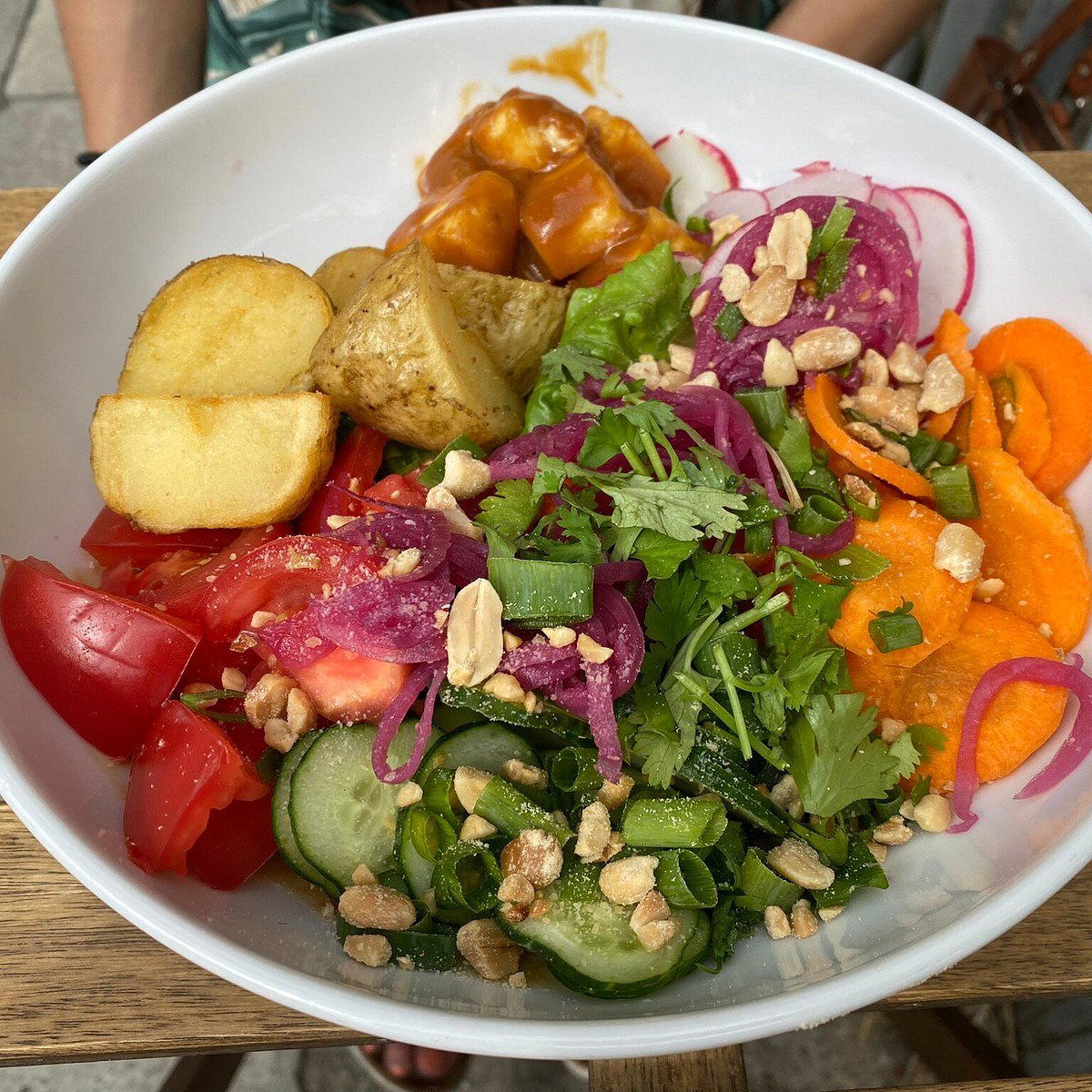
| Ósma KoloniaThis venue — the venue you are viewing | Vegetarian Bistro with Local Ingredients | $10–20 | Not listed | Not listed |
| Poke Bowl Chmielna | Hawaiian Poke Bowls | $10–20 | Not listed | Srodmiescie, Hawaiian Poke Bowls |
| Oberża pod Czerwonym Wieprzem | Traditional Polish Communist-Era Cuisine | $20–30 | Not listed | Mirów, Traditional Polish & Eastern Bloc Communist-Era Cuisine |
| Krem | French Bistro Classics | $20–30 | Not listed | Ujazdow, French Bistro Classics |
| Tomo Sushi | Traditional Japanese Sushi | $20–30 | Not listed | Ujazdow, Traditional Japanese Sushi |
| Bibenda | Modern Polish Small Plates | $20–30 | Star Wine List · Falstaff Restaurant - 88 Falstaff Points | Srodmiescie, Modern Polish Small Plates |