Our verdict
On a quiet Śródmieście street in Warsaw, Krem occupies the kind of address that rewards those who already know where they're going. The restaurant draws from Warsaw's growing appetite for precise, course-driven dining, positioning itself within a city scene that has shifted decisively toward tasting-menu formats and technical ambition over the past decade.

Pearl is the En Primeur Club membership app — saves, bookings, and concierge access live there. Same editors, same standards.
- Address
- Jana i Jędrzeja Śniadeckich 18, 00-656 Warszawa, Poland
- Phone
- +48664418036
- Website
- facebook.com
- Directions
- Get directions
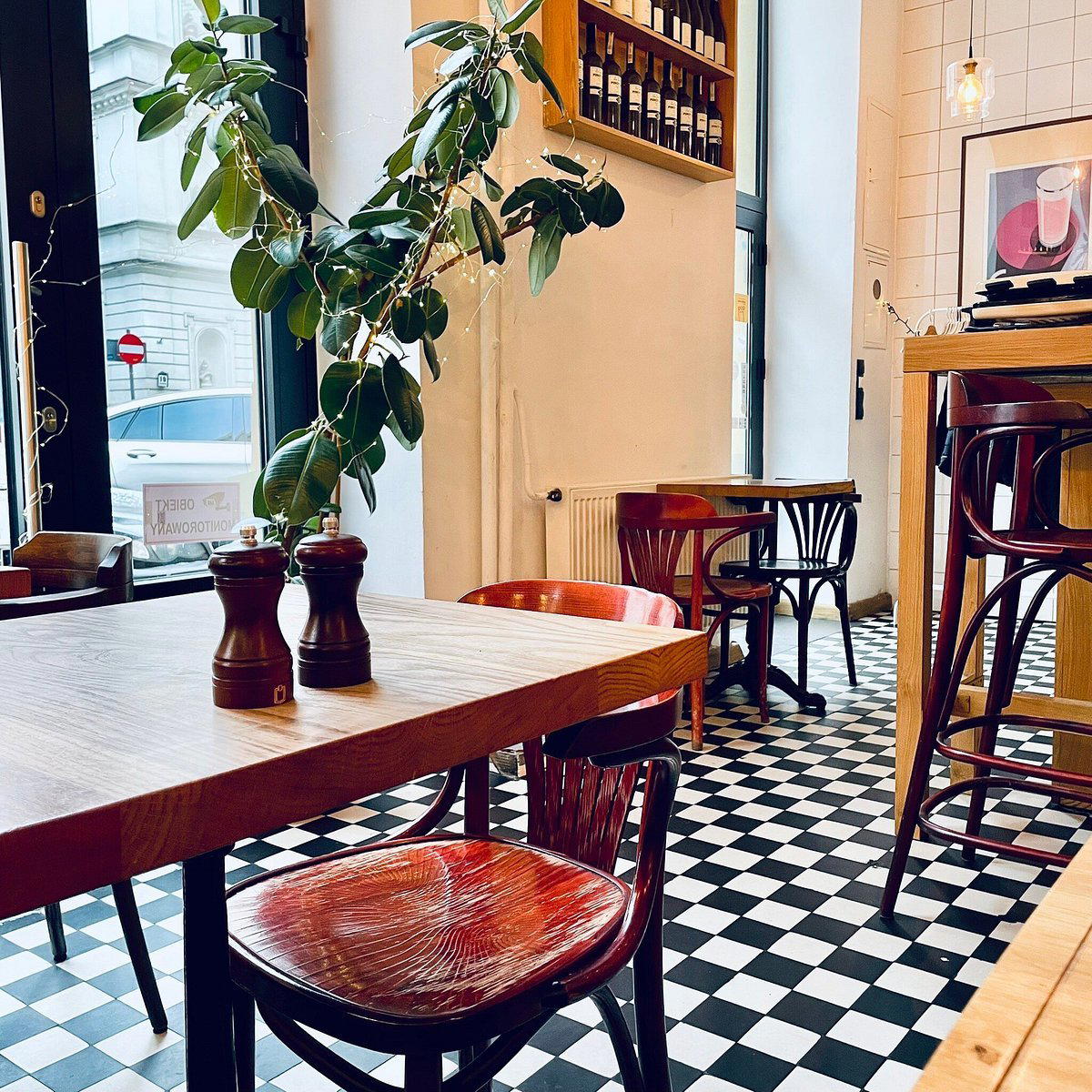
The Street, the Room, the First Impression
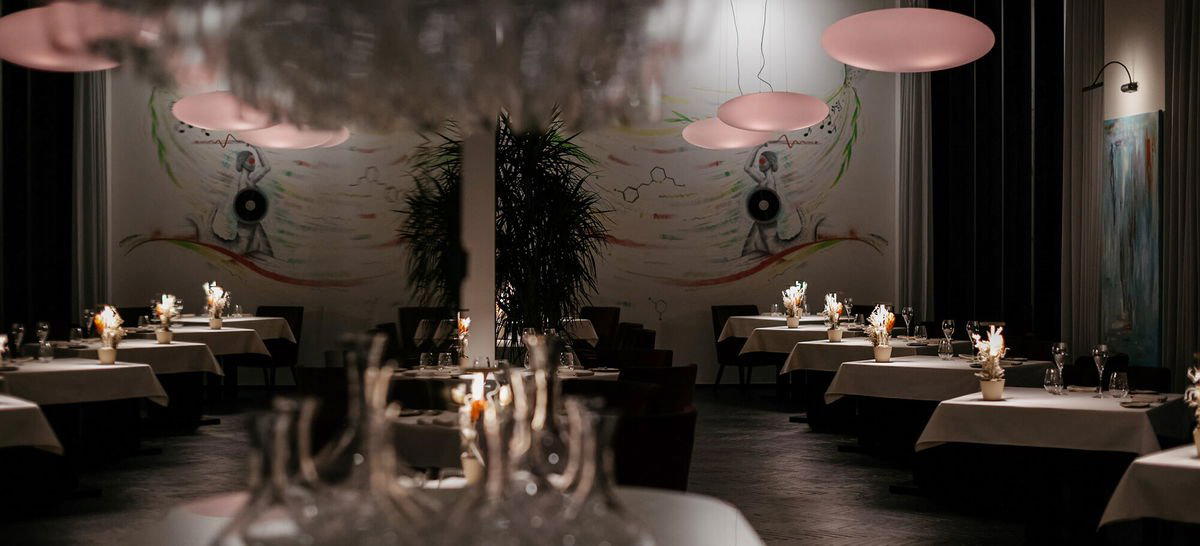
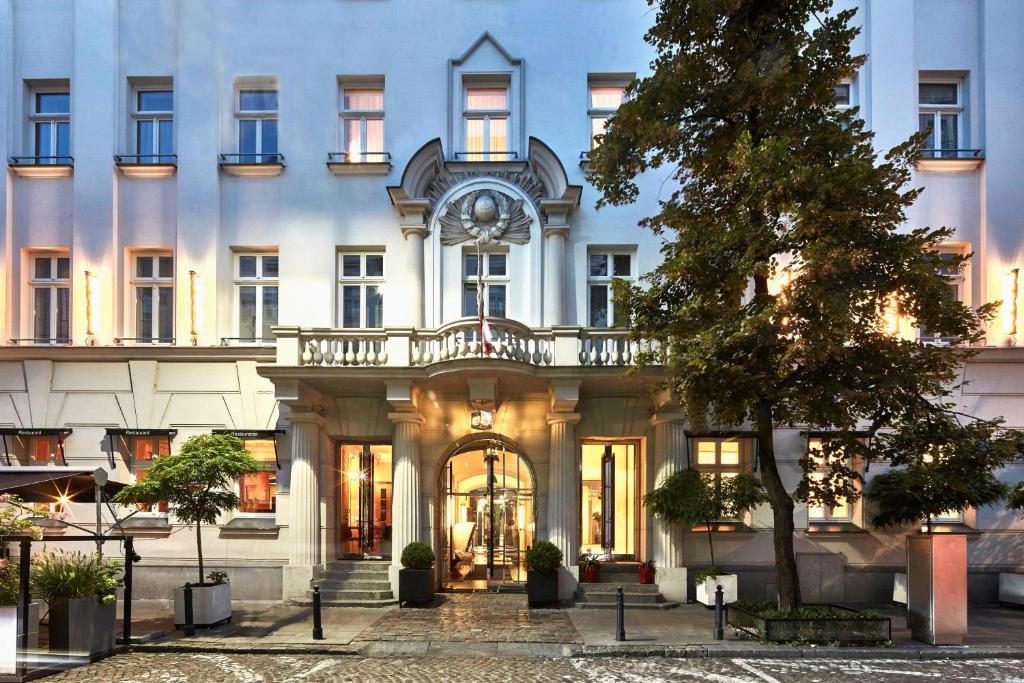
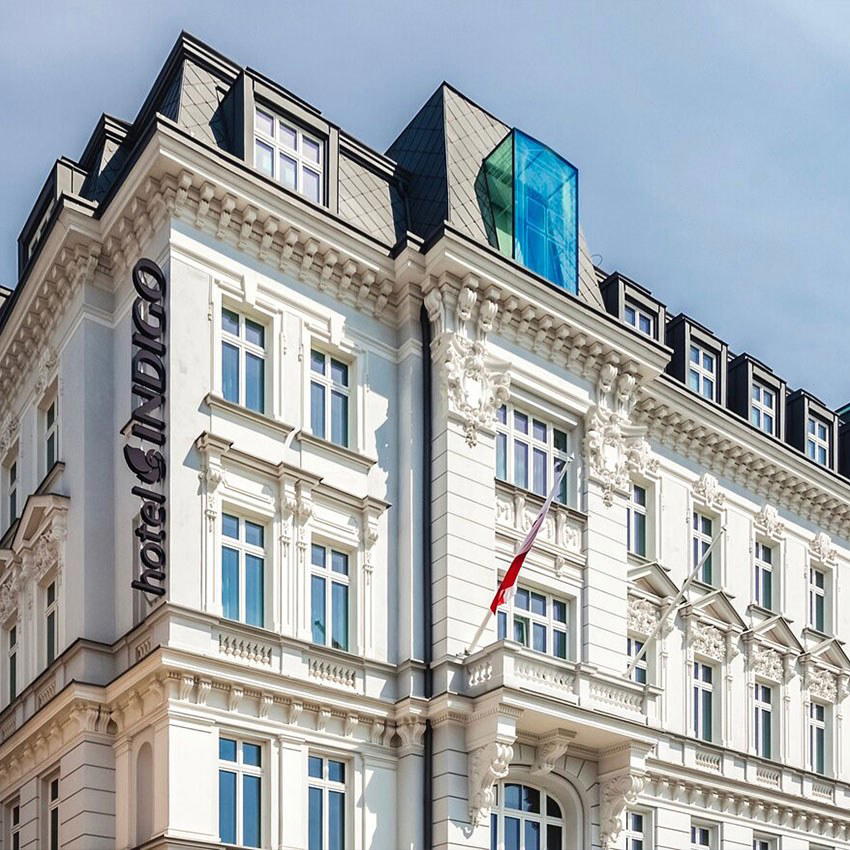
Jana i Jędrzeja Śniadeckich is not a street that appears on tourist maps. It runs through a residential pocket of Śródmieście, Warsaw's central district, where prewar tenement facades sit alongside postwar infill and the foot traffic is almost entirely local. Arriving at number 18, there is no theatre of arrival — no canopy, no queue, no billboard credentials. The building presents itself plainly, which in Warsaw's current dining moment is less an oversight than a position. The city's most considered restaurants have largely abandoned the language of spectacle in favour of something quieter: let the room and the plate do the work.
That restraint at the threshold sets the tone for what follows inside Krem. Warsaw's premium dining scene has matured considerably since the mid-2010s, when the conversation was still dominated by hotel restaurants and a handful of French-influenced addresses. What replaced that era is a tighter, more technically confident cohort — places where the progression of a meal carries genuine editorial weight, where each course exists in deliberate relation to the one before and the one after. Krem belongs to that generation.
How the Meal Unfolds
The logic of tasting-menu dining in Warsaw has become more sophisticated in the past five years. Where early format restaurants often imported European templates wholesale, the current wave tends to anchor its arc in something more locally specific, Polish seasonal produce, preserved ferments, foraged elements from the country's forests and wetlands, while applying technique borrowed from further afield. The result is a structure that reads as progressive but tastes as grounded.
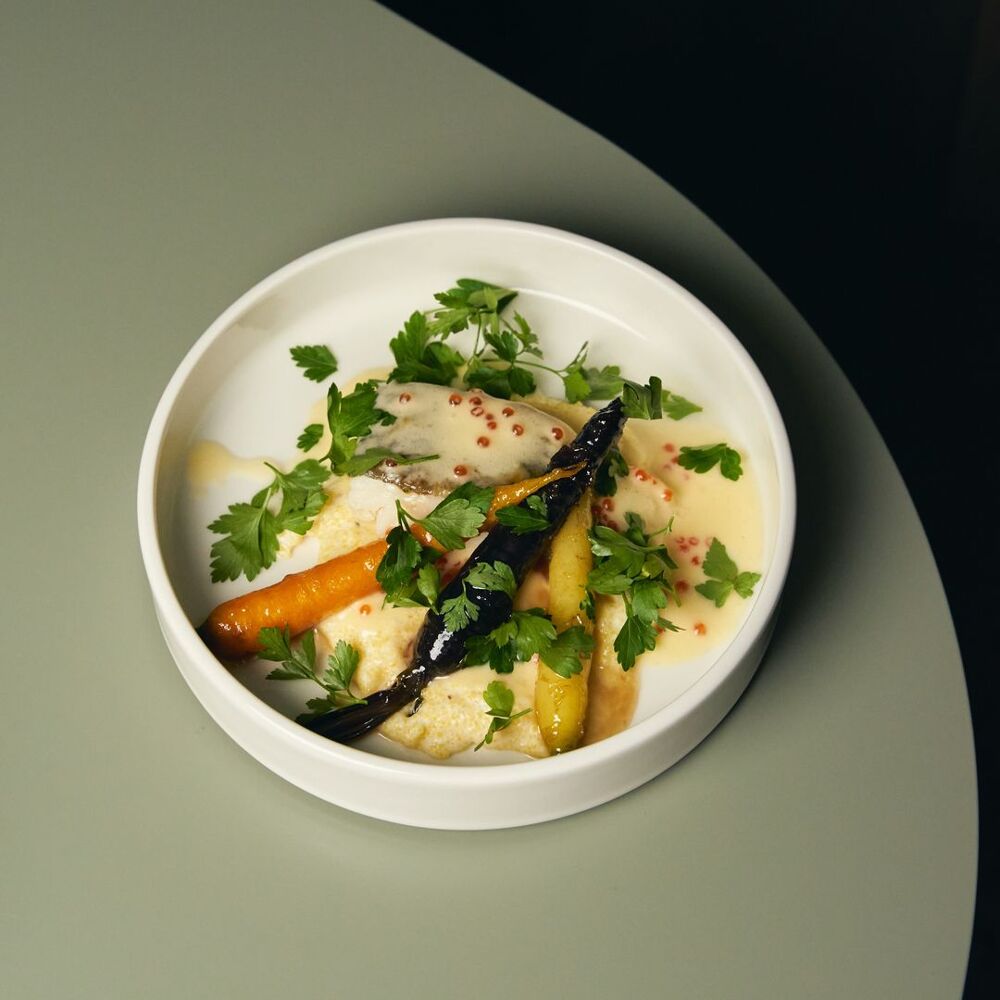
At Krem, the sequencing follows that broader pattern. An opening salvo of small preparations serves less as an amuse-bouche tradition and more as a statement of intent: these early bites establish the kitchen's relationship with texture and temperature before the courses proper begin. Warsaw's better kitchens understand that the beginning of a meal is where trust is built or lost, and the city's diners, increasingly well-travelled, increasingly comparative, arrive with calibrated expectations.
As the meal progresses, the mid-section tends to carry the most weight in Warsaw's tasting-menu format restaurants. This is where kitchens like NUTA (Creative) and hub.praga (Modern Cuisine) have made their most deliberate statements, fish courses that draw on Baltic sourcing, meat preparations that reference Polish smoking and curing traditions, vegetable courses that treat fermentation not as a trend but as a structural ingredient. Krem positions within this same register, where the middle of the menu is the argument and everything else frames it.
The closing sequence matters too, and in Warsaw's more serious rooms it tends to move away from the conventional European dessert trajectory, heavy creams, chocolate in multiple forms, toward something lighter and more considered. Polish dairy has genuine quality at its source, and Krem's name itself signals an orientation toward that territory: a reference to cream in both its culinary and textural senses, suggesting that the kitchen's finishing register is built around restraint rather than sweetness overload.
Warsaw's Tasting-Menu Tier: Where Krem Sits
Understanding Krem requires understanding the competitive structure of Warsaw's restaurant scene at the premium end. The city now has a legible hierarchy. At the upper end, addresses like Rozbrat 20 (Modern European, Modern Cuisine) operate at the €€€ tier with format discipline and wine programs to match. At the more accessible end, alewino (Modern Polish, Traditional Cuisine) holds its position as a reference point for Polish wine pairing done without pretension, at the €€ price level. Baken covers a different register entirely.
Krem's address in Śródmieście places it geographically between Warsaw's older restaurant clusters around Nowy Świat and the newer concentration developing further south. It is within reasonable walking distance of several mid-tier and premium addresses, which means it competes for the same diner on the same evening as a meaningful set of alternatives. In that context, its quieter profile is both a challenge and a signal: restaurants that rely on word-of-mouth in Warsaw tend to do so because they have earned it from repeat visitors rather than first-timers drawn by marketing.
Poland's broader fine-dining scene has attracted increasing attention from European critics over the past decade. Bottiglieria 1881 in Kraków holds Michelin recognition, as does Arco by Paco Pérez in Gdańsk. Across the country, addresses from Muga in Poznań to Giewont in Kościelisko and Kwestia Czasu in Białystok have demonstrated that serious cooking is no longer concentrated in the capital. Warsaw itself, however, remains the city with the highest density of format restaurants and the most internationally travelled diner base, which raises the baseline expectation for any tasting-menu address operating here.
For international reference, the structural discipline that defines this tier of European tasting-menu restaurant has parallels in kitchens like Atomix in New York City, where Korean fine dining redefined what a multi-course progression could say about place and identity, or in the classical rigour of Le Bernardin in New York City, where the logic of sequence has been sustained across decades. Warsaw's better kitchens are increasingly in that same conversation, not imitating those models, but operating with comparable intentionality.
Planning a Visit
Krem's address on Śniadeckich places it in a walkable part of central Warsaw, accessible from the city's main transport corridors. For visitors, the sensible approach is to treat an evening here as an anchor booking around which the rest of the night, or the trip, organises itself. The broader Śródmieście area offers enough in the way of pre-dinner bars and post-dinner coffee options to construct a full evening without doubling back across the city. Given the restaurant's profile within Warsaw's word-of-mouth circuit, booking ahead rather than arriving speculatively is the reasonable assumption; how far in advance depends on season and day of week, but weekend evenings at this tier in Warsaw fill earlier than they did even three years ago.
For a fuller picture of where Krem sits within the capital's current dining order, our full Warsaw restaurants guide maps the scene across price tiers, neighbourhoods, and cuisine types. Readers planning wider Polish itineraries will also find relevant context in our coverage of Cudne Manowce in Olsztyn, Górnik in Krakow, Włoska Restauracja Bellanuna in Rzeszów, Hashi Sushi in Gdańsk, and Hattori Hanzo in Częstochowa.
Frequently asked questions
How do I find Krem?
Krem is located at Jana i Jędrzeja Śniadeckich 18, 00-656 Warszawa, Poland, Warsaw.
Is Krem suitable for a business dinner in Warsaw?
The address on Jana i Jędrzeja Śniadeckich, a quiet residential stretch of central Warsaw, signals a setting built around focused dining rather than visibility or scene. A structured tasting menu format keeps conversation in check between courses, which suits smaller groups seeking substance over spectacle. Confirm the current menu length and any private dining options directly with the venue before booking for a professional occasion.
What's the must-try dish at Krem?
The tasting menu at Krem is a fixed progression, so the kitchen makes that choice for you. Specific dishes rotate with the season, and no single course appears consistently enough across accounts to single out. The format at Śniadeckich 18 is designed to be experienced in full rather than navigated à la carte.
How far ahead should I plan for Krem?
Warsaw's tasting-menu restaurants at this tier typically require bookings one to four weeks out, with weekend tables filling faster. Krem's position on a low-traffic residential street in Śródmieście means walk-in chances are slim; a reservation is the only reliable route in.
What's the signature at Krem?
The defining characteristic is the structured multi-course format itself, applied within Warsaw's increasingly competitive premium dining tier. Krem occupies the serious end of the city's tasting-menu hierarchy, on a street that sees few casual diners, which shapes the room's pace and focus from the first course.
Recognition Snapshot
Comparable venues nearby, for context on price, style, and recognition.
| Venue | Cuisine | Price | Notes |
|---|---|---|---|
| KremThis venue — the venue you are viewing | French Bistro Classics | $20–30 | Not listed |
| Paris Minuit | French Crepes | Not listed | Saska Kepa |
| Oberża pod Czerwonym Wieprzem | Traditional Polish Communist-Era Cuisine | $20–30 | Mirów |
| Vegan Ramen Shop | Vegan Japanese Ramen | $1–10 | Finlandzka / Mokotów |
| Handroll | Handroll Sushi | $10–20 | Saska Kepa |
| Być Może | French Bakery Bistro | $20–30 | Ujazdow |
Details
- Cozy
- Modern
- Classic
- Brunch
- Casual Hangout
- Standalone
- Byob
- A La Carte
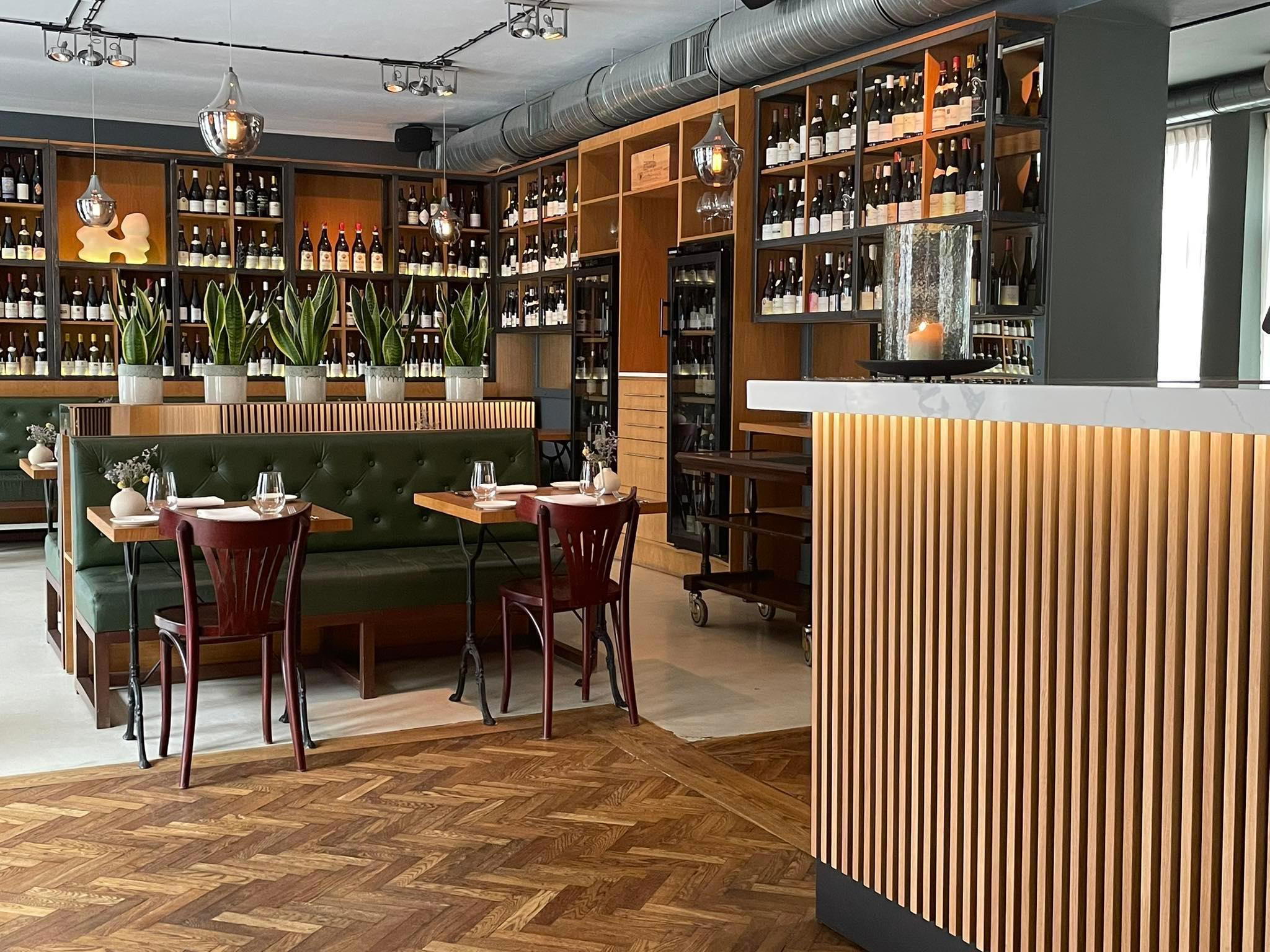
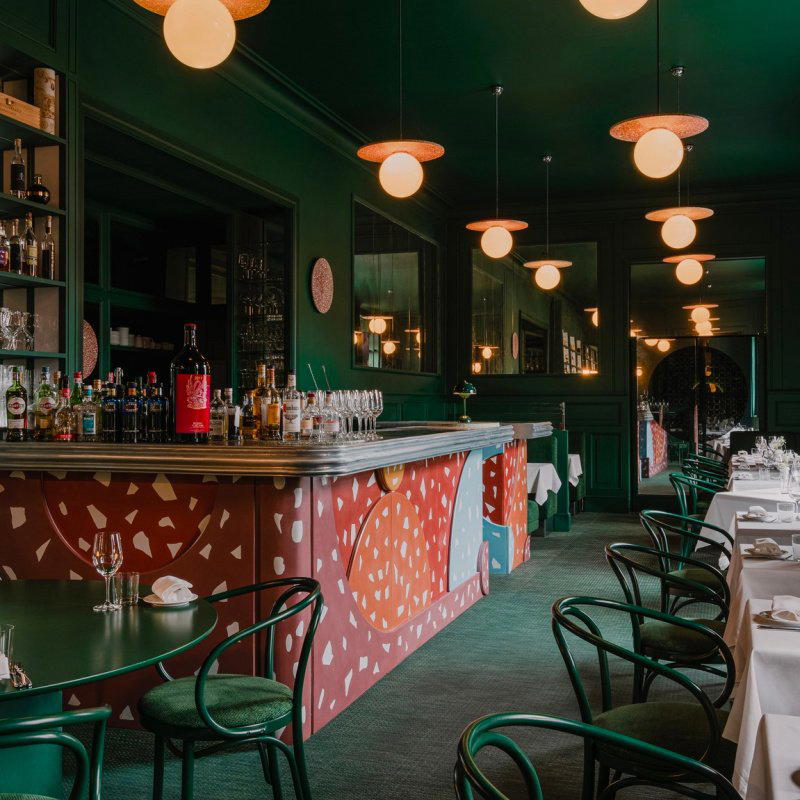
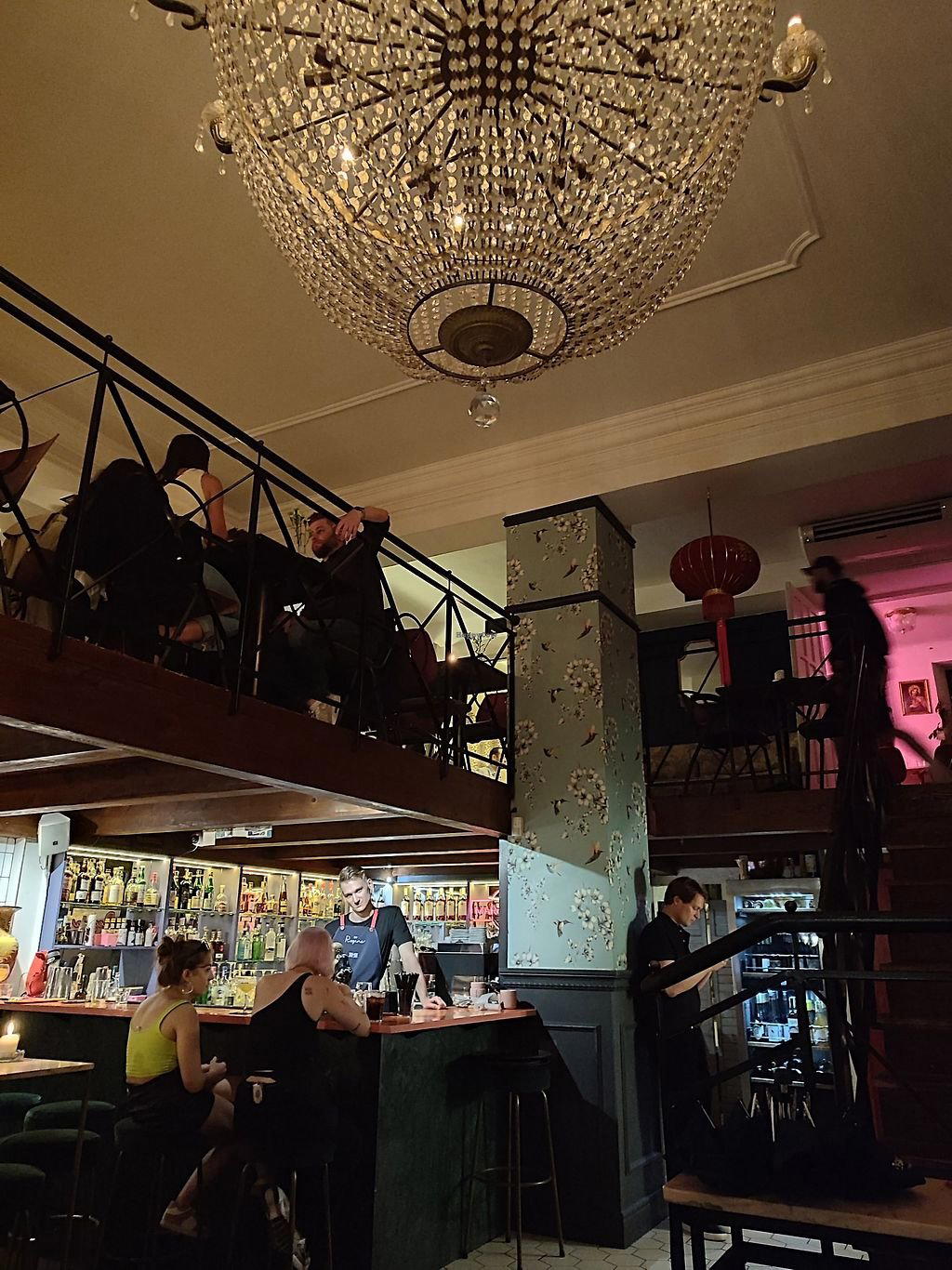
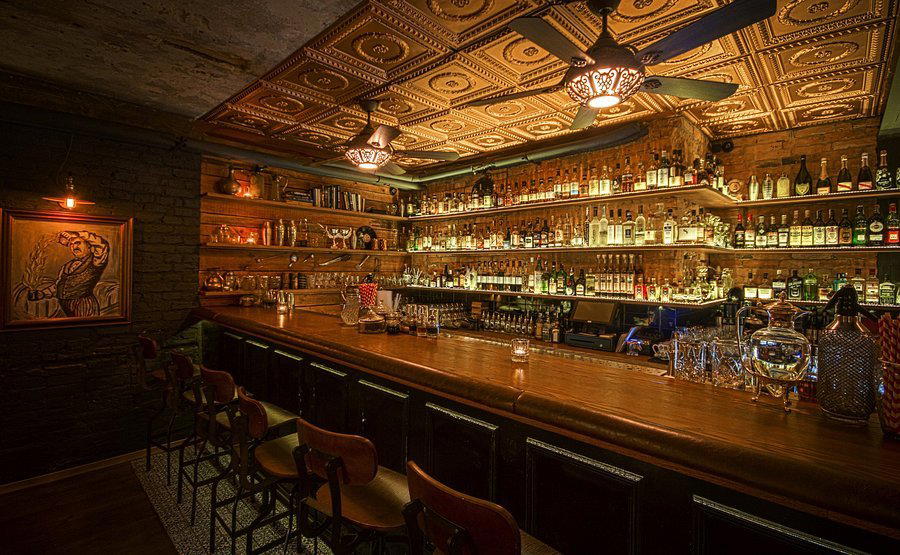
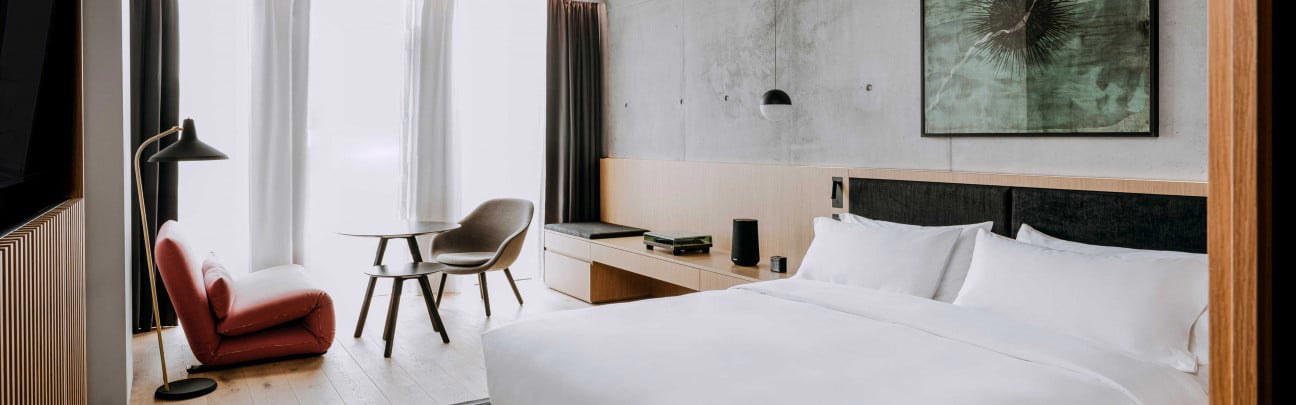
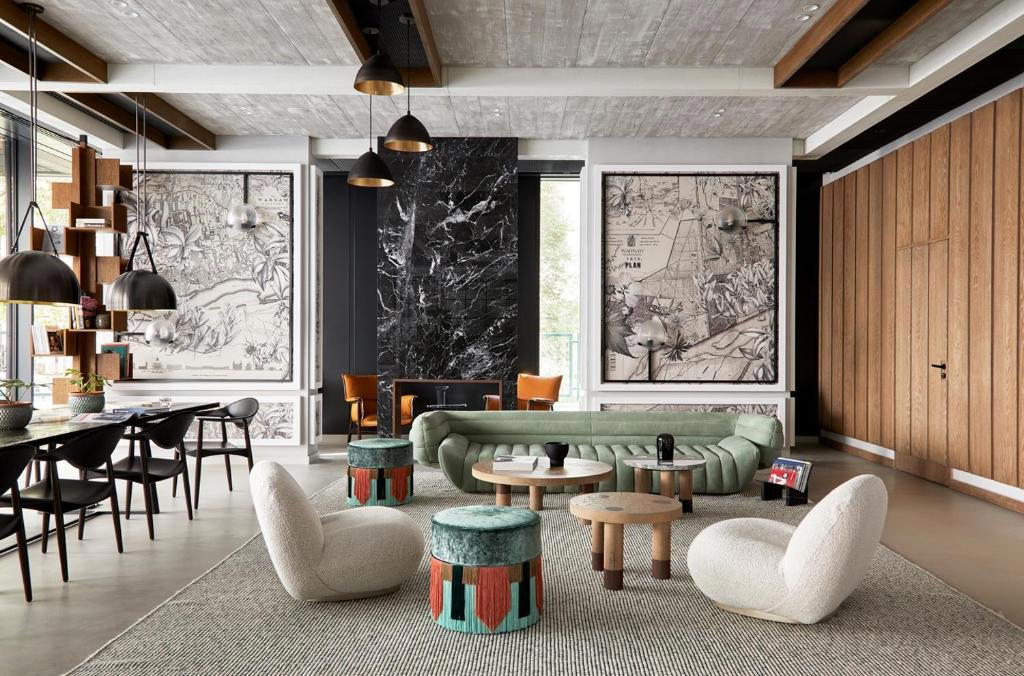
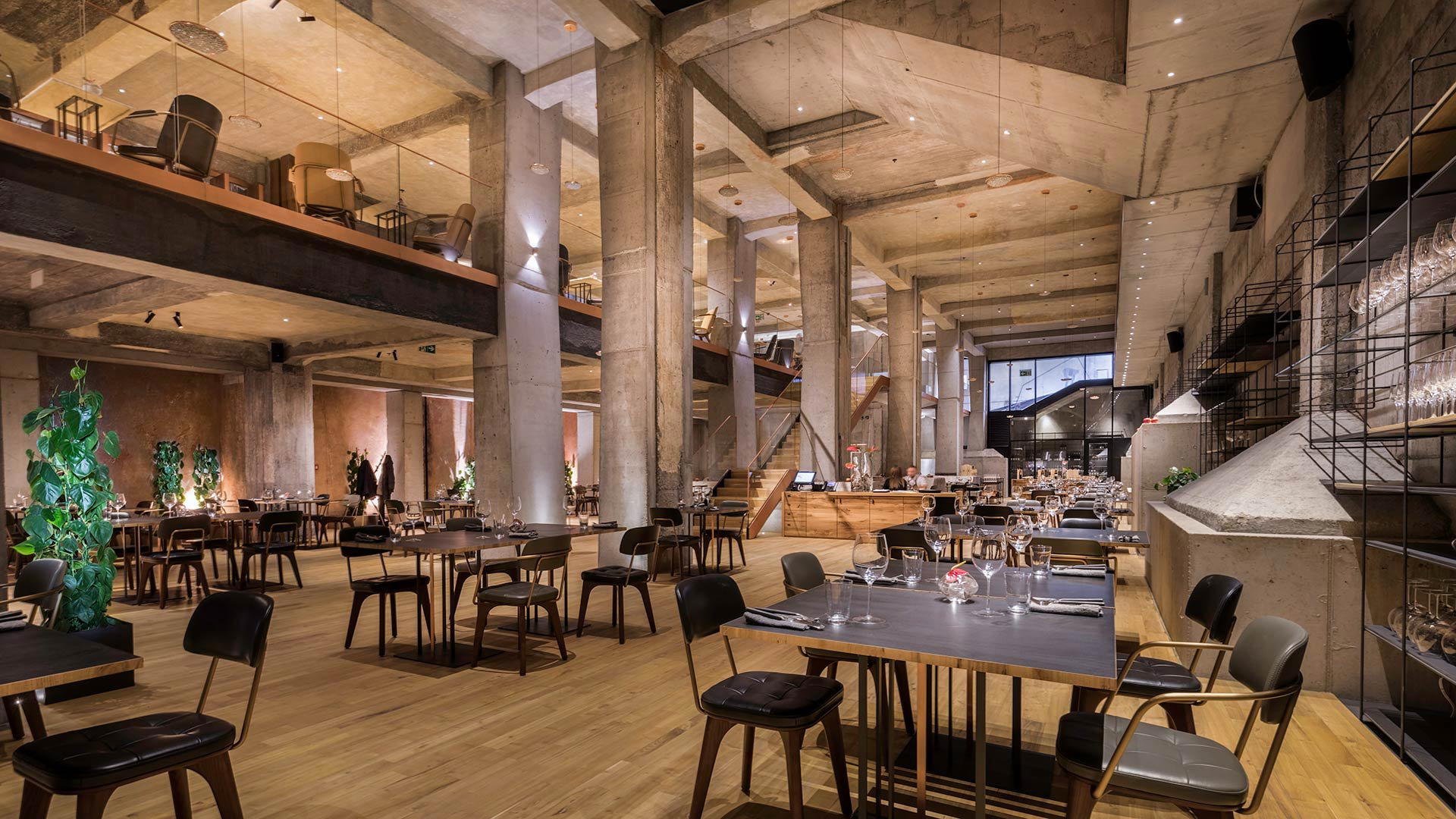
Cozy and ascetic modern interior with green plush seats, evoking a charming Parisian bistro atmosphere.