Our verdict
Positioned on Żurawia in Warsaw's dense central dining corridor, Baken occupies a stretch of the city where modern Polish restaurants compete for the same informed, price-conscious audience. Against peers like Rozbrat 20 at the €€€ tier and alewino anchoring the mid-range, Baken represents a point of distinction worth tracking for anyone mapping the capital's current dining scene.

Pearl is the En Primeur Club membership app, where members save venues, book tables and use the concierge.
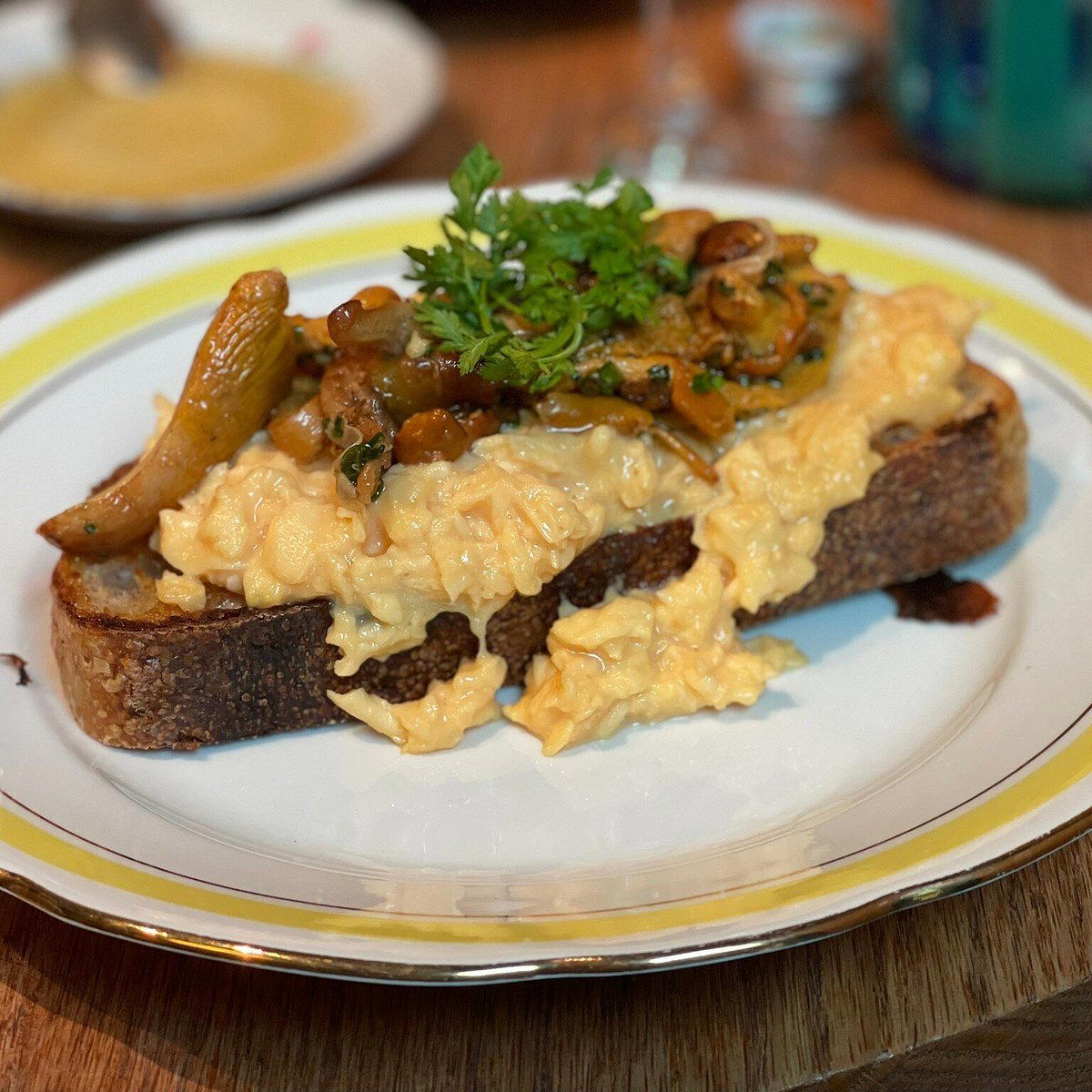
Żurawia and the Geometry of Warsaw's Central Dining Scene
Ulica Żurawia cuts through the Śródmieście district at an angle that makes it feel simultaneously central and slightly removed from the obvious tourist circuits. The street sits within walking distance of Nowy Świat's more photographed restaurant row, but the addresses along Żurawia tend to attract a local crowd rather than visitors navigating a map. That distinction matters when reading any restaurant here: the audience is self-selecting, and a venue that survives on this stretch does so on repeat business from residents and office workers who have plenty of options. Baken, at number 6/12, operates inside that logic.
Warsaw's central dining corridor has densified considerably over the past decade. The post-2015 wave of modern Polish and European restaurants pushed into Śródmieście, creating a cluster where the competition is not between cuisines but between interpretations of the same broadly modern, product-driven cooking format. Venues like Rozbrat 20, positioned at the €€€ tier with a Modern European and Modern Cuisine identity, and alewino, which anchors traditional Polish techniques at the €€ level, define the range within which most serious Warsaw restaurants now operate. Baken sits within that field, on a street where the physical proximity of alternatives means the editorial question is not just what a restaurant does, but why someone would choose it over the address next door.
The Neighbourhood as Context for the Experience
Śródmieście functions differently from Warsaw's more conceptually driven dining districts. Praga, on the eastern bank, has developed a reputation for lower rents enabling more experimental formats, as seen at hub.praga, where the Modern Cuisine positioning comes with a different kind of audience expectation. Żurawia, by contrast, is a working central-city street. The buildings are a mixture of post-war reconstruction and later commercial development, and the dining atmosphere tends toward the functional-but-serious: places where the food is the argument, not the room design or the concept backstory.
That environment shapes what works at Baken's address in a specific way. Central Warsaw diners on Żurawia are not primarily driven by occasion-dining logic; they are looking for reliability, value intelligence relative to what the neighbourhood charges, and cooking that holds up against the creative end of Warsaw's scene without requiring the detour to Praga or the commitment of a tasting menu at the top tier. The city's more ambitious creative work is being done at places like NUTA and the natural wine and tapas format at Bar Rascal, but those venues occupy a different use-case for the Warsaw diner.
Warsaw in the Wider Polish Restaurant Context
Placing any Warsaw restaurant accurately requires acknowledging how much the Polish dining scene has shifted across cities in recent years. Kraków's Bottiglieria 1881 represents the high end of formal dining in the south, while Poznań's Muga and Gdańsk's Arco by Paco Pérez signal how secondary Polish cities have built credible fine-dining alternatives to the capital. Warsaw retains its position as the highest-concentration dining market in the country, but the argument for Warsaw-only restaurant tourism has weakened as Kraków and Gdańsk have matured. This makes the internal competition within Warsaw more relevant: a restaurant on Żurawia is competing less against Kraków than against what the same Warsaw diner could find at Ariel in Krakow on a weekend trip, or against the Sopot waterfront at Bar Przystań during summer.
The coastal and mountain alternatives are relevant because Warsaw's dining audience is mobile. A restaurant that cannot hold its own against what the same budget buys in Gdańsk or in the Tatry foothills at Giewont in Kościelisko will not retain the city's most food-literate regulars. The competitive frame for a central Warsaw address is, counterintuitively, national rather than merely local.
What the Address Tells You About Format and Tone
In cities where dining culture has reached a certain density, the street address of a restaurant carries information that precedes the menu. A Żurawia address in Warsaw signals mid-to-upper central pricing, a likely focus on dinner service, and an expectation that the room will be occupied by a mix of professionals and couples rather than large groups or tourists following a printed list. That profile shapes the kitchen's logic as much as any stated culinary philosophy.
Warsaw's central dining scene at this address tier operates differently from the equivalent street in, say, the West Village in New York (where Le Bernardin defines one end of the formal scale) or San Francisco's Mission District (where Lazy Bear built its communal format). The Warsaw version is less theatrically positioned: the room is the room, the food is the argument. For diners who find the conceptual density of some European capitals exhausting, that directness is the appeal.
For a broader map of where Baken sits among Warsaw's current restaurants, the full Warsaw restaurants guide at EP Club covers the city's main dining tiers with comparative context. Those planning a longer Polish trip will also find useful reference points in the OK Wine Bar in Wrocław, La Cucina Ristorante in Gdańsk, and the more remote Luneta & Lorneta Bistro Club in Ciekocinko for an idea of how Polish dining formats vary by city size and context. For sushi specifically, Nare Sushi in Skórzewo represents how far specialist Japanese formats have now penetrated beyond urban centres.
Planning a Visit
Baken is located at Żurawia 6/12 in Śródmieście, Warsaw's central district, and is accessible by foot from the major metro stations serving the city centre. The address places it within a few minutes of the main Nowy Świat dining corridor, which means it benefits from, and competes with, the pedestrian traffic that area generates on weekend evenings. As with most Warsaw restaurants in the serious-dining tier, booking ahead for Friday and Saturday is advisable; mid-week visits on this street tend to offer more relaxed pacing and, often, more attentive service.
Frequently asked questions
Where exactly is Baken?
Baken is located at Żurawia 6/12, 00-503 Warszawa, Poland, Warsaw.
Is Baken worth visiting for someone exploring Warsaw's Śródmieście dining scene?
Baken's position at Żurawia 6/12 places it within Warsaw's central district, which functions as a practical anchor point for the city's restaurant circuit rather than a specialist destination neighbourhood. Śródmieście sits within walking distance of the major metro connections serving central Warsaw, making Baken a geographically accessible option when planning an evening across multiple stops in the city.
What's the must-try dish at Baken?
Verified menu data for Baken is not something we publish without a confirmed source, so no specific dish recommendation appears here. What the Żurawia 6/12 address does signal is a restaurant operating within Warsaw's central dining corridor, where format and kitchen focus tend toward considered, mid-to-upper tier execution.
Do they take walk-ins at Baken?
Restaurants along the Żurawia corridor in Śródmieście generally operate at sufficient demand to make advance booking the safer approach, particularly on weekends. Contacting the venue directly before arrival is advisable.
A Lean Comparison
Comparable venues nearby, for context on price, style, and recognition.
| Venue | Cuisine | Price | Notes |
|---|---|---|---|
| BakenThis venue (the venue you are viewing) | Artisanal Bakery & Breakfast | $10–20 | Not listed |
| Eter | Vegan Bakery & Specialty Coffee | $10–20 | Ujazdow, Vegan Bakery & Specialty Coffee |
| GOŚCINIEC Polskie Pierogi | Traditional Polish Pierogi | $10–20 | Mariensztat, Traditional Polish Pierogi |
| Oberża pod Czerwonym Wieprzem | Traditional Polish Communist-Era Cuisine | $20–30 | Mirów, Traditional Polish & Eastern Bloc Communist-Era Cuisine |
| The Eatery | Modern Polish Cuisine | $20–30 | Ujazdow, Modern Polish Cuisine |
| Mąka i Woda | Modern Neapolitan Pizza & Handmade Pasta | $20–30 | Srodmiescie, Modern Neapolitan Pizza & Handmade Pasta |
Continue exploring
More in Warsaw
Restaurants in Warsaw
All restaurants in Warsaw →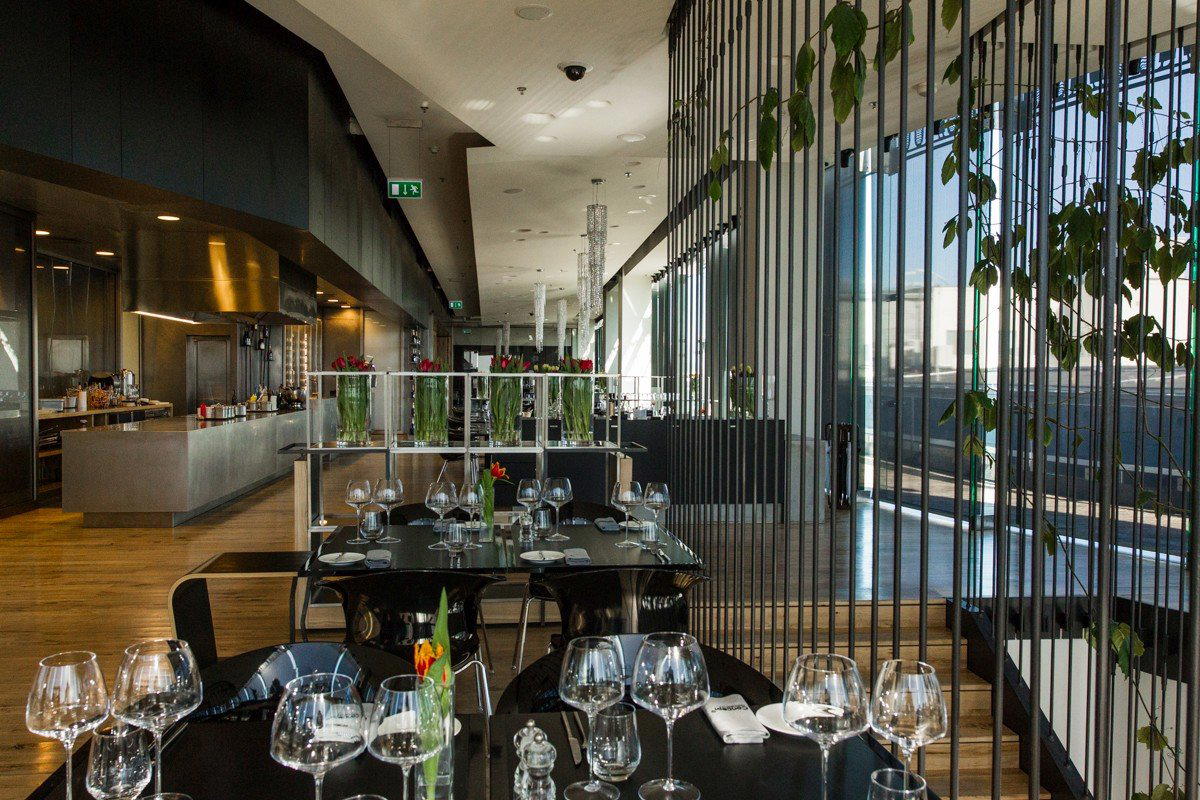
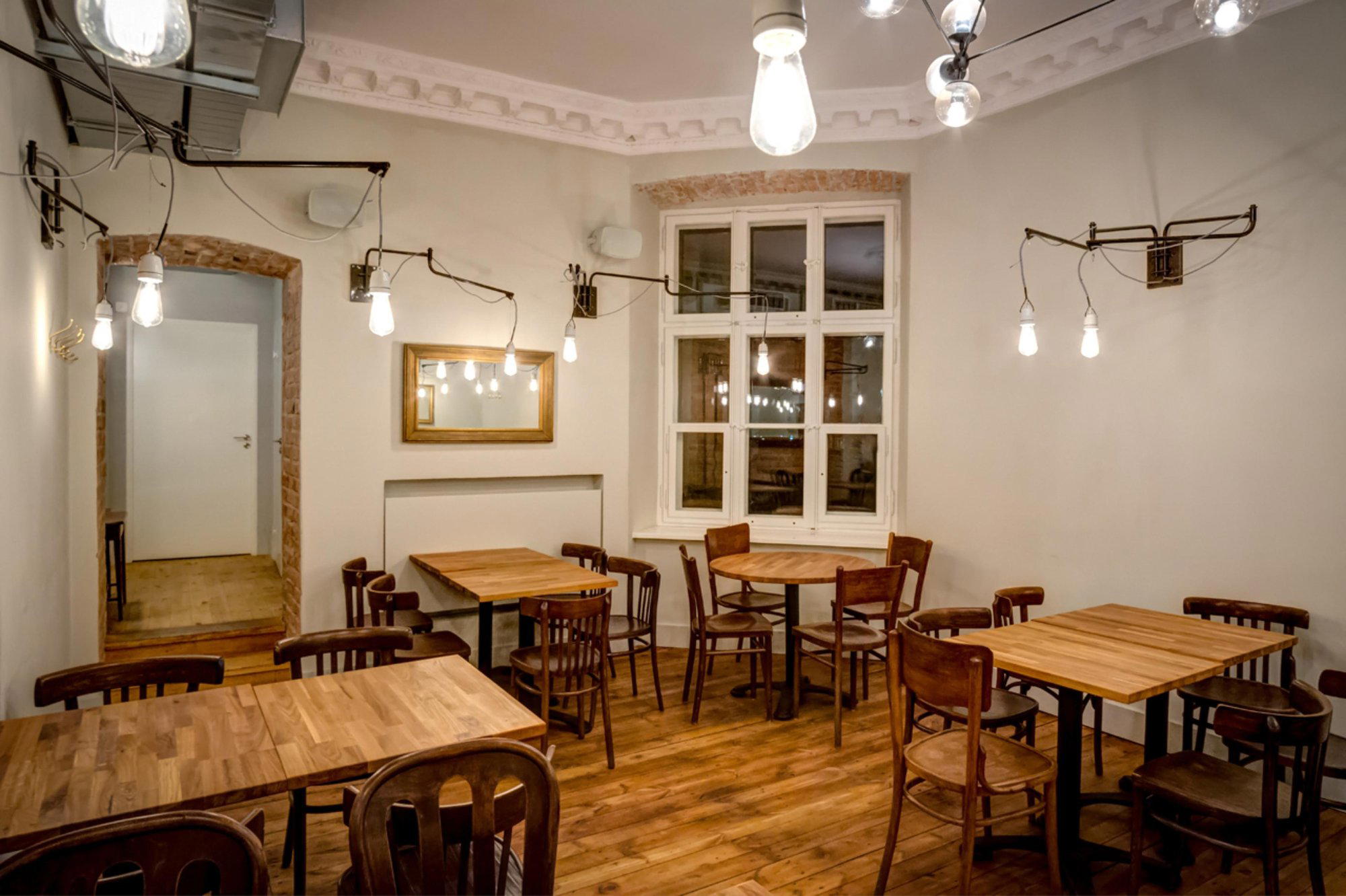
Bars in Warsaw
All bars in Warsaw →
Details
- Cozy
- Modern
- Casual Hangout
- Open Kitchen
- Local Sourcing
- A La Carte
- Vegetarian Friendly
Current opening hours
- Monday
- 8 AM–4:30 PM
- Tuesday
- 8 AM–4:30 PM
- Wednesday
- 8 AM–4:30 PM
- Thursday
- 8 AM–4:30 PM
- Friday
- 8 AM–4:30 PM
- Saturday
- 8 AM–4:30 PM
- Sunday
- 8 AM–4:30 PM
Hours can change for holidays and private events. Hours as of .
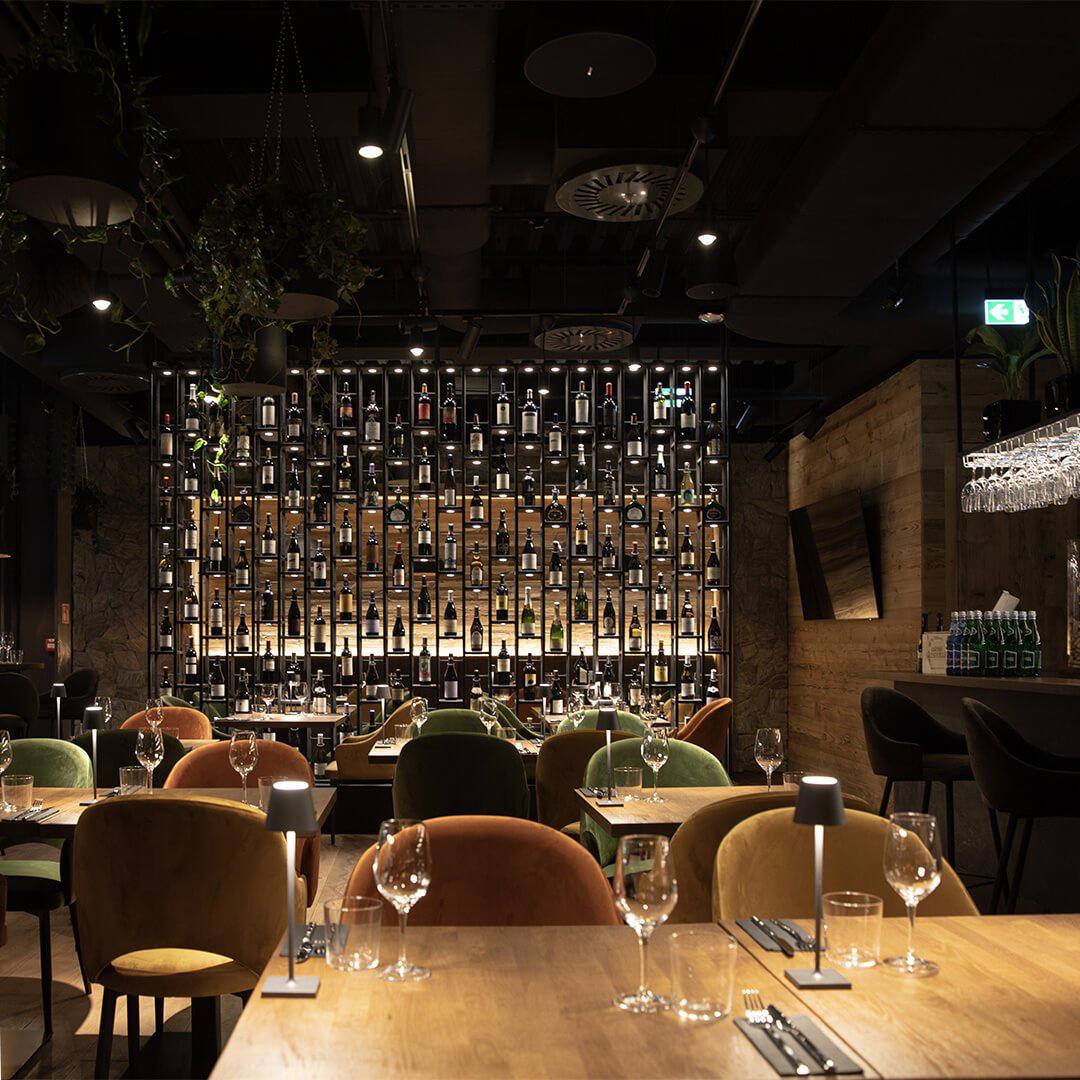
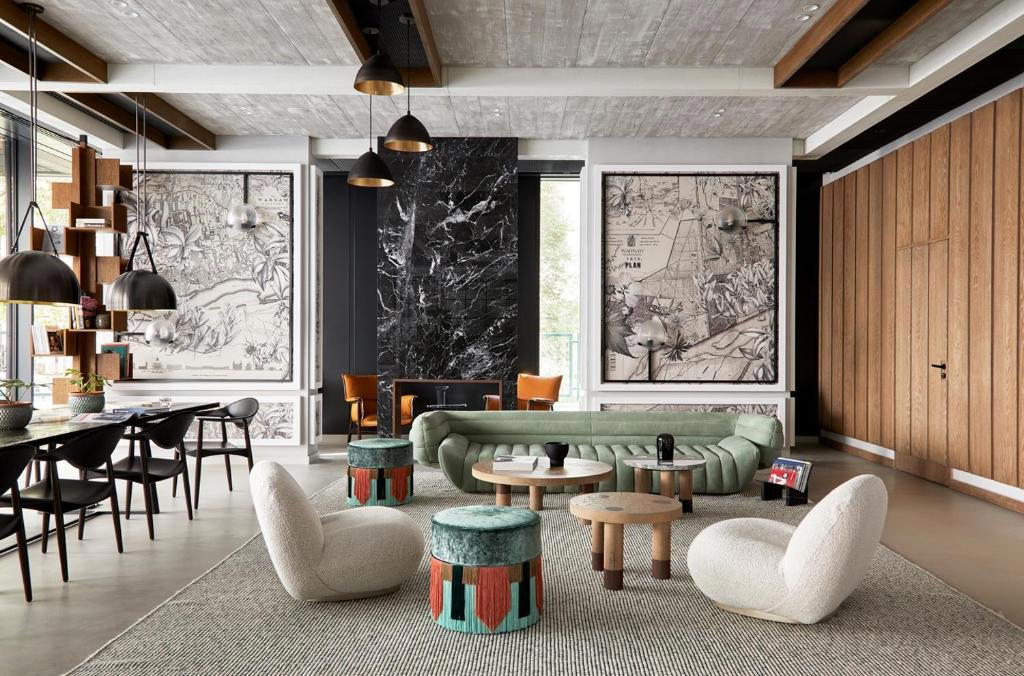
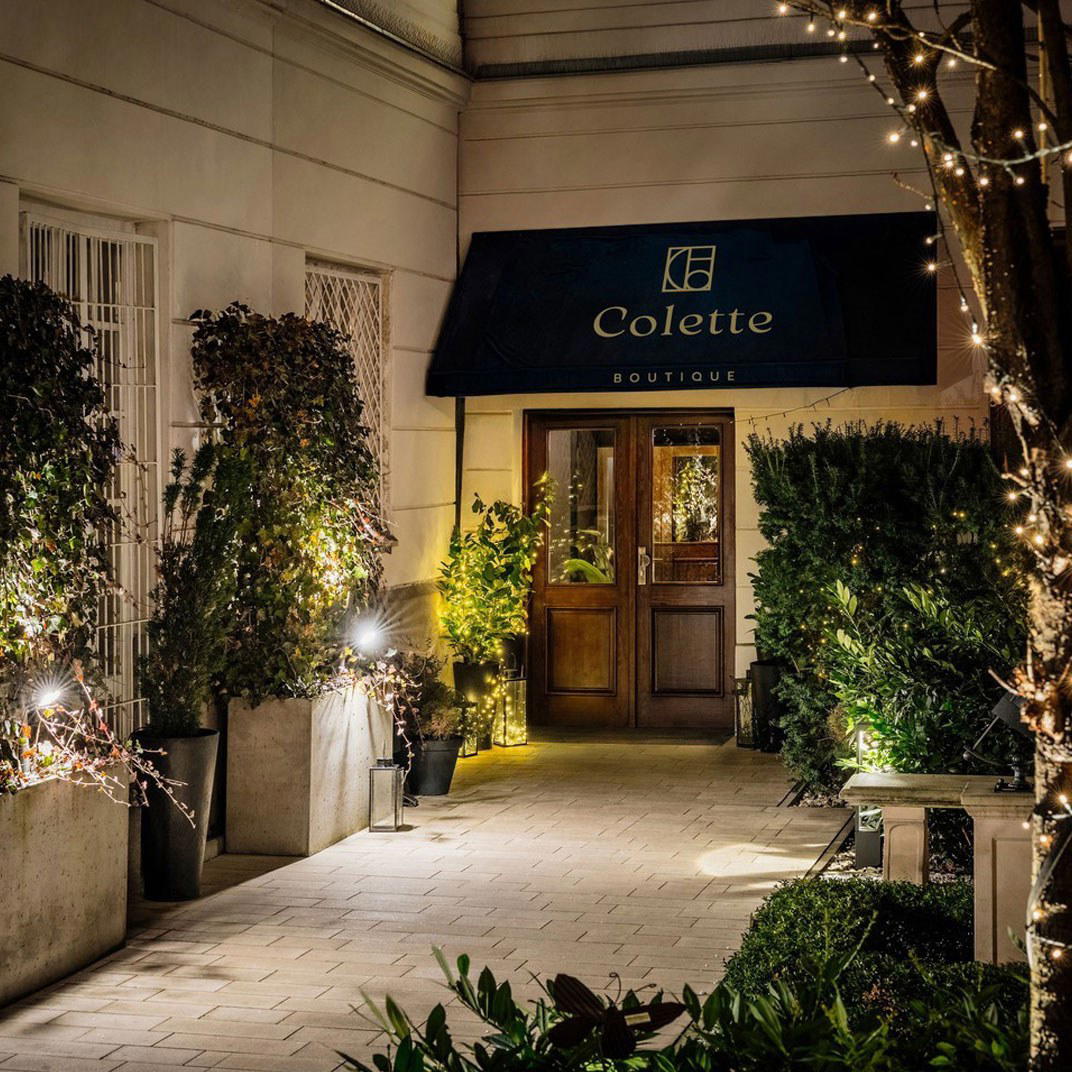
Cozy and inviting atmosphere blending chic Parisian elegance with Danish hygge, highlighted by rich breads.