
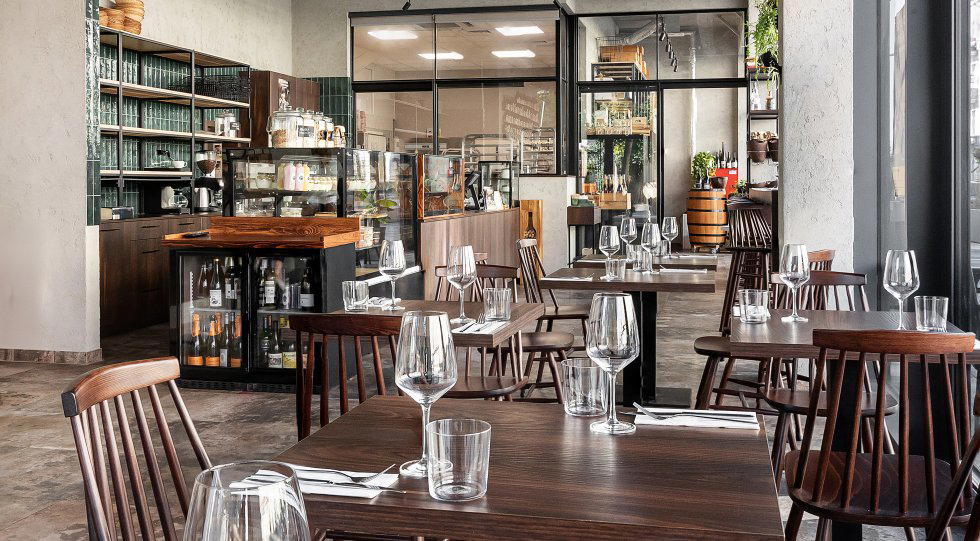
Blisko Bar is a wine bistro on Stalowa Street in Warsaw's Praga district, run by the team behind Dyletanci and wine importer Winoblisko. The wine list functions as a live extension of the import catalogue, making it a reliable index of what the Winoblisko team is currently working with. Walk-ins are possible, but the format rewards those who come with time to spend at the bottle list.
 Discover on Pearl
Pearl is the En Primeur Club membership app — saves, bookings, and concierge access live there. Same editors, same standards.
- Address
- Stalowa 36, 03-429 Warszawa, Poland
- Phone
- +48 795 888 777
- Website
- blisko.bar
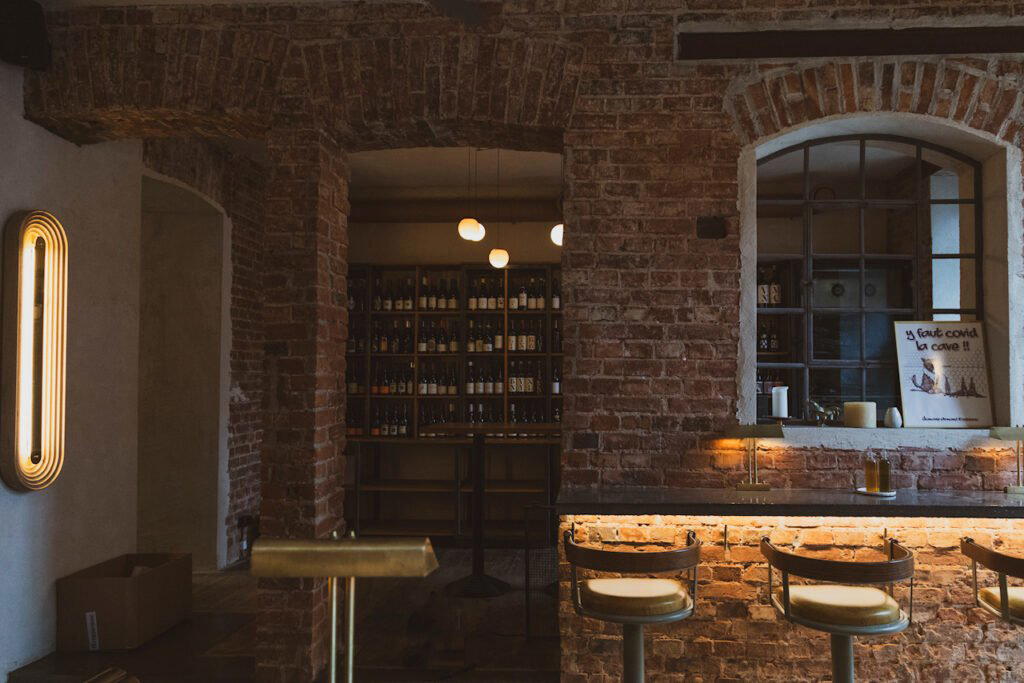
Praga's Wine Counter and What It Says About Warsaw's Shifting Bar Scene
Warsaw's serious wine drinking has long mapped onto the left bank, where Śródmieście addresses and Mokotów wine bars like Grono Mokotowska and Lalou Wine Bar have anchored a recognisable wine-bar circuit. The right bank, historically the city's working-class and creative quarter, has been slower to develop that kind of specialist drinking culture. Blisko Bar, at Stalowa 36 in Praga Północ, is part of the cohort changing that equation. Its positioning in the neighbourhood is not incidental: the address gives it a different register from the more polished left-bank operations, a counter-programming quality that the format itself seems to reflect.
The Winoblisko Connection: A Wine List as Import Catalogue
Understanding what makes Blisko Bar's bottle selection distinctive requires knowing where it comes from. The bar is a project of the people behind Winoblisko, a Polish wine import company, and Dyletanci, one of Warsaw's better-regarded wine restaurants. That ownership structure means the wine list at Blisko functions less like a conventional bar programme and more like a working index of what Winoblisko is currently importing and evaluating. Where most wine bars curate from the existing market, Blisko's list has a pipeline dimension: bottles can appear here because they are being seriously considered for wider distribution, which gives the selection a currency and specificity that standard hospitality buying rarely achieves.
Drinkers who follow the list at Mielżyński na Burakowskiej or track the broader Polish natural and artisan wine circuit will find Blisko's selection occupies a different position. It is not primarily a showcase for the Polish market's most recognisable import names. The Winoblisko catalogue tilts toward producers the team has identified and is actively working with, which makes the list useful as an early-signal indicator for what serious Polish wine buyers are watching in any given season.
The Bistro Format and What It Demands of the Guest
Blisko describes itself as a wine bistro, a format that carries specific implications in the current Polish context. The bistro designation signals that this is not a full-service restaurant with a wine programme attached, nor a bar that happens to pour well. It occupies the middle register: food present and meaningful, but the wine selection carrying the primary editorial weight. This is a format that has developed a serious foothold in Warsaw over the past several years, sitting between the ambitious tasting-menu wine pairings you find at higher-end addresses and the more casual natural-wine bars that proliferated post-2018.
Warsaw's wine bistro tier rewards guests who arrive with curiosity about the bottle list rather than a fixed preference. At Blisko, the appropriate posture is to ask what is open and what the staff are finding interesting at that moment, rather than to work from a predetermined grape or region. The list's connection to active importing means the answer will change, and the team will have opinions about why.
Stalowa Street and the Praga Context
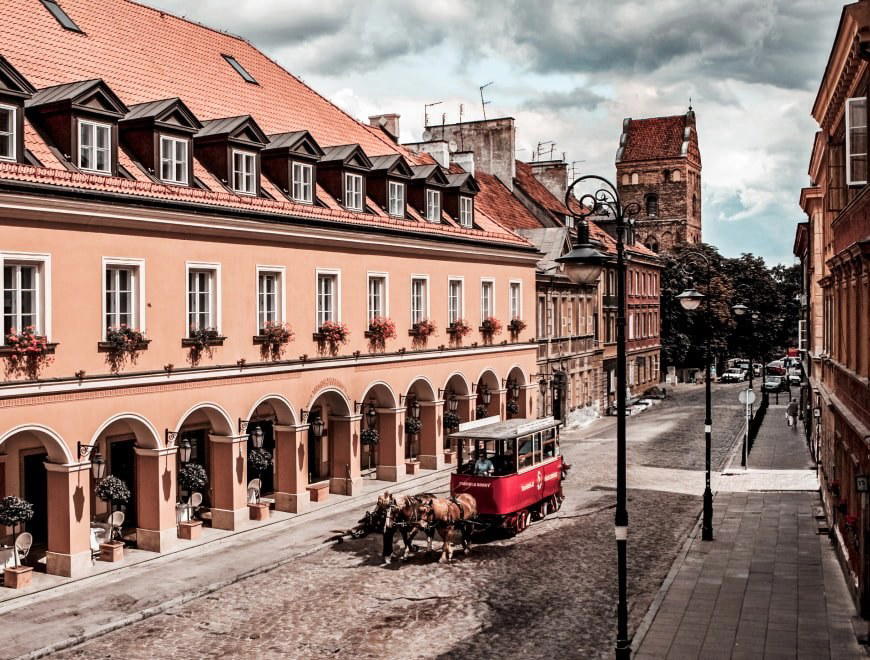
Stalowa Street in Praga Północ operates as one of the district's low-key creative corridors, running through a part of the city where pre-war tenement architecture survived the Second World War largely intact. That physical context distinguishes Praga venues from their Śródmieście counterparts in ways that are not merely aesthetic. The neighbourhood's comparative informality has made it an incubator for more experimental food and drink formats, and Blisko fits that pattern: an import company opening a bistro counter as a live tasting and distribution hub is the kind of project that makes more sense in Praga than it would in a higher-rent, higher-expectation district.
For visitors working through Warsaw's drinking circuit, adding a Praga stop to addresses like Handroll gives a more complete picture of where the city's independent food and drink energy is currently concentrated. The left-bank wine circuit remains strong, but the right bank is producing the more restless programming.
Poland's Wine Import Scene and Blisko's Place in It
Poland has developed into a serious wine import market over the past two decades, with a sophisticated consumer base in Warsaw and Kraków that tracks natural, biodynamic, and low-intervention producers with the kind of attention more typically associated with Paris or Copenhagen. Operations like Mielżyński Wine Spirits Specialties in Poznań have demonstrated that specialist wine retail and hospitality can sustain serious ambition outside Warsaw. Blisko sits within this broader Polish wine-literacy trend, but its particular angle, the direct importer-to-counter model, gives it a structural specificity that most wine bars lack.
Comparable models exist elsewhere. In cities with strong import-to-hospitality pipelines, the most interesting wine lists often belong to bars where the buying decisions are made upstream, at the producer level, rather than assembled from distributor catalogues. Jewel of the South in New Orleans and Bar Leather Apron in Honolulu represent the same underlying logic applied to spirits: programmes that reflect deep upstream expertise rather than assembled trend-chasing. Blisko applies that principle to wine in Warsaw, with Winoblisko's import operation providing the sourcing depth.
For those tracking the broader Polish artisan drinking scene, Kogel Mogel in Kraków and Mercy Brown in Kraków offer useful comparison points on how specialist bar formats are developing in Poland's second city, while Podkowa Wine Depot in Żółwin represents a different geographic model entirely, a specialist depot operating outside major urban centres. Copernicus Toruń Hotel in Toruń shows how wine programming is being integrated into heritage hospitality contexts elsewhere in the country.
Planning a Visit
Blisko Bar is at Stalowa 36 in Praga Północ, on the right bank of the Vistula, accessible from central Warsaw by tram along Targowa or by a short walk from the Dworzec Wileński metro and rail hub. Arriving without a reservation carries some risk, particularly on weekend evenings when Praga's hospitality strip draws its largest crowds. The format is compact, which means capacity is limited by design. Going on a weekday evening, or arriving early, gives more reliable access to staff attention and a proper conversation about what is currently on the list.
At a Glance
- Cozy
- Intimate
- Date Night
- Casual Hangout
- Standalone
- Seated Bar
- Lounge Seating
- Natural Wine
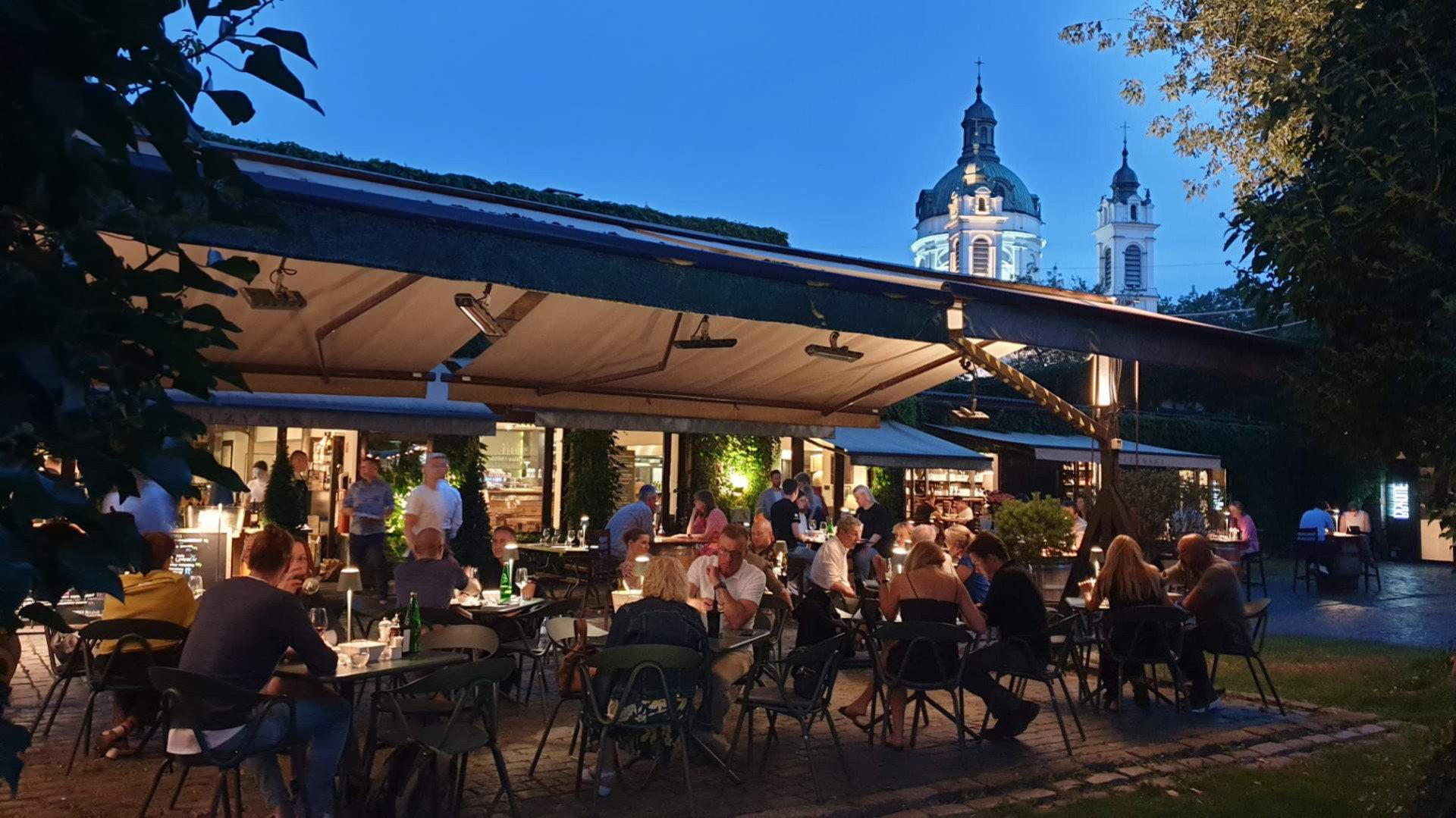
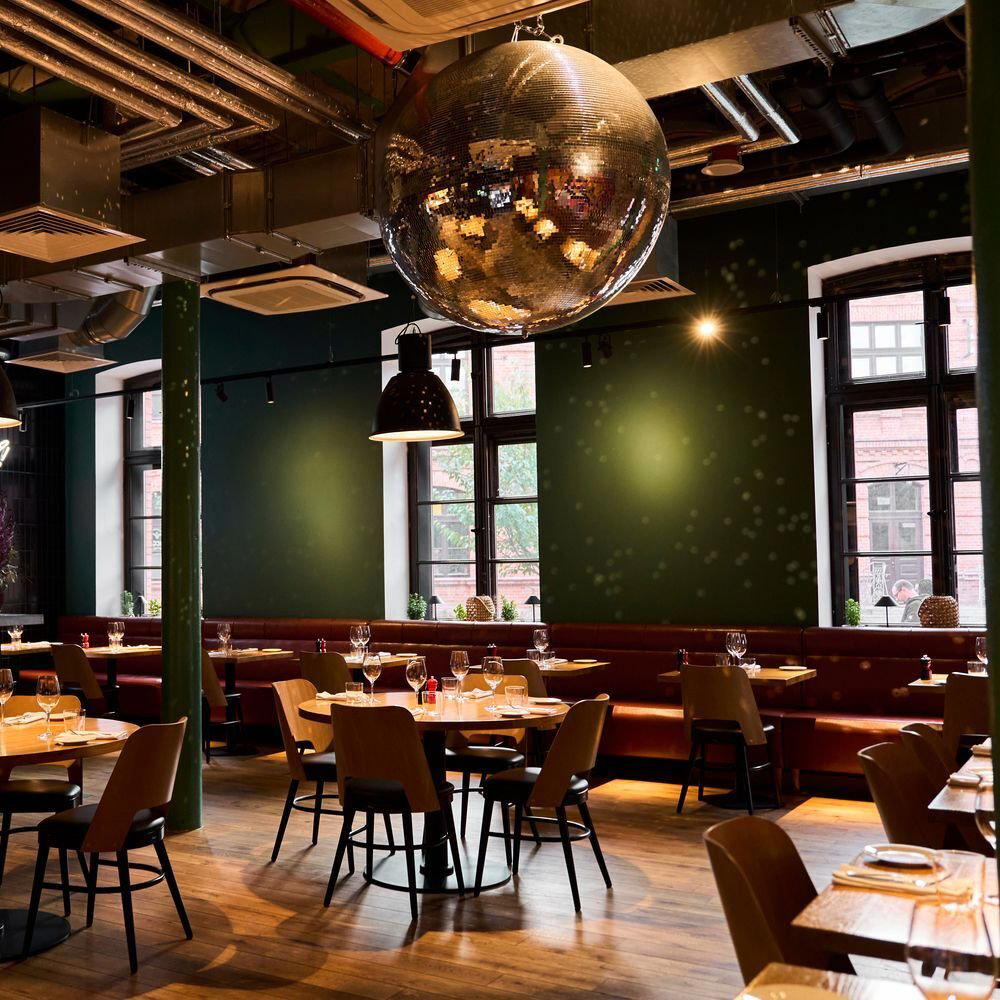
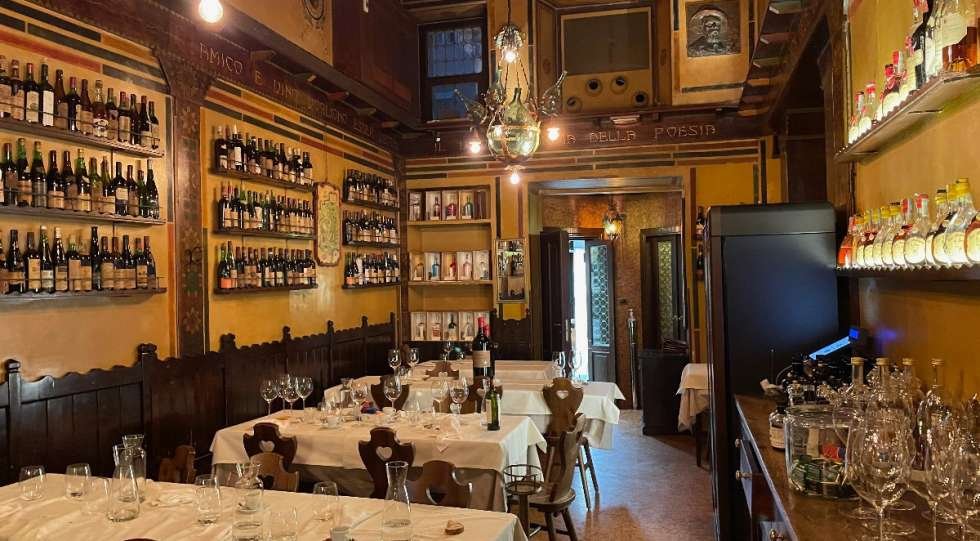
Cozy and quiet with warm lighting perfect for intimate dinners.