Our verdict
On Krucza Street in Warsaw's city centre, Tomo Sushi occupies a quiet but deliberate position in Poland's expanding Japanese dining conversation. Warsaw's appetite for precise, technique-driven Japanese food has grown steadily over the past decade, and Tomo sits within that shift — a focused address for those tracking the city's move toward more serious sushi formats outside the all-you-can-eat mainstream.

Pearl is the En Primeur Club membership app — saves, bookings, and concierge access live there. Same editors, same standards.
- Address
- Krucza 16/22, 00-562 Warszawa, Poland
- Phone
- +48 508 122 212
- Hours
- Mon–Thu 12–10 PMFri–Sat 12–11 PMSun 12–10 PM
- Website
- tomo.pl
- Directions
- Get directions
The menu
What to order
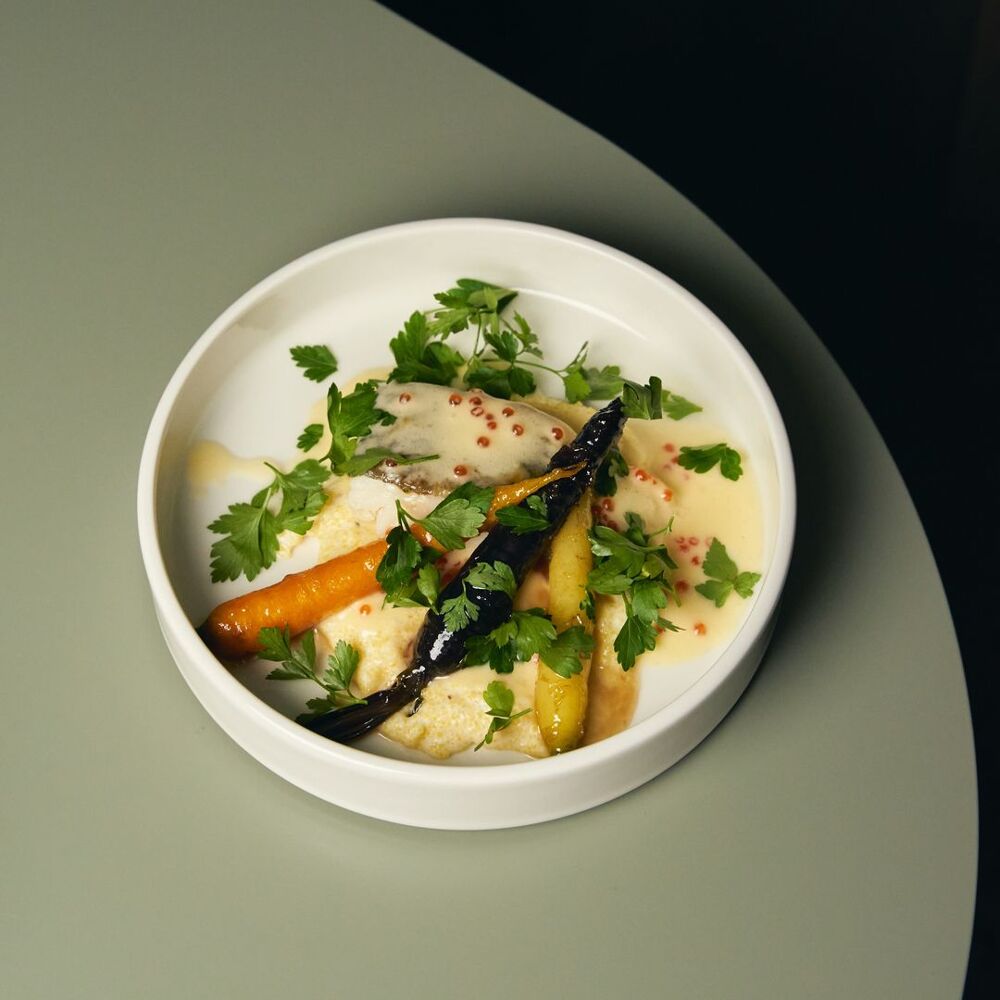
- Salmon tatar
- Nigiri
- Salmon skin salad
- Tom yum kung
Warsaw's Sushi Scene and Where Tomo Sushi Fits
Krucza Street runs through one of Warsaw's more understated central corridors — close enough to the business district to draw a lunch crowd, far enough from the tourist circuit to retain a neighbourhood register. It is the kind of address where a focused Japanese restaurant can build a local following without competing for foot traffic with Śródmieście's louder attractions. Tomo Sushi, at number 16/22, occupies that position quietly, which is itself a statement about the format: serious sushi in Warsaw rarely announces itself with neon.
The broader context matters here. Poland's engagement with Japanese cuisine has moved through several distinct phases over the past two decades. The first wave brought conveyor belts and all-you-can-eat formats, formats that remain commercially dominant but have increasingly little to do with how Japan's fish-centric traditions actually work. The second wave, now consolidating in Warsaw, Kraków, and Gdańsk, has produced a smaller cluster of restaurants working closer to the source — tighter menus, fish sourced with more attention to provenance, and preparation methods that do not rely on heavy saucing to carry inferior product. Tomo belongs to this second movement. For a comparative reference point on Japanese dining in Poland's other cities, Hashi Sushi in Gdańsk and Hattori Hanzo in Częstochowa represent the regional spread of this more considered approach.
The Cultural Weight of Sushi in a Landlocked Capital
There is a particular challenge in serving sushi at a serious level in Warsaw. The city sits roughly 300 kilometres from the Baltic coast and far further from the Pacific. The fish quality conversation that Tokyo's leading omakase counters have the luxury of taking for granted, daily Tsukiji or Toyosu sourcing, seasonal micro-adjustments in species selection, becomes genuinely complicated when the supply chain runs through European wholesale networks and air freight from Japan. How a Warsaw sushi restaurant answers that challenge is the most revealing thing about its ambitions. Restaurants that invest in direct Japanese sourcing, age fish correctly, and adjust their menu seasonally rather than running a static laminated card are operating in a different tier from those that do not.
This is what makes the cultural context of Japanese dining in Central Europe worth understanding before you book. The cuisine carries an internal logic, the relationship between rice temperature and fish texture, the role of wasabi freshness, the way the sequence of a meal is meant to arc from lighter to richer, that is easy to approximate superficially and genuinely difficult to execute at depth. Warsaw's leading Japanese addresses are the ones where that logic is respected even when the geography makes it harder. For comparison, the discipline that goes into seafood technique at Le Bernardin in New York City illustrates how seriously sourcing and technique can be treated as a non-negotiable baseline, even in a non-Japanese context. Closer to home, Atomix in New York City demonstrates how Korean fine dining in a Western city has navigated a similar cultural translation challenge, and set a high bar for what that translation can look like when executed with rigour.
Tomo Sushi on Krucza: What the Address Tells You
Tomo Sushi's placement on Krucza puts it in proximity to Warsaw's financial and diplomatic quarter, a neighbourhood where the dining population skews toward regulars rather than tourists, the kind of clientele that returns enough times to notice whether rice seasoning is consistent or whether fish quality dips in the wrong season. That repeat-visitor pressure tends to raise the floor on execution. It is a different operating environment from a restaurant in Stare Miasto or along Nowy Świat, where foot traffic can sustain a business through mediocrity.
Warsaw's broader restaurant conversation has moved significantly in the past five years. Addresses like NUTA and Rozbrat 20 have pushed European fine dining standards upward, while alewino and hub.praga have built credible followings in the modern cuisine tier. Baken has added another dimension to the city's offer. That rising tide has also raised expectations for non-European cuisines operating at the upper end of the market: a Warsaw diner who has eaten at the Polish addresses listed above brings a calibrated palate to a sushi counter, not a tourist's willingness to accept approximation.
Poland's dining scene beyond Warsaw provides useful comparative context for understanding what the country's better Japanese restaurants are trying to do. Bottiglieria 1881 in Kraków has shown how a precise European format can earn serious recognition in a Polish city. Arco by Paco Pérez in Gdańsk represents another vector, a chef with international credentials anchoring a programme in a secondary Polish market. The trajectory across these cities suggests that the gap between Warsaw's top-tier European restaurants and its top-tier Asian restaurants is narrowing, which creates genuine incentive for sushi addresses to sharpen their offer. Muga in Poznań, Kwestia Czasu in Białystok, Cudne Manowce in Olsztyn, Górnik in Kraków, and Włoska Restauracja Bellanuna in Rzeszów each represent the growing confidence of Polish regional dining, which reinforces how much ground Warsaw's non-European restaurant tier needs to hold if it is to keep pace with the city's overall ambitions. Giewont in Kościelisko adds yet another dimension to the national picture.
Planning Your Visit
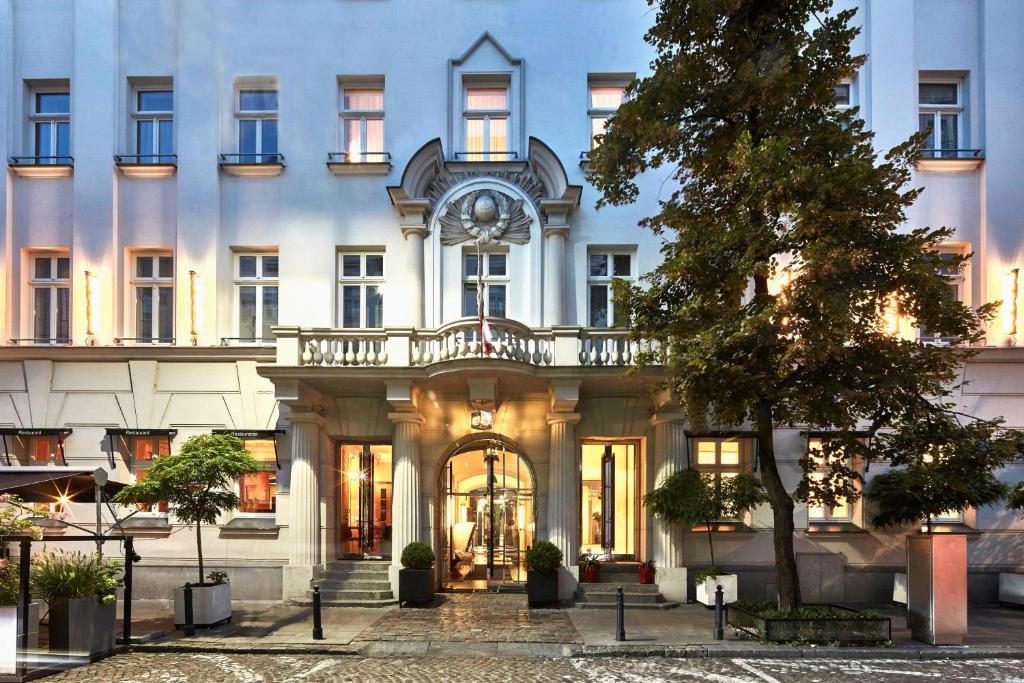
Tomo Sushi is located at Krucza 16/22 in Warsaw's Śródmieście district, walkable from the central business quarter and reachable via metro from Centrum station. Given the venue's central position and the category's generally limited seat counts in serious formats, advance contact to confirm availability is advisable, particularly for evening sittings on weekdays when the nearby office population tends to book ahead. The autumn and winter months tend to concentrate Warsaw's dining scene most sharply, colder evenings push more deliberate restaurant choices, and fish quality in European sourcing networks often peaks through the colder quarters when Atlantic and Japanese imports are at their most consistent. For a broader view of Warsaw's dining options across cuisines and price points, the EP Club Warsaw restaurants guide covers the city's current offer in full.
Frequently asked questions
What should I order at Tomo Sushi?
Can I walk in to Tomo Sushi?
What do critics highlight about Tomo Sushi?
How does Tomo Sushi fit into Warsaw's Japanese dining tier compared to the city's European fine dining scene?
Comparable Spots
Comparable venues nearby, for context on price, style, and recognition.
| Venue | Cuisine | Price | Awards | Notes |
|---|---|---|---|---|
| Tomo SushiThis venue — the venue you are viewing | Traditional Japanese Sushi | $20–30 | Not listed | Not listed |
| Vegan Ramen Shop | Vegan Japanese Ramen | $1–10 | Not listed | Finlandzka / Mokotów |
| Yatta Ramen | Authentic Japanese Ramen | $10–20 | Not listed | Srodmiescie |
| Handroll | Handroll Sushi | $10–20 | Not listed | Saska Kepa |
| Baken | Artisanal Bakery & Breakfast | $10–20 | Not listed | Srodmiescie |
| Woda Ognista | Polish Cocktail Bar with Tapas | $20–30 | Falstaff Bar - 94 Falstaff Points | Ujazdow |
Details
- Elegant
- Classic
- Intimate
- Date Night
- Group Dining
- Casual Hangout
- Family
- Chefs Counter
- Open Kitchen
- Standalone
- Local Sourcing
- A La Carte
- Counter Dining
- Vegetarian Friendly
Current opening hours
- Monday
- 12–10 PM
- Tuesday
- 12–10 PM
- Wednesday
- 12–10 PM
- Thursday
- 12–10 PM
- Friday
- 12–11 PM
- Saturday
- 12–11 PM
- Sunday
- 12–10 PM
Hours can change for holidays and private events. Last verified .
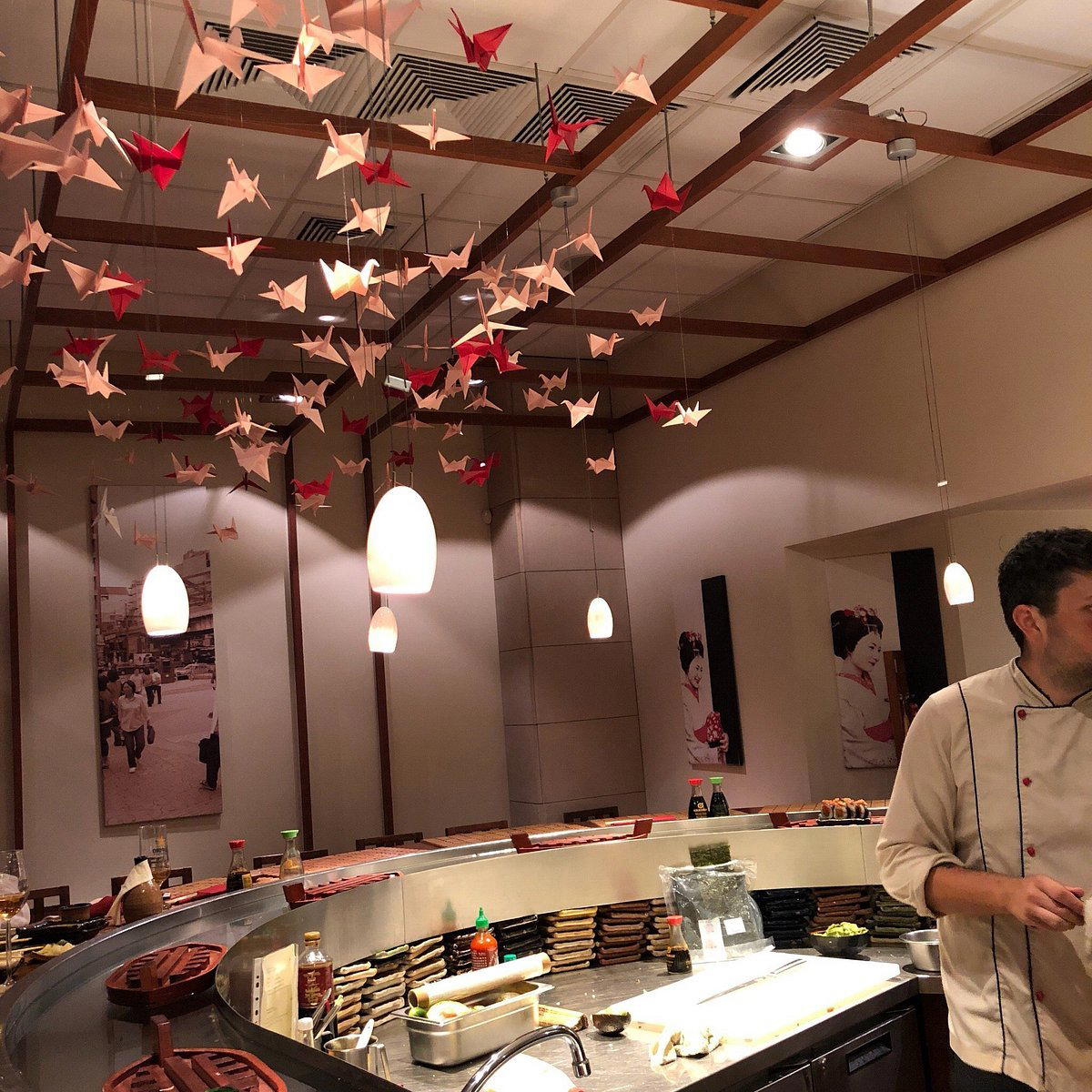
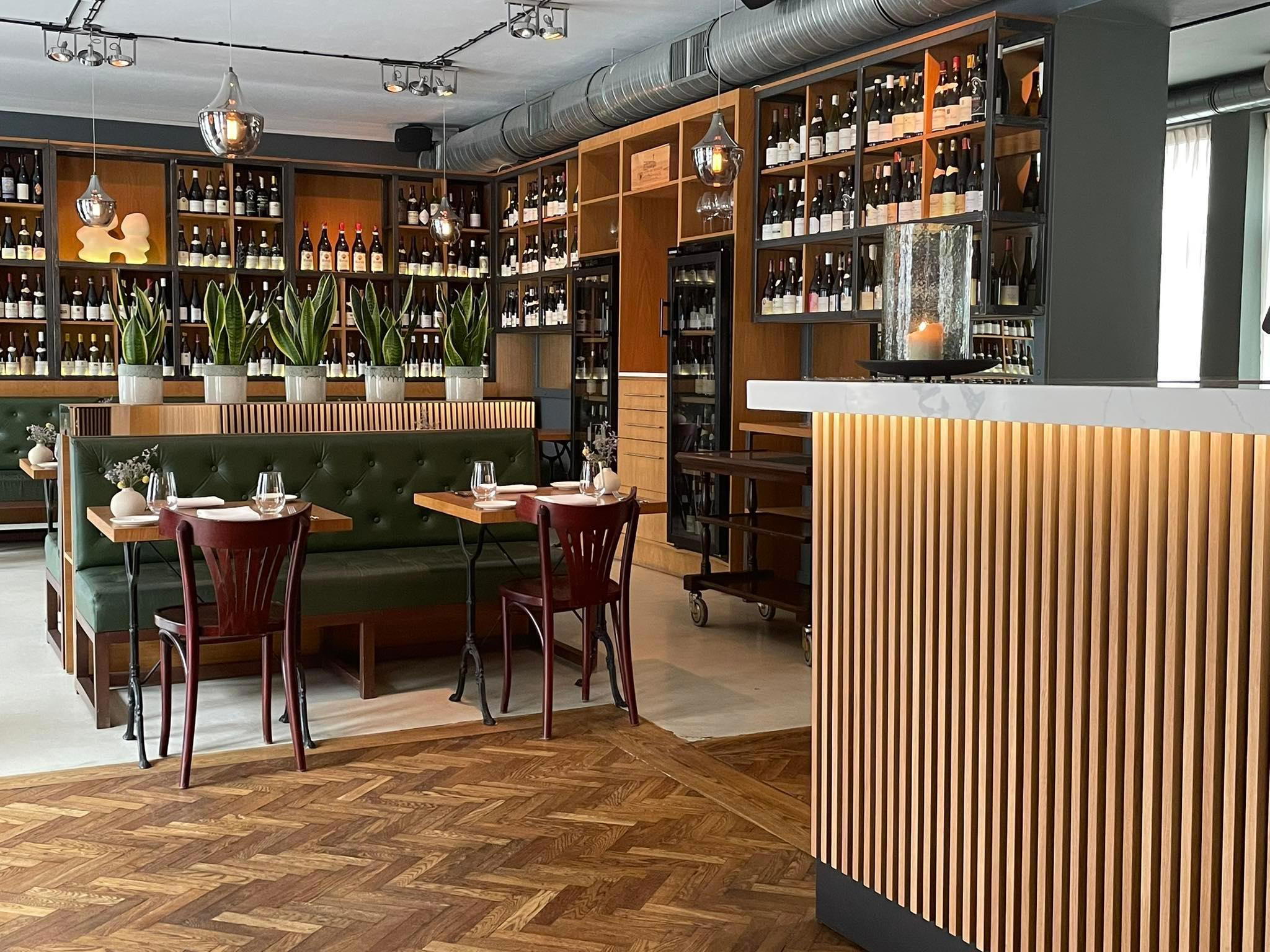
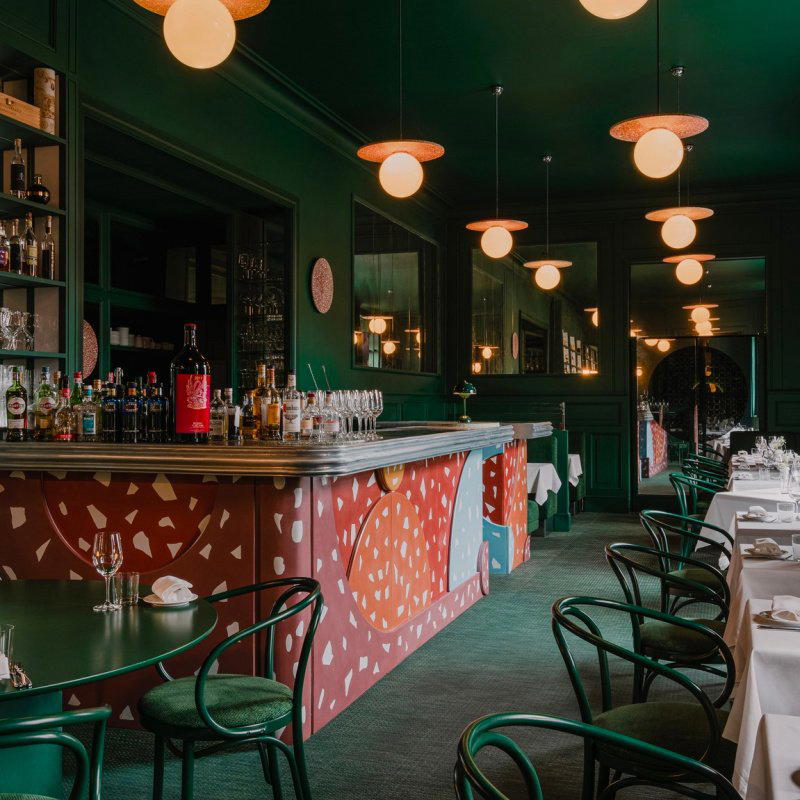
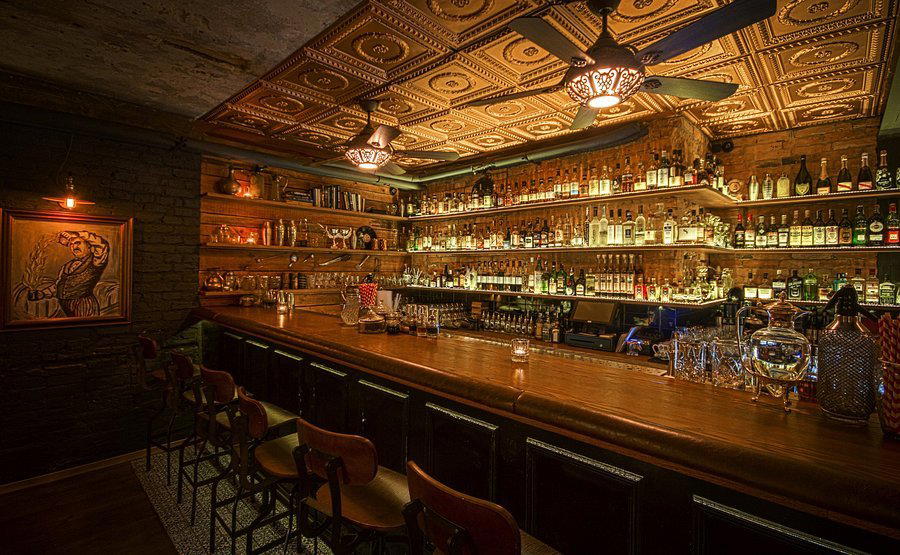
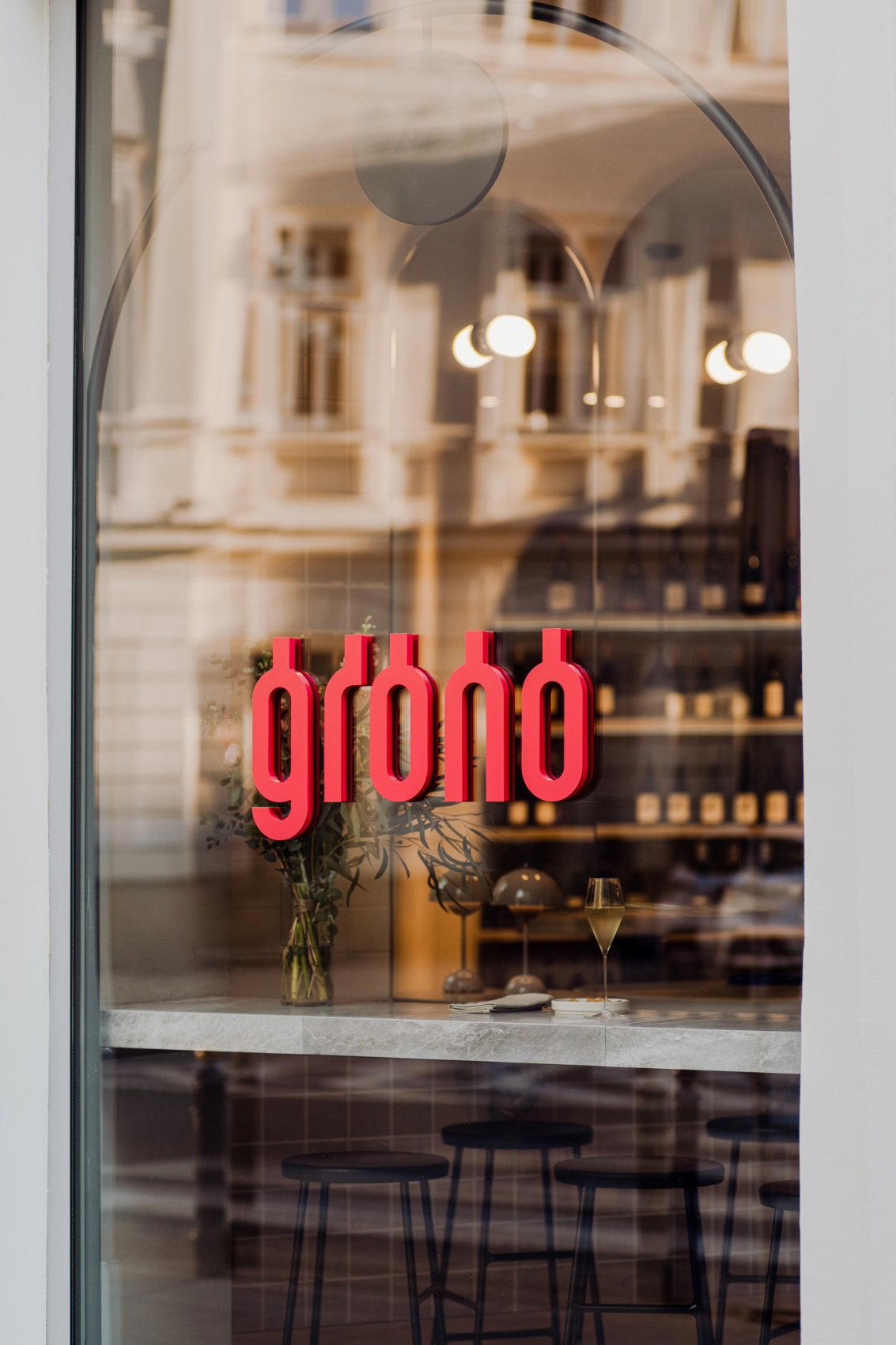
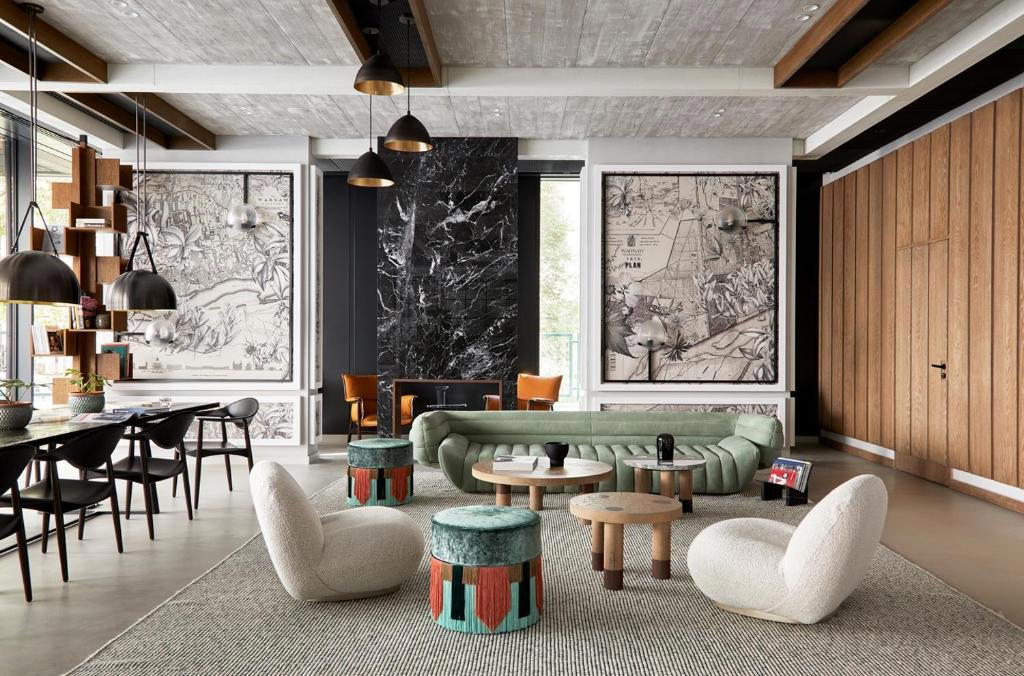
Elegant and neutral interior with soothing lighting and discreet ambiance; the sushi bar with floating boats creates a distinctive, refined dining experience.