A Warsaw Tavern in the Old Tradition There is a particular type of Polish inn that has largely disappeared from Warsaw's city centre: the kind where the room feels worn in rather than designed, where the menu reads like a household inventory...

Pearl is the En Primeur Club membership app — saves, bookings, and concierge access live there. Same editors, same standards.
A Warsaw Tavern in the Old Tradition
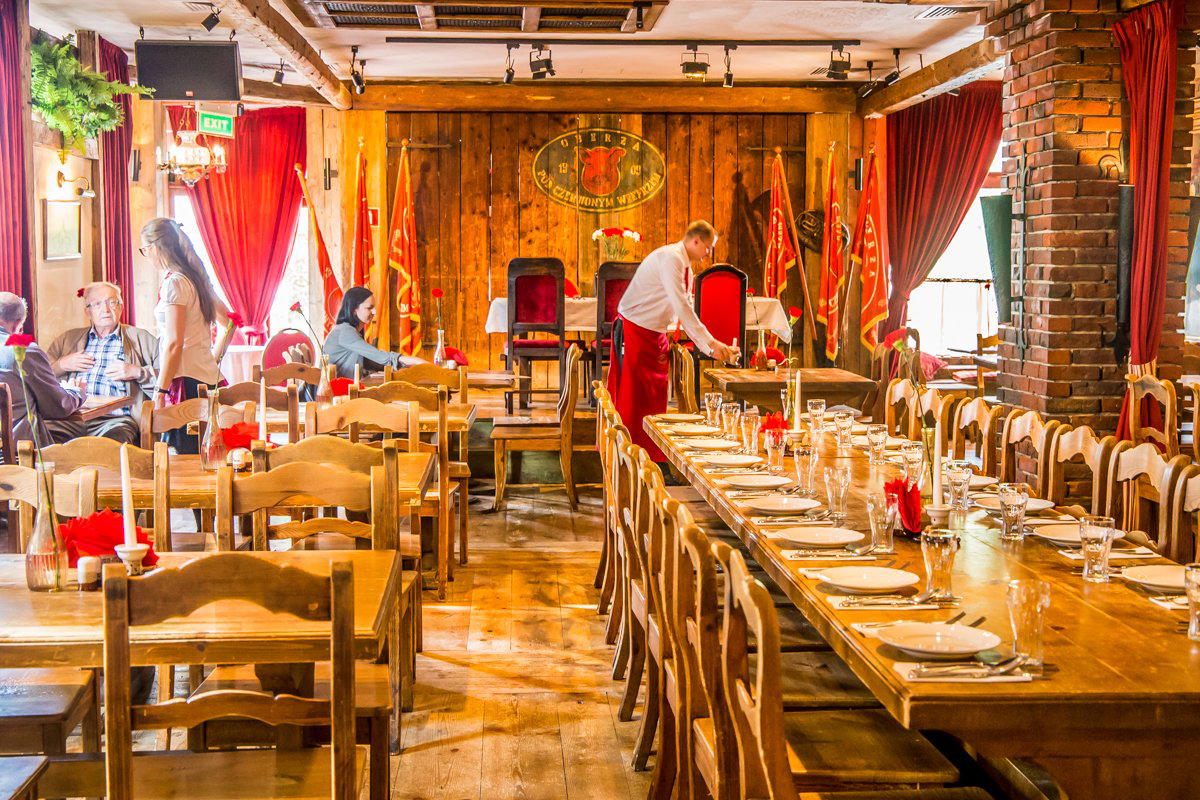
There is a particular type of Polish inn that has largely disappeared from Warsaw's city centre: the kind where the room feels worn in rather than designed, where the menu reads like a household inventory from the Masovian countryside, and where the name alone tells you something is being done with a sense of humour. Oberża pod Czerwonym Wieprzem, the Inn Under the Red Pig, carries that sensibility in its title and, by most accounts, in its approach to the table. Oberża pod Czerwonym Wieprzem occupies different ground: the kind of place that looks backward, not as nostalgia for its own sake, but as a method of keeping something alive.
The Room and What It Signals
Polish tavern dining, at its most coherent, is not about spectacle. The physical register tends toward the practical: heavy tables, low-lit interiors, a sense that the space was built for eating and conversation rather than for being seen. That atmosphere carries its own logic in a city like Warsaw, where the post-war reconstruction compressed centuries of built environment into a compressed historical moment. When a dining room feels genuinely unpretentious, not performing informality, but actually indifferent to it, that is a specific kind of achievement in a capital that has been reinventing itself at pace. Oberża pod Czerwonym Wieprzem has a name and a reputation that positions it at this end of the spectrum, set against peers like alewino (Modern Polish, Traditional Cuisine), which takes a more contemporary wine-led approach to similar source material, and Rozbrat 20 (Modern European, Modern Cuisine), which pitches its Polish ingredients toward a European fine dining frame.
Polish Traditional Cooking and Its Relationship to Waste
The sustainability case for traditional Polish inn cooking is not made through green certifications or sourcing manifestos. It is embedded in the culinary logic itself. Polish peasant cooking was historically an exercise in full-carcass use, root-to-leading vegetable preparation, and extended preservation techniques, fermentation, pickling, smoking, drying, that stretch seasonal produce across months when nothing fresh is available. Bigos, the hunter's stew, is structurally a leftover dish: sauerkraut, fresh cabbage, and whatever meat or mushrooms are at hand, improved by repeated reheating over days. Żurek, the fermented rye soup, is built on a starter that turns what would otherwise be spent grain into the base of an entire category of cooking.
This is sustainability as a survival strategy, encoded into recipes over centuries. Venues that work seriously in this tradition, preserving whole-animal and whole-vegetable approaches, are doing something that many contemporary restaurants approximate at significant cost and effort. Poland's restaurant scene has several examples of this approach at varying price points: Górnik in Krakow draws on regional Małopolska traditions with a similar interest in grounded, local sourcing, while Giewont in Kościelisko operates in the Tatra highlands where ingredient locality is a geographic necessity as much as a choice. Further afield, Kwestia Czasu in Białystok and Cudne Manowce in Olsztyn show how regional Polish cities are developing their own dining identities around local produce and inherited technique.
Where It Sits in Warsaw's Current Market
Warsaw's mid-range dining tier has become increasingly crowded and increasingly international in its references. The city now has credible representations of Korean, Japanese, and contemporary European formats. For Polish-focused cooking at accessible price points, the field is narrower. alewino covers the modern Polish with natural wine angle at the €€ tier. Rozbrat 20 handles the refined Polish-European at €€€. A place like Oberża pod Czerwonym Wieprzem, operating in the traditional inn register, is competing against a different comparable set: restaurants where the cooking is hearty and the room is direct, where the bill does not require advance planning, and where the point is the food itself rather than the experience built around it.
This is not a small niche. Warsaw has a substantial resident population that prefers this format on a regular basis, and a tourist population that arrives specifically seeking something that reads as authentically Polish rather than Polish-inflected fine dining. The inn format, when executed with care, serves both. Poland's broader restaurant recognition has grown considerably, Bottiglieria 1881 in Kraków carries Michelin recognition, and Muga in Poznań has drawn national attention, but that recognition clusters at the fine dining end. The traditional inn occupies the part of the market that awards circuits rarely touch.
Visiting: What to Expect in Practice
Approach the restaurant as you would any Warsaw restaurant in the mid-range tier with an established local following: evenings and weekends fill earlier than first-time visitors expect, and walking in without a reservation on a Friday or Saturday carries risk. Reservations are recommended, especially for peak weekend hours. The dress code is casual.
For those building a broader trip through Poland, the country's dining scene rewards city-by-city exploration. Arco by Paco Pérez in Gdańsk takes a completely different approach, a Spanish chef working with Baltic ingredients, while Hashi Sushi in Gdansk shows how international formats have taken hold even in mid-sized Polish cities. Comparison against venues as different as Le Bernardin in New York City or Atomix in New York City underscores how wide the register of serious dining has become globally, and why a grounded Polish inn, doing its particular thing without apology, still holds a clear and defensible position in that spectrum.
- Roasted Duck with Red Cabbage
- Pierogi Ruskie
- Pork Knuckle (Golanka)
- Scypek (Smoked Mountain Cheese)
- Pork Spare Ribs
- Beef Cheeks
The Minimal Set
Comparable venues nearby, for context on price, style, and recognition.
| Venue | Cuisine | Price | Notes |
|---|---|---|---|
| Oberża pod Czerwonym WieprzemThis venue — the venue you are viewing | Not listed | $$ | Not listed |
| Żebra i Kości | Not listed | $$ | Srodmiescie, Modern Polish Steakhouse and Barbecue |
| Bibenda | Srodmiescie, Modern Polish Small Plates | $$ | Not listed |
| Stary Dom | Krolikarnia, Traditional Polish | $$ | Not listed |
| Veganda | Ujazdow, Vegan Fusion | $$ | Not listed |
| Woda Ognista | Ujazdow, Modern Polish Tapas & Cocktails | $$ | Not listed |
At a Glance
- Rustic
- Well Known
- Cozy
- Classic
- Group Dining
- Casual Hangout
- Special Occasion
- Celebration
- Historic Building
- Private Dining
- Open Kitchen
- Beer Program
- Local Sourcing
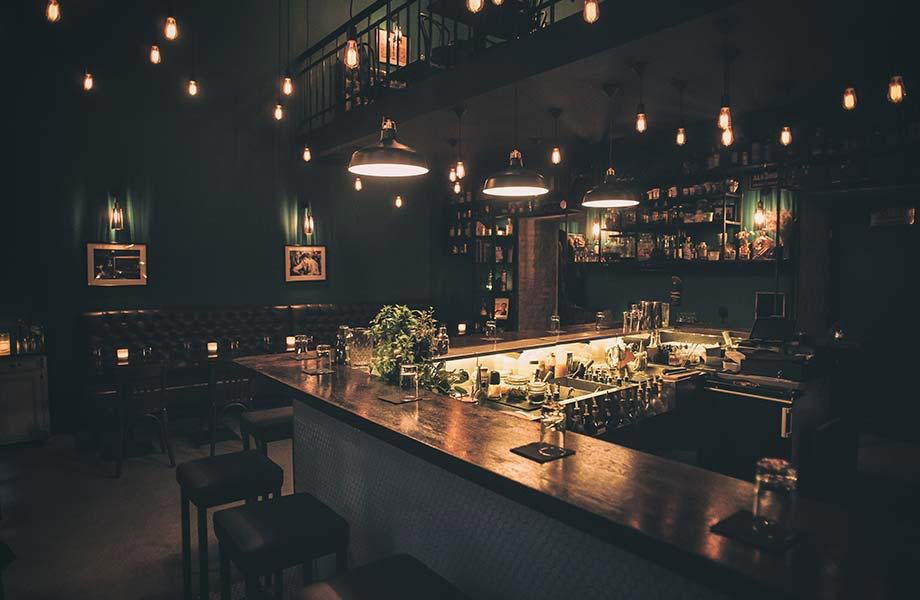
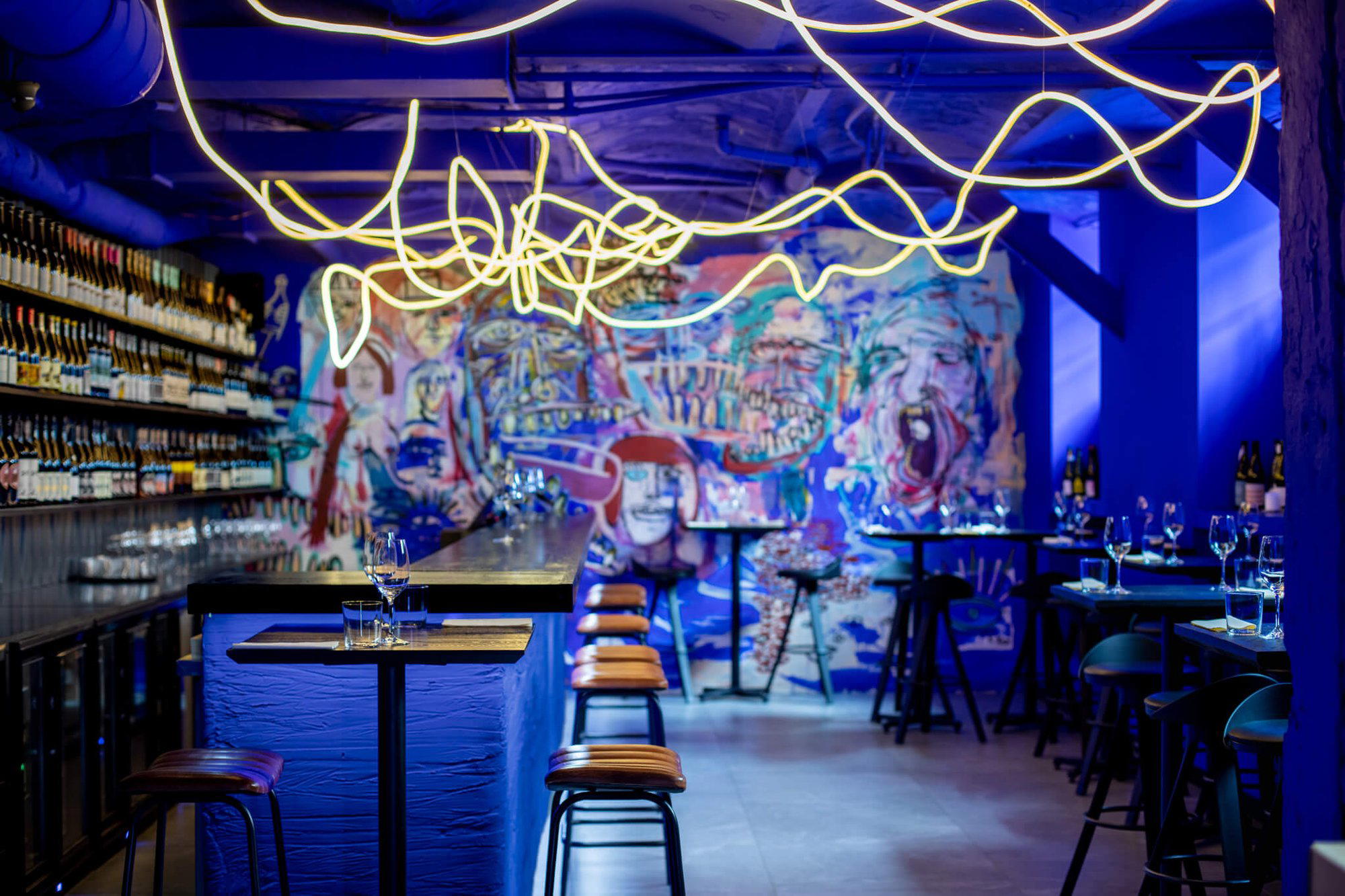
Warm, nostalgic atmosphere with rustic retro decor, historical portraits, flags, and chandeliers evoking communist-era elegance; intimate yet lively with a sentimental, humorous tone.