
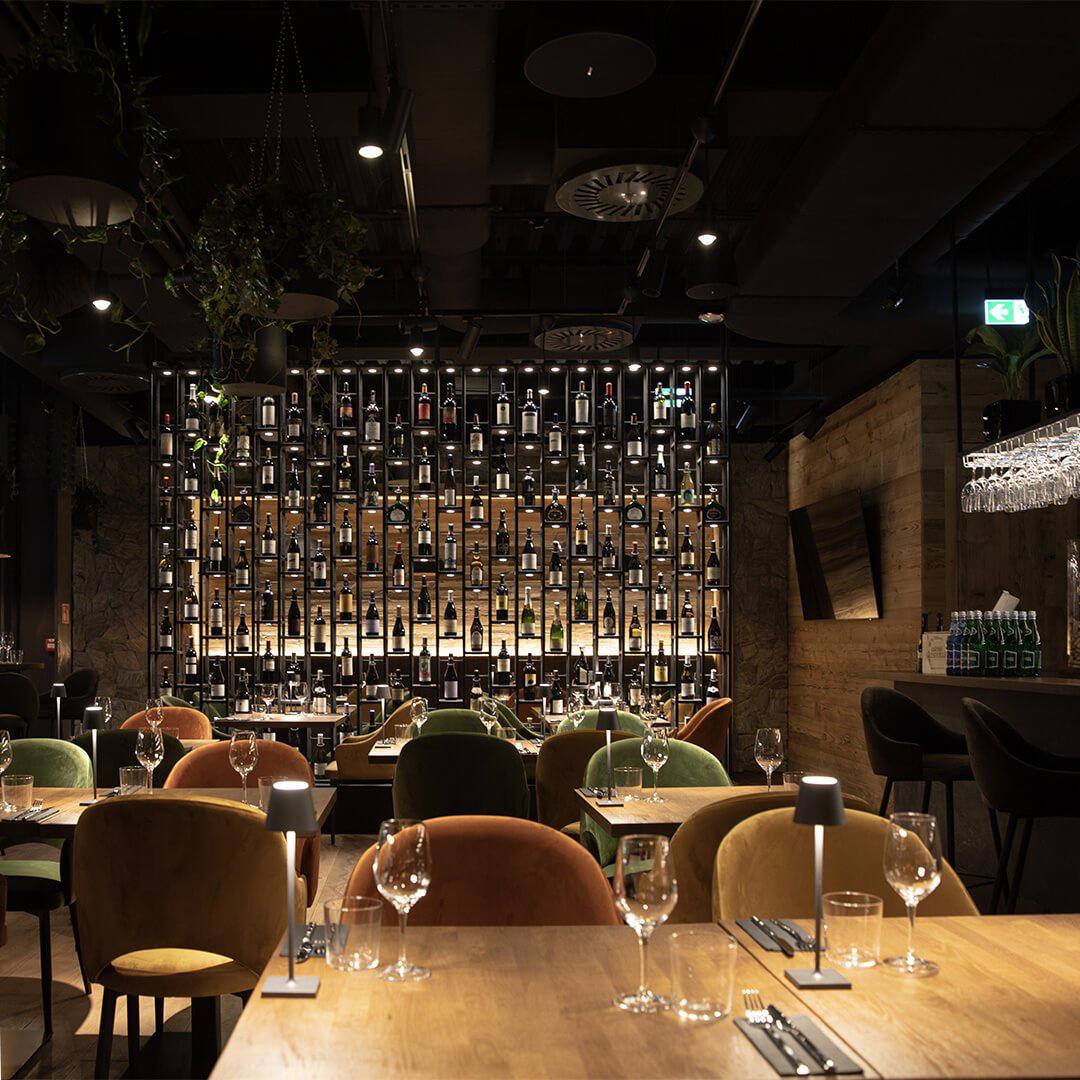
One of Warsaw's earliest dedicated wine venues, Mielżyński na Burakowskiej sits in the Wola district near Powązki Cemetery, drawing a committed crowd of wine drinkers who treat it as a reference point rather than a casual stop. The Mielżyński name carries weight across Polish wine culture, and the Burakowska address delivers that same depth of list in a neighbourhood that rewards those willing to look beyond the city centre.
Pearl is the En Primeur Club membership app — saves, bookings, and concierge access live there. Same editors, same standards.
- Address
- Burakowska 5-7, 01-066 Warszawa, Poland
- Phone
- +48 500 029 898
- Website
- mielzynski.pl
- Directions
- Get directions
 Saves & bookings on Pearl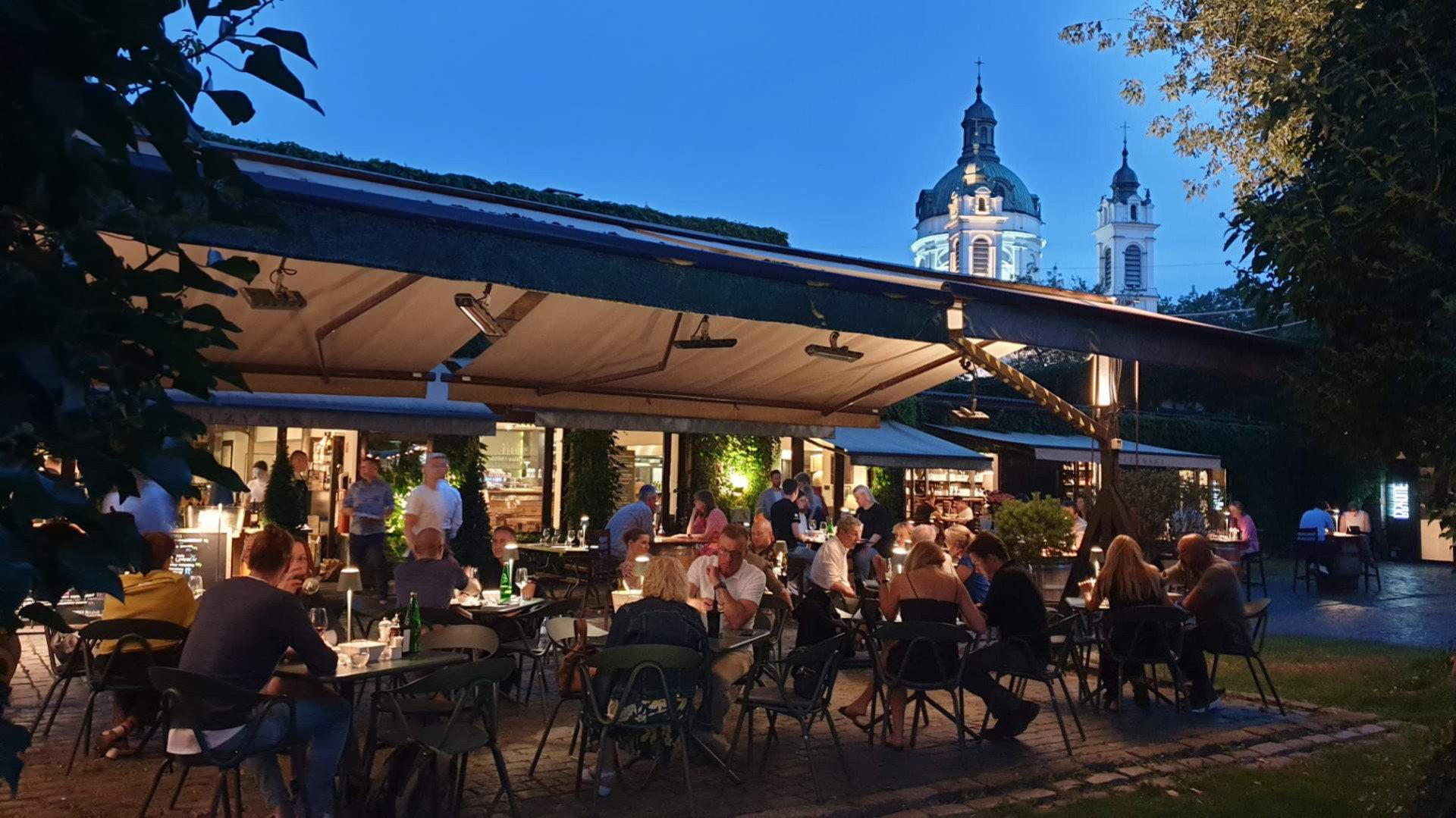
Wola's Wine Anchor
Warsaw's wine bar scene arrived later than its cocktail counterpart, and the venues that helped establish it carry a different kind of authority. When a city is still forming its wine-drinking habits, the early rooms shape what serious looks like, the format of the list, the rhythm of service, the relationship between glass pours and food. Mielżyński na Burakowskiej sits in that founding tier. Located on Burakowska 5-7 in the Wola district, close to the historic Powązki Cemetery, it occupies a part of Warsaw that sits outside the reflexive gravitational pull of the Old Town and the more densely programmed Śródmieście. That location is not incidental: Wola has become one of the city's more interesting patches for venues that attract regulars rather than tourists, and a wine room that has built a strong reputation among Warsaw's wine drinkers draws precisely that kind of crowd.
The Mielżyński name itself functions as a trust signal in Polish wine culture. The group's flagship operation in Poznań, Mielżyński - Wine Spirits Specialties in Poznań, has long operated as one of the country's more serious wine retail and bar propositions, and the Warsaw outpost on Burakowska extends that reputation into the capital. This is not a brand extension in the diluted sense; it is a transfer of a particular standard of list-building and procurement to a different city.
The Drinks Programme in Context
Poland's wine bar offer has broadened significantly in the past decade. Where Warsaw once had a handful of wine-focused rooms competing mostly on atmosphere, it now has a layered scene with distinct points of view. Lalou Wine Bar operates in one register; Grono Mokotowska in another. What distinguishes the venues that hold over time is usually the depth and coherence of their lists rather than their physical format. Mielżyński's position as one of the first true wine venues in Warsaw gives it a different kind of standing: it was present before the scene had competition, which means the list was built from conviction rather than differentiation strategy.
In cities across Central Europe, Prague, Budapest, Kraków, serious wine bars have increasingly aligned their food programmes to the drinks rather than running them as parallel concerns. The question of what to eat alongside a glass of Austrian Grüner or an aged Polish mead is not a secondary one; it shapes the pacing of the visit, the order in which bottles are opened, and whether the evening feels like a meal or a tasting. Kogel Mogel in Krakow has pursued one version of this integration. The better wine rooms treat the food programme as editorial: items are selected because they create contrast or resonance with specific parts of the list, not because they fill a menu slot. At Burakowska, the pairing logic rather than the kitchen ambition is the relevant measure.
Food as Frame, Not Feature
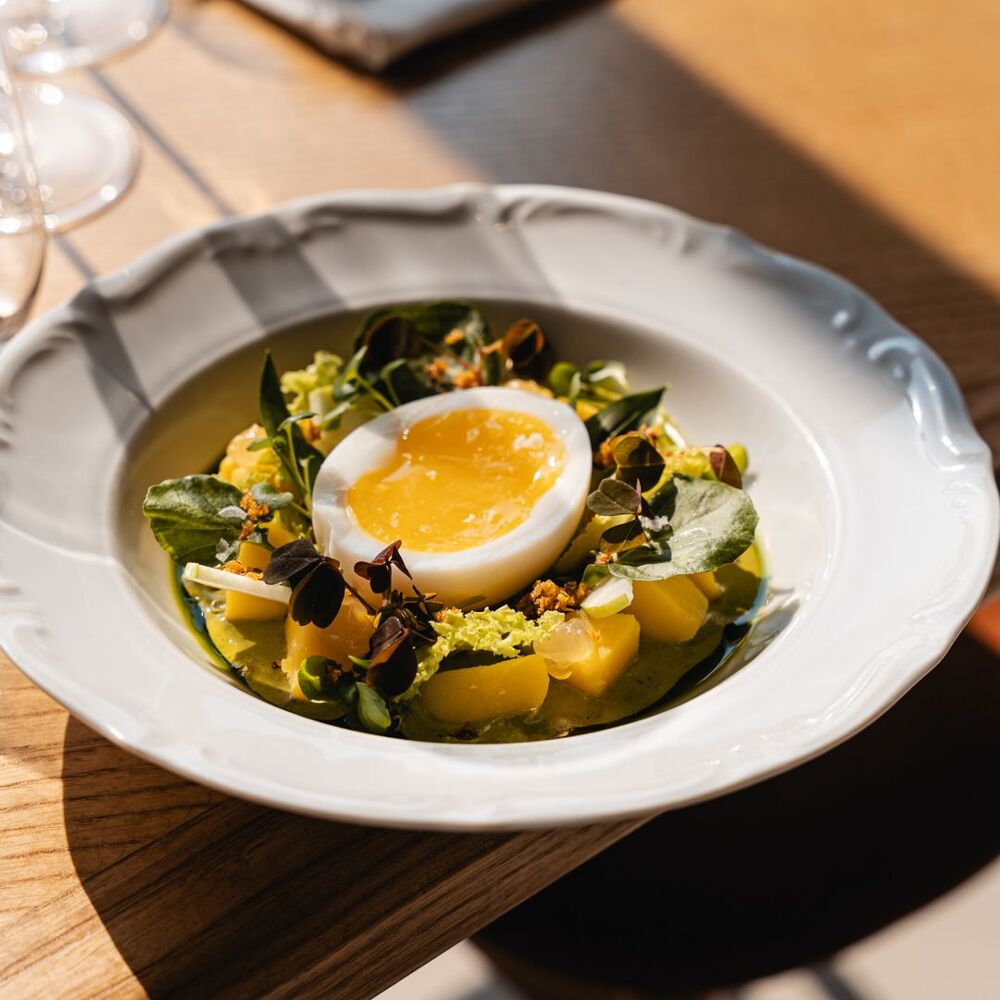
The editorial angle at a venue like Mielżyński na Burakowskiej is always the drinks, and the food exists in relation to that priority. This is not a limitation; it is a format that serious wine bars across Europe have made work extremely well. The model, small plates, charcuterie, cheese, dishes with enough acid or fat to open up what is in the glass, is not accidental. It reflects the same logic that drives the bar food programmes at well-regarded rooms in Paris, Ljubljana, and Warsaw's own developing scene.
At Blisko Bar, the food-drink integration runs in a particular direction; at Handroll, a completely different one. The diversity of approaches across Warsaw's current bar and wine room scene makes it worth thinking about what you are optimising for before you arrive. At Mielżyński na Burakowskiej, you are optimising for the list and the company of people who care about what is in their glass. The food is designed to sustain that, not compete with it.
Comparisons outside Poland are instructive. Bar Leather Apron in Honolulu and Jewel of the South in New Orleans represent different takes on how drinks-first rooms manage their food offer in markets where the bar programme is the primary draw. The common thread in venues that get this right is restraint: they do not attempt to compete on food with restaurants, and they do not treat the bar snack as an afterthought. The food is curated to function as a pairing instrument.
The Wola Setting and When to Go
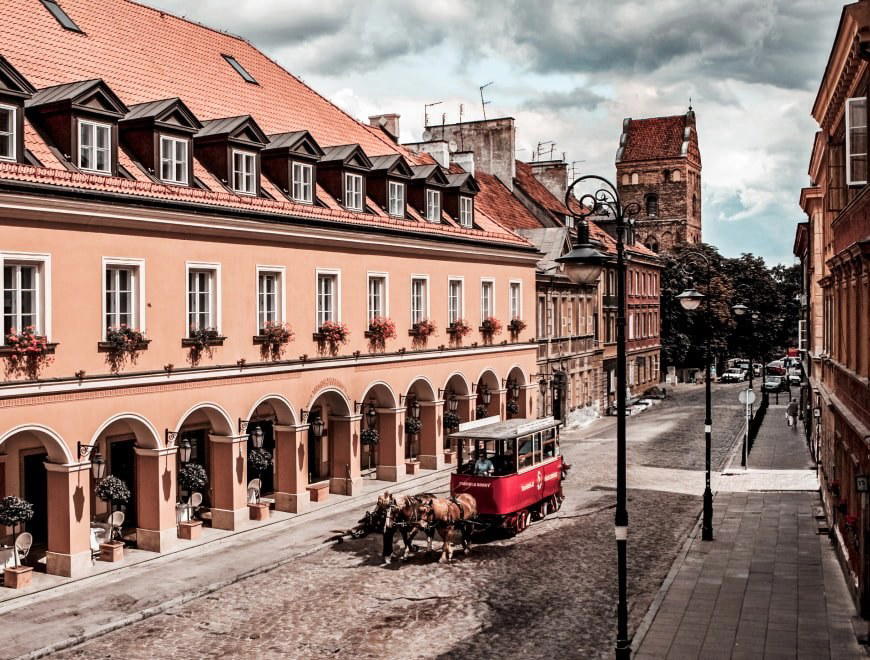
The Powązki Cemetery, a short walk from Burakowska, is one of Warsaw's most historically significant sites, and the neighbourhood around it carries a quieter atmosphere than the central districts. Visiting the bar after an afternoon at Powązki, particularly around All Saints' Day in November, when the cemetery draws tens of thousands of visitors bearing candles, gives the visit a different register. The contrast between the weight of the memorial tradition and the warmth of a properly chosen glass is not a trivial one in Warsaw's cultural calendar. Autumn and early winter are the natural seasons for wine rooms in this city: the light drops early, the evenings are long, and the list in front of you has different appeal than it does in July.
For those building a wider evening in Warsaw, the Burakowska address makes most sense as either a destination in itself or a stop on a Wola-focused evening rather than a city-centre circuit. The venues that pair most naturally with it, in terms of commitment to the glass over spectacle, include Lalou Wine Bar and Grono Mokotowska, though both sit in different parts of the city. Beyond Warsaw, the Mielżyński approach extends to other Polish cities: Podkowa Wine Depot in Żółwin and Mercy Brown in Kraków represent the broader Polish wine room offer for those travelling beyond the capital. The Copernicus Toruń Hotel in Torun adds a different register again for those moving north.
Peers Worth Knowing
Comparable venues nearby, for context on price, style, and recognition.
| Venue | Cuisine | Price | Notes |
|---|---|---|---|
| Mielżyński na BurakowskiejThis venue — the venue you are viewing | wine_bar | $$$ | Not listed |
| Vinoteka 13 | wine_bar | $$$ | Srodmiescie |
| Mielżyński na Czerskiej | wine_bar | $$$ | Sielce |
| Łaskawość Tytusa | wine_bar | $$ | Ujazdow |
| Rausz | wine_bar | $$ | Ujazdow |
| Lalou Wine Bar | wine_bar | $$$ | Mirow |
Recognition history
Dated appearances from independent guides and award organizations, with the underlying list record or original source where available.
Star Wine List
Star Wine List
At a Glance
- Trendy
- Cozy
- Sophisticated
- Intimate
- Date Night
- After Work
- Casual Hangout
- Standalone
- Seated Bar
- Communal Tables
- Natural Wine
- Conventional Wine
Current opening hours
- Monday
- 12–11 PM
- Tuesday
- 12–11 PM
- Wednesday
- 12–11 PM
- Thursday
- 12–11 PM
- Friday
- 12–11 PM
- Saturday
- 12–11 PM
- Sunday
- 12–6 PM
Hours can change for holidays and private events. Last verified .
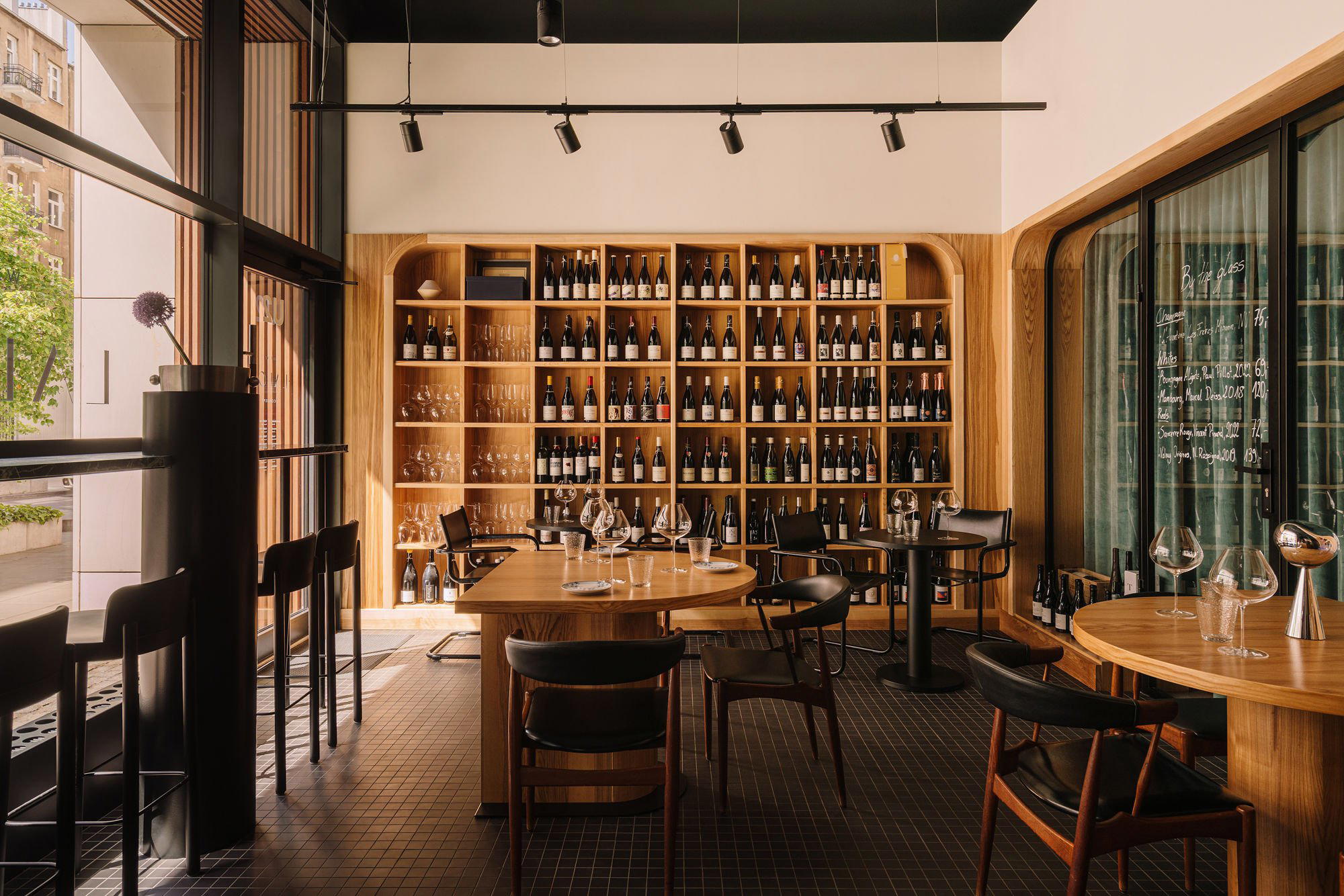
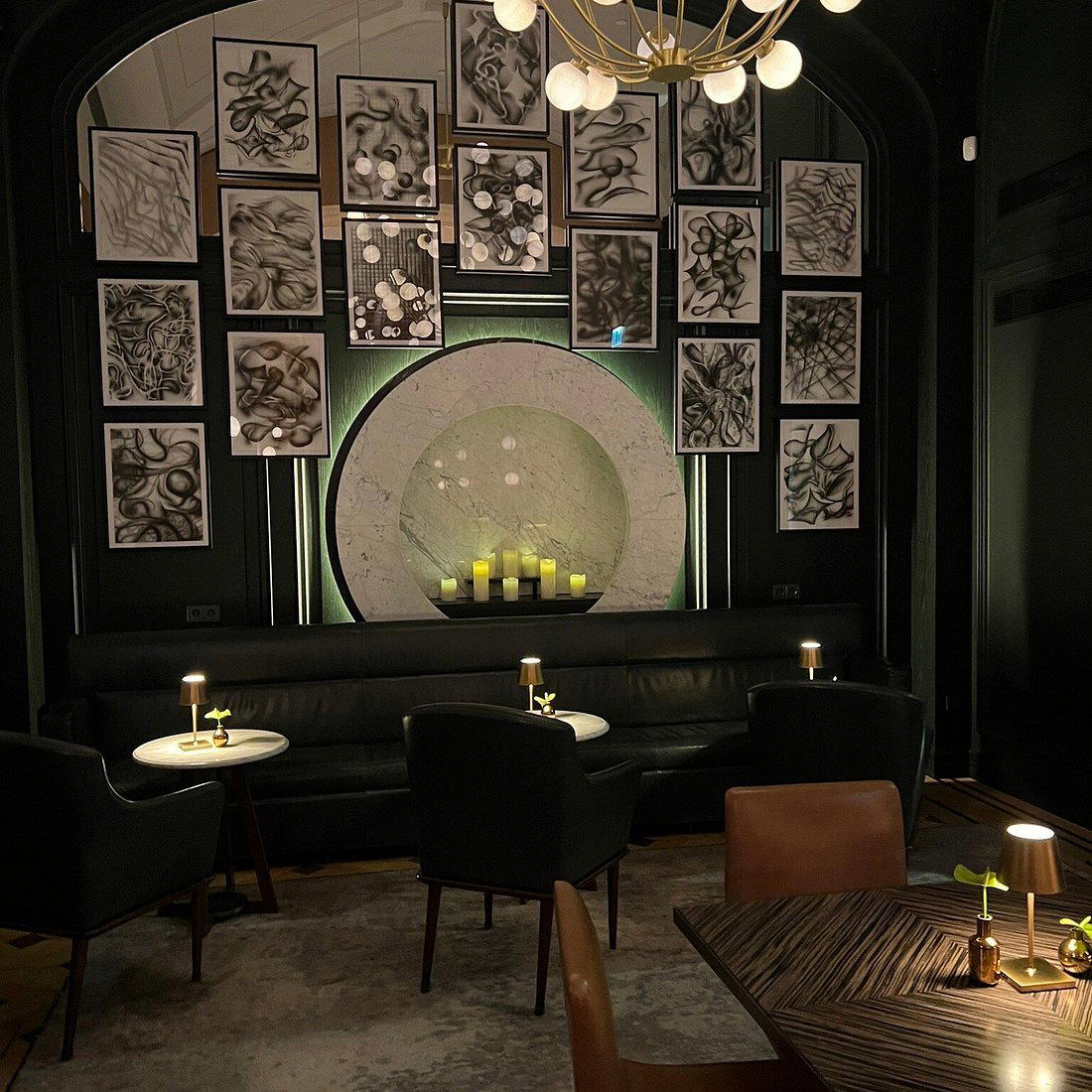
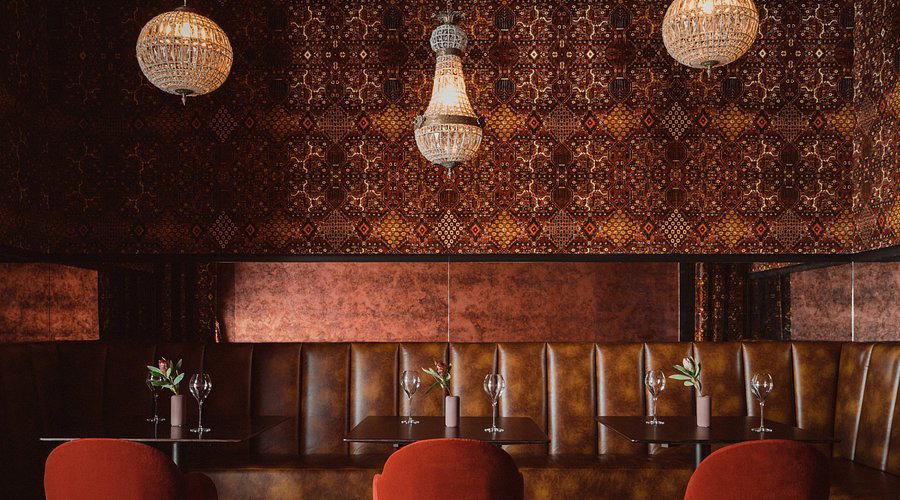
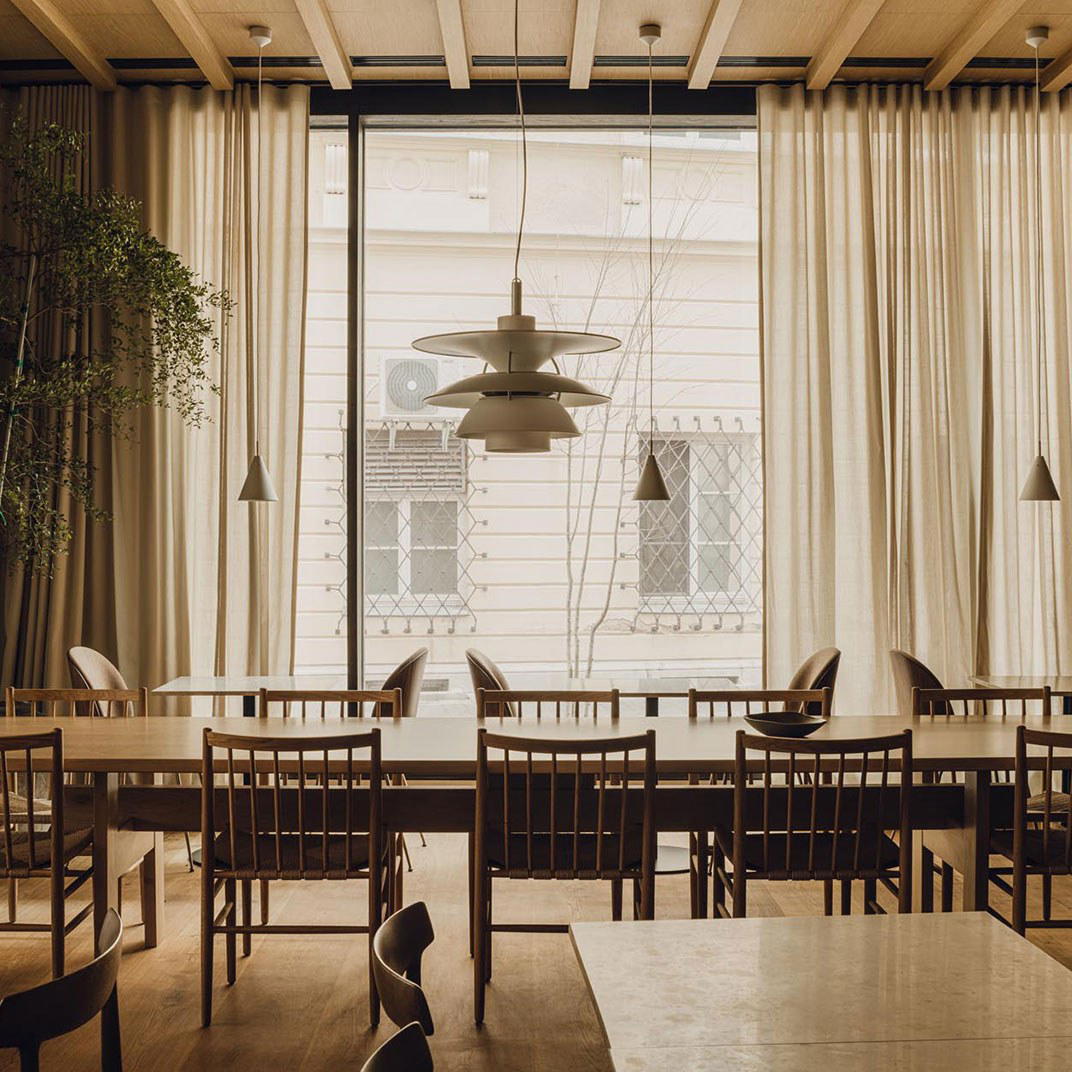
Relaxed and casual atmosphere within a wine warehouse, described as a charming oasis with a trendy, hip vibe.