

Star Wine List · Falstaff Restaurant - 88 Falstaff Points
Our verdict
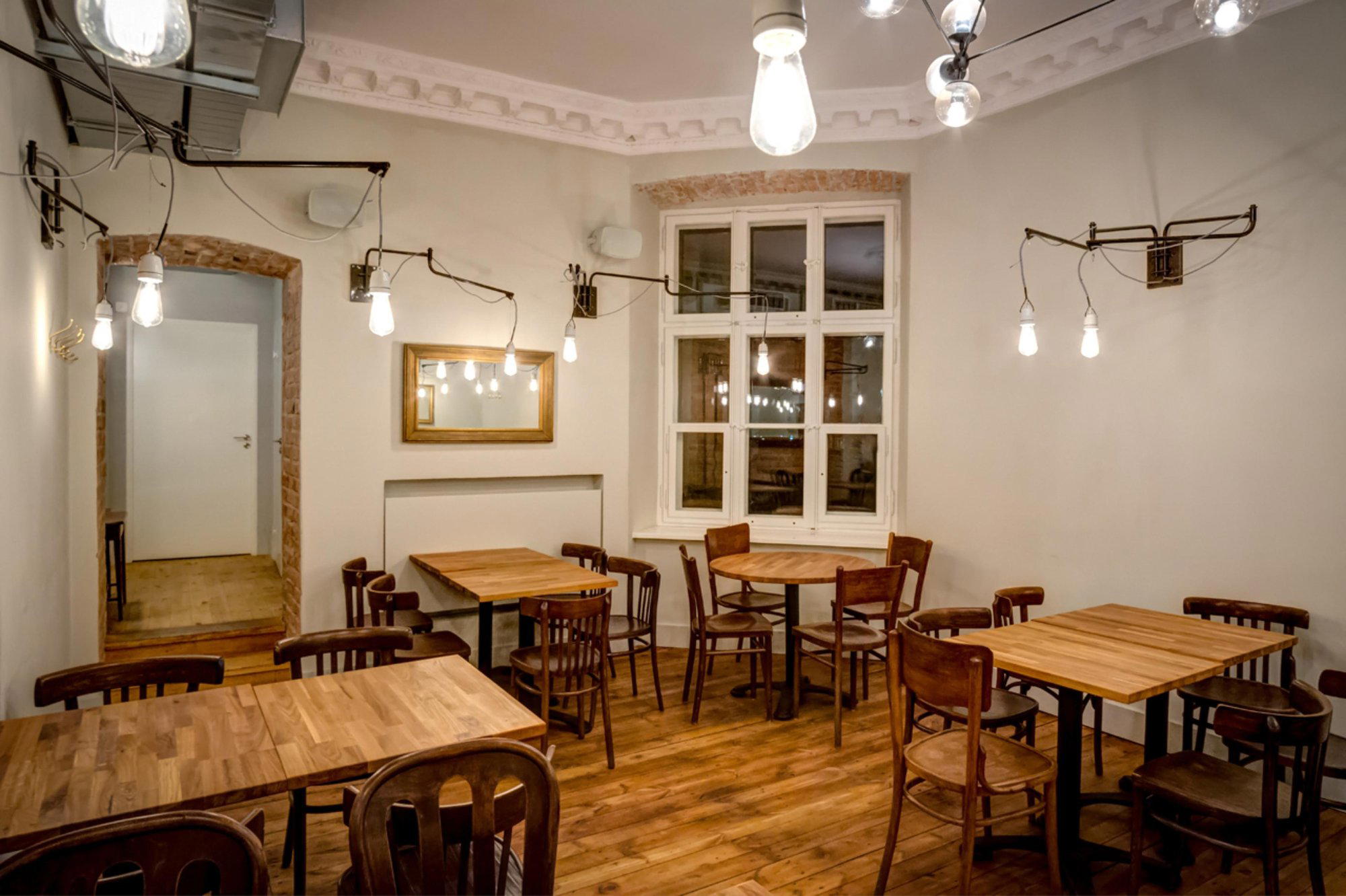
One of Warsaw's most established vegetable-focused addresses, Bibenda occupies a central position on Nowogrodzka Street where the city's plant-forward dining scene has quietly built real credibility. The room is compact and unhurried, better suited to a considered midweek dinner than a rushed lunch. Its place in the city centre makes it a natural stop within a broader evening in the Śródmieście district.

Pearl is the En Primeur Club membership app — saves, bookings, and concierge access live there. Same editors, same standards.
- Address
- Nowogrodzka 10, 00-511 Warszawa, Poland
- Phone
- +48 502 770 303
- Hours
- Mon 5 PM–12 AMTue–Sat 12 PM–12 AMSun 12–10 PM
- Website
- bibenda.pl
- Directions
- Get directions
The menu
What to order
- Cottage_cheese_dumplings
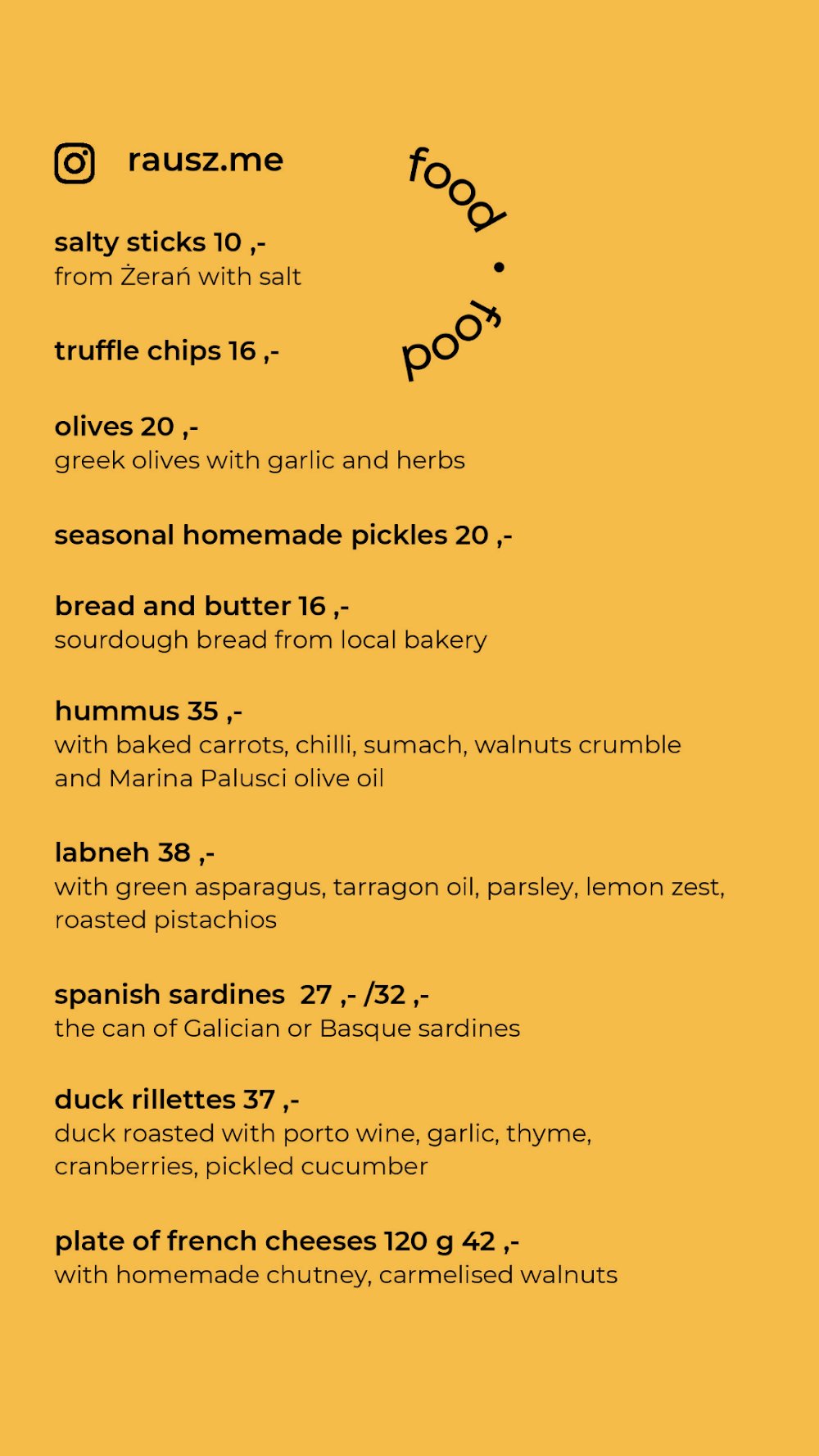
- Eggplant_with_shiitake
- Cacio_e_pepe_omelette
Warsaw's Vegetable-Forward Dining Scene, and Where Bibenda Sits in It
Polish restaurant culture has spent the better part of a decade pulling away from its meat-and-starch defaults. The shift has been uneven — Warsaw's most-discussed tables, from the modern Polish precision of alewino to the creative formats at NUTA, still lean heavily on animal protein as the centrepiece — but a smaller cluster of venues has committed to vegetables as primary material rather than supporting cast. Bibenda belongs to that cluster, and has built enough of a reputation in the city centre to be counted among Warsaw's most recognised names in plant-focused dining.
That recognition matters as context. Warsaw's vegetarian and vegetable-led options have historically occupied either the budget canteen tier or the ideologically earnest health-food register. A venue that works in the city centre at a more considered price and atmosphere, without framing itself as a statement of principle, occupies a gap that the market has been slow to fill. Rozbrat 20 and hub.praga approach Modern European and Modern Cuisine from a different competitive set entirely, where vegetables appear as one element among many. Bibenda's focus is narrower, and that specificity is the argument for going.
The Sourcing Logic Behind a Vegetable Menu
A kitchen that commits to vegetables as its primary material lives or dies by what comes through the back door. This is where ingredient sourcing stops being an ethical talking point and becomes a practical constraint: the flavour ceiling on a vegetable-led menu is set almost entirely by the quality and seasonality of the produce. A tomato from a Polish market garden in August is a different ingredient from a greenhouse import in January, and a menu serious about the category has to be built around that reality rather than against it.
Warsaw's geography gives it access to a dense network of central and eastern Polish agriculture, including market garden production that the country's supermarket-dominated retail sector has obscured but not eliminated. The most credible vegetable-forward kitchens in the city work directly with that regional supply, adjusting menus as the growing calendar shifts. The result is cooking that reads differently across the year, lighter and more acid-driven in spring and summer, moving toward roasted root vegetables, ferments, and preserved ingredients through the colder months. This seasonal cadence is one of the cleaner signals that a kitchen is sourcing honestly rather than working off a fixed menu dressed with seasonal language.
For a diner choosing between Bibenda and, say, a broader modern menu at Bar Rascal, the sourcing argument is also a flavour argument: when the produce is good enough, the cooking can afford restraint, and restraint tends to produce more interesting food than technique deployed to compensate for mediocre ingredients.
The Room on Nowogrodzka
Nowogrodzka Street runs through one of the more functional stretches of central Warsaw, away from the tourist circuits around the Old Town and the showcase development of Nowy Świat. The address at number 10 puts Bibenda within walking distance of the business and commercial core of Śródmieście, which shapes its clientele: this is a spot where office workers, local residents, and out-of-town visitors on business or leisure converge without any single demographic dominating.
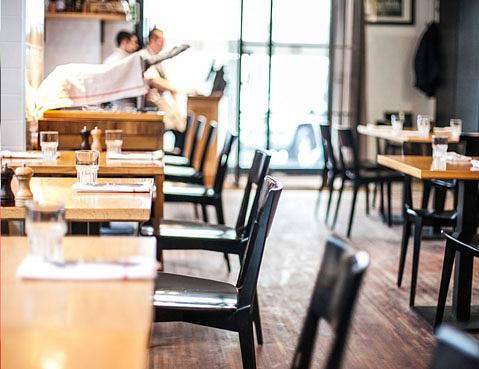
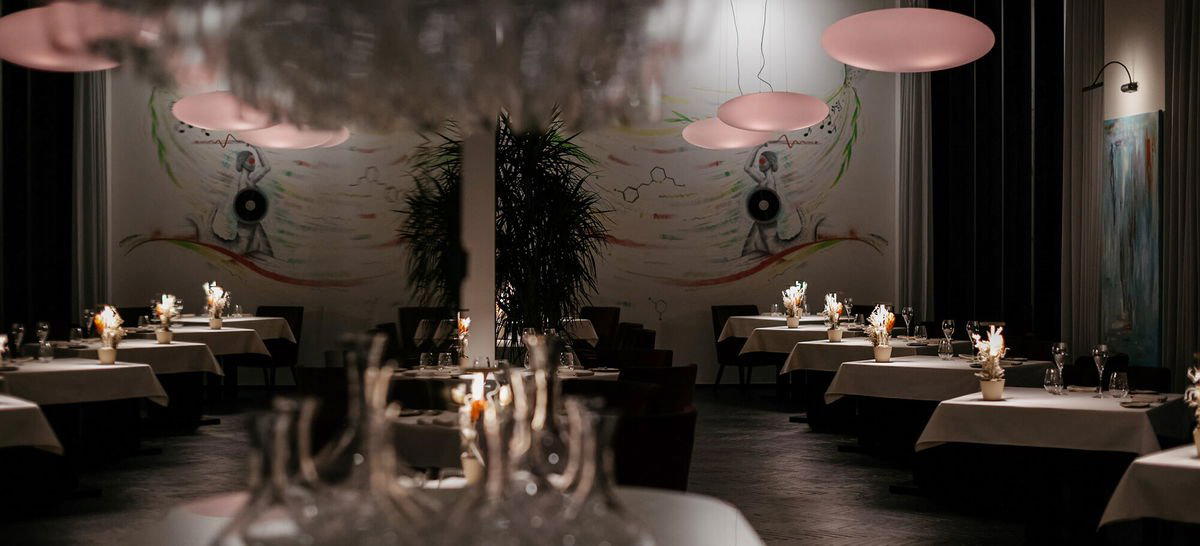
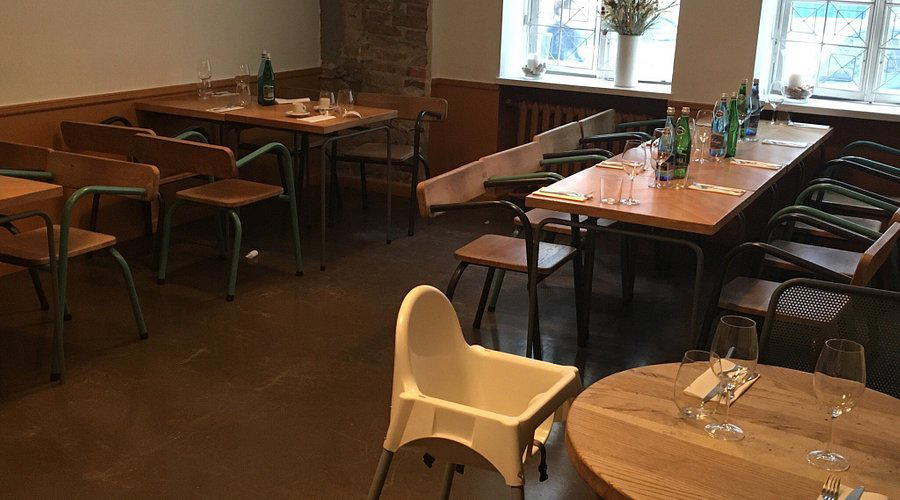
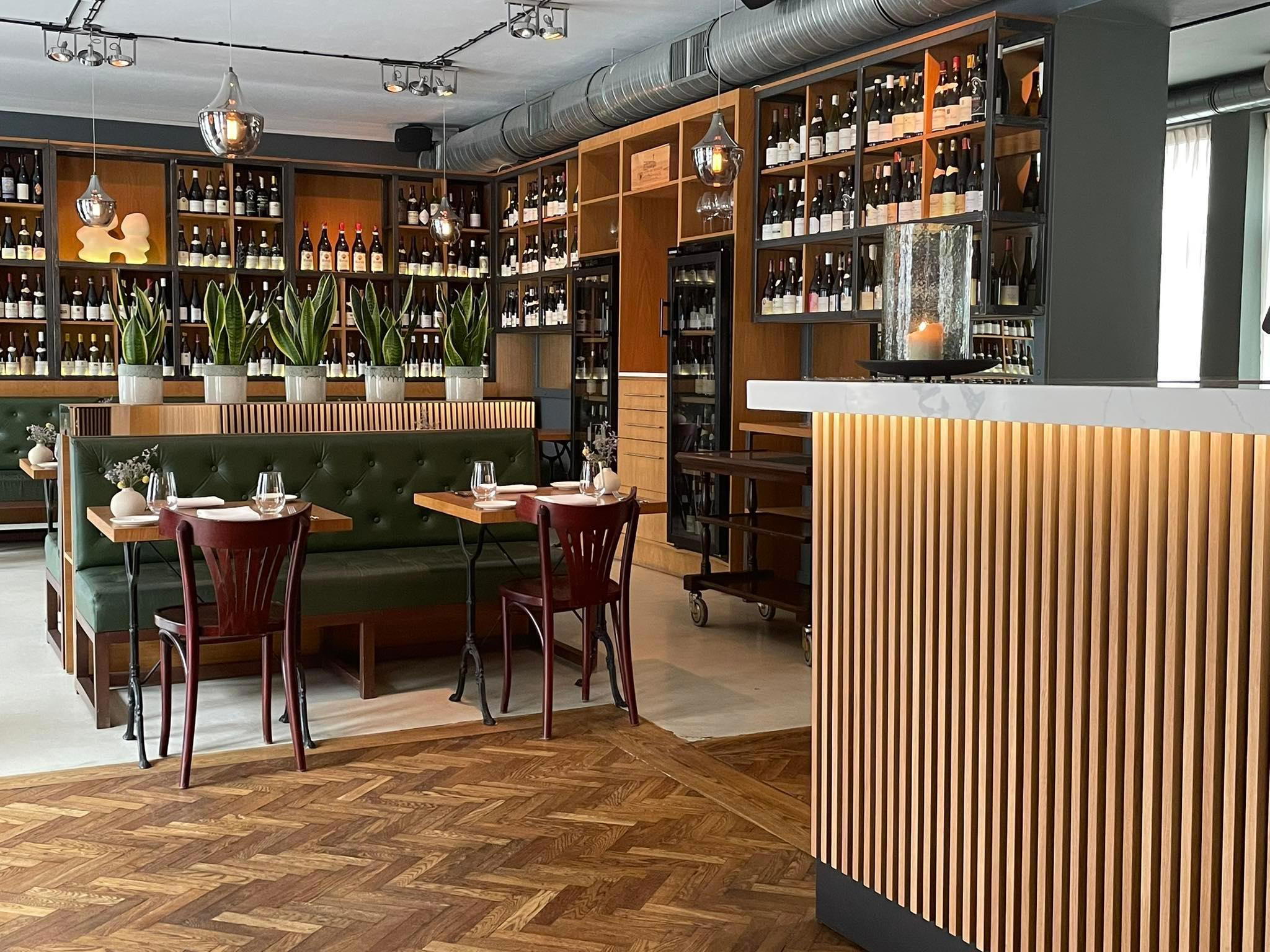
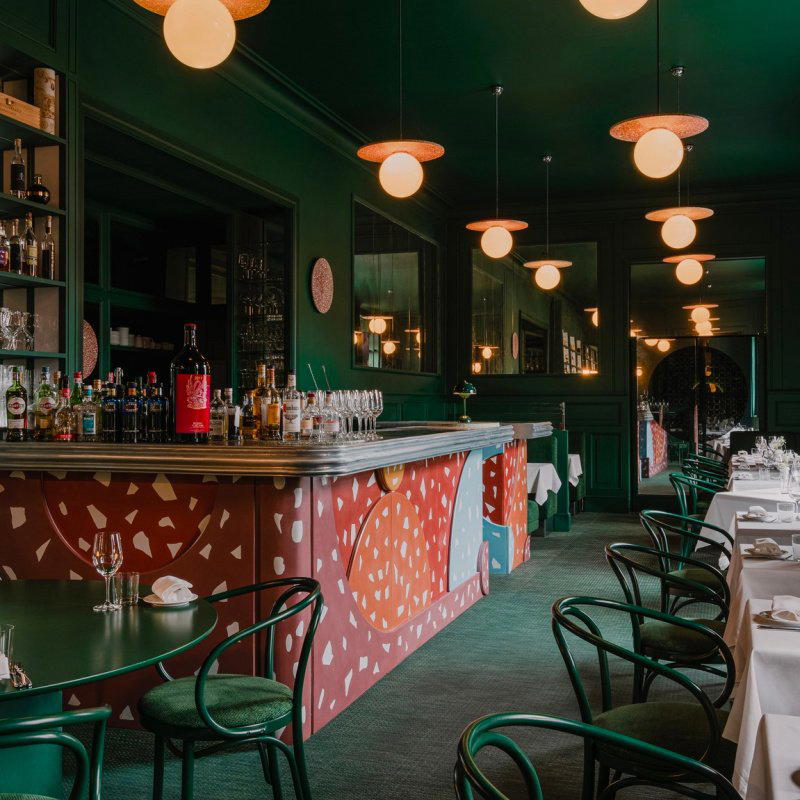
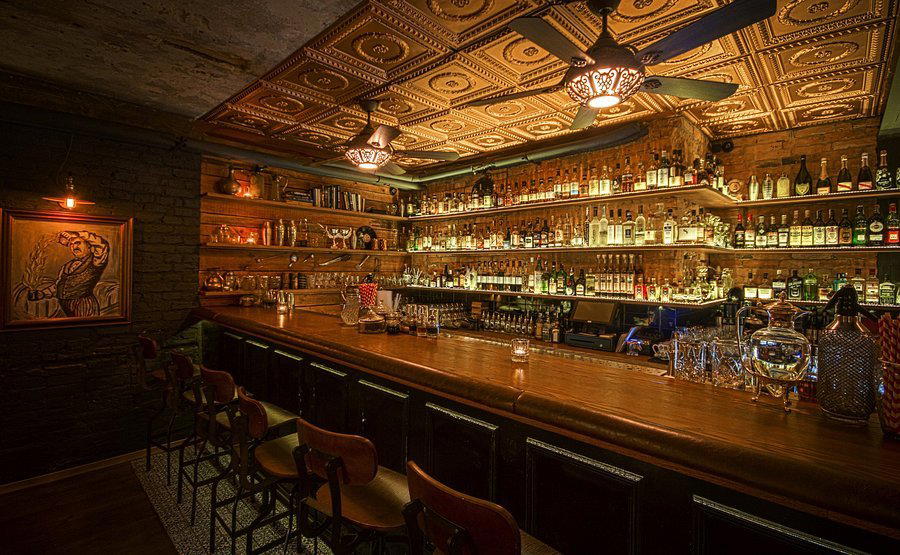
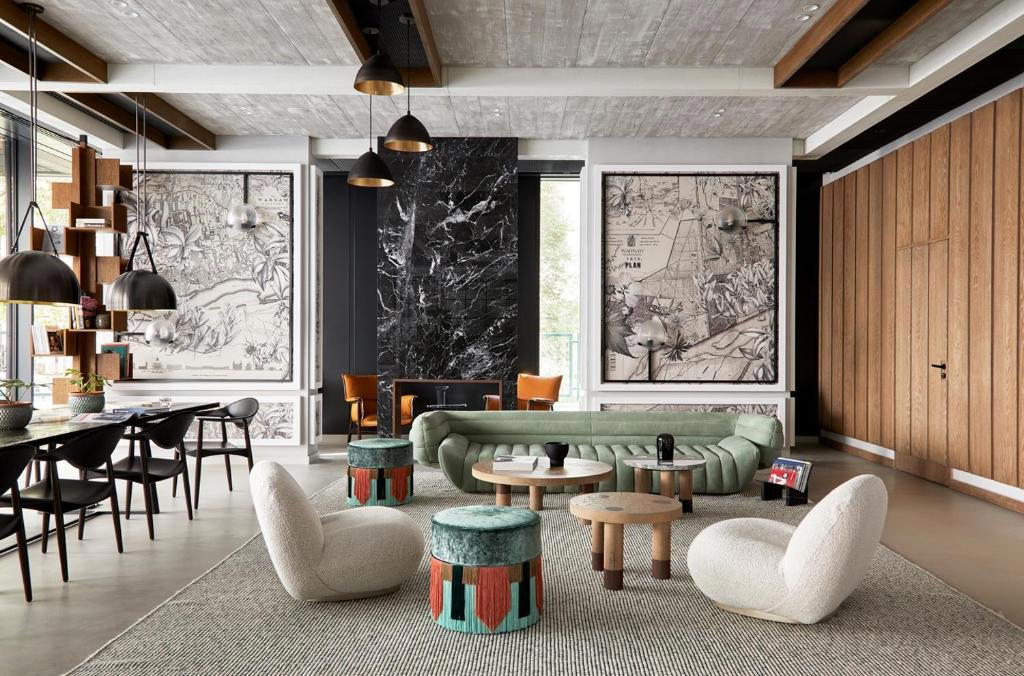
The room itself is described as cosy, which in Warsaw restaurant terms typically means a smaller, lower-ceilinged space where tables are close and the noise level rises quickly at full capacity. This format tends to suit a certain kind of evening, a dinner where conversation is the main event and the food is a serious supporting presence, rather than a showcase meal designed around theatre and ceremony. It is a different experience from the larger, more architecturally ambitious rooms at Rozbrat 20 or the stripped-back modernism of some newer Warsaw openings, and the comparison is not a criticism so much as a calibration.
The practical case for the location is direct. Central Warsaw's dining options cluster in a few corridors, and Nowogrodzka is close enough to the main hotel belt around Aleje Jerozolimskie to function as a starting point, a dinner destination mid-evening, or a late stop after a longer night. For visitors staying in the centre, it is a walkable option without requiring transport planning. For a fuller picture of where Bibenda sits among Warsaw's dining options, our full Warsaw restaurants guide maps the competitive set by neighbourhood and cuisine type.
Where to Place This in a Warsaw Itinerary
Poland's restaurant scene is increasingly worth treating as a national circuit rather than a capital-only proposition. The country's broader fine dining and creative cooking talent is spread across Kraków, where Bottiglieria 1881 operates at Michelin level, Gdańsk with Arco by Paco Pérez, and Poznań through Muga. Warsaw functions as the densest single market, but it is not automatically the most interesting for every cuisine type. For vegetable-focused cooking specifically, the capital's concentration of professional and international diners has created demand that venues like Bibenda are positioned to meet, a dynamic less visible in smaller Polish cities where the vegetarian tier remains thinner.
Within Warsaw, the evening itinerary question is usually about sequencing. Bibenda's central position makes it workable as a dinner anchor around which bar stops or other venues can be organised. Our Warsaw bars guide and Warsaw experiences guide cover the surrounding options in more detail. For accommodation planning, the Warsaw hotels guide maps the city's lodging tiers against the main dining and cultural neighbourhoods.
For reference, Polish cooking on a national scale also earns attention in the mountain south through Giewont in Kościelisko and along the Baltic coast at Vinissimo in Sopot, both worth considering if a broader Polish trip is under construction. Wrocław's Acquario completes a reasonable shortlist of the country's most discussed restaurant addresses outside the capital.
Planning a Visit
Bibenda is located at Nowogrodzka 10 in central Warsaw, reachable on foot from most Śródmieście hotels and a short ride from the main transport hubs. As one of Warsaw's better-known vegetable-focused venues, it draws a consistent local following alongside visitor traffic, which means booking ahead is the sensible approach rather than walking in and hoping. Given its compact room size, same-day availability on weekends is unlikely during peak dining hours.
Frequently asked questions
What part of town is Bibenda in?
Bibenda is located at Nowogrodzka 10, 00-511 Warszawa, Poland, Warsaw.
Is Bibenda Michelin-listed?
Bibenda has received recognition including: Bibenda is one of the most famous veggie-focused venues in Warsaw. Located in the city centre, it is a perfect spot to start, step by or finish your evening. Bibenda offers a cosy ambience; you can si....
What do regulars order at Bibenda?
The menu at Bibenda rotates with the Polish growing season, so returning guests tend to follow the kitchen's current focus rather than a fixed dish. Vegetables are treated as the primary material here, not a side consideration, which means what's worth ordering changes month to month. Asking staff what has just come in is the more reliable approach than arriving with a specific dish in mind.
What's the best way to book Bibenda?
Bibenda's address at Nowogrodzka 10 puts it within walking distance of most Śródmieście hotels, making it a practical choice for an evening booking. As one of Warsaw's most recognised vegetable-focused venues, tables fill up, particularly on weekends — booking ahead rather than walking in is the safer approach. Phone and online booking details are best confirmed directly with the venue.
What's the defining dish or idea at Bibenda?
The organising principle is that vegetables occupy the centre of the plate, not the margin. In a Warsaw dining scene that spent years anchored to meat-heavy Polish tradition, that commitment is a clear editorial position rather than a dietary concession. No single dish defines it; the proposition is the menu's structural logic itself.
Comparable Spots, Quickly
Comparable venues nearby, for context on price, style, and recognition.
| Venue | Cuisine | Price | Awards | Notes |
|---|---|---|---|---|
| BibendaThis venue — the venue you are viewing | Modern Polish Small Plates | $20–30 | Star Wine List · Falstaff Restaurant - 88 Falstaff Points | Not listed |
| Dom Funkcjonalny | Rotating international and plant-based cuisines | Not listed | Not listed | Saska Kępa |
| The Eatery | Modern Polish Cuisine | $20–30 | Not listed | Ujazdow |
| Bułkę przez Bibułkę | Polish Breakfast & Brunch Café | $10–20 | Not listed | Srodmiescie |
| Latino Brasserie@Ferdy's | Polish Brasserie | Not listed | Not listed | Osiedle Za Zelazna Brama |
| Żebra i Kości | Modern Polish Steakhouse and Barbecue | $30–50 | Not listed | Srodmiescie |
Recognition history
Dated appearances from independent guides and award organizations, with the underlying list record or original source where available.
Star Wine List
Star Wine List
Falstaff Restaurant - 88 Falstaff Points
Falstaff
Bibenda
The wine
- Wine program
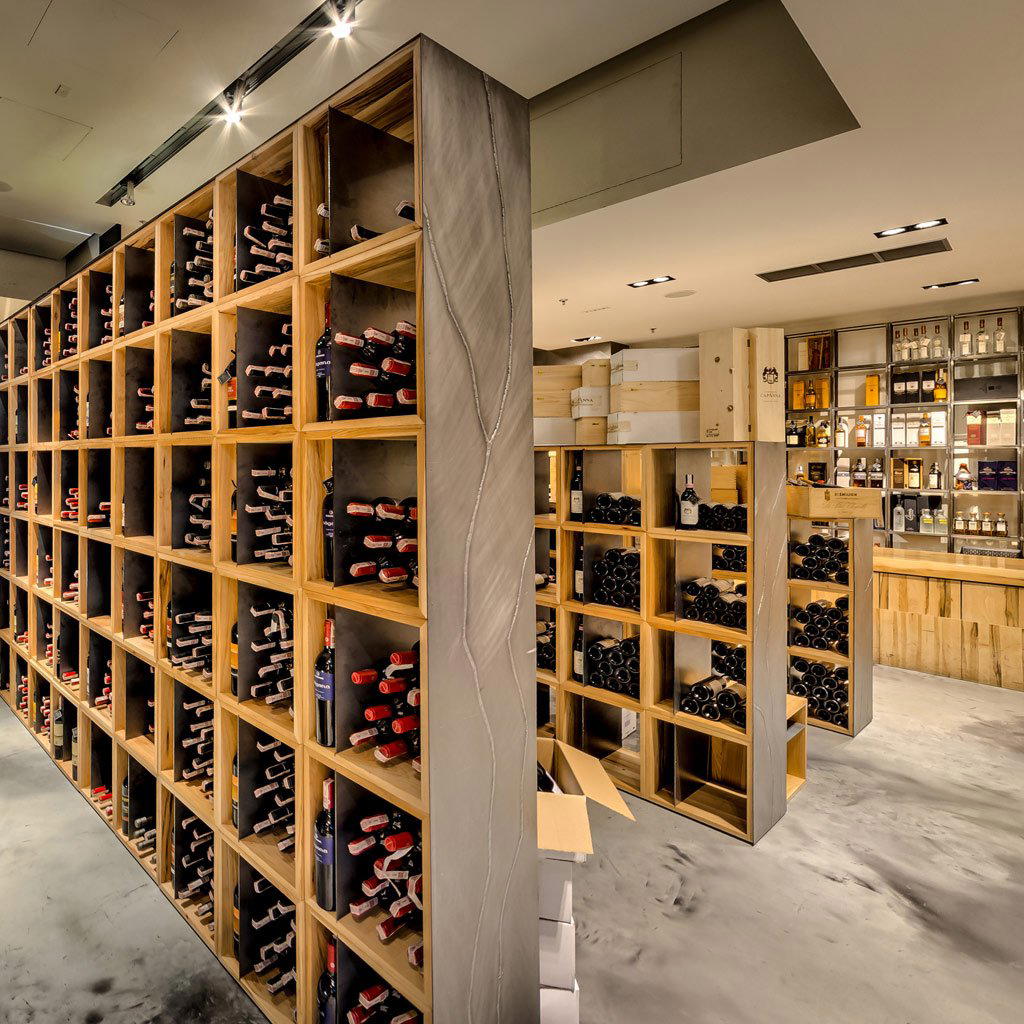
- Curated wine list
- Natural wine
- Craft cocktails
Details
- Cozy
- Trendy
- Lively
- Date Night
- Group Dining
- Brunch
- Casual Hangout
- Garden
- Open Kitchen
- Natural Wine
- Craft Cocktails
- Local Sourcing
- Garden
- Small Plates
- A La Carte
- Natural Wine
- Vegetarian Friendly
Current opening hours
- Monday
- 5 PM–12 AM
- Tuesday
- 12 PM–12 AM
- Wednesday
- 12 PM–12 AM
- Thursday
- 12 PM–12 AM
- Friday
- 12 PM–12 AM
- Saturday
- 12 PM–12 AM
- Sunday
- 12–10 PM
Hours can change for holidays and private events. Last verified .
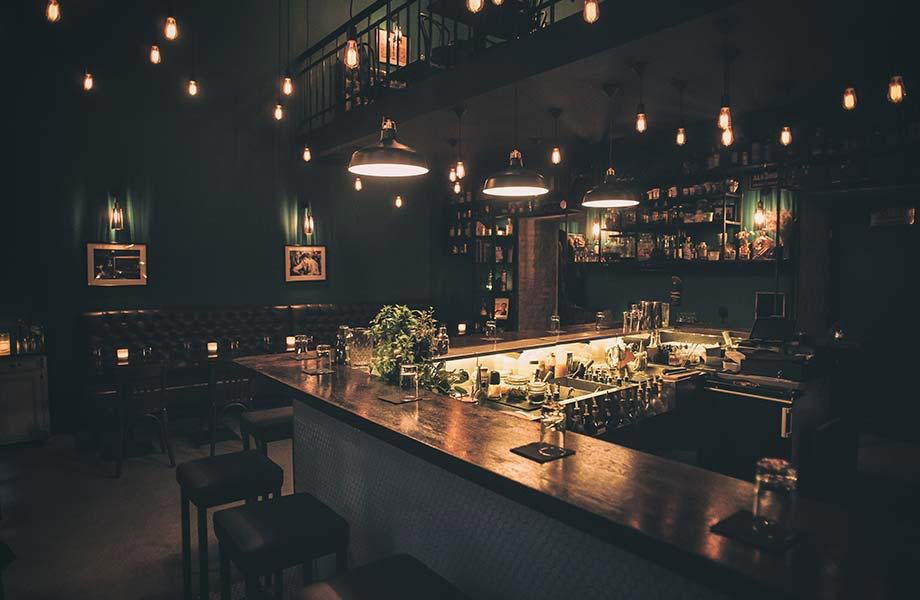
Relaxed and vibey with warm lighting, lively when busy, and a quiet garden courtyard.