Our verdict
Poke Bowl Chmielna runs counter service for Hawaiian poke bowls at Chmielna 28A, with a quick-bite format that fits lunch or dinner.

Pearl is the En Primeur Club membership app — saves, bookings, and concierge access live there. Same editors, same standards.
- Address
- Chmielna 28A, 00-021 Warszawa, Poland
- Phone
- +48 510 490 435
- Hours
- Daily 11:30 AM–9 PM
- Website
- pokebowlwarszawa.wixsite.com
- Directions
- Get directions
Chmielna Street and the Casual Eating Shift in Central Warsaw
Chmielna Street runs through the commercial heart of Warsaw's city centre, connecting the retail corridor around Nowy Świat to the broader Śródmieście district. The street's dining offer reflects a tension visible across most European capitals: established sit-down restaurants competing for lunchtime trade with faster, lighter formats built around assembly-line bowls, wraps, and grain-based plates. Poke Bowl Chmielna, at number 28A, occupies a spot in that second category, where the format itself carries as much meaning as any individual dish on the menu.
The poke bowl format arrived in European cities roughly a decade after its mainstreaming in coastal American markets. Warsaw adopted it with some delay relative to London or Amsterdam, but the city's appetite for portable, customisable lunch options accelerated its spread through the centre and the Wola office corridor. On Chmielna, the format fits a street that moves quickly during the working week and slows into a more browsing, retail-led pace at weekends.
The Physical Format: Counter Eating on a Pedestrian Spine
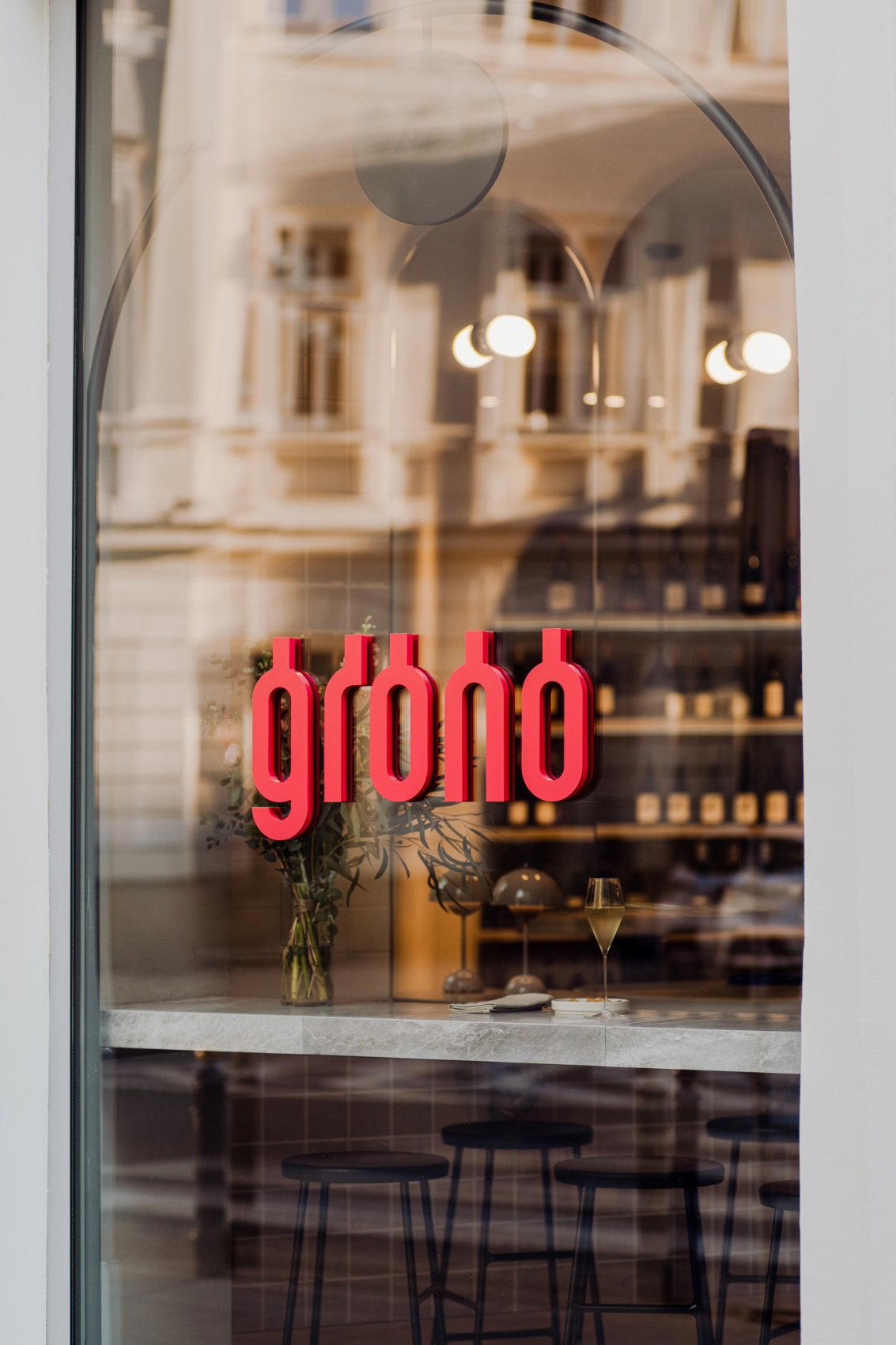
The bowl-and-counter format has a specific spatial logic that distinguishes it from table-service dining. At properties in this category, the layout typically prioritises throughput: a visible assembly line, clear ordering cues, and seating arranged for short occupancy rather than extended meals. The space on Chmielna follows the pattern common to Warsaw's mid-market fast-casual openings, where ground-floor footprints are narrow but deep, with street-facing glazing that draws passing trade from pedestrians and office workers on their lunch break.
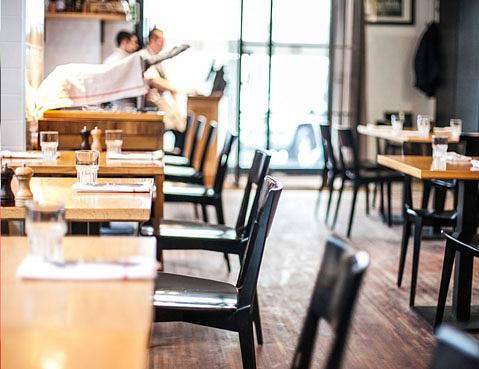
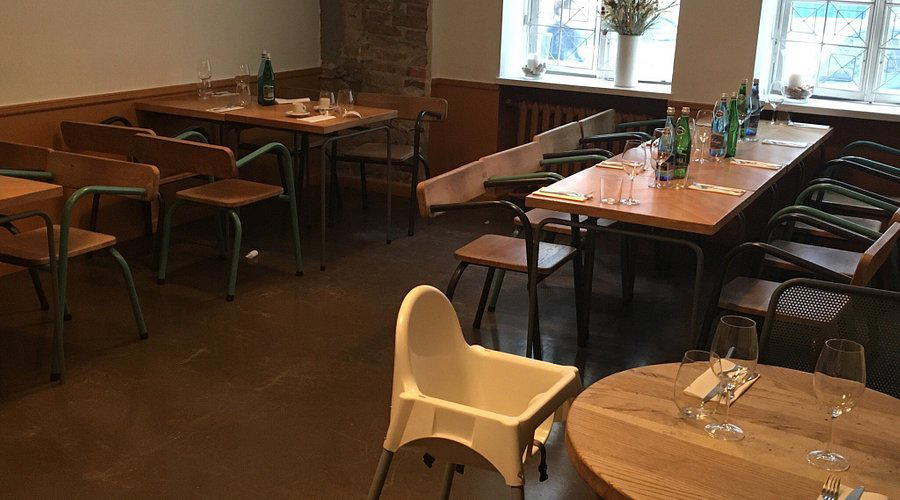
In design terms, this tier of Warsaw dining has moved away from the rough-industrial aesthetic that dominated a few years ago. Lighter materials, warmer tones, and cleaner graphics characterise the more recent fit-outs, and the poke category in particular leans into Pacific-coastal visual references: pale wood, ocean-adjacent colour palettes, and the suggestion of freshness communicated as much through the interior as through the food. Whether the Chmielna location follows that direction precisely is difficult to confirm without current visual documentation, but the category norm is consistent enough to frame expectations.
The seating arrangement in this format type generally splits between counter stools along a window ledge and a small number of two-tops toward the rear. Neither configuration signals lingering. The furniture is intentionally transitional, which suits a street where foot traffic peaks sharply between noon and 2 PM and drops off equally fast. For those seeking a more considered dining room, Warsaw's sit-down options at Rozbrat 20 or hub.praga occupy a different tier entirely.
The Bowl Format and Warsaw's Fast-Casual Evolution
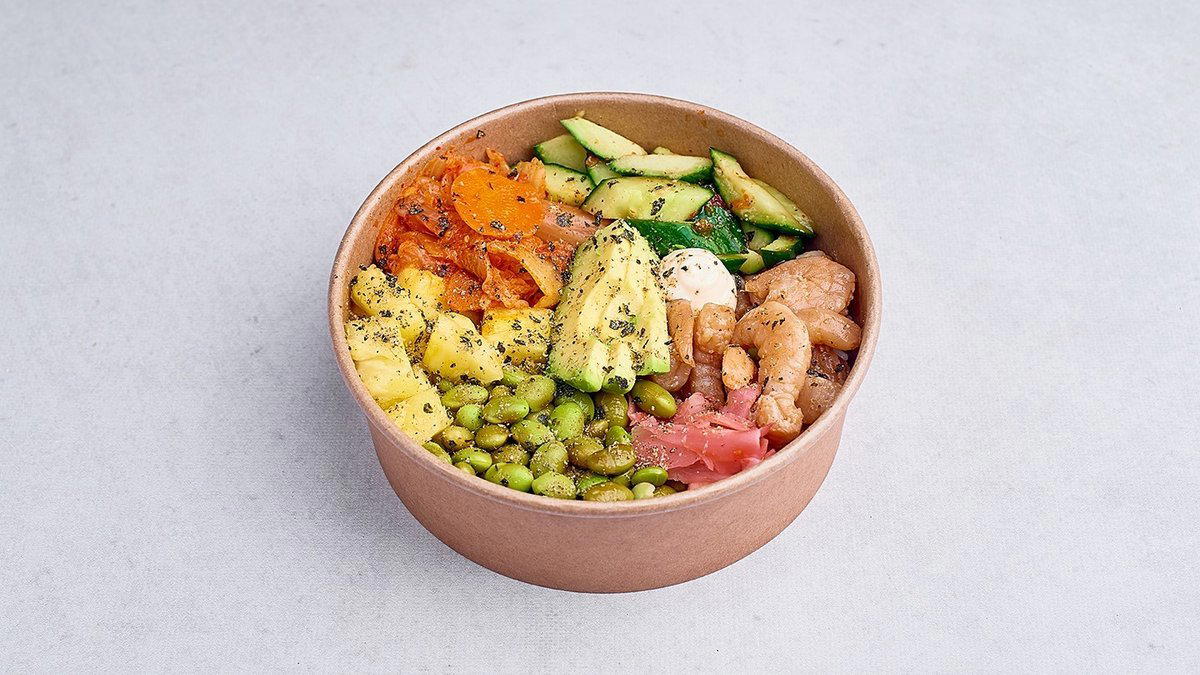
Poke as a format rewards understanding its components rather than treating it as a single dish. The base layer, typically sushi rice or a grain alternative, anchors the bowl's structure. Above it, marinated protein, most commonly raw tuna or salmon in the Hawaiian tradition, is joined by vegetables, pickles, sauces, and toppings that vary by operator. The customisation model, where diners select from a menu of combinations or build their own bowls from a fixed set of components, became the dominant commercial format in Europe because it accommodates dietary variation without complicating kitchen operations.
Warsaw's fast-casual sector has matured enough that several operators now compete on ingredient sourcing rather than novelty. The poke category in the city occupies a mid-market price point, generally sitting below the casual sit-down tier represented by places like alewino and well above the street food minimum. That positioning makes the format accessible for regular weekday use rather than occasional dining, which shapes how the venues design their spaces and their menus.
For broader context on where Warsaw's dining scene sits nationally, the fine-dining tier is anchored by establishments like Bottiglieria 1881 in Kraków and Arco by Paco Pérez in Gdańsk, while mid-level creative cooking in the capital is well represented by NUTA and Baken. Poke Bowl Chmielna operates at a deliberately different register, where the design brief and the menu format are both tools for managing volume rather than signals of culinary ambition.
Location and Practical Considerations
Chmielna 28A is within comfortable walking distance of Warsaw Central Station (Warszawa Centralna), which makes it accessible both for office workers in the immediate district and for visitors whose hotels cluster around the central rail hub. The street itself is partly pedestrianised in sections, reducing the street-noise disruption that affects some of the ground-floor restaurants closer to the main arterial roads. For those moving between dining options across the city, our full Warsaw restaurants guide maps the range from quick-service to high-end across all central neighbourhoods.
Outside Warsaw, travellers covering more of Poland's dining circuit might compare the fast-casual format here with the different register of places like Muga in Poznań or the Japanese-adjacent formats at Hashi Sushi in Gdańsk and Hattori Hanzo in Częstochowa. The poke format sits between those worlds, drawing on raw-fish preparation traditions while operating within a counter-service structure that has little to do with Japanese restaurant culture.
For visitors whose itineraries extend further, the broader Polish dining scene has notable operators in smaller cities: Kwestia Czasu in Białystok, Cudne Manowce in Olsztyn, Górnik in Kraków, and Włoska Restauracja Bellanuna in Rzeszów each represent the regional diversity that makes a national dining tour worth constructing. At the international benchmark end of the spectrum, the technical precision of Le Bernardin in New York or the Korean-American tasting format at Atomix illustrate how far the raw-fish category can stretch in terms of ambition and execution. Poke Bowl Chmielna is not in that conversation, nor does it try to be. It occupies a specific, functional niche in central Warsaw's midday eating pattern, and that specificity is its primary value. For those planning a more substantial Warsaw evening, Giewont in Kościelisko offers a contrast in setting and register for travellers moving beyond the city.
Frequently asked questions
What part of town is Poke Bowl Chmielna in?
Poke Bowl Chmielna is located at Chmielna 28A, 00-021 Warszawa, Poland, Warsaw.
Is Poke Bowl Chmielna a good option for a quick lunch near Warsaw Central Station?
Chmielna 28A is within comfortable walking distance of Warszawa Centralna, making it one of the more accessible fast-casual stops for travellers or commuters with limited time between connections. The counter-and-bowl format is designed for speed: assembly is quick, and there is no table-service wait. For anyone moving through central Warsaw at midday, the location on Chmielna Street places it directly on the natural route between the station and the Nowy Świat retail corridor.
What do people recommend at Poke Bowl Chmielna?
The venue sits within the build-your-own bowl format standard to this category, meaning most regulars develop a preferred combination of base, protein, and toppings across visits. At Chmielna 28A, the accessible location draws both office workers and commuters from nearby Warsaw Central Station, suggesting a customer base that returns frequently enough to have settled favourites.
Do I need a reservation for Poke Bowl Chmielna?
Counter-format poke venues of this type do not operate on a reservation model. Chmielna 28A is positioned on a pedestrian commercial corridor in central Warsaw, and the walk-in, assemble-to-order structure is the operational norm for the category. Peak lunch hours on a weekday are the most likely pressure point given the surrounding office density.
What's the standout thing about Poke Bowl Chmielna?
The address is the defining advantage: Chmielna 28A places it on one of central Warsaw's busiest pedestrian streets, within walking distance of Warsaw Central Station. In a city where fast-casual dining has concentrated around Nowy Świat and the broader Śródmieście corridor, the location gives it consistent foot traffic without requiring destination appeal.
Do they accommodate allergies at Poke Bowl Chmielna?
The build-your-own bowl format, standard across venues in this category, provides structural flexibility for common dietary requirements since components are selected individually rather than arriving as a fixed plate.
Does Poke Bowl Chmielna justify its prices?
Within the Warsaw fast-casual segment broadly, poke bowl venues typically sit at a mid-range price point relative to sit-down restaurants in Śródmieście, with the trade-off being speed and portion customisation over table service.
Cuisine-First Comparison
Comparable venues nearby, for context on price, style, and recognition.
| Venue | Cuisine | Price | Awards | Notes |
|---|---|---|---|---|
| Poke Bowl ChmielnaThis venue — the venue you are viewing | Hawaiian Poke Bowls | $10–20 | Not listed | Not listed |
| Oberża pod Czerwonym Wieprzem | Traditional Polish Communist-Era Cuisine | $20–30 | Not listed | Mirów |
| Bułkę przez Bibułkę | Polish Breakfast & Brunch Café | $10–20 | Not listed | Srodmiescie |
| Latino Brasserie@Ferdy's | Polish Brasserie | Not listed | Not listed | Osiedle Za Zelazna Brama |
| Klonn | Contemporary Polish with European Influences | $50–100 | Star Wine List | Ujazdow |
| GOŚCINIEC Polskie Pierogi | Traditional Polish Pierogi | $10–20 | Not listed | Mariensztat |