Our verdict
Sælhunden sits on Skibbroen 13 in Ribe, Denmark's oldest town, where the harbour-front address has made it a reference point for the local dining scene across multiple decades. The setting along the river frames a broader story about how provincial Danish restaurants have evolved from straightforward hospitality into something more considered, without losing the rootedness that defines the best of Jutland's table culture.

Pearl is the En Primeur Club membership app, where members save venues, book tables and use the concierge.

The menu
What to order
- Bakskuld
- North Sea herring
- Crab soup
- Mussels soup
A River Address That Has Earned Its Place
Ribe is not a city that accumulates restaurants quickly. Denmark's oldest town moves at its own pace, and the dining establishments that last here tend to do so because they read the room, or in this case, the river. Skibbroen, the old quayside that runs along the Ribe Å, has historically been where locals gathered after work and visitors arrived by water. Sælhunden, at number 13 on that same stretch, occupies a position on that quayside that carries weight simply by existing in it. The building looks out across the water in a way that frames the meal before it begins, and that kind of placement in a town this small is not incidental. It shapes what guests expect and what the kitchen has to answer to.
How Provincial Danish Dining Has Shifted
To understand what Sælhunden represents now, it helps to understand what provincial Danish hospitality looked like twenty or thirty years ago. Across Jutland's smaller towns, restaurants occupied a fairly narrow band: hearty Danish fare, fixed menus weighted toward protein, and a service register that prioritised reliability over experimentation. The ambition ceiling was set by proximity to urban audiences. Ribe, sitting well south of Aarhus and north of the German border, was no exception. Venues like Kammerslusen and Jacob A. Riis tell part of the same story of a local scene finding its identity over time, each carving out a different register within a town that punches above its population in terms of visitor footfall.
The Danish New Nordic wave changed the frame of reference even for restaurants that never claimed to be part of it. When Geranium in Copenhagen and Jordnær in Gentofte set new standards for what Danish kitchens could produce, it raised the expectations that well-travelled guests brought with them to every table in the country, including those in Ribe. Restaurants outside the major cities faced a choice: double down on tradition or begin incorporating a more considered approach to sourcing, presentation, and seasonal thinking. The ones that found a workable middle ground, familiar enough to hold local loyalty, considered enough to satisfy visitors with broader points of reference, are the ones that have survived into the current decade.
The Harbour Setting as Context, Not Backdrop
Waterfront dining in Denmark tends to attract a particular kind of guest: the tourist with half a day in town, the couple looking for a view to anchor a longer meal, the local who brings visiting relatives somewhere that requires no explanation. That dual audience creates a genuine tension for kitchens. Lean too far toward accessibility and the regulars lose interest; push too hard toward ambition and you lose the visitors who came for a relaxed lunch by the river. The better provincial addresses in Denmark, Henne Kirkeby Kro in Henne is the most cited example, have resolved that tension by anchoring everything in the local larder and letting the setting reinforce rather than distract from the food.
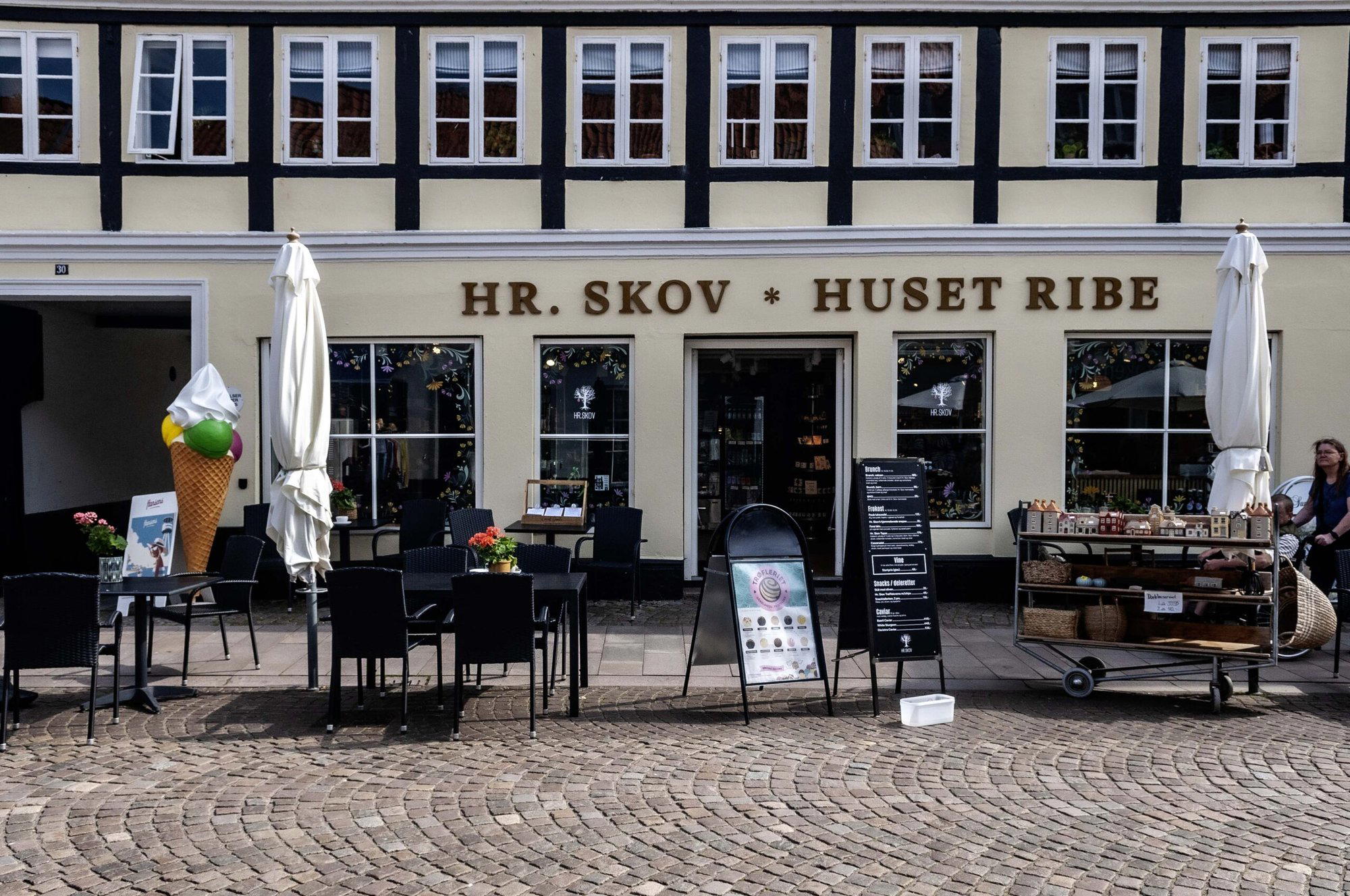
Sælhunden's address on Skibbroen places it squarely in that conversation. The river view is not a selling point bolted on to an otherwise ordinary dining offer; it is the environment within which the offer has to make sense. For the Ribe dining scene more broadly, the quayside venues set a particular tone, one that Café Sallys and Hr. Skov - Huset Ribe approach from different angles. The comparison is useful: each of these venues has had to decide what kind of establishment it wants to be within a town where the number of covers per night is finite and word-of-mouth travels fast.
What Longevity Looks Like in a Small Town
Across Denmark's provincial dining scene, the restaurants that endure through economic cycles and shifting tastes tend to share certain characteristics. They build a recognisable identity without becoming rigid about it. They invest in the kind of reliability that creates repeat visits rather than the kind of novelty that generates single-visit buzz. And they understand that in a town the size of Ribe, the guest who visited three years ago is also the guest who will recommend or discourage the next visitor. That feedback loop is tighter and faster than anything a Copenhagen or Aarhus venue has to manage.
Across Jutland more broadly, this evolution has produced a generation of restaurants that sit in an interesting middle tier, too considered to be dismissed as casual, too grounded to claim the formal ambition of venues like Frederikshøj in Aarhus or LYST in Vejle. Sælhunden belongs in that middle tier, shaped by the specific pressures of a heritage town with high seasonal visitor traffic and a local population that expects consistency over experimentation. Venues in comparable positions, Alimentum in Aalborg, ARO in Odense, Domæne in Herning, each illustrate how Danish provincial dining has developed its own logic, distinct from both the capital's ambition and the simplicity of traditional inn culture.
Planning a Visit
Ribe is most accessible by train from Esbjerg, roughly 40 minutes by regional rail, or by car from the E20 motorway. The town is compact enough that Skibbroen 13 is within easy walking distance of the main square and the cathedral. Ribe draws significant visitor numbers in summer, when the old town fills with tourists tracing the Viking heritage trail, so finding a table at any of the waterfront venues takes more planning in July and August than in the shoulder months of May or September. For those building a broader itinerary around Danish dining, Dragsholm Slot Gourmet in Hørve and Frederiksminde in Præstø represent the kind of destination-restaurant model that rewards planning a day or two around the meal. A full picture of eating and drinking in the area is available in our full Ribe restaurants guide. If you are also exploring options closer to town, Hviding Pizzeria og Restaurant offers a more casual alternative a short drive from the centre.
Frequently asked questions
How do I find Sælhunden?
Sælhunden is located at Skibbroen 13, 6760 Ribe, Denmark, Ribe.
Is Sælhunden a good dining option when visiting Ribe by train from Esbjerg?
Ribe is roughly 40 minutes by regional rail from Esbjerg, making Sælhunden at Skibbroen 13 a practical lunch or dinner destination for day visitors arriving by train. The town is compact enough that the harbour is walkable from the station without requiring a car. For those combining a visit to Ribe's cathedral quarter with a meal, the riverfront location sits naturally at the end of a walking route through the old town.
What's the must-try dish at Sælhunden?
What the restaurant's harbour address on Skibbroen 13 suggests is a kitchen oriented toward the coastal produce South Jutland consistently delivers. Confirm the current menu directly with the venue before visiting.
How far ahead should I plan for Sælhunden?
Ribe draws a concentrated flow of visitors during summer months and around the town's well-known Viking market events, which puts pressure on the limited restaurant stock the town holds. Booking at least a week ahead during peak season is a reasonable baseline.
What is Sælhunden known for?
Sælhunden occupies a river-facing position on Skibbroen in Ribe, Denmark's oldest town, and is associated with the kind of staying power that distinguishes working local establishments from seasonal operations. Provincial Danish dining at this address is shaped as much by the setting on the Ribe River as by any single culinary identity. The restaurant has remained part of Ribe's compact dining fabric while the broader South Jutland scene has shifted considerably over the past two decades.
Is Sælhunden good for vegetarians?
Danish provincial kitchens have historically centred their menus on fish and meat, though this has shifted in recent years. Checking current offerings before booking is recommended.
Does Sælhunden justify its prices?
No pricing data for Sælhunden is documented in EP Club's records at this time. In Ribe's context, where the restaurant pool is small and the harbour-facing positions on Skibbroen are finite, the venue's persistence alone signals a guest base that returns. Value assessment is best made against the current menu and your own benchmark for South Jutland dining.
Reputation Context
Comparable venues nearby, for context on price, style, and recognition.
| Venue | Cuisine | Price | Notes |
|---|---|---|---|
| SælhundenThis venue (the venue you are viewing) | Traditional Danish Seafood | $30–50 | Not listed |
| Mandø Kro | Traditional Danish Coastal Fare | $20–30 | Mandø |
| Terpager & Co | Plant-Based Scandinavian Café | $20–30 | Ribe |
| Mr. Fish Sushi Ribe | Japanese Sushi All-You-Can-Eat | $20–30 | Old Town |
| Quedensgård Cafe Og Krambod | Danish Cafe | $20–30 | Ribe |
| Weis Stue | Classic Danish | $30–50 | Torvet |
Continue exploring
More in Ribe

Details
- Cozy
- Rustic
- Classic
- Scenic
- Date Night
- Group Dining
- Casual Hangout
- Special Occasion
- Waterfront
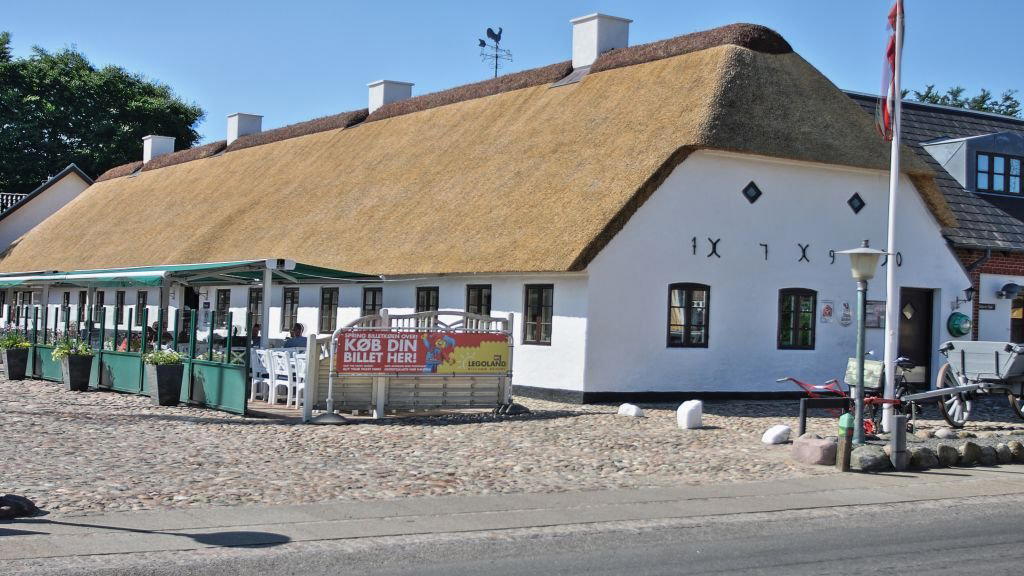
- Historic Building
- Private Dining
- Courtyard
- Beer Program
- Sommelier Led
- Local Sourcing
- Sustainable Seafood
- Waterfront
- A La Carte
- Danish Beer
- Wine
- Gluten Free Options
- Pescatarian Friendly
Current opening hours
- Monday
- 11:30 AM–10 PM
- Tuesday
- 11:30 AM–10 PM
- Wednesday
- 11:30 AM–10 PM
- Thursday
- 11:30 AM–10 PM
- Friday
- 11:30 AM–10 PM
- Saturday
- 11:30 AM–10 PM
- Sunday
- 11:30 AM–10 PM
Hours can change for holidays and private events. Hours as of .
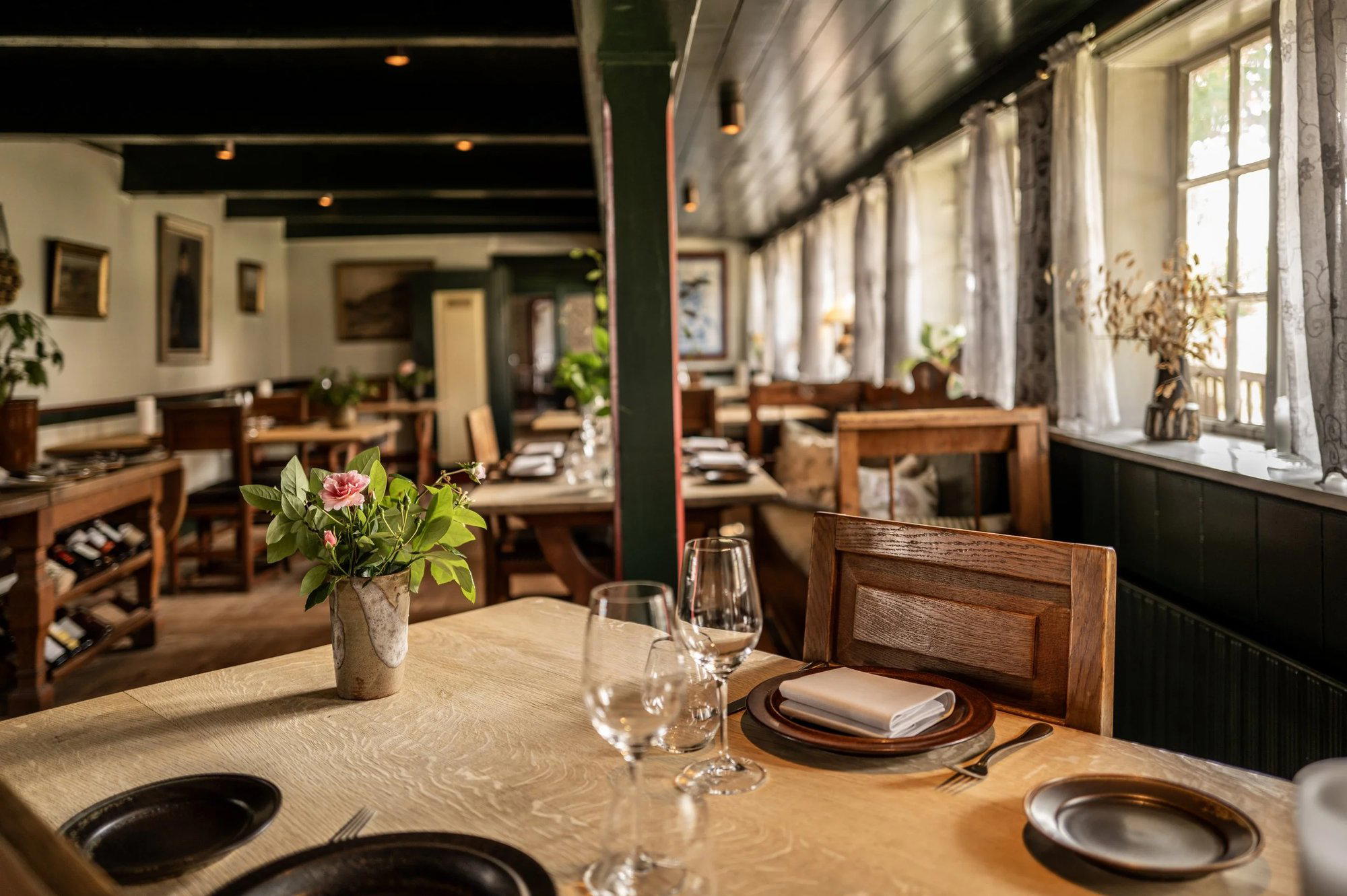
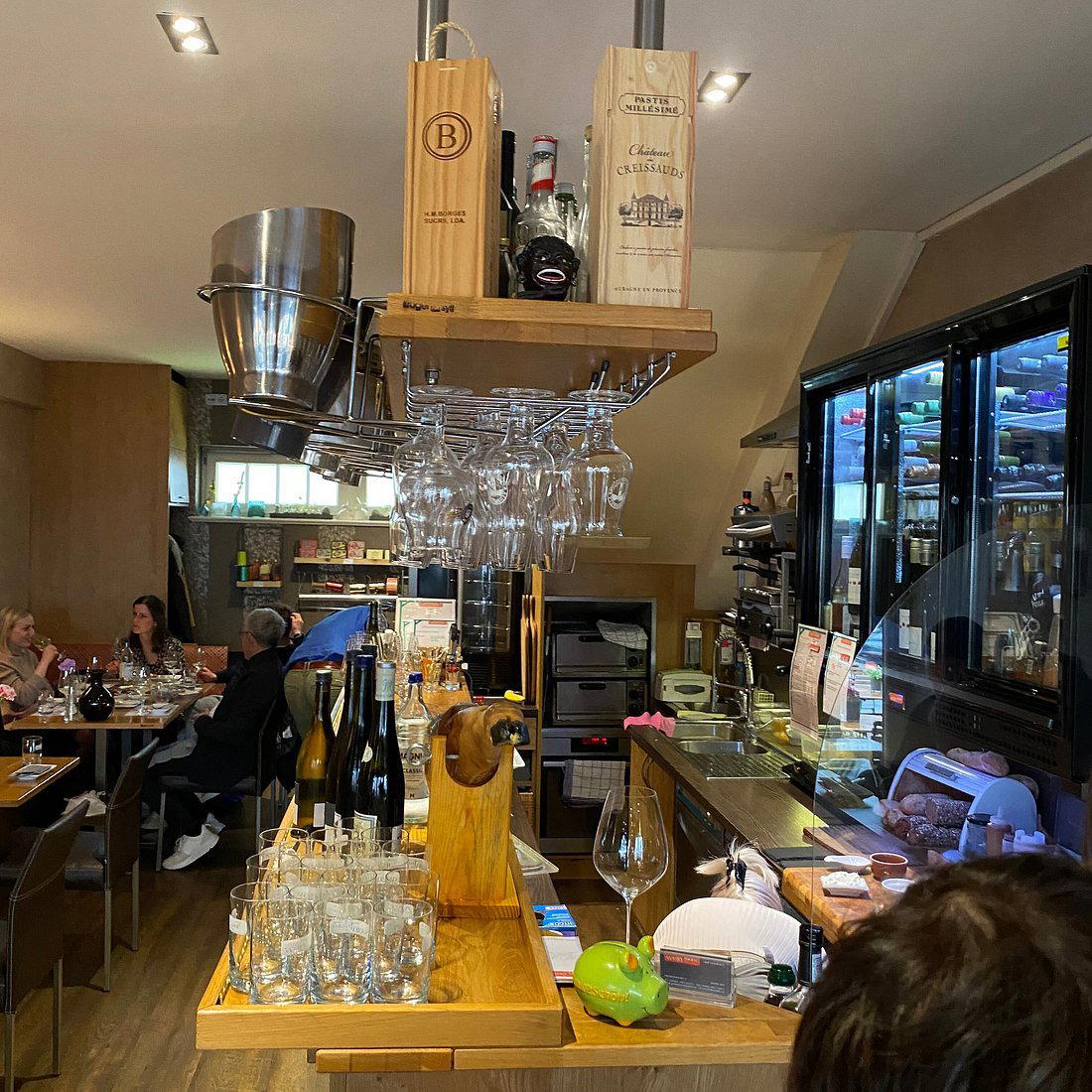
Warm and cozy with rustic charm, featuring candlelit tables in a classic listed building with natural light from waterfront windows and a charming courtyard for summer dining.