Set on Overdammen in Denmark's oldest cathedral town, Quedensgård Cafe Og Krambod occupies the kind of historic Ribe streetscape where the architecture does half the storytelling. The cafe-and-krambod format, part coffee house, part provisions counter, situates it firmly within a Danish tradition of unhurried, town-square hospitality that predates modern restaurant culture by centuries.
 Discover on Pearl
Pearl is the En Primeur Club membership app — saves, bookings, and concierge access live there. Same editors, same standards.
- Address
- Overdammen 10, 6760 Ribe, Denmark
- Phone
- +4575411050
- Website
- quedensgaard.dk
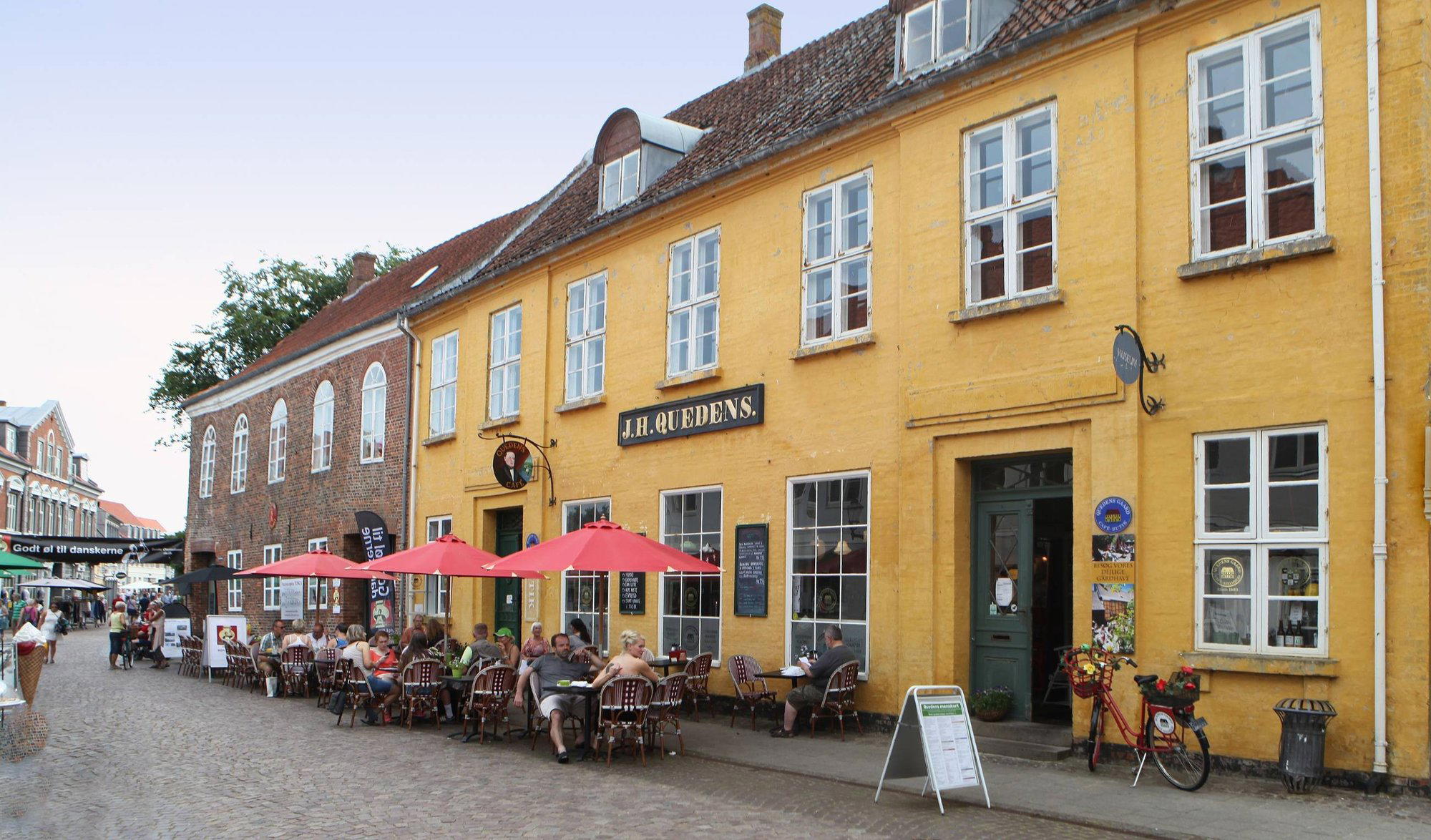
Where the Streetscape Sets the Table
Ribe's oldest streets don't ease you in gradually. Overdammen arrives with cobblestones, half-timbered facades, and the low hum of the Ribe Å river nearby, a physical environment that frames whatever you eat or drink before you've even sat down. Quedensgård Cafe Og Krambod occupies this setting at number 10, and the address alone positions it within one of Denmark's most intact medieval townscapes. The cathedral town, founded around 700 AD and considered the country's oldest, has resisted the kind of redevelopment that erased similar historic centres elsewhere in Jutland. What that means in practice is that a cafe on Overdammen is drawing on centuries of character rather than manufacturing it.
The krambod format, a Danish term for a small provisions shop or counter, situates Quedensgård within a tradition that long predates the modern café-restaurant binary. In historic Danish market towns, the krambod served as a place to buy, linger, and transact, and the pairing of that format with a cafe creates a hybrid that reads as genuinely local rather than trend-driven. Several of Ribe's dining addresses have positioned themselves around the town's heritage atmosphere; Café Sallys and Hr. Skov - Huset Ribe operate within the same broader tradition of town-centre hospitality, each finding a slightly different register within it.
The Arc of an Unhurried Visit
In a town where the dominant tempo is set by cathedral bells and walking tourists rather than business lunches, the meal at a place like Quedensgård tends to unspool differently than it would in Copenhagen or Aarhus. The editorial angle here is the slower, more improvisational progression of a cafe visit: something warm to start, something to read or say, then something sweet, then perhaps a second round of coffee and a small purchase from the counter on the way out.
That structure, informal as it sounds, has its own internal logic. Danish cafe culture in market towns has historically been built around the pause rather than the meal, and the krambod element adds a material dimension to the visit, you arrive a guest and leave a customer, the provisions counter extending the experience past the table. It is a format that Frederikshøj in Aarhus or LYST in Vejle would have no reason to attempt; those rooms are built around a different kind of sequencing entirely. Quedensgård operates in a register where the absence of a fixed tasting progression is itself the proposition.
Ribe's Dining Scene in Context
Ribe sits outside the circuits that connect Denmark's gastronomically ambitious restaurants, the New Nordic lineage running through Copenhagen, the regional ambition visible at Alimentum in Aalborg, ARO in Odense, or Domæne in Herning. The town's dining identity is built instead around heritage tourism and slow travel, serving Danish domestic tourists, German day-trippers crossing the nearby border, and international visitors working through Jutland's historical sites. That audience doesn't require a kitchen brigade; it requires reliability, atmosphere, and a sense of place.
Within Ribe itself, the options stratify by occasion. Kammerslusen draws visitors toward the marshland edge of town, while Jacob A. Riis and Hviding Pizzeria og Restaurant serve different ends of the casual dining spectrum. Quedensgård's krambod format carves out a distinct position: it is neither a sit-down restaurant nor a takeaway counter, but a place where the transaction and the atmosphere are genuinely intertwined. That is less common in small Danish towns than one might expect, where the cafe and the shop have increasingly separated into distinct retail formats.
Those planning a wider Danish loop can also reference the rural dining tradition at Henne Kirkeby Kro in Henne or the coastal ambition of Dragsholm Slot Gourmet in Hørve, both operating in a different register but sharing the same Jutland and Zealand ruralism that gives Danish dining outside Copenhagen its particular character.
The Case for This Kind of Place
Quedensgård Cafe Og Krambod does not need to. The Danish tradition of the combined cafe-and-shop is well-documented in historic market towns precisely because it serves a function that fine dining cannot: it gives a town's visitors somewhere to arrive without occasion and leave with something tangible.
That function matters more in Ribe than it would in a city with a broader hospitality infrastructure. The town has fewer than eight thousand residents; its dining scene is calibrated to a population and a visitor flow that differs from anywhere on the Atomix-level reservation circuit. Quedensgård's address on Overdammen places it at the heart of the historic quarter, which means foot traffic from the cathedral, the Viking Museum, and the medieval street network feeds naturally toward it throughout the day.
Planning a Visit
Ribe is most comfortably reached by train from Esbjerg, approximately 40 kilometres to the northwest, with connections from Copenhagen via Fredericia. The town is compact enough that Overdammen is walkable from the central station within ten minutes. The practical approach is to build a visit to Quedensgård as part of a broader town walk rather than as a fixed dining reservation. The town's peak season runs from late spring through early autumn, when heritage tourism is at its highest and the medieval streetscape is at its most photographed. Visiting outside that window, particularly in the quieter shoulder months, gives the atmosphere of Overdammen a different, more local quality.
A Credentials Check
Comparable venues nearby, for context on price, style, and recognition.
| Venue | Cuisine | Price | Awards | Notes |
|---|---|---|---|---|
| Quedensgård Cafe Og KrambodThis venue — the venue you are viewing | Danish Cafe | $$ | , | |
| Hr. Skov - Huset Ribe | Danish Brasserie Café | $$ | , | central Ribe |
| Vægterkælderen | Traditional Danish Cellar Bistro | $$ | , | Torvet |
| Ribe Pakhus | Danish Café with Local and Modern Twists | $$ | , | Ribe |
| Sælhunden | Traditional Danish Seafood | $$ | , | Ribe |
| Pinocchio | Italian Pizza and Pasta | $$ | , | historic center |
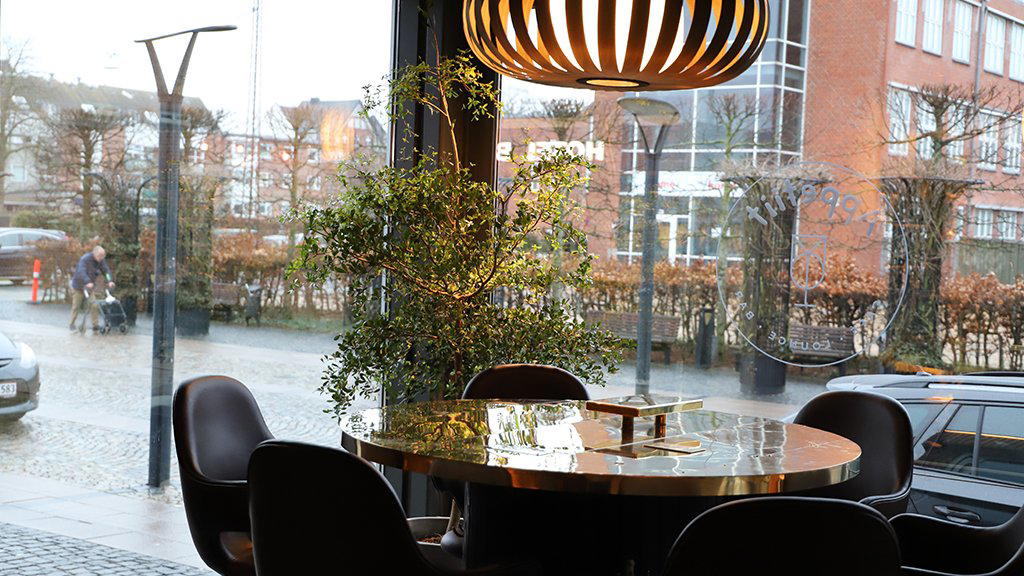
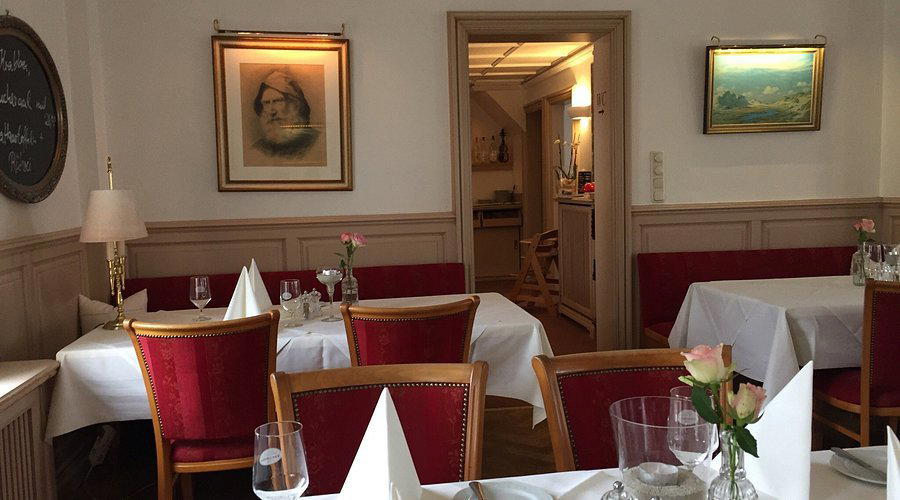
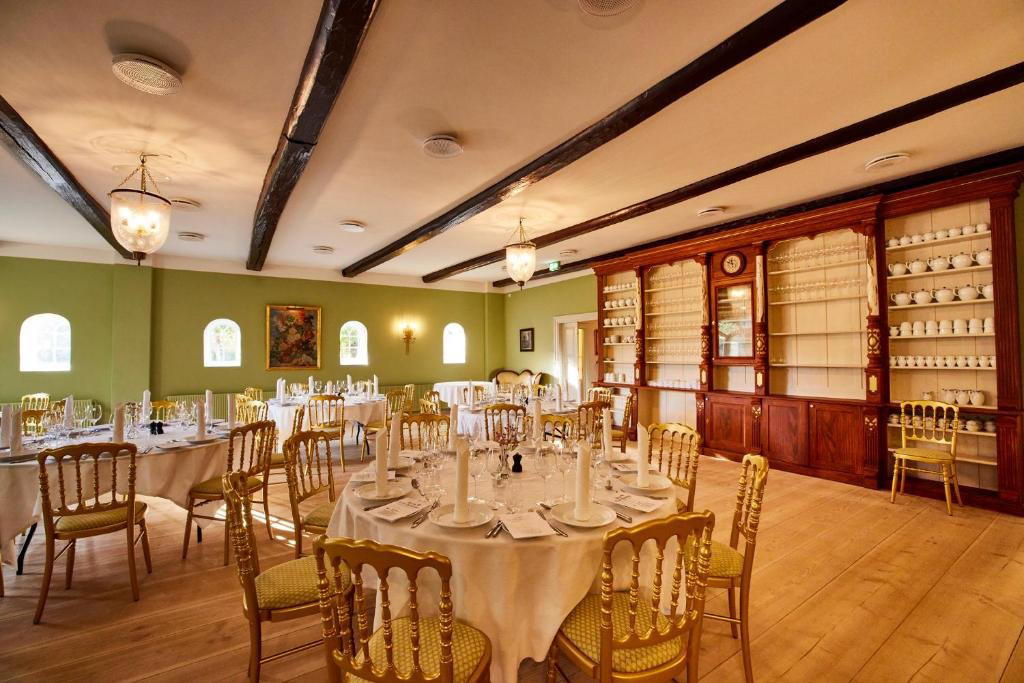
At a Glance
- Cozy
- Rustic
- Historic
- Scenic
- Casual Hangout
- Family
- Brunch
- Garden
- Historic Building
- Garden
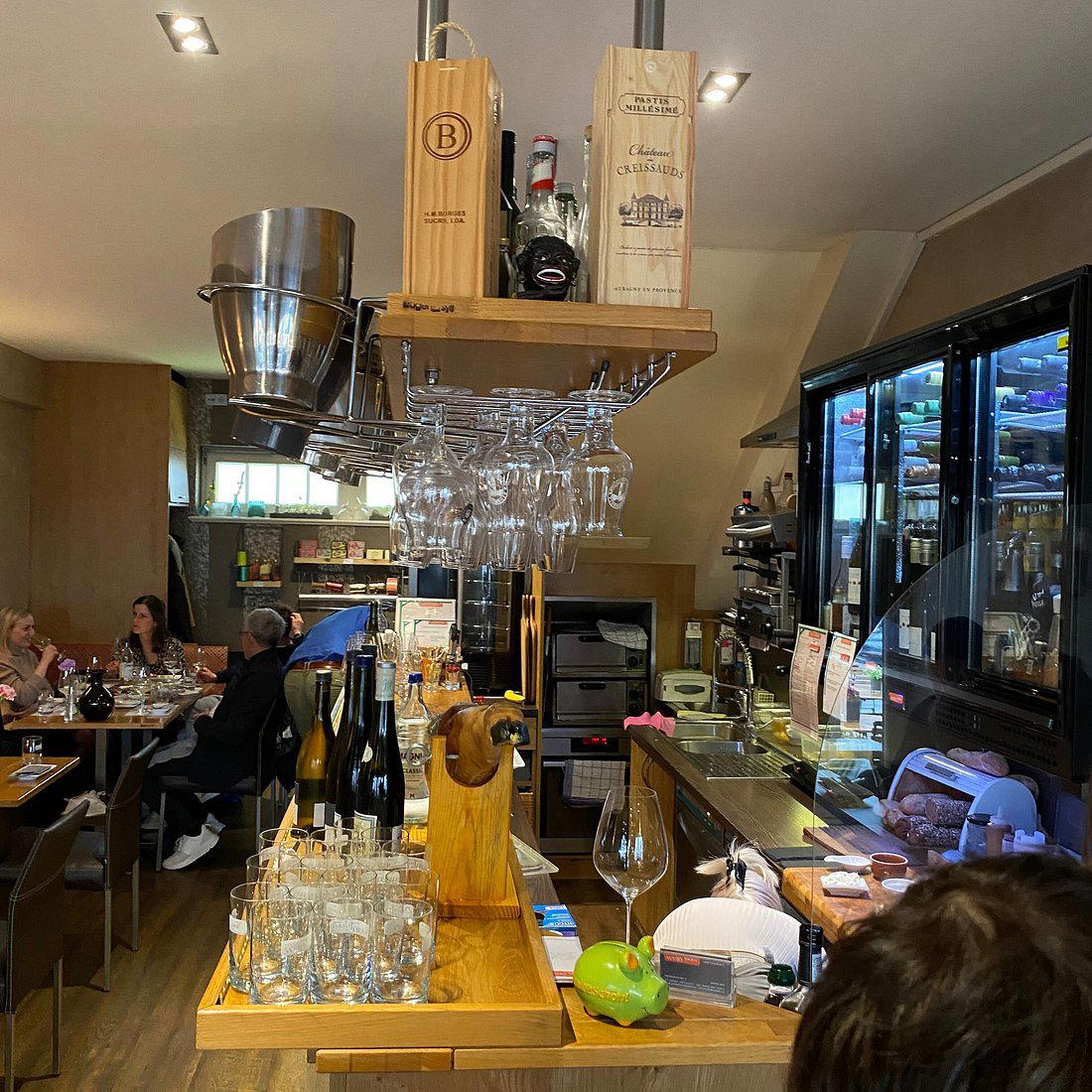
Cozy and charming historic interior with nice garden seating, warm and inviting atmosphere.