Our verdict
Where the Wadden Sea Begins Ribe sits at the western edge of Jutland where the land flattens and dissolves into the Wadden Sea tidal flats, a UNESCO-listed ecosystem that shapes everything grown, caught, and grazed within reach of the salt air....

Pearl is the En Primeur Club membership app, where members save venues, book tables and use the concierge.
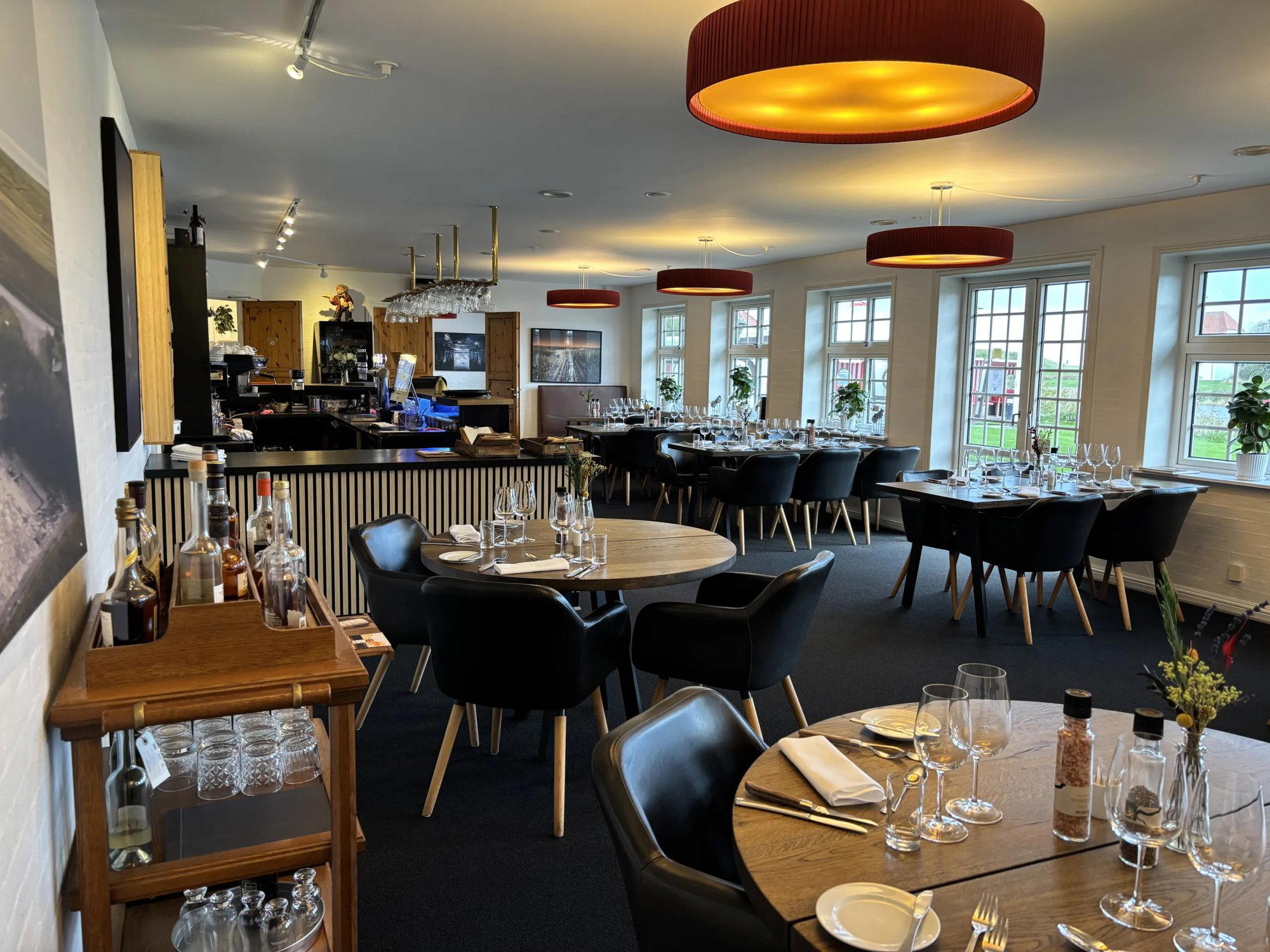
Where the Wadden Sea Begins
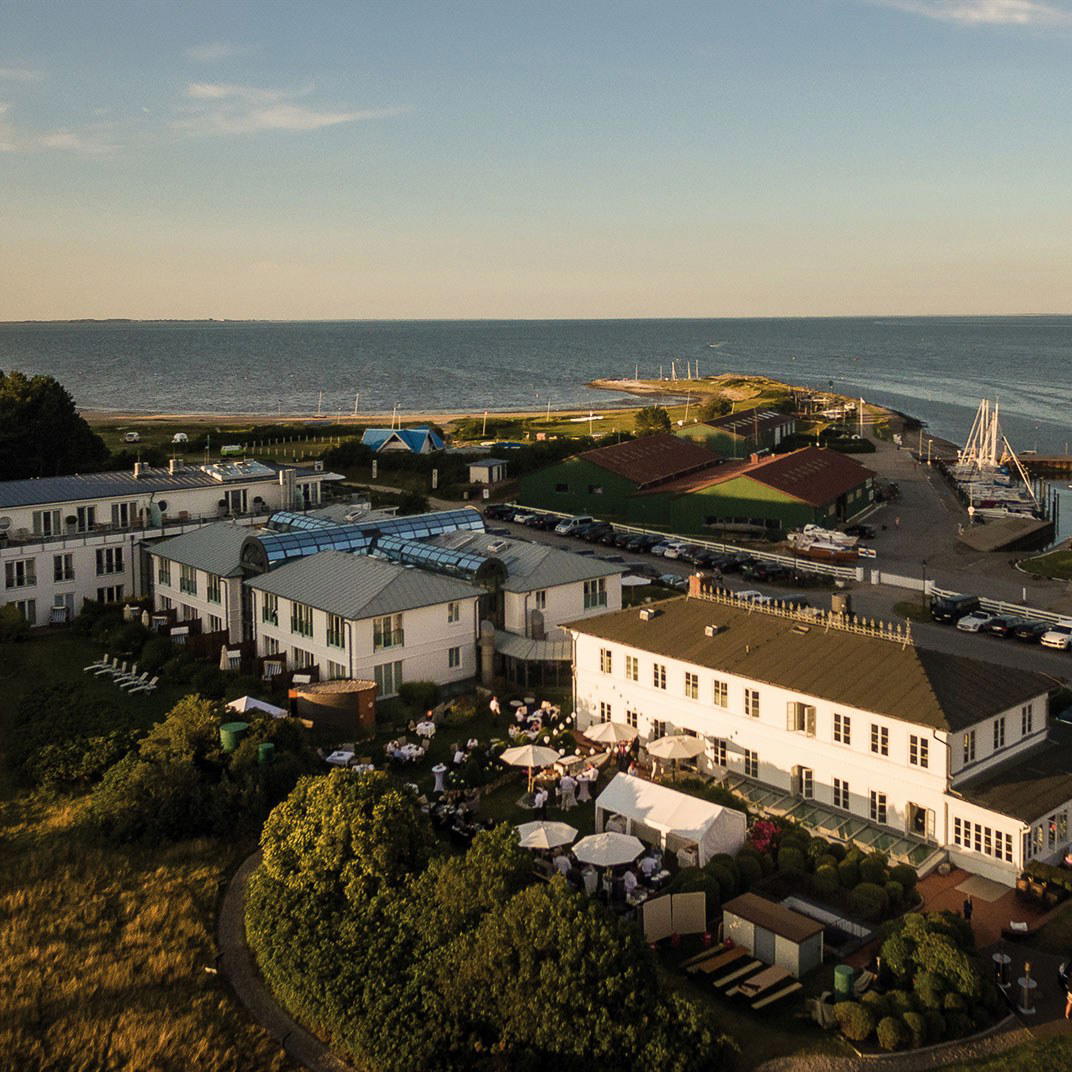
Ribe sits at the western edge of Jutland where the land flattens and dissolves into the Wadden Sea tidal flats, a UNESCO-listed ecosystem that shapes everything grown, caught, and grazed within reach of the salt air. In this context, the address at Bjerrumvej 30 is not incidental. Kammerslusen occupies a position on the outskirts of Denmark's oldest town, where the relationship between kitchen and source is compressed to the point of near-transparency. The surrounding marshland and estuarine channels are not a backdrop; they are, in the most direct sense, the larder.
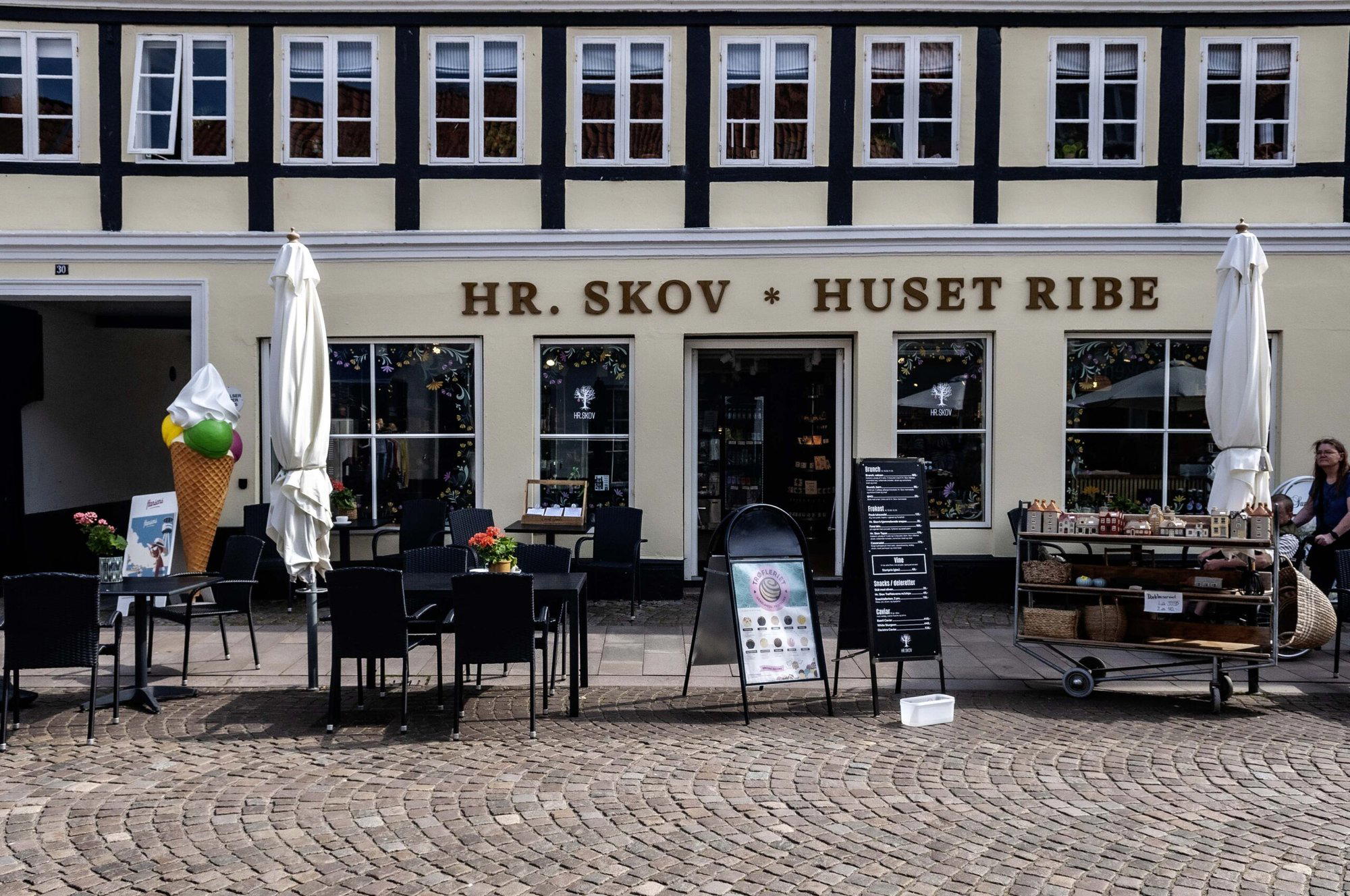
Ribe's dining scene is small but developing a recognisable character. Places like Hr. Skov - Huset Ribe and KOLVIG By Skovmose have pushed the local conversation toward seasonal produce and regional identity, while Café Sallys holds the more casual end. Kammerslusen operates near the water's edge, which places it physically and conceptually at the point where ingredient sourcing becomes the most literal possible argument a restaurant can make.
Marshland Provenance and Why Location Is an Argument
The case for proximity-driven cooking is well established in Danish fine dining. Geranium in Copenhagen and Jordnær in Gentofte have built international reputations on exactly this premise, translating Nordic terrain into tasting menus with verifiable geographic coordinates behind each course. Outside Copenhagen, the argument tends to be made more quietly but no less seriously. Henne Kirkeby Kro in Henne, roughly 60 kilometres north along the North Sea coast, has long demonstrated that Jutland's western edge produces ingredients with a distinct salinity and mineral character that owes everything to the tidal influence on soil and pasture.
Kammerslusen sits inside that same geographic logic. The Wadden Sea tidal zone produces lamb grazed on salt marsh, saltlamb, or strandlam in Danish, that carries a seasoning absorbed through diet rather than applied in a kitchen. Eels, which have been caught in these channels for centuries, remain part of the regional food memory in ways that supermarket distribution has largely erased elsewhere in Europe. Seasonal wildfowl, coastal herbs, and the particular root vegetables that thrive in reclaimed polder soil round out what the area's food traditions have always understood: the landscape here does not need embellishment so much as accurate translation.
This is the framing within which Kammerslusen should be understood, not as an isolated venue but as a physical expression of a much older relationship between this specific estuary and the people who have eaten beside it. For visitors arriving in Ribe primarily to see the cathedral or walk the ramparts, finding a table here can reframe the entire visit around a different kind of local knowledge.
Ribe in the Danish Provincial Dining Picture
Danish provincial dining has matured considerably over the past decade. The Michelin footprint now extends well beyond Copenhagen, with Frederikshøj in Aarhus, Alimentum in Aalborg, LYST in Vejle, and ARO in Odense each anchoring serious dining in their respective cities. Smaller towns have followed a different trajectory: rather than chasing recognition from international guides, places like Domæne in Herning and Dragsholm Slot Gourmet in Hørve have built identities rooted in estate provenance or hyper-local sourcing that functions as a different kind of credential.
Ribe's dining options, including Jacob A. Riis and Hviding Pizzeria og Restaurant alongside more ambitions offerings, serve a town that sees substantial tourist traffic given its status as Denmark's oldest surviving urban settlement. The visitor profile is educated, often internationally drawn, and arriving with expectations calibrated by experiences in Copenhagen or further afield. Restaurants here that make a credible claim to the surrounding environment, its history, ecology, and food traditions, are in a stronger position than those that simply offer generic European menus with Danish placenames attached. For a broader map of where to eat in the area, the full Ribe restaurants guide covers the range.
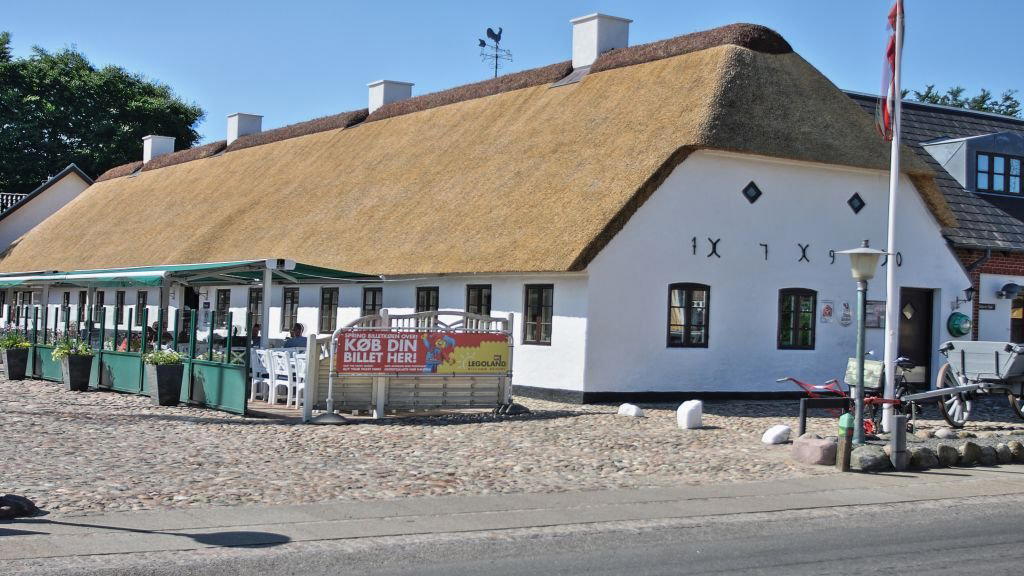
Against that backdrop, a property positioned on the sluice, the kammerslusen, the chamber lock that historically managed water flow between the river and the tidal flats, carries a specificity that is hard to manufacture. The name is not decorative. It refers to an actual piece of water management infrastructure, and that infrastructure is what made this land farmable and this coastline navigable for the fishing vessels that once worked these channels.
Planning a Visit
Ribe is accessible by rail from Esbjerg, with connections from Copenhagen via Fredericia taking approximately three hours in total. The Bjerrumvej address places Kammerslusen outside the central historic district, meaning visitors arriving without a car should factor in a short taxi or cycle ride from the town centre. Given the limited public information currently available regarding opening hours, booking method, and current format, contacting the venue directly before visiting is the sensible approach, particularly for groups or visitors with dietary requirements, since kitchen teams operating close to the source tend to build menus around what is available rather than offering broad à la carte flexibility year-round. For comparable experiences in the broader Danish coastal dining circuit, Frederiksminde in Præstø operates on a similarly site-specific premise on the other side of the country.
Seasonality governs what matters most here. The Wadden Sea region reaches its fullest expression in late summer and autumn, when salt-marsh lamb comes into season and migratory birds add to the protein options that the estuary provides. Visiting outside peak summer tourism also reduces pressure on a town that, in July, can feel as if every visitor in Jutland has arrived simultaneously. A weekday table in September, when the light over the marshes turns amber by late afternoon, is the kind of timing that experience in similar coastal destinations would recommend.
Frequently asked questions
What part of town is Kammerslusen in?
Kammerslusen is located at Bjerrumvej 30, 6760 Ribe, Denmark, Ribe.
Is Kammerslusen worth visiting as a day trip from Esbjerg or Aarhus?
Ribe is reachable by rail from Esbjerg in under 30 minutes, and Kammerslusen sits further west on Bjerrumvej beyond the town centre, so the logistics require planning. For travellers passing through Esbjerg or routing down from Aarhus, Ribe already warrants a stop as Denmark's oldest town, and Kammerslusen extends that reason to include a meal on the actual Wadden Sea boundary. Confirm hours and reservations directly before building an itinerary around it.
What should I order at Kammerslusen?
Kammerslusen sits directly on the Wadden Sea tidal flats outside Ribe, which points toward seafood and marsh-sourced ingredients as the logical focus. The address at Bjerrumvej 30 places it within striking distance of some of the most productive coastal foraging terrain in southern Denmark.
Do they take walk-ins at Kammerslusen?
Given its position well outside central Ribe on Bjerrumvej, arriving without a reservation carries real risk, the drive out is not a short detour. Reaching out in advance is advisable before making the trip from Ribe town or from Esbjerg.
What's the signature at Kammerslusen?
Location is the defining argument here. Kammerslusen sits where Jutland's flat marshland gives way to the UNESCO-listed Wadden Sea, a tidal ecosystem that supplies some of Denmark's most distinctive coastal produce. That geographical position, more than any single dish, is what separates this address from restaurant options inside Ribe's historic centre.
Can Kammerslusen accommodate dietary restrictions?
For a venue of this nature in the Danish provinces, direct communication ahead of arrival is standard practice. The restaurant's address is Bjerrumvej 30, 6760 Ribe, and reaching out before booking is the practical course.
Should I splurge on Kammerslusen?
What the venue offers that no restaurant in the town centre can match is its physical position on the Wadden Sea edge, a UNESCO-protected landscape that Danish chefs at Geranium and Jordnær have spent careers trying to reference from a distance. Whether that proximity justifies the outlay depends on what you're after from a meal in western Denmark.
Quick Comparison
Comparable venues nearby, for context on price, style, and recognition.
| Venue | Cuisine | Price | Notes |
|---|---|---|---|
| KammerslusenThis venue (the venue you are viewing) | Danish Seasonal Seafood | $30–50 | Not listed |
| Sælhunden | Traditional Danish Seafood | $30–50 | Ribe |
| Hr. Skov - Huset Ribe | Danish Brasserie Café | $20–30 | central Ribe |
| Mr. Fish Sushi Ribe | Japanese Sushi All-You-Can-Eat | $20–30 | Old Town |
| Ribe Pakhus | Danish Café with Local and Modern Twists | Not listed | Ribe |
| Pinocchio | Italian Pizza and Pasta | $20–30 | historic center |
Continue exploring
More in Ribe
Restaurants in Ribe
All restaurants in Ribe →
Details
- Scenic
- Romantic
- Cozy
- Rustic
- Date Night
- Family
- Group Dining
- Special Occasion
- Waterfront
- Terrace
- Panoramic View
- Historic Building
- Standalone
- Local Sourcing
- Waterfront
- A La Carte
- Set Menu
- Vegetarian Friendly
Current opening hours
- Monday
- 11:30 AM–8 PM
- Tuesday
- 11:30 AM–8 PM
- Wednesday
- 11:30 AM–8 PM
- Thursday
- 11:30 AM–8 PM
- Friday
- 11 AM–9 PM
- Saturday
- 11 AM–9 PM
- Sunday
- 11:30 AM–8 PM
Hours can change for holidays and private events. Last verified .
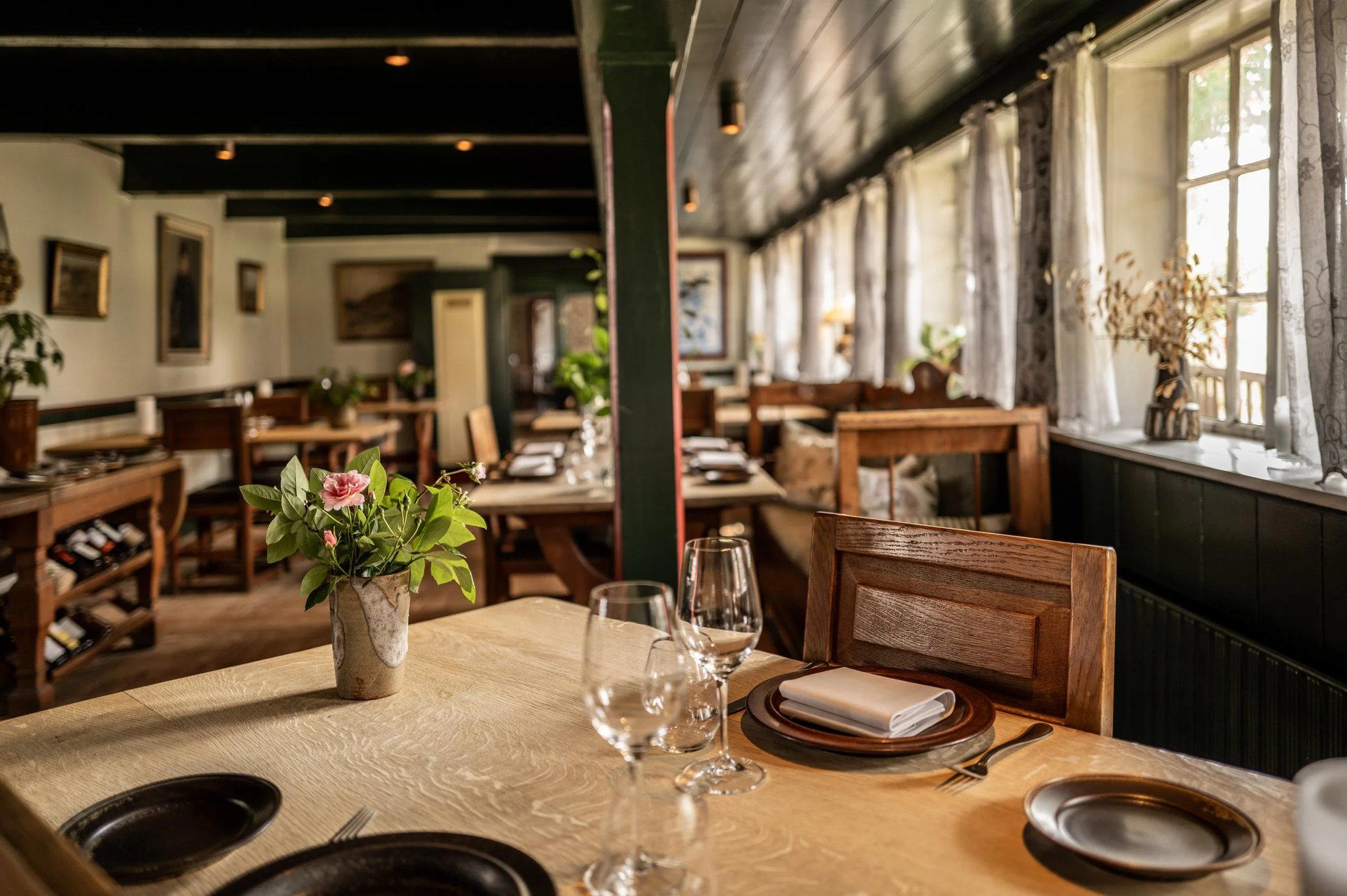
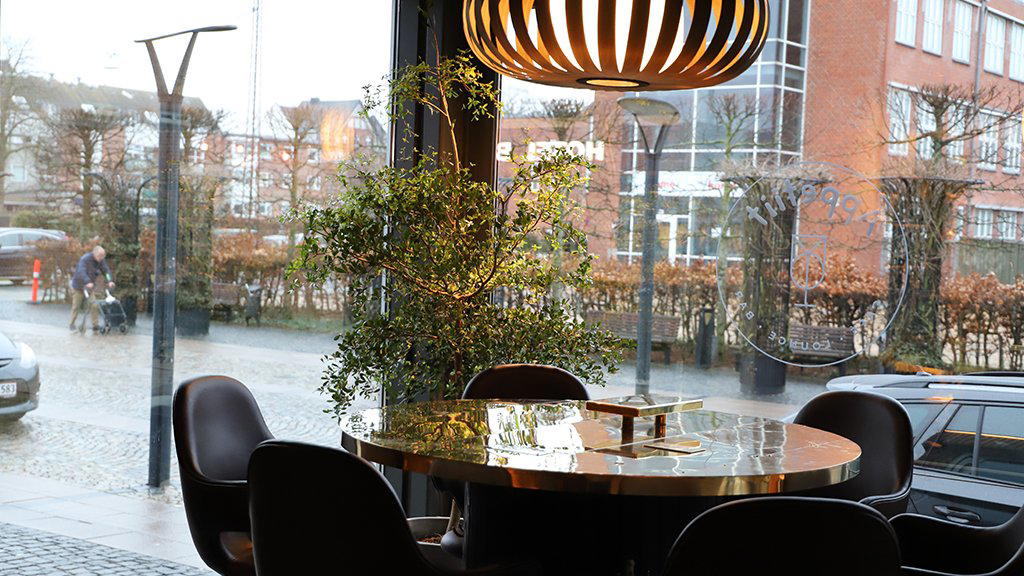
Atmospheric and serene with natural light from expansive views over the marsh and river; intimate yet welcoming with polite, attentive service.