Mandø Kro sits on the tidal island of Mandø, one of the smallest inhabited islands in the Danish Wadden Sea, accessible only by tractor bus across the tidal flats. The inn functions as the island's primary gathering point, making it a fixture of one of Denmark's most remote dining settings. Planning a visit requires working around tidal schedules before a table even enters the picture.
Pearl is the En Primeur Club membership app — saves, bookings, and concierge access live there. Same editors, same standards.
- Address
- Mandø Byvej 26, 6760 Ribe, Denmark
- Phone
- +4540262600
- Website
- mandoekro.com
- Directions
- Get directions
 Saves & bookings on Pearl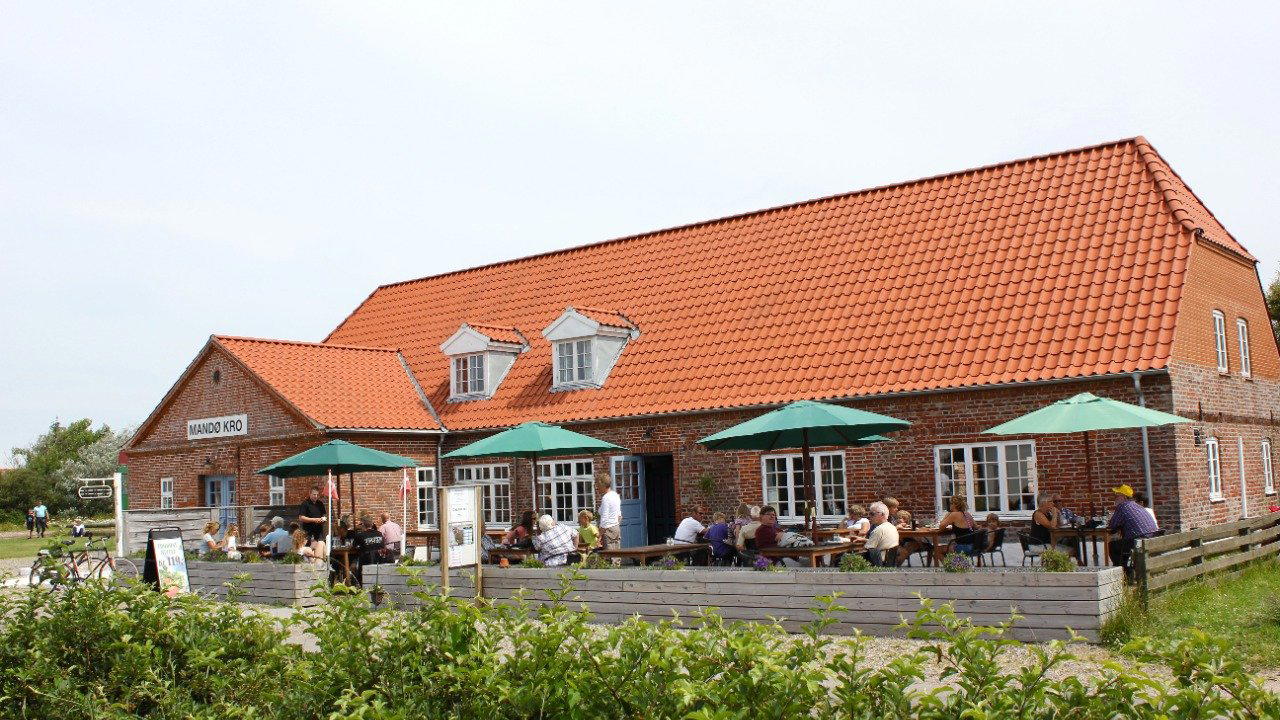
An Island on a Schedule You Don't Set
Mandø Kro is a restaurant in Mandø, Denmark, serving Traditional Danish Coastal Fare at about $25 per person. Mandø is a tidal island in the Danish Wadden Sea, reachable by a causeway that disappears beneath the North Sea twice a day. The traditional crossing runs by tractor bus, a low-season curiosity in most coastal destinations but the practical reality of daily life here. Before you think about what's on the menu, you are already negotiating with the tide chart. That negotiating defines the experience more than anything inside the dining room.
It is not a destination restaurant in the conventional sense, not a place built around a tasting menu, a celebrated chef, or a particular cuisine philosophy. It is the inn on an island where around forty permanent residents live, and that distinction shapes every layer of the visit. Denmark has a tradition of rural kroen, the country inn that anchors a small community, serving food that reflects local agriculture and season rather than fine-dining ambition, and Mandø Kro sits squarely in that tradition, with the added variable of geography that makes access itself part of the story.
The Booking Experience: Timing Is the First Course
At Mandø Kro, they are primary. The tidal bus service from Vester Vedsted operates on a schedule tied to water levels, meaning the window for arrival and departure shrinks or disappears depending on the season and the day. Visitors who arrive by private vehicle during low tide may find the causeway passable by conventional car at certain points, but the margin for error is narrow, and the consequences of miscalculation are severe. The practical advice from those familiar with the route is consistent: check the tidal schedule before confirming any travel arrangement, and build more buffer than seems necessary.
Once on the island, the tempo slows considerably. Mandø has no through traffic, no commercial centre, and no competing venues pulling at your attention. The kro functions as the island's hospitality anchor, which means it carries a different weight than a comparable inn on the mainland. The dining room here serves a community function that restaurants in Ribe or larger Danish cities do not. That context is worth keeping in mind when assessing it against the broader Danish kro tradition or against destination venues like Henne Kirkeby Kro in Henne, which has earned significant critical recognition while operating in a similarly remote rural frame.
Where Mandø Kro Sits in the Ribe Dining Picture
Ribe itself is Denmark's oldest town, and its dining scene reflects that age: it skews toward tradition, local produce from the surrounding marshland and Wadden Sea tidal flats, and a modest but genuine hospitality culture. The restaurant options in the town centre range from direct café formats like Café Sallys to more considered cooking at places like Hr. Skov - Huset Ribe and Jacob A. Riis. For those travelling from Ribe with the tidal flats as the draw, Kammerslusen offers a sluice-side setting that captures some of the same landscape atmosphere without the logistical complexity. Hviding Pizzeria og Restaurant rounds out the accessible options nearby for less formal evenings.
The restaurant operates in a different register from all of them. It is not competing for the same diner who is weighing tasting menus or wine lists. Its competitive context is more accurately defined by geography than by cuisine category: it is the option available to those who have crossed to Mandø, and for those visitors, the question is not which restaurant to choose but whether the kro is open that day. That kind of captive-audience positioning is rare in any dining market, but it does not diminish the kro's role, if anything, it reinforces how closely the venue is tied to the rhythm of the island itself.
The Broader Danish Kro Tradition
Denmark's kro culture is one of the country's most enduring hospitality formats. The country inn predates the modern restaurant by centuries in rural Denmark, serving as a waystation for travellers, a gathering place for locals, and a keeper of regional recipes that larger urban restaurants rarely prioritise. Dishes rooted in the western Jutland tradition, smoked and cured fish from the Wadden Sea, hearty preparations built around root vegetables and pork, open-faced sandwich formats that trace back to agricultural working culture, remain the DNA of the genre. The setting of the restaurant gives those traditions an unusual physical context: the Wadden Sea, which holds UNESCO World Heritage status, surrounds the island, and the raw material available to any kitchen here is defined entirely by that environment.
For comparison, the wider Danish dining scene has bifurcated sharply in recent decades between urban fine-dining venues like Geranium in Copenhagen and Jordnær in Gentofte, and the rural tradition that places like Mandø Kro quietly represent. Regionally, venues such as Frederikshøj in Aarhus, LYST in Vejle, Alimentum in Aalborg, ARO in Odense, Domæne in Herning, Dragsholm Slot Gourmet in Hørve, and Frederiksminde in Præstø represent the destination-restaurant tier with documented critical recognition. The restaurant does not sit in that bracket, and does not try to. Its claim on a traveller's attention is the island itself, and the kind of meal that comes with having earned your way there by tidal schedule. For wider international context, destination dining at the level of Le Bernardin in New York City or Atomix in New York City operates in an entirely separate frame of reference, one defined by consistent critical infrastructure rather than geographic isolation.
Planning Your Visit
The crossing window varies by season, and during winter months the service may be suspended or significantly restricted. Direct contact with the venue is advisable to confirm opening days and whether the kitchen is running, the island's year-round population is small, and operating hours likely reflect that reality.
Side-by-Side Snapshot
Comparable venues nearby, for context on price, style, and recognition.
| Venue | Cuisine | Price | Notes |
|---|---|---|---|
| Mandø KroThis venue — the venue you are viewing | Traditional Danish Coastal Fare | $$ | Not listed |
| Mama Mia Pizza | Italian Pizza & Casual Grill | $$ | Ribe town center |
| Quedensgård Cafe Og Krambod | Danish Cafe | $$ | Ribe |
| Vægterkælderen | Traditional Danish Cellar Bistro | $$ | Torvet |
| Jacob A. Riis | Danish Steakhouse & Brasserie | $$ | Torvet (Main Square) |
| Postgaarden | Danish Pub & Café | $$ | Ribe Old Town |

At a Glance
- Cozy
- Rustic
- Historic
- Scenic
- Special Occasion
- Family
- Historic Building
- Waterfront
- Beer Program
- Local Sourcing
- Waterfront
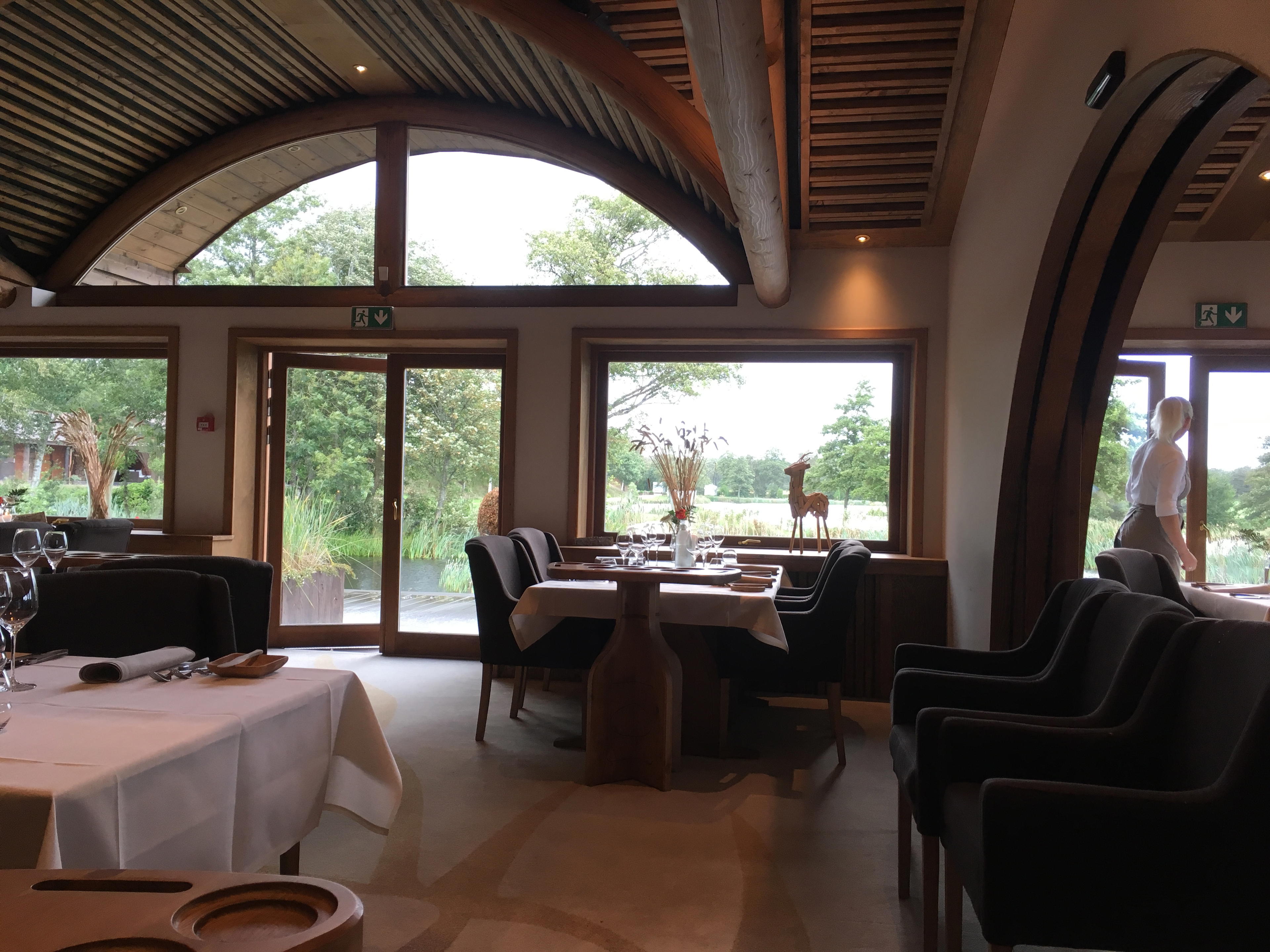
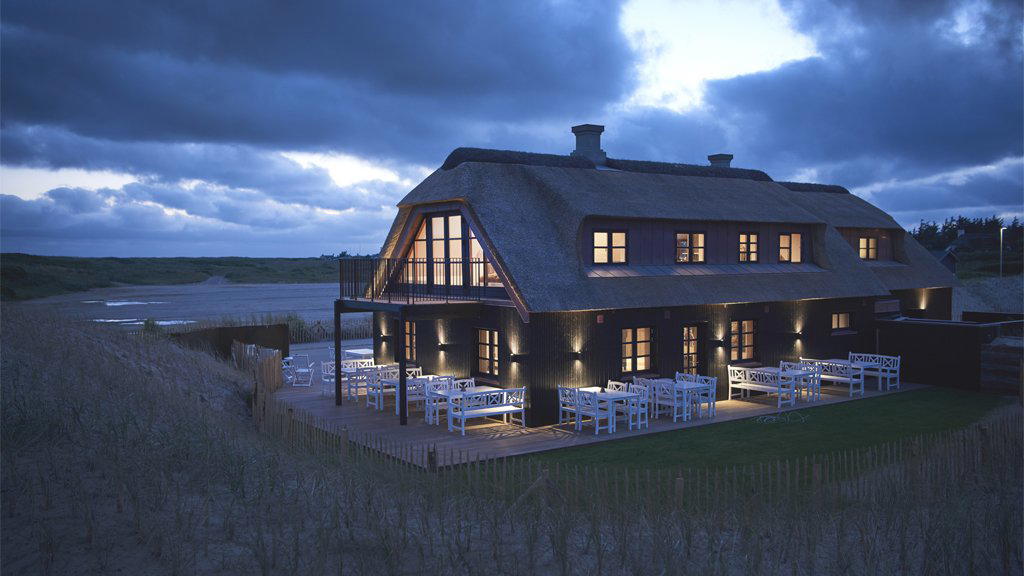
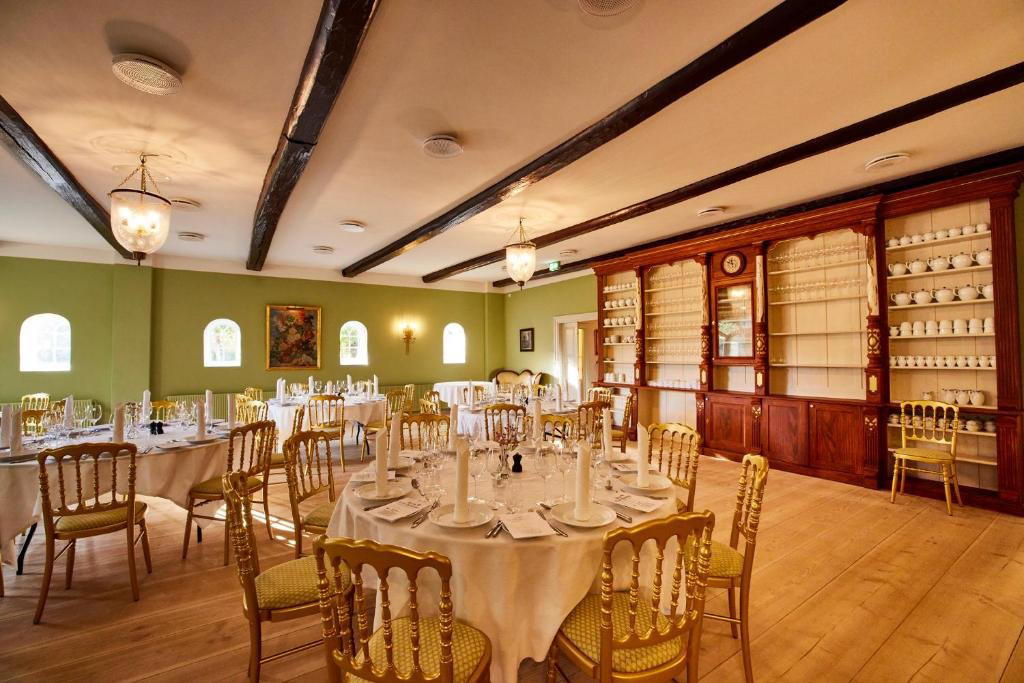
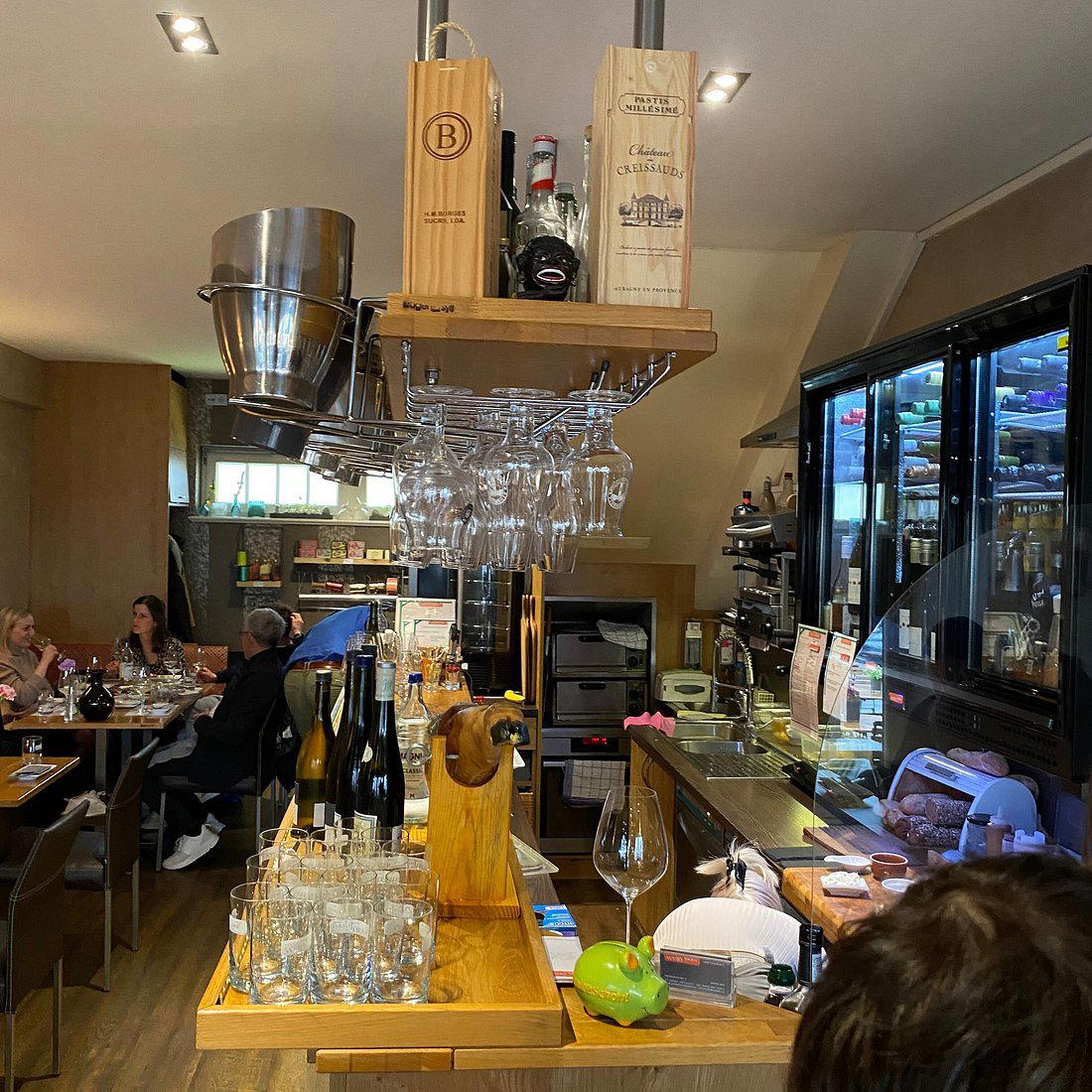
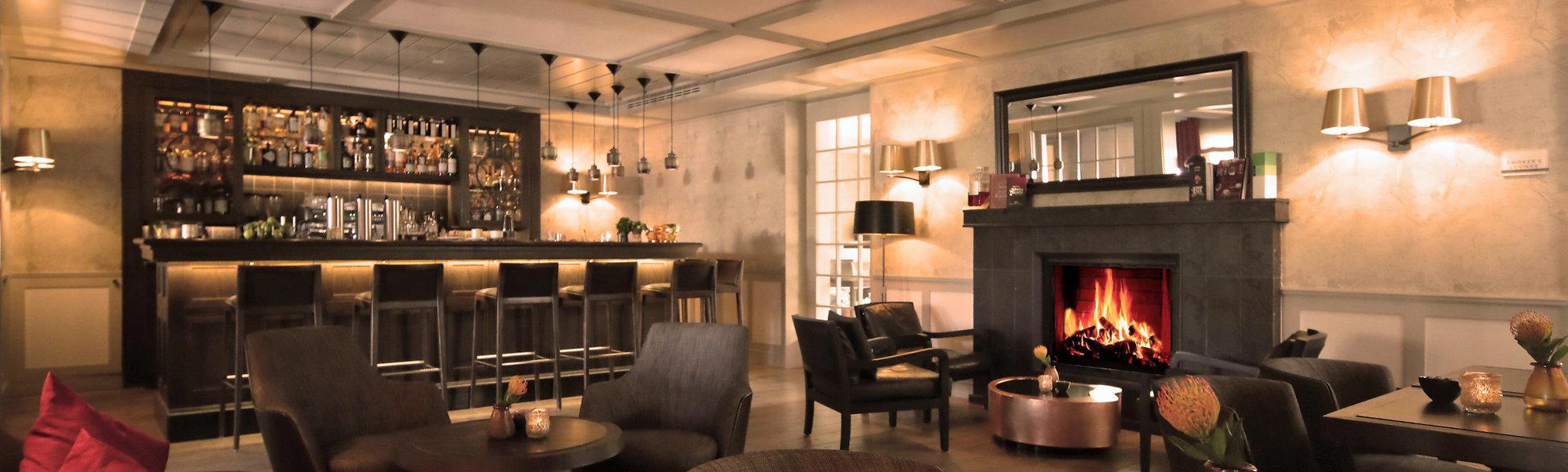
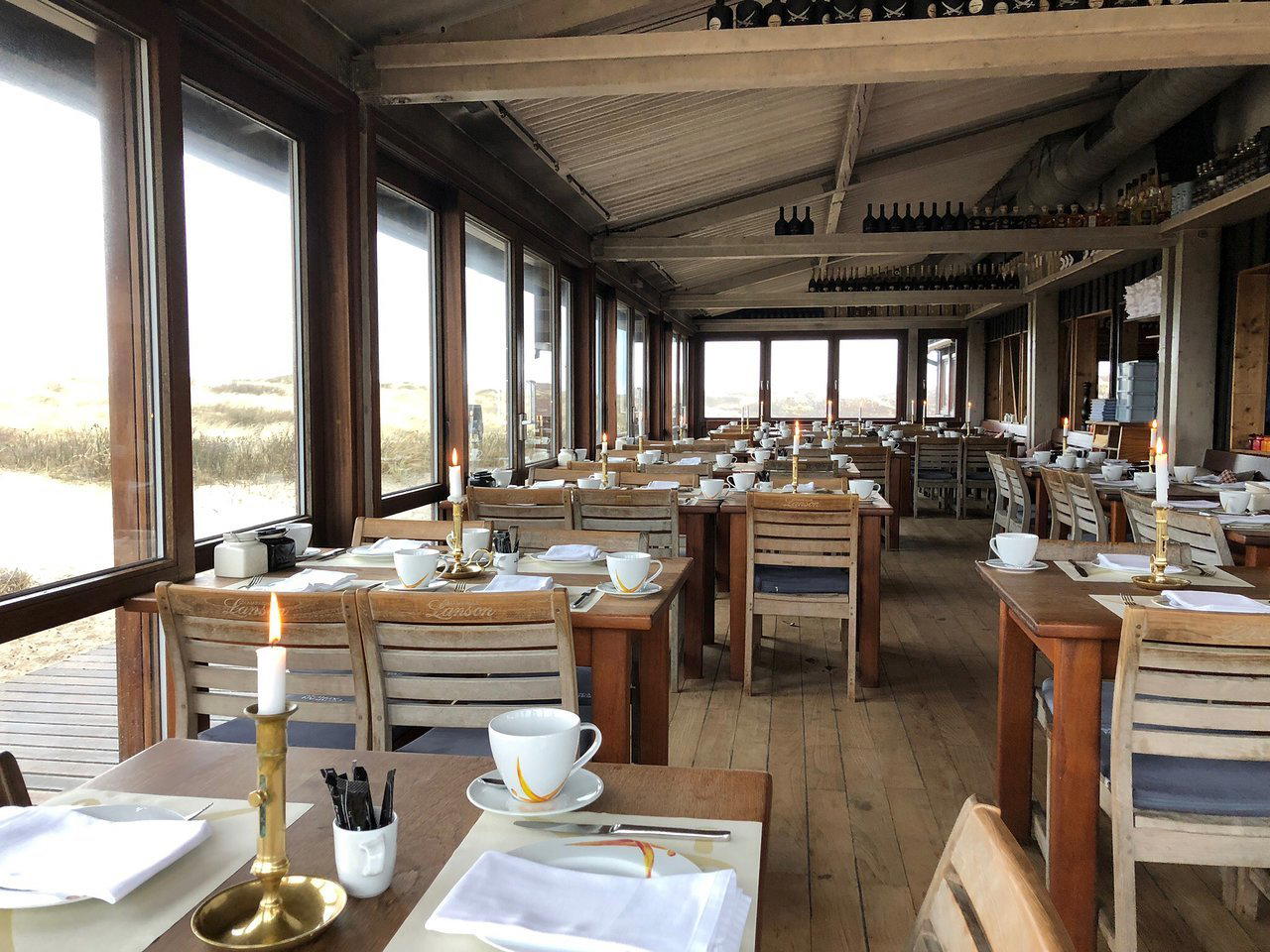
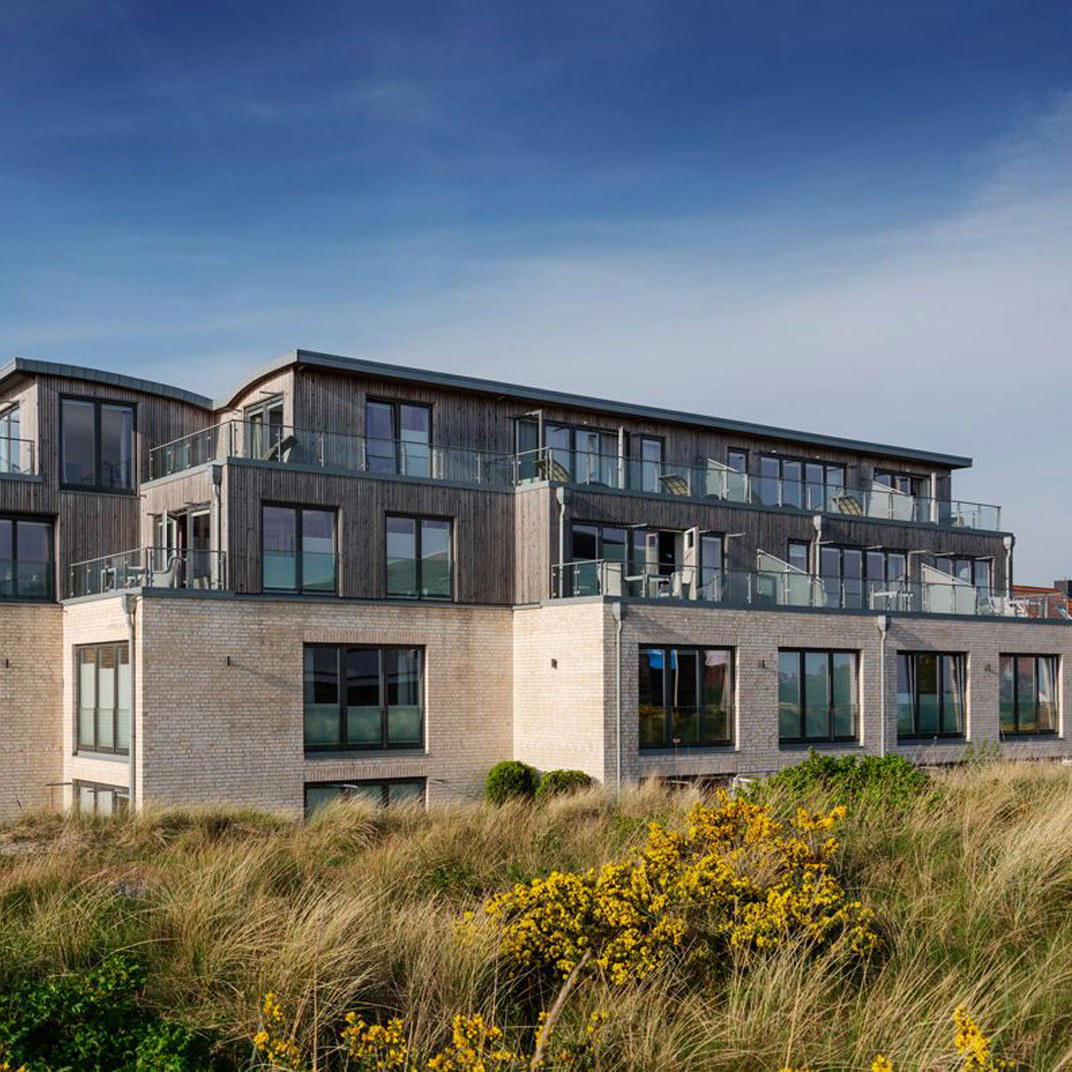
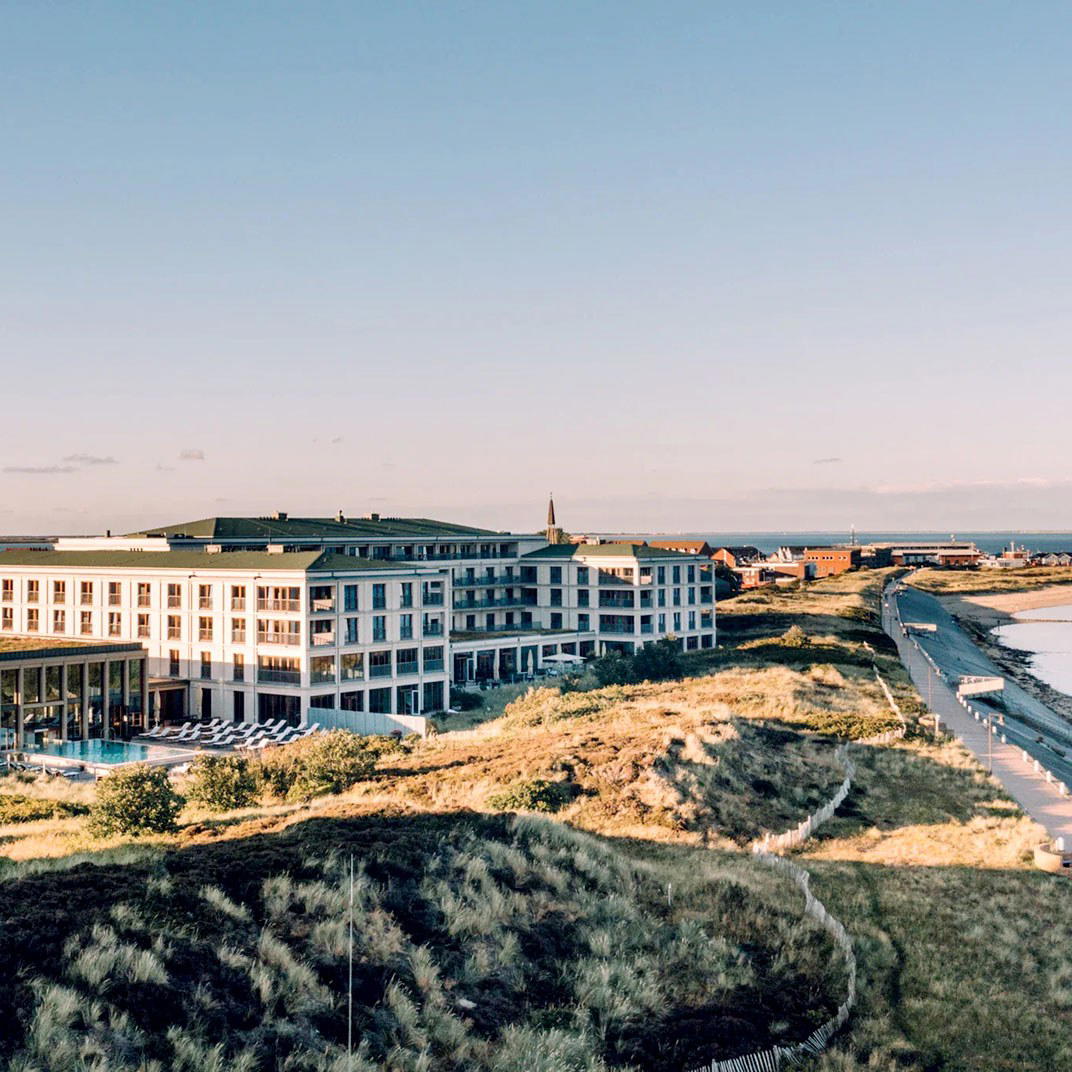
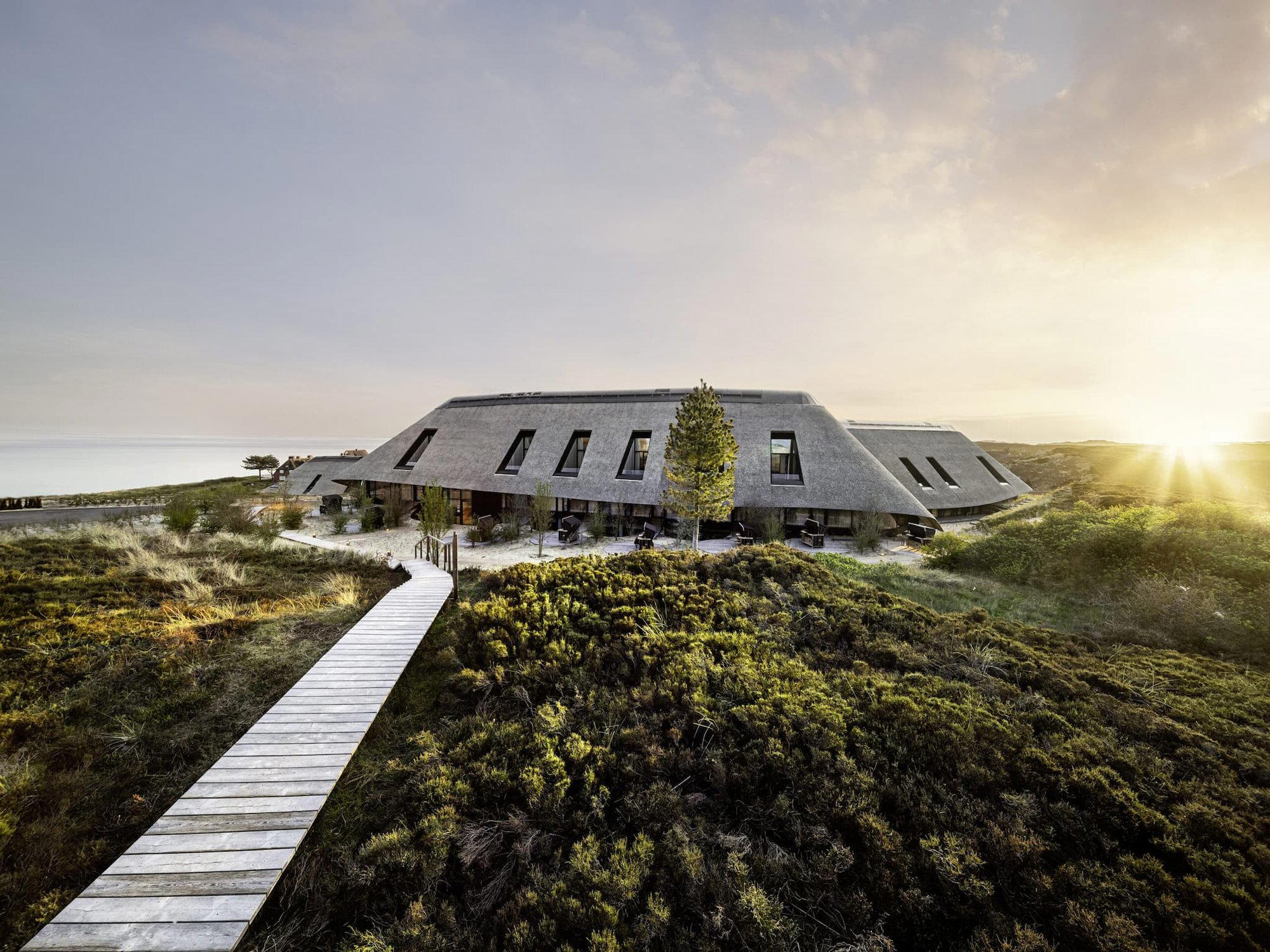
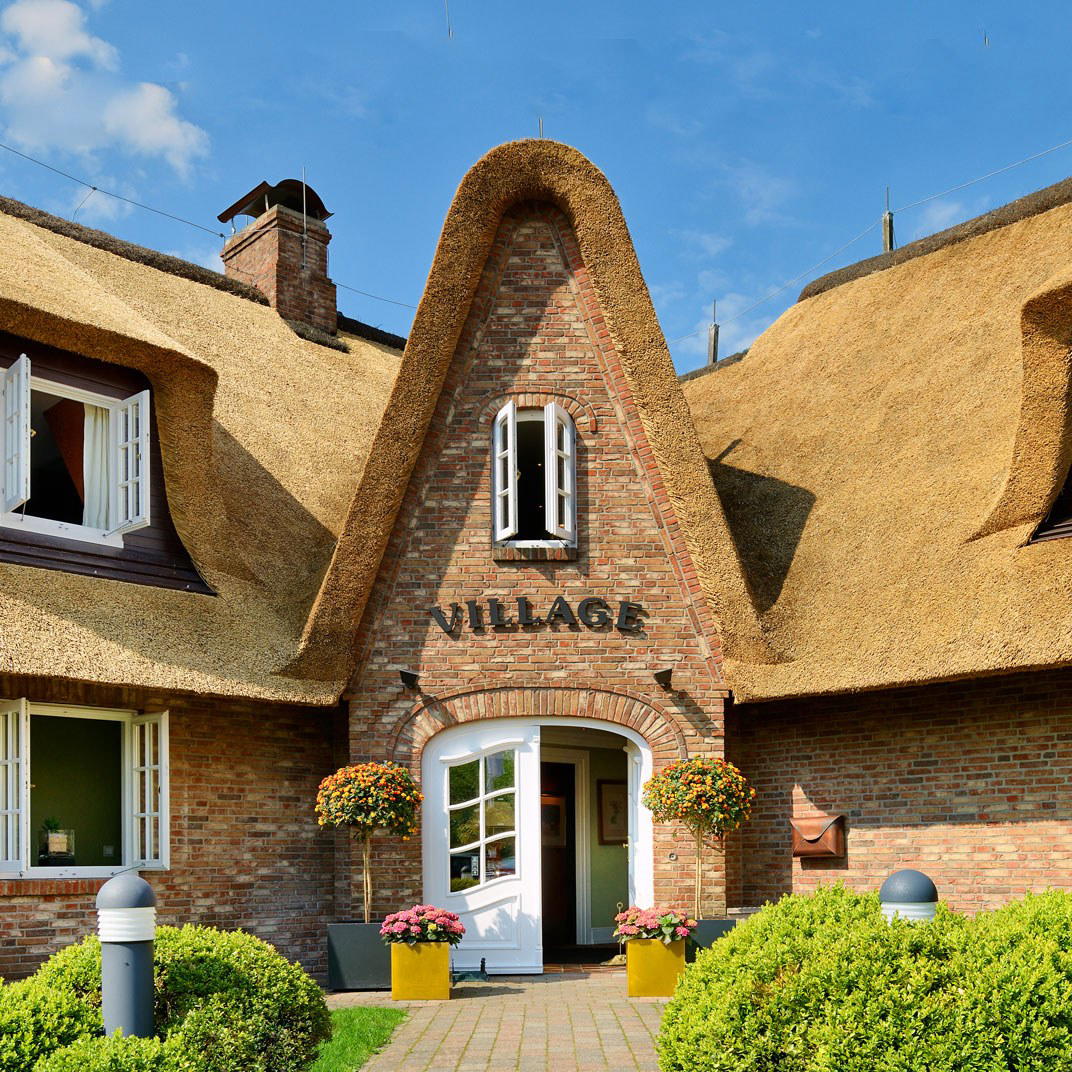
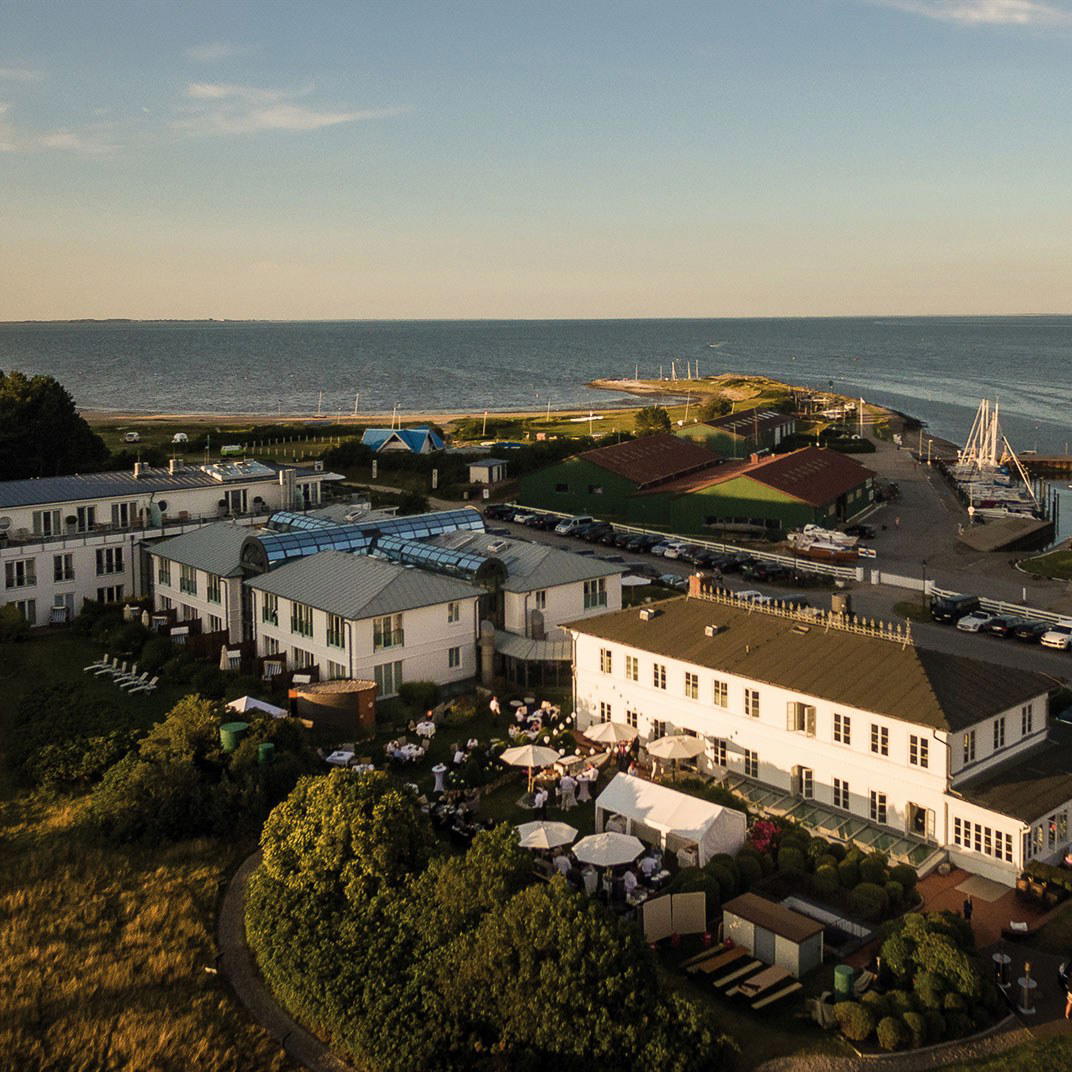
Cozy and welcoming with timbered interiors, low thatched roofs, and a warm, familial atmosphere shaped by island traditions and sea views.