
Michelin Plate
Our verdict
Königshafen holds a Michelin Plate for 2024 and 2025, placing it among the recognised traditional dining addresses at the northern tip of Sylt. Set in List, Germany's northernmost town, it serves cuisine rooted in the ingredients of the Wadden Sea coast. It earns consistent approval from visitors and islanders alike.

Pearl is the En Primeur Club membership app, where members save venues, book tables and use the concierge.
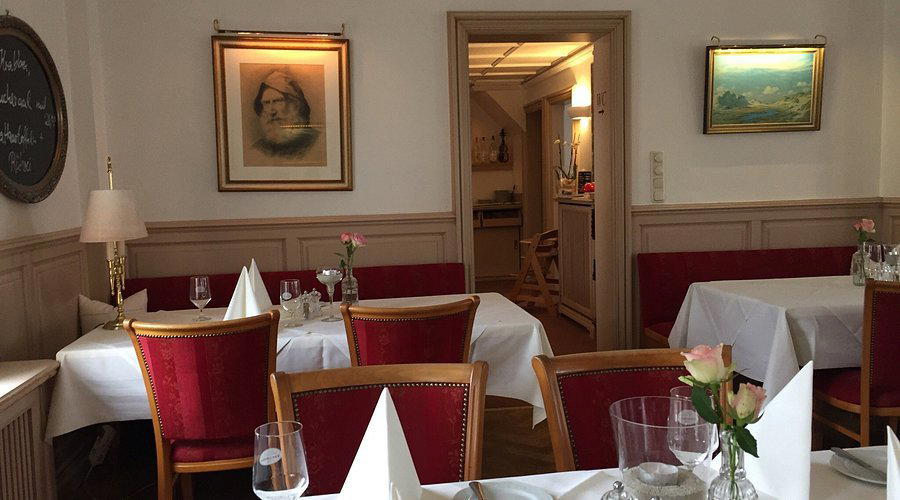
Where the North Sea Defines the Plate
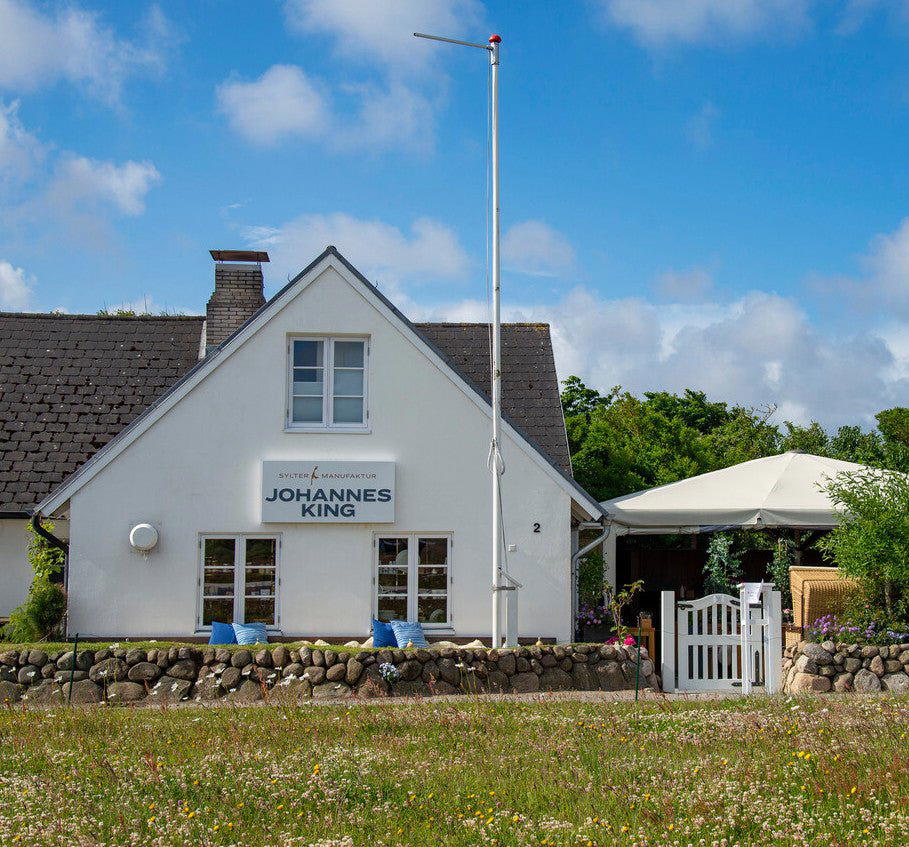
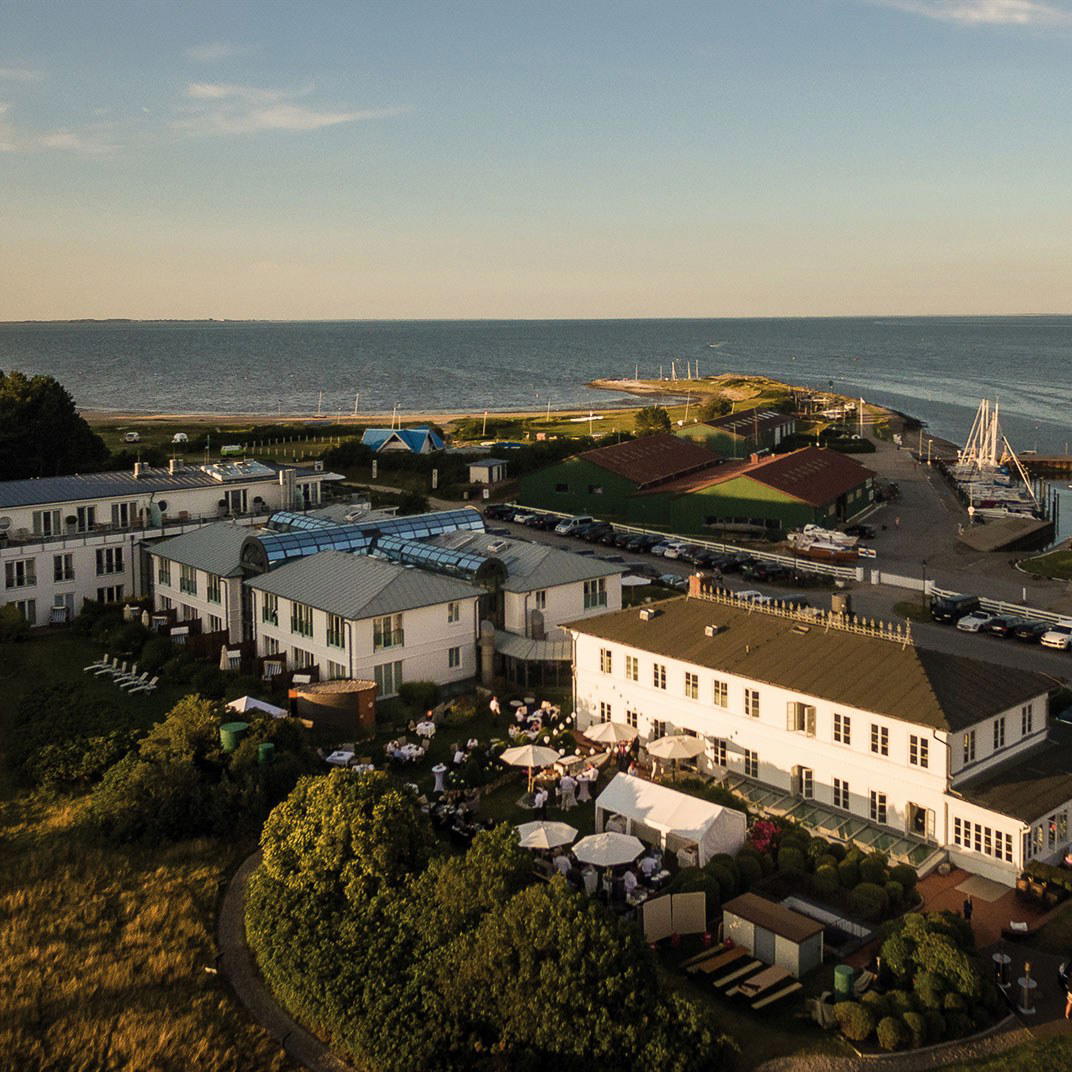
At the northern tip of Sylt, the island's atmosphere shifts. List is quieter than Westerland or Kampen, the dunes broader, the light more exposed. Alte Dorfstraße runs through the village with the unassuming directness typical of North Frisian fishing settlements, and Königshafen sits on it without ceremony. The name itself references the Königshafen bay, a protected tidal inlet that has shaped this corner of the island for centuries. Arriving here, you are already several removes from the island's resort-facing southern half.
That geographical remove matters for understanding what Königshafen represents in the context of List's dining scene. Sylt has long carried a reputation for expensive hospitality aimed at wealthy mainland visitors, but List's character leans toward the working coastal village it remains. The restaurants that do well here tend to reflect the place rather than perform for it.
The Ingredient Argument for Coastal Traditional Cuisine
The Michelin Plate, awarded in both 2024 and 2025, signals consistent cooking that meets the guide's quality threshold without carrying the ambition or price point of star-level programmes. At the €€ price range, Königshafen occupies a different position in the German dining conversation than, say, Aqua in Wolfsburg or Schwarzwaldstube in Baiersbronn, both three-starred operations working at the highest tier of complexity and expenditure. The Königshafen proposition is something else: traditional cuisine in a location where the sourcing case is essentially self-evident.
The Wadden Sea, a UNESCO World Heritage site, runs along the eastern side of Sylt and forms the shallow tidal habitat that sustains some of Northern Europe's most productive shellfish beds. Sylt oysters, in particular, have developed a distinct identity in German gastronomy, cultivated in the List Deep, the deepest natural harbour in the Wadden Sea. The cold, mineral-rich water produces oysters with a salinity profile that sets them apart from Atlantic French varieties. Any serious traditional kitchen in List works within this ingredient context as a matter of geography rather than positioning.
Beyond shellfish, the North Sea coast supplies flatfish, crustaceans, and cured fish preparations that form the backbone of North Frisian cooking. Traditional cuisine in this region is not a nostalgic category but a living one, shaped by what the tides and the season make available.
Where Königshafen Sits in the German Dining Spectrum
Germany's Michelin-recognised dining scene spans an enormous range of ambition and format. At one end, programmes like CODA Dessert Dining in Berlin and Vendôme in Bergisch Gladbach operate at two-star level with creative or modern European frameworks that price well above €€. At the other end, Plate-level addresses at the €€ tier represent something closer to what the Michelin guide originally intended: well-cooked food at accessible prices, made from honest ingredients, in a recognisable regional register.
Königshafen fits that second category cleanly. Comparing it to JAN in Munich, Restaurant Haerlin in Hamburg, or ES:SENZ in Grassau would be a category error. In that frame, the double Plate recognition at this price point is a meaningful signal.
Across Europe, comparable traditional-cuisine addresses in coastal settings follow a similar pattern. Auberge Grand'Maison in Mûr-de-Bretagne and Auga in Gijón both operate within traditional frameworks shaped by their coastal or near-coastal geographies. The argument in each case is the same: when the ingredients are this specific to place, the kitchen's primary obligation is to present them without interference rather than transform them into something demonstrably foreign to the location.
Booking, Timing, and the Practical Logic of a Visit
List is the northernmost municipality in Germany, reached by car or bicycle along the island's western road from Westerland, roughly 14 kilometres north. The island itself connects to the mainland via a causeway from Niebüll, and the train service from Hamburg makes Sylt accessible without a car, though getting to List specifically requires onward transport once on the island. Sylt's peak season runs from late June through August, when the island's population and prices surge. A visit to Königshafen outside those months, particularly in the shoulder seasons of May or September, reflects a different island: fewer visitors, steadier service, and the same ingredient sourcing operating at full capacity.
At the €€ price range, Königshafen represents one of the more accessible entry points to guide-recognised dining on an island where many addresses pitch considerably higher. Those planning a broader stay on Sylt should read our full List hotels guide, and visitors interested in the island's wider drinking and leisure options can consult our full List bars guide, our full List wineries guide, and our full List experiences guide for a complete picture of what the area offers.
For those approaching the broader German dining calendar, Schanz in Piesport, Victor's Fine Dining by Christian Bau in Perl, Waldhotel Sonnora in Dreis, and Bagatelle in Trier represent the star-level end of the country's regional dining, each requiring more planning and a higher budget. Königshafen operates in a different register, one where the draw is the place and its produce rather than a chef's creative programme.
Frequently asked questions
Is Königshafen child-friendly?
What is the atmosphere like at Königshafen?
at Königshafen?
Fast Comparison
| Venue | Cuisine | Price | Awards | Notes |
|---|---|---|---|---|
| KönigshafenThis venue (the venue you are viewing) | Traditional German Seafood | Not listed | Michelin Plate | Not listed |
| Schwarzwaldstube | Modern French Fine Dining | $150–200 | 3 Michelin Stars · World's 50 Best #47 | French, Classic French |
| Aqua | Contemporary German, Italian/Japanese, Creative | Not listed | Michelin 3 Star | Not listed |
| CODA Dessert Dining | Dessert-Inspired Fine Dining | $200–300 | 2 Michelin Stars · World's 50 Best #79 | Creative |
| Tantris | Modern French, French Contemporary | Not listed | Michelin 2 Star | Not listed |
| Vendôme | Modern German Haute Cuisine | $200–300 | 2 Michelin Stars · World's 50 Best #47 | Modern European, Creative |
Recognition history
Dated appearances from independent guides and award organizations, with the underlying list record or original source where available.
Michelin Plate
Michelin · 2026 Michelin Plate
Full recognition history (3 entries)
Michelin Plate
Michelin
Michelin Plate
Michelin
Continue exploring
More in List
Details
- Cozy
- Rustic
- Classic
- Family
- Date Night
- Celebration
- Garden
- Local Sourcing
- A La Carte
- Vegetarian Friendly
- Vegan Options
Current opening hours
- Monday
- Closed
- Tuesday
- Closed
- Wednesday
- 5–9:30 PM
- Thursday
- 5–9:30 PM
- Friday
- 5–9:30 PM
- Saturday
- 5–9:30 PM
- Sunday
- Closed
Hours can change for holidays and private events. Hours as of .
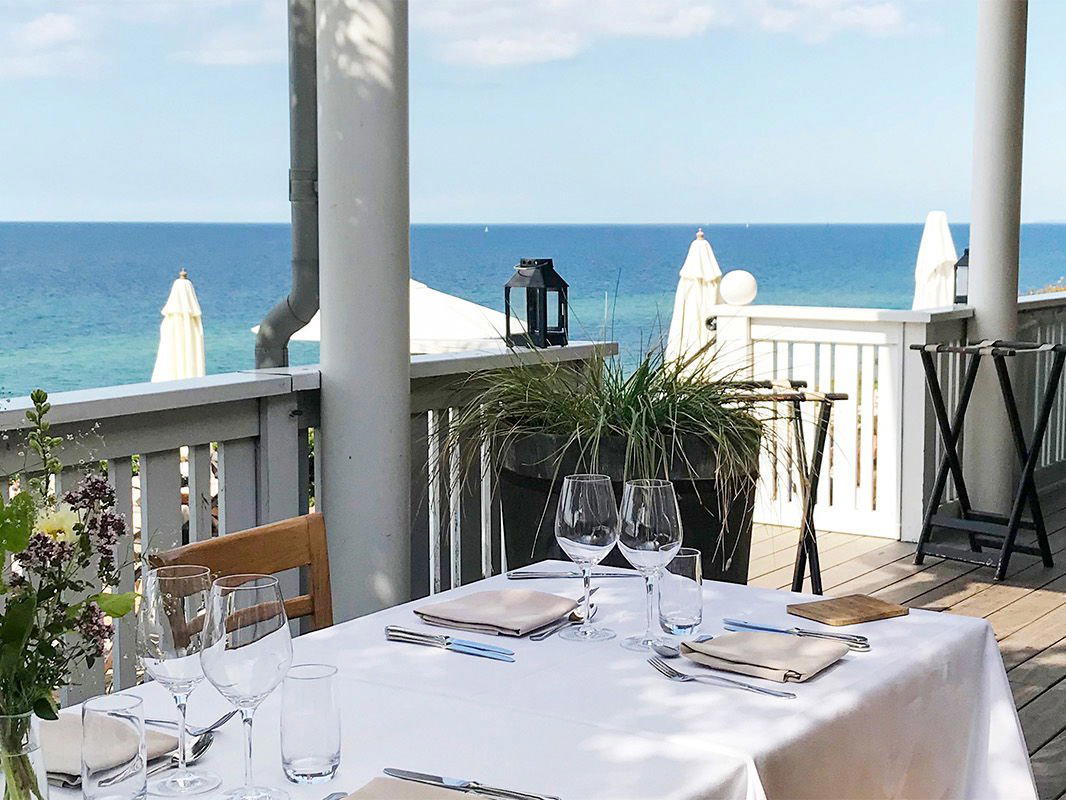
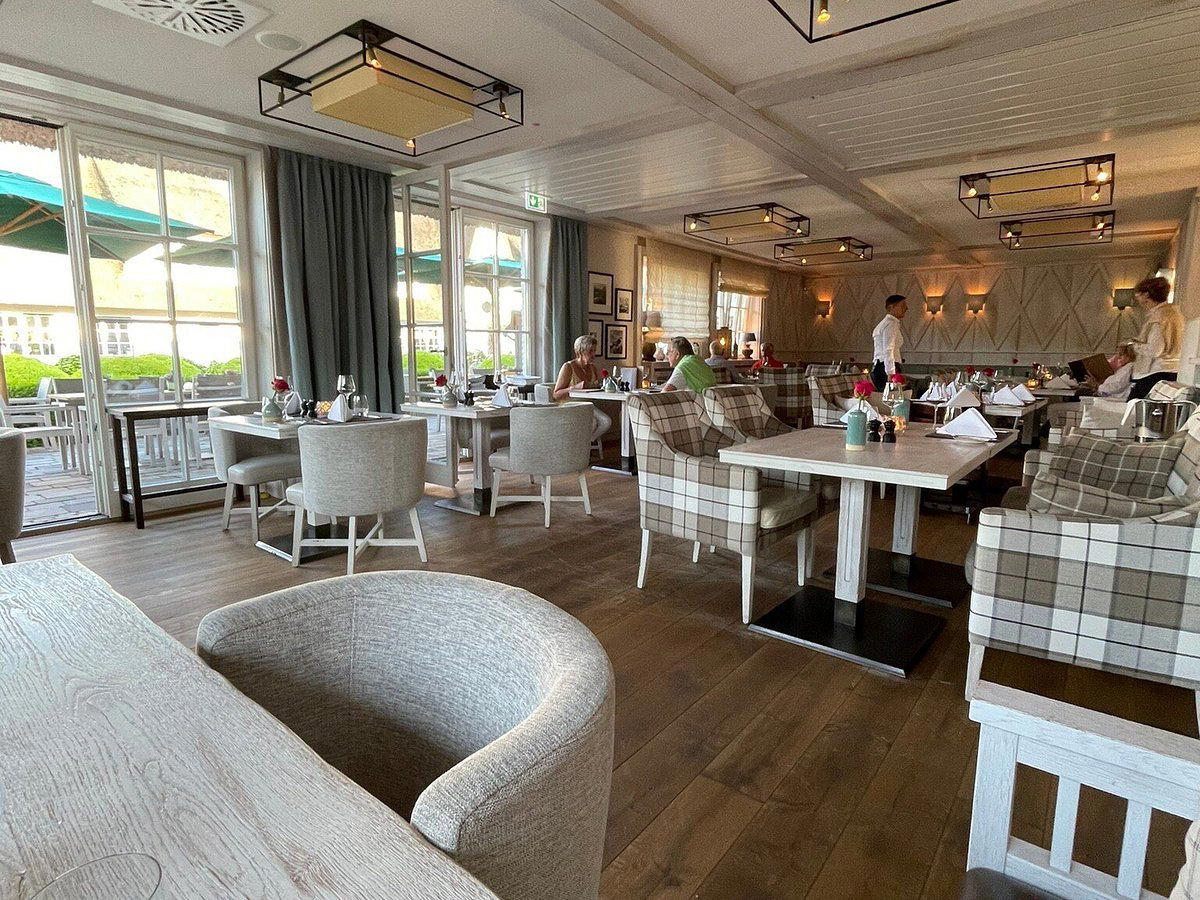
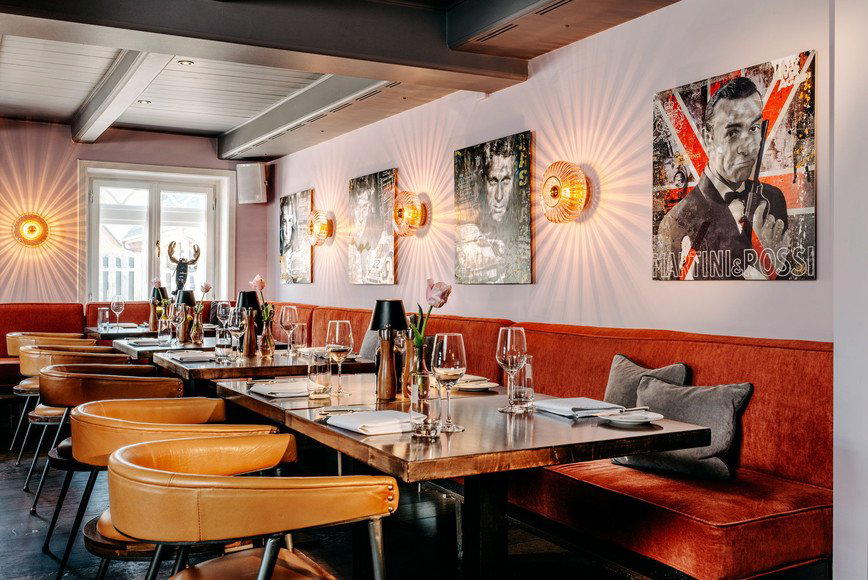
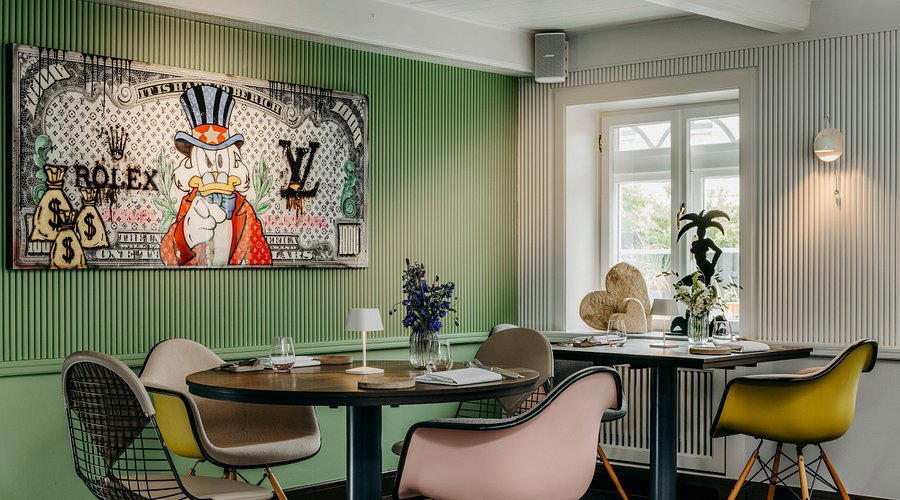
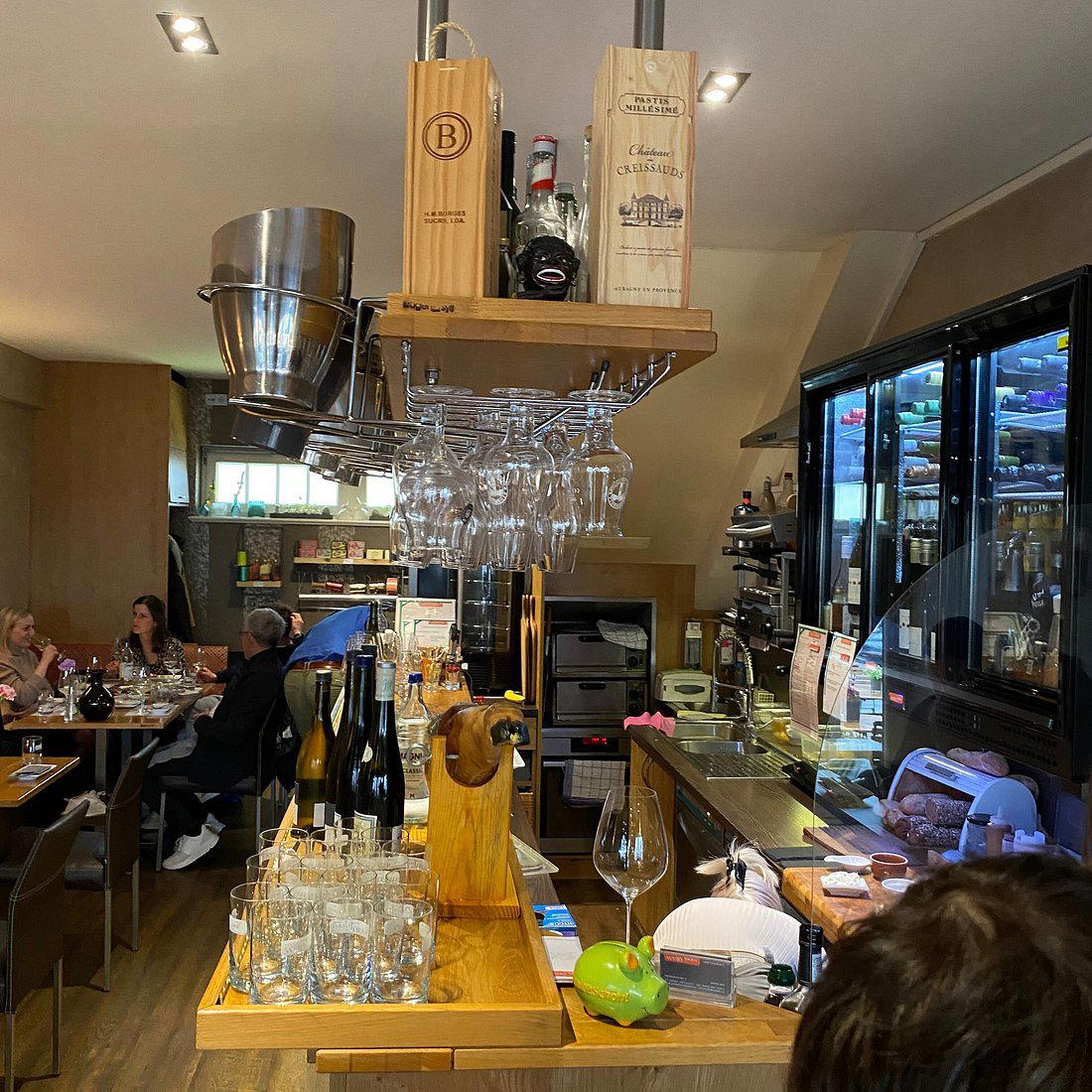
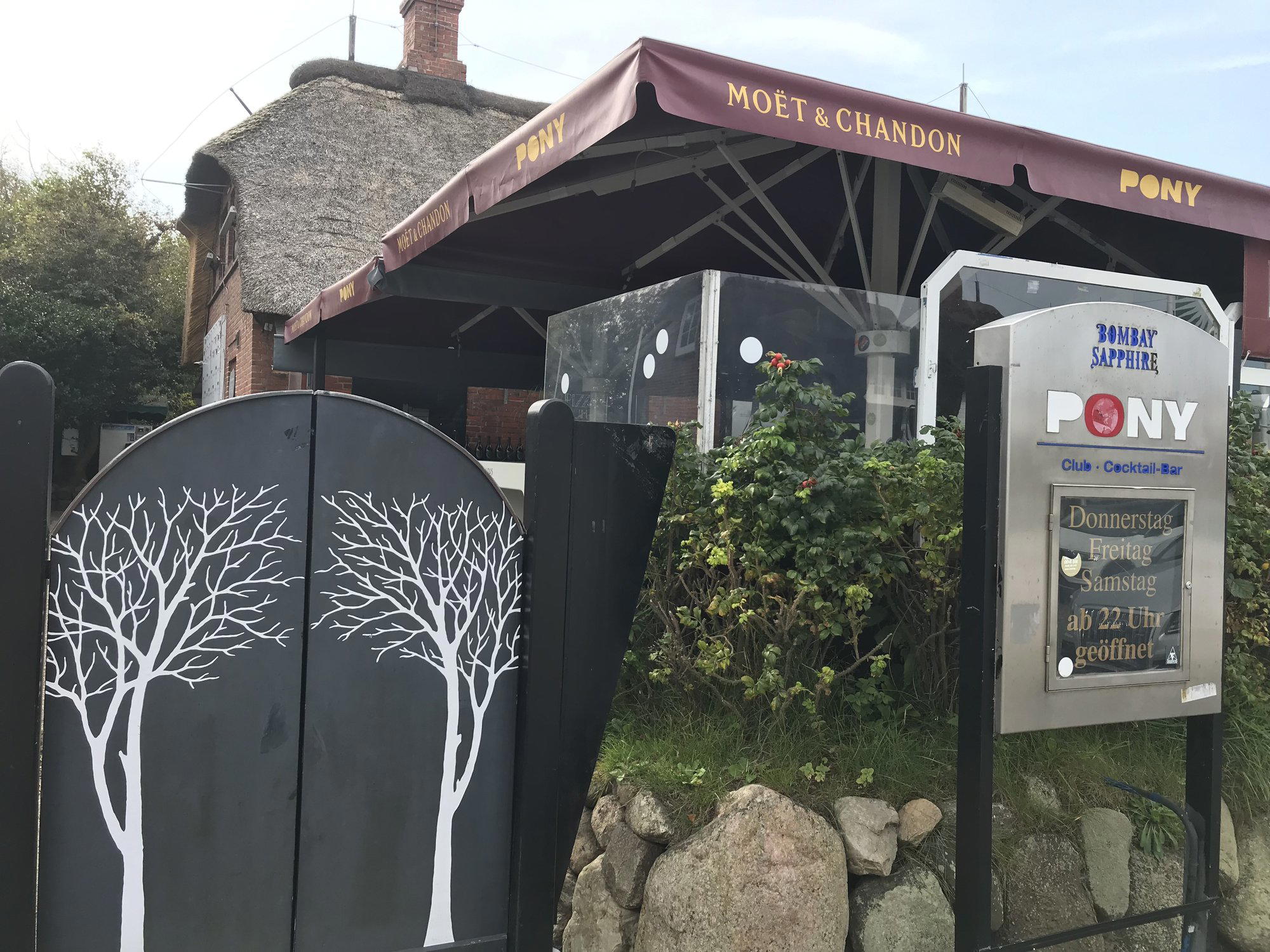
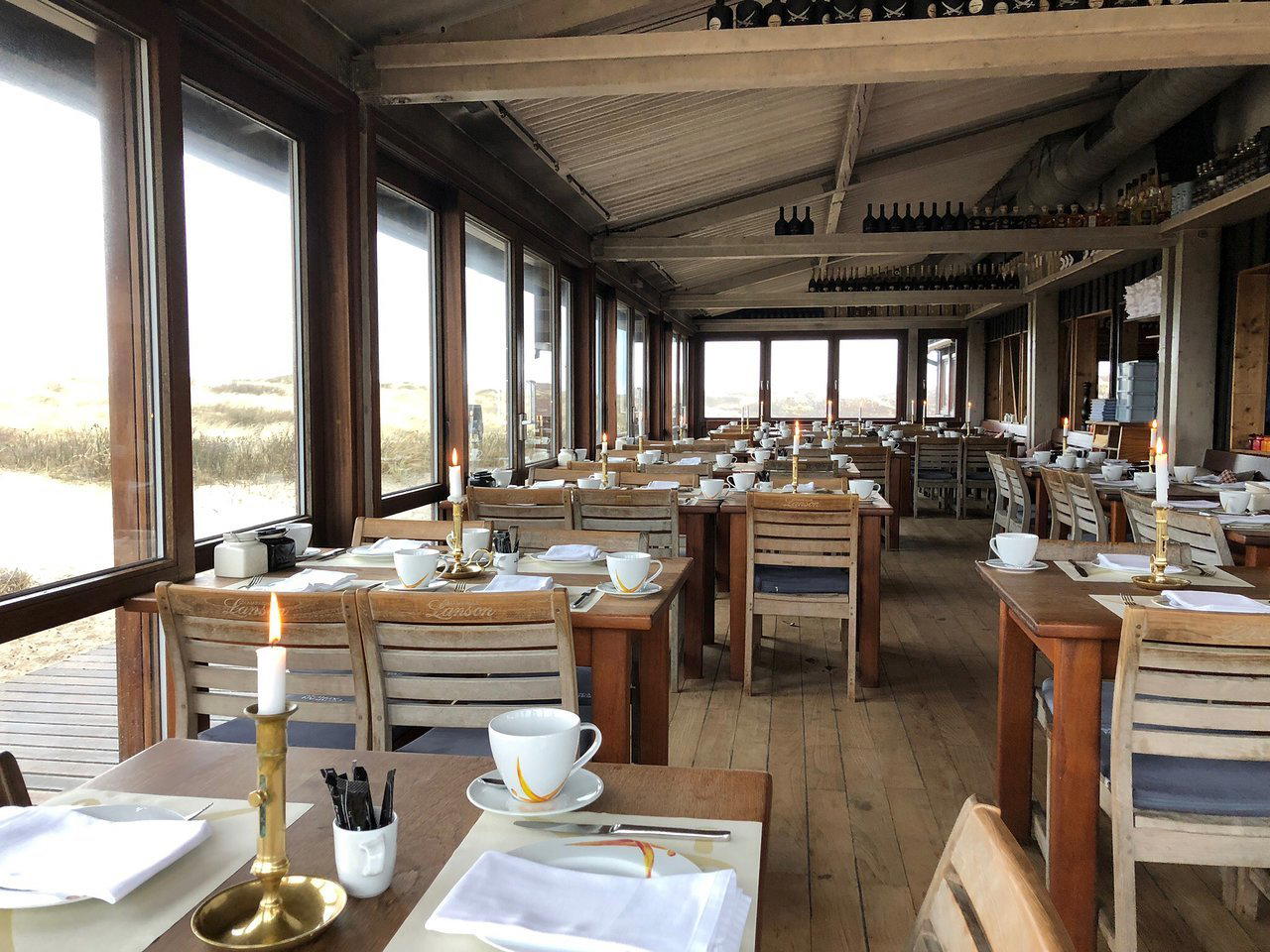
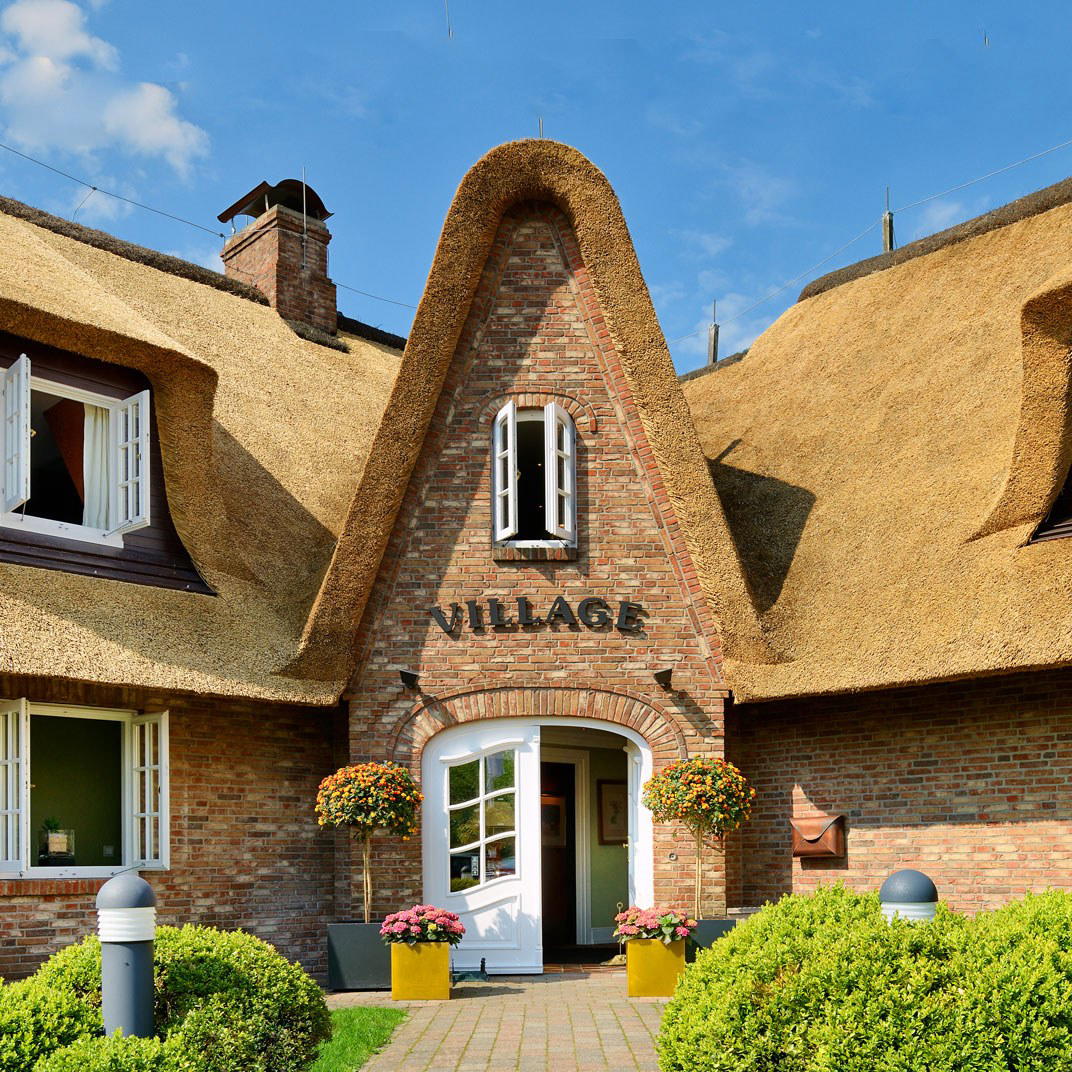
Cozy and welcoming country inn with a beautiful garden terrace, praised for its pleasant and comfortable ambiance by guests.