Our verdict
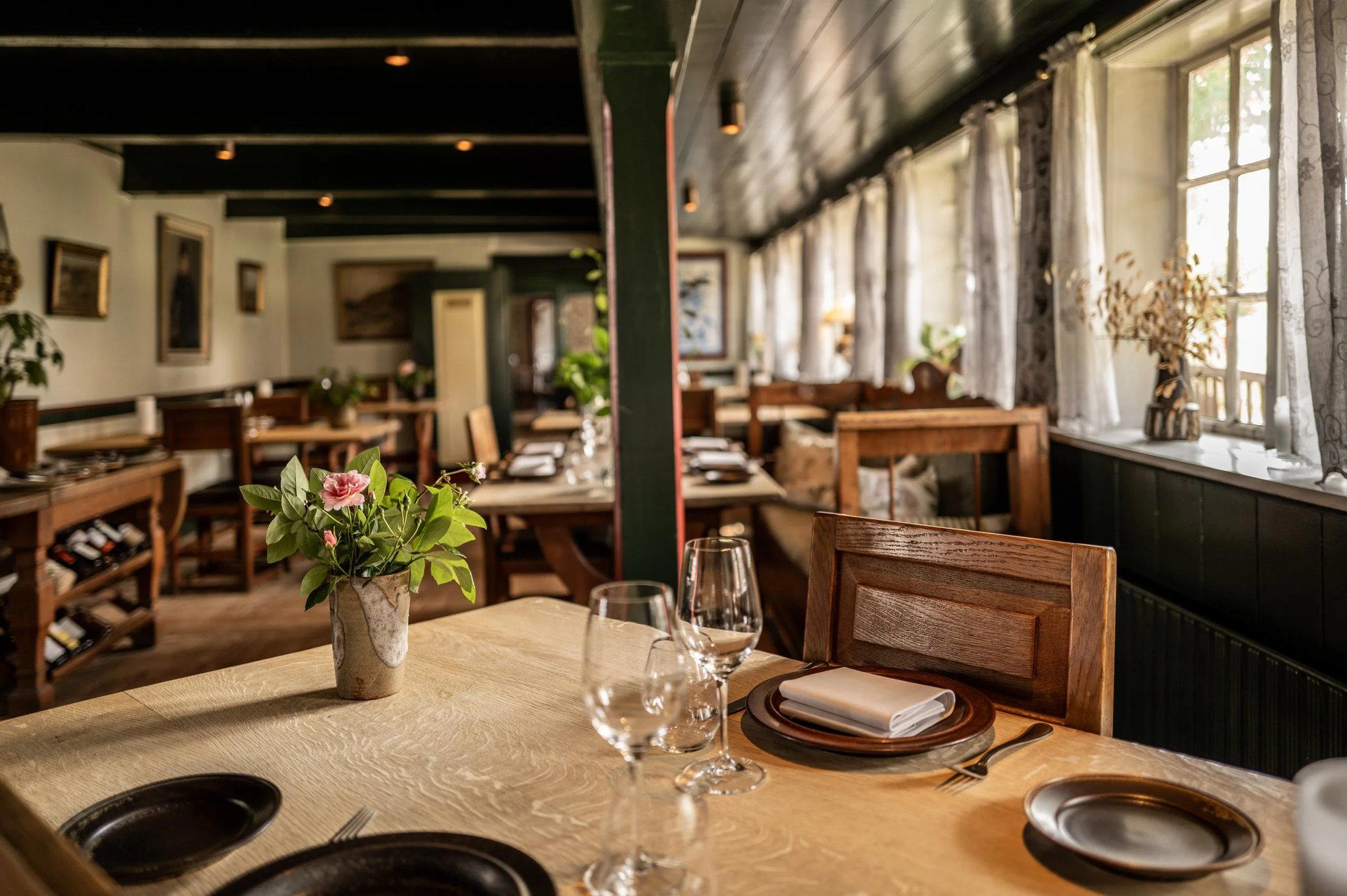
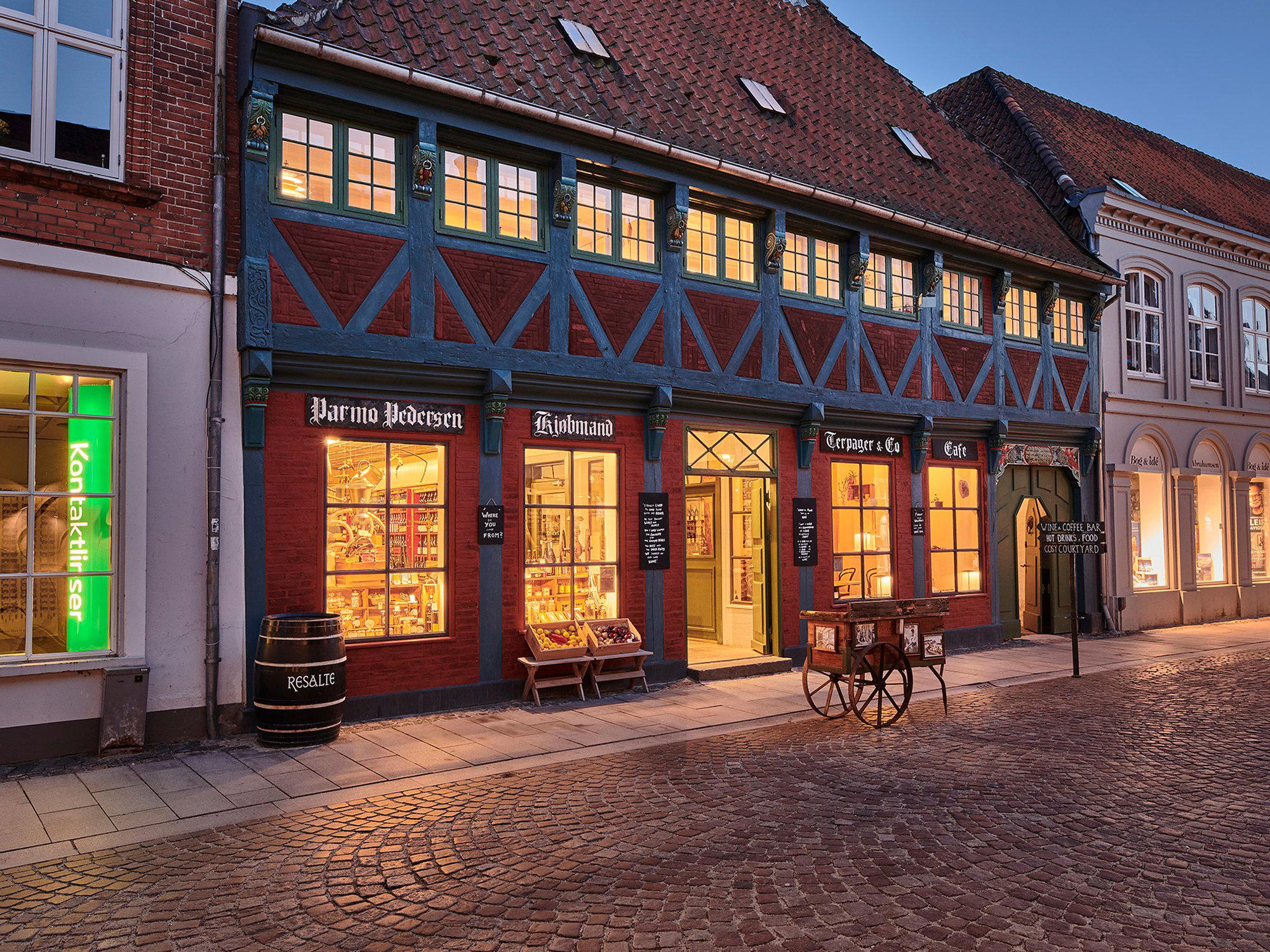
Terpager & Co occupies a quiet address on Mellemdammen in Ribe, Denmark's oldest town, placing it within a dining scene shaped by deep historical character rather than metropolitan trend. The restaurant draws on the culinary traditions of southern Jutland, where proximity to the Wadden Sea and the marsh flatlands has long defined what appears on the plate. For visitors arriving in Ribe to explore its Viking-era streets, it represents a grounded option in a compact but serious local restaurant circuit.

Pearl is the En Primeur Club membership app, where members save venues, book tables and use the concierge.
Ribe's Table: Eating in Denmark's Oldest Town
Approach Ribe from any direction and the cathedral spire arrives before the town does, rising above a flat agricultural horizon that has barely changed in outline since the Viking Age. The streets around Mellemdammen carry that same sense of accumulated time: narrow, stone-flagged, running between half-timbered facades that predate most European capitals by centuries. Terpager & Co sits at Mellemdammen 18, inside a town where the built environment itself is the context for everything that happens at the table.
That context matters because Ribe's dining scene is not a transplant from Copenhagen's New Nordic wave. It is something quieter and more grounded in the realities of southwestern Jutland: the Wadden Sea coast a few kilometres west, the marsh landscapes that frame the town, and a regional food tradition shaped by proximity to both the sea and the agricultural lowlands. Restaurants here do not compete on the same terms as Geranium in Copenhagen or Jordnær in Gentofte. The ambition is different, and appropriately so.
Southern Jutland at the Table
The culinary identity of this corner of Denmark is rooted in a particular geography. The Wadden Sea, a UNESCO World Heritage tidal zone, produces shellfish and flatfish that travel short distances from water to kitchen. The marsh hinterland has historically supplied lamb, a product that carries the specific mineral character of salt-grass pasture. These are not abstract heritage claims: they describe the actual produce that has defined southern Jutland cooking across generations, long before any formal movement gave it a label.
That tradition places Ribe's better restaurants in a lineage distinct from the urban tasting-menu circuit. While destinations like Frederikshøj in Aarhus or LYST in Vejle operate within a recognisable fine-dining framework with structured menus and technical ambition, the smaller towns of the Jutland west coast tend toward a more direct relationship between ingredient and plate. The cooking is honest in the way that proximity to a food source almost always produces honesty: there is less need for transformation when the raw material is this specific to its place.
Terpager & Co sits within that tradition at Mellemdammen 18, a short walk from the cathedral and the old merchant quarter that made Ribe the trading hub of early medieval Scandinavia. The address is instructive: this is central Ribe, where the town's character is most concentrated, and where visitors arriving on foot from the main sights are most likely to find themselves looking for somewhere to eat with genuine local grounding.
Where Terpager & Co Sits in Ribe's Restaurant Circuit
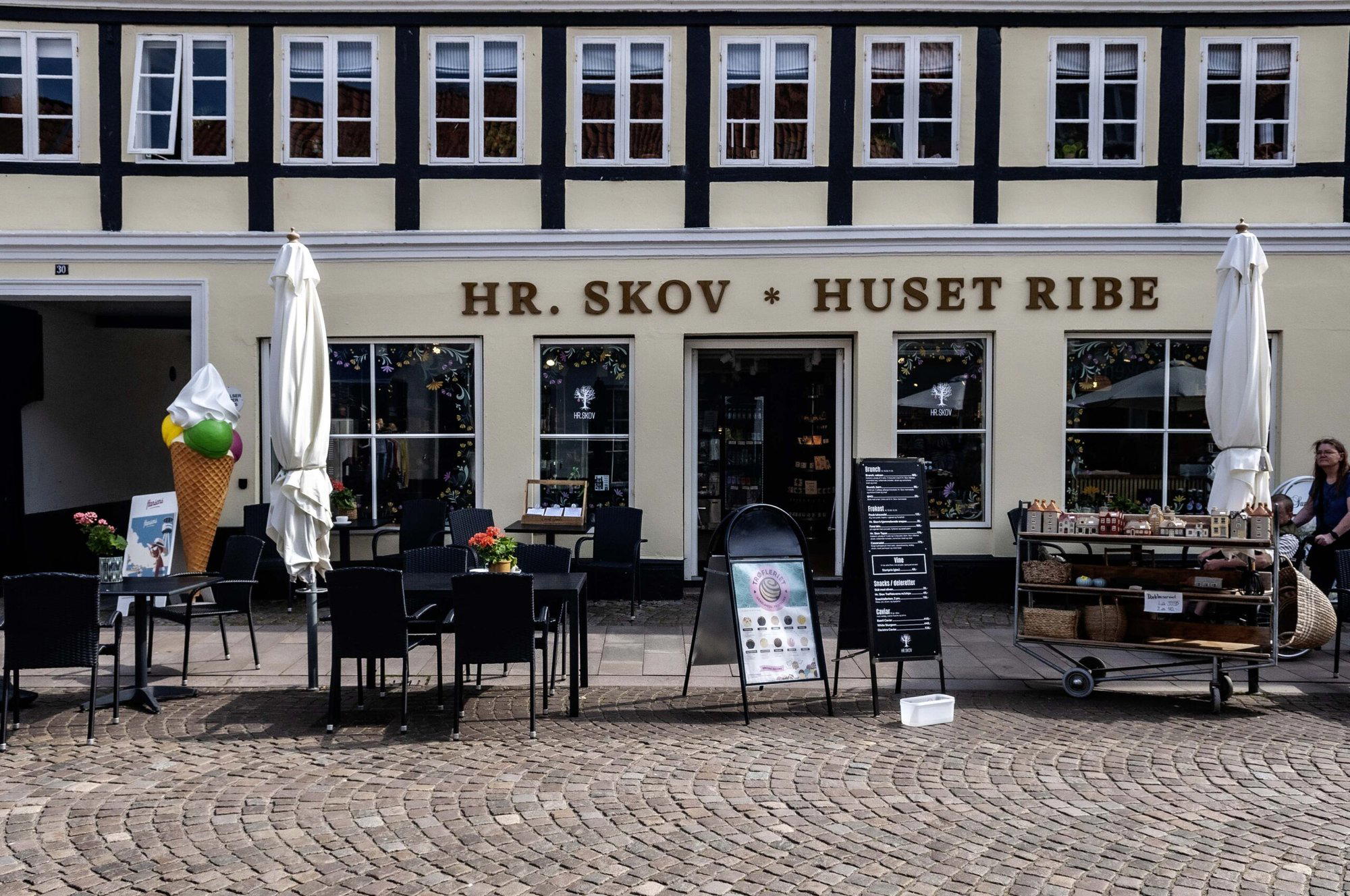
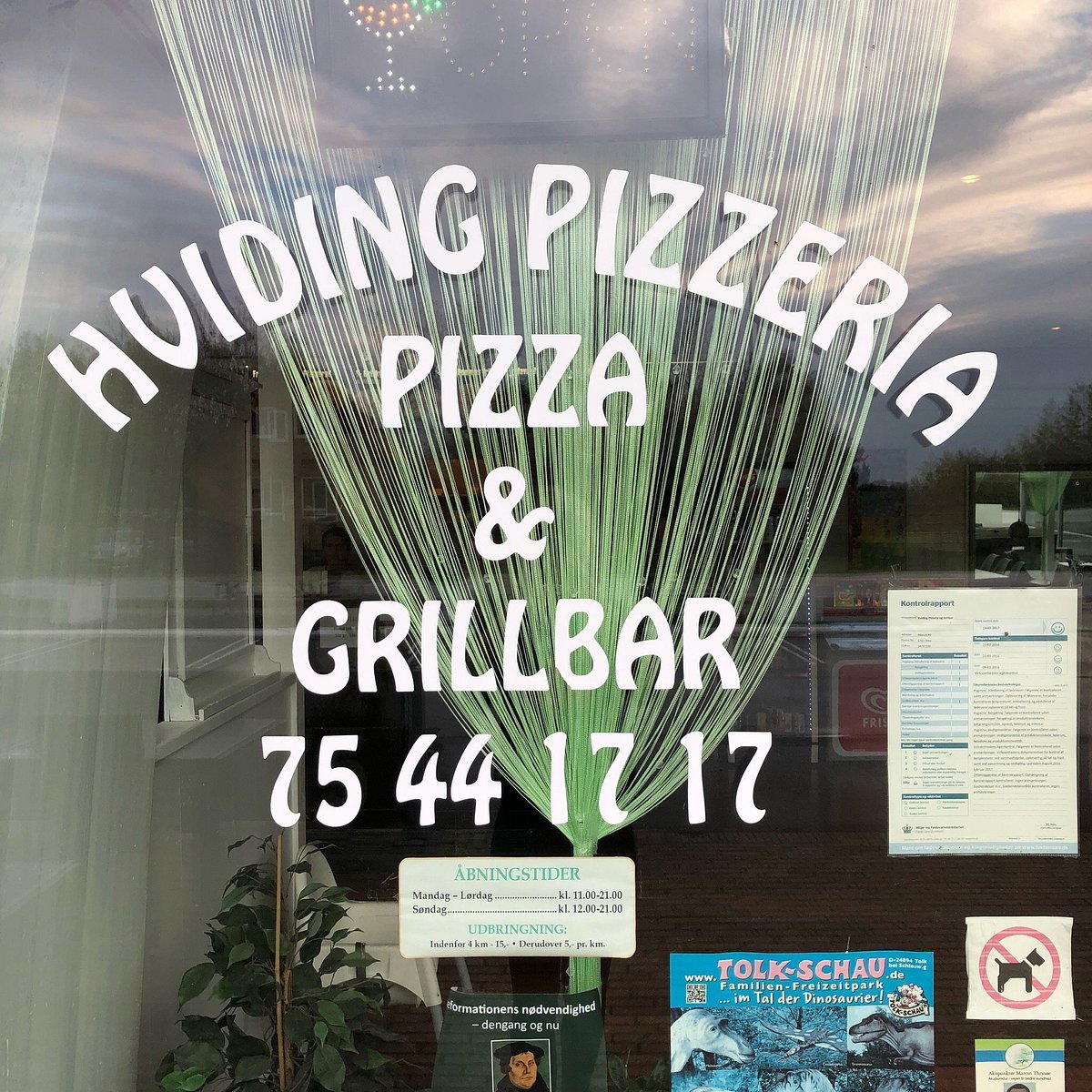
Ribe operates as a compact dining town rather than a destination dining city. The circuit is small enough that most serious options are walkable from the cathedral, and the competition is defined by a handful of addresses rather than a sprawling neighbourhood of restaurants. Café Sallys and Hr. Skov - Huset Ribe operate in the same central zone, each with a distinct character. Kammerslusen draws a different crowd, positioned slightly outside the old centre near the sluice gate at the edge of the marsh. Jacob A. Riis and Hviding Pizzeria og Restaurant cover other points on the spectrum.
In a town this size, the choice of restaurant is less about competition between similar formats and more about what kind of experience a visitor wants from the evening. Terpager & Co's central address makes it a natural landing point for those arriving in Ribe for the first time, who want proximity to the historic core and a table that reflects where they actually are, geographically and culturally.
For visitors who want to measure Ribe against the wider Danish provincial dining conversation, the relevant comparison is not with the capital's Michelin circuit but with other serious regional addresses. Henne Kirkeby Kro in Henne, to the north along the Jutland coast, represents the kind of destination-level provincial restaurant that has earned its own following. Alimentum in Aalborg, ARO in Odense, and Domæne in Herning each demonstrate that serious cooking is not exclusive to Copenhagen or the major cities. Ribe, with its concentrated heritage and specific geography, has conditions that support the same seriousness at smaller scale.
Planning a Meal at Terpager & Co
Ribe is most naturally visited between spring and early autumn, when the Wadden Sea landscape is at its most active and the town draws both Danish and international visitors to its Viking-era museums and cathedral. The shoulder seasons, April to May and September to October, offer the town in a quieter register: the streets are less crowded, accommodation is more available, and restaurants operate without the peak-summer pressure that can affect service and availability at smaller operations.
The address at Mellemdammen 18 is in the core of the old town, making it reachable on foot from the main cathedral square in a matter of minutes. For visitors arriving by train from Esbjerg or Bramming, the walk from Ribe station into the historic centre takes approximately fifteen minutes through a town small enough that getting oriented is immediate. Current contact and booking information is best confirmed directly, as hours and reservation policies at smaller Jutland restaurants can shift seasonally. Our full Ribe restaurants guide provides updated context on the town's dining options alongside Terpager & Co.
For those building a broader Danish itinerary that extends beyond Jutland, Dragsholm Slot Gourmet in Hørve and Frederiksminde in Præstø represent the kind of serious regional cooking that repays a detour in their respective parts of the country. The comparison is useful for calibrating what provincial Denmark can produce at its most focused. At the other end of the register, the technical ambition of Le Bernardin in New York City or Atomix in New York City shows how different the conversation becomes when a city's dining economy can sustain that level of investment.
Ribe is not that. It is a town of roughly eight thousand people with a recorded history stretching back to at least 710 AD, a Viking-era commercial centre that is now primarily a heritage destination. Eating well here means eating in relation to that history and that geography, which is a different kind of pleasure from a technically ambitious tasting menu, and not a lesser one.
Frequently asked questions
How do I find Terpager & Co?
Terpager & Co is located at Mellemdammen 18, 6760 Ribe, Denmark, Ribe.
Is Terpager & Co worth visiting as a day-tripper from Esbjerg or other nearby cities?
Ribe sits roughly 30 kilometres from Esbjerg, making Terpager & Co a practical lunch or dinner stop for day visitors moving through Southern Jutland. The town's position as Denmark's oldest settlement and its proximity to the Wadden Sea UNESCO zone give the visit more than one reason to stop. Terpager & Co at Mellemdammen 18 is centrally placed within the old town, requiring no additional travel once you arrive.
What do regulars order at Terpager & Co?
The kitchen at Terpager & Co draws from Southern Jutland's larder, a region shaped by Wadden Sea tidal flats and flat agricultural land around Ribe. Regulars tend to gravitate toward whatever reflects the season most directly. The venue's address on Mellemdammen places it at the centre of Ribe's compact dining circuit, where locally sourced ingredients are a baseline expectation rather than a selling point.
Can I walk in to Terpager & Co?
Ribe is a small town and Terpager & Co sits at Mellemdammen 18, within easy reach of the cathedral and the old town core. Walk-in availability depends on the season: summer months draw both Danish visitors and international travellers to the Wadden Sea region, so the room fills faster between May and September. Booking ahead is the more reliable approach during peak season.
What is Terpager & Co known for?
Terpager & Co is part of Ribe's small but considered restaurant circuit, a town where the proximity to the Wadden Sea UNESCO World Heritage tidal zone shapes what ends up on the plate. The venue operates in Denmark's oldest town, which gives it a particular context: the local culinary identity is rooted in shellfish, tidal produce, and the agricultural flatlands of Southern Jutland. It holds a consistent presence among the walkable dining options available from the old town centre.
Is Terpager & Co good for vegetarians?
Southern Jutland's culinary identity leans heavily on coastal and agricultural produce, with shellfish and meat prominent across the region's menus. Contacting the venue directly via their Ribe address at Mellemdammen 18 is the most reliable way to confirm current menu options before visiting.
Comparison Snapshot
Comparable venues nearby, for context on price, style, and recognition.
| Venue | Cuisine | Price | Notes |
|---|---|---|---|
| Terpager & CoThis venue (the venue you are viewing) | Plant-Based Scandinavian Café | $20–30 | Not listed |
| Mongolian Barbeque | Mongolian Barbecue | Not listed | Ribe |
| Café Sallys | Danish Café & Brunch | $20–30 | Old Town Ribe |
| Hviding Pizzeria og Restaurant | Italian Pizza | $10–20 | Ribe center |
| Pinocchio | Italian Pizza and Pasta | $20–30 | historic center |
| Sælhunden | Traditional Danish Seafood | $30–50 | Ribe |