Our verdict
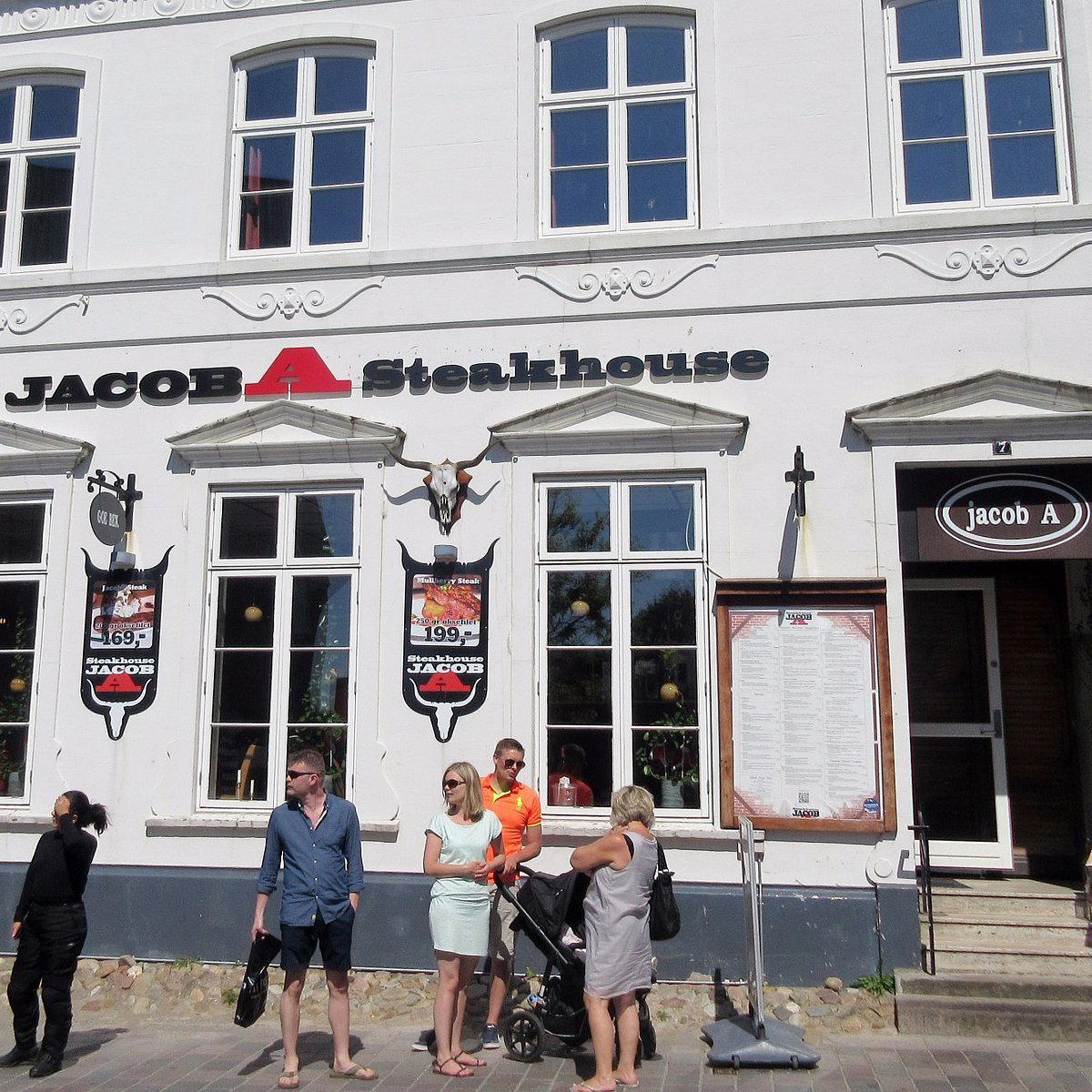
On Ribe's central market square, Jacob A. Riis occupies a address that places it at the civic heart of Denmark's oldest town. With sparse data publicly available, the venue draws interest through its location alone, Torvet 7 puts it steps from the cathedral and the medieval street grid that defines this corner of South Jutland. Visitors to Ribe's dining scene should read the full context before booking.

Pearl is the En Primeur Club membership app, where members save venues, book tables and use the concierge.
The menu
What to order
- Smørrebrød
- Grilled meat
- Spaghetti Bolognese
Ribe's Market Square and What a Central Address Signals
Denmark's oldest town organises itself around Torvet, the market square, and has done so for more than a thousand years. The cathedral dominates the skyline to the north; the half-timbered merchants' houses press in from every side. In a town where the street plan has barely shifted since the Viking Age, an address at Torvet 7 is not incidental. It places any establishment at the symbolic and literal centre of civic life in Ribe, a town of roughly eight thousand residents in South Jutland that attracts a visitor footfall disproportionate to its size, largely because its medieval preservation is among the most complete in Scandinavia.
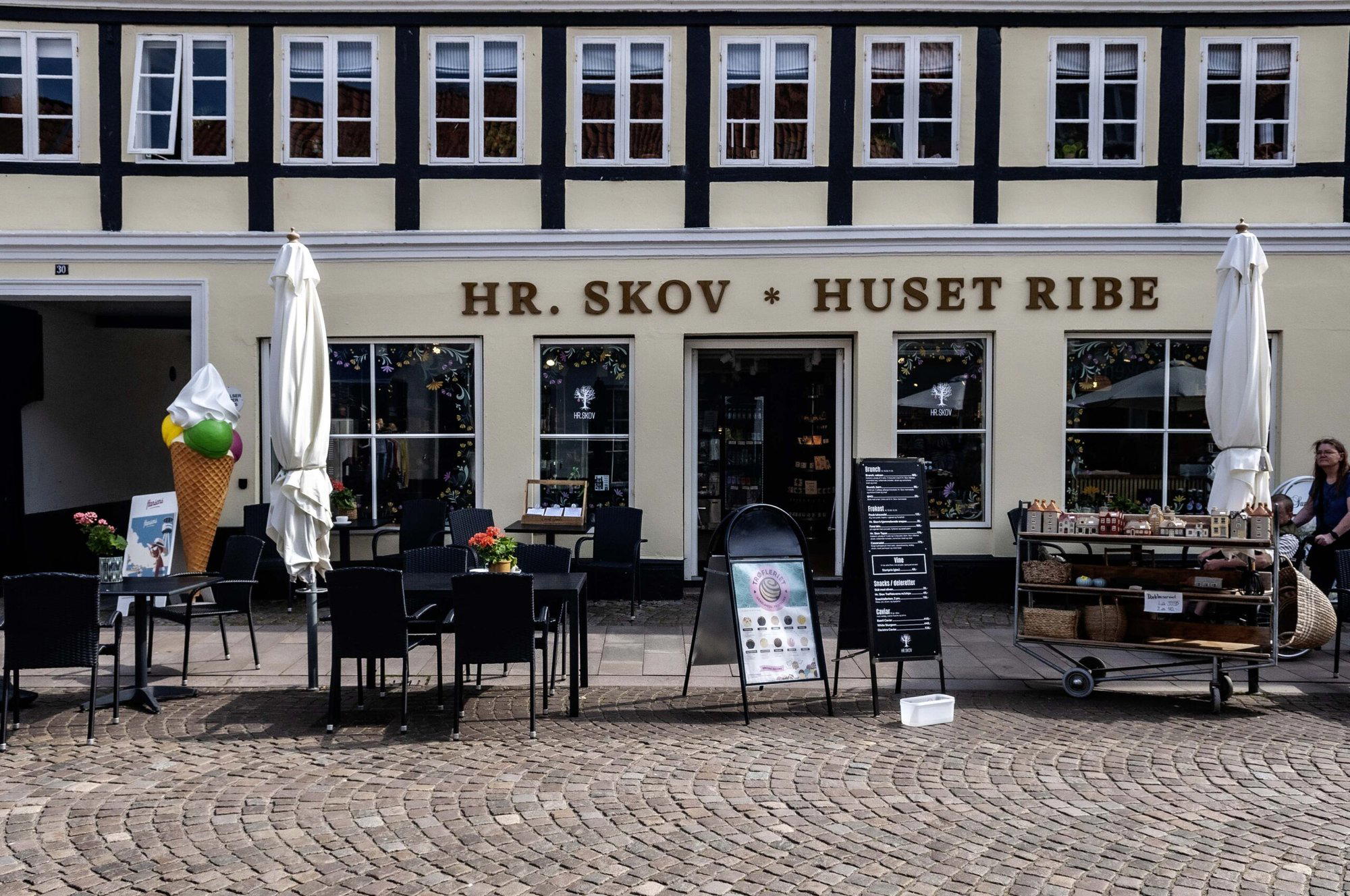
That context matters when reading the dining scene here. Ribe is not Copenhagen, and it does not pretend to be. The restaurants that work in this environment tend toward formats that serve both locals and heritage tourists: lunch-oriented menus, traditional Danish ingredients, and a rhythm set by seasonal visitor peaks rather than metropolitan dinner culture. Venues like Café Sallys and Hr. Skov - Huset Ribe anchor the square-adjacent dining offer alongside options further out, including Kammerslusen by the sluice gates and the produce-driven KOLVIG By Skovmose. Jacob A. Riis sits inside that local field.
What the Name Carries
Jacob A. Riis was a Danish-American journalist and social reformer, born in Ribe in 1849, who emigrated to the United States and became one of the defining documentary photographers of New York's Lower East Side tenement life. His work helped shape early American housing reform and influenced how public policy engaged with poverty. Naming a venue after him in his birthplace is a deliberate act of civic memory, it signals something about how the establishment wants to position itself within Ribe's identity, which is a town that takes its history seriously and wears it publicly.
That name-as-editorial-statement is worth holding in mind. In a Scandinavian context, invoking a figure associated with social observation, working-class subject matter, and documentary precision sits at some distance from the luxury-heritage framing that characterises certain Danish provincial dining rooms. Whether the menu architecture follows that implied register, direct, ingredient-led, unfussy, cannot be confirmed from available data, but the signal is readable.
Menu Architecture and the South Jutland Tradition
South Jutland's food culture has a distinct character within Denmark. The region sits at the historical border with Germany, and that geography left culinary traces: a stronger emphasis on cold cuts, rye bread, pickled preparations, and hearty hot dishes than you find in the lighter, Nordic-minimalist registers that Copenhagen fine dining has exported internationally. The towns along the Wadden Sea coast, Ribe included, also sit adjacent to one of Europe's richest tidal flat ecosystems, which historically provided oysters, shrimp, eel, and flat fish to local tables.
In this context, a venue on Ribe's market square is likely to reflect some version of that regional inheritance, whether through a smørrebrød-anchored lunch, a menu that leans on Wadden Sea seafood, or a Danish-German hybrid sensibility in its hot dishes. The leading provincial Danish restaurants tend to let the region's produce set the menu's skeleton, then make judgments about how much classical technique to apply. At the higher end of the Danish provincial spectrum, venues like Henne Kirkeby Kro in Henne and Frederikshøj in Aarhus demonstrate how regional ingredients can carry serious culinary ambition; at the more accessible end, the measure is whether the kitchen is using those ingredients honestly or dressing them in generic European bistro clothing.
Riis, the editorial position here is one of informed expectation rather than critical verdict. What a Torvet address in Ribe typically requires is a format that can serve the full range of the town's visitors, heritage tourists on a day trip, locals marking an occasion, cyclists finishing the Wadden Sea route, without alienating any of them. That tends to produce menus with clear navigational logic: identifiable sections, familiar anchors alongside one or two specials that signal seasonal awareness.
Ribe in the Broader Danish Dining Picture
To understand what Jacob A. Riis is and is not, it helps to map Ribe against Denmark's wider restaurant geography. The country's serious fine dining is concentrated in Copenhagen, Geranium and Jordnær in Gentofte represent the best of that tier, with Jutland's provincial cities developing their own ambitious programs at venues like Alimentum in Aalborg, ARO in Odense, LYST in Vejle, and Domæne in Herning. Further afield, destination properties like Dragsholm Slot Gourmet in Hørve and Frederiksminde in Præstø show how rural Danish settings can support serious tasting-menu programs when the right conditions align.
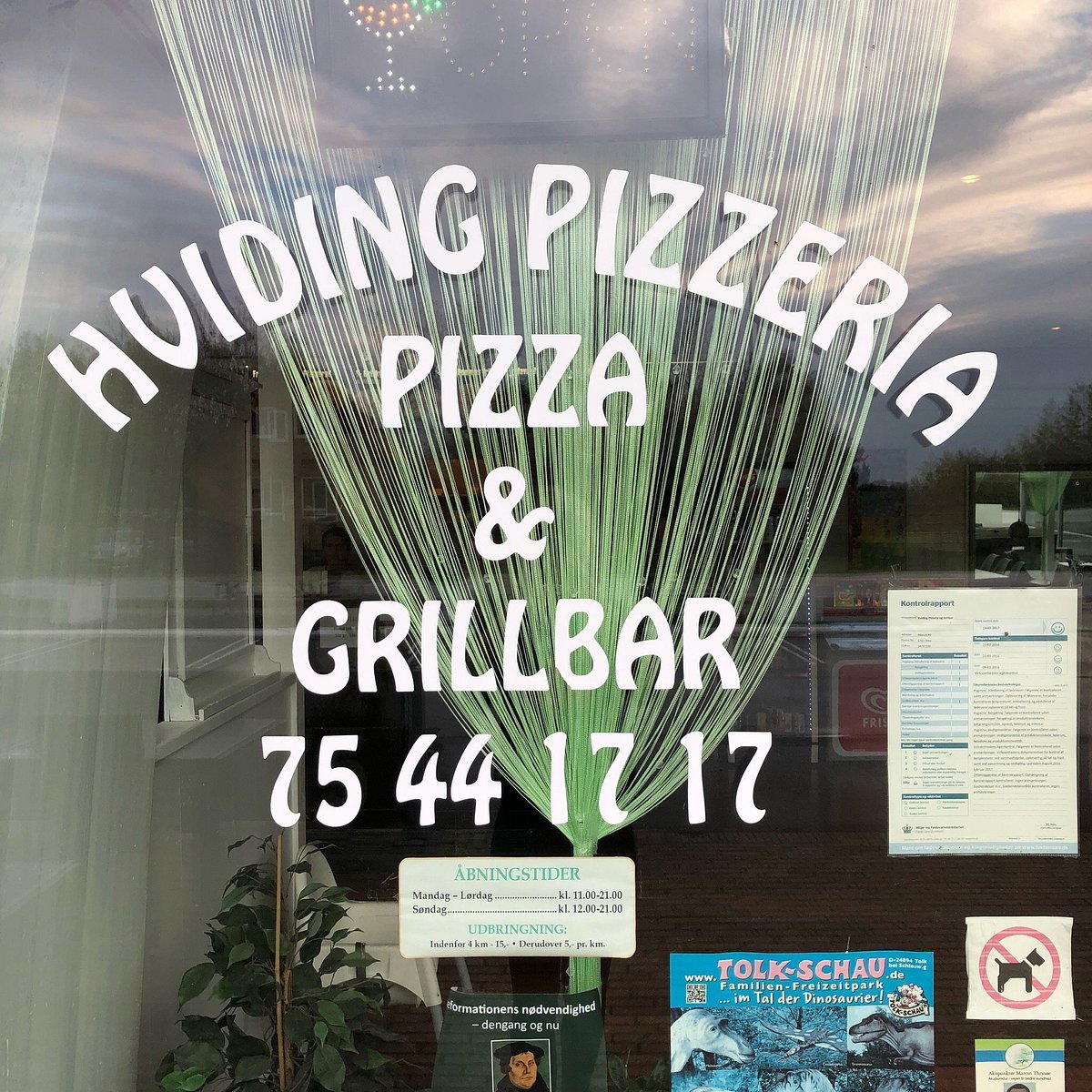
Ribe sits outside all of those competitive sets. Its dining scene serves a different function: cultural complement to a heritage visit, not a destination in its own right for food. That is not a criticism, it is a structural reality of small-town dining in any country. The comparison set for Jacob A. Riis is the Torvet square itself and options like Hviding Pizzeria og Restaurant for casual alternatives, not the Michelin-tracked kitchens of Jutland's larger cities. For a comprehensive view of the town's options, the full Ribe restaurants guide maps the field more completely.
Planning a Visit
Ribe is accessible by train from Esbjerg (roughly 40 minutes) and by car from the E20 motorway, with parking available near the town centre. The town's visitor peak runs from late spring through early autumn, when the Wadden Sea National Park draws significant traffic and the cathedral hosts its summer concert program. During those months, any square-adjacent venue in Ribe will run at higher capacity, and advance planning is sensible. The address at Torvet 7 puts Jacob A. Riis within walking distance of the cathedral, the Ribe Viking Centre, and the main concentration of the town's accommodation. Specific booking methods, current hours, and pricing for Jacob A.
Frequently asked questions
Is Jacob A. Riis good for families?
Ribe is a heritage destination with a strong family visitor base, and restaurants on Torvet, the central market square where Jacob A. Riis is located at number 7, typically accommodate mixed groups including children. Visiting with a reservation and confirming directly is advisable, particularly in summer when the square sees heavy tourist traffic.
Is Jacob A. Riis formal or casual?
Ribe's dining culture runs relaxed rather than formal, and a market square address in a town of this scale points toward an accessible register rather than a white-tablecloth one. No dress code or service format data is confirmed for Jacob A. Riis. The absence of Michelin tracking across Ribe's current restaurant scene reinforces that expectation of informality.
Why is Jacob A. Riis named after the Danish-American journalist, and does the name connect to the food?
Jacob A. Riis was born in Ribe in 1849 and became internationally known for his photojournalistic documentation of poverty in New York's tenement districts, work that helped shape early American social reform. Naming a Ribe restaurant after him is a deliberate act of civic identity, anchoring the venue to the town's most internationally recognised figure.
What's the signature dish at Jacob A. Riis?
Riis. South Jutland's culinary tradition, shaped by the region's proximity to the German border and the Wadden Sea coast, points toward rye bread preparations, smoked and cured fish, and seasonal seafood as the dominant reference points for area restaurants. Any specific dish claims would need to be verified directly with the venue.
Where is Jacob A. Riis in Ribe?
Jacob A. Riis is located at Torvet 7, 6760 Ribe, Denmark, Ribe.
How hard is it to get a table at Jacob A. Riis?
Ribe's summer peak runs June through August, when Wadden Sea tourism pushes significant visitor numbers through Torvet and the surrounding streets. During that window, central square restaurants in the town can fill quickly, particularly at weekend lunch. No booking data or reservation policy is confirmed for Jacob A. Riis, so contacting the venue ahead of a summer visit is the practical approach.
What's the defining dish or idea at Jacob A. Riis?
Riis is positional: the venue sits on Torvet 7, the market square at the centre of Denmark's oldest town, in a region where South Jutland border geography and Wadden Sea produce have historically shaped local cooking. The name itself references Jacob A. Riis, born in Ribe in 1849, which suggests a deliberate claim on the town's identity rather than a generic hospitality offering. What that means on the plate requires direct confirmation.
Where the Accolades Land
Comparable venues nearby, for context on price, style, and recognition.
| Venue | Cuisine | Price | Notes |
|---|---|---|---|
| Jacob A. RiisThis venue (the venue you are viewing) | Danish Steakhouse & Brasserie | $20–30 | Not listed |
| Café Sallys | Danish Café & Brunch | $20–30 | Old Town Ribe |
| Quedensgård Cafe Og Krambod | Danish Cafe | $20–30 | Ribe |
| Hr. Skov - Huset Ribe | Danish Brasserie Café | $20–30 | central Ribe |
| Mongolian Barbeque | Mongolian Barbecue | Not listed | Ribe |
| Terpager & Co | Plant-Based Scandinavian Café | $20–30 | Ribe |
Continue exploring
More in Ribe
Details
- Cozy
- Classic
- Scenic
- Romantic
- Date Night
- Family
- Group Dining
- Casual Hangout
- Historic Building
- Terrace
- Street Scene
- A La Carte
- Vegetarian Friendly
Current opening hours
- Monday
- 11 AM–10 PM
- Tuesday
- 11 AM–10 PM
- Wednesday
- 11 AM–10 PM
- Thursday
- 11 AM–10 PM
- Friday
- 11 AM–10 PM
- Saturday
- 11 AM–10 PM
- Sunday
- 11 AM–10 PM
Hours can change for holidays and private events. Last verified .
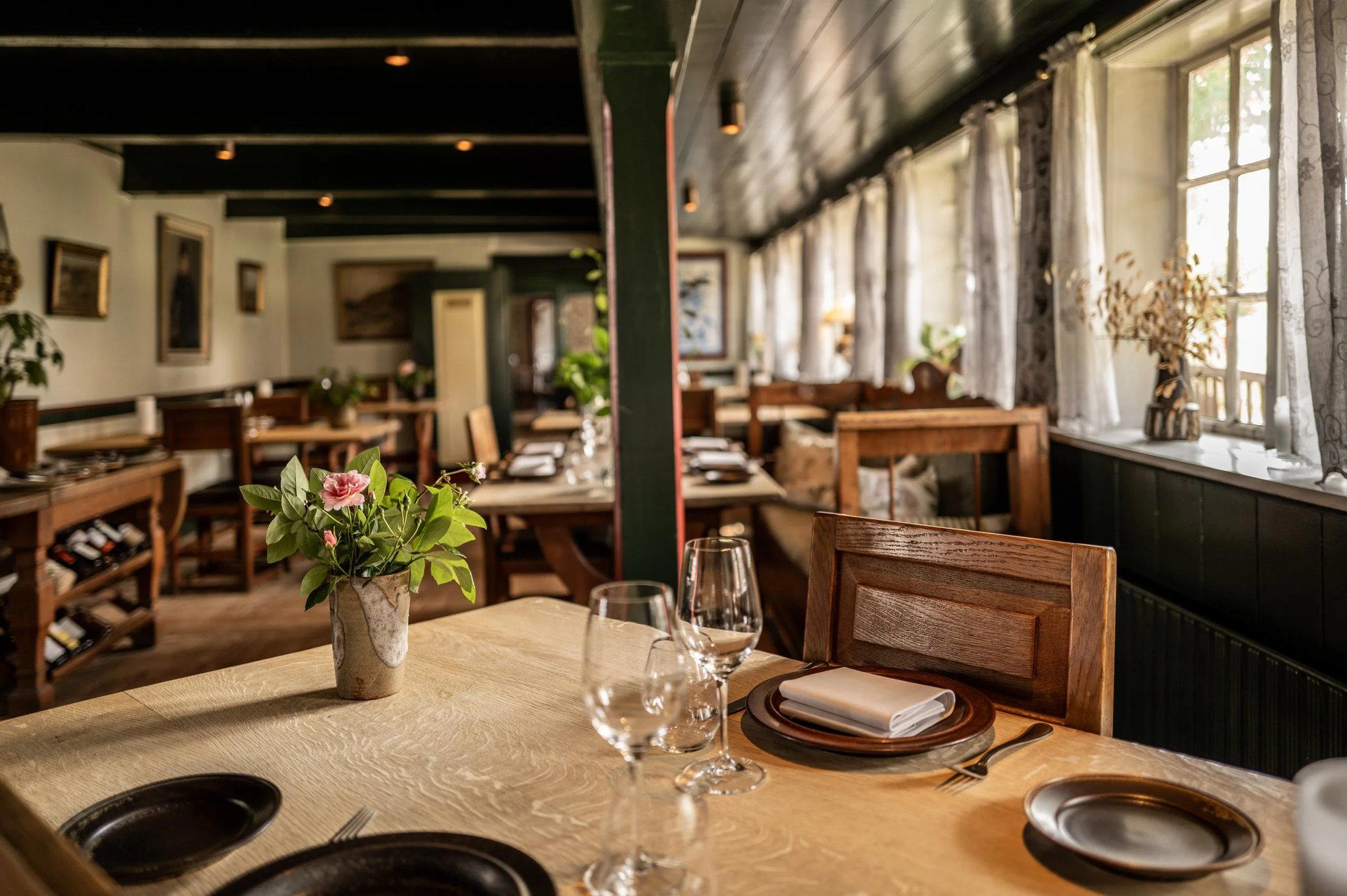
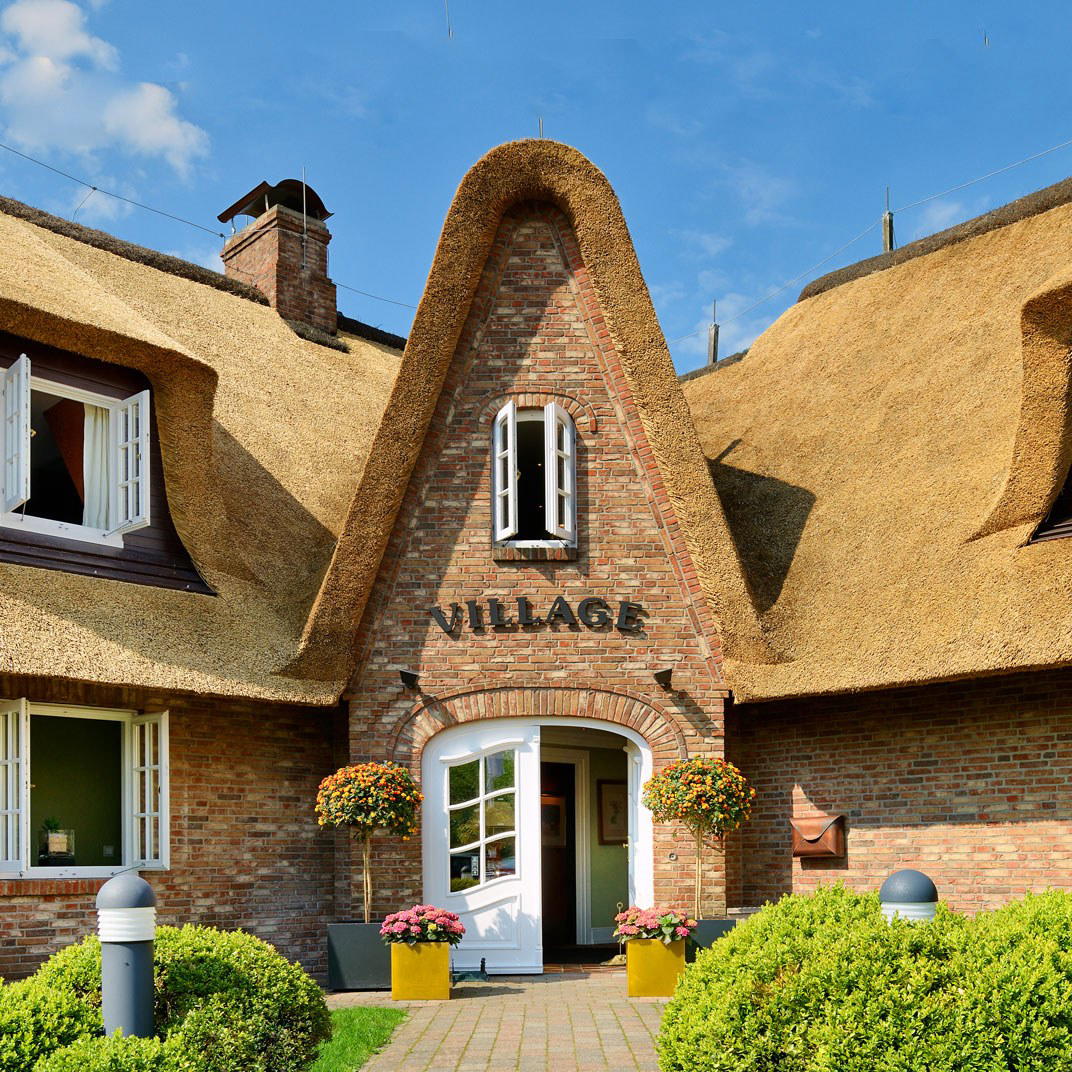
Welcoming and atmospheric with centuries-old charm, cathedral views, and a hyggelig (cozy) Danish dining setting.