Our verdict
In Denmark's oldest city, where Viking-age cobblestones give way to half-timbered facades, Mr. Fish Sushi Ribe on Saltgade 1 represents a different kind of local institution: a Japanese-inflected dining option that has earned a steady local following in a city better known for medieval heritage than raw fish. For visitors working through Ribe's dining scene, it sits in a distinct category from the town's Nordic-leaning kitchens.

Pearl is the En Primeur Club membership app — saves, bookings, and concierge access live there. Same editors, same standards.
- Address
- Saltgade 1, 6760 Ribe, Denmark
- Phone
- +4542566695
- Hours
- Daily 12–9 PM
- Website
- mrfishsushi-ribe.dk
- Directions
- Get directions
- Booking
- Book on the venue's website
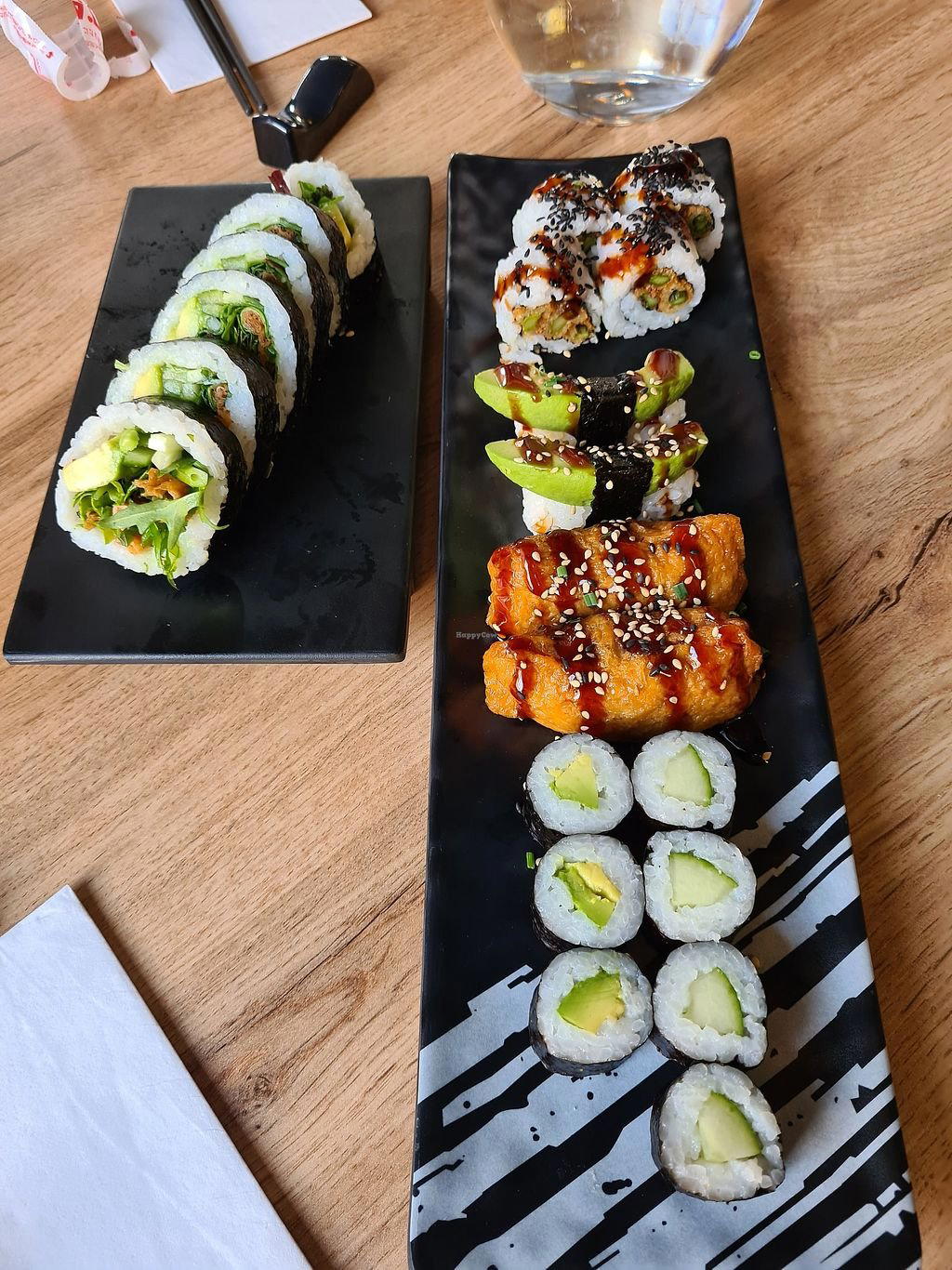
Sushi in a Medieval City: What Ribe's Regulars Already Know
Ribe is the kind of place where the dining scene earns its character from stubbornness rather than trend-chasing. Denmark's oldest city, with a cathedral dating to the twelfth century and streets that predate most European capitals, has never been quick to adopt new formats. That conservatism makes it more interesting, not less, when something takes hold. Mr. Fish Sushi, at Saltgade 1, is one of those establishments: a Japanese-format restaurant that has found its footing in a city not obviously disposed toward it, sustaining a local clientele that returns not out of novelty but out of habit.
That distinction matters in Ribe. The town's dining options cluster around traditional formats: the hearty Danish kitchen at places like Hr. Skov - Huset Ribe, the all-day cafe culture of Café Sallys, and the direct comfort of Hviding Pizzeria og Restaurant. Against that backdrop, a sushi restaurant sustaining regular custom is a meaningful signal. It means the food works on its own terms, independent of novelty appeal.
The Format That Builds Loyalty
Across Denmark's smaller cities, Japanese restaurant formats have evolved in a specific direction over the past decade. Outside Copenhagen, the omakase counter model remains rare; what has taken root instead is a more accessible, menu-driven sushi format that emphasises recognisable rolls and combinations over chef-directed tasting sequences. This is the tier in which Mr. Fish Sushi operates, and it is the tier that, when executed with care, generates the most durable neighbourhood loyalty. The regulars who return to a sushi restaurant in a medieval Danish city are not chasing prestige; they are returning because the rice is cooked correctly, the fish is fresh, and the experience is consistent.
That consistency is the unwritten menu that loyal diners come back for. In cities like Ribe, where the dining pool is small enough that word travels fast in both directions, a restaurant with a steady local following has earned something harder to manufacture than press coverage. Compare this to the top end of Denmark's restaurant scene: Geranium in Copenhagen or Jordnær in Gentofte operate on credentials, awards, and destination dining logic. Mr. Fish Sushi operates on the opposite logic: repeat visits from people who live within walking distance of Saltgade.
Where It Sits in the Ribe Scene
Ribe's dining scene is small enough to map in a single evening's walk. The cathedral-adjacent streets hold most of the options, and the competition for dinner covers a narrow range: traditional Danish, pizza and casual Italian, and a handful of more contemporary kitchens. Jacob A. Riis and Kammerslusen both draw visitors and locals through different formats, but neither occupies the sushi category. Mr. In Ribe, it means the restaurant holds a position with no direct competition.
The Danish provincial sushi category has its own logic. It is not competing against the refined fish-forward counters at Frederikshøj in Aarhus or the Nordic precision of Alimentum in Aalborg.
Fish in a City Built on Water
There is a geographic argument for sushi in Ribe that is easy to overlook. The city sits close to the Wadden Sea, a UNESCO-designated tidal flat system that defines the southwestern edge of Denmark. The region's fishing tradition is real: the surrounding area has supplied coastal catches for centuries. A sushi restaurant in this geography is not culturally dissonant in the way it might be in a landlocked Central European town. The connection between Ribe's maritime surroundings and a Japanese fish-centred format is loose but present, and it likely contributes to the format's acceptance among local diners who are not reflexively suspicious of raw fish.
For context, the wider Danish dining scene has moved substantially toward fish-forward menus over the past two decades, a shift visible at the high end through restaurants like LYST in Vejle and at the accessible end through the spread of sushi formats into smaller cities. Mr. Fish sits in the latter current, part of a broader normalisation of Japanese dining formats across Denmark's provincial restaurant scene.
Planning a Visit
Mr. Fish Sushi Ribe is located at Saltgade 1, in central Ribe within easy reach of the cathedral and the main pedestrian streets. Current booking and hours information is best confirmed directly with the restaurant before visiting, as operating details for smaller provincial restaurants can shift by season. Ribe's compact centre means that combining dinner here with visits to other dining options is direct: Café Sallys works well for daytime, while Kammerslusen offers a different register for those spending more than one evening in the city.
For visitors constructing a wider Danish itinerary beyond Ribe, the country's dining offer spans formats from the Nordic fine dining of Henne Kirkeby Kro in Henne and Dragsholm Slot Gourmet in Hørve to the contemporary kitchens at ARO in Odense and Domæne in Herning. For international reference points in Japanese-influenced fish-centred dining, Le Bernardin in New York City and Atomix in New York City represent the high-precision end of the same broad tradition. The gap between those counters and Saltgade 1 is significant, but the underlying logic of quality fish handled with care translates across price points. See our full Ribe restaurants guide for a complete picture of where Mr. Fish sits within the city's dining offer, alongside options like Frederiksminde in Præstø for those planning a broader Danish coastal route.
Frequently asked questions
What part of town is Mr. Fish Sushi Ribe in?
Mr. Fish Sushi Ribe is located at Saltgade 1, 6760 Ribe, Denmark, Ribe.
Is Mr. Fish Sushi Ribe a good option for dining near Ribe Cathedral?
Saltgade 1 puts Mr. Fish within the cluster of streets that surround Ribe Cathedral, making it one of the few Japanese dining options in the immediate city-centre area. Ribe's overall restaurant count is small relative to larger Danish cities, so a Japanese venue this close to the cathedral fills a practical gap for visitors spending time in the historic core. Check current hours directly with the restaurant before planning a post-sightseeing meal.
What's the best thing to order at Mr. Fish Sushi Ribe?
Fish Sushi Ribe, but the venue's name and Japanese format point toward fish-forward preparations. Ribe's proximity to the Wadden Sea, a UNESCO-designated tidal flat system, gives local restaurants geographic access to North Sea seafood that inland Japanese restaurants lack. Ask staff directly what is freshest on the day you visit — that approach tends to yield the most considered choices at smaller Japanese operations.
Is Mr. Fish Sushi Ribe reservation-only?
Booking policy for Mr. Fish Sushi Ribe at Saltgade 1 is not currently published online. Ribe is a compact city with limited dining seats across the board, and Japanese restaurants in smaller Danish cities often fill quickly during peak tourist season, particularly in summer when cathedral visitors are numerous. Contacting the restaurant directly before arrival is the safer approach.
What makes Mr. Fish Sushi Ribe worth seeking out?
The geographic context alone sets Mr. Fish apart from most Japanese restaurants in Denmark: Ribe is the country's oldest city, with a medieval street grid and a cathedral dating to the 12th century, and it sits on the edge of the Wadden Sea coastline. Japanese fish-focused formats in cities of this scale and character are uncommon outside Copenhagen. Saltgade 1 places the restaurant in the centre of that historical fabric, which is a combination you won't find replicated in any Danish city.
Cuisine-First Comparison
Comparable venues nearby, for context on price, style, and recognition.
| Venue | Cuisine | Price | Notes |
|---|---|---|---|
| Mr. Fish Sushi RibeThis venue — the venue you are viewing | Japanese Sushi All-You-Can-Eat | $20–30 | Not listed |
| Pinocchio | Italian Pizza and Pasta | $20–30 | historic center |
| Hviding Pizzeria og Restaurant | Italian Pizza | $10–20 | Ribe center |
| Café Sallys | Danish Café & Brunch | $20–30 | Old Town Ribe |
| Vægterkælderen | Traditional Danish Cellar Bistro | $20–30 | Torvet |
| Postgaarden | Danish Pub & Café | Not listed | Ribe Old Town |

Details
- Modern
- Casual
- Casual Hangout
- Family
- Open Kitchen
- Sake Program
- A La Carte
- Small Plates
- Vegetarian Friendly
- Vegan Options
Current opening hours
- Monday
- 12–9 PM
- Tuesday
- 12–9 PM
- Wednesday
- 12–9 PM
- Thursday
- 12–9 PM
- Friday
- 12–9 PM
- Saturday
- 12–9 PM
- Sunday
- 12–9 PM
Hours can change for holidays and private events. Last verified .
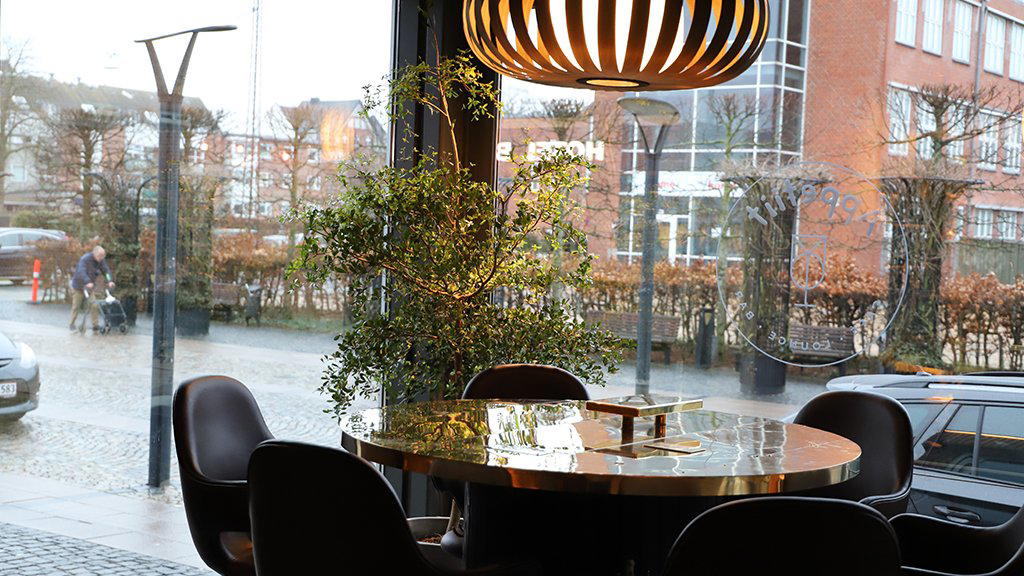
Modern sushi spot in Ribe's cobbled Old Town offering casual all-you-can-eat dining.