Rosas occupies a St. Clair West address that places it firmly within Toronto's increasingly serious neighbourhood dining circuit, away from the downtown concentration of tasting-menu counters. Details on cuisine format, pricing, and reservations are best confirmed directly with the venue, but its position on this corridor signals a room worth tracking for anyone mapping the city's broader restaurant geography.
Pearl is the En Primeur Club membership app — saves, bookings, and concierge access live there. Same editors, same standards.
- Address
- 1067 St Clair Ave W, Toronto, ON M6E 1A6, Canada
- Phone
- +14166535151
- Website
- rosastoronto.com
- Directions
- Get directions
 Saves & bookings on Pearl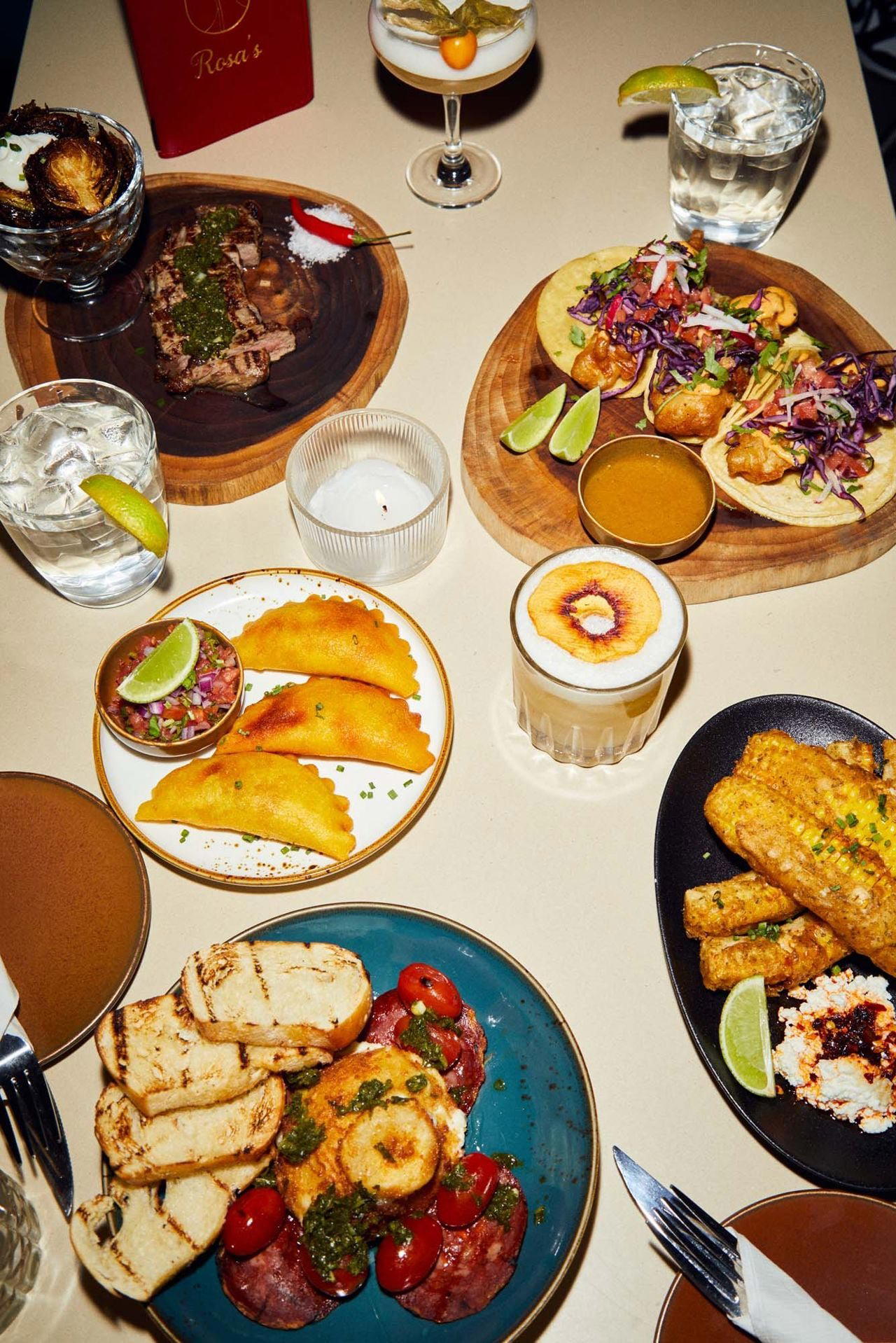
St. Clair West and the Shift Toward Neighbourhood Dining
Toronto's restaurant geography has been reorganising for several years. The dense cluster of high-end tasting rooms around King West and the Financial District still commands most of the critical attention, but a secondary tier of serious dining has been consolidating along corridors further north, Dovercourt, Corso Italia, and the St. Clair West stretch that runs through Wychwood and Carleton Village. Rosas, at 1067 St. Clair Ave W, sits inside that broader shift. The address alone places it in a neighbourhood where residents eat rather than tourists arrive, and where a restaurant's survival depends on being genuinely good rather than Instagram-ready.
This pattern is not distinctive to Toronto. Across Canadian cities, one interesting dining development of the past decade has often happened away from the obvious postcode. AnnaLena in Vancouver built a loyal following in Kitsilano rather than the downtown core. Tanière³ in Quebec City operates in a subterranean space removed from the tourist-heavy Plains of Abraham circuit. The logic is consistent: lower rents, regulars who return, and a kitchen less distracted by the performance pressure of high-visibility locations.
The Physical Address as Editorial Statement
St. Clair West between Dufferin and Keele has the architectural texture of an older Toronto commercial strip: two-storey brick buildings, street-level retail, the occasional converted storefront that has become something more considered. The design register of restaurants along this corridor tends toward the practical rather than the theatrical, reclaimed wood, exposed brick, natural light through street-facing windows. This is not the environment that produces the 40-seat tasting rooms with custom ceramic programs and engineered acoustics, the kind represented downtown by Alo or at the counter level by Sushi Masaki Saito. What it tends to produce instead is spaces that feel inhabited rather than curated, rooms where the architecture serves the meal rather than competing with it.
Rosas fits within that neighbourhood typology. Restaurants at this address and in this price-tier corridor tend to calibrate their physical environment to a room where people come back weekly, not annually. The spatial logic prioritises function and comfort over the theatrical design gestures that mark a destination-category room. Whether Rosas follows that pattern closely or departs from it is a question leading answered on arrival, but the location sets a clear expectation.
How Rosas Compares in Toronto's Broader Restaurant Tier
Toronto's current premium dining tier is dense at the summit. Aburi Hana and Sushi Masaki Saito represent the Japanese omakase bracket, both operating at price points and booking pressures that place them in a different competitive set from neighbourhood restaurants. Don Alfonso 1890 and DaNico anchor the contemporary Italian strand of the city's upscale market. These venues share a high price-per-head, high-production-value positioning that makes them occasion restaurants for most diners.
Rosas, based on its location and neighbourhood context, is calibrated differently. St. Clair West restaurants at this address tend to pitch at the mid-to-upper range without the prix-fixe formality of the downtown tasting-room tier. That is a functional category: the kind of room where a skilled kitchen operates without the ceremony, and where the price reflects cooking quality rather than production overhead. The specific pricing and format at Rosas should be confirmed directly with the venue.
For comparative context across Canada, similar neighbourhood-tier serious cooking appears at Barra Fion in Burlington and Restaurant Pearl Morissette in Lincoln, both of which operate outside major urban centres but attract diners willing to travel for quality. Within the city, Rosas competes for a different diner profile than those destinations, the local regular rather than the destination traveller.
Toronto's Neighbourhood Restaurant Circuit in Context
The argument for neighbourhood dining in Toronto has strengthened as downtown real estate costs have pushed many skilled operators to reconsider location strategy. A kitchen that might have opened on King Street a decade ago now finds better margins and a more consistent customer base further north or west. The result has been a gradual improvement in the quality of cooking available outside the recognised dining districts, a shift that benefits residents and rewards the kind of traveller who reads beyond the standard shortlist.
Venues like Eigensinn Farm in Singhampton made the case for driving well outside the city for a serious meal. The Pine in Creemore extended that logic to small-town Ontario. The pattern at the urban neighbourhood level is analogous: serious cooking does not require a King West address, and several of Toronto's more interesting rooms have been proving that point by operating on quieter, less obvious streets. St. Clair West is part of that developing story.
For readers mapping Canada's broader dining picture, the contrast with more tradition-bound settings like Aux Anciens Canadiens in Quebec or the formal hotel dining of Jérôme Ferrer - Europea in Montréal underlines how varied the Canadian restaurant ecology has become. Toronto's neighbourhood tier represents one distinct expression of that variety: informal in setting, serious in execution, and priced to support a repeat-visit relationship rather than a single special occasion. See our full Toronto restaurants guide for the wider picture.
Planning Your Visit
| Factor | Rosas | Alo | Sushi Masaki Saito |
|---|---|---|---|
| Price Tier | $$$ | $$$$ | $$$$ |
| Format | Not confirmed | Contemporary tasting menu | Omakase counter |
| Location | St. Clair West | Downtown / Yorkville | Downtown |
| Neighbourhood Type | Residential corridor | Central dining district | Central dining district |
Price and Recognition
Comparable venues nearby, for context on price, style, and recognition.
| Venue | Cuisine | Price | Notes |
|---|---|---|---|
| RosasThis venue — the venue you are viewing | Oakwood Vaughan, Modern Latin American | $$$ | Not listed |
| Piano Piano Harbord | Harbord Village, Modern Italian | $$$ | Not listed |
| Easy Restaurant | Not listed | $$$ | Little Tibet, Southwestern-Inspired Diner |
| The Sultan's Tent | Not listed | $$$ | Church-Yonge Corridor, Moroccan & Middle Eastern Fusion |
| Byblos | Not listed | $$$ | Entertainment District, Modern Eastern Mediterranean |
| ROOH | Palmerston-Little Italy, Modern Indian | $$$ | Not listed |
Continue exploring
More in Toronto
Restaurants in Toronto
Browse all →
Bars in Toronto
Browse all →

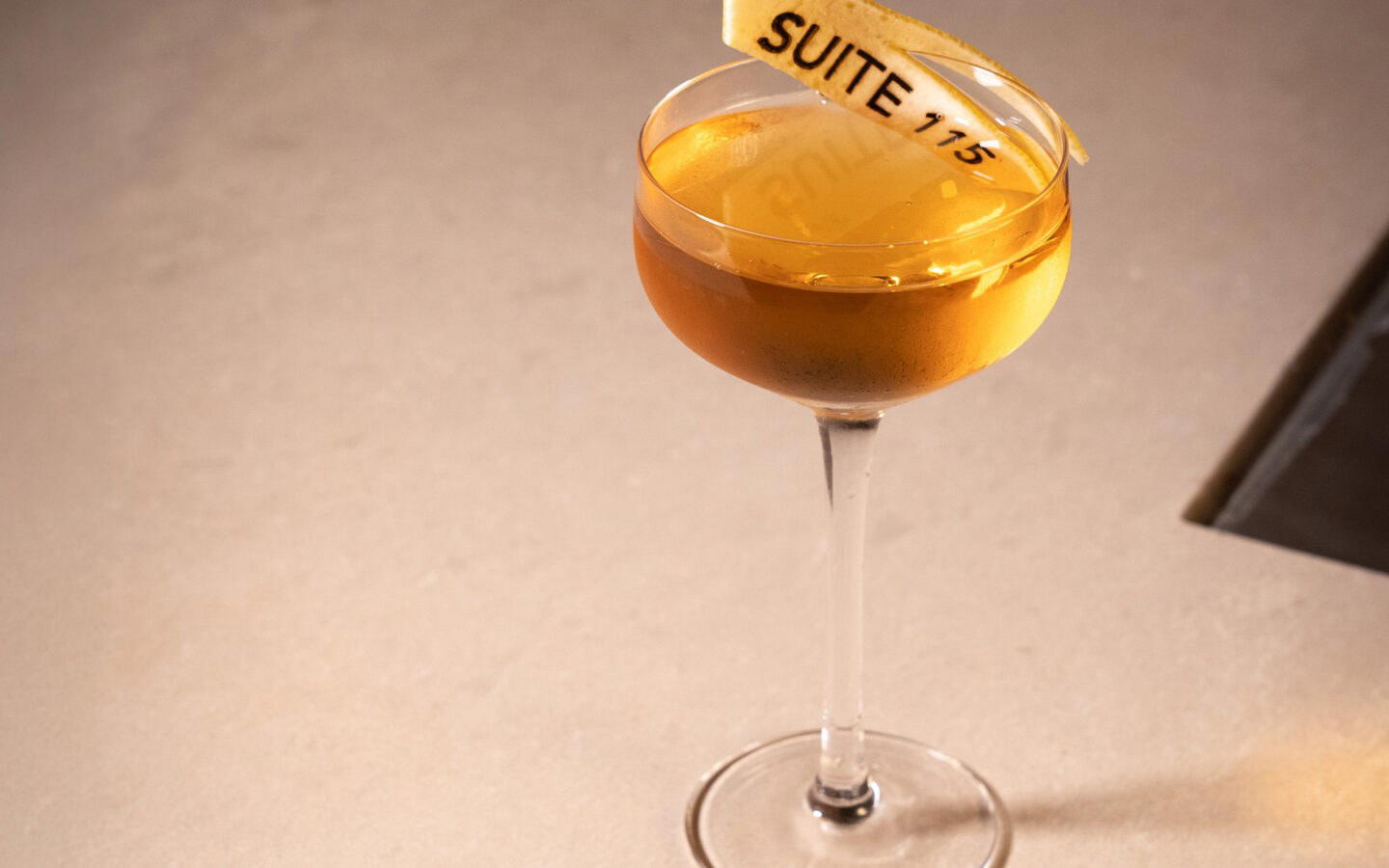
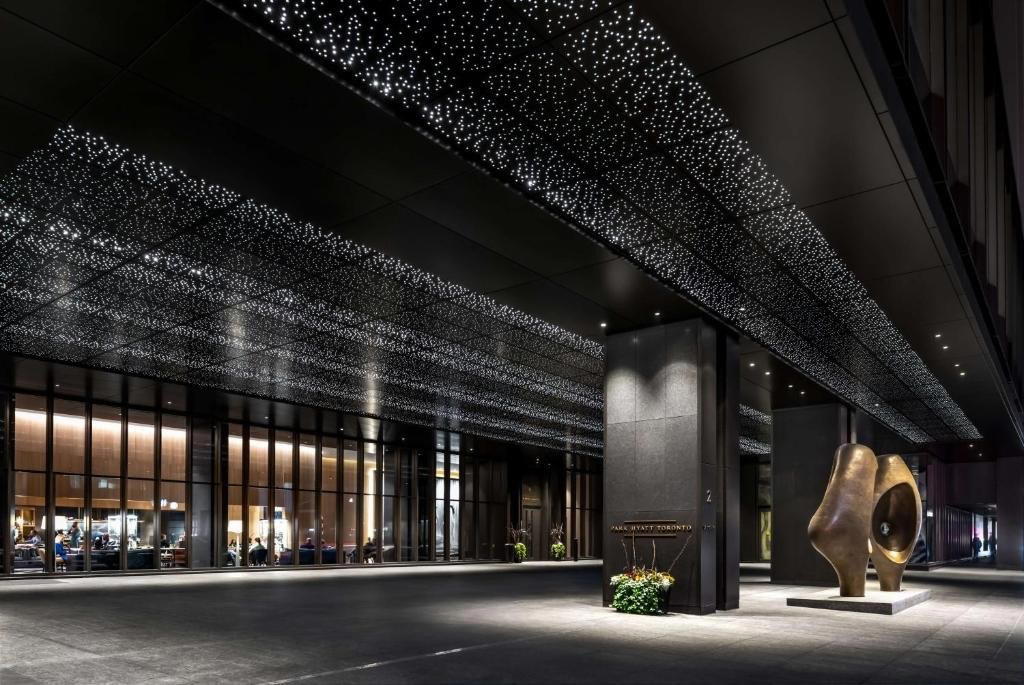
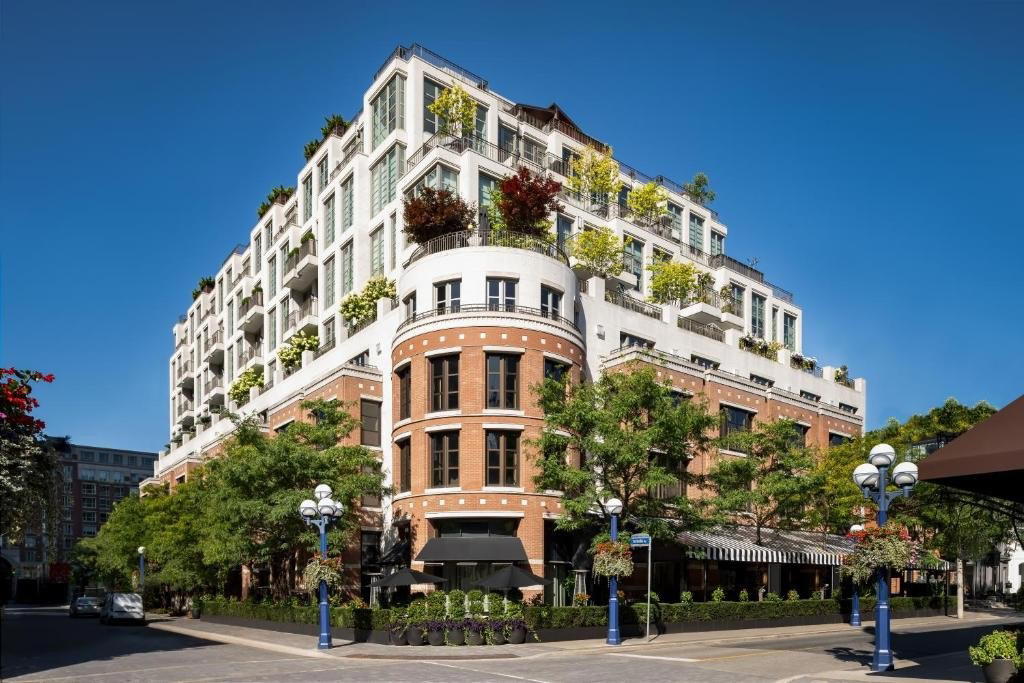
Hotels in Toronto
Browse all →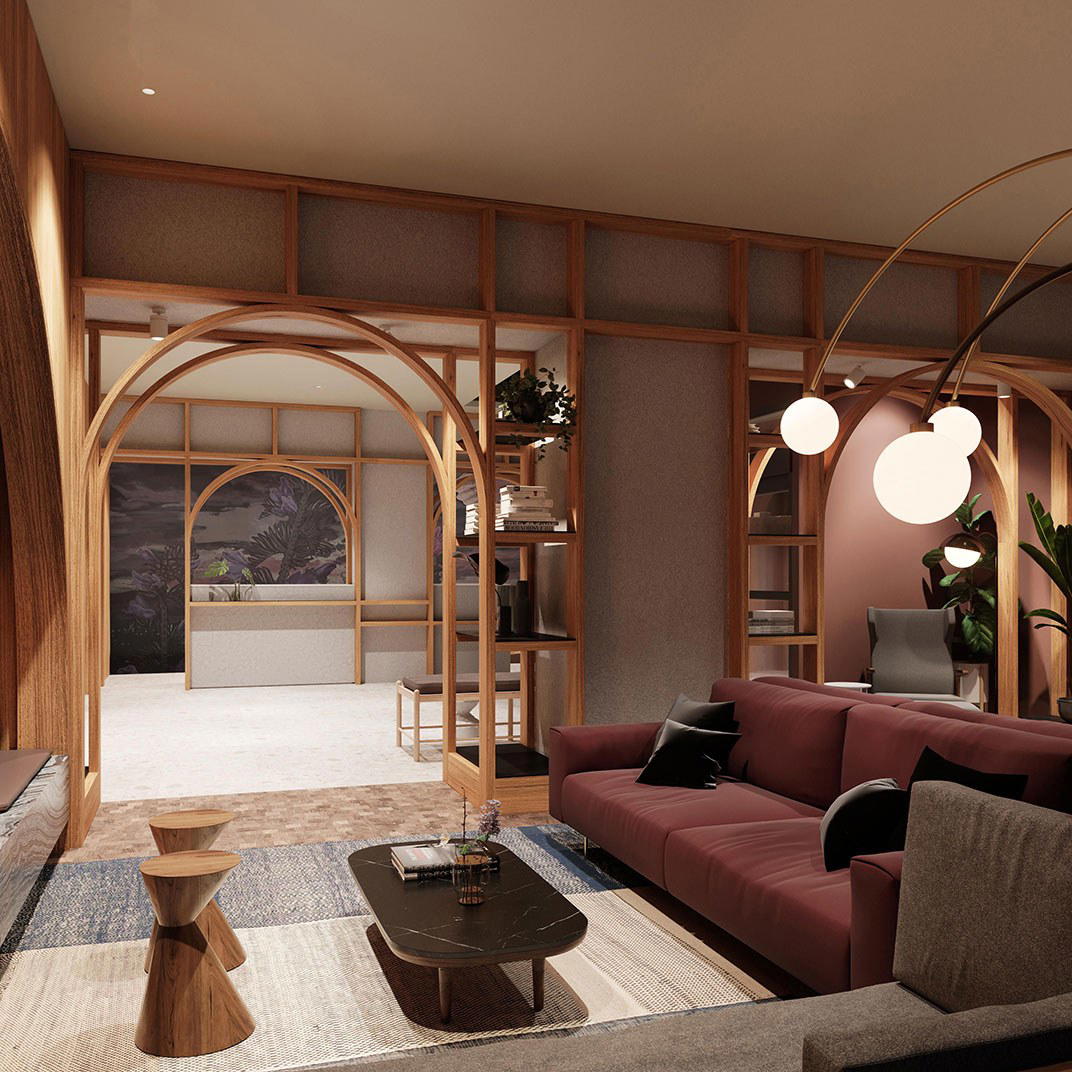

At a Glance
- Lively
- Trendy
- Energetic
- Modern
- Date Night
- Group Dining
- Late Night
- Open Kitchen
- Craft Cocktails
- Local Sourcing
Current opening hours
- Monday
- 4–11 PM
- Tuesday
- 4–11 PM
- Wednesday
- 4–11 PM
- Thursday
- 4–11 PM
- Friday
- 4–11:30 PM
- Saturday
- 11 AM–3 PM, 4–11:30 PM
- Sunday
- 11 AM–3 PM, 4–10:30 PM
Hours can change for holidays and private events. Last verified .
Swanky, lively atmosphere with upbeat Latin American music and stylish Miami vibes.