Siggy's Good Food
Siggy's Good Food occupies a corner of Brooklyn's Henry Street that has seen the borough's dining identity shift from utilitarian to considered over the past decade. The kitchen operates without the ceremony of Manhattan's tasting-menu circuit, placing it in a tier of neighbourhood-anchored spots where the food does the talking. For visitors oriented toward the borough's independent dining scene, it represents a practical and worthwhile stop.
- Address
- 76 Henry St, Brooklyn, NY 11201
- Phone
- +1 718 237 3199
- Website
- siggysgoodfood.com
- Directions
- Get directions
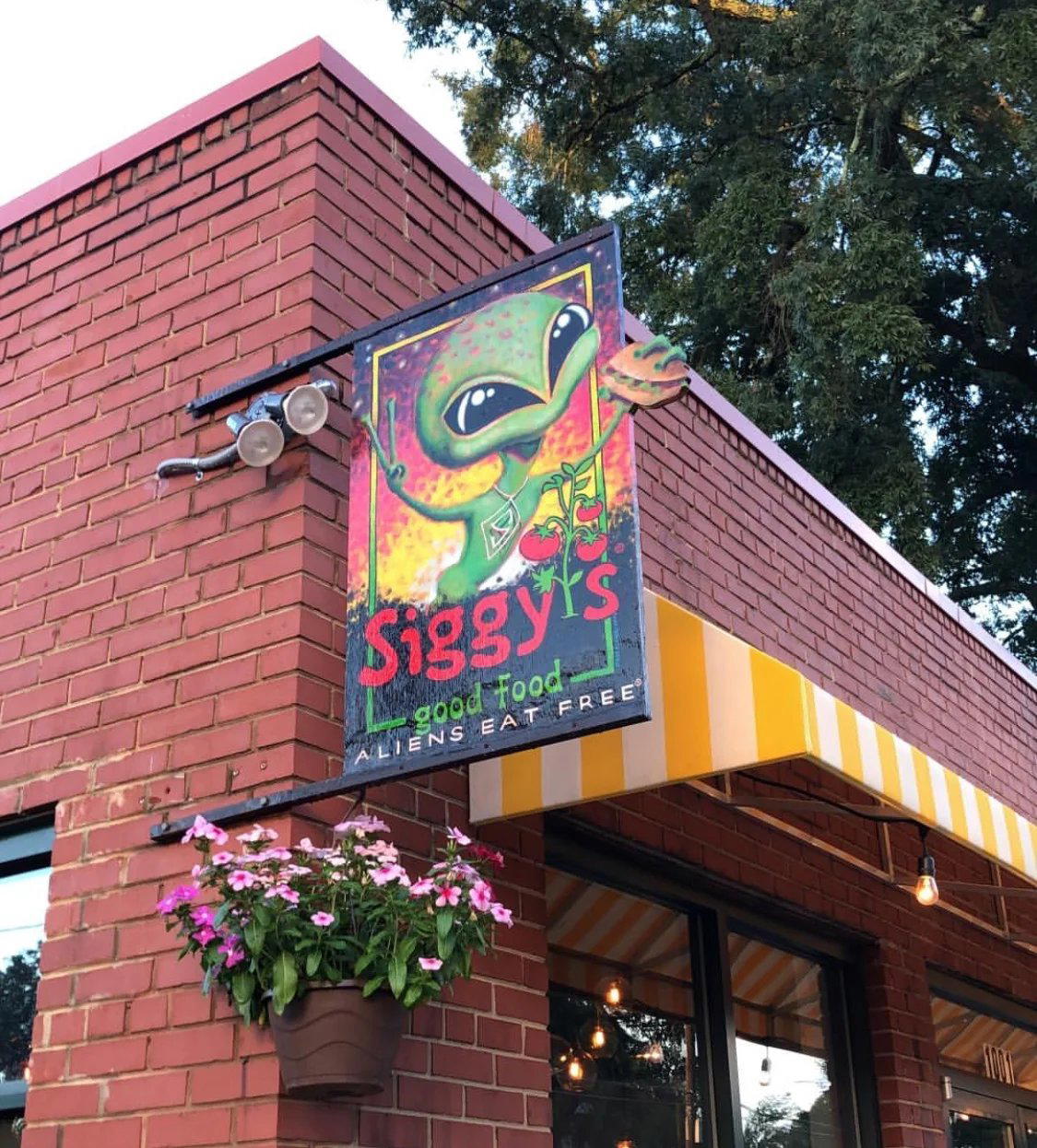
Brooklyn's Neighbourhood Dining Register and Where Siggy's Fits
Henry Street in Brooklyn Heights sits at an interesting fault line in the borough's dining geography. On one side is the dense, destination-driven restaurant culture of lower Manhattan, where tables at places like Le Bernardin, Atomix, and Per Se require planning weeks or months in advance and carry price tags in the four-figure range per couple. On the other is the quieter, block-by-block dining fabric of Brooklyn Heights and Cobble Hill, where the operating logic is entirely different: smaller footprints, regular clientele, and menus that answer to the neighbourhood rather than to a global reservation queue. Siggy's Good Food is a casual Brooklyn restaurant at 76 Henry Street, Brooklyn, NY 11201, serving Organic Mediterranean Comfort Food.
This part of Brooklyn has long attracted the kind of food operation that prioritises return visits over first impressions. The demographic is residential rather than tourist-heavy, which exerts its own pressure on kitchens: you cannot survive on novelty alone when the same faces reappear week after week. That dynamic tends to produce cooking that is technically grounded rather than theatrical, and spaces that reward familiarity over spectacle. For comparison points in how neighbourhood-anchored dining operates at scale elsewhere in the United States, Smyth in Chicago and Frasca Food and Wine in Boulder each demonstrate how a locally embedded identity can coexist with serious culinary ambition, though both operate at a considerably different price point and formality tier than what Henry Street typically sustains.
The Sensory Register of the Room
Brooklyn Heights dining rooms of this vintage tend to share certain atmospheric qualities: low ceilings, exposed brick or painted plaster, the ambient sound of a room that is full but not loud. The neighbourhood's brownstone character sets a physical context that Manhattan's glass-and-steel dining rooms cannot replicate. When a kitchen is working at an honest register, those rooms carry the smell of food being cooked rather than the neutral air of an over-engineered dining environment. At the street level, Henry Street in this stretch reads as quiet residential rather than active commercial, which means arriving at Siggy's involves a transition from calm exterior to whatever energy the room is generating inside.
The name itself signals something about intent. Siggy's Good Food is not a name that gestures toward ambition in the conventional fine-dining sense; it sidesteps the coded language of tasting menus and chef-driven branding in favour of something that reads as direct and informal. That naming convention has become its own kind of shorthand in the American independent dining scene, where plainspoken identities have come to signal a particular kind of seriousness about the food itself rather than about the surrounding theatre. For context on what that theatre looks like at its most elaborate, Eleven Madison Park and Masa represent the maximalist end of that register, where the experience architecture is as considered as the plate.
Brooklyn Heights in the Broader New York Dining Map
The New York dining map is not one city but several operating simultaneously. The Michelin-dense corridor running from Midtown through the West Village and into Tribeca pulls the critical gaze in one direction, while Brooklyn's independent operators work in a parallel track that gets less systematic documentation but sustains a substantial portion of the city's actual daily dining activity. Brooklyn Heights, specifically, is a neighbourhood where the restaurant density is lower than in, say, Williamsburg or Park Slope, which means individual operations carry more weight in defining what the area offers to visitors and residents alike.
For visitors building a broader New York itinerary, the borough-spanning logic worth holding is this: Manhattan's destination restaurants reward advance planning and refined budgets, while Brooklyn's neighbourhood operations reward spontaneity and a willingness to eat in rooms that do not announce themselves.
For reference points in how neighbourhood-embedded restaurants have built national profiles from similar starting positions, Blue Hill at Stone Barns in Tarrytown and Lazy Bear in San Francisco both illustrate what happens when a locally rooted premise scales into wider recognition, though each required a specific set of conditions and sustained investment to reach that point. Closer to the ground-level neighbourhood model, Emeril's in New Orleans shows how a city's residential dining culture can anchor an operation for decades without requiring the trappings of the fine-dining circuit.
What to Know Before You Go
Siggy's Good Food is casual and walk-in friendly. The address, 76 Henry Street in Brooklyn, places the restaurant in Brooklyn Heights, accessible from the 2 and 3 subway lines at Clark Street or the A and C lines at High Street, both within a short walk. The neighbourhood's residential character means street parking is variable; transit is the more reliable option for visitors coming from Manhattan or other boroughs.
Brooklyn Heights dining rooms in this category tend to operate on walk-in availability for off-peak sittings, with weekends tighter than weekdays. If the room is full on arrival, the immediate neighbourhood offers enough alternatives along Henry and Montague streets that an evening is unlikely to be without options.
For broader context on what the American independent dining tier looks like at its most ambitious outside New York, Providence in Los Angeles, Addison in San Diego, The French Laundry in Napa, Single Thread Farm in Healdsburg, and The Inn at Little Washington each represent the upper register of regionally rooted American cooking. Internationally, Atelier Moessmer Norbert Niederkofler in Brunico and Dal Pescatore in Runate illustrate how deeply embedded local identity can drive long-term critical recognition at the highest levels.
Budget Reality Check
Comparable venues nearby, for context on price, style, and recognition.
| Venue | Cuisine | Price | Notes |
|---|---|---|---|
| Siggy's Good FoodThis venue — the venue you are viewing | Not listed | $$ | Not listed |
| MeMe | Not listed | $$ | West Village, Mediterranean Tapas with Moroccan Influence |
| Dear Margo | Not listed | $$ | Upper East Side-Carnegie Hill, Eastern Mediterranean |
| Shuka | Not listed | $$ | SoHo-Little Italy-Hudson Square, Modern Mediterranean |
| Miriam Restaurant | Park Slope, Israeli-Mediterranean | $$$ | Not listed |
| Gigi’s | Not listed | $$$ | Greenpoint, Hudson Valley Mediterranean Trattoria |
Continue exploring
More in New York City
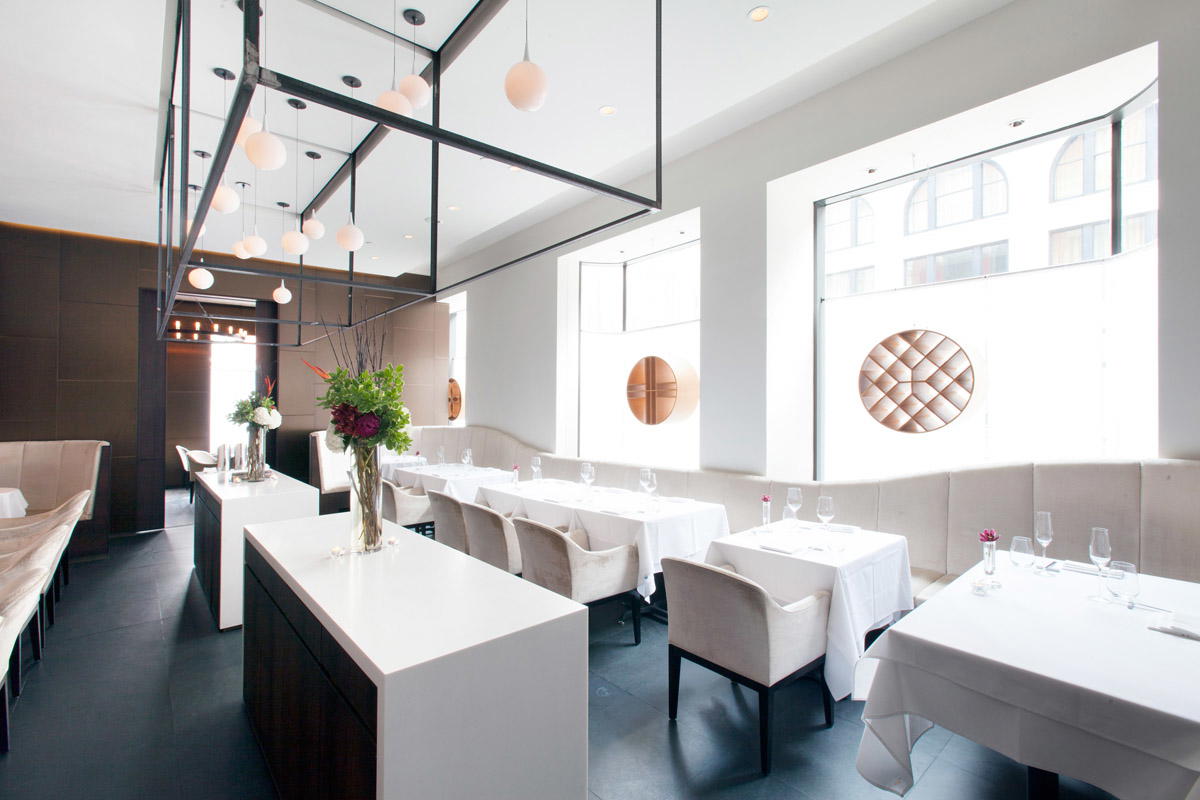
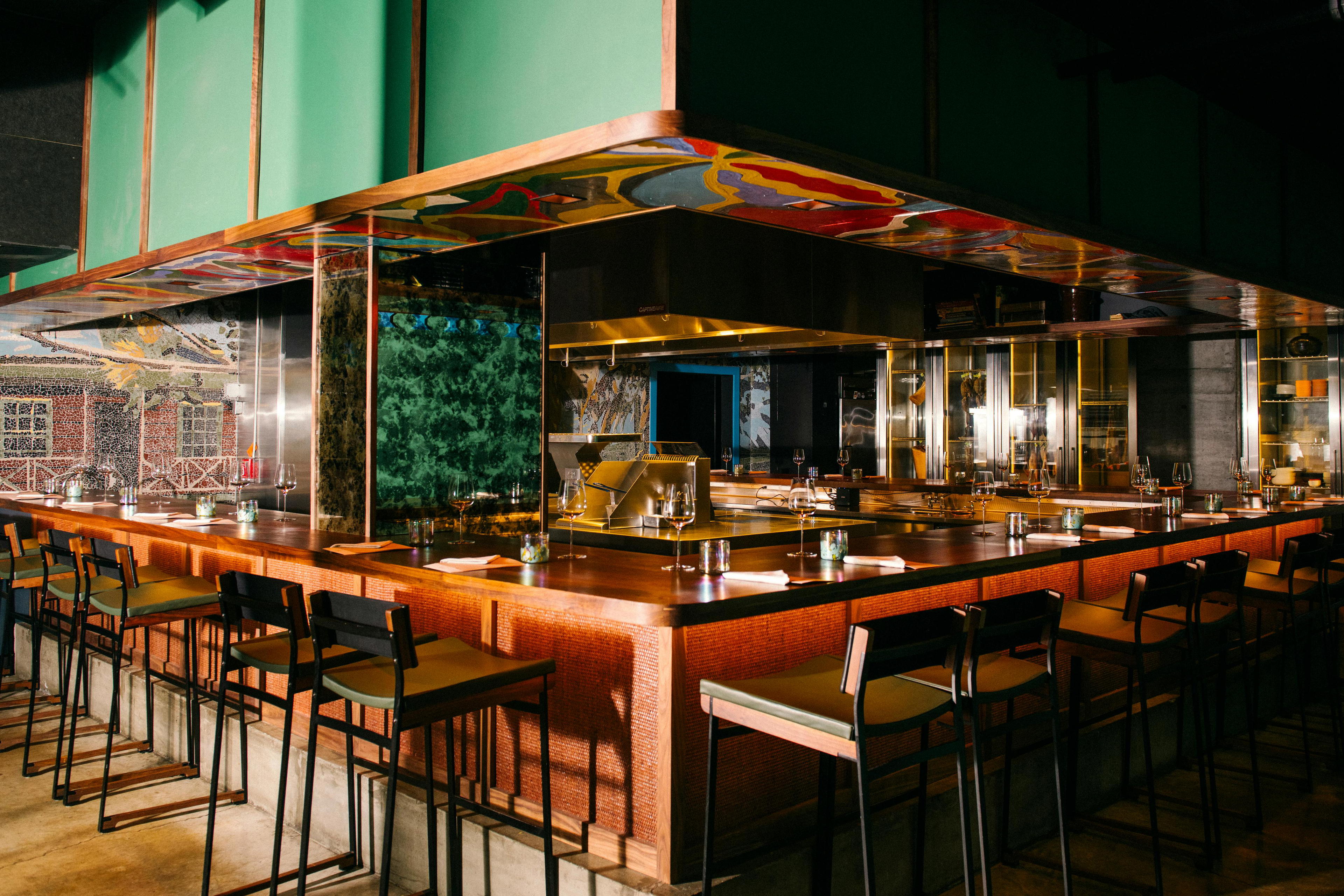
Restaurants in New York City
Browse all →
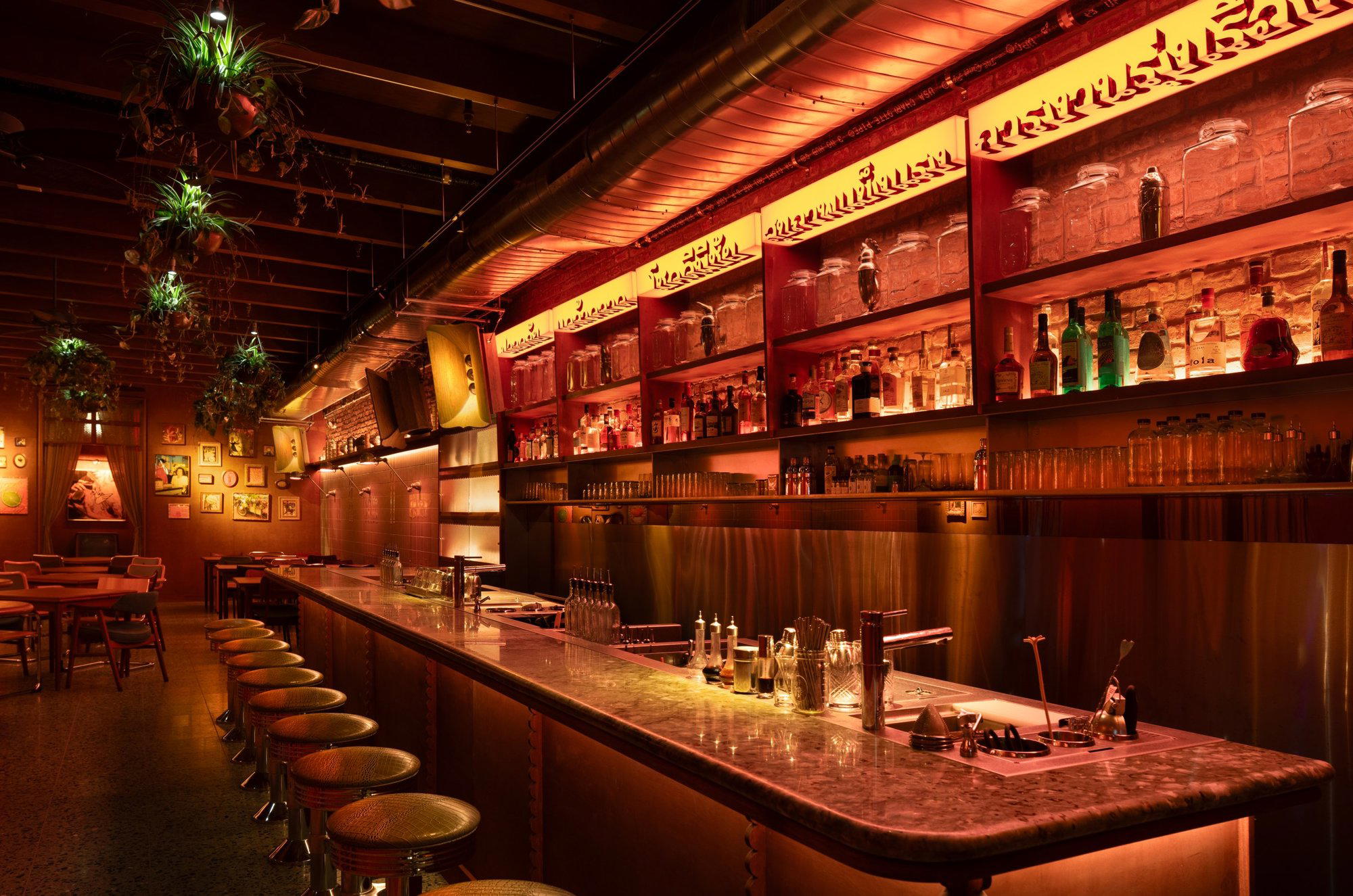
Bars in New York City
Browse all →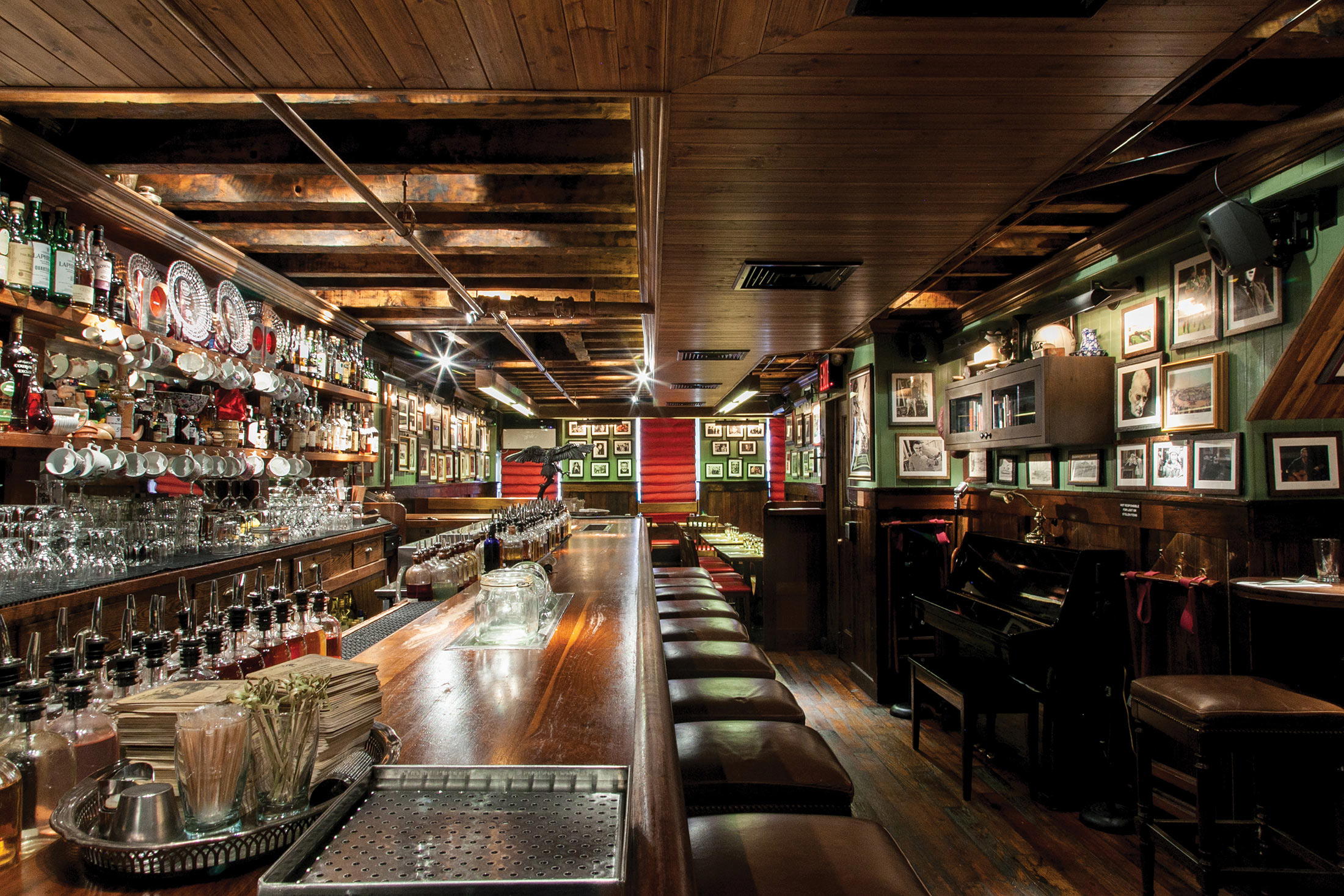
Hotels in New York City
Browse all →







At a Glance
- Cozy
- Relaxed
- Casual Hangout
- Group Dining
- Open Kitchen
- Zero Proof
- Organic
- Local Sourcing
Warm, muted lighting with quirky alien-themed décor, wood furniture, floor-to-ceiling windows, and a large patio creating a relaxed and inviting atmosphere.