Miriam Restaurant
Located at 79 5th Avenue in Park Slope, Brooklyn, Miriam Restaurant operates in one of New York's most food-literate neighbourhoods, where Middle Eastern and Mediterranean influences have long found a receptive audience. The restaurant sits within a Brooklyn dining corridor that increasingly draws comparisons to Manhattan's more celebrated addresses, offering a neighbourhood-scale alternative to the city's grand-format dining rooms.
Pearl is the En Primeur Club membership app — saves, bookings, and concierge access live there. Same editors, same standards.
- Address
- 79 5th Ave, Brooklyn, NY 11217
- Phone
- +17186222250
- Directions
- Get directions
 Saves & bookings on Pearl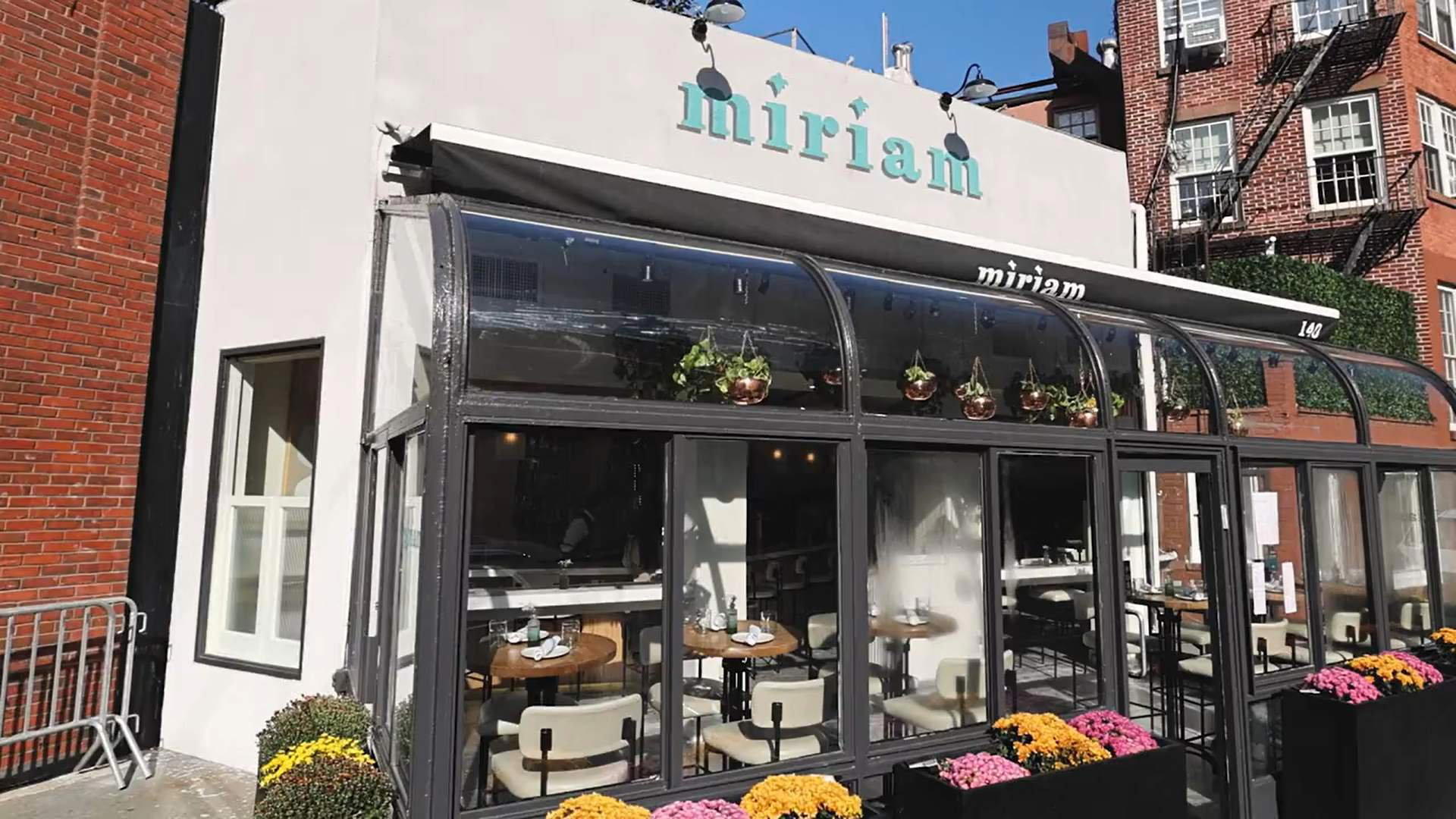
Brooklyn's 5th Avenue and the Architecture of a Neighbourhood Meal
Park Slope's dining corridor along 5th Avenue developed its character over decades, accumulating a density of independently owned restaurants that resist the franchise logic dominating other Brooklyn stretches. Miriam Restaurant is an Israeli-Mediterranean restaurant in Brooklyn, rated 4.4 on Google and priced around $45 per person. The address at 79 5th Avenue places Miriam Restaurant squarely inside that tradition: a block that functions as a genuine neighbourhood dining strip rather than a destination constructed for out-of-borough visitors. Understanding what Miriam offers requires understanding what Park Slope expects from its restaurants, which is proximity, consistency, and a kitchen that earns repeat visits rather than one-time pilgrimages.
That expectation shapes a fundamentally different dining contract than you find at Manhattan's grand-format rooms. Where Le Bernardin or Per Se are built around occasions, and where Atomix or Masa demand advance planning measured in months, the Park Slope model rewards regulars. The meal here is structured around return, not revelation.
Middle Eastern Cooking in a City That Does It Seriously
New York's relationship with Middle Eastern and Mediterranean cuisine has grown considerably more sophisticated over the past fifteen years. The city that once treated hummus as a supermarket category now sustains a tier of restaurants where the cooking draws on Levantine, Israeli, and North African traditions with the same precision applied to French or Japanese kitchens. That shift in seriousness is the context in which Miriam operates.
The broader category has split between fast-casual formats capitalising on the mainstream appeal of mezze and shawarma, and sit-down restaurants where the progression of dishes carries genuine editorial intention. Miriam belongs to the latter group. The meal at this kind of restaurant tends to move through a sequence that rewards patience: cold preparations first, building acidity and brightness, then warm dishes that introduce fat and smoke, and finally proteins that anchor the table. That arc, when executed with discipline, produces the satisfaction of a meal that felt designed rather than assembled.
For readers who want to place this style in a national context, the commitment to multi-course or multi-plate progression at independent neighbourhood restaurants mirrors what kitchens like Blue Hill at Stone Barns in Tarrytown or Bacchanalia in Atlanta have demonstrated at a different price tier: that a meal structured around sequence rather than single dishes creates a more durable experience than its component parts might suggest.
The Tasting Progression: Reading the Meal as a Sequence
The editorial angle that makes Middle Eastern restaurant meals worth discussing in terms of progression is the tradition's inherent hospitality logic. Mezze culture is not incidental to the cuisine; it is the cuisine's operating system. A table that begins with five or six cold plates is not hedging on a main course. It is making a structural argument about generosity, about the social function of shared eating, and about the idea that the leading part of a meal is its opening movement.
At restaurants working in this tradition, the first third of the meal carries compositional weight. Tahini preparations vary in texture and bitterness depending on sesame origin and grinding method. Salads built on herbs rather than leaves function as palate signals, not filler. Bread, when made in-house, determines whether the table engages with spreads at the right temperature or rushes past them. These early courses set the register for everything that follows.
The middle movement, where warmer preparations arrive, tests a kitchen's ability to transition registers without losing thread. Dishes that introduce char, spice, or rendered fat need to feel like continuations of the opening rather than resets. This is where the cooking at neighbourhood-scale Middle Eastern restaurants either earns its place in the progression or reveals itself as a collection of separately conceived dishes that happen to share a menu.
The closing movement in this tradition is often simpler than the opening. Proteins, whether lamb, chicken, or fish, carry the weight of the meal's final statement. At the better addresses in this category across New York, that final statement is made with restraint: fewer elements on the plate, longer cooking times, and an assumption that the diner has been adequately prepared by what preceded it. This is a different logic than the dessert-led climax of tasting menus at places like Alinea in Chicago or Lazy Bear in San Francisco, where the closing act escalates rather than resolves.
Park Slope in the Context of New York's Outer-Borough Dining
Brooklyn's dining geography has reorganised itself substantially since 2010. Williamsburg absorbed the experimental energy, Carroll Gardens built a quiet density of Italian-influenced kitchens, and Park Slope developed a profile defined by longevity and neighbourhood loyalty. Restaurants that survive on 5th Avenue tend to do so by serving the same block repeatedly, which creates a different set of pressures than those facing destination dining rooms.
This context matters for how you approach a meal at Miriam. The competitive set is not Jungsik New York or the grander Manhattan tasting rooms. It is the block itself, and the question the restaurant answers is whether it merits the loyalty of people who live within walking distance. That is, in some respects, a harder test than earning a destination reputation. It requires consistency across service, price, and quality that a once-a-year visitor would never detect but a twice-monthly regular notices immediately.
For a full orientation to New York's dining across price tiers and neighbourhoods, the EP Club New York City restaurants guide maps the city's dining character with borough-level precision. Readers planning meals across multiple formats, from Park Slope neighbourhood kitchens through to Manhattan's Michelin-tracked rooms, will find the guide useful for sequencing visits by neighbourhood logic rather than rating alone.
Comparative Reference: Independent Neighbourhood Restaurants Across American Cities
The neighbourhood-scale independent restaurant is a format under pressure in every American city. Rising rents, staffing constraints, and the gravitational pull of delivery platforms have thinned the ranks of independently owned sit-down restaurants that anchor specific blocks. When they survive, they tend to do so through a combination of community loyalty and a kitchen that has refined its output through repetition rather than reinvention.
That model has produced durable institutions in cities as different as New Orleans, where Emeril's anchors a neighbourhood rather than just a city, and Washington, where The Inn at Little Washington has built a decades-long reputation from a non-metropolitan address. The mechanisms differ, but the underlying principle is consistent: longevity at a specific address creates a kind of authority that no amount of launch press can replicate. The same principle applies at the neighbourhood level in Brooklyn.
Planning Your Visit
Miriam Restaurant is located at 79 5th Avenue, Park Slope, Brooklyn, NY 11217, on a stretch of 5th Avenue that is walkable from the 4th Avenue/9th Street and Union Street subway stations on the R and G lines. Reservations: Contact the restaurant directly; walk-in availability varies by service and day of week, with weekend evenings typically carrying higher demand at neighbourhood restaurants in this corridor. Timing: Weekday lunch and early-week dinner services at Park Slope addresses of this type generally offer the relaxed pacing for a meal structured around multiple courses. Format: Approach the meal as a table-share rather than an individual order exercise; the Middle Eastern and Mediterranean tradition that informs this style of cooking rewards ordering broadly across the menu's opening sections.
- Shakshuka
- Burekas
- Shuk Salad
- Turkish Eggs
- Chicken Shawarma Tacos
- Pistachio & Dill Crusted Salmon
Cuisine Lens
Comparable venues nearby, for context on price, style, and recognition.
| Venue | Cuisine | Price | Notes |
|---|---|---|---|
| Miriam RestaurantThis venue — the venue you are viewing | Israeli-Mediterranean | $$$ | Not listed |
| Sopra | Mediterranean Tasting Menu | $$$ | Upper East Side-Carnegie Hill |
| Amali | Farm-to-Table Mediterranean | $$$ | Upper East Side-Carnegie Hill |
| Siggy's Good Food | Organic Mediterranean Comfort Food | $$ | Brooklyn Heights |
| Alta | Mediterranean Tapas | $$ | Greenwich Village |
| Motek NY | Modern Mediterranean (Kosher-Style) | $$$ | Midtown South-Flatiron-Union Square |
Continue exploring
More in New York City
Restaurants in New York City
Browse all →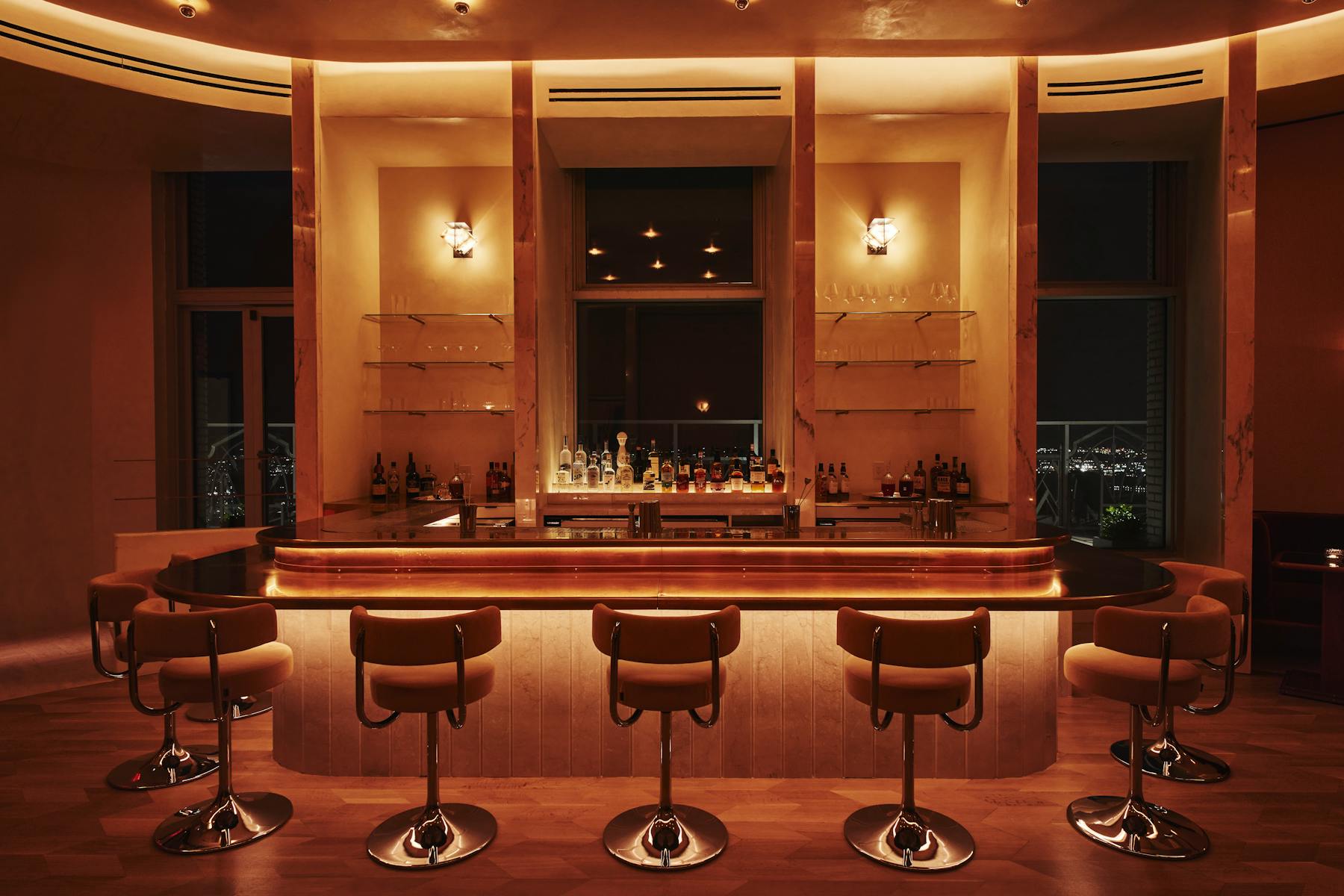
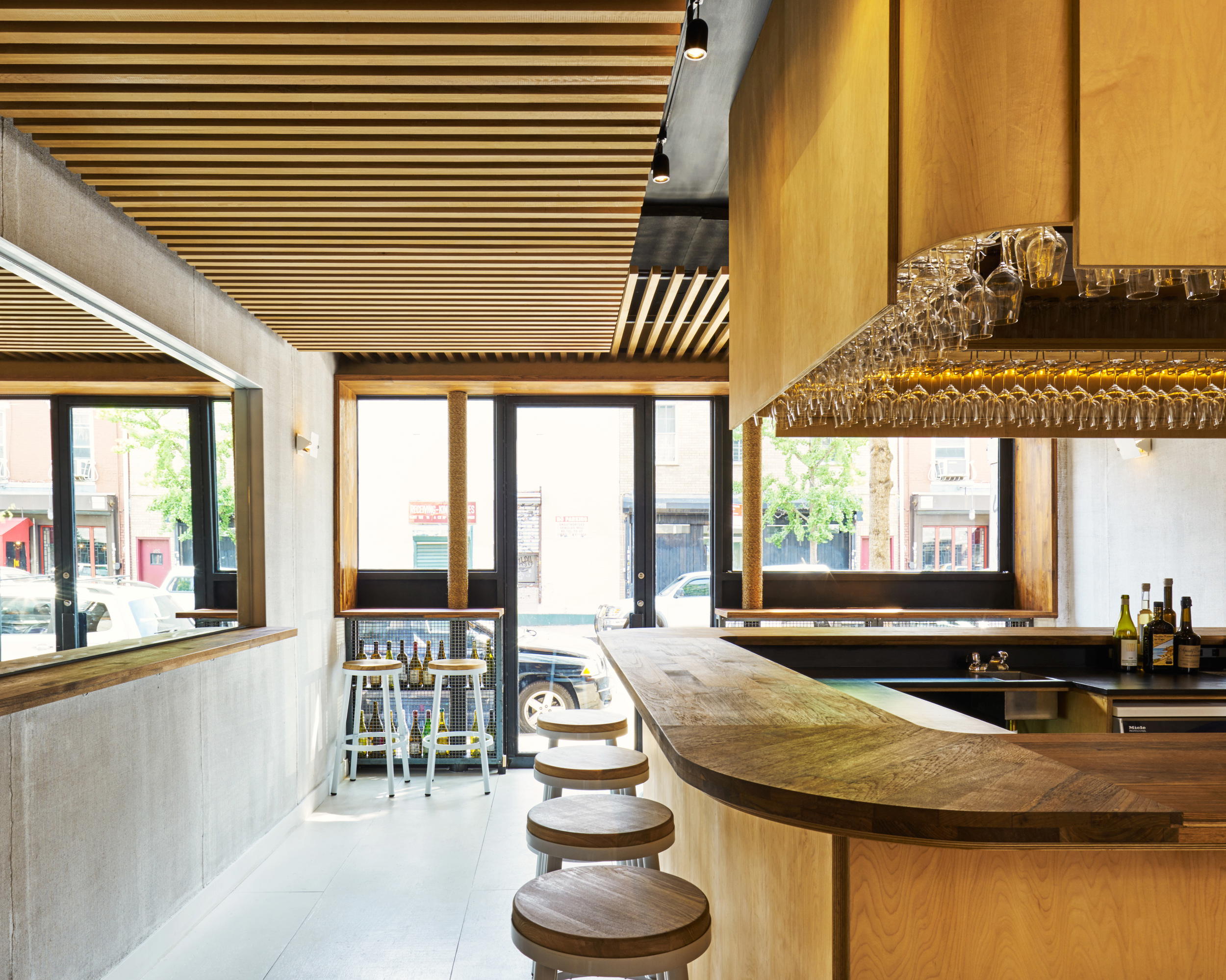
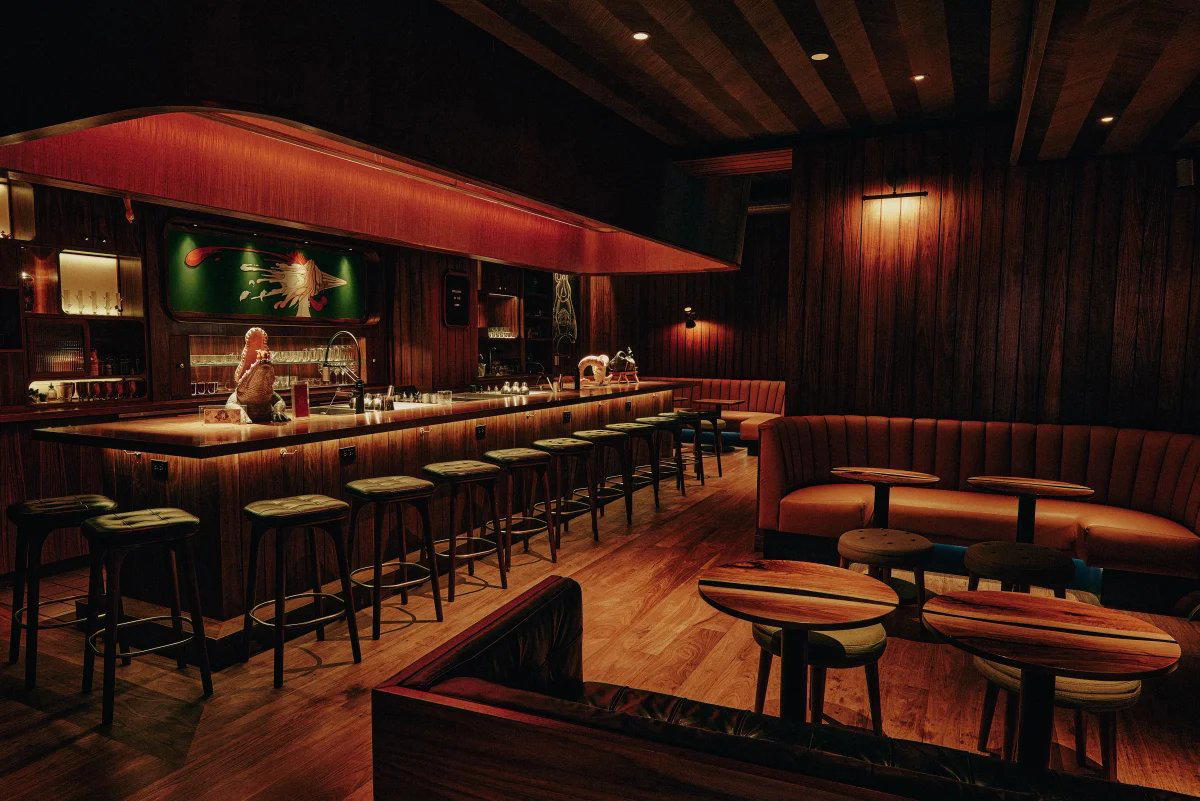
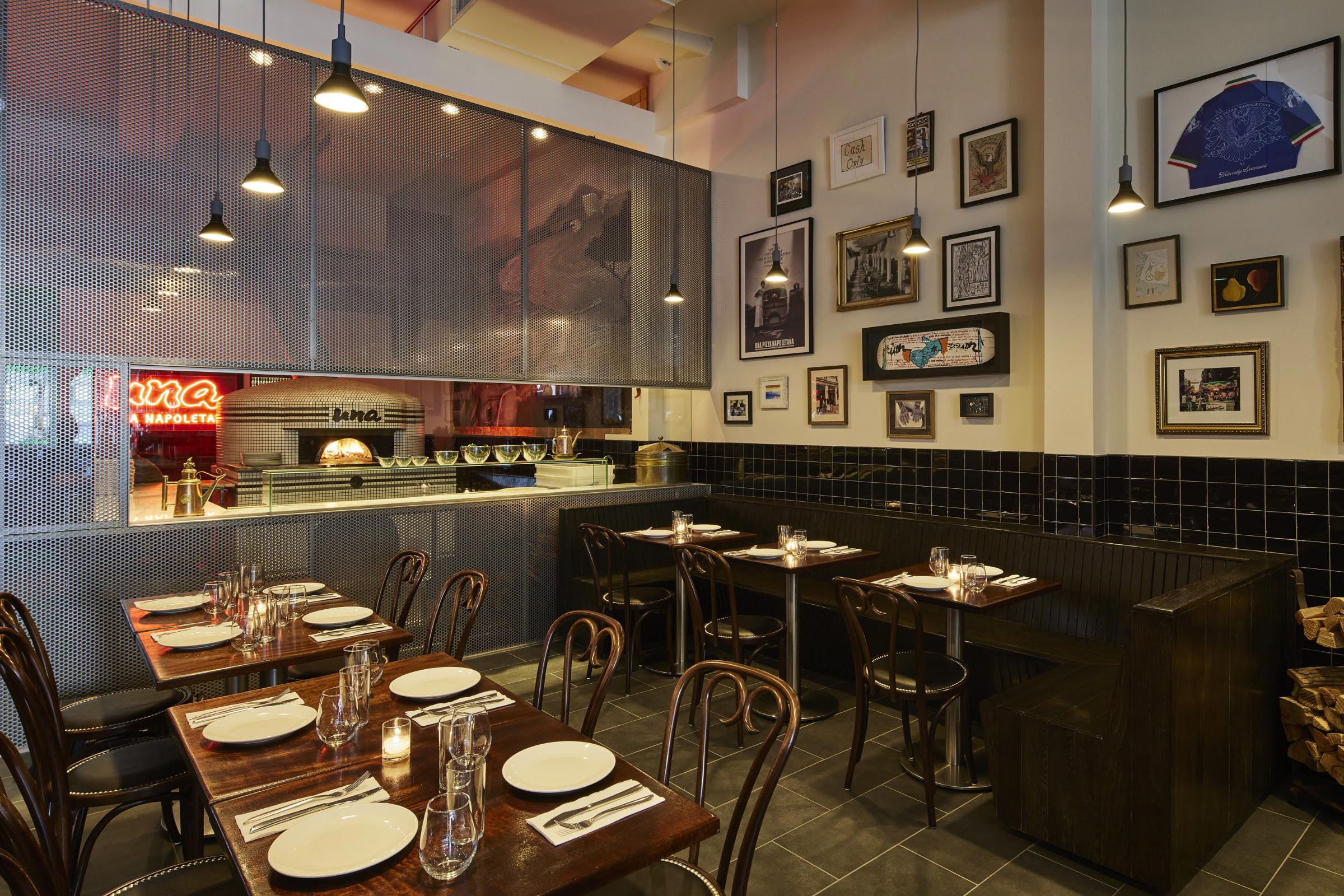
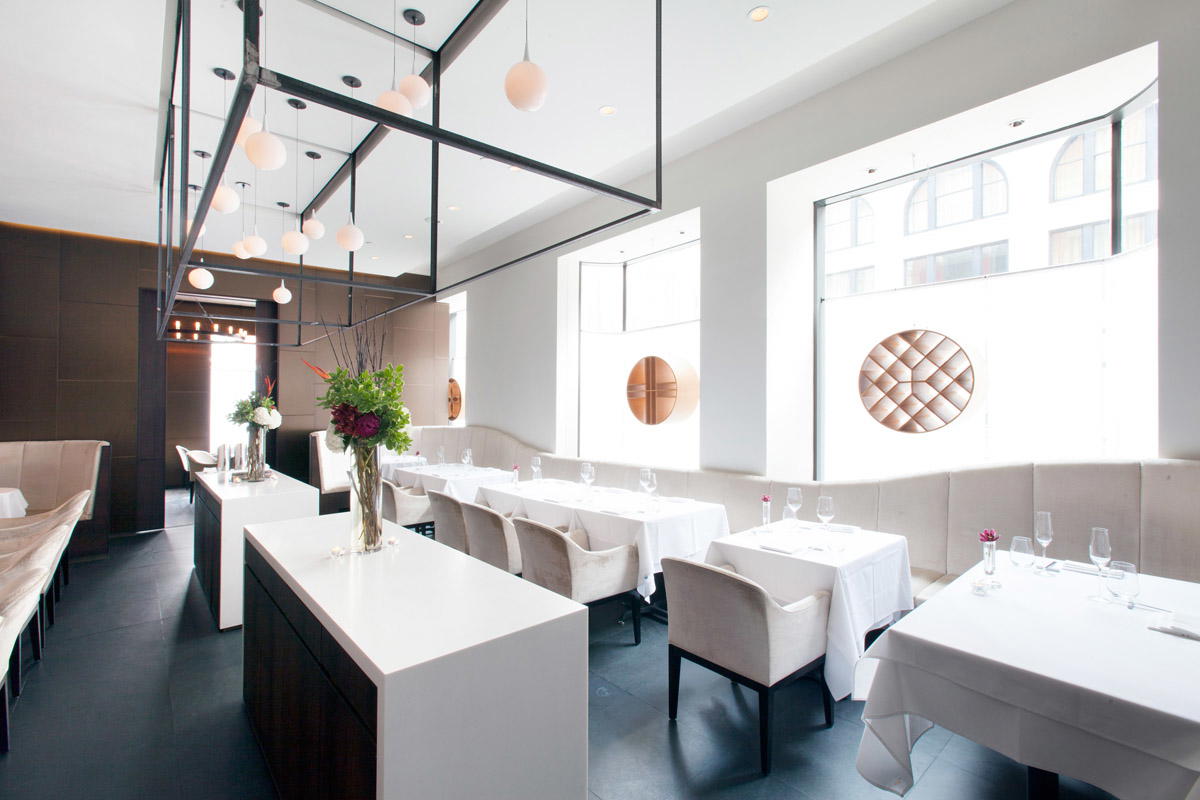
Bars in New York City
Browse all →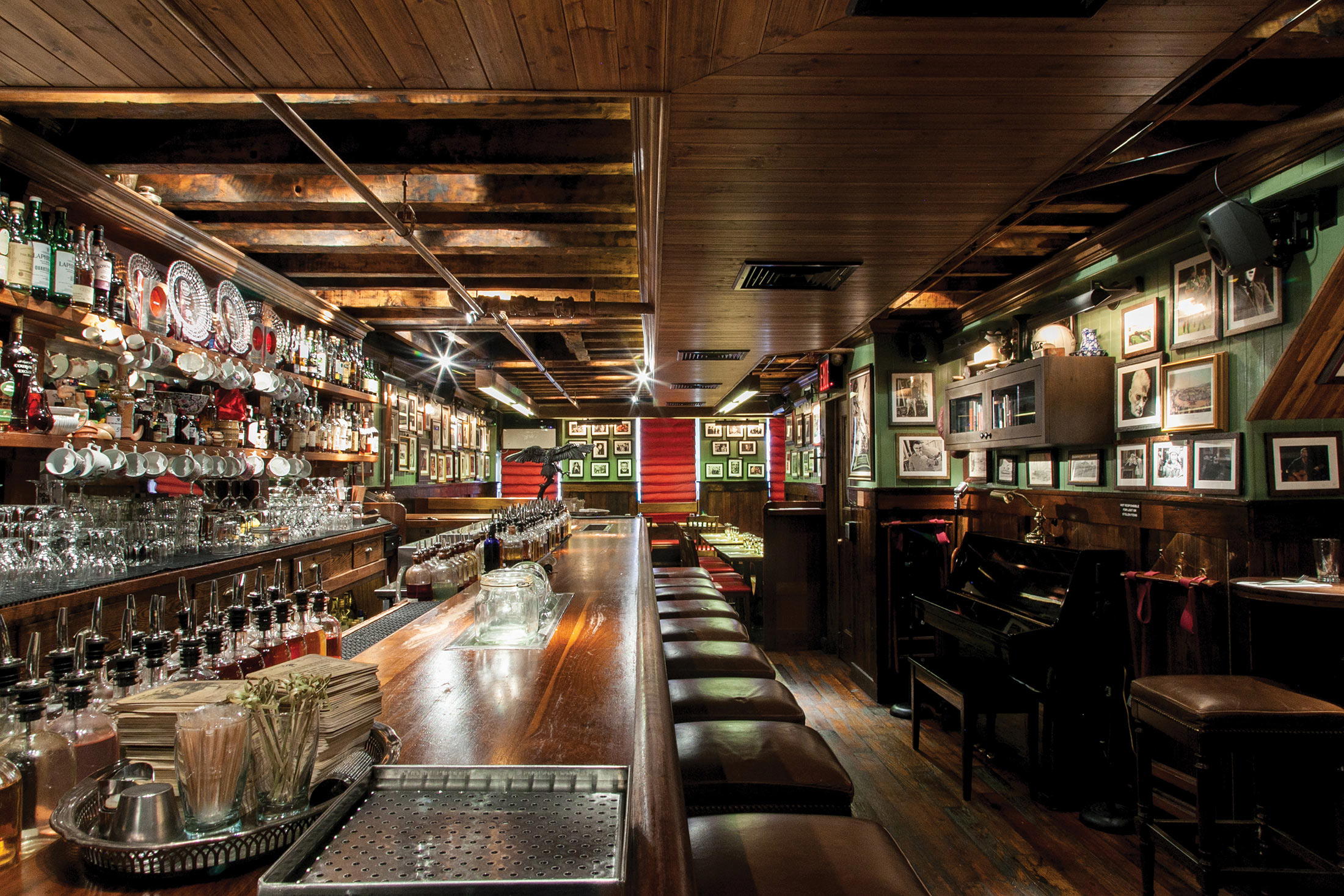
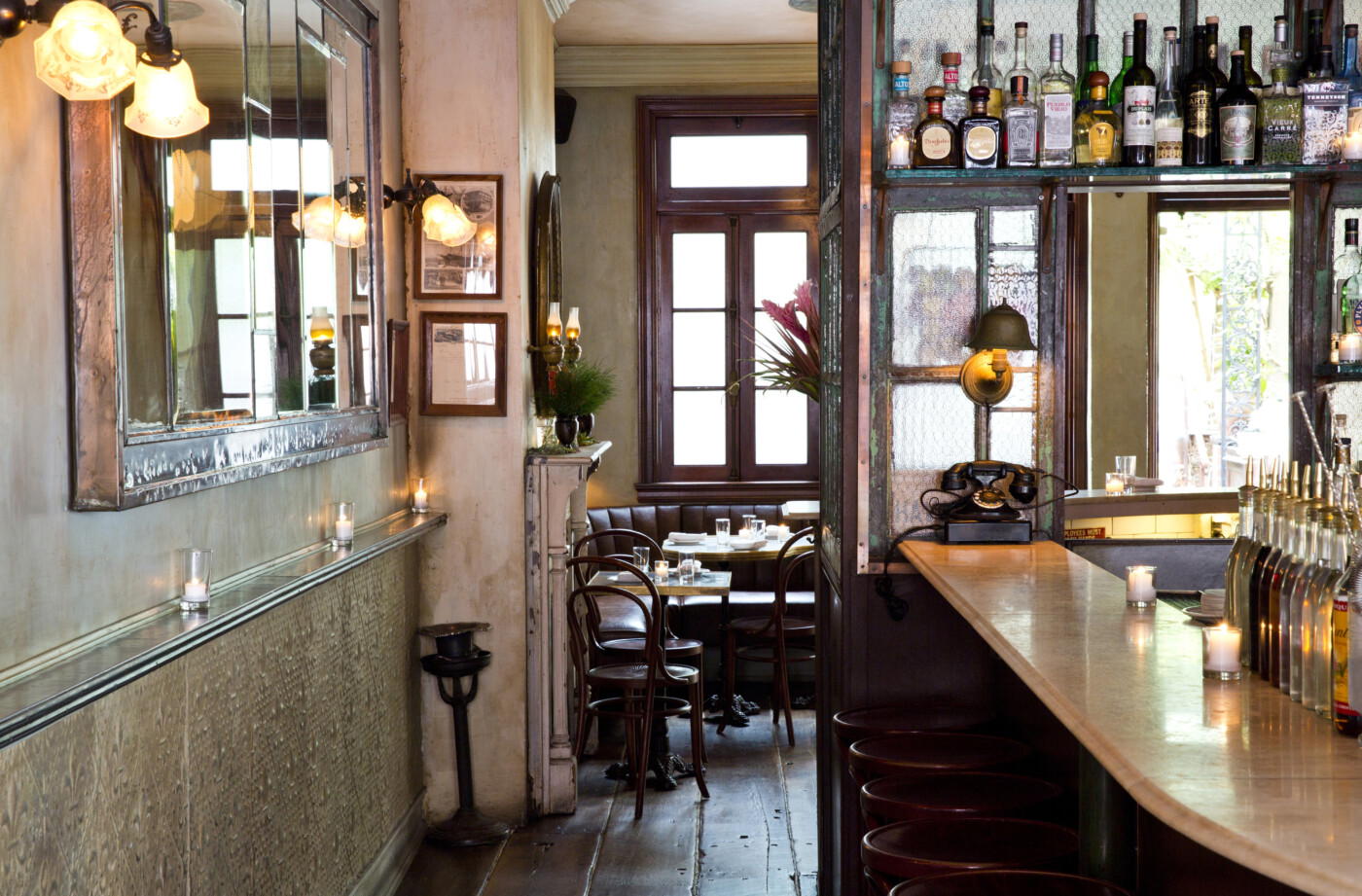
Hotels in New York City
Browse all →






At a Glance
- Lively
- Warm
- Energetic
- Trendy
- Brunch
- Casual Hangout
- Group Dining
- Date Night
- After Work
- Open Kitchen
- Standalone
- Craft Cocktails
- Beer Program
- Local Sourcing
Current opening hours
- Monday
- 10 AM–10 PM
- Tuesday
- 10 AM–10 PM
- Wednesday
- 10 AM–10 PM
- Thursday
- 10 AM–10 PM
- Friday
- 10 AM–10 PM
- Saturday
- 9 AM–10 PM
- Sunday
- 9 AM–10 PM
Hours can change for holidays and private events. Last verified .
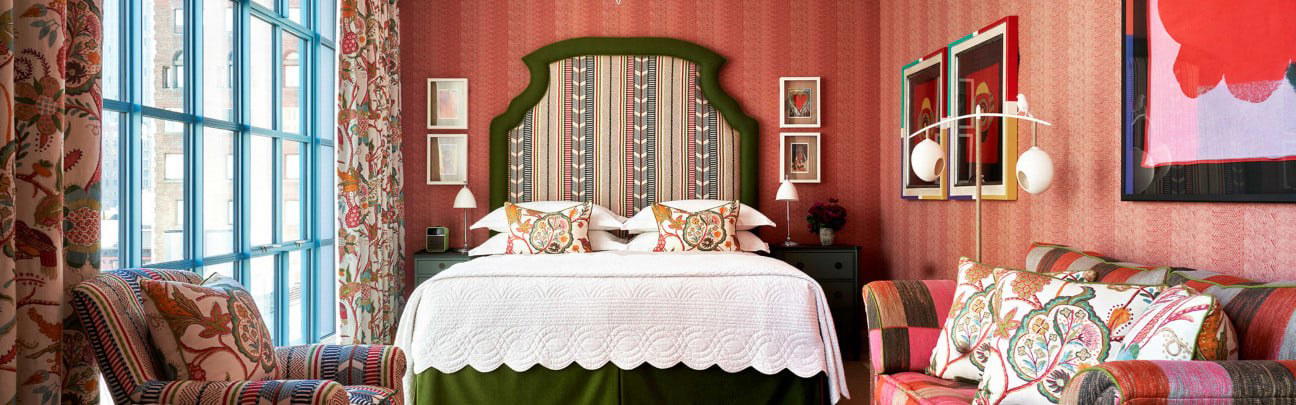
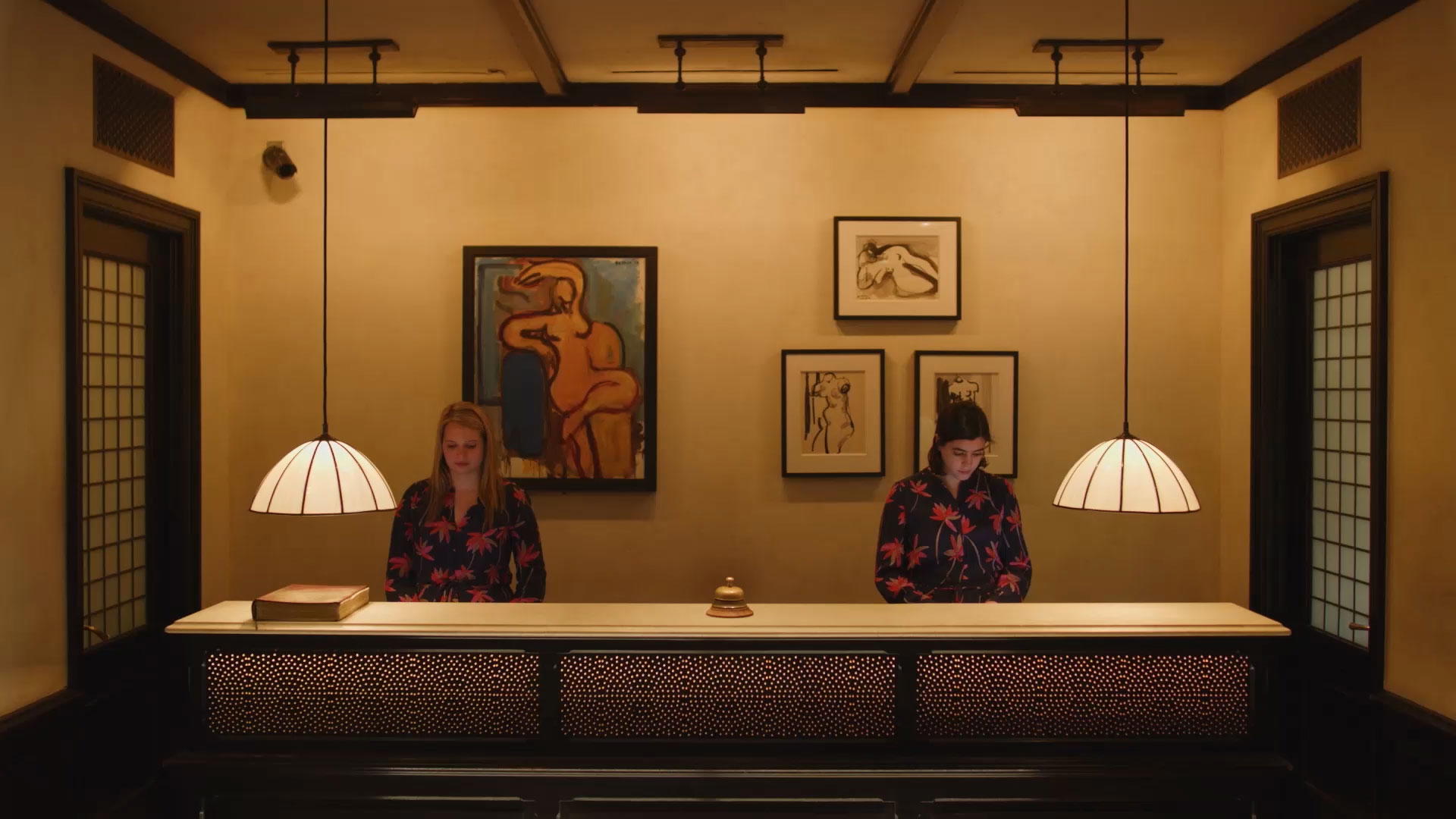
Stylish and welcoming with a music-forward vibe; beautifully designed space that feels both casual and refined, energetic at night with a strong bar program.