Our verdict
Sidrería Asturias in Gijón sits at the intersection of two things the region does better than almost anywhere else in Spain: cider and fire-cooked protein. The format here is traditional sidrería — communal, unhurried, tied to the rhythms of the Asturian countryside — and the sourcing logic that underlies it connects directly to the fishing ports and cattle farms that define northern Spain's food identity.

Pearl is the En Primeur Club membership app — saves, bookings, and concierge access live there. Same editors, same standards.
- Address
- Calle del, Calle Dr. Aquilino Hurlé, 36, Gijon-Este, 33203 Gijón, Asturias, Spain
- Phone
- +34 985 37 45 16
- Hours
- Mon 12 PM–12 AMTue–Wed ClosedThu–Sun 12 PM–12 AM
- Website
- sidreriaasturias.com
- Directions
- Get directions
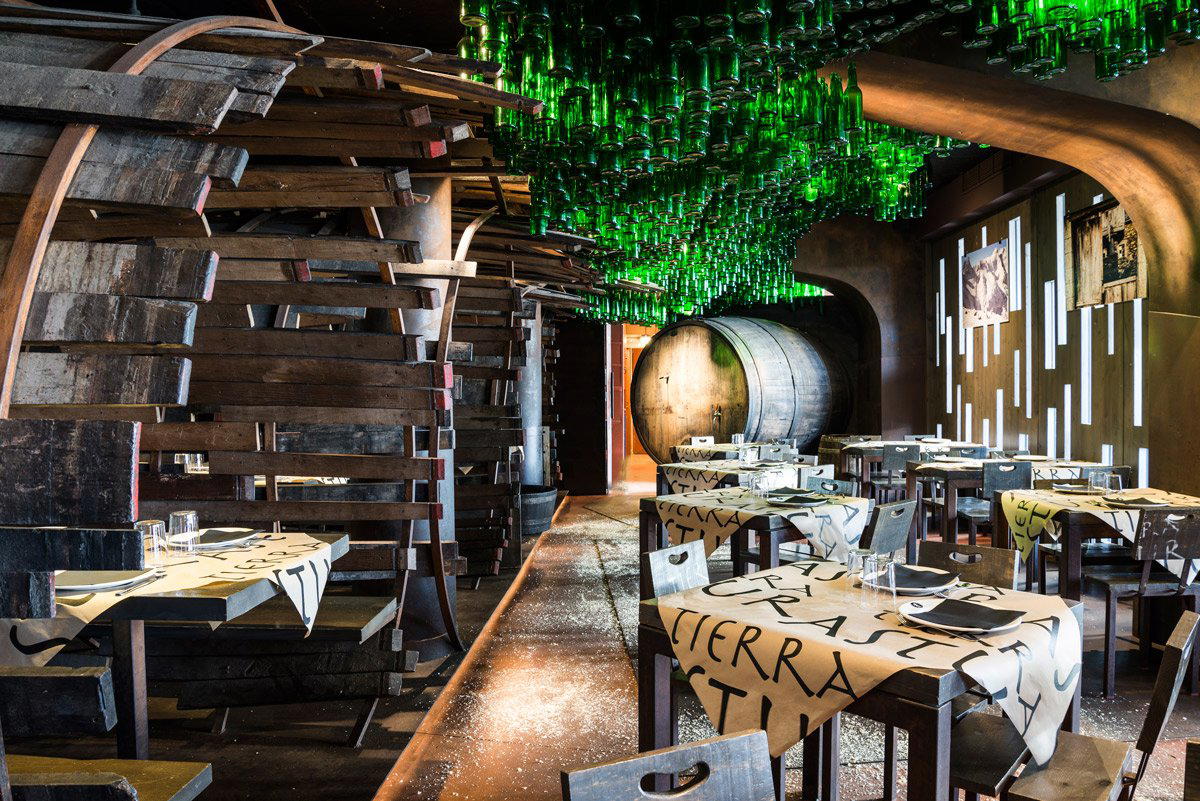
Where the Cider Comes From First
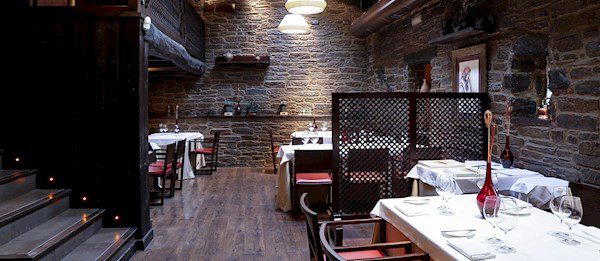
In Asturias, the sidrería is not simply a restaurant category — it is a cultural contract. The format predates modern dining by centuries, rooted in the apple orchards of the interior valleys where cider was currency, preservative, and social glue long before wine reached this corner of the Cantabrian coast. Walking along Calle Dr. Aquilino Hurlé in Gijón's eastern quarter, you encounter the particular atmosphere that defines these spaces: long wooden tables, the faint tang of fermented apple in the air, and a room that operates on its own clock, indifferent to the pace of the street outside. Sidrería Asturias sits within that tradition, and understanding what it offers requires understanding the tradition first.
The sidrería format places ingredient sourcing at the centre of everything. Unlike tasting-menu restaurants — where the kitchen's craft is the primary argument, a sidrería lives or dies on what it sources and how faithfully it handles those materials. Spain's haute dining circuit, from Arzak in San Sebastián to El Celler de Can Roca in Girona, operates on entirely different principles, ambition, technique, transformation. The sidrería, by contrast, is a format of transparency: the quality of the raw material is the point.
Asturian Sourcing and What It Actually Means
Asturias produces some of the most geographically concentrated high-quality ingredients in the Iberian Peninsula. The coastline running west from Gijón to Llanes delivers percebes, nécoras, and merluza through fishing communities that have supplied the same markets for generations. Inland, the lush, rain-heavy valleys support cattle breeds, particularly the Asturiana de los Valles, whose beef has a fat profile closer to a well-raised British native breed than to the leaner cattle of Castile. The cider itself comes from more than 20 indigenous apple varieties grown across the Camín Real corridor, pressed in lagares that follow seasonal rhythms tied to the harvest rather than commercial demand.
This sourcing geography is the reason the sidrería as a format makes cultural sense in Asturias in a way it would not elsewhere. A sidrería in Madrid is a simulacrum; in Gijón, you are three kilometres from the sea and forty minutes from the orchards. That proximity is not incidental, it shapes what appears on the table and how reliably it appears. The chorizo criollo, the cachopo (the region's breaded veal cutlet that has become a kind of culinary shorthand for Asturian abundance), the sidra natural poured from shoulder height in the traditional escanciar pour: each of these is a direct expression of place in a way that transcends any single venue's execution.
For context on how other Spanish regions handle the relationship between place and plate at the highest level, Aponiente in El Puerto de Santa María and Quique Dacosta in Dénia both build their menus around hyper-local marine sourcing, but through the filter of fine-dining transformation. The sidrería inverts that logic: less transformation, more fidelity to material.
The Gijón Eating Scene Around It
Gijón is a working port city that has developed a dining scene more layered than its profile outside Spain would suggest. The Cimadevilla neighbourhood and the streets around the port host a concentration of casual-to-serious eating that rewards extended exploration. Within the city's broader restaurant range, the formats run from wine-led small-plate rooms like Camila Cañas, Vinos y Raciones to contemporary casual operations including KO Burger and Koa Poke. There is also Pasiones, which represents a different register of the city's eating ambitions. Our full Gijón restaurants guide maps these across neighbourhood and format.
The sidrería occupies a specific place in that range: it is the format most tied to local ritual and least oriented toward visitors. This is not unwelcoming, Asturian hospitality is direct, but it is a space designed for the way locals actually eat: long, unhurried meals that begin with cider and move through several rounds of food without urgency. The pacing is built into the format. Arriving expecting the rhythm of a contemporary restaurant will produce friction; arriving prepared for a two-hour progression through the menu will produce the opposite.
Spain's Broader Fine Dining Context
It is worth situating the sidrería format against Spain's international dining reputation, not to conflate the two but to understand the range. Spain currently holds one of the densest concentrations of serious restaurant talent in Europe. DiverXO in Madrid, Mugaritz in Errenteria, Azurmendi in Larrabetzu, Martin Berasategui in Lasarte-Oria, Cocina Hermanos Torres in Barcelona, Ricard Camarena in València, and Atrio in Cáceres all represent the transformative, technique-heavy end of the country's output. These restaurants share an orientation toward innovation and the international fine-dining conversation. The sidrería occupies the opposite pole, not lesser, but defined by entirely different values. For international visitors who arrive in Spain having eaten at venues comparable to Le Bernardin in New York City or Lazy Bear in San Francisco, the sidrería offers a genuinely different frame of reference: food as communal habit rather than curated experience.
Planning a Visit
Sidrería Asturias is located at Calle Dr. Aquilino Hurlé, 36, in Gijón's eastern district. Contact details and current hours were not available at the time of writing, so confirming opening times directly before visiting is advisable, Asturian sidrerías frequently follow seasonal rhythms and may reduce hours outside peak summer and weekend periods. The format is walk-in friendly by local convention, though weekends and summer evenings in Gijón draw consistent local demand, and arriving early in a service tends to ease access. Dress is entirely informal; the space is built for conversation and noise, not ceremony. Budget expectations should align with the format: this is a category defined by volume and generosity rather than precision pricing, and the cider is typically sold by the bottle at rates that make the full meal a reasonable spend for the experience delivered.
Frequently asked questions
Where exactly is Sidrería Asturias?
Sidrería Asturias is located at Calle del, Calle Dr. Aquilino Hurlé, 36, Gijon-Este, 33203 Gijón, Asturias, Spain, Gijon.
What makes a Gijón sidrería different from a standard Spanish restaurant?
The sidrería is a distinct Asturian institution: cider is the primary drink rather than wine, poured using the escanciado technique from an extended arm height to oxygenate the liquid in the glass. In Gijón, which has one of the denser concentrations of active sidrerías in Asturias, the format also carries a social function — long shared tables, fixed rhythms of ordering, and a menu structure that follows regional produce rather than contemporary trend. Sidrería Asturias operates within this tradition at its Calle Dr. Aquilino Hurlé, 36 address in the city's eastern district.
What do people recommend at Sidrería Asturias?
In Gijón sidrerías, the recurring draws are the house-poured natural cider (sidra natural, served via the traditional long-pour escanciado method) and the grilled or salted fish dishes that anchor Asturian coastal menus. Cachopo, the breaded veal cutlet stuffed with ham and cheese, is a regional staple that appears on most serious sidrería menus in the city.
How hard is it to get a table at Sidrería Asturias?
Gijón sidrerías tend to operate on a walk-in model, particularly at lunch, though popular spots in the city's eastern districts fill quickly on weekends and during summer. Sidrería Asturias is located at Calle Dr. Aquilino Hurlé, 36 in Gijón's eastern district, away from the Cimadevilla tourist concentration, which typically means less competition for tables than the harbour-facing venues. Reservation details and current hours were not available at time of publication; calling ahead or arriving early on busy days is the practical approach.
What's Sidrería Asturias best at?
The sidrería format itself is the defining offer: natural cider poured from height to aerate it, served alongside dishes built around Asturian coastal and inland produce. The format is not about fine-dining theatre but about a specific regional eating culture that has remained largely unchanged for generations. Sidrería Asturias sits within that tradition in Gijón, a port city whose food scene is more serious than its international profile suggests.
Is Sidrería Asturias allergy-friendly?
Traditional Asturian sidrería menus lean heavily on shellfish, dairy, gluten (in dishes like cachopo), and cured pork, which means common allergens are present across most standard dishes. No specific allergen or dietary accommodation information for Sidrería Asturias was confirmed at time of publication. Guests with significant dietary restrictions should check the venue's official channels before visiting; the address is Calle Dr. Aquilino Hurlé, 36, Gijón.
In Context: Similar Options
Comparable venues nearby, for context on price, style, and recognition.
| Venue | Cuisine | Price | Awards | Notes |
|---|---|---|---|---|
| Sidrería AsturiasThis venue — the venue you are viewing | Traditional Asturian Sidrería | $20–30 | Not listed | Not listed |
| Restaurante La Tabla | Modern Asturian | Not listed | Michelin Plate · Star Wine List | countryside |
| Pasiones | Vegan Spanish Tapas | $10–20 | Not listed | Gijon-Este |
| Koa Poke | Hawaiian Poke Bowls | $10–20 | Not listed | Centro |
| Gloria | Modern Spanish Tapas | $30–50 | Michelin Plate · Macarfi 8 Food Rating | Centro |
| KO Burger | Modern Gourmet Burgers | $10–20 | Not listed | Gijón |
Continue exploring
More in Gijón
Restaurants in Gijón
Browse all →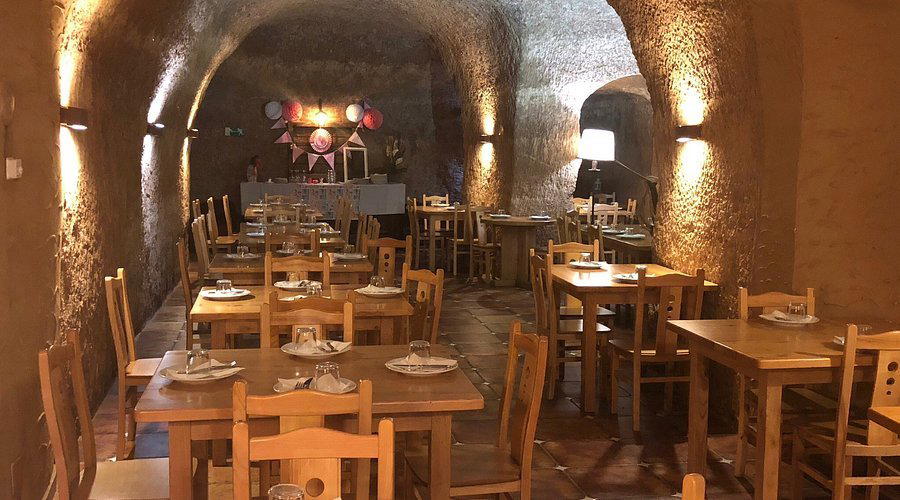
Details
- Rustic
- Classic
- Family
- Group Dining
- Casual Hangout
- Standalone
- Beer Program
- Local Sourcing
- A La Carte
- Cider
Current opening hours
- Monday
- 12 PM–12 AM
- Tuesday
- Closed
- Wednesday
- Closed
- Thursday
- 12 PM–12 AM
- Friday
- 12 PM–12 AM
- Saturday
- 12 PM–12 AM
- Sunday
- 12 PM–12 AM
Hours can change for holidays and private events. Last verified .
Casual and traditional atmosphere with focus on substantial home-style cooking near the beach.