


A Michelin-starred counter restaurant on Calle Cabrales where sommelier Marcos Granda and chef Marcos Mistry place front-of-house service on an equal footing with the kitchen. Twelve seats face a live kitchen, and two tasting menus built around Asturian ingredients give guests a choice of depth. At €€€€, this is Gijón's most architecturally considered dining format.
Pearl is the En Primeur Club membership app — saves, bookings, and concierge access live there. Same editors, same standards.
- Address
- C. Cabrales, 76, Centro, 33201 Gijón, Asturias, Spain
- Phone
- +34 984 00 75 80
- Website
- restaurantemarcos.com
- Directions
- Get directions
 Saves & bookings on Pearl
A Counter Format Built Around Asturian Ingredients
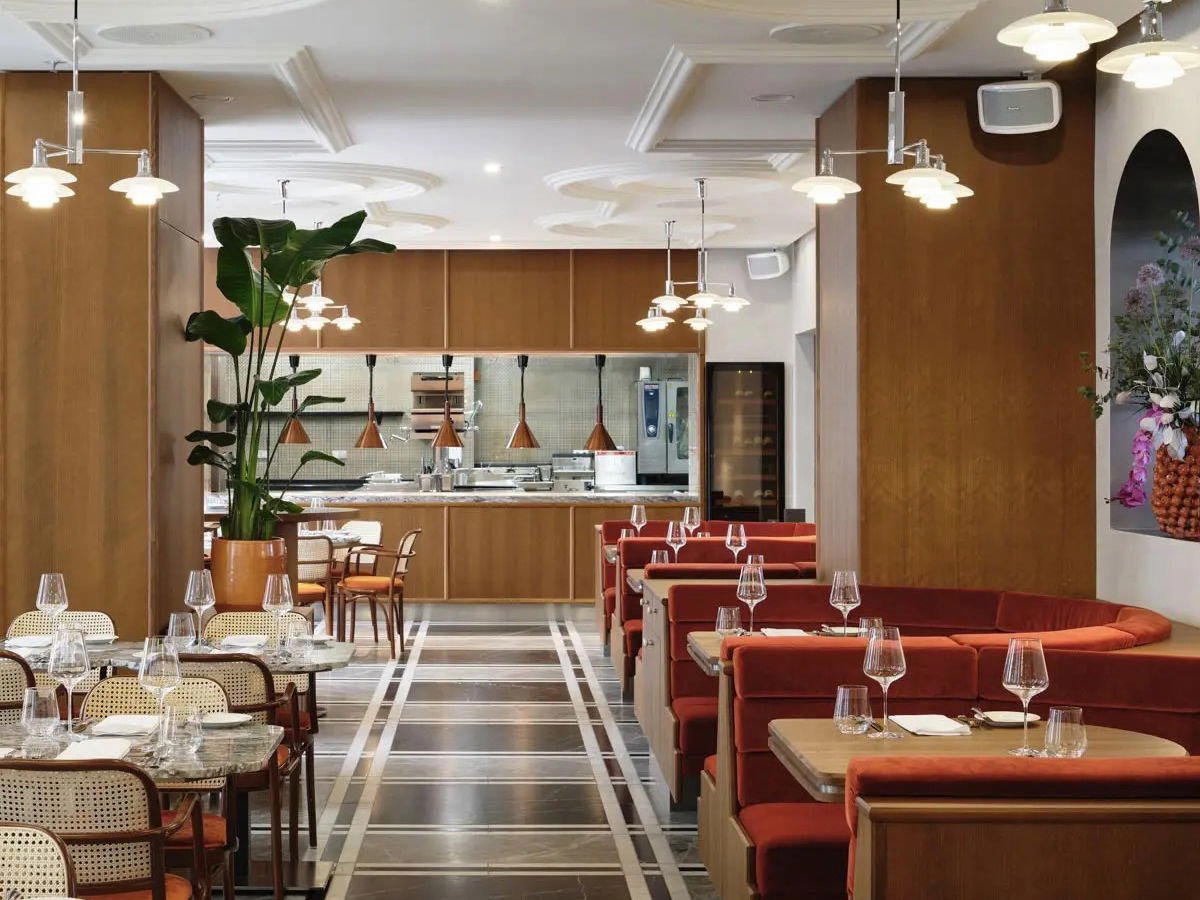
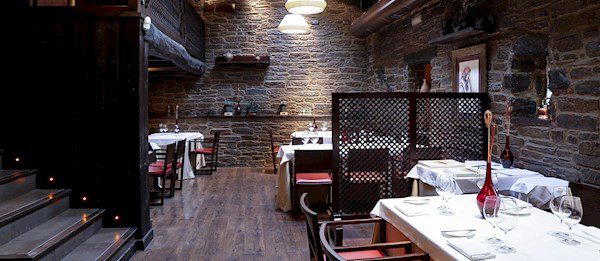
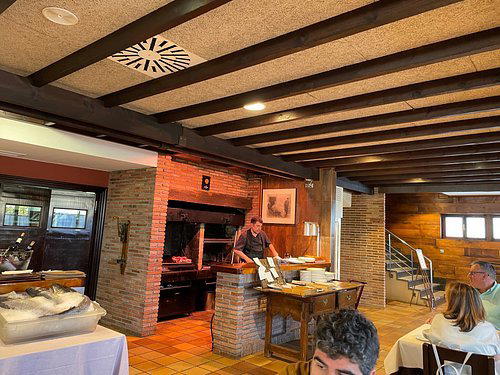
Gijón's fine dining offer has long lived in the shadow of the Basque Country and Asturias's own inland heartland, but the city's position on the Cantabrian coast gives it a larder that few Spanish kitchens can match. At Marcos on Calle Cabrales, that larder is the premise of everything. The room is dressed in warm wood, the kitchen is open to the twelve-seat counter, and the structure of the evening is designed to keep attention on what arrives in front of you rather than on the room around you. That kind of format, live kitchen, fixed counter, tasting menu only, has become a recognisable signal in European fine dining, used by operators who want to remove the distance between cooking and eating. Here it is applied with a specific regional logic: the ingredient, caught or grown in Asturias, is the subject, and the technique is the argument made on its behalf.
How the Menu Is Structured
The architecture of the menu at Marcos is more deliberate than a simple choice between short and long. Two tasting menus are offered: "Lo esencial" (The Essentials) and "Una vuelta a lo esencial" (A Return to the Essentials). The names are doing real conceptual work. The shorter menu presents a distilled argument; the longer menu asks what happens when you return to the same ingredients and ideas with more time and more courses. It is a structural device that rewards guests who have visited before, since the extended menu becomes a rereading of the same text rather than a different one. That kind of iterative logic is relatively rare in Spanish tasting menu culture, where the instinct is usually to build a single ambitious sequence and refresh it seasonally.
The dishes referenced in the awards record give a sense of the register: Tuna and sunflower seeds, Prawns in C major, Red scarlet prawns in yellow. These titles suggest a kitchen that is interested in contrast and displacement, the sunflower seed next to tuna, the musical reference applied to a crustacean, the colour notation used as a flavour indicator. Whether those signals translate into the expected surprise is a question only the evening itself can answer, but the naming convention is a reliable early indicator of the kitchen's orientation. This is cooking that treats familiarity as a starting point rather than a destination.
Michelin awarded Marcos one star in 2024. The structure of the menus and the capacity constraint of twelve seats position Marcos among Spain's more focused gastronomic houses. The price tier (€€€€) confirms that positioning.
Service as a Structural Equal
What separates Marcos from other counter restaurants in northern Spain is the explicit claim that the dining room carries as much weight as the kitchen. The project was conceived by sommelier Marcos Granda, who has a specific professional history in front-of-house work at the highest levels of Spanish hospitality. His return to his home region was not simply a question of opening a restaurant with good wine service, it was an attempt to build a format where the sommelier's craft is architecturally central, not supplementary. In practice, this means the wine programme and the room management are conceived as part of the tasting experience, not additions to it. The international comparison that comes to mind is how Frantzén in Stockholm and, in a different context, FZN by Björn Frantzén in Dubai have treated service choreography as a design discipline rather than a support function.
The evening begins with aperitifs and appetisers in the bar, then moves to the library (Salón Chimeneas) before the counter sequence proper.
Gijón's Fine Dining Context
Gijón is not a city that has historically concentrated its restaurant energy at the summit of the price range. The city's strength has been its seafood trattorias, its sidrerías, and the kind of market-driven cooking that does not require a booking three months ahead. The counter format at Marcos sits at the opposite end of that tradition without rejecting it: the ingredients are Asturian, the seafood is local, and the regional identity is present in the sourcing even when the technique is contemporary. That relationship between regional loyalty and formal ambition is a consistent characteristic of the better new-wave restaurants across Asturias.
For a broader picture of how Gijón's restaurant scene is organised across price points and formats, the comparison set is instructive. Farragua and El Recetario operate in the contemporary register at lower price tiers (€€), while Auga anchors the traditional end at €€€. Abarike covers the seafood-specialist position at €€. Fūmu completes the current set. Marcos at €€€€ occupies the upper tier of this structure, and its Michelin star is the only one currently held in that group.
Planning a Visit
Marcos is on Calle Cabrales, 76, in the Centro district of Gijón. The address puts it within walking distance of the city centre, though the format, a maximum of twelve guests per service, a multi-room progression, and two menus of differing length, means this is an evening that should be treated as the primary plan rather than one element of a longer night. The €€€€ price tier applies to both tasting menus.
Fast Comparison
Comparable venues nearby, for context on price, style, and recognition.
| Venue | Cuisine | Price | Awards | Notes |
|---|---|---|---|---|
| MarcosThis venue — the venue you are viewing | Modern Asturian Fine Dining | $$$$ | Michelin 1 Star | Not listed |
| Auga | Modern Spanish Seafood | $$$$ | Michelin 1 Star | Cimadevilla |
| Farragua | Modern Spanish with Asturian and Extremaduran Roots | $$$ | Bib Gourmand | Centro |
| Restaurante La Tabla | Modern Asturian | $$$ | Not listed | countryside |
| El Recetario | Modern Asturian with Market-Inspired Seasonal Cuisine | $$$ | Bib Gourmand | Cimadevilla |
| Sidrería Asturias | Traditional Asturian Sidrería | $$ | Not listed | La Arena |
Recognition history
Dated appearances from independent guides and award organizations, with the underlying list record or original source where available.
Macarfi 8.7 Food Rating
Macarfi
Michelin 1 Star
Michelin
Michelin 1 Star
Michelin
Opinionated About Dining Cheap Eats in North America Ranked #201
Opinionated About Dining
Michelin 1 Star
Michelin
Continue exploring
More in Gijón
Restaurants in Gijón
Browse all →
At a Glance
- Elegant
- Intimate
- Sophisticated
- Date Night
- Special Occasion
- Open Kitchen
- Chefs Counter
- Extensive Wine List
- Sommelier Led
- Local Sourcing
Current opening hours
- Monday
- Closed
- Tuesday
- Closed
- Wednesday
- 8:45–9:30 PM
- Thursday
- 1:45–2:30 PM, 8:45–9:30 PM
- Friday
- 1:45–2:30 PM, 8:45–9:30 PM
- Saturday
- 1:45–2:30 PM, 8:45–9:30 PM
- Sunday
- 1:45–2:30 PM
Hours can change for holidays and private events. Last verified .
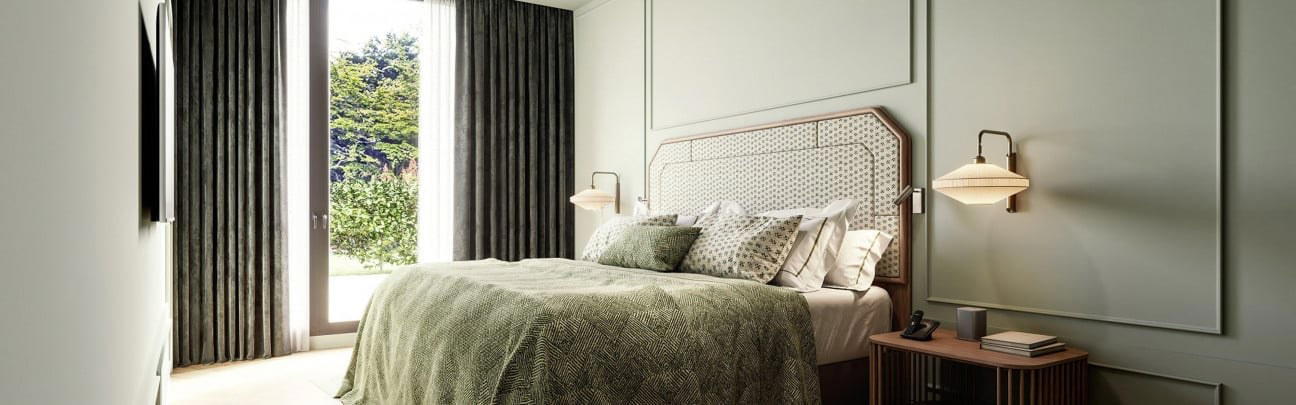
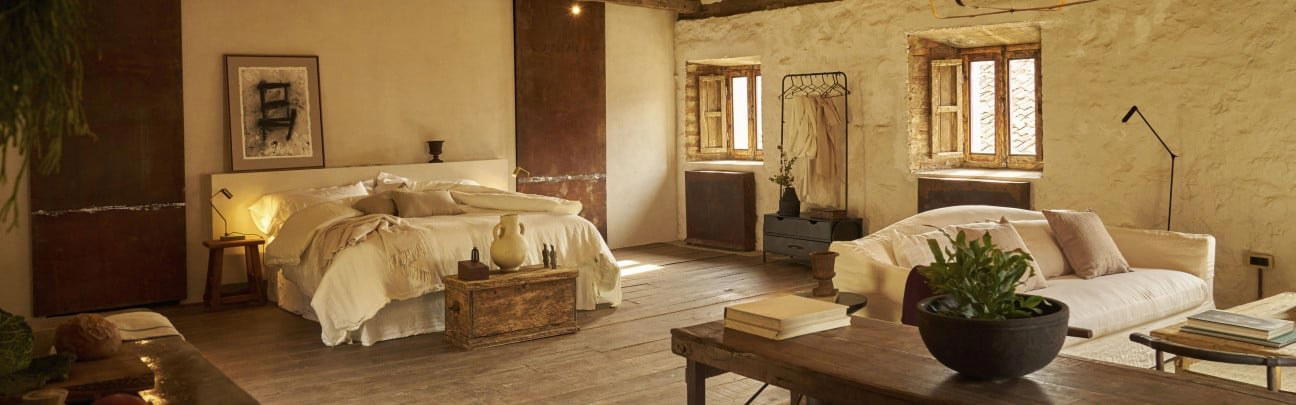
Elegant and welcoming with stylish wood decor, open kitchen view, calm and quiet atmosphere.