Our verdict
A wine and raciones bar on Calle Instituto in central Gijón, Camila Cañas sits within Asturias's evolving wine-bar culture, pairing regional and Spanish bottles with small plates in a format that trades sidra-house formality for something more relaxed and deliberately curated. It occupies a distinct tier from the city's casual tapas stops and its heavier traditional restaurants, making it a considered option for an early evening stop.

Pearl is the En Primeur Club membership app — saves, bookings, and concierge access live there. Same editors, same standards.
- Address
- Calle Instituto, 21, Centro, 33201 Gijón, Asturias, Spain
- Phone
- +34984509096
- Hours
- Mon–Tue ClosedWed–Thu 12–4 PM, 8–11 PMFri–Sat 12–4 PM, 8–11:30 PMSun 12–4 PM, 8–11 PM
- Website
- camilatapasyraciones.com
- Directions
- Get directions
- Booking
- Book on CoverManager
Gijón's Wine Bar Register
Asturias is cider country by reputation and by volume. The espicha tradition, the high-pour technique, the communal tables of a working sidrería like Sidrería Asturias — these are the load-bearing rituals of how the region drinks. Against that backdrop, a wine-and-raciones format represents a deliberate reorientation: away from the house ritual of cider toward a more editorial relationship with the glass, one where the selection itself carries the argument. Camila Cañas, Vinos y Raciones on Calle Instituto, 21 operates in exactly that register.
This kind of venue has been gaining ground across northern Spain over the past decade. In San Sebastián, the txikiteo culture has absorbed natural wine stops alongside its pintxos bars. In Bilbao, small-format wine rooms have opened in the gaps between larger restaurant groups. Gijón's version of the shift is quieter, less documented, but no less real. The wine bar as a format fills a specific gap in the city's eating-and-drinking sequence: more considered than a tapas crawl, less committed than a full dinner at one of the Centro's sit-down restaurants.
What the Vinos y Raciones Format Means
The phrase vinos y raciones carries more information than it appears to. Raciones in northern Spain are larger than tapas and smaller than main courses — plates sized for sharing across two or three people, typically ordered in sequence rather than all at once. The format encourages a kind of paced grazing that suits wine service well: a first pour with something cold and briny, a second with something heavier as the table settles in.
In Asturias, raciones tend to draw on a short list of regional references: Asturian cheeses, cecina, anchovies from the Cantabrian coast, croquetas with local ingredients. These are not tourist constructions but working elements of the regional table, and a wine bar that handles them with care is making an implicit argument about product sourcing and selection discipline. The format only works when the kitchen and the cellar are pulling in the same direction.
At the level of the broader Spanish wine-bar scene, the venues that have earned sustained attention are those where the list reflects genuine curation rather than category coverage. Bars that carry a few well-chosen bottles from lesser-known Spanish denominations, or that represent Asturian wines alongside national references, tend to draw a more engaged crowd than those defaulting to the usual Rioja-Ribera-Albariño shortlist. That orientation, when present, is what separates a wine bar from a restaurant that happens to serve wine.
Placing Gijón in Spain's Dining Map
Spain's restaurant and bar culture at its highest tier is well-documented: El Celler de Can Roca in Girona, Arzak in San Sebastián, DiverXO in Madrid, Mugaritz in Errenteria, Azurmendi in Larrabetzu, Martin Berasategui in Lasarte-Oria, Aponiente in El Puerto de Santa María, Cocina Hermanos Torres in Barcelona, Ricard Camarena in València, Atrio in Cáceres, Quique Dacosta in Dénia. These are the reference points against which Spain measures its fine dining ambitions, and they are, without exception, in cities or towns that have built an ecosystem around them.
Gijón operates differently. It is a mid-sized industrial port city on the Bay of Biscay with a food culture that is deeply regional rather than destination-driven. Its dining identity runs through the sidrería, the seafood house, and the informal pincho stop rather than through tasting-menu restaurants chasing international recognition. That is not a limitation; it is a character. Venues like Camila Cañas fit this character precisely because they serve the local dining sequence rather than performing for a passing audience.
For visitors arriving from the international fine-dining circuit, the reference points expand quickly: Le Bernardin in New York City and Lazy Bear in San Francisco represent how seafood-forward or communal-format dining can carry serious ambition. Gijón's wine bars are not competing in that register, but they offer something those rooms cannot: the texture of a city eating as itself.
Where Camila Cañas Sits in the Centro
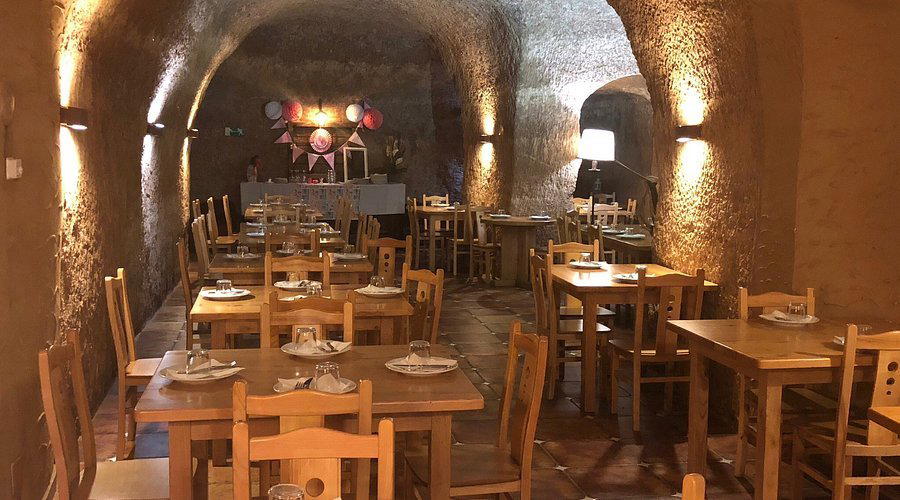
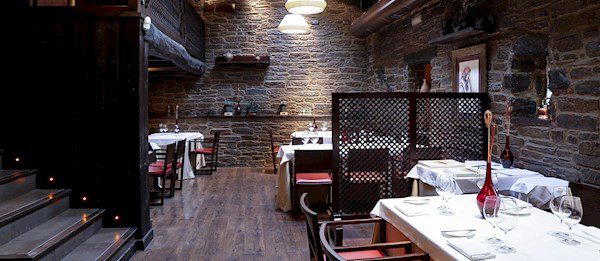
Calle Instituto runs through Gijón's Centro district, the older commercial and residential core of the city. The street carries a mix of local businesses and residential buildings without the tourist-facing density of the waterfront. A wine bar here is drawing a neighbourhood crowd more than a visitor one, which typically translates to a more regular, less performative atmosphere. The room reads, from the name and format, as a place calibrated to a returning customer rather than a first-timer working through a checklist.
The Centro's eating options span a wide range. Casual stops like KO Burger and Koa Poke serve the fast-casual segment, while Pasiones represents a more considered mid-range dining option. Camila Cañas occupies a different slot: the early-evening wine stop that extends into a light dinner, or the place you end up after a walk rather than one you plan a night around. That positioning, when a bar executes it well, creates exactly the kind of repeat-visit loyalty that sustains a neighbourhood room. See our full Gijón restaurants guide for a broader map of the city's options.
Planning a Visit
As a general rule for wine bars of this type in Gijón's Centro, evening service tends to begin around 7pm and extend to midnight, with the highest footfall between 8:30pm and 10pm when the city's late dinner culture kicks in. Reservations for small groups are worth attempting by phone or in person ahead of a Friday or Saturday visit; for weekday evenings, walk-ins at a wine-and-raciones bar of this scale are usually direct. Dress is informal across Gijón's neighbourhood wine bar tier, the city does not have a dress-code culture outside its smartest restaurant rooms.
Frequently asked questions
Would Camila Cañas, Vinos y Raciones be comfortable with kids?
A wine bar built around the vinos y raciones format on Calle Instituto in Gijón's Centro is primarily adult-oriented in pace and focus. Families with older children who are comfortable at a counter-style or table setting in a local wine bar environment should be fine; toddlers and prams would likely find the format less accommodating.
How would you describe the vibe at Camila Cañas, Vinos y Raciones?
The name telegraphs the format: wine and raciones, delivered in a local bar register rather than a formal dining room. Calle Instituto sits in Gijón's Centro, a working commercial street with a neighbourhood character rather than a tourist strip. Expect a convivial, no-ceremony atmosphere where the wine list and the plates share equal billing.
Is Camila Cañas, Vinos y Raciones a good option for wine drinkers visiting Asturias who want to eat well alongside the bottle?
It is specifically structured for that purpose: the vinos y raciones format pairs a wine list with raciones sized for sharing rather than snacking, sitting between a tapas bar and a full sit-down restaurant. Asturias is cider-first by tradition, so a wine-bar address in Gijón's Centro on Calle Instituto occupies a distinct niche in the city's eating and drinking map.
What do regulars order at Camila Cañas, Vinos y Raciones?
In the vinos y raciones format common across northern Spain, the standard move is to anchor around two or three raciones shared across the table alongside a bottle or glasses selected from the house wine list. Given Asturias's food culture, expect produce-led plates rather than elaborate technique.
Where do I go for Camila Cañas, Vinos y Raciones?
Camila Cañas, Vinos y Raciones is located at Calle Instituto, 21, Centro, 33201 Gijón, Asturias, Spain, Gijon.
How far ahead should I plan for Camila Cañas, Vinos y Raciones?
For wine bars of this format in a city like Gijón, walk-ins are often viable on weekday evenings, while Thursday through Saturday typically rewards a call ahead.
What's the standout thing about Camila Cañas, Vinos y Raciones?
In a city whose bar culture is dominated by cider and the sidrería tradition, a wine-focused address operating the vinos y raciones format represents a deliberate counter-position. Calle Instituto, 21 in Gijón's Centro places it in the everyday fabric of the city rather than a tourist quarter, which tends to sharpen both the clientele and the offer.
Price and Positioning
| Venue | Cuisine | Price |
|---|---|---|
| Camila Cañas, Vinos y RacionesThis venue — the venue you are viewing | Mexican Gastrobar | Not listed |
| Sidrería Asturias | Traditional Asturian Sidrería | $20–30 |
| KO Burger | Modern Gourmet Burgers | $10–20 |
| Koa Poke | Hawaiian Poke Bowls | $10–20 |
| Pasiones | Vegan Spanish Tapas | $10–20 |
Continue exploring
More in Gijón
Restaurants in Gijón
Browse all →

Details
- Cozy
- Trendy
- Casual Hangout
- Natural Wine
- Small Plates
Current opening hours
- Monday
- Closed
- Tuesday
- Closed
- Wednesday
- 12–4 PM, 8–11 PM
- Thursday
- 12–4 PM, 8–11 PM
- Friday
- 12–4 PM, 8–11:30 PM
- Saturday
- 12–4 PM, 8–11:30 PM
- Sunday
- 12–4 PM, 8–11 PM
Hours can change for holidays and private events. Last verified .
Welcoming and imødekommende atmosphere.